
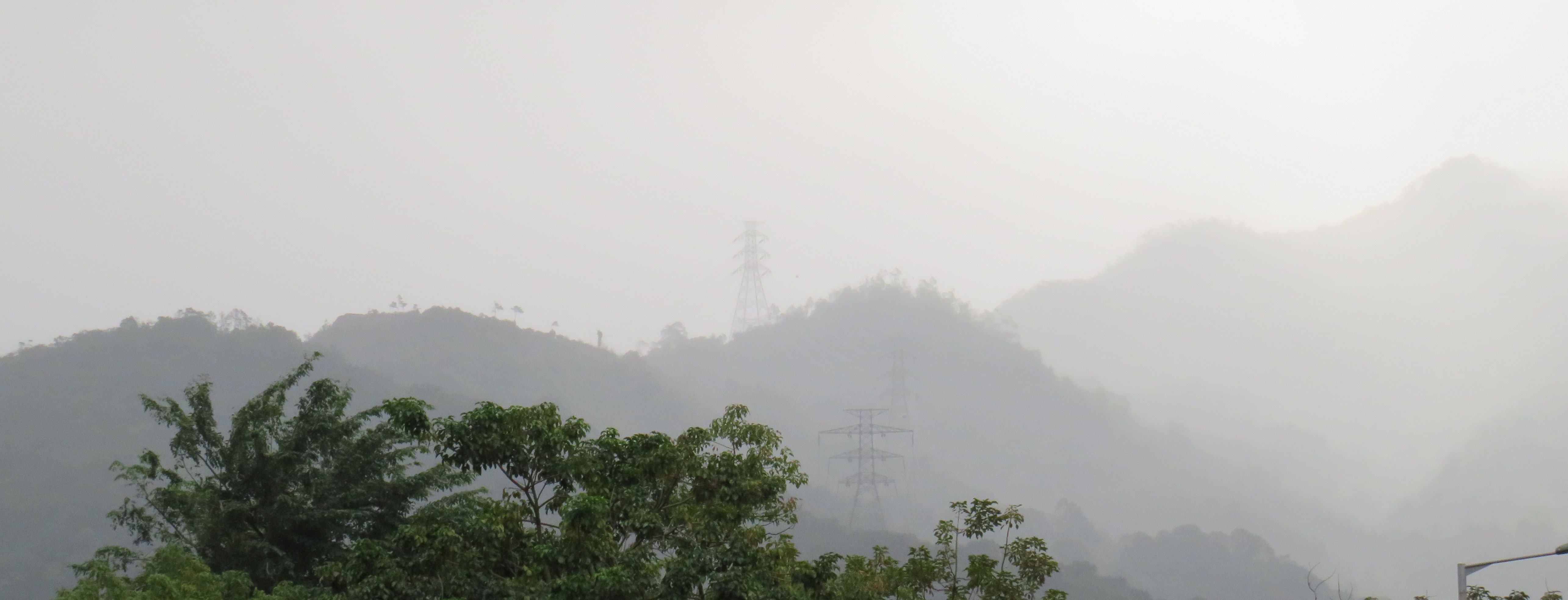
It was an eight-year-old boy, in March 1278, who gave the name to what was then the forested, hilly lands to the north of Hong Kong island. He counted eight hills – today’s Lion Rock, Tate’s Cairn, Unicorn Ridge, Beacon Hill, Crow’s Nest and so on, which today separate the urban coast from the New Territories. There are, he said, eight dragons.
No, said one of the men with him. There are nine. Because the boy was the 17th emperor of the Song dynasty, on the run from the invading Mongols. For as long as his dwindling naval forces kept heading south, for as long as he evaded capture, there was still a Song dynasty, and he was still its emperor. And so nine dragons it was Jiulong, or as pronunciation would have it in these days, and probably in those: Kowloon.
The boy Zhao Shi didn’t live long afterwards, dying of an illness on the run. Even then, he was the commander of a fleet of stolen boats, requisitioned with extreme prejudice from an angry Muslim merchant in Quanzhou, who would take his revenge by embracing the Mongol cause soon after. He was never quite the same after his boat capsized in a storm outside Leizhou, and even his presence in the area of what today is called Hong Kong was a feeble attempt at recuperation for the dying leader of a dying regime, mourning his drowned sister and his lost empire.
His even littler brother would be the last emperor of the Song, famously dragged beneath the waves by his suicidal courtiers as the fleet collapsed at the Battle of Yamen.
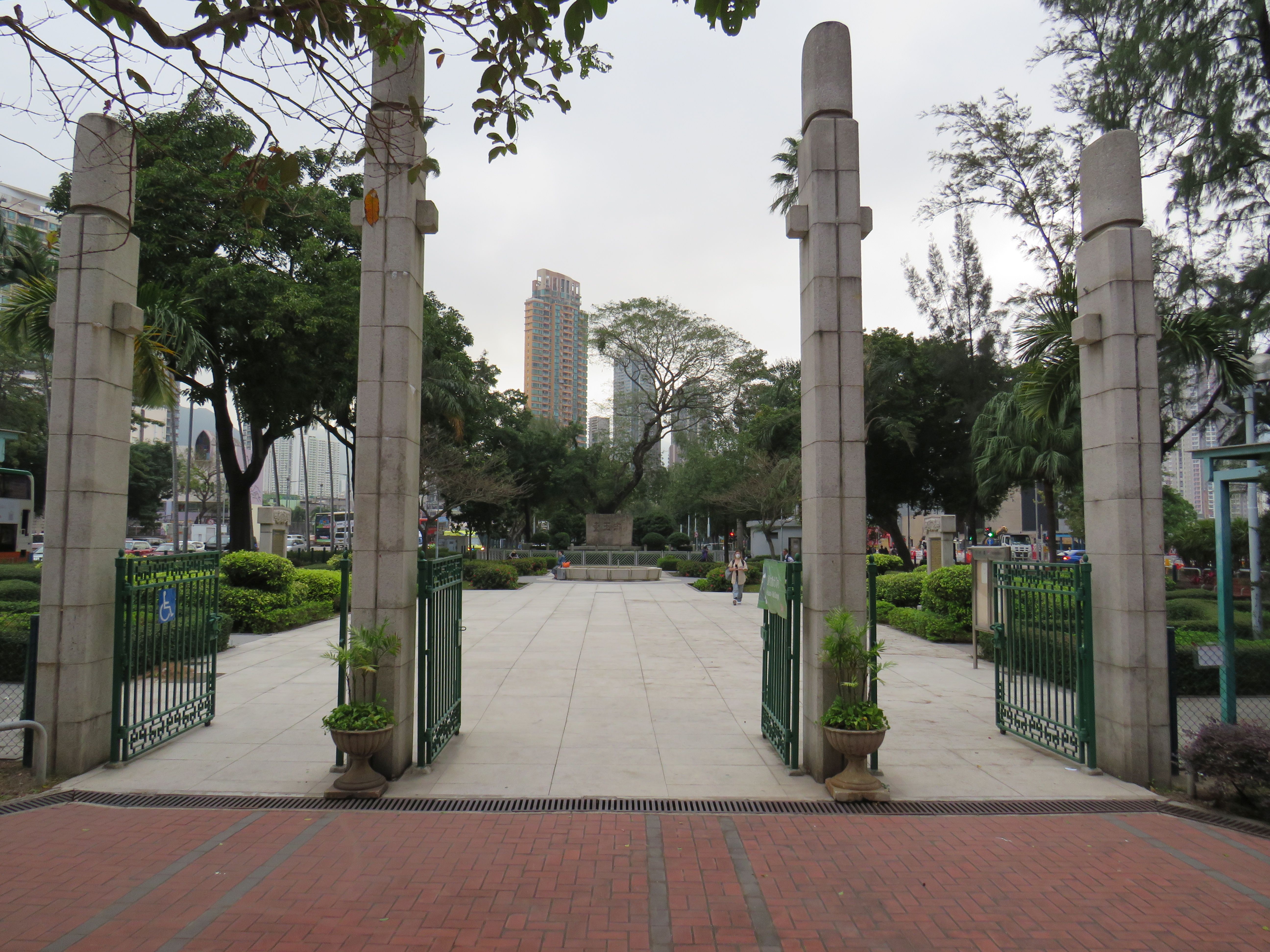
There was a monument in Hong Kong to the presence of the ninth dragon, at what came to be known as his Sacred Hill (sheng shan) – a hundred foot slab of rock, carved with the words Terrace of the Song King (song wang tai). This has made it into Cantonese as Sung Wong Toi – seemingly a deliberate move after the Mongol takeover to describe him as a lowlier royal, as calling him an emperor would have invalidated the mandate of the new rulers. The words for emperor and king are homophones in Cantonese, so possibly the people from the north didn’t realise they were being trolled. Under the British administration, placenames in the area were bullishly renamed Terrace of the Song Emperor, although this made no difference to the locals – see above re: pronunciation. It means that the actual slab has “king” written on it, but the station you get off at to look at it has “emperor”.
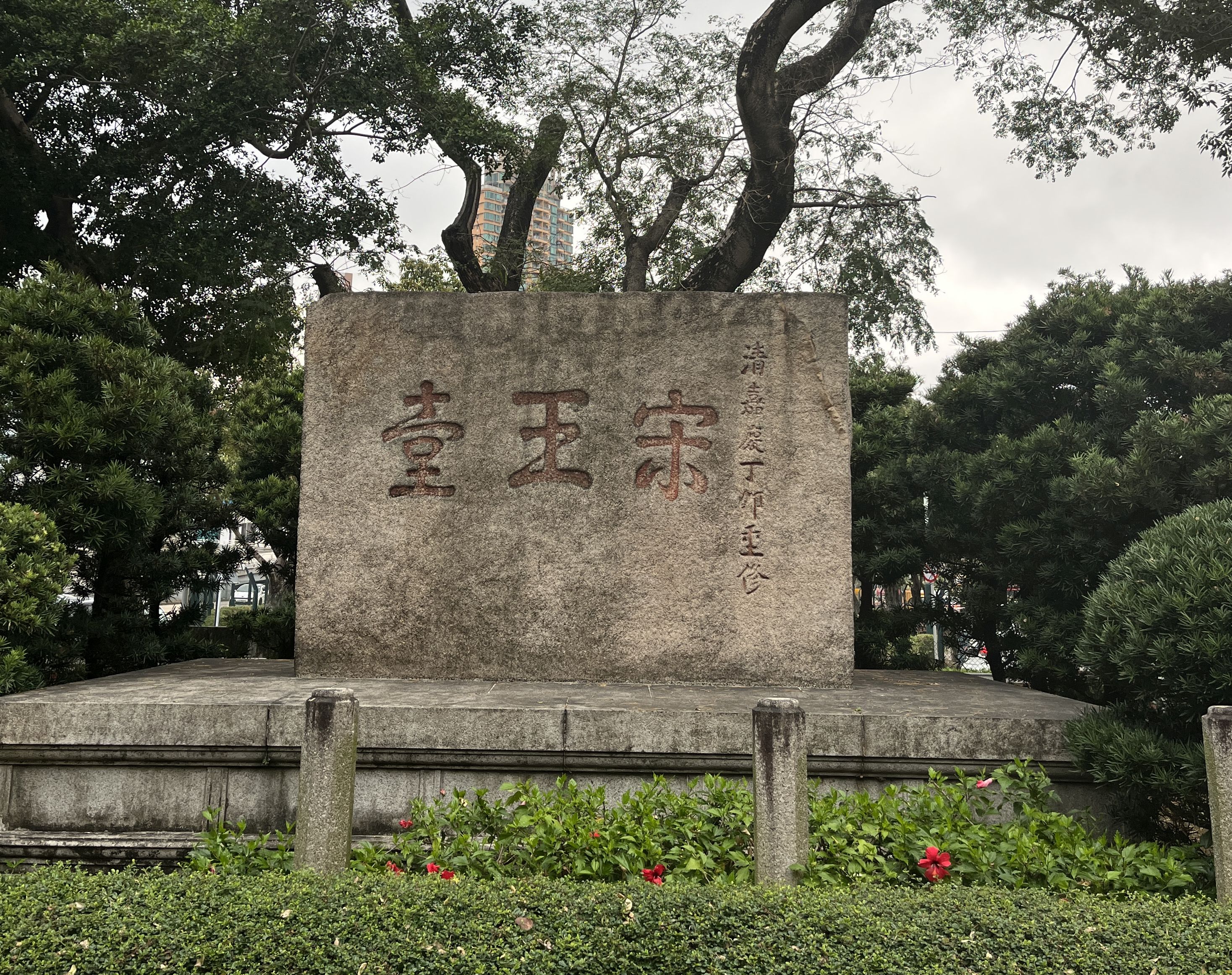
The boulder lasted until the 1940s, when the Japanese dynamited it to make extra space for the Kai Tak airfield. In 1945, the bit of the rockface that bore its name was relocated to a little area of parkland nearby. Today, the airfield has gone as well, and it is a sad little park in the middle of a busy road intersection, the air ripe with the stench of the nearby sewage works. But one of the last of the Song once took shelter here beneath a towering rock, and counted dragons in the hills.
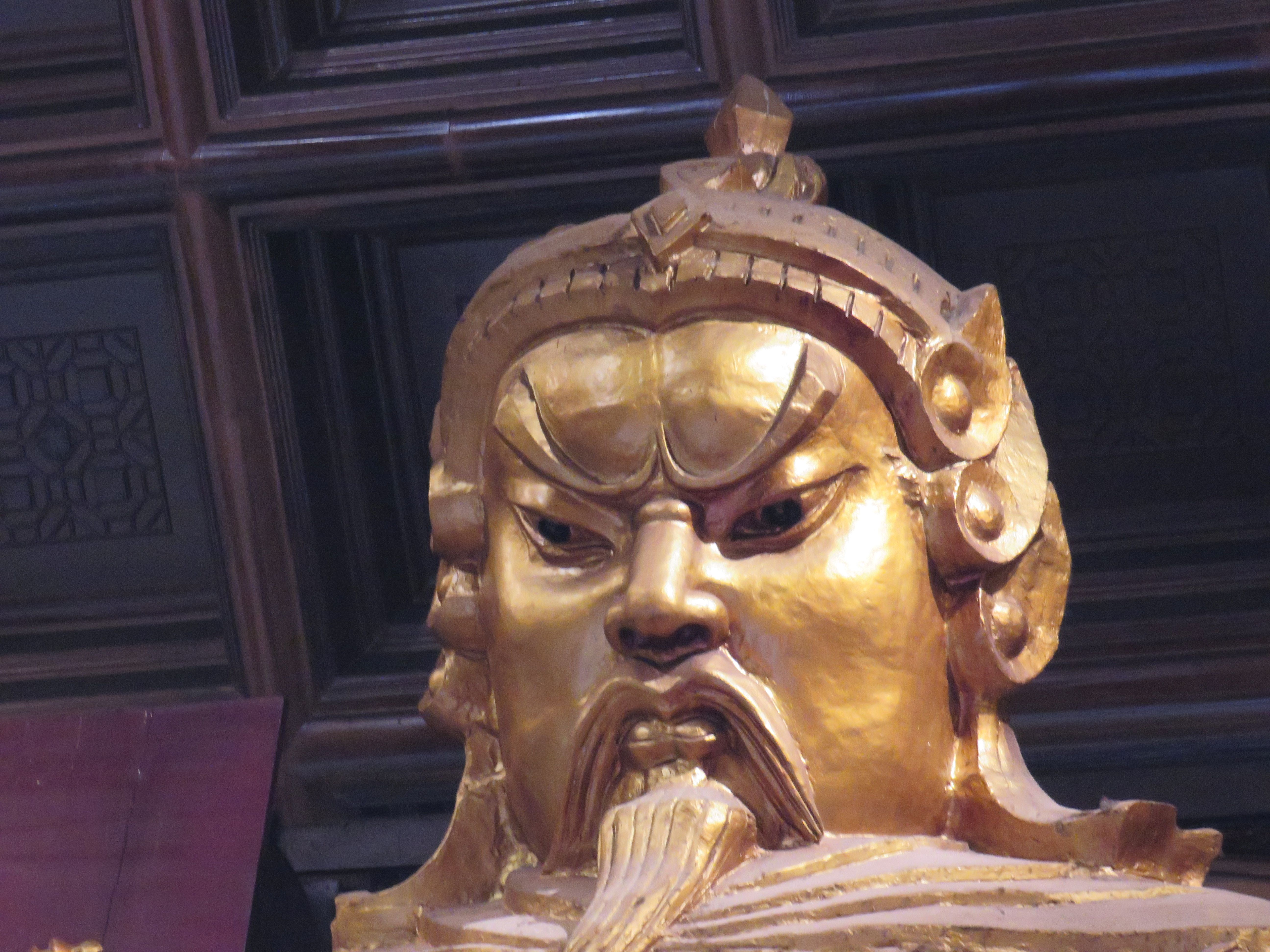
One of his generals and guardians is memorialised a few stops along the metro, at the Che Kung Temple, remembered less for his doomed defence of the boy emperor, and more for scuttlebutt that associated him with the dispelling of plagues, for which he was deified in the Ming dynasty. Visitors to his temple are encouraged to spin ceremonial windmills and beat a ceremonial drum. No plague here today, so presumably it is working.
Jonathan Clements is the author of A Brief History of China.
 The Official Schoolgirl Milky Crisis Blog