
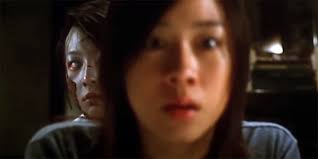
“Hong Kong is so crowded already. Where do ghosts live?”
Asian psychiatrists learn their trade in English. Like Dr Jim Law (Leslie Cheung) in Inner Senses, the books on their shelves are in a foreign language, as are their lessons and interactions with their peers. They have a scientific, westernised outlook that differs from the countrymen they often treat. Jim takes this to extremes, reducing even happiness to simple terms of chemical secretions.
His patients, like the audience for Inner Senses, are steeped in folklore and movies, such as Dracula and the Legend of Sleepy Hollow, with which Jim taunts his fellow psychologists at a conference. When Yan (Karena Lam) says “I see ghosts”, her words echo not only The Sixth Sense, but also its Asian imitators, particularly The Eye.
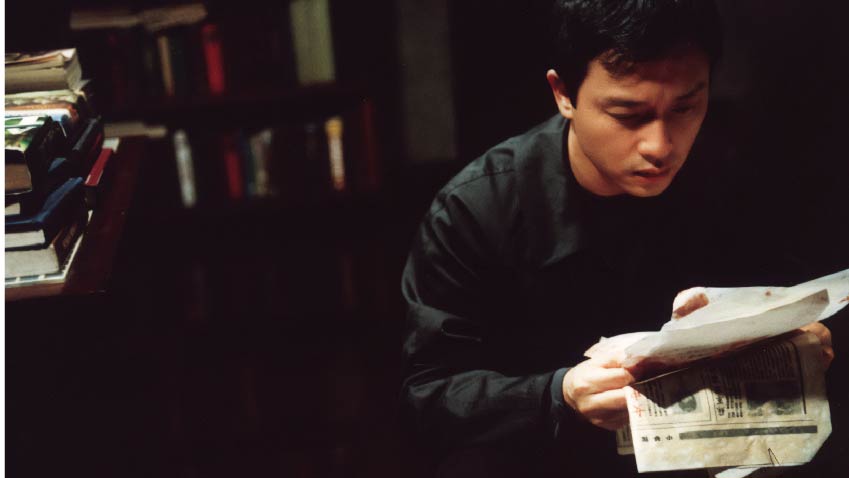
Inner Senses is concerned with the spinning of tales and the active imagination. Yan only seems to see ghosts after she hears scary stories; she is primed to believe. A failed writer who must subsist as a translator, she retains a writer’s readiness to be spooked and inspired by what goes on around her. And yet Jim tells stories, too. In their first meeting, he lies about his belief in ghosts, and helps her construct an alibi for her attendance, ostensibly to placate her cousin, but actually to lure her back for further sessions.
Inner Senses teases its audience with false trails of movie folklore. Its early moments invoke Dark Water or The Amityville Horror with creepy scenes of house-buying. Jim alludes to a wartime graveyard below his building – an Asian variant on the old “Indian Burial Ground” cliché. Even the leads’ first meeting seems contrived along B-movie horror lines, with a new patient dumped on Jim by a vacationing psychologist. But there is a reason for everything, and the bad lie of Jim’s fellow doctor is the white lie of Chinese match-making – even though he risks breaking the rules of psychiatry by encouraging a relationship with a patient, the deceptive doctor is still doing what he can to set up his wife’s cousin with a suitable spouse.
Inner Senses places so much value on stories because its leading man believes in the power of suggestion. It is not spirits that bother Jim, but the people who believe in them, for their hysteria can be contagious. Jim speaks like a psychologist, but also like a filmmaker, of inspirations and memories that write and draw themselves. Part of his planned therapy involves a video camera, the chance for Yan to exorcise demons by proving they aren’t real on film.
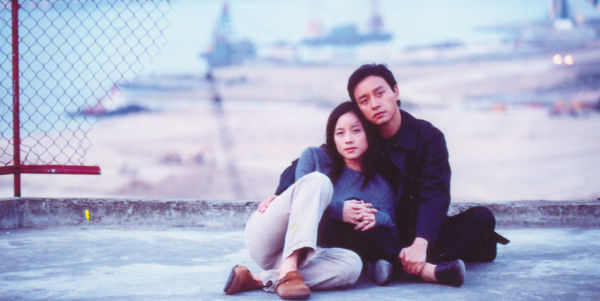
There are two films within Inner Senses. Its first hour relates the case of Yan, before turning on the case of her therapist – Jim’s own inner Scully telling him that there must be a perfectly rational explanation. But his inner Mulder wants to believe that there are ghosts, for such a romantic decision would mean that Yan was sane, making her more of a potential mate.
But even the calm, rational Dr Jim Law has skeletons in his closet, and whether he believes in ghosts or not, he is certainly being haunted by something, something not from the spiritual world at all. Inner Senses takes an hour to set up Jim’s relentless rationality, and then confronts him with a terror born of the mundane world. Despite its obvious parallels to Sixth Sense, it is part of a psychological horror tradition that goes back to The Shining and beyond, of men who haunt themselves.
If one is truly mad, one is often too mad to tell. Therapists pity the mild or worsening cases, aware that they are losing their minds but unable to stop it. Leslie Cheung himself wrote of “experiencing emotional difficulties” in his personal life during and after the filming of Inner Senses. Shortly after his haunted performance in this movie garnered him a Best Actor nomination in the Hong Kong Film Awards, Cheung went into the 24th floor café of the Mandarin Oriental Hotel and asked for a notepad. He wrote a brief message thanking his own psychotherapist for his efforts, but complaining of a year of suffering. He then jumped from the balcony to his death.
Jonathan Clements is the author of A Brief History of China. This article originally appeared in the sleeve notes to the Tartan Video release of Inner Senses.
 The Official Schoolgirl Milky Crisis Blog