
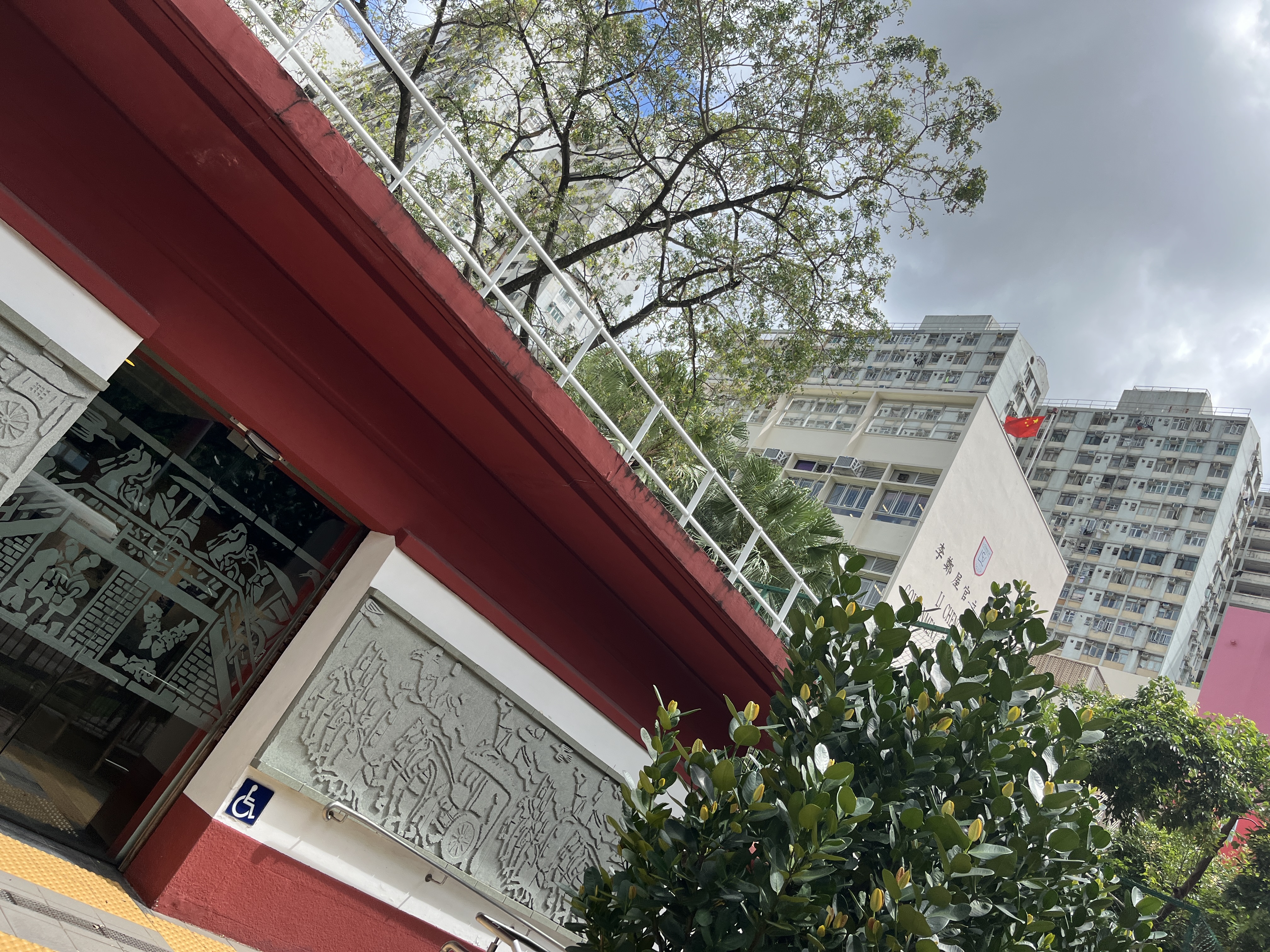
In the 1950s, a fire ripped through the illegal Hakka communities clustered in the hills near Cheung Sha Wan (Long Sands Bay) north of Kowloon. Scrambling to house the displaced locals, the Hong Kong government authorized a rapid resettlement scheme to create massive housing estates in the area. These were austerely functional buildings – shared toilet facilities, and kitchen ranges on the balconies to keep the fires out of the interiors. The local children were schooled on the rooftop. These estates are largely gone now, but in the meantime, they have created their own contribution to Hong Kong history.
In one area, the “houses of Li and Zheng” (lei cheng uk), builders uncovered a brick tomb as they were laying the foundations. It turned out to be an unprecedented archaeological discovery – a tomb from the end of the Han dynasty, with its grave goods unplundered. The bricks on the wall bore the words GREAT FORTUNE TO PANYU, suggesting that they had been made either in what is now Guangzhou, or by craftsmen dispatched to the area to work on the project. The discovery locked Hong Kong into the orbit of China 1800 years before the present, even though there was perilously little inside the tomb.
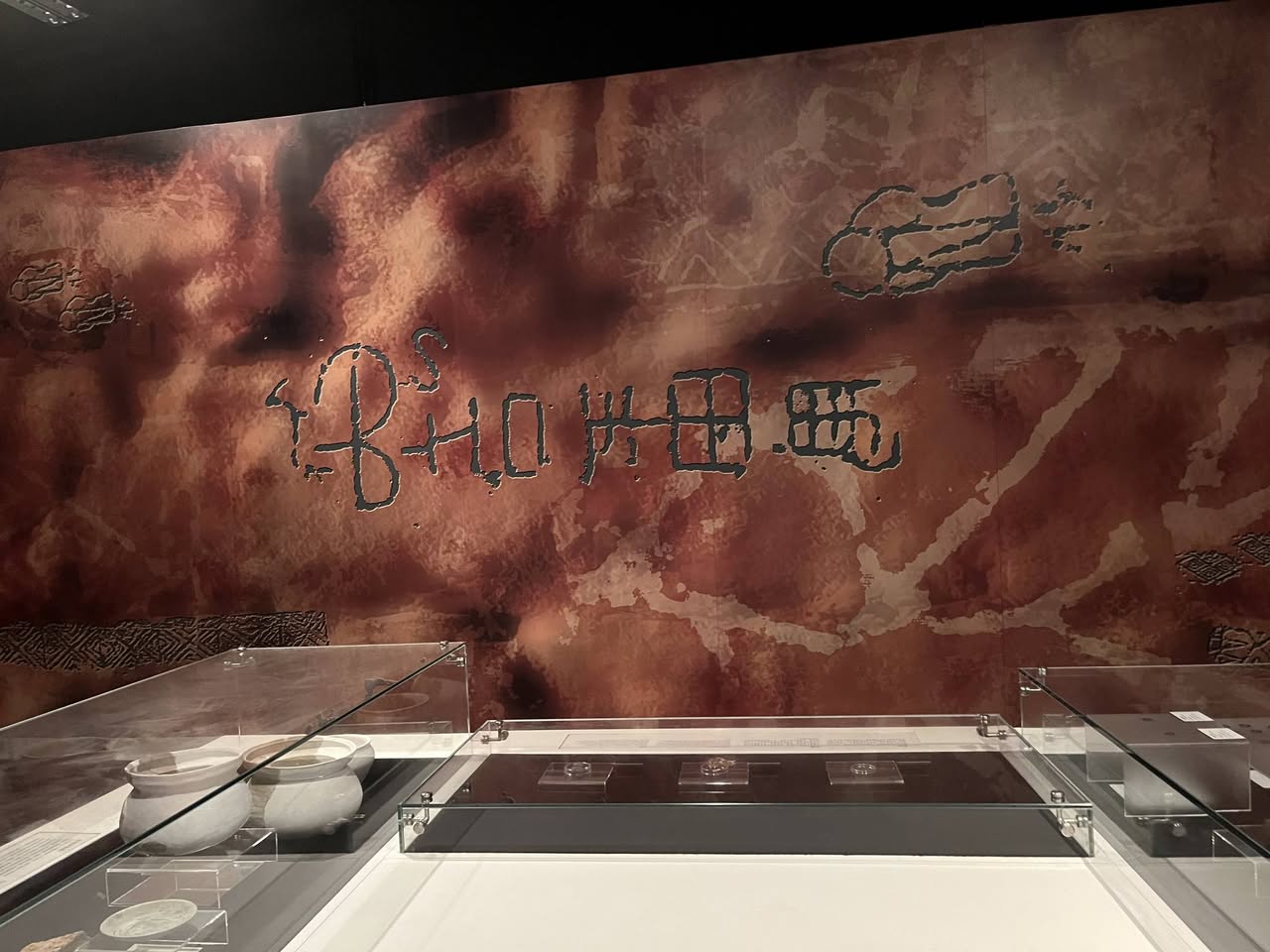
Mainly, it contained pottery, and a tiny handful of bronze artefacts. There was no actual body in the tomb – possibly its intended occupant was never even interred there. “There were crowds all around,” comments Michael, one of the archaeologists in the on-site documentary. “Every time we brought something out of the dig, they would all cheer. I think they were having a lot more fun than we were.”
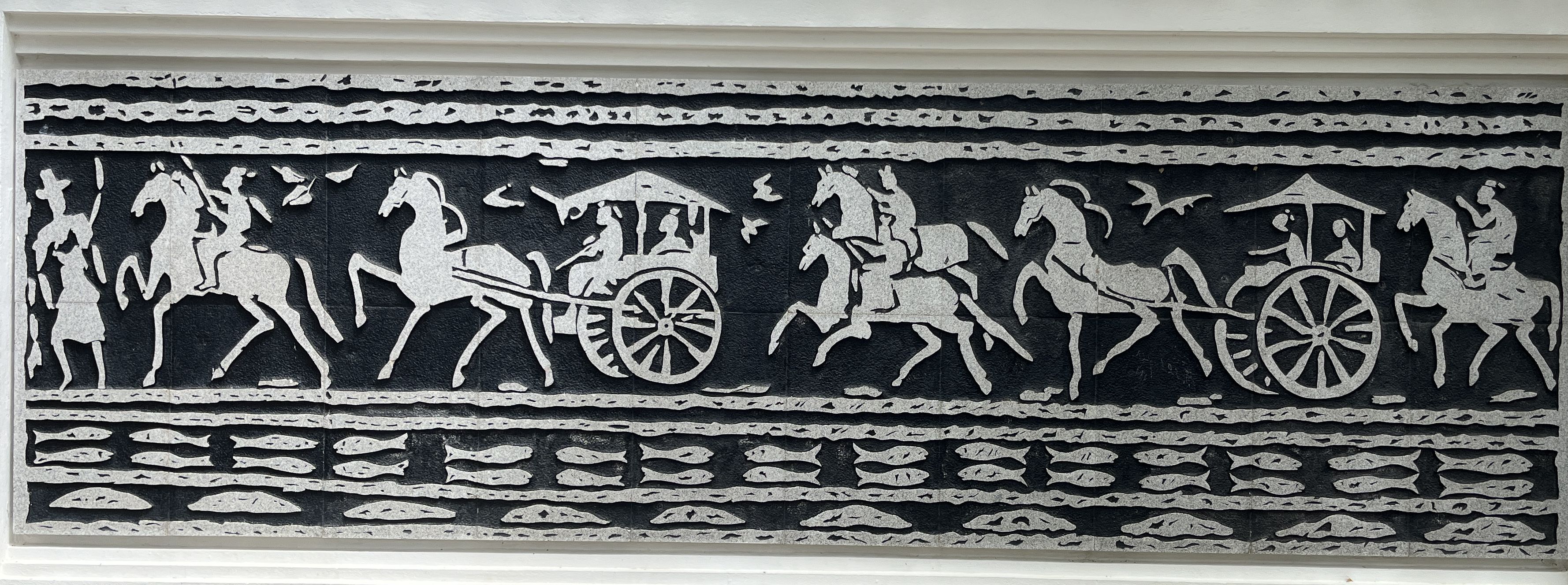
I am the sole visitor on a muggy Monday morning, to the modest little museum that now sits in the shadow of towering skyscrapers. The tomb, ironically, has outlived the emergency housing estate that led to its discovery, and is now an oddity in the middle of an all-new urban development. There is not even a Long Sands Bay any more – when the Lei Cheng Uk tomb was first built, it was on a hilltop by the sea; today, it is a mile inland, largely because of twentieth-century land reclamation projects. Long Sands Bay gives its name to the local metro station, but there is no sea in sight.
Jonathan Clements is the author of A Brief History of China.
 The Official Schoolgirl Milky Crisis Blog