
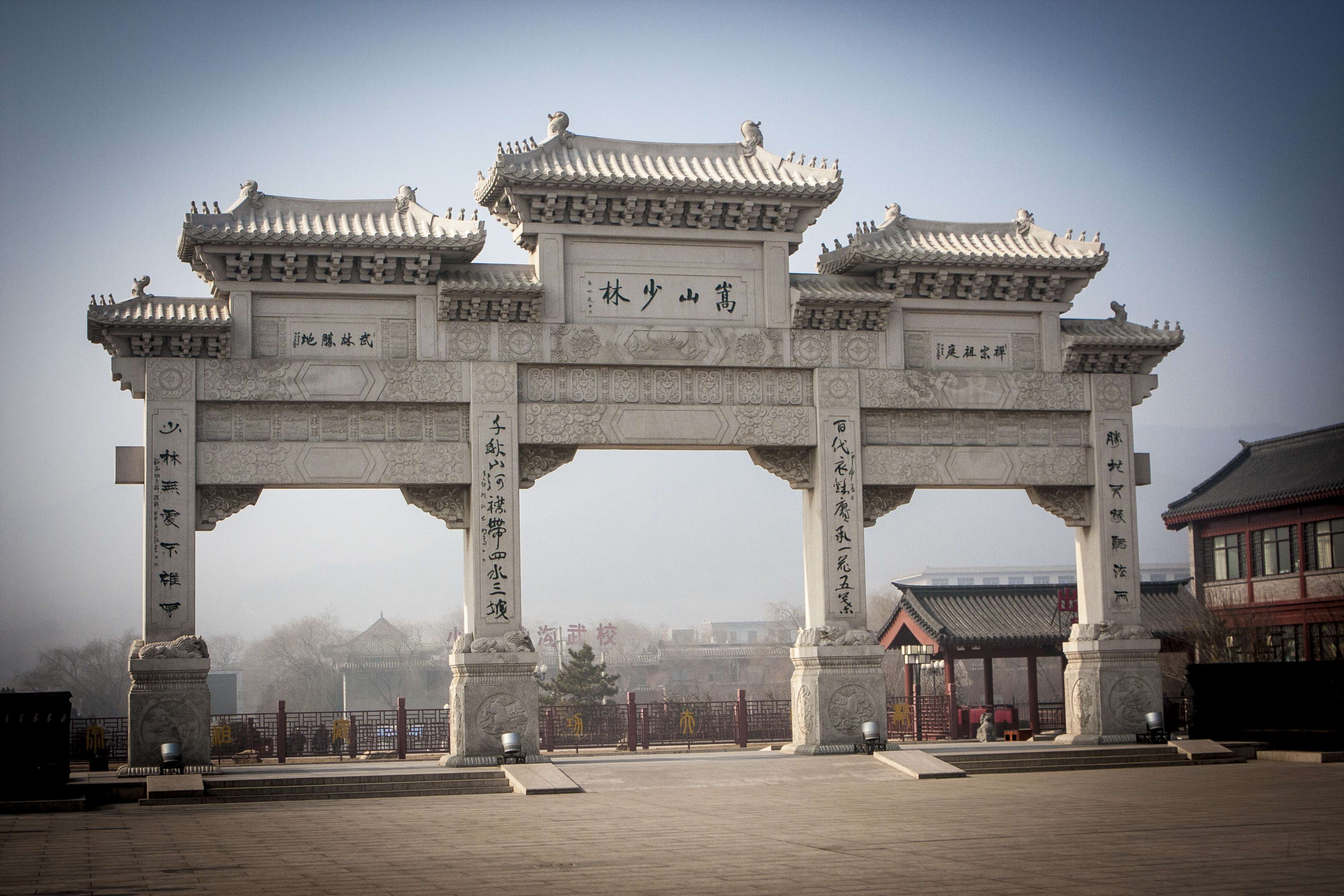
Mr Yuan is the baffled taxi driver I have commissioned to take me to the Shaolin Temple, who cannot believe his luck. Today he will make a whole £30 for driving me there and back from my hotel in Luoyang, although it’s a nail-biting journey for 90 minutes through awful smog, with only twenty feet of visibility. Giant coal trucks, overloaded to double their capacity, loom out of the gloom, along with buses, vans and tuk-tuks little better than tractors. All the vehicles have their hazard lights blinking, and it soon becomes clear that every time we overtake someone, we are on a winding mountain path with little between us and the plummet back into town. It doesn’t feel like we are heading up a mountain, although before long there are patches of snow on the ground.
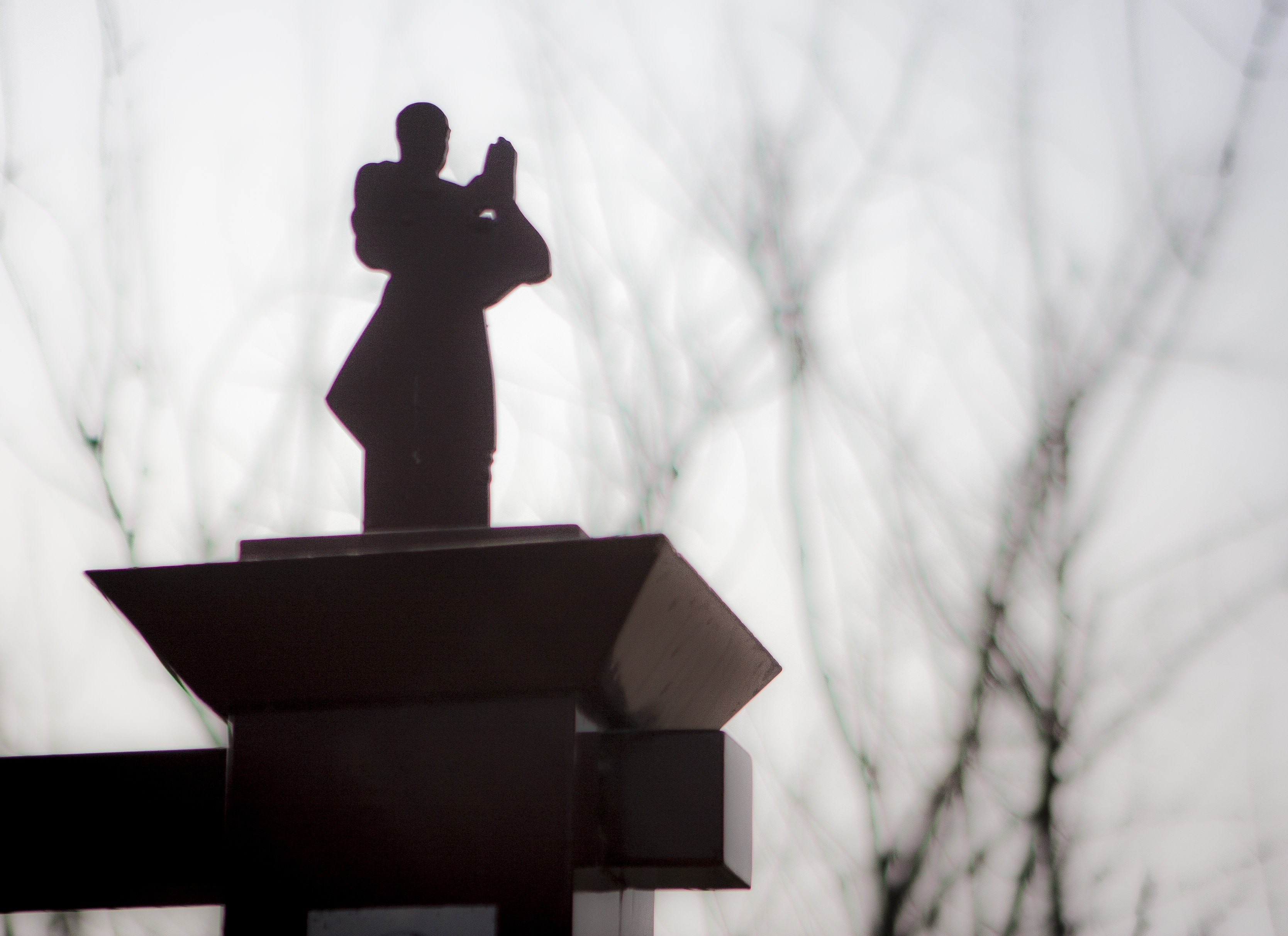
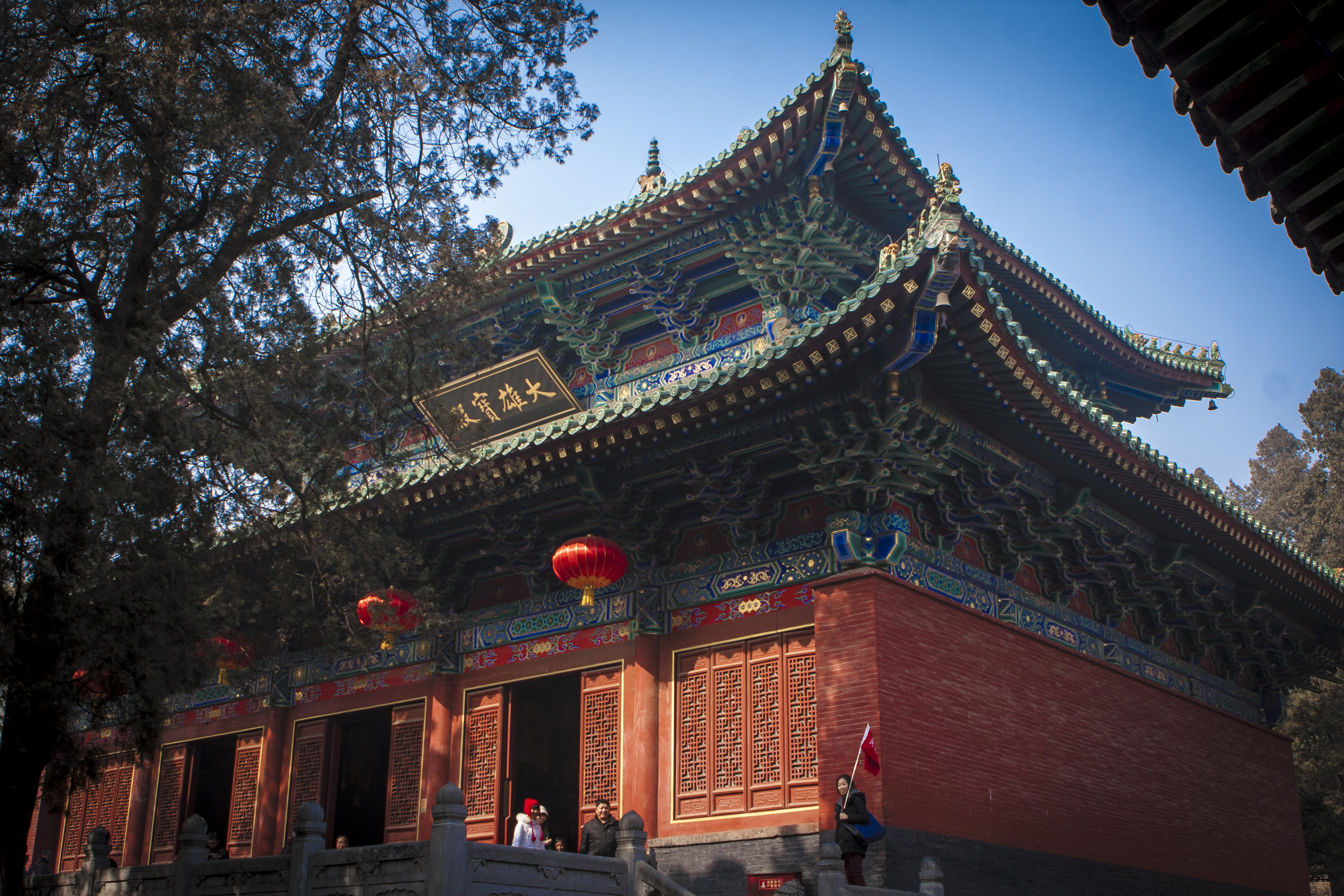
The Shaolin Temple itself is a little above the smog, living in a time warp where it is still the Ming dynasty and where the sky is still blue. Founded in the late 5th century AD by an Indian monk, it has been burned to the ground several times, but always risen from the ashes. Its location was chosen because it is circled by other mountains, which appear to the credulous eye to form a silhouette of a reclining Buddha. Thanks to the fame of Shaolin kung fu, and also of Zen Buddhism, which began here with the monk Bodhidharma, it has a lot of money to spend, and is a massive hilltop complex, attended by kung fu high schools, as well as halls of residence for the 200 remaining monks, and temples and pagodas in memory of great Shaolin achievements.
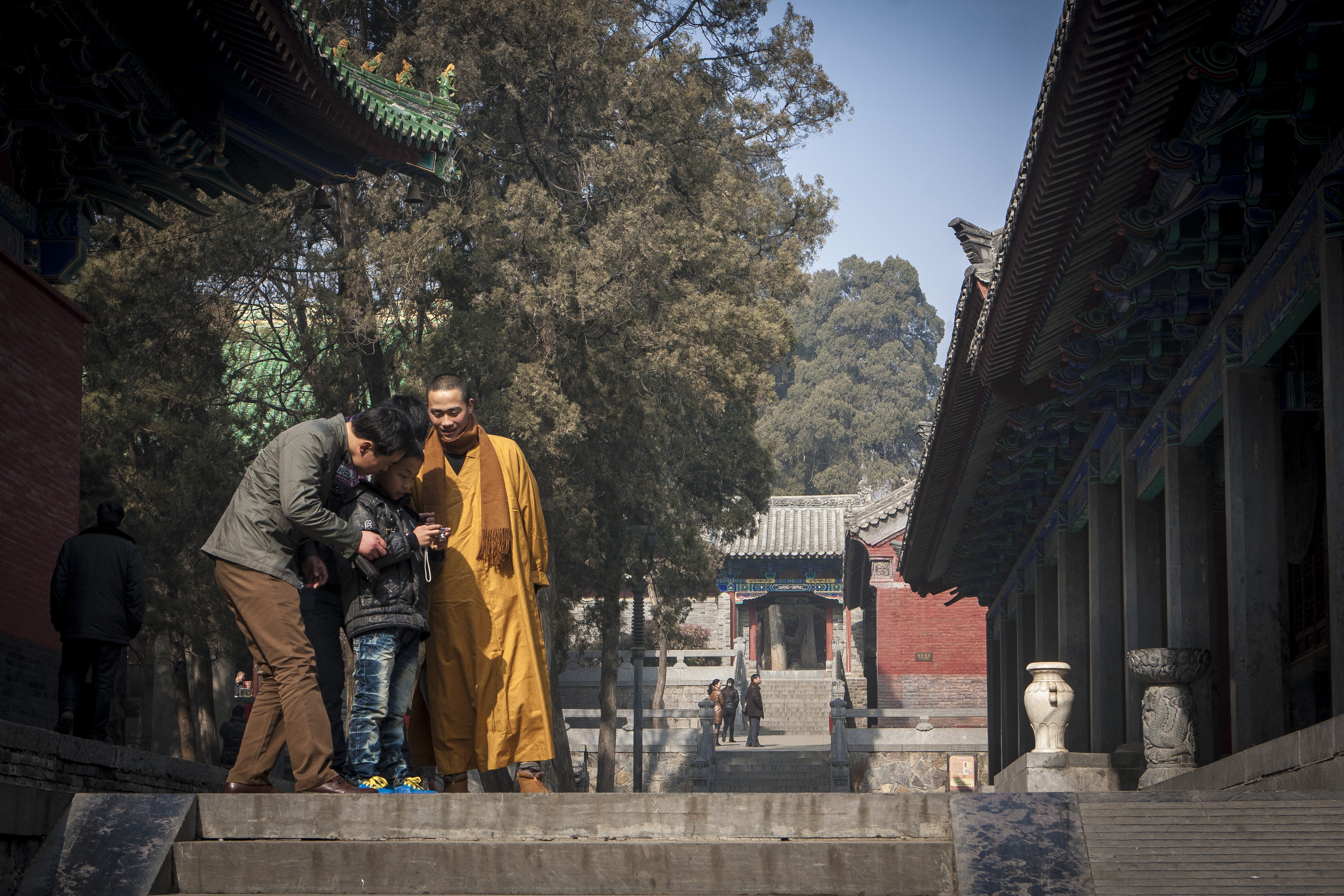
It is here that Bodhidharma meditated so long in a cave that his shadow literally burned into the wall, and here that his would-be pupil Huike stood stoically outside the cave, waiting to be invited to study.
Bodhidharma had no interest in teaching him, even when he found Huike standing up to his knees in snow.
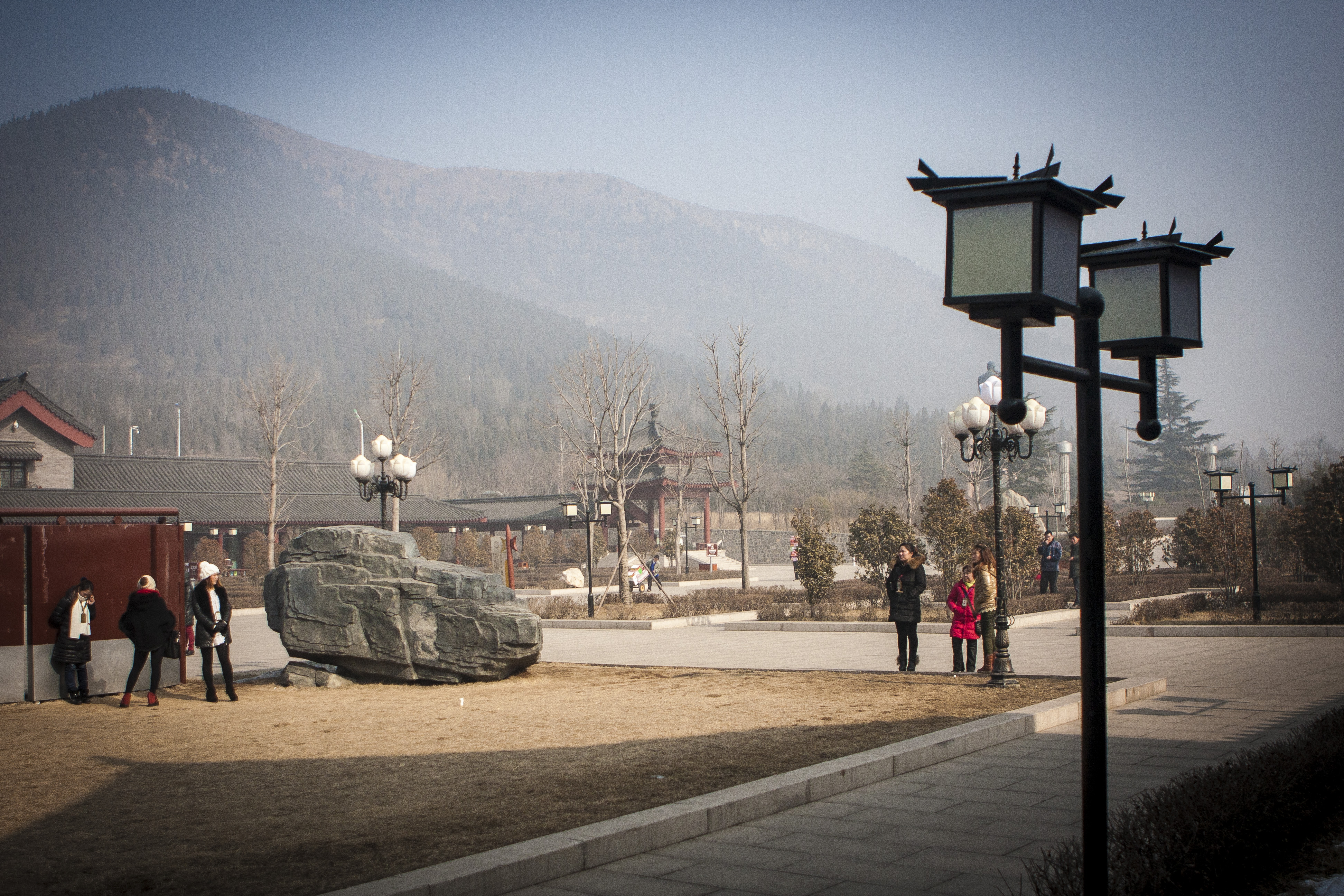
“I will teach you when it snows red,” he scoffed, only for Huike to pull out a knife and slash his own arm*, spraying the snow with his blood. It is here that the Buddhist phrase, “Standing in snow, the heart is revealed” comes from, which I think ought to be the motto of the Finnish Shorinji Kempo Association. (*English-language documentation says slashes his own arm OFF, one of many places where Shaolin myths get a bit weird).
My guide is Lisa Lau (although her business card says Lili Liu), and in keeping with the colour theme of the Shaolin temple, her puffa jacket is a holy orange. Her services are a hefty £30, for which she confesses she usually waits around all week for a single commission. The rest of the time, she works in marketing for the temple.
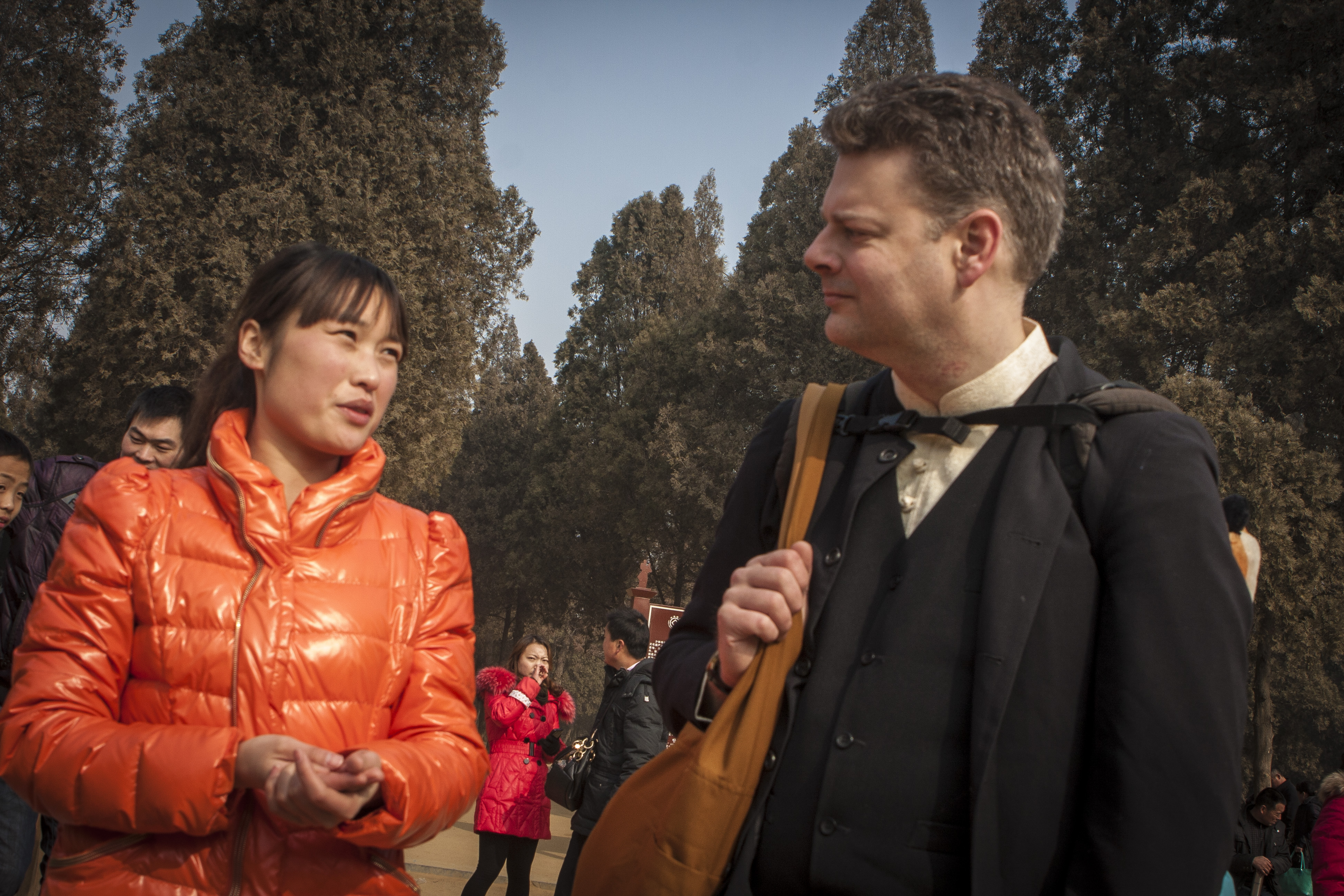
She talks about of the early life of Tang Taizong, first husband of Empress Wu, who was rescued from captivity as a young man by thirteen Shaolin monks, leading to the long-term association of the monastery with the Tang dynasty’s ruling family. We see a pagoda dedicated to Empress Wu’s mum, and many steles carved with details of Tang history and/or famous donations to the monastery. One is carved with the words So Doshin.
“Oh yes,” says Lisa, “that one’s from Japan.”
We walk on the lucky carved lotuses to the central hall, and see the training ground where the monks have stamped 48 bowl-shaped depressions in the cobbles from constant training, and the “Bachelor Tree” where monks practicing the Two Fingers of Death have poked holes into its bark. I drop in at the Forest of Pagodas, where the remains of dead monks are enshrined in multi-stepped columns, and then head off for the show.
Yes, there’s a show. Monks punching holes in things and each other, slapping around sticks and swords, and bending their legs around their head. Although the monks were very good at what they did, a lot of what they did was conjuring and sleight of hand, and didn’t have a whole lot to do with Shaolin. Nor, to be honest, did five minutes of time-wasting comedy business when audience members were brought up on stage and asked to go through several punchy kicking movements for the entertainment of everyone else.
On the way back, the smog has lifted a little. We rumble slowly through squalid hamlets of shacks and barns, piles of coal and stacks of rags. People in the street are selling mud-caked leeks and oranges. A sleek limousine coming down the mountain ploughs into a three-wheeled pick-up truck and sprays sparks across the road.
“Ooh-hoo!” breathes Mr Yuan, as he swerves around the accident. It is all he says for the whole trip.
Jonathan Clements is the author of A Brief History of the Martial Arts, and the narrator of the commentary track on Arrow Films’ Martial Arts of Shaolin. Photographs by Kati Clements.
 The Official Schoolgirl Milky Crisis Blog