
1981 was, at least in prevailing anime historical memory, a year dominated by science fiction and fantasy, which began with Tomino Yoshiyuki’s notorious “proclamation of a new anime century” (anime shinseiki sengon) at the premiere of the first Gundam film. And yet, Takahata Isao released Chie the Brat a bawdy, blue-collar, adult-focussed comedy of the Osaka underclass, a world removed from most other anime of its day, running counter to contemporary trends in directorial hiring, subject matter and media.
This chapter places Chie the Brat in the context of anime and media history, explaining its asides, cameos, and in-film references. The historicity of Chie makes it a vital point in the career of Takahata himself, as his first full-length feature since the box-office failure of Little Norse Prince (1968), and his reunion with Otsuka Yasuo and Kotabe Yoichi, with whom he had not worked together since Panda! Go Panda! (1972-3). It can be said to mark the end of his decade of TV exile, and the beginning of the gradual regrouping of the former Toei colleagues who would go on to form Studio Ghibli. Using testimonial evidence, from contemporary staff interviews and Otsuka’s memoirs, it places Chie in context as a refinement and continuation of Takahata’s personal kind of “psychological realism,” particularly in terms of his desire to remain faithful to the intent of an original author.
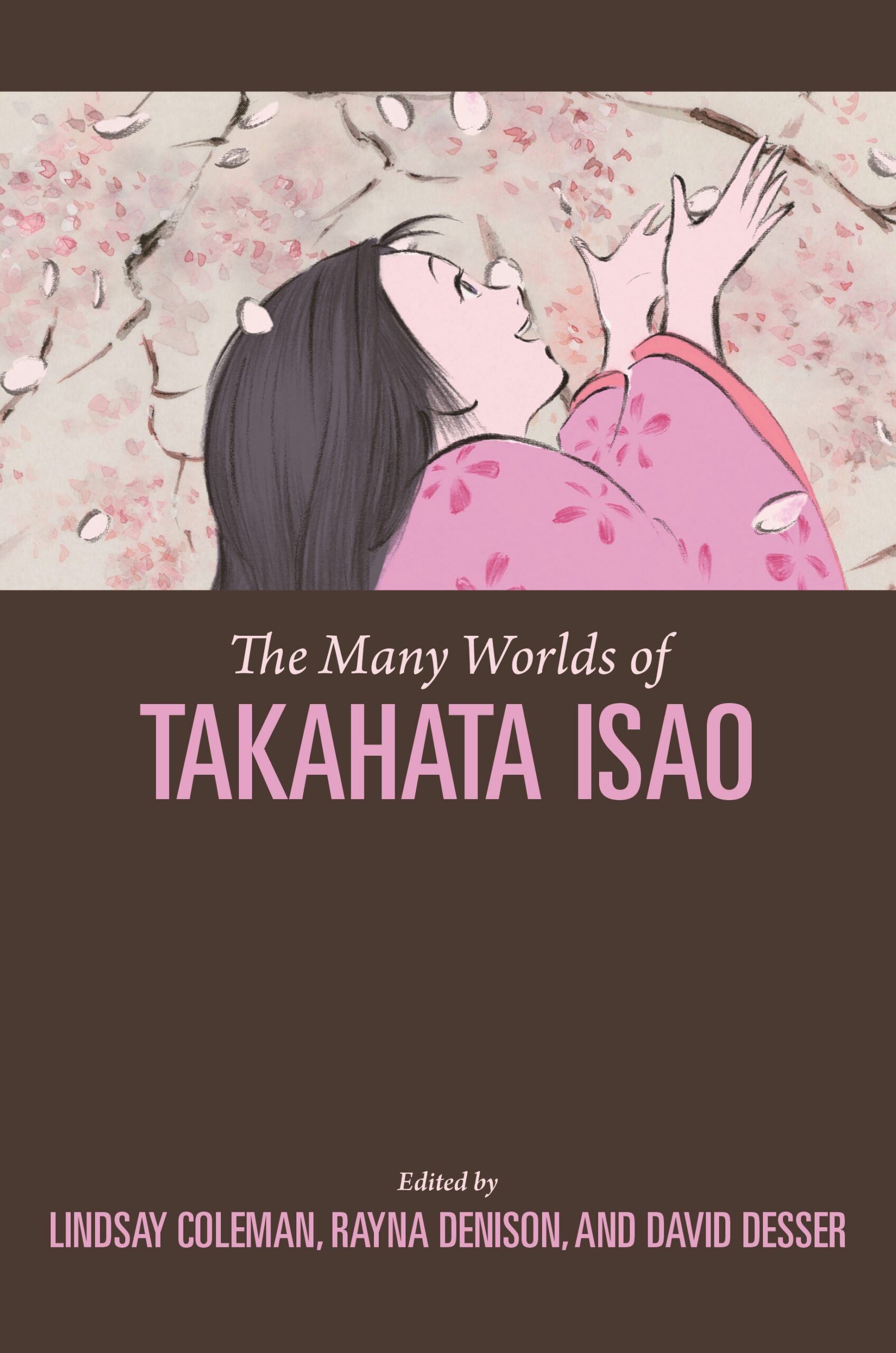
It has been something crazy like seven years since I was first approached about writing a book chapter for The Many Worlds of Takahata Isao, but it’s finally coming out from Hawaii University Press, including my piece on Chie the Brat.
 The Official Schoolgirl Milky Crisis Blog