
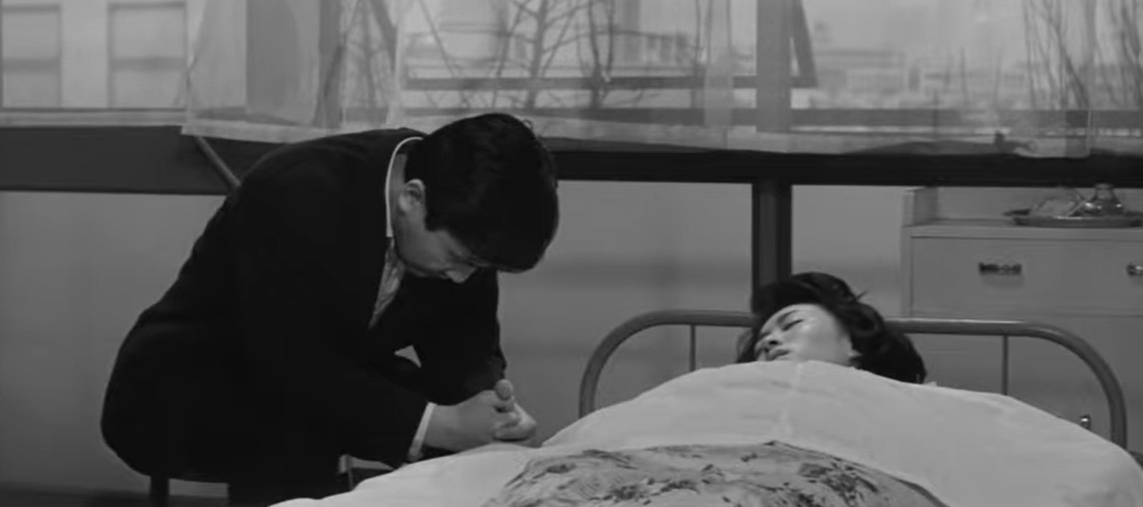
The audience know they have sat down to watch a film called Cruel Tale of Bushido. They are expecting samurai and swordplay, and yet the opening shot is a contemporary ambulance haring through the streets of Shibuya. A heartbroken girl has tried to kill herself with sleeping pills, and an entirely modern melodrama plays out as her fiancé rushes to the hospital to check on her.
Are we in the right cinema? The grief-stricken Susumu Iikura ponders what possible shift in their relationship could have led to her decision to end it all. And he realises that it was the change in his own character, brought about by his reading of old family records in the aftermath of his mother’s death.
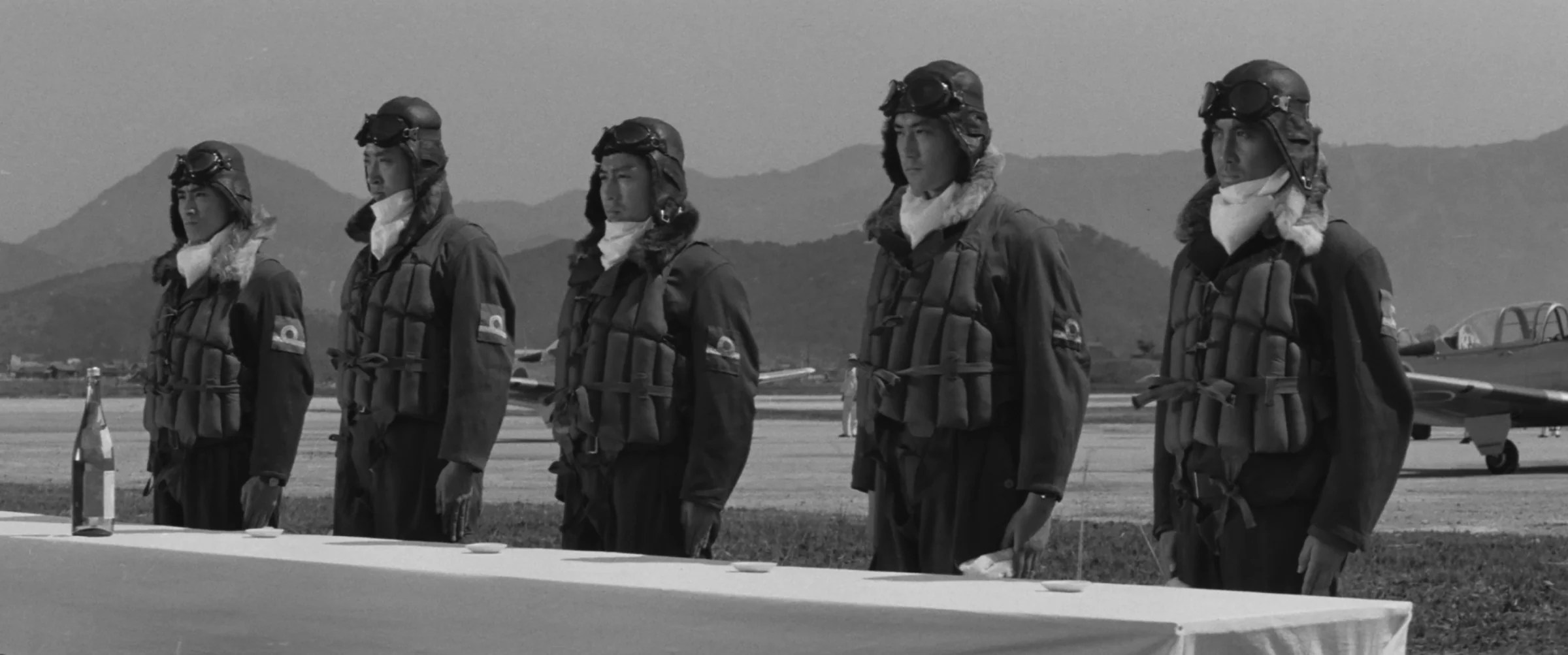
Cruel Tale of Bushido is relentless in its take-down of late samurai culture, dismissing 250 years of the Shogunate as a wrong-turn in history, a terrible torment for the Japanese people, a nightmare from which they should be grateful to have awoken. Except we begin at the end, with the nightmare still enduring.
Director Tadashi Imai is here to remind us that the past is so poisonous that it can even unsettle those who were not there to see it, dropping in at seven points in a dozen or so generations of the family history.
Jonathan Clements is the author of A Brief History of the Samurai. This extract is from the video essay Years of Honour, included in Eureka’s new 4K restoration of Tadashi Imai’s Cruel Tales of Bushido.
 The Official Schoolgirl Milky Crisis Blog