
The crew have plenty of stories to tell about the hotel. Frances the producer spent most of the night in a stand-off with a giant spider. The director found two rats in his room. I merely had to contend with a blocked plughole, which hardly compares.
The new drone operator is very keen to tell everybody that he is ex-military, that he has studied at the People’s Liberation Army College, and that he did time in the army. He keeps mentioning this to everybody he meets, even though it is plain to see that he is a drone operator, so probably not a future general in the making.
Little Fish the sound guy is also oddly performative, claiming to have once been a pop star, a hairdresser and a wedding planner, and yet also very keen to tell everybody how much he likes girls with big tits. I just write this down. The director thinks he is trying too hard.
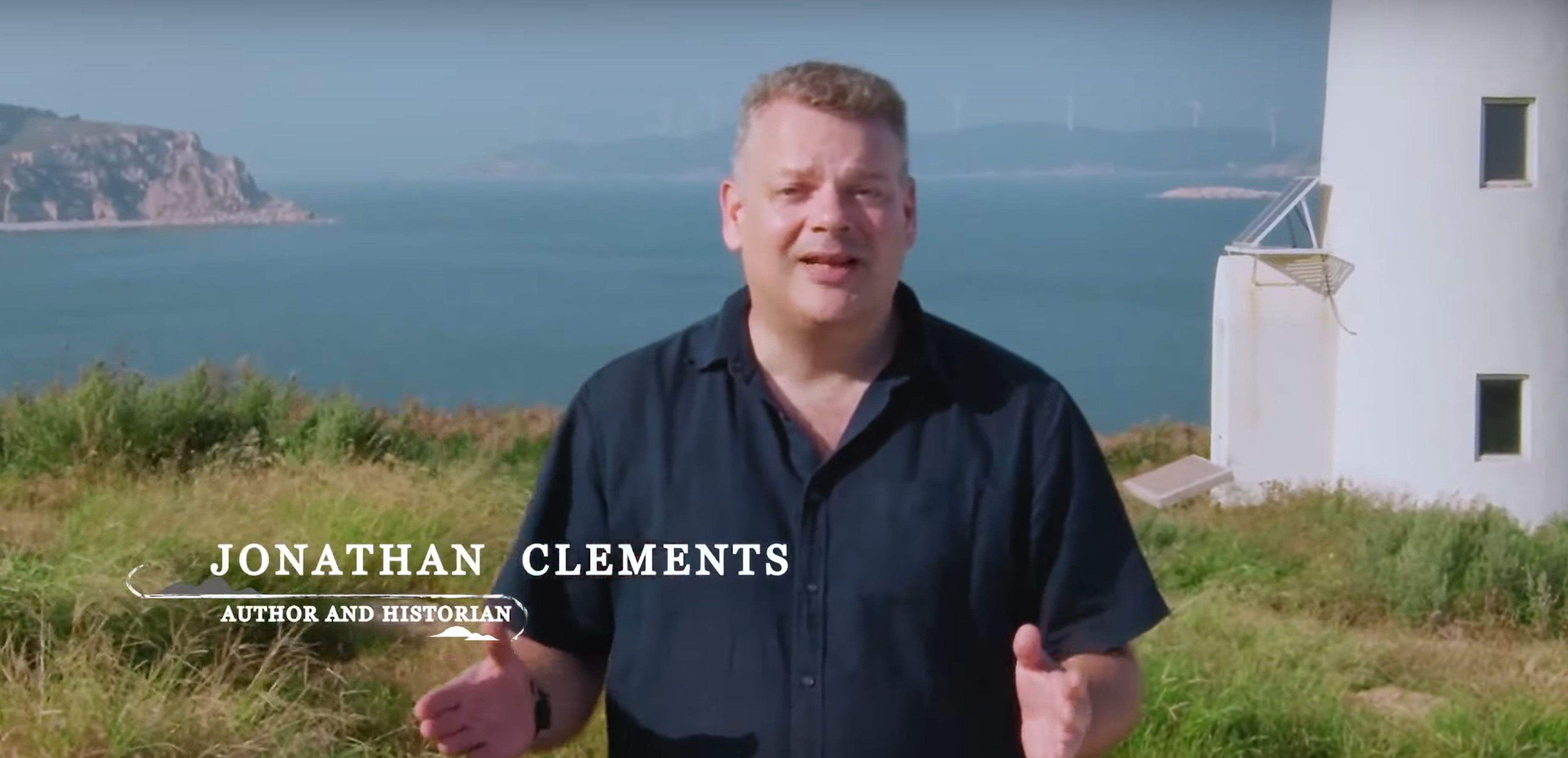
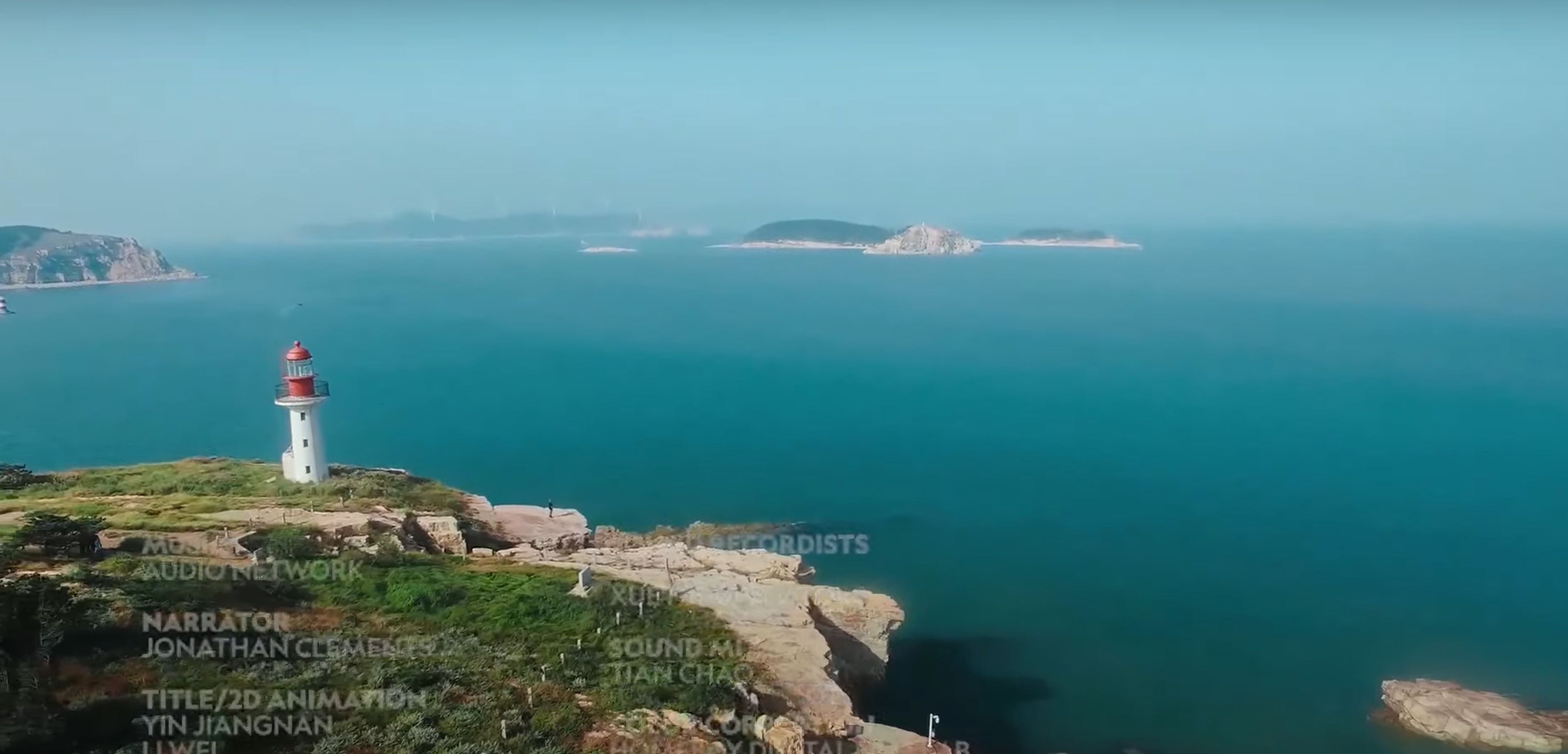
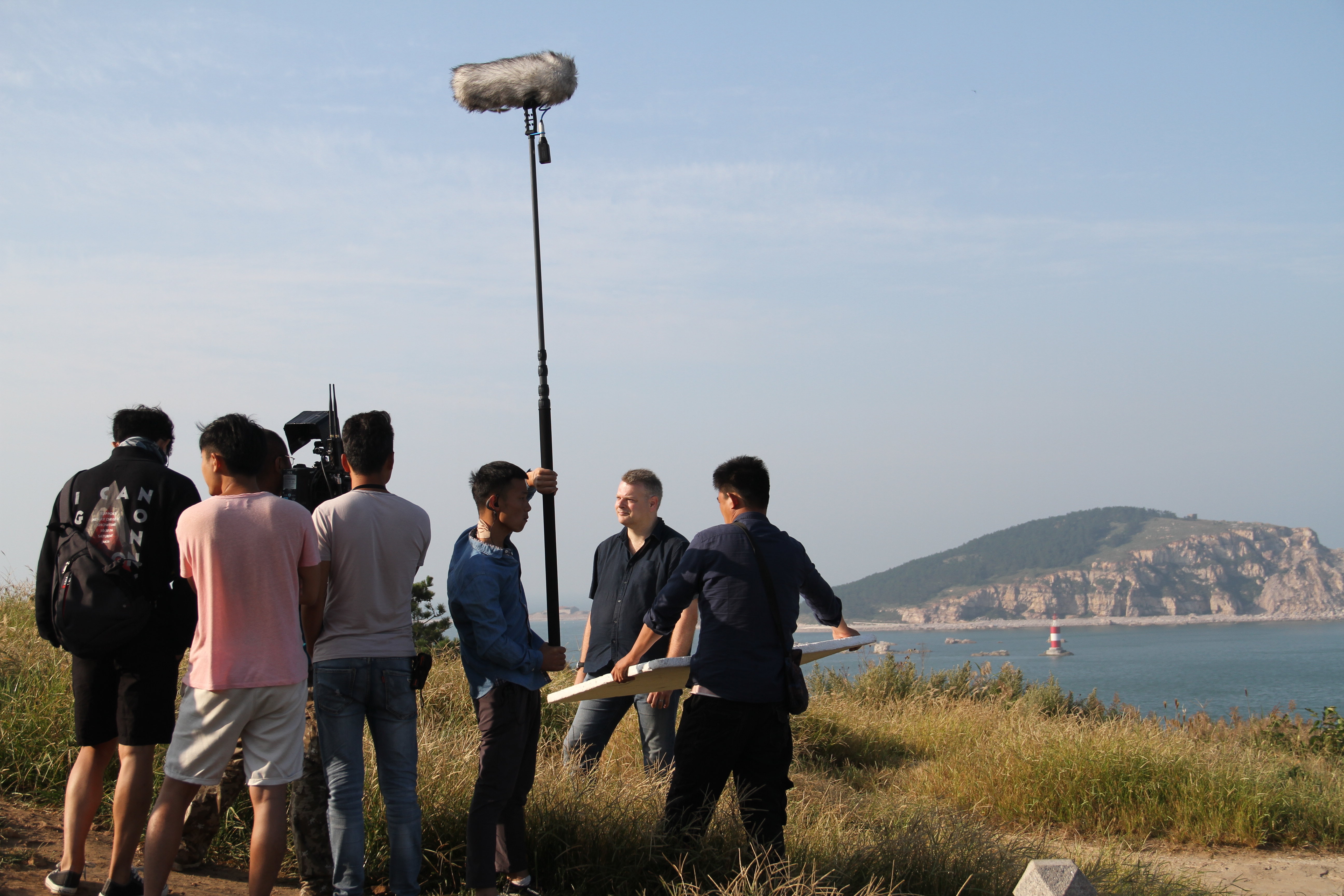
For the first time in a week, I wake up before my alarm. But the morning call is still 0630, ready to film on the very edge of the coast, at a little lighthouse on the cliffs above the island. Here, I have to do the speech that will close the whole programme, somehow summing everything out without making any mistakes, tying up the producers’ desires and the directors’ imagery, without mis-stating any facts or making any mistakes.
It’s a good reminder to me of what I am being paid for – having a Confucius quote ready to hand, remembering to qualify those elements that are somewhat questionable historically, and trying to keep a programme that has been veering rather a lot towards the spiritual, rooted in the prosaic and the material. And then remembering it all and yelling it into a camera on a clifftop, while gawping tourists file pass and point their phones at me from behind the camera.
“Confucius, the man from Shandong, once said: ‘I hope that the old have a life free of cares, that my friends have faith in me, and that the young remember me when I am gone.’ And he’s got his wish. Here, in the place the modern Chinese call the Isles of the Immortals, there are figures who have achieved some form of immortality. Like Mazu and Laozi, Confucius is still celebrated hundreds of years after his death. And through him, for the last two and a half millennia, his homeland of Shandong has come to shape the history and culture of all of China.”
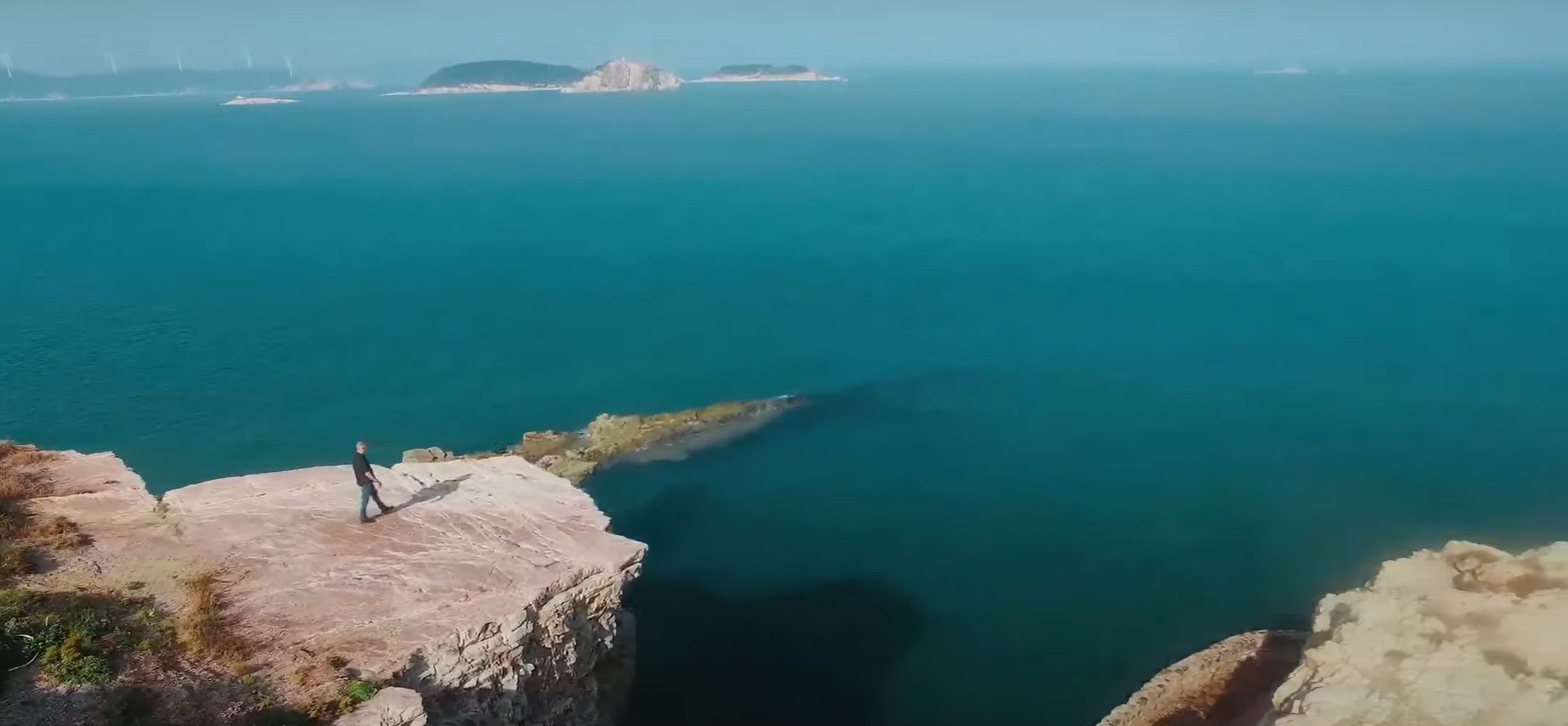
Bosh. Done. And our new military drone pilot wrestles his machine against the strong sea winds, straining to keep it in place while Jiuqing the producer operates the remote camera onboard, filming me as I stand at the cliff edge, looking out to a seascape dotted with tiny islands, fading into the haze.
He’s good. Any drone pilot I had previously worked with would have crashed three times before we got the shot, but I think it helps that the camera is not his problem, merely holding the drone steady.
Back to the mainland ferry, with a new van driver. It’s Li Tao, who I haven’t seen since the first day, seconded from the Ghost Crew, which has a new role as a sump of spare talent to bring in when people brain themselves on shop signs. Only partly in jest, the grips have set about the restaurant sign with gaffer tape and pennies, rendering it ostentatiously safe should anyone else be quite so clumsy.
Seven hours follow on the road, beginning with the customary silence as the occupants of the bus phub with their phones. One by one, their power runs out, and they take to staring at their fingernails. I watch The Shadow Line until my laptop gives out, and then wade through some podcasts, but eventually a conversation breaks out.
Jiuqing the producer is trying to explain what her name means. Unfortunately for her, jiu means “Long Time”.
Qing means “celery”.
“It’s a kind of grass, you see,” she explains. “I was born in the Year of the Snake, so they wanted to give me a name for the kind of places where my zodiac animal was most likely to live.”
“Thank God,” I observe, “you weren’t born in the Year of the Pig.”
Jonathan Clements is the author of Confucius: A Biography. These events occurred during the filming of Shandong: Land of Confucius (2018).
 The Official Schoolgirl Milky Crisis Blog