
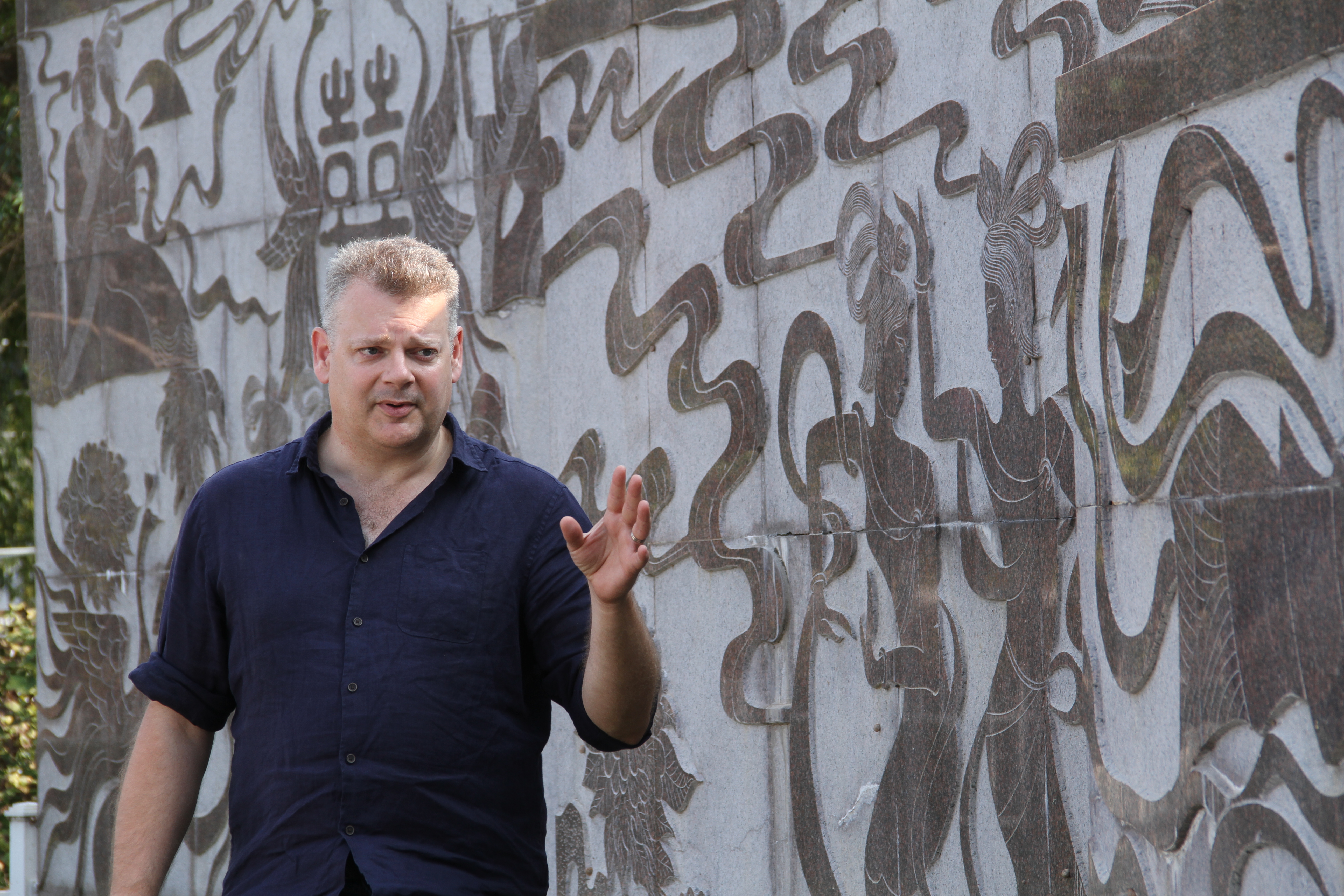
I don’t know what day it is. Last time I looked, it was Sunday, and now it isn’t. We are only a couple of days away from wrapping, but we have some tough things ahead, mainly in story terms as we try to work out where to fit them. Today is one such question mark, as we are obliged to somehow fill five minutes of screen time with a piece on Heze, a town known only for its peonies.
In the time of Confucius, this was the state of Cao, where Confucius had a run-in with local temple heavies who mistook him for a vagrant. But there’s nowhere really appropriate to talk about that, so we are standing in Zhao Xinyong’s shed. He grows flowers there. Then he sells them… it’s hardly fun TV.
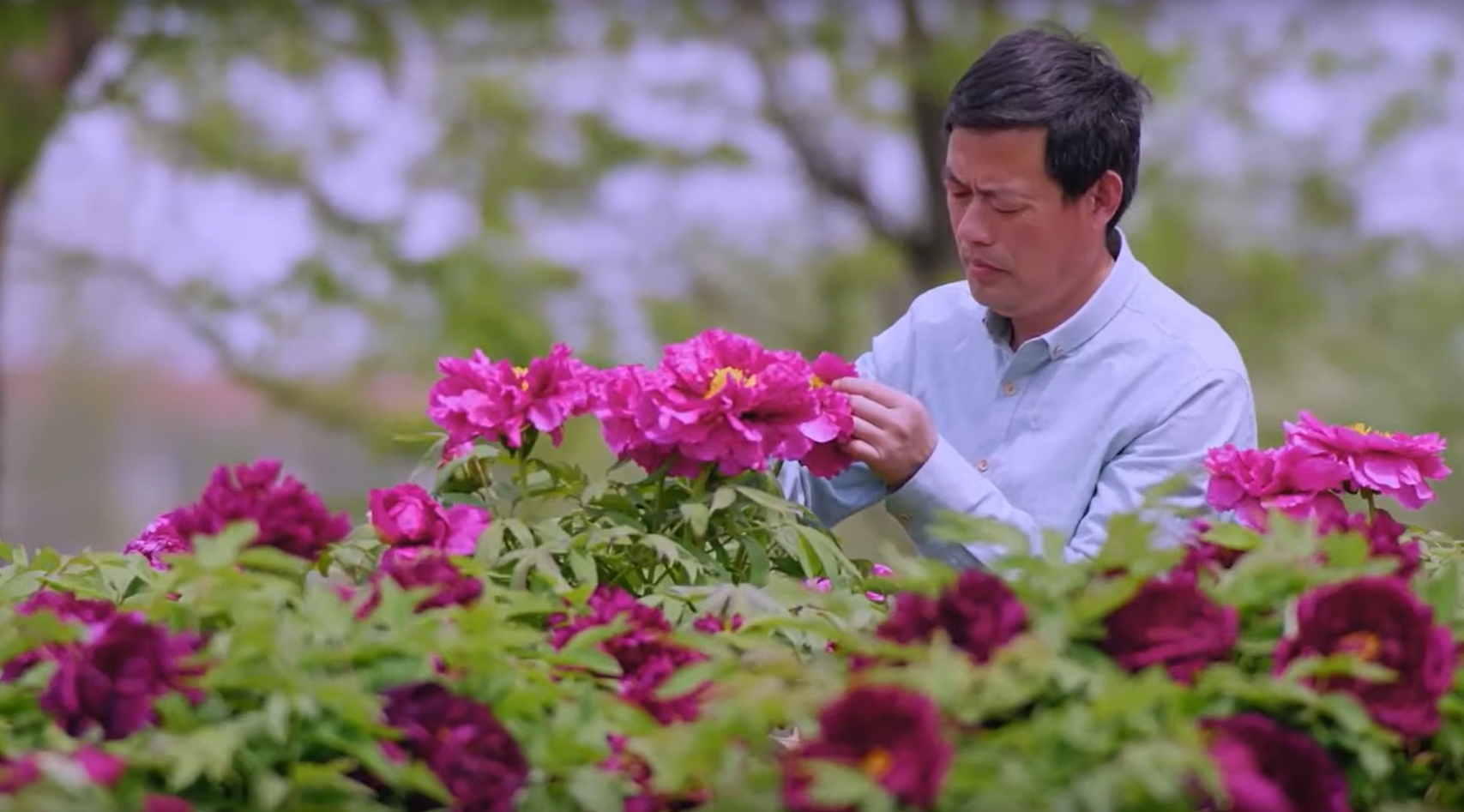
“Do you do… anything else?” asks the director warily.
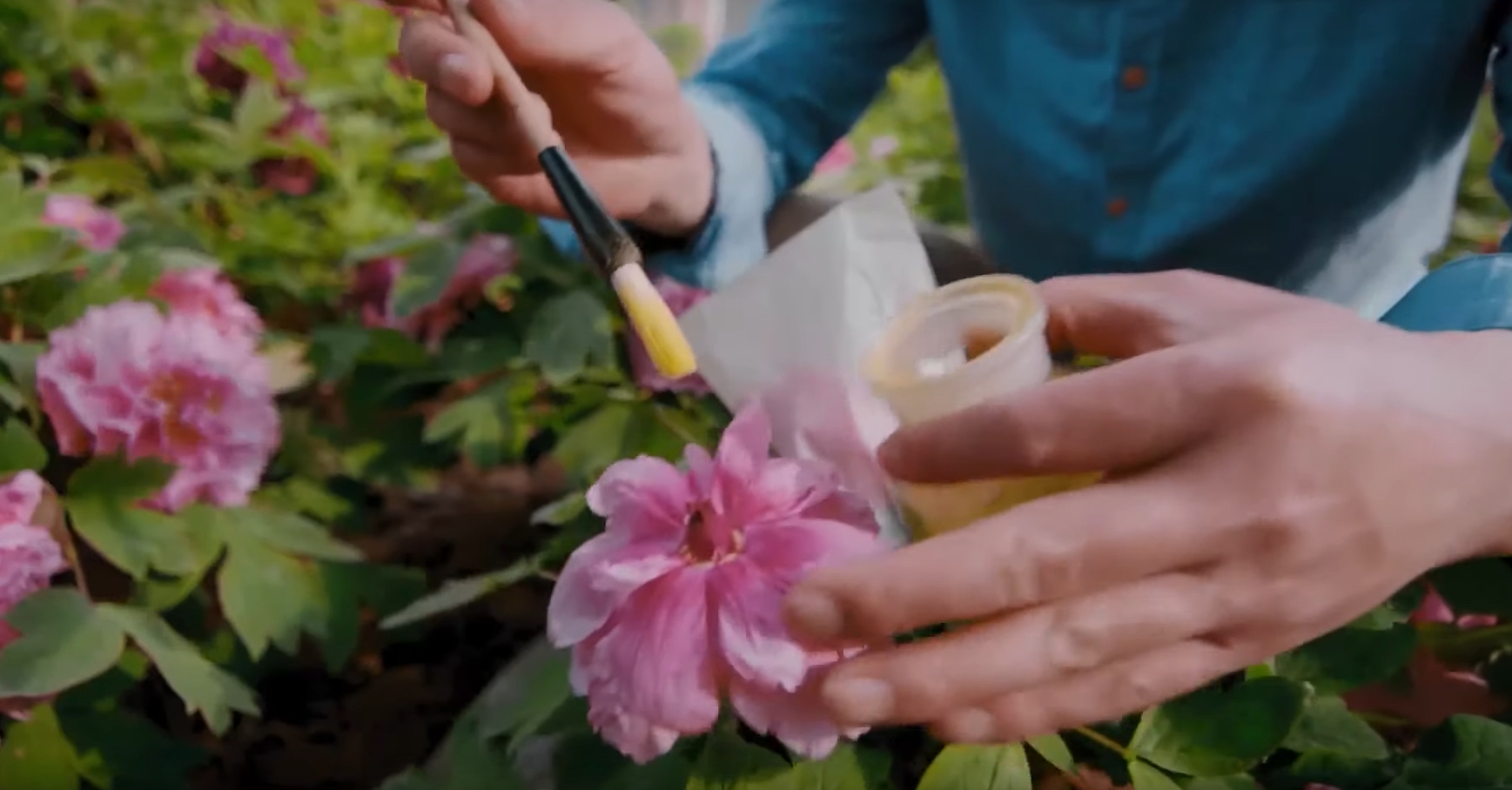
Mr Zhao explains that he plants the peony flowers, then they grow in the greenhouse… and then ten years later they turn out different or the same. Luckily, there is a statue on the grounds of the Peony Fairies from an old folk tale, so I am able to walk around explaining that the first two varieties of peony were born from the unexpected union of two fairies and two brothers from Luoyang. Mr Zhao explains to me how nervous he was when the government assessors turned up after a ten-year wait, and told him that he had indeed created a dozen new varieties of peony.
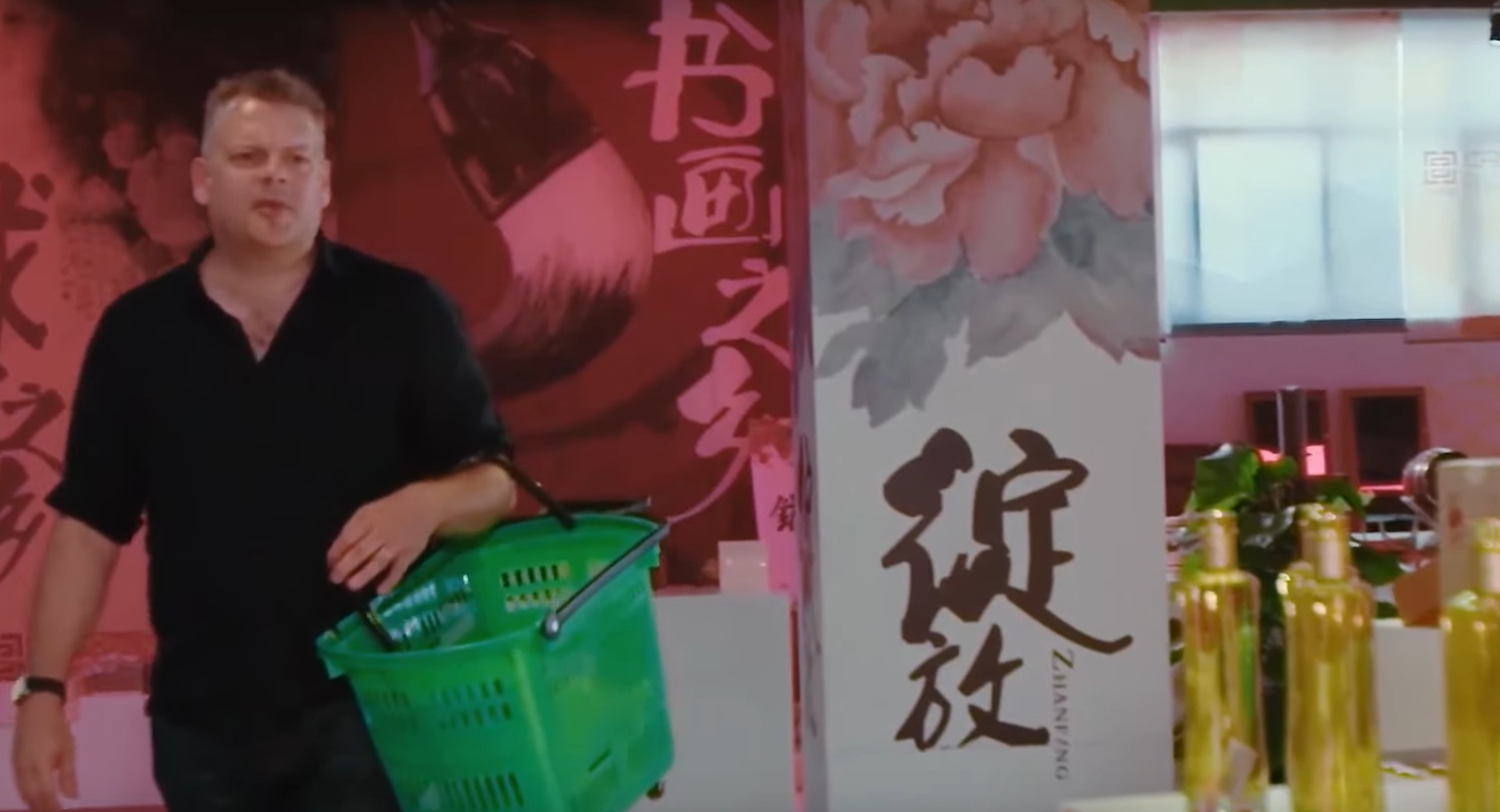
With time to fill – we need to somehow spend five minutes of the show in this city – we head down to the local business centre, where I ransack a display of peony-related products while making sarcastic comments to the camera.
“Ooh, peony tea, good for the prostate. Ooh, peony toothpaste, for people with flowery teeth. Here’s some peony morpholift emulsion. I’m often told that my morphs need lifting, so I will get some of that.”
I end up examining peony-based face masks, and deciding that the one that is “charmingly moist” is probably the best for me. It’ll do. Honour is served; we’ve managed to make a silk purse of the sow’s ear that is Heze, and it should be on to the next destination. Except we are delayed for thirty minutes while the Chinese director has a massive row with Jiuqing the producer in front of the whole crew, which ends with him yelling at her: “I don’t care what van you ride in. You can ride with the gear if you don’t hurry up.”
The problem, as best I can work out, is that we need to be in Taierzhuang tomorrow to film the sing-song girl. Ideally, we should be somewhere else doing something about Chinese opera, but the opera singer is only available the day after tomorrow, so we will have to drive for four hours to get there, and then two hours back the following day. It seems like such a minor issue, but we are only a couple of days away from finishing the shoot, and nerves are fraying.
Partly, this is my fault. The crew are shooting such a punishing schedule because I am only available for two weeks. This places huge pressure on Jiuqing to get everyone moved around the province in time, and it will mean we are further away from the bullet train station on the last day than we really ought to be. Telling Jiuqing to ride with the gear means she will have to spend four hours with the grips, also known as the Garlic Boys because they walk around with a sack of raw garlic to insulate their stomachs against dodgy food. You can imagine how they smell, or perhaps you can’t.
Nobody is impressed. Confucius said: “When you are poor, it is often hard to keep a smiling face. But when you are rich, it costs nothing to be polite.” Which is pretty much how I feel about the director. He will go on to apologise profusely over the next two days for being such an arse, but there was no real reason for him to shout so much at Jiuqing after she has put in so much hard work.
We reach the next location minutes after midnight. It seems to be a charming old town, festooned with red lanterns. But we are all too tired to look around us.
Jonathan Clements is the author of Confucius: A Biography. These events occurred during the filming of Shandong: Land of Confucius (2018).
 The Official Schoolgirl Milky Crisis Blog