
“Made with the cooperation of the Finnish tourist board, the film is literally swimming with careful moments of product placement and what the Japanese call ‘holy land’ locations inviting a real-life visit, such as the Yrjönkatu Swimming Baths, the first and oldest public swimming pool in Helsinki, built in 1928. At the time they were filming Yoko’s solo dips, the pool had only recently allowed swimmers to wear clothes at all – until 2001, it had been nudist by decree.
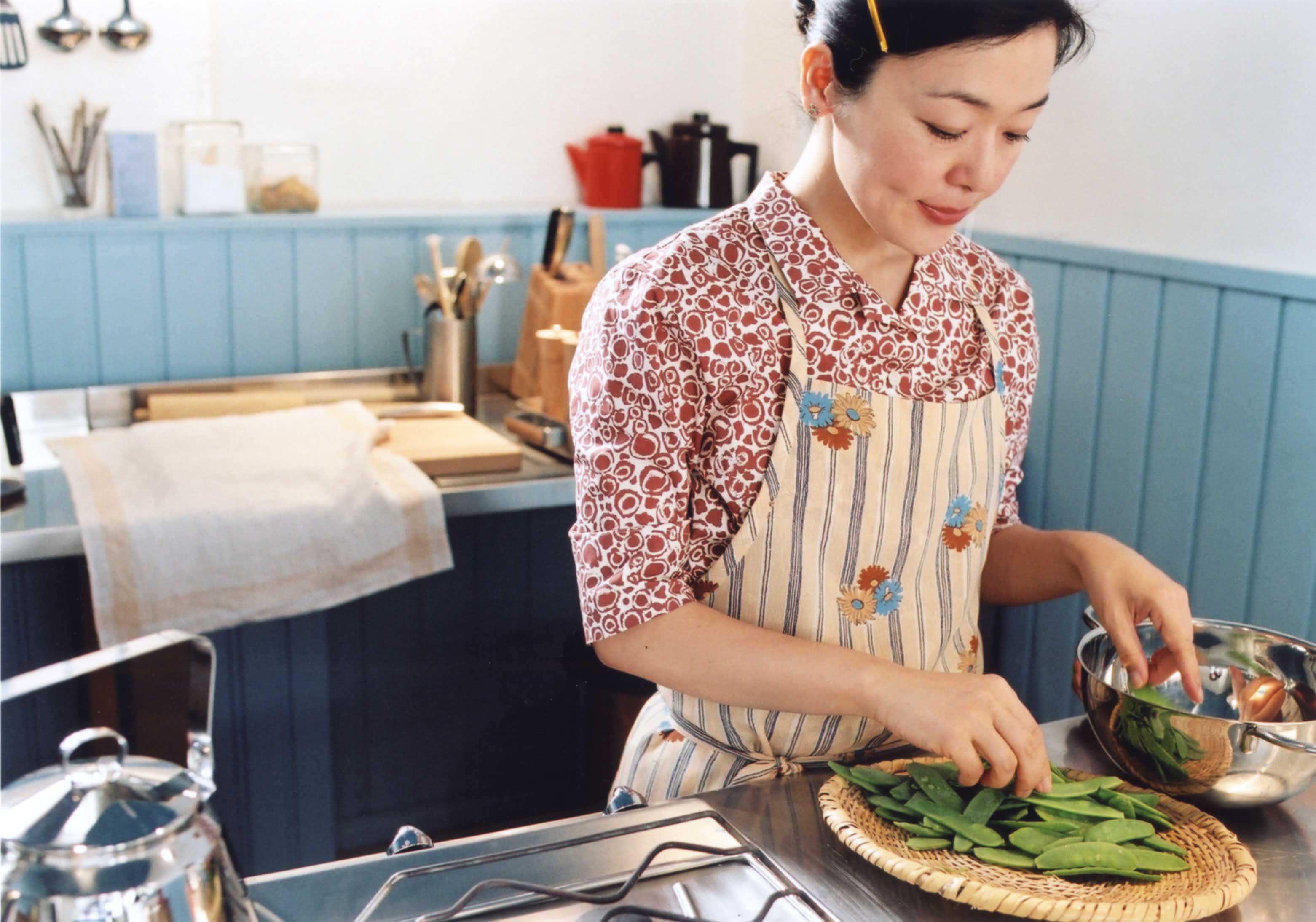
“On the subject of clothes, Masako loses her luggage on arrival in Helsinki, and is obliged to dress with whatever she finds in the Helsinki shops until it is recovered. Surprise, surprise, all she seems to be able to rustle up are eye-stingingly expensive clothes from Marimekko, the world-famous Finnish brand. But the company has a strong connection to Japan, unknown even to many Finns, since one of its leading textile designers, designing 400 fabric prints from 1974 to 2006, was a Japanese man, Fujiwo Ishimoto. Today, he is back in his native Japan, where his own fashion brand, Mustakivi, derives its name from the Finnish for ‘black rock’.”
In a rare conjunction of my interests, I am asked to provide a video essay for the forthcoming limited edition Australian release of Naoko Ogigami’s Kamome Shokudo (2006), a film about a Japanese woman who opens a cafe in Helsinki.

