
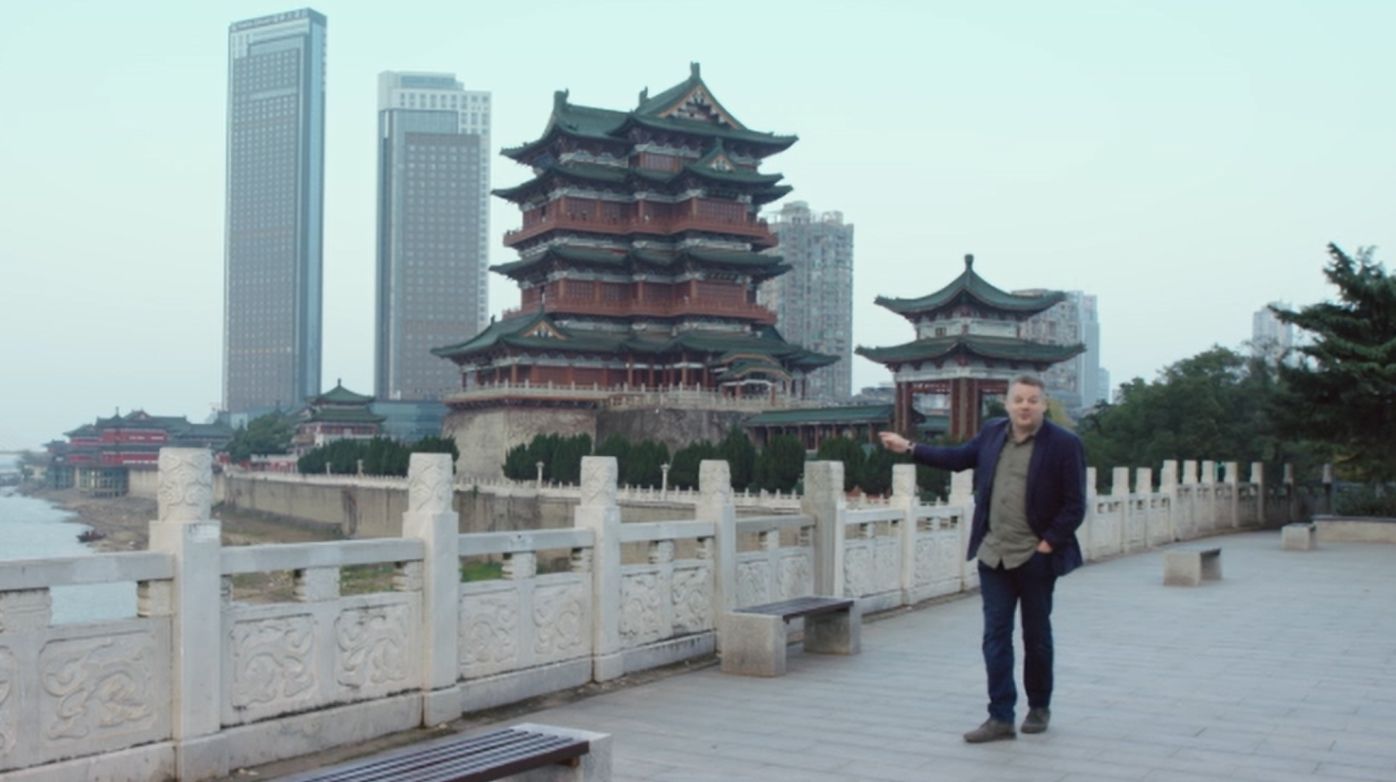
We’re in Nanchang on the trail of Liu He, the grandson of the great Han emperor Wudi. Born in 92BC, when the Han empire still farmed out control of its outlying regions to subordinate kinglets, he inherited his father’s Shandong satrapy when he was still a child. Famously uncouth and uncooperative, he soon turned into a troubled, ridiculously wealthy youth, and was presumably as surprised as the next man when the sudden death of his uncle led to him being crowned emperor at the age of 19.
His reign lasted an impressively short 27 days, during which time he notched up over a thousand infractions, including refusing to weep on command at the sight of the capital, buying a chicken on the way to his uncle’s funeral, and ordering hookers at a roadside tavern. His entourage got the blame for at least some of this, but Liu He seems to have blundered, quite obliviously, into the middle of a power game way beyond him. His dead uncle had only been a year older than him, a puppet for his “chief minister”, the Machiavellian Huo Guang, who had been running things behind the scenes for over a decade; Within weeks of appointing his new boy-emperor, Huo Guang realised he was onto a loser, and asked the “Empress Dowager”, his own fifteen-year-old grand-daughter, to issue a decree that Liu He was unfit for the throne. Armed ministers threatened to stab anyone at the council meeting who disagreed, and Liu He was packed back off to the provinces, a wealthy but powerless teenager.
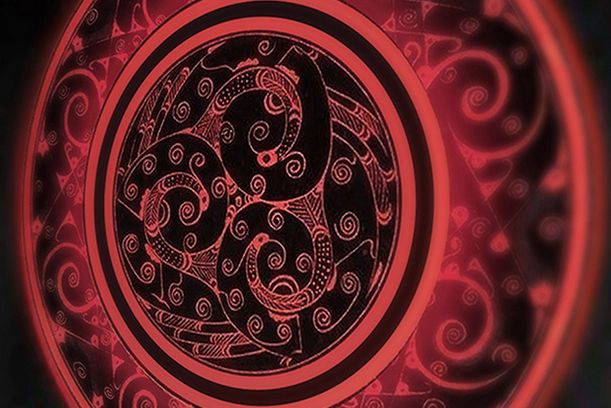
There it should have ended, although a few years later he was ordered to move to the Yangtze region, modern Nanchang, where he was given the new title of Marquis of Haihun. He ran things there for a couple of years, and was implicated in a new scandal when he admitted to a flunky that he really could have handled things better at court by having Huo Guang beheaded for treason before anything kicked off. For saying so, he was docked 75% of his domain, and reputedly spent a lot of time scowling towards the setting sun, calling everybody back in the capital a bunch of bastards.
When he died, he was still only 33. And that would have been the end of it, until 2011, when grave robbers were caught trying to break into a tomb in Nanchang. Archaeologists took over, eventually announcing that the tomb in question was that of the Marquis of Haihun, that it has been miraculously untouched, and that it contained all sorts of fun stuff, including a copy of Confucius’ Analects with two chapters unseen anywhere else.
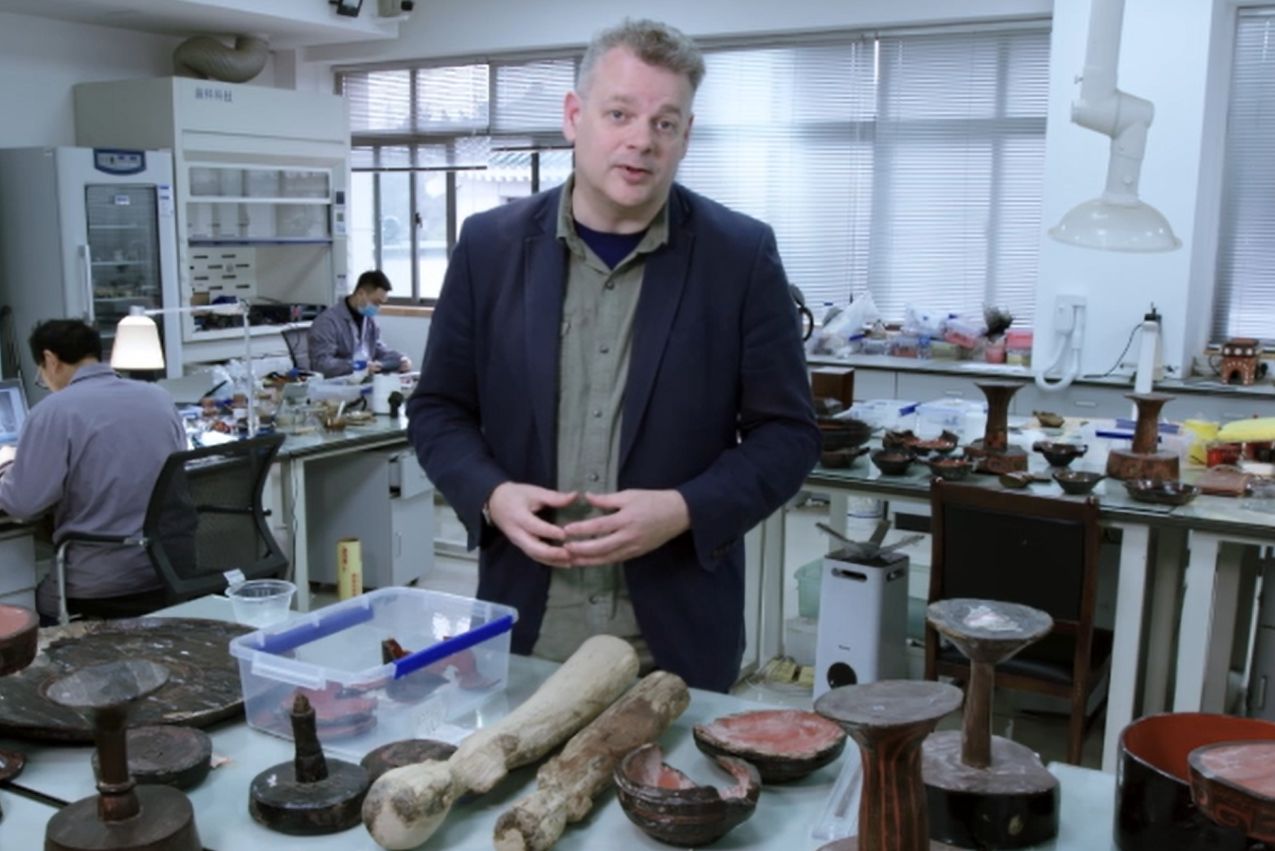
But there’s something fishy about the Marquis of Haihun story. As I’m sure you have already worked out, he was a pawn in a power-game that had been going on for longer than he had been alive, expected to be a malleable figurehead while the Huo family got on with really running things. But if he was such a playboy and a wastrel, what was he doing reading Confucius? Was it just something he kept lying around to impress the builders, or was he a much more thoughtful person?
At least the Marquis of Haihun outlived his persecutor, Huo Guang. Huo predeceased him by ten years, and his intrigues soon unravelled. He was alleged to have been banging his slave master, a man who repaid the favour by banging Huo’s widow, a woman who was soon accused of having murdered the former empress in order to find a husband for her own daughter. The entire Huo clan was implicated in this scandal, and they were all dead within a couple of years. I’m just saying, why would I watch I’m a Celebrity… when this is going on? And more to the point, if your relatives and in-laws are murdering each other and shagging the staff, what’s the deal with exiling some kid just because he bought a chicken?
It’s taking forever to get permission to film in the museum, but there are all sorts of revelations awaiting, I hope.
Jonathan Clements is the author of A Brief History of China. These events featured in Route Awakening S05E04 (2019).

