
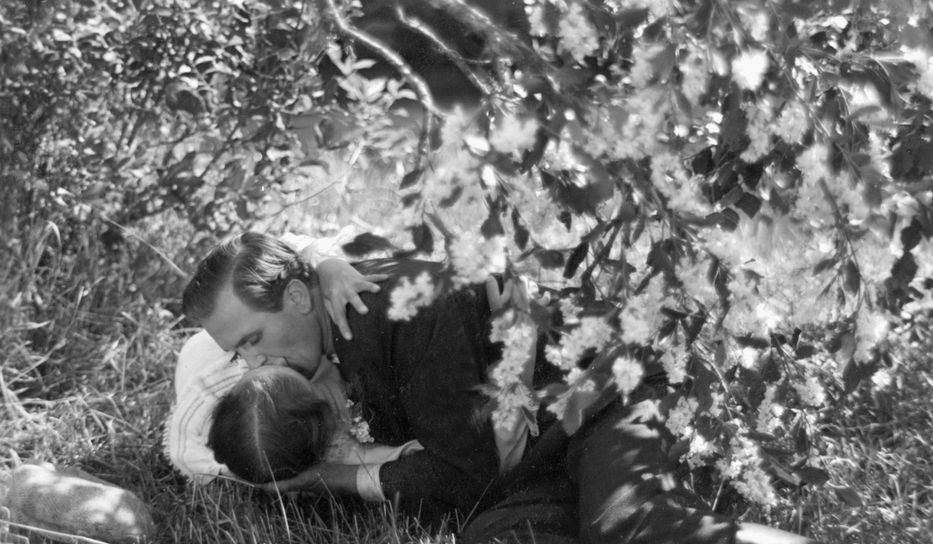
Star-crossed lovers Aliina (the ever-radiant Irma Seikkula) and Jalmari (Olavi Reimas) are separated by Aliina’s stern father Mr Jarvela (Väinö Sola), who thinks that his daughter can do better than a miller’s son. Sure enough, Aliina soon gains a new suitor in the form of the elderly widower Elias (Edvin Laine), a man from the next village who has pots of cash.
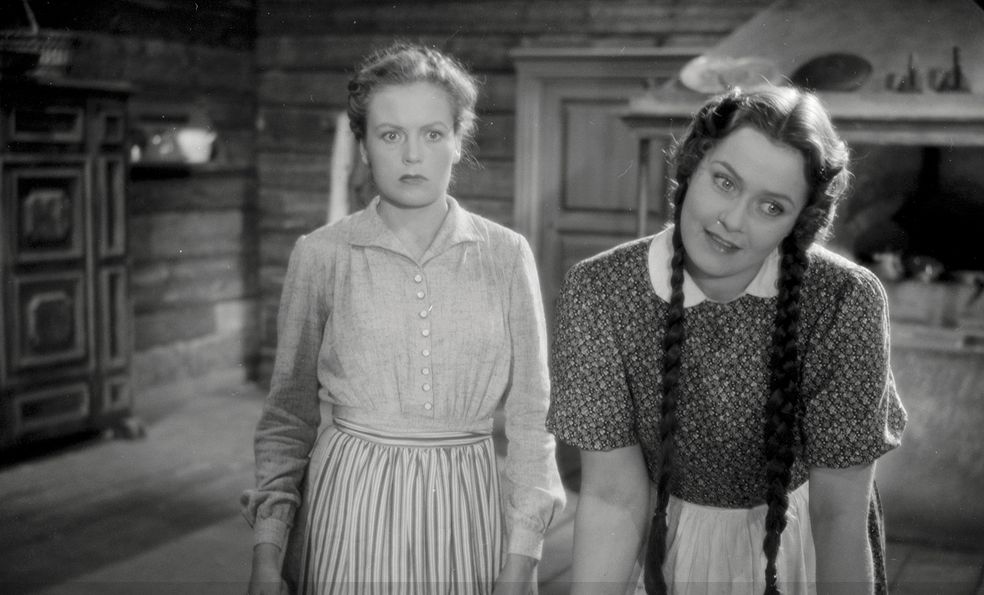
Realising that she is pregnant, Aliina gives in to Elias’s entreaties. Working at a distant saw mill, Jalmari hears that Aliina has got married and had a son, and returns, despondent to his home district, where he gets a job at Elias’s mill. There, he must fight off the predatory minx Kerttu (the relentlessly sassy Kirsi Hurme, in highly unconvincing braids), as well as the flirty Maija-Liisa (Tuire Orri), who is only chasing him to make her boyfriend jealous.
But it’s Aliina who he truly loves, and he begins seeing her again in secret. The jilted Kerttu tells her boyfriend to reveal the affair to Elias, to get Jalmari fired and take his job. A broken-hearted, vengeful Elias finds the lovers inside the mill’s wheelhouse, and locks them in, hoping to drown them when he opens the sluice gate. But his scheme is thwarted when Kerttu realises the consequences of her actions and organises a rescue.
Elias banishes his wayward wife, granting her only wish – a little cottage with Jalmari and their child. His sister Etla (Anni Aitto) offers words of comfort that are an inversion of the ending of The Women of Niskavuori (1938), telling him: “The young are young, the old must give way. The law of life is merciless. The harvest will increase. Then even the quiet hum of the old mill will continue.”
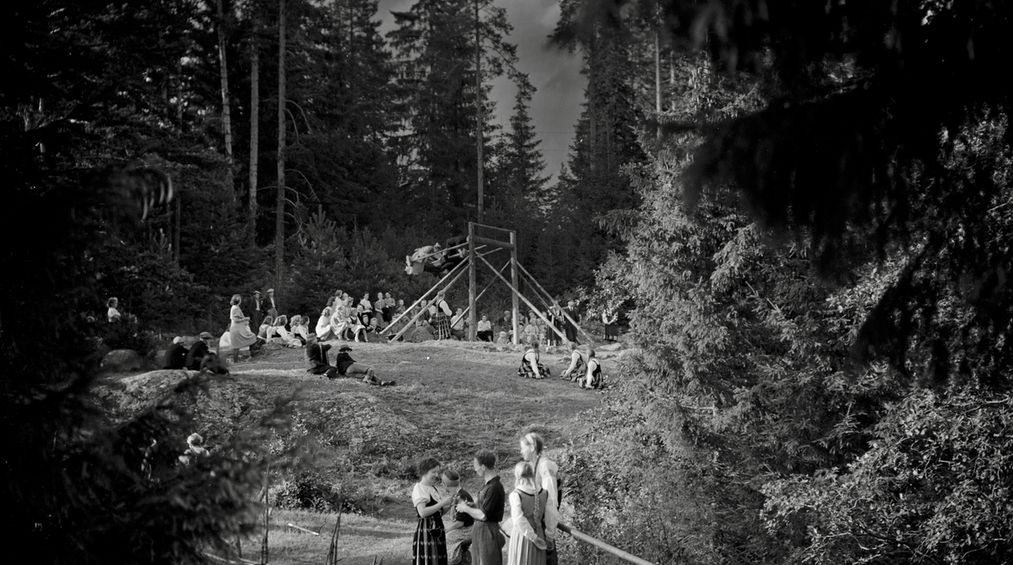
You would think that the Finns would have had enough of the rural-woman-with-illegitimate-child-reunited-with-true-love cliché, but this adaptation of Lauri Haarla’s 1942 stage play Keinu-morsian adds another one to the pile, despite its similarity to his earlier Scorned (1939) and God’s Storm (1940). Martti Larni’s script expands the original with a few action-packed exteriors of farm life and a funfair, but Suomen Filmiteollisuus hedged its bets by premiering the film in rural cinemas, ahead of its “first” night in That Fancy Helsinki.
Haarla finished the original script “while air-raid sirens were wailing in Helsinki”, and some of the press at the time noticed the palliative effect of a pastoral drama when audiences had other problems they wanted to forget. Despite panning the film as a waste of time, Paula Talaskivi in the Helsingin Sanomat noted: “Eino Heino’s camera has captured within its frame the rural views that constantly captivate my eyes and the brightness of summer nature.”
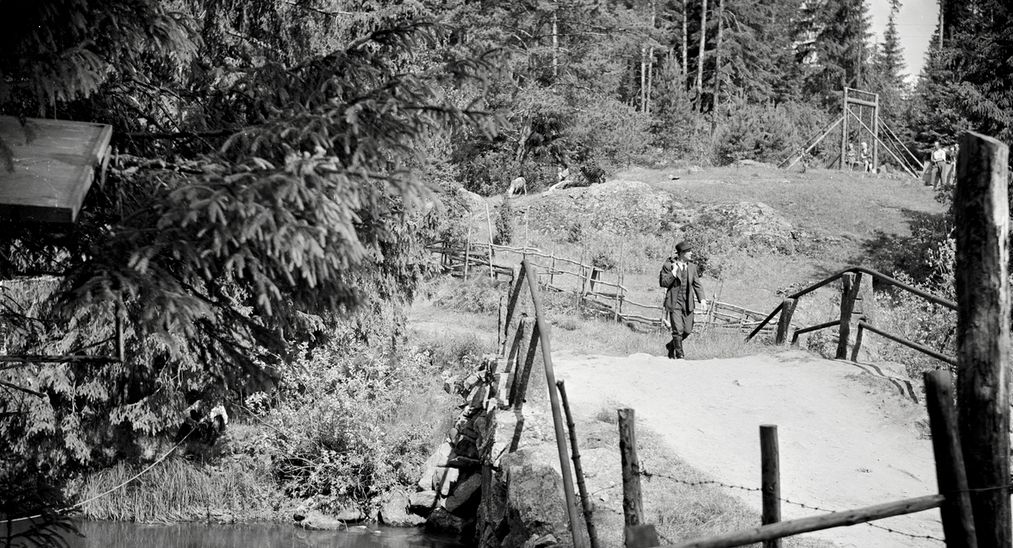
Eight decades on, the camerawork remains the most striking thing about it, including an opening shot in which the happy lovers on a swing remain static while the entire world spins around them. The forest scenes, too, are shot in natural Finnish light, with the skies ablaze but the foregrounds often shrouded in shadow because of the low sun. Lakes are shot with painterly indulgence, and dockside scenes bustle with documentary urgency. Then and now, Valentin Vaala’s film plays like a keepsake of a past that had already gone, and yet which looms so largely in the family backgrounds of many Finns, for whom the lakes and forests of their ancestry are never all that far away.
Jonathan Clements is the author of A Short History of Finland. He is watching all the Finnish films so you don’t have to.

