“A lovingly curated and researched deep-dive into some of the most important Japanese animated feature films ever made.” — Jerome Mazandarani, Answerman, Anime News Network
“It’s a solid introduction to the genre with enough depth to teach even devoted fans a thing or two.” — Publishers Weekly
“You can’t go wrong with this fascinating and fun new book about anime. It is, after all, by Jonathan Clements, an icon among anime experts, who has watched more anime than most doctors would advise, and written (with wit and expertise) about it for decades.” — Frederik L. Schodt, translator of Astro Boy and author of Manga! Manga! The World of Japanese Comics
“Jonathan Clements’ knack for storytelling takes readers on an adventure every bit as exciting as the productions he profiles.” — Matt Alt, author of Pure Invention: How Japan Made the Modern World
“…makes an erudite case for each film’s inclusion with insight built on decades of writing about anime and Japanese culture.” — Zack Davisson, translator of Space Battleship Yamato and author of The Ultimate Guide to Japanese Yokai
“Do you want to go through the Mists of Time?” he asked.
No, I said. I’m in a bit of hurry, and there’s somewhere else to be. How long is the big filmy thing?
“Twenty-eight minutes,” he said.
I’d better skip it, I said, darting into the next hall, which turned out to be a series of remarkably wide-ranging exhibits linking the Viking Age to the Silk Road, including a fragment of Tang-dynasty textile, found in a Swedish grave, and a cowrie shell, found in Denmark, that might have come from as far away as the Maldives. It ended in the café, and I realised that I had inadvertently refused to go through the main event at the Vikings The Immersive Experience.
Sheepishly, I sidled back to the guardian of the Mists of Time. It was half past nine on a Tuesday morning, and I was the only person there.
Okay, I said. I am ready.
It’s been thirty years since Janet Murray’s Hamlet on the Holodeck, but we still struggle to find the words to describe hybrid media events. Vikings: The Immersive Experience is not a museum exhibition, but several inter-linked multi-media happenings, separated by a holding area packed with replicas related to the world of the Vikings, some of them also interactive. It is not the sort of place for a hurried historian to dash through, snapping signage with his phone. It is intended to be the length of a movie, and so it should be.
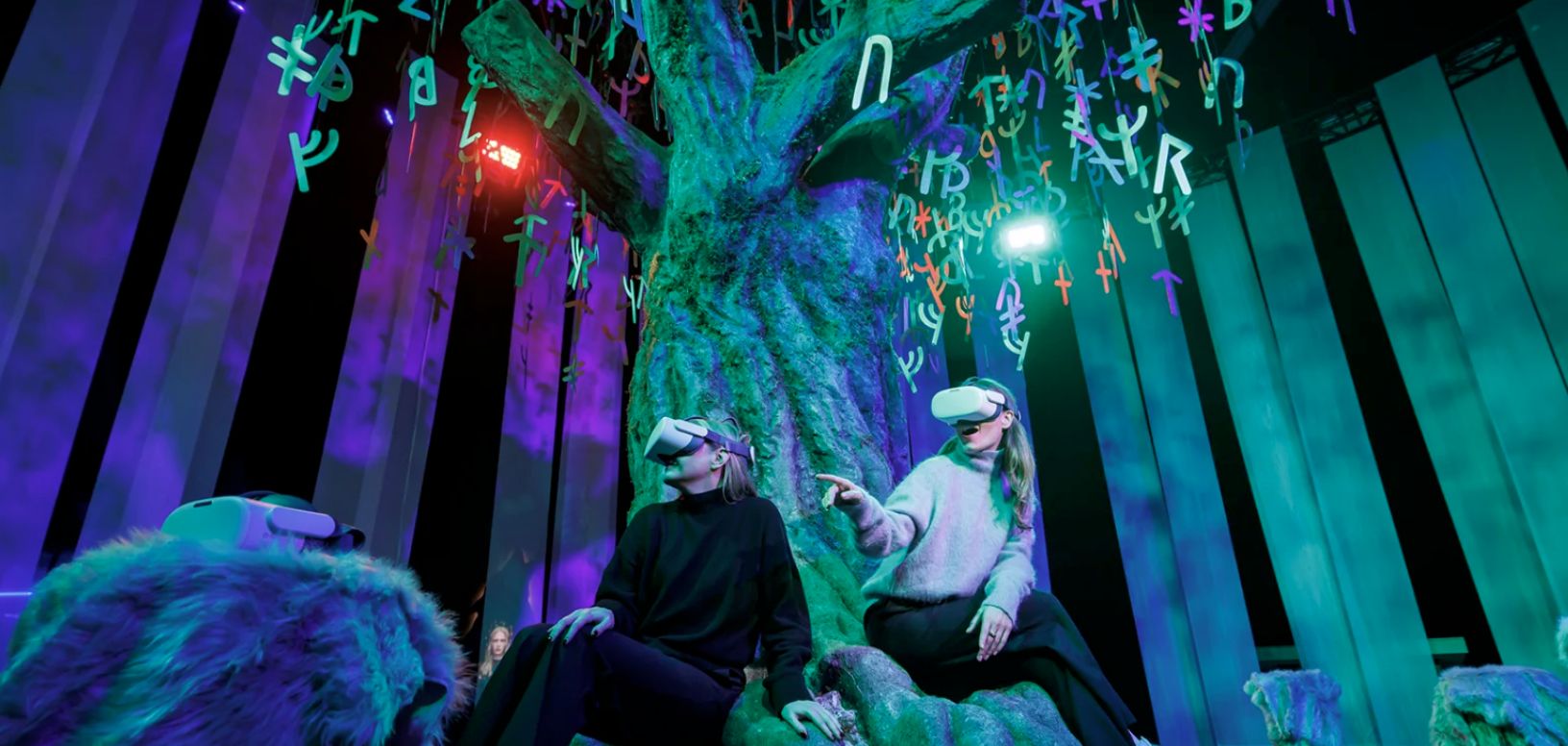
The story derives from the Tale of Ragnar Lothbrok (most famously used as the inspiration for the History Channel’s Vikings series), and cleverly runs with the doubtful claim therein that Ragnar’s wife, Kraka, was really Anlaug, the last of the Volsungs, daughter of Sigurd and Brynhildr. This allows the Immersive Experience to begin with a VR event retelling ancient myths beneath a rune-hung World Tree. This first presentation ends with Anlaug/Kraka boarding Ragnar’s longship to sail off for her wedding.
Beyond, there is a scattering of displays and interactive booths, while “the Professor” on my audio guide made repeated offers to go deeper into any subject I liked the sound of. The Immersive Experience does everything it can to showcase the high points of the Viking age, and then waits for the visitor to ask to know more.
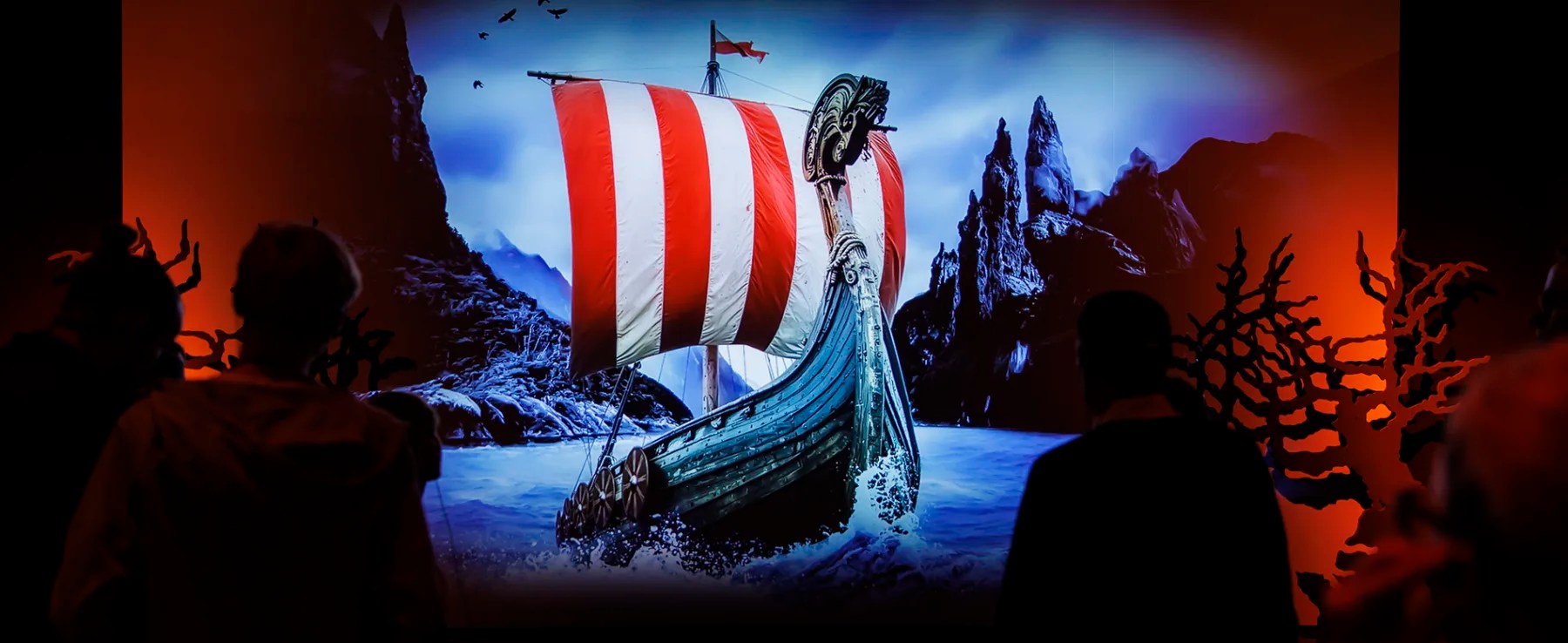
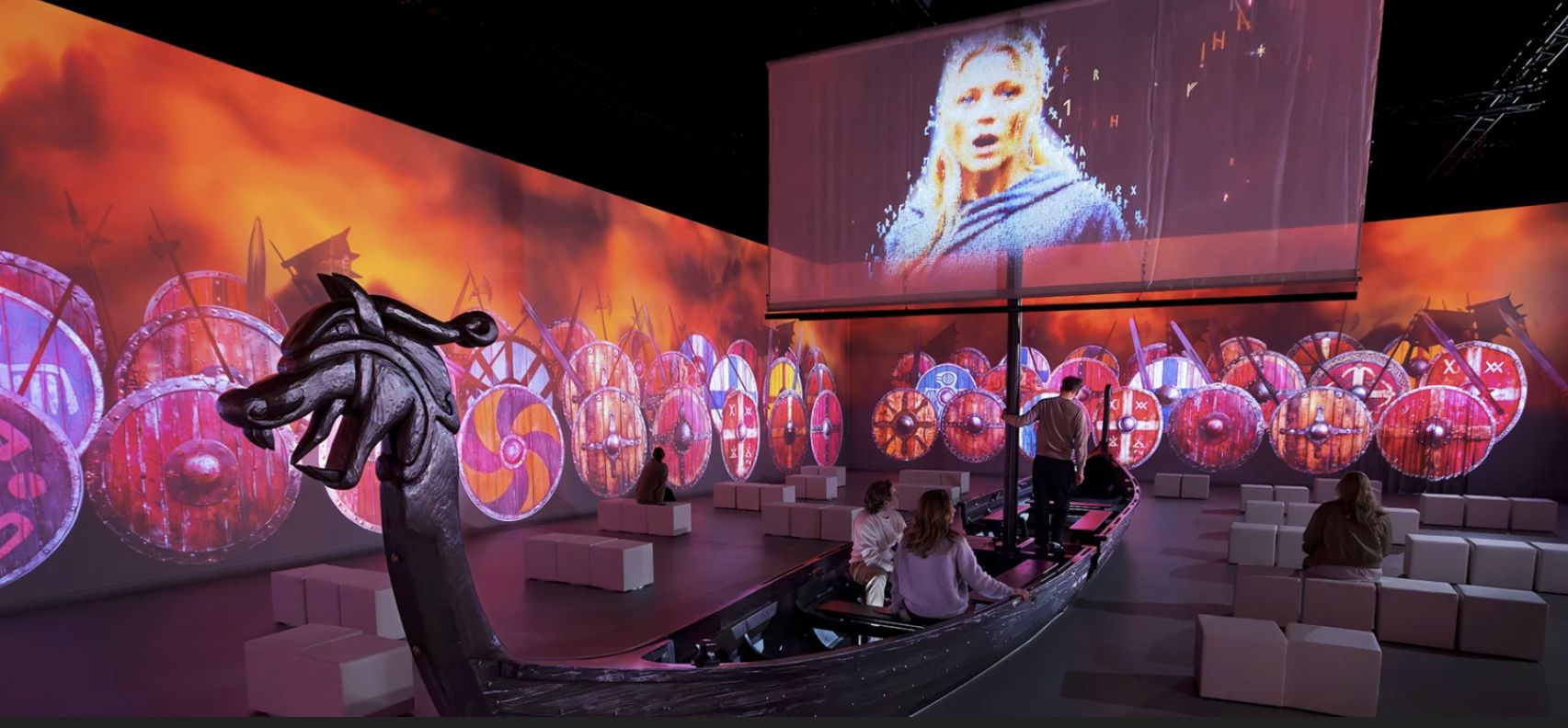
It’s Anlaug/Kraka’s wedding that begins the second and larger multi-media experience – a 360-degree movie which the audience is invited to watch from their very own longship. It offers dizzying bird’s-eye views of a Norse community, and then plunges the viewer into a prolonged sequence in which Kraka develops the power of prophecy, thereby allowing her to foretell the next 200 years of Viking history, her sons’ wide-ranging travels and conquests, and (in the only linguistic mis-step) landfall on a distant coast that she anachronistically refers to as “the Americas.”
The narrative is unrepentantly, exultantly the story the Vikings tell about themselves, without any of the coughs, cavils or asides of modern scholarship – apart from an opening speech recounting the destruction of Lindisfarne, the story is one of a bunch of sea-kings taking whatever they want, and reacting with fierce anger whenever anyone stands up to them. I actually found this lack of hand-wringing rather refreshing, and ideally suited to the implied viewer: a teenager ready to be thrilled by tales of derring-do by entitled thugs. As a popular historian, I concede that it is necessary to meet one’s audience halfway. Coming out of the Immersive Experience into the inevitable gift shop, one is invited to pillage fridge magnets and baseball caps, as well as a selection of introductions to the Vikings aimed largely at a young-adult readership. More detailed accounts of the Viking age can wait, but the Immersive Experience is sure to hook them in.
It finishes with another cunning link, suggesting that Anlaug/Kraka, might be the unidentified Viking queen buried in the Oseberg ship grave. This allows the experience to close with the sight of the archaeologist Gabriel Gustafson and his little dog, poking around an unassuming hillock in Norway, connecting a tall tale that begins in ancient myth with the first Victorian-era finds that would define our modern sense of the Viking age.
The guardian of the Mists of Time was waiting for me on the other side.
“Would you like to have your picture taken on the Viking throne?” he asked.
Over at Animeigo’s Youtube channel, they make their bonus footage available from their oral history of the anime business, which means you get to hear me talking about the logistics (and the finances) of festival guests and interviews, gossip about Leiji Matsumoto, Naoko Yamada, Mamoru Hosoda and others, the creation of Smith Toren and foreigners in the anime business.
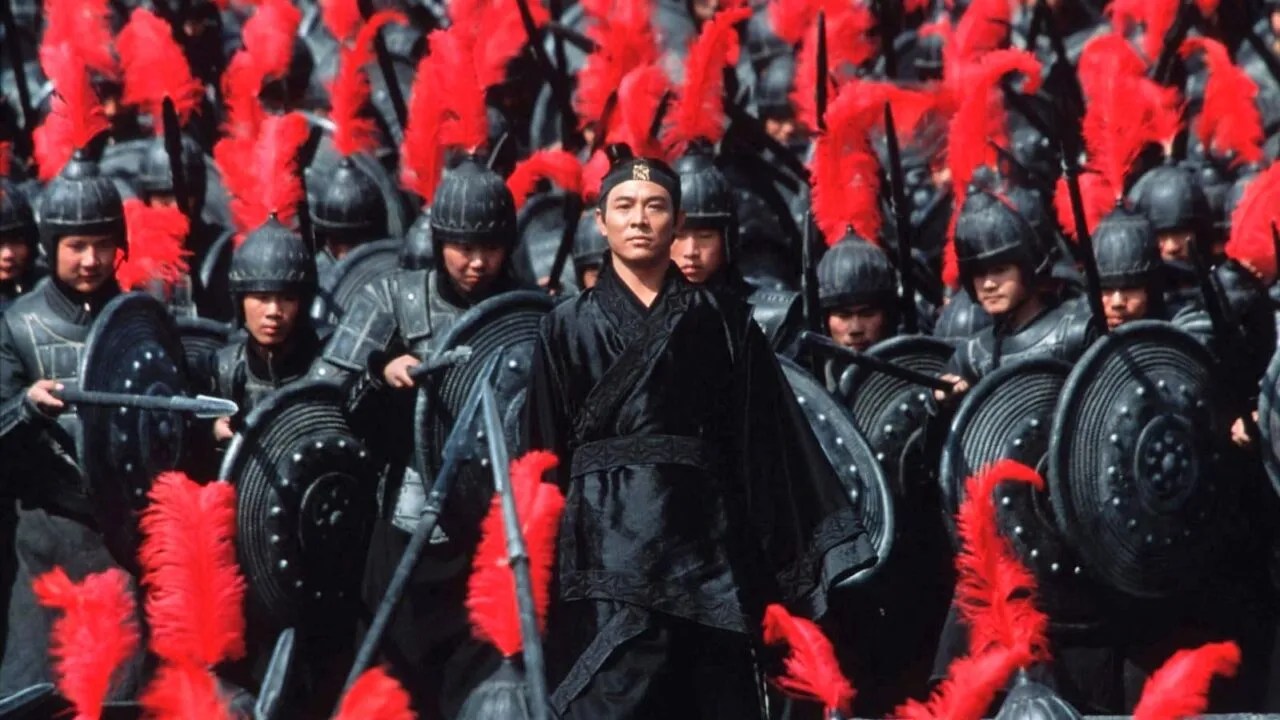
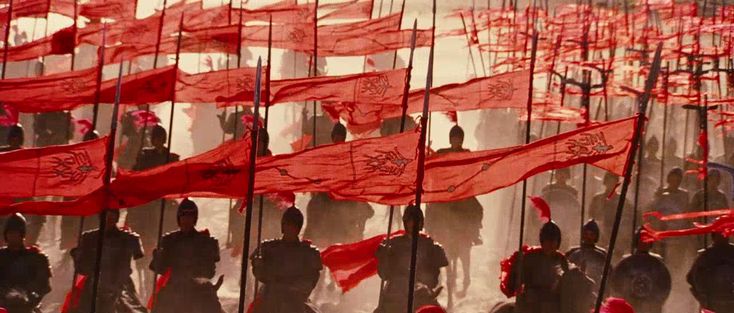
Over at the Subject to Change podcast, I return to talk about my book on the First Emperor of China and the man who was sent to kill him: facts and fictions in Zhang Yimou’s movie Hero (2002), the evil mirror-universe version of Confucianism, an impossibly well-endowed “eunuch”, the construction of the Terracotta Army, the politics of archaeology, and how to spend a slave labour dividend.
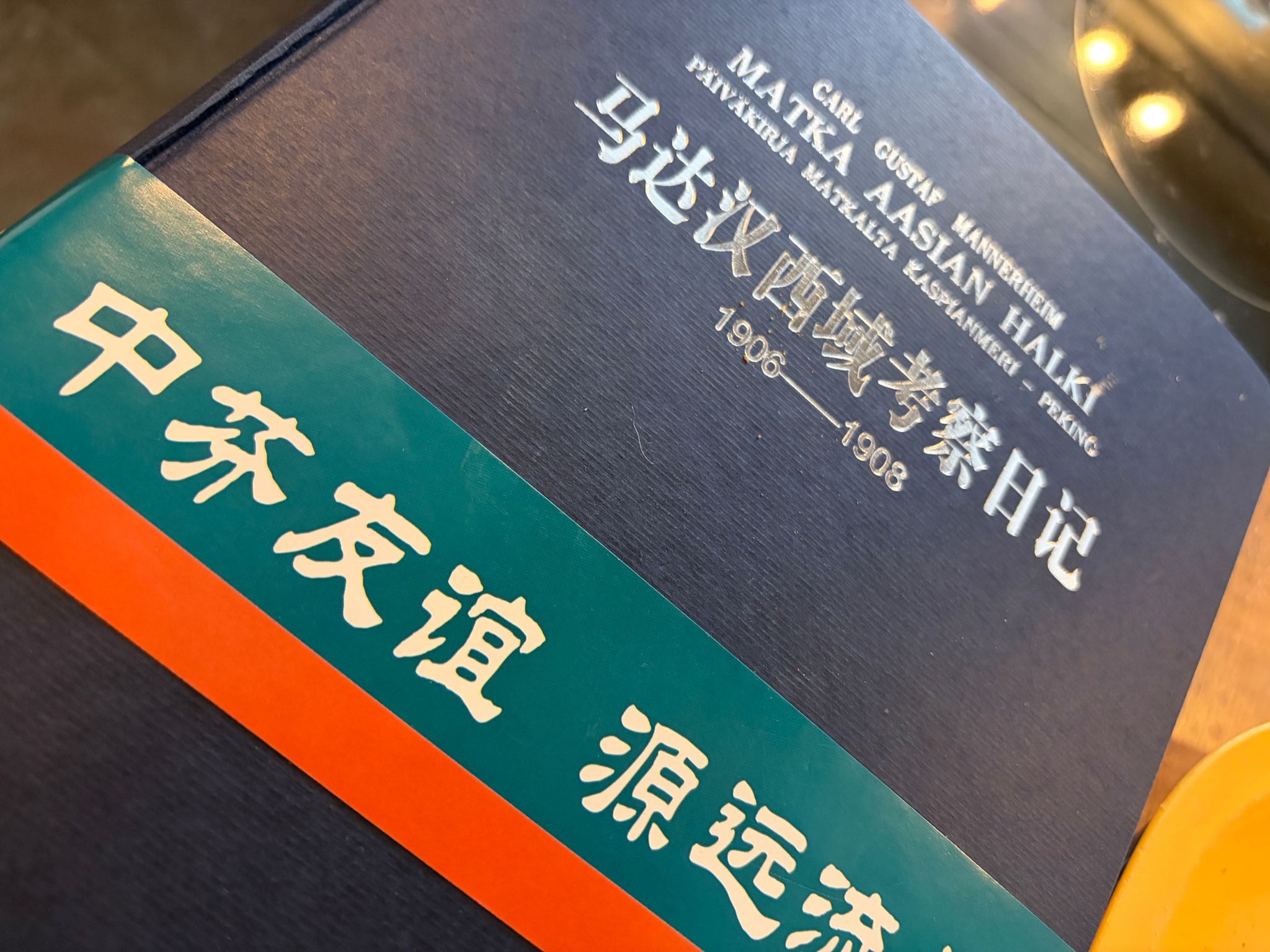
In an unexpected spin-off from my lecture last week about Mannerheim’s adventures in the Far East, I have obtained a copy of the Chinese edition of his epic Across Asia, published in 2004. “Sino-Finnish friendship,” proclaims a poetic belly-band bearing the logo of the Metso paper company, “is long-standing and well-established.”
Translator Wang Jiaji fulminates in his afterword about the pitfalls of trying to work out which godforsaken village Mannerheim might have been writing about in 1907, after 12 hours in the saddle and a rainstorm, when he got the name from an illiterate Kirghiz tribesman who couldn’t speak Chinese, seemingly unaware that even as the presses were rolling on this edition, Harry Halén was publishing his Analytical Index to Across Asia in faraway Helsinki. It’s this frightfully obscure work, for which I suspect I was the sole customer, that made it possible for me to get the names right in my own book.
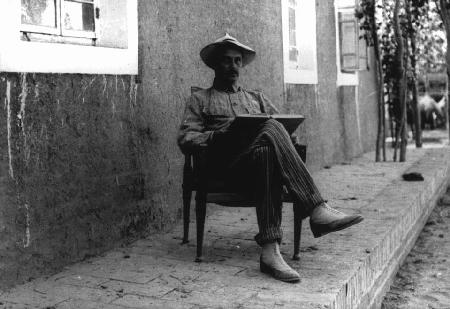
“The purpose of this trip was military in nature,” says Ulla-Maja Kulonen carefully in her preface, “but it also carried other investigation tasks.” Well, yes, that’s one way of putting it, I suppose. Mannerheim was sent into Central Asia to map terrain, probe military readiness, and investigate the penetration of Japanese influence, assembling the data for a 1909 military report, which handed Russian top brass a game-plan for invading Xinjiang, and a terse assessment of the lack of a threat that China presented.
To do so, he travelled undercover for two years, posing as a Swedish ethnologist, and performatively shipping back artefacts and observations by the crateful during his long mission. It is a testament to Mannerheim’s enthusiastic embrace of his cover story that his findings would become the subject of several academic papers, this brick-sized diary of his journey, a large chunk of the Central Asian holdings in Helsinki museums, and 1200+ priceless photographs of life in China at the turn of the 20th century.
His diary was published by in Chinese the China Nationality Art Photograph Publishing House, suggesting that a century later, it was his observations of local ethnic communities that turned into an unexpected bonus. An anonymous editor provides a frowning afterword in which he is a lot pushier about the whole spy thing.
“We must… recognise that as an explorer from a Western power 100 years ago, the author’s activities in our country’s west served the dual purpose of military espionage and scientific exploration,” say The Editors ominously. “This is a concrete manifestation of the colonial policy of the Tsarist government and the history of imperialist aggression against China.” Such commentary is not that unusual – the Mandarin translator of my own Short History of the Silk Road spattered the published edition with quibbling footnotes, although he stopped short of calling me an imperialist aggressor.
Wang Jiaji, himself the author of a Chinese book on Mannerheim, adds that the publication of the book in Chinese was the culmination of a massive effort by multiple Finnish organisations – including a translation subsidy from the Finnish Literature Information Centre, and big-name sponsors including a bunch of paper companies (Metso, UPM-Kymmene, Finnish Forestry Industries Federation), Nokia and Finnair. Although Across Asia was completed in 1908, it lay unpublished for three decades, which left it in an odd legal position regarding copyright – the Finno-Ugric Society waived all fees in order to get the Chinese edition off the ground.



 The Official Schoolgirl Milky Crisis Blog