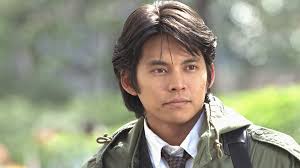
Disaffected computer salesman Shunsaku Aoshima (Yuji Oda) changes careers at the ripe age of 29, becoming a detective at the Wangan police station. Though he is initially ignored by most of the officers, he demonstrates an early skill for empathising with victims and is able to draw important evidence out of uncooperative interview subjects. His chief nemesis is Shinji Muroi (Toshiro Yanagiba), a self-made man from Akita, who has fought his way up through the Police Board Criminal Council despite snobbish opposition from the Tokyo University graduates who make up most of its numbers. Though the two men are permanently at odds, the emotional Shunsaku and the logical Shinji eventually form an uneasy partnership
Their friendship flourishes in the course of several episodes that introduce other members of the team. Old hand Heihachiro is due for retirement but trying to settle some of his outstanding cases. One comes back to haunt him, when an old adversary sends him a booby-trapped office chair, forcing him and Shunsaku to stay completely still while the rest of the office try to defuse the bomb—a steal from a similar setup in Lethal Weapon 3. Sumire is Shunsaku’s would-be love interest in the Department of Theft, whose cold exterior hides an abused past. She attracts a stalker who is convinced that she is the earthly incarnation of the anime character Pink Sapphire (a thinly veiled homage to Sailor Moon) whom Shunsaku and Shinji must stop before he turns into a killer.
Bayside Shakedown is one of the landmark Japanese TV shows of the 1990s. Though the high concept is nothing new, it struck a chord with the Friends and Ally McBeal generation, offering last-chance wish fulfilment for twentysomething viewers that there was still a possibility to change careers and start afresh. The glossy production values and pop video sensibilities glamorised the world of police work— the officers try very hard to play it young and cool. They achieve this through an unobtrusive anti-intellectualism that derides academic achievement in favour of simple attitude and instinct. When a team of criminal profilers arrive at Wangan, they are depicted as hapless college boys whose charts and graphs are no substitute for door-to-door enquiries and knowledge of the streets. There is similar comedy bungling from the Three Amigos, a group of unashamedly brown-nosing seniors who preside over the younger officers with an air of benevolent incompetence.
The series aims several pop culture references squarely at anime fans, including an arrest at an Image Club where visitors can hire prostitutes dressed as famous characters, and the regular recurrence of music from Shiro Sagisu’s soundtrack to Evangelion. Viewers are also advised to keep an eye out for each episode’s token foreigner, including ending-theme song collaborator Maxi Priest, though our personal favourite remains the suspect who can be heard loudly protesting, “But I am from Finland!”
Later episodes adopt a more serious tone, as the team go on the trail of a cop killer who has also seriously wounded police chief’s son Masayoshi Mashita, as well as with the promise of future collaboration between the lowly Shunsaku and the fast-tracking Shinji as he rises through the ranks.
The series stayed in the public eye through a novelisation and several seasonal TV movies, as well as a number of cinema spin-offs that kited it far into the 21st century. Twenty-eight years after it first appeared, it is fated to return yet again with leading man Oda now nearing sixty, cast in the upcoming Bayside Shakedown N.E.W. And for some utterly baffling reason, it has suddenly sidled onto Netflix, where its 4:3 screen size, predating the rise of the widescreen, and its leeched digital-video palette, make it look like what it is: an artefact from a bygone age.
But Bayside Shakedown was huge in its day – a hopeful second-chance for late twenty-somethings that propelled it into the status of a national phenomenon. With a peak audience share of 23.1%, its cinema adaptation was sure to be a hit, with the first movie becoming the third most high-earning domestic movie in Japanese cinemas. But although it was screened overseas on expat TV, and had its following among dorama fans in south-east Asia, it never seemed to attract the attention of the English-speaking world.
Twenty-five or so years ago, I went along to a London screening of the first Bayside Shakedown movie, put on for exhibitors ahead of the big buying frenzy at the upcoming MIP-TV in Cannes. A friend in the business said he’d add me to the guest list as a favour, so it’s not like I was sneaking in. It was a joyous continuation of the series, beginning with a wonderfully evocative depiction of contested jurisdiction, as police units on either side of a canal each try to prod a floating corpse over to the other side so it’s somebody else’s problem. It continued with a comedic account of class differences and office politics within a struggling police station, and finished with a sly reference that replayed the ending of Akira Kurosawa’s High & Low (1963).
The film was only marred for me by the occasional sound of seats flipping up, as one-by-one, the various exhibition reps decided the film wasn’t for them, and got up to leave. When the lights came up, I was alone in the theatre. I walked over to the distributor to confess that I was not a buyer for a video company.
“You are Jonathan Clements,” he said with a smile. “I know because you laughed at the Kurosawa gag. And you stayed to the end.”
Over at Russell Hogg’s history podcast Subject to Change, I keep things festive by discussing Japan’s Christian Century and the apocalyptic revolt that ended it in 1638. Part one features sneaky Jesuits, mass conversions, crucifixes as fashion statements and a secret Spanish plan to conquer China.
How did a street fight in Macao escalate into a naval battle off the coast of Nagasaki, leading to an executed nobleman and a fateful change in management in Shimabara? Features me impersonating Batman and speaking Spanish.
And then in part two we deal with the teenage messiah, the siege of Hara Castle, and the craziness of the Mirror of the Future, a supposed prophecy or, if you like, the departing curse of an angry Jesuit:
“When five by five years have passed / Japan will see a remarkable youth / All-knowing without study / See his sign in the sky / In East and West the clouds will burn / Dead trees shall put forth flowers / Men shall wear the Cross on their heads / And white flags shall flutter on the sea / Fires engulf fields and mountains, grass and trees / To usher in the return of Christ.”
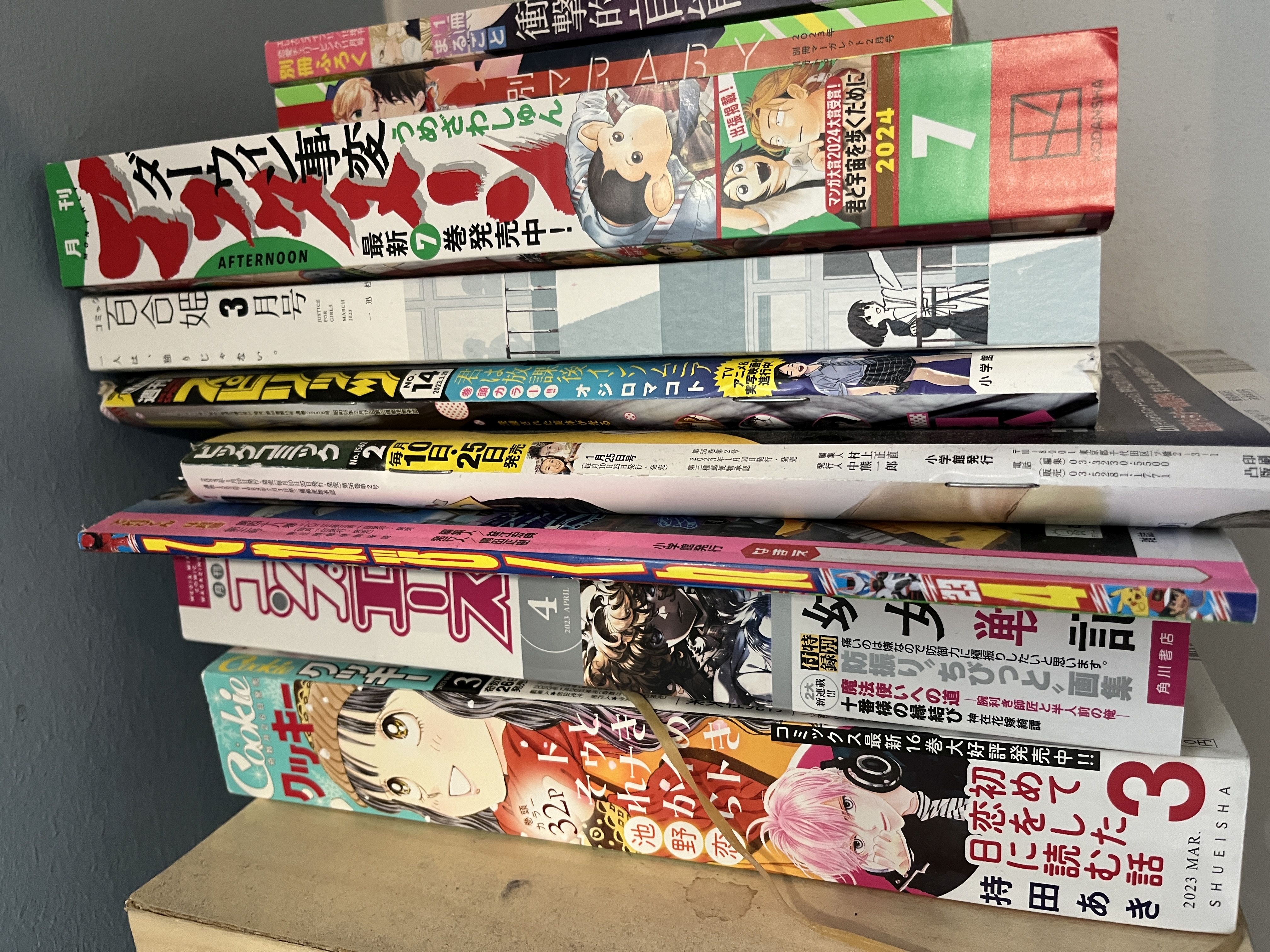
In a moment of historical irony, this column inadvertently predicted its own demise, back in NEO #233, with a comment on the rising costs of paper. That picture there is a stack of all the Manga Snapshot titles I had ready to roll for the rest of the year, which I can now chuck in the bin.
It’s been exactly twenty years since I handed in my first article for issue one of NEO magazine, a young whippersnapper of a title that would be destined to outstay them all. Anime UK and Anime FX and Manga Mania and Manga Max combined covered UK anime journalism from 1991 to 2000, but NEO magazine spanned a huge chunk of time, from 2004 to today. Gemma Cox became the longest serving anime magazine editor in British history some years ago, and I doubt very much whether anyone is going to break her record.
Gemma has spoken in interviews about the haptic joy of a print magazine – the simple value of being able to flick around and cherish, and indulge in reveries with a collection of printed pages. There’s a poster for your wall. There’s a picture of that thing. There’s an article you stuck in your scrapbook. You won’t get that on the interwebs. As of today, you won’t get it in your newsagents, either.
Twenty-five years ago, Jim McLennan, the editor of Trash City magazine, stated that the ultimate aim of anime journalism was to render itself obsolete. The last anime journalist out of the building, he said, could turn off the lights, because if the mainstream was carrying anime coverage alongside real films, interviewing anime directors, and reviewing the new titles, then there was no need for a specialist sector.
When athletes are flashing Dragonball Z hand signals, and Uniqlo sells Evangelion T-shirts, anime is certainly mainstream… in a sense. But for every Makoto Shinkai interview in Sight & Sound or SFX, there are a dozen TV shows that go unnoticed, and a cluster of movies that get no attention at all. That’s going to be someone else’s problem from now on.
Print costs money, and everybody on the web wants everything for free. When the All the Anime blog was shut down earlier this year, I was told that kidz today aren’t interested in “long-form journalism”, which apparently means 800 words or more.
So, what happens next? After 33 years of print anime journalism in the UK, I guess it’s time for me to go looking for another job, and for the internet to put its money where its mouth is. What happens next could even be up to you.
Jonathan Clements is the author of Anime: A History. This article first appeared in the 245th and final issue of NEO magazine, November 2024.
Asked recently if I could “recommend” ten manga for an unspecified group, I wondered if I could come up with ten that I had encountered in my recent (and now cancelled) Manga Snapshot columns that had yet to be legally translated into English. It turned out that almost everything I had most enjoyed in the last few years remains unavailable. Not that these titles are best-sellers in waiting – many are niche titles that only appeal to weirdos like me. But nevertheless, this is my top ten of untranslated manga at the time of writing. Comments have been harvested from the last couple of years of the Manga Snapshots.
The Honest Real Estate Agent (Shōjiki Fudōsan, Big Comic), based on a book by Takeshi Natsuhara, adapted for manga by Mitsuhiro Mizuno and drawn by Akira Otani. Our leading man, Nagase, is an estate agent, and initially a proud exponent of the industry known in Japan as the “1003” – as in, for every thousand words spoken, only three are true. However, after bullishly desecrating a Shinto shrine during a ground-breaking ceremony, he is cursed to only tell the truth, and forced to radically rethink the way he sells houses, homes, apartments and development plots to the Japanese public. I know, right – it’s a lovely idea, and again one that is sure to appeal to older readers who have ever had to go through the misery of trying to buy a house. Somehow, it’s managed to run in Big Comic for the last six years… there is obviously a market for honest real-estate. Or for people who like watching the conniptions that Nagase has to go into in order to still close a deal. Turned into a live-action TV series in 2022.
This Does Not Fall Under Expenses! (Kore wa Keihi de Ochimasen, Cookie) drawn by Kosachi Mori from the light novel series by Yuko Aoki, is the tale of 27-year-old accountant Sanako Moriwaka, who has landed the unenviable position of processing expense receipts at the large Tenten Corporation. Unlike the patronisingly dismissed “office ladies” of many a corporate manga, Sanako is a woman with qualifications and power, but also a minion who has to police the invoices of people substantially higher-ranking than herself. Sanako is thrown into the middle of an ongoing territorial dispute between Sales and Accounts, the constant chancers of the Publicity department upstairs, and a high-up personal assistant with a hand-wavingly vague attention to receipts. In particular, she is thrown into tense stand-offs with Taiyo Yamada, the ace of the sales department whose new project, Paradise Café, involves so many entertainment expenses and travel boondoggles that he and Sanako see a lot more of each other than either is comfortable with…. At least at first.
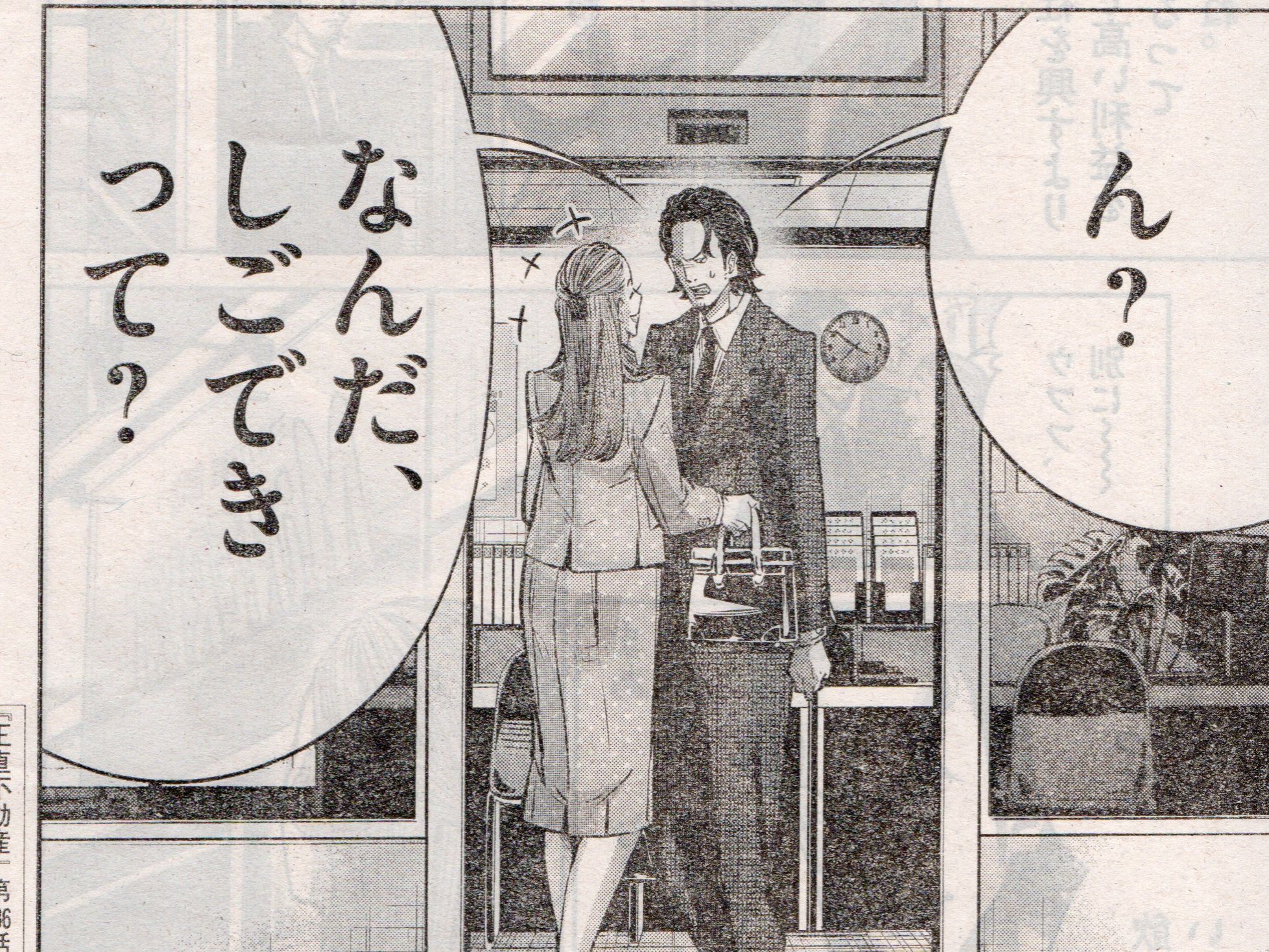
This Does Not Fall Under Expenses! is that most amazing and rare of new creations, a criminal procedural that often runs without crime; a drama of reluctant partners investigating corporate skulduggery, a deeply involved study of due diligence in the workplace, and a fantastically forensic account of just what we can tease out of the metadata of receipts. So if you were in Kyoto on the night of the 26th, why are you putting in an receipt for an evening bowl of noodles in Fukuoka? Only a bullet train ticket from before 4pm on that day will save you…. But please don’t tell me you went first-class, because THAT DOES NOT FALL UNDER EXPENSES! In this issue’s chapter, Sanako and Taiyo fight in the street over his slapdash expense claims, and her personal policy of “not chasing rabbits” – which appears to be an attempt to get the staff at the company to police their own expensing. Turned into a live-action TV series in 2019.
Tempus Ethicae (Big Comic Superior) by Yuichiro Okamoto and Yukio Tamai, is set in a near future where advanced artificial intelligence is on the verge of breaking through, it features the hapless humans whose job it is to teach thinking to computers. AI machines will make their own decisions unless they can be steered into having a bit of empathy for humans, which means as various elements of government and society are handed over to machines, someone has to walk our future metal masters through the pros and cons of making difficult decisions.
And these aren’t black and white decisions like “is it a good idea to support a cataclysmic isolation policy that will destroy your country’s economy for the next decade and make you the laughing stock of Europe?” Oh no, these are far more unanswerable questions, much more akin to the lose-lose scenario of Star Trek’s infamous Kobayashi Maru test. Terrorist attacks, unstoppable accidents and situations which are sure to kill someone are all presented as case studies for the humans, who have to debate in front of the machines in the hope that some sort of ethics will rub off. Of course, what makes it all so chilling is the fact that these things have to be taught at all, and that should someone’s debating powers go wrong, an AI somewhere will make Donald Trump dictator for life, cancel NEO magazine, or otherwise create some other terrible situation.
The Departed Become Distant Over Time (Sarumono wa Hibi ni Utoshi, Young Champion) by Ryo Orikasa and Kyo Hatsuki derives its title from an early medieval Chinese anthology of poetry and literature, the Wen Xuan… which makes it all the more surprising when the opening pages of this chapter feature an adult movie being shot on the quiet in a deserted gymnasium. The Departed… zooms in on the lives of the young adult-video actresses who bunk together in a Tokyo flat, presided over by their stern-faced matron, Ms Itadori. The action sweeps from eye-poppingly explicit sequences of the filming underway to the mundane downtimes of the cast and crew, some of whom throw themselves into their work with gung-ho pragmatism, while others wish they were anywhere but here. Anywhere…? Ah, that’s where Mikoto comes in – a handsome, bespectacled young man who works at a Buddhist altar shop, and has a mysterious sixth sense that allows him to detect when a human being is approaching the end of their life. And one of Ms Itadori’s girls has that aura about her.
Hospital Cop: The Snake of Aesclapius (Innai Keisatsu: Asclepius no Hebi, Young Champion) based on a story by Tsutomu Sakai but adapted for manga by Ichi Hayashi. As the main title suggests, the setting is a mega-hospital so large that it counts as an entire city district, and hence has its own police box. And that means that the local bobby Osamu Murai, a rakish youth plainly destined for detective, walks a beat that is largely indoors, around a teaching hospital thick with wacky students, a cancer ward plagued by serious illnesses, a research wing where bespectacled boffins might be up to no good, and an emergency room with a bunch of suspicious gunshot wounds. Sakai’s storyline is a brilliant idea for creating a clash of popular dramatic styles, as if Holby City were mashed into Line of Duty in a BBC cost-cutting exercise, and it is an idea so winningly populist that I am amazed nobody has thought of it before, not the least because there should be sirens and police tape all around resident surgeon Moeko Kamijo, a smouldering sawbones whose clashes over jurisdiction and boundaries with Sakai may well conceal a mutual attraction that neither of them is prepared to acknowledge. Also, I think there might be ghosts.
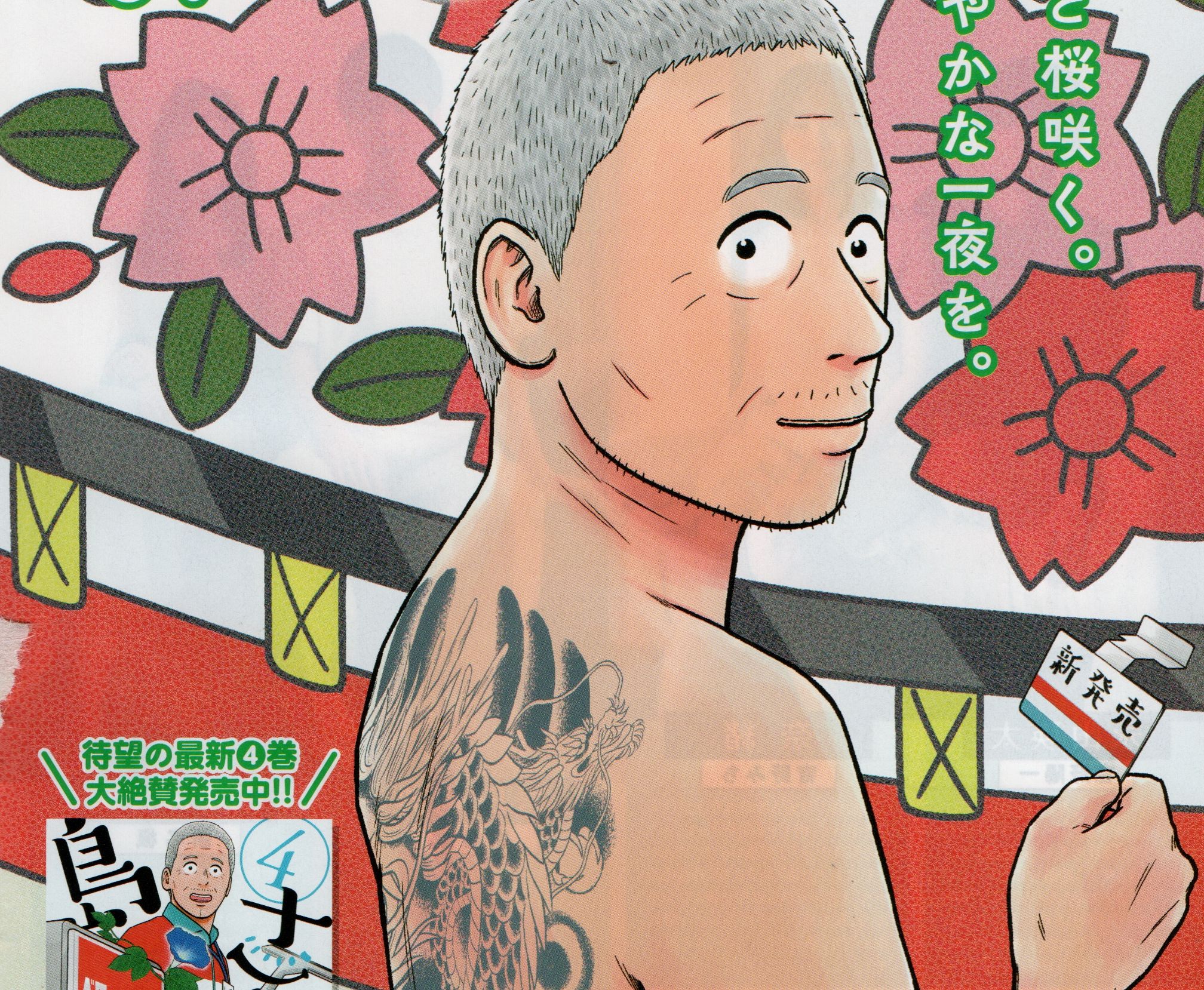
The hero of Kawano Yobundo’s Shima-san (Manga Action) is an old man who really should be retired by now, but instead holds down two menial jobs. By day, he works as a “traffic security guard” – one of the glorified human traffic cones whose sad fate in corporation car parks often disguises a management figure being constructively dismissed, shunted into a lower-paid menial position. In the evenings, Shima-san comes to work at the Better Days convenience store, where his younger coworkers are aghast at his attitude. When a young woman brings in a radio, complaining that the batteries are already dead, Shima replaces them with an apology, even though she didn’t buy the radio at Better Days.
Shima-san’s staid, unimaginative artwork belies its charming examination of Japan’s generation gap. Shima is a throwback to the literal “better days”, a shop assistant who believes in customer care, even when he is merely the frontman for a faceless corporation. He’s a man who carefully nurtures a sense of community in an anonymous suburban street, ready to bend the rules when it’s the right thing to do, and to enforce them with steely resolve when people try it on – woe betide the giggling underage teenagers who try to buy a packet of fags.
But there’s more, because Shima has a past. He alludes in conversations with Hiroyuki, his teenage coworker, to “making mistakes” in his youth, but its only when you see the elaborate dragon tattoo on his back that you put two and two together. Shima-san is the last of a long line of yakuza – his dead-end jobs are not merely a sign of dropping out of the mainstream rat-race, but of having somehow failed at being a gangster. Artist Kawano’s story suggests that back in the good old days, even the criminals had a better sense of honour and duty. Shima-san is the quintessential 2020s manga – a gentle workplace reverie about trying to make a difference where it counts, in the hope of paying it forward.
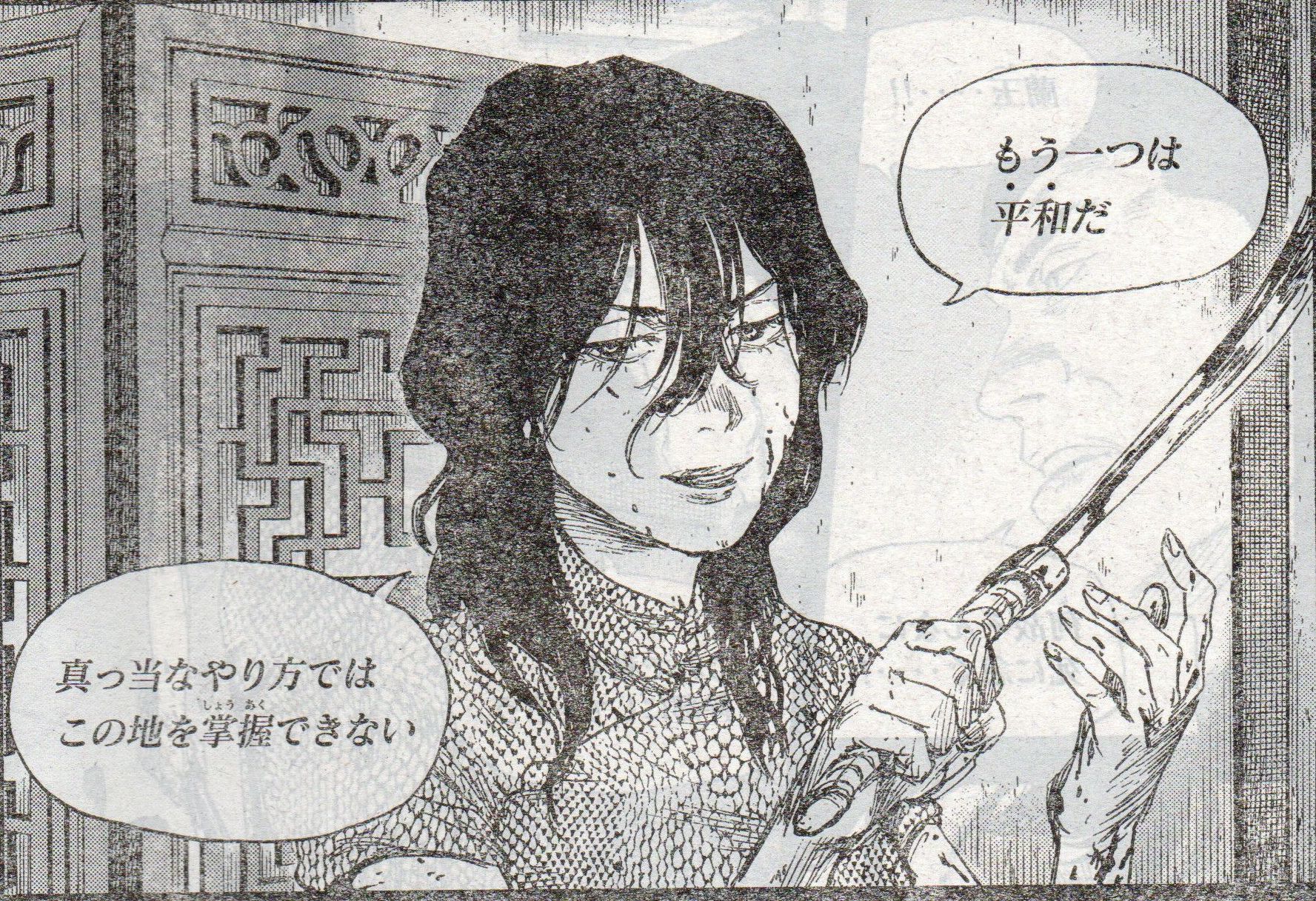
Manchuria Opium Squad, (Manshū Ahen Squad, Young Maagzine) written by Tsukasa Monma and illustrated by “Shikako”, charts the progress of an ex-soldier as he turns to the opium trade to support his family in 1937 China. Our leading man is Isamu Higata, a soldier in the infamous Kwantung Army that effectively seized the Chinese territory of Manchuria and turned it into a Japanese puppet state. Fallen on hard times, he starts out small in the illegal opium trade, eventually clawing his way up through a corrupt society in which the Russian mafia, Shanghai Green Gang and Kwantung Army duel over the extremely lucrative industry in a highly addictive and deadly drug.
This issue’s chapter is a flashback to Shanghai in the mid-1930s, as the Green Gang (a real organisation) stabs and beheads its way to the control of the local drug trade. I was in Shanghai only recently, and impressed not only by the photo-real accuracy of Shikako’s depiction of the city’s famous waterfront, but of its historical accuracy – there is a shot of a statue of Winged Victory, a monument to the Great War that dominated the Bund from 1924 to 1941, when the occupying Japanese ripped it down. Reviewers, however, have had mixed reactions to history as depicted in Manchuria Opium Squad, since Monma’s storyline inevitably walks into a series of political minefields. His leading man is realistically hard-nosed and pragmatic about the fact that Japan has appropriated an area the size of Colombia, and understandably ruthless in the way he creates and exploits addicts. He is a criminal, after all, and the depiction of Manchuria as a lawless narco-state is also entirely reasonable. But Japan’s invasion of China, a “Fifteen-Year War” that eventually blossomed into WW2, remains a touchy and emotive subject, and there are those who have accused Monma of pandering to Japanese power-fantasies and atrocity denials, not to mention a lurid interest in the running of an ever-growing harem of drug-addled Chinese slave-girls. It ultimately leads the reader to question when we started rooting for the bad guy. But before you start to wonder if this is manga’s Breaking Bad, Manchuria Opium Squad veers into horror in its depiction of opiate euphoria and addiction, and into pulpy satire in the form of Isamu’s foil, Lihua, the sassy, sinister Green Gang queenpin.
Himiko(Big Comic Original), by Richard Woo and Mariko Nakamura, is a glimpse at Japan in the Dark Ages, when the islands were still a patchwork of contending kingdoms in the shadow of distant China. Woo’s story is drawn from asides in contemporary Chinese chronicles, turning ancient Japan into a heady mix of sorceresses and kings who claim to wield magic swords – Game of Thrones with tattooed faces and thatched long-huts. A King Takeru is fated to become a mythological hero, but he is only a supporting character for the central cast of women – the witch Akame and the teenage girl Yanoha, whom I suspect will eventually be enthroned as the priest-queen Himiko.
This is great fun – perhaps the alien qualities of the names don’t quite come through in English, but Himiko presents a Japan that is both familiar and atavistic – it’s a chance to see the ancient Japanese as one step removed from the Dothraki, before their country was swamped by refugees from Korea and their native religion was over-run by Buddhism.
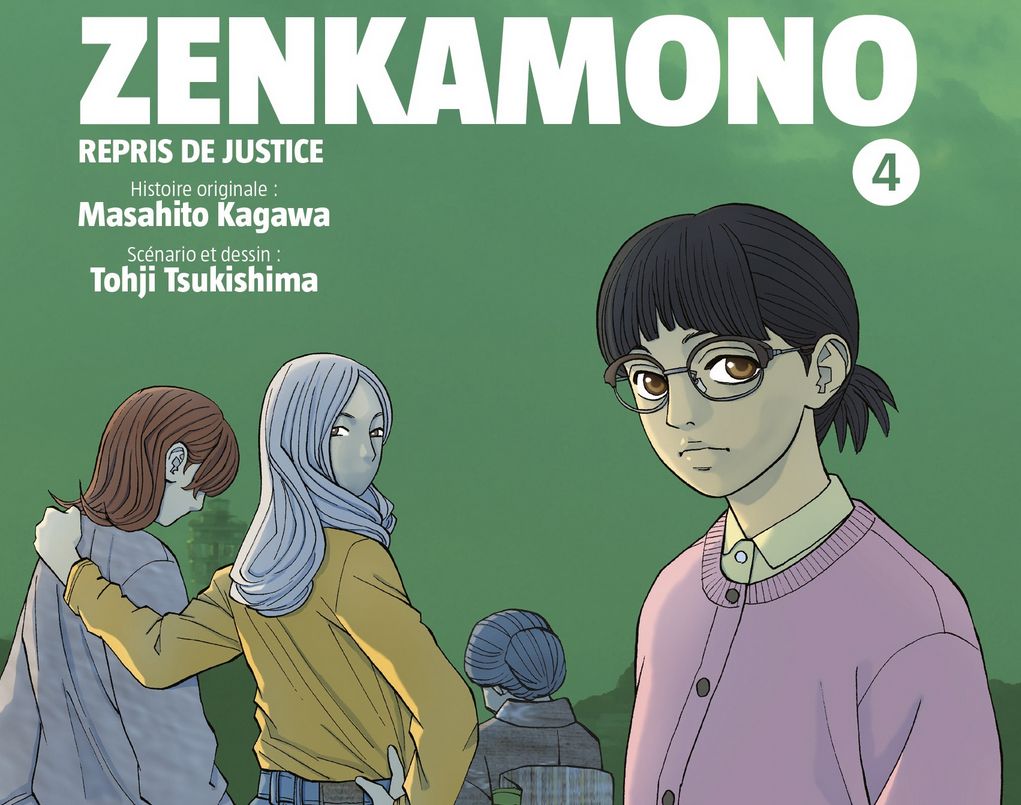
Prior Convictions (Zenkamono, Big Comic Original) by Masahito Kagawa and Toji Tsukishima is a bogglingly interesting topic – a slice-of-life drama in modern Tokyo, told through the eyes of a probation officer. Lawyer Kayo Akawa is an unpaid, voluntary parole officer, appointed by the Ministry of Justice. It’s a fascinating exploration of criminality and the return of offenders to society – Kayo’s unpaid (!) job brings her into contact with every level of society, from middle-class journalists serving supervisory probation for white-collar crime, to the stringy-haired former addict mopping floors in a convenience store.
After so many years of Manga Snapshots, Japanese comics can still give me a thrill. Prior Convictions is a marvellous idea for a story – a crime drama that takes place after the crime has happened, and often after the offender has paid their debt to society. But what happens next? Can criminals in Japan ever overcome the stigma of having been criminals? Can they get back on the job market? Can they find love? And what kind of temptations, reprisals or revelations can return to haunt them from their former life?
In this chapter, Tamiko has been out of jail for 18 months, and is bussing tables at a food court, where a rough customer seems ready to exploit her timidity and unwillingness to cause a scene. He thinks he’s starting a relationship with an indulgent new squeeze – Kayo puts him straight, telling him to back off a vulnerable young woman who needs a better break than he can give her. It’s a mix of psychotherapy and low-level crime-fighting that is just crying out for a TV remake (one was made in Japan in 2021). This manga appears to have been also released abroad, but in French.
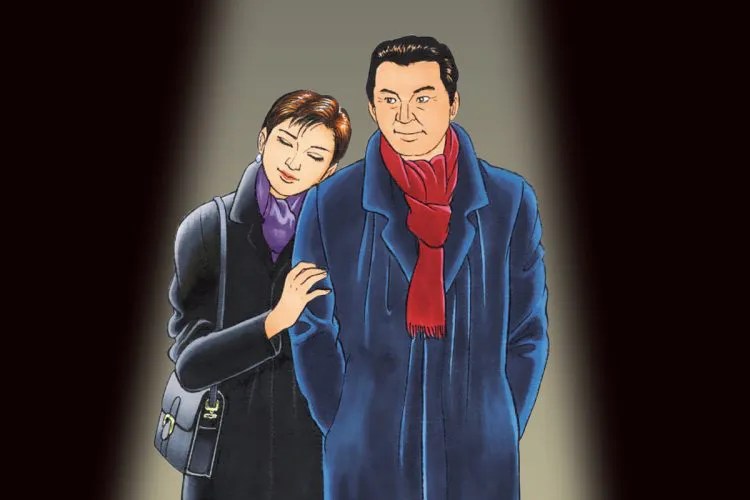
And saving my all time favourite until last, Like Shooting Stars in the Twilight (Tasogare Ryūseigun, Big Comic Original), by Kenshi Hirokane, practically switches its entire cast once a volume, because for the last 29 years, it has been running love stories for the over-50s. Ridiculously inventive, covering every genre conceivable from sci-fi to horror, it has been adapted for live-action television a number of times, since every one of its stories packs enough punch, at very least, for a TV movie-of-the-week. I first championed it in Manga Max magazine 25 years ago, but manga reading, even today, is still very much an occupation of the young in the English-speaking world, and it’s difficult to imagine that sales would ever do it justice.
Jonathan Clements is the author of Anime: A History. The Manga Snapshot column ran in NEO magazine from 2005 to 2024.
It was not until July of this year that Jan Scott-Frazier tardily returned to her first love of illustration. Confessing that she had not really attempted a picture for fifteen long years, she set about with modern tools, an XPPen Magic Drawing Pad and Clip Studio Paint, to create “Moonlit Beach,” the first of several of what would become her latest and last works of art.
“Of the artistic ‘manual’ jobs,” she confessed in her younger days, “I guess I liked background painting the most. It allows you to be very creative and is difficult but very mellow.”
Jan, who died on Tuesday, was a surprise hiring in the anime business. She was 22 in 1987, the year that she quit working at Radio Shack and headed off for Japan, where she became rarer than hen’s teeth – a gaijin in the anime business. She studied at the International Animation Institute, somehow being put in charge of teaching classes before she graduated, and was soon working for Noboru Ishiguro’s Artland studio on such shows as Locke the Superman, Bubblegum Crash and Shurato.
“I have worked,” she told Charles McCarter at EX magazine, “as an inbetweener, key animator (briefly), animation checker, cel painter, cell checker, Ink & Paint department chief, cameraman, background artist, production assistant, production manager, production coordinator, computer/digital systems consultant, ANIMO operator, teacher for most of those subjects, director’s assistant, producer and most recently director.” In particular she seemed to find herself working below the line on the so-called “flight films” – the piece-work assembled on behalf of anime companies by subcontractors overseas.
That was how she found herself in Hangzhou, China, as news started to break of tanks rolling into Tiananmen Square. She seemed doomed to live in interesting times.
“The company I was working with decided that it would turn into a revolution and wanted to get me out of the country. I was supposed to be on a chartered flight out of Nanjing to Taiwan and we raced to get to the airport on time. When we got into the city, we had to clear some junk off the road so we could drive our pickup truck through and some soldiers way down the street opened fire on us. It sounded like hornets flying past and I got showered with debris from the wall near me and got nicked by something hot. (Cinderblock? Wood? Bullets? Still don’t know.) I thought that it was all over for a minute. It was really scary!”
In search of somewhere safer to work on the likes of Moldiver, Genocyber and SWAT Kats, Jan was packed off to Bangkok to found her own studio, TAO Corporation. TAO made use of cheaper Thai labour to assemble colouring and inbetweening for foreign clients, but adventure still seemed to find her.
Trapped in the city in the midst of democracy riots, Jan sandbagged the doors shut and spent the next three days huddled in her office, with one eye on the internet and the other on the barricades, clutching a loaded Heckler & Koch MP5K and waiting for trouble. She personally reported that she did not find it as scary as her exit from Hangzhou “except for seeing some guys that had been shot in the head when we went out for groceries one morning.”
Jan was only in the anime-anime business for a decade or so, and I suspect may have outstayed her welcome with some companies through her naturally American bluntness. She was unforgiving about tin-eared writing in anime shows, and unafraid to point it out to her bosses when she thought they were going to look stupid. She hated the lazy diversions of fan service, fumed about characters with unlikely body language, fulminated about the cavalier attitude of anime heroes to collateral damage, and reserved particular ire for writers who just recycled stereotypes.
“Getting a cold from being wet is a traditional belief about health,” she explained to Jagi Lamplighter-Wright at Manga Max, “and although such cultural shorthand is inevitable it shows a lack of conscious thought on the part of the writer. I hate stories where the best of modern science cannot cure something but the old medicine woman comes and jiggles her charms and wipes the sickness out immediately. Well, except The Exorcist….”
Famously, she once quit one production on the spot when she saw a fax from the producer that used a racist slur. She would also mount unwelcome arguments about the effects of movie violence, which many of her producers were reluctant to consder.
“If you think about it,” she argued in Manga Max, “if TV did not influence the viewers, especially the kids, why would there be advertising, and why would advertisers spend so much and fight so hard to get good spots? We’re talking about only 30 seconds that influences a kid to push his parents into buying a product. So a 30-minute show has less influence? A game where the kid is totally immersed has less effect? That doesn’t make any sense at all.”
By the middle of the 1990s, Jan had sensed the way the wind was blowing and was moving into digital work, repping Cambridge Animation System’s Animo software and teaching animators how to use it. She loved the teaching but hated the schmoozing, saying that the only thing she despised more than the grind of inbetweening was false bonhomie of pitch meetings and sales conference. In collaboration with the artist Izumi Matsumoto she worked on Comic ON, a manga publication released on CD-ROM and one of 1994’s non-game computer best-sellers in Japan.
By 1995, she had moved on again, becoming the president of the American wing of Production I.G, working on a number of games such as Grandstream Saga and Kyoushin Senki, as well as the Panzer Dragoon video. As she had with Artland, Jan helped smooth the Japanese creatives communications in the English language, working as the uncredited translator of innumerable interviews and press notes. She was, however, aghast to discover that I.G had taken her very rough first draft of the script for Blood: The Last Vampire and gone into production with it.
By the turn of the century, she was working for Celsys USA on the next generation of its RETAS production system, working as a freelance director. I had my own magazine by then, and later an editorial job at All the Anime, and in both positions, I begged her to bring over her “Beyond TV Safety” column, a biting series of articles about her life and career, showcasing the anime business warts and all. I never quite understood why she wouldn’t take the gig – I wanted to fund her to write a book, one article at a time, which would set down all her crazy stories for posterity but for some reason she never agreed.
She was always a hit at conventions, and had an ease of dealing with voice actors that often made her a bridge between the chalk-and-cheese animation/acting communities in a convention green room. She was instrumental in the founding of the Voices For charity, and as her health worsened, plunging her into a spiralling series of crises amounting to a decade of complications from kidney failure, it was the voice-acting community that most conspicuously rallied around her with crowd-funding calls and charity drives to keep her alive.
Jan always thought the world needed more heroes, railing against the surfeit of “brats and anti-heroes” in entertainment, which she regarded as the creations of cynical film-makers foisted on credulous children.
“I think that’s fine for adult shows,” she said, “but I think that it’s important to have at least some shows with heroism for children to see. Adults often forget that children are experiencing all of this for the first time and that they haven’t become jaded and bored with such stories. I see kids who were raised on a TV diet of brats and anti-heroes and they’re just not as strong as the kids of 10 years ago. They’re lazy and soft.”
Atsuko Tanaka, who died in August, was already thirty years old when she got her big break, providing the Japanese voice for Madeleine Stowe in Unlawful Entry. She had spent the previous decade moonlighting as an occasional dancer and movie extra, while holding down a humdrum job as an office lady. It was only in her late twenties that she resolved to turn her childhood passion for drama into more than a hobby, retraining at the Tokyo Announcement Academy. Her parents heartily disapproved of her throwing away six years of office work, but she was adamant. They would eventually relent when she landed a role in Lupin III, which even they had heard of.
Throughout the 1990s, she lucked into a series of Hollywood voicing roles with up-and-coming young actresses whose stardom would keep her active – Kate Beckinsale, Jennifer Lopez, Gwyneth Paltrow, and her own personal favourite, Nicole Kidman.
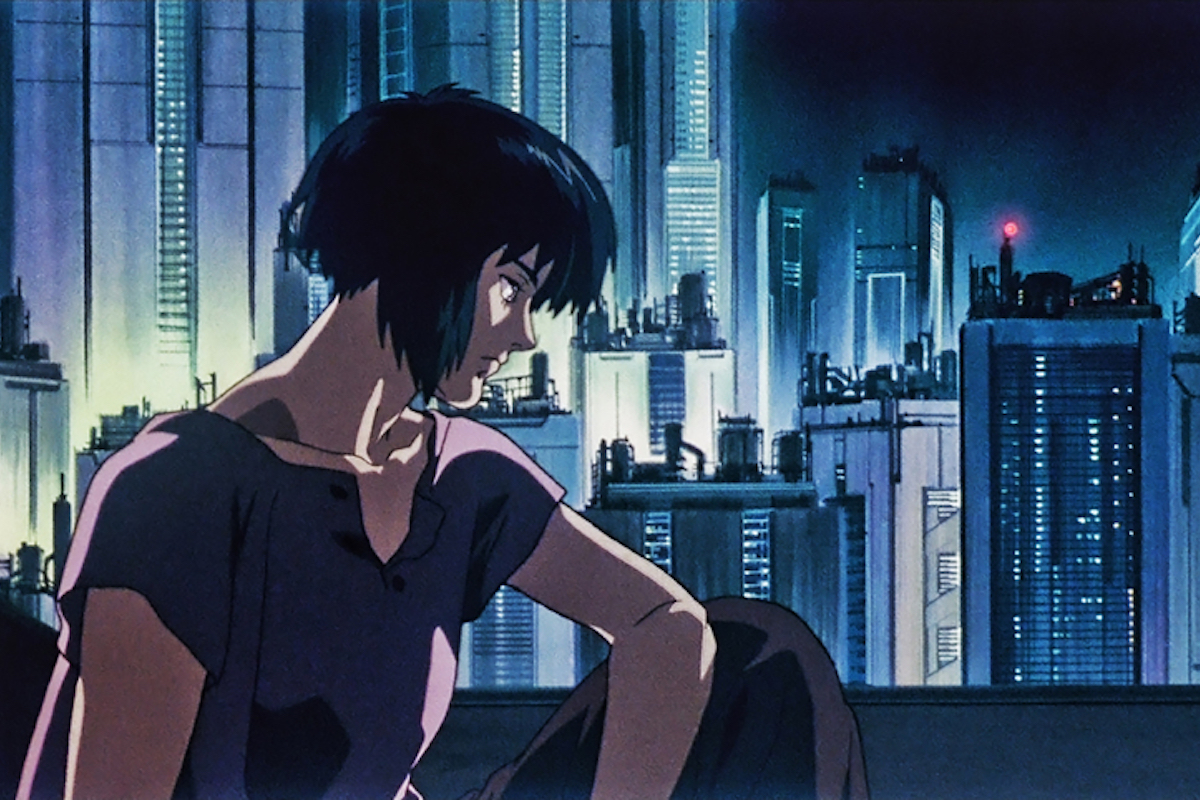
In the anime voice community, her nickname was “The Major”, deriving from her most famous role in 1995, for which she initially considered herself ill-suited, and whose philosophical dialogue she often didn’t understand. As Major Motoko Kusanagi in Ghost in the Shell and its various spin-offs, she became a memorable audio icon for tough, steely femininity, repeating the type in numerous anime and games, most memorably as the eponymous Bayonetta.
That’s not to say she couldn’t bring the ditz when she had to, also providing the Japanese voice of Phoebe from Friends, and the more sinister Dolly in the Toy Story franchise. She also added a note of invisible continuity to the Japanese version of The Mummy – whereas Rachel Weisz was replaced in the third movie by Maria Bello, Tanaka provided the voices for both, making the transition somewhat more seamless for Japanese audiences.
In the English-speaking world, the original English voice of Bayonetta, Hellena Taylor, found herself controversially edged out, partly because she was apparently “too old” now that she was in her fifties. Tanaka was already pushing 60, and still merrily barrelling along in the role of the demon-hunting witch.
Outside the voice-acting booth, she lived a relatively private life, known only for a couple of things – her fandom for the Nippon Ham Fighters baseball team, and her role as one of the “godmothers” of pandas donated to Japan by the People’s Republic of China. Her death was announced on social media by the actor Hikaru Tanaka, only then revealing that he was, in fact, her son.
Jonathan Clements is the author of Anime: A History. This article first appeared in NEO #244, 2024.
Noriko Ohara, who died in July, truly spent her whole life in the media, starting as a child actress, “retiring” as she reached her teens, but unable to resist the school drama club and sneaking back onstage after graduation. After starting a family in the 1950s, she drifted into voice acting, initially specialising in breathless, sexy roles. She became the Japanese dubbing voice of Bridget Bardot and Shirley MacLaine, as well as Hotlips in M*A*S*H and Miss Moneypenny in the David Niven Casino Royale. Inevitably, she also lent her voice to cartoons, including Penelope Pitstop in The Wacky Races.
In the anime world, her early women’s roles soon gave way to a newfound talent for putting on boys’ voices. Anime often records at unforgiving times, making the most of all-night, round-the-clock recording facilities, excluding genuine child-actors from all but the most high-budget of movies. After playing the hero Nobi Nobita’s mother in Doraemon, Ohara took over the role of Nobi himself, inhabiting the part for decades. She appeared as many other iconic figures, including the Peter the shepherd boy in Heidi, the titular Future Boy Conan and multiple roles in the Time Bokan series.
As a mark of how far anime has come during her long career, her death was marked by obituaries as far afield as the Straits Times in Singapore and the New York Times. Nobody, however, mentioned her unique position in anime history as an author, as the co-writer of the 1978 memoir The Frontline of Television Anime with the director Noboru Ishiguro. Ohara’s presence in the book, alternating Ishiguro’s chapters on animation with her own memoirs of acting, made her one of the inadvertent curators of the anime industry’s historical memory, and one of the first figures to set down backstage stories in an enduring medium of record.
It’s Ohara, for example, that we have to thank for what we known about the shenanigans in the dubbing booth on Future Boy Conan, as the cast fell in love with a show that they were sure would go onto great things – although they were right, they had to wait a long time for it to attain cult status. In Ohara’s case, determined to honour the vision of Hayao Miyazaki, she struggled in the studio to cling onto her voice, toking on an inhaler between lines, and saving her big scream, “Lana, don’t die!” to record very last at three in the morning.
As she did, her voice gave out. A doctor subsequently signed her off work for two weeks with bleeding vocal cords, causing the part of Nobi to fall to a stand-in for several weeks on Doraemon.
“Conan was important to me,” she confesses. “I know I should have known better, but I could not resist the charm of the boy who so infatuated me.”
Jonathan Clements is the author of Anime: A History. This article first appeared in NEO #244, 2024.
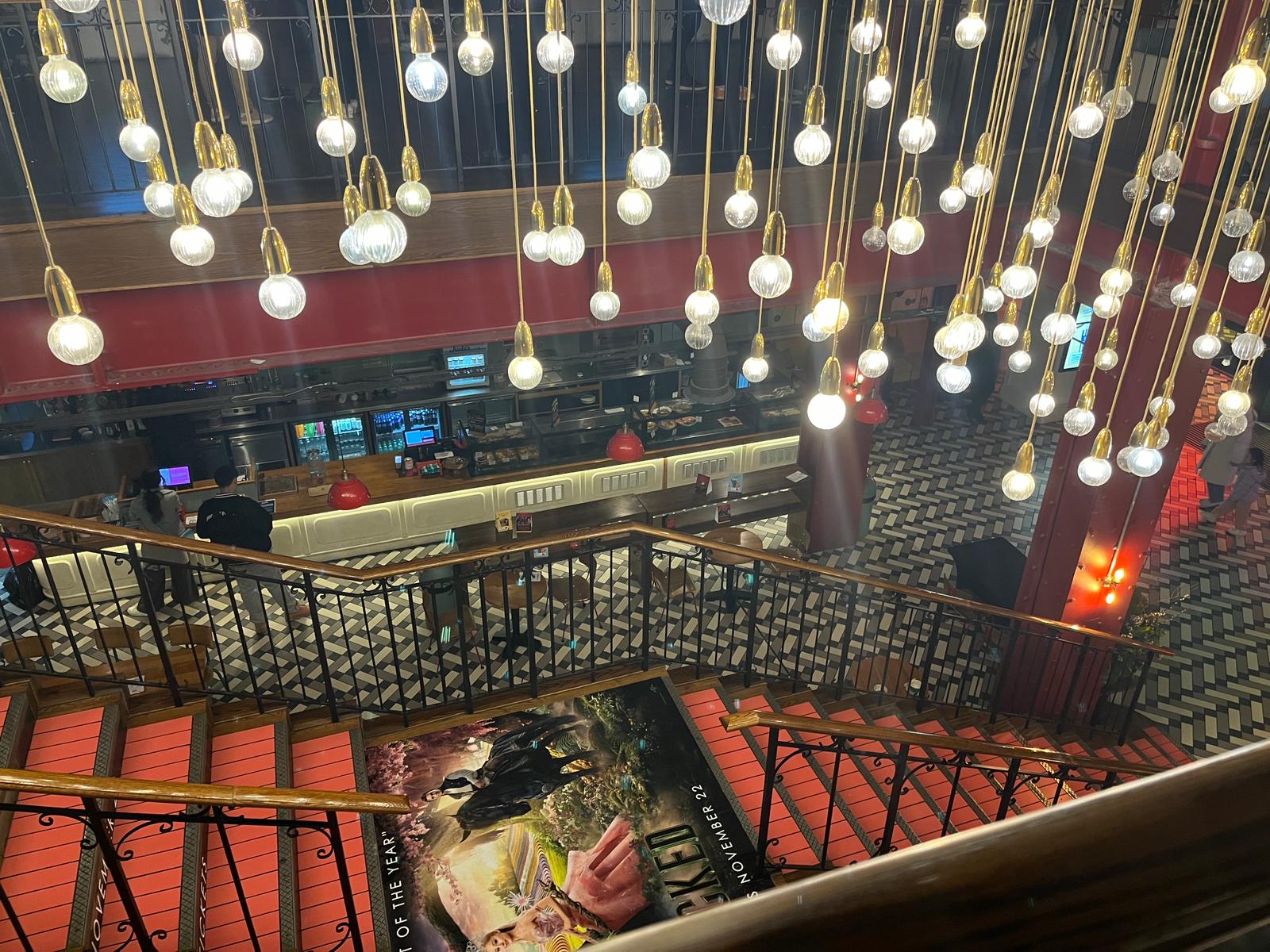
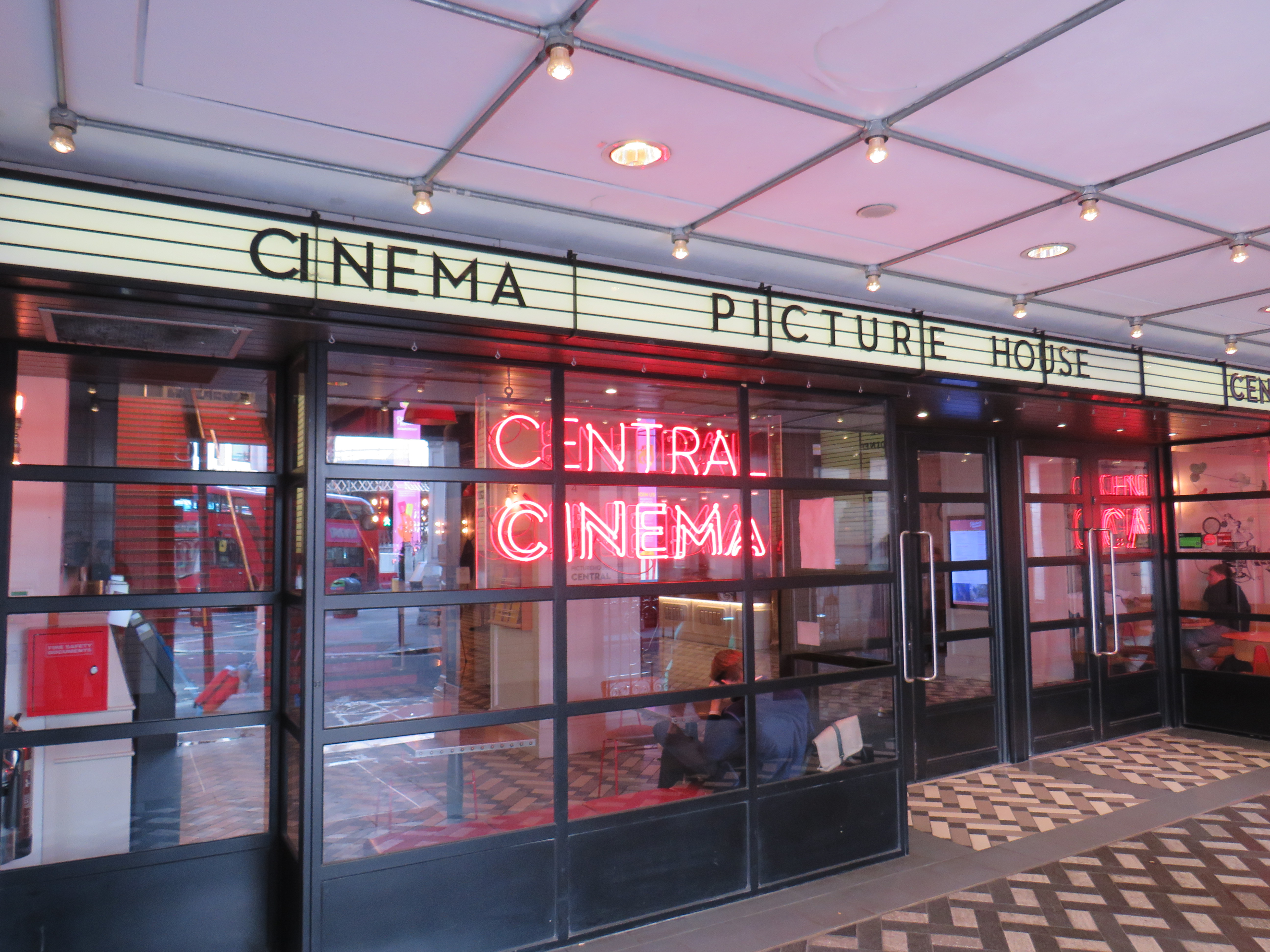
And you may ask yourself: “How did I get here?” Somehow I am at the Picture House Central, just off Piccadilly, for Scotland Loves Anime (London), the unwieldily titled experimental spin-off from SLA proper, that ships a bunch of this year’s films down south of the Wall.
Last night I conducted an onstage interview with Totto-chan director Shinnosuke Yakuwa about the fate of refugee Jewish musicians in wartime Japan, the colour palette for growing austerity, and his love of Charlie Chaplin — he’s off on a three-day pilgrimage to various sites from Chaplin’s life, starting with the former Trocadero restaurant off Piccadilly, where Chaplin once ate as a child, which is where we came in.
The SLA people are calling this a “soft launch”, wherein some of the elements of the Scottish festival — the films, the Audience Award, er…. me — run in London to see if there is a big enough market to make it a regular thing. So if you are at the Picture House today and enjoying yourself, be sure to tell your socials.
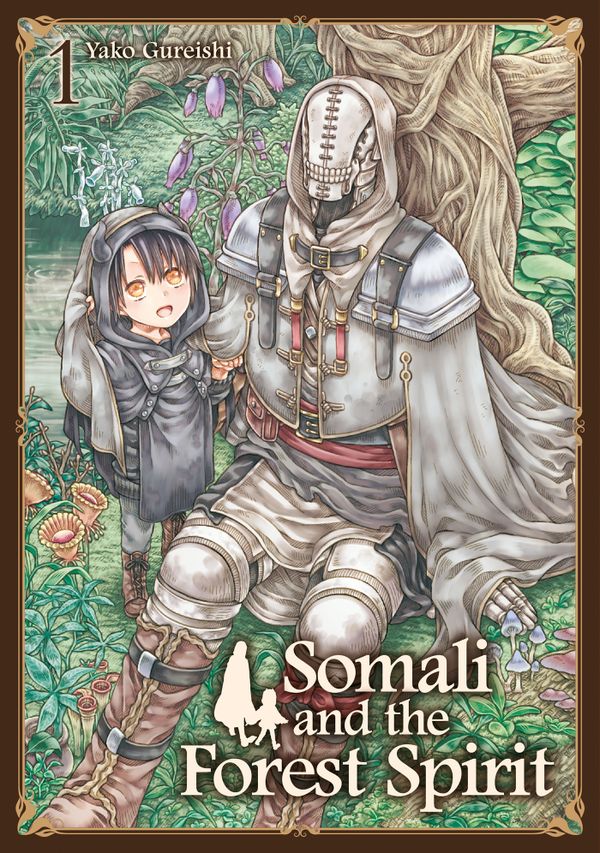
Explore a world from the hit anime of the same name, a world ruled by goblins, spirits, golems, and all types of strange creatures… but not humans, who were nearly persecuted to extinction for their reckless disregard of the natural world.
When a golem, a guardian of the forest chances across a young girl lost in the woods, he vows to take care of her… despite his life coming to an end. He must find other humans for her to live with, but in a world that despises them, is that even possible?
Yako Gureishi’s Somali and the Forest Spirit, translated by Motoko Tamamuro and me, and out soon from Titan Comics in manga form.
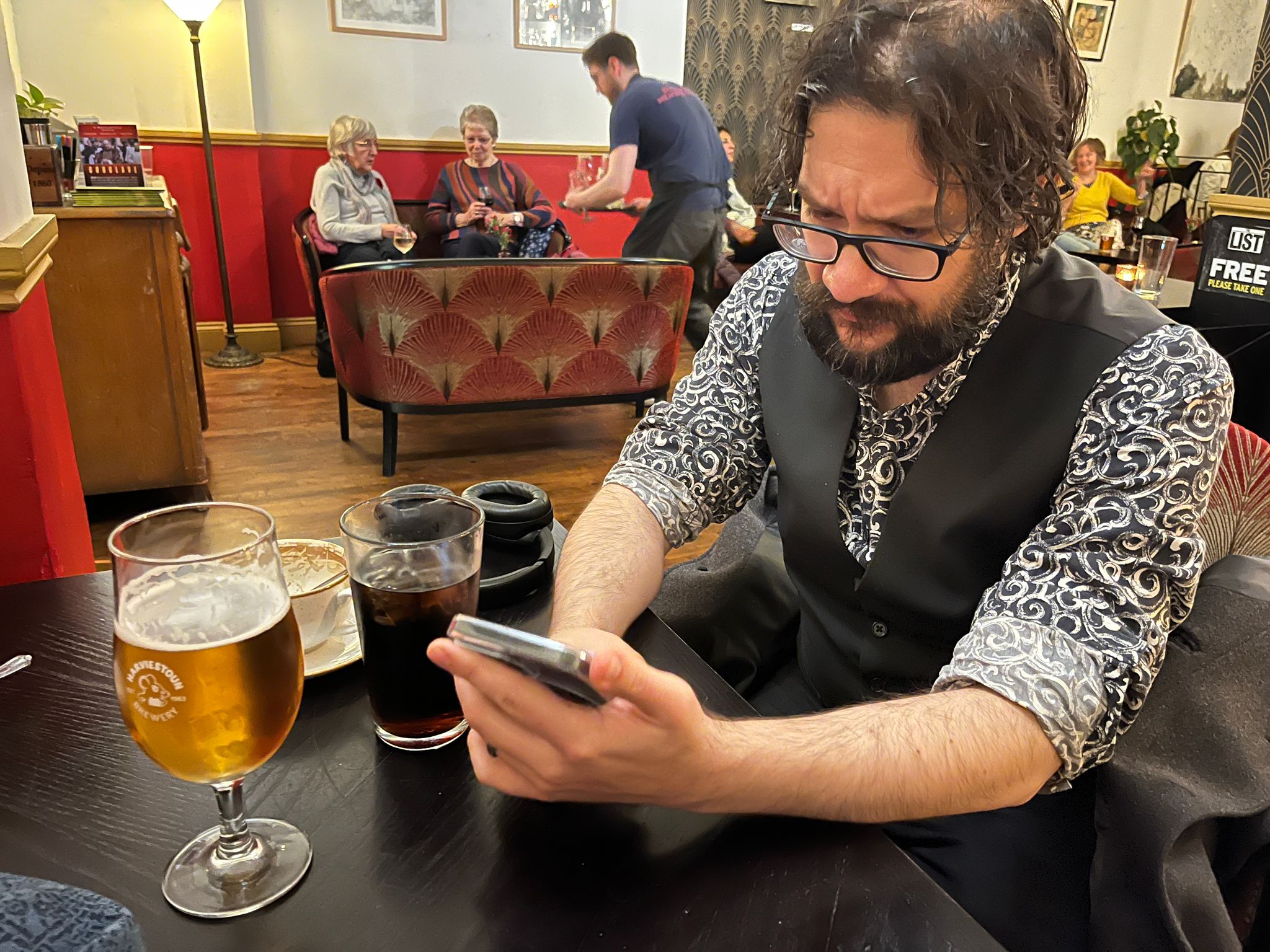
Festival director Andrew Partridge is seen here trying to run a triple-venue film event in two countries from a table in a cafe at a cinema. We’re coming to the end of the Edinburgh leg of Scotland Loves Anime, which has included a landmark event in which Japanese animation was running in all three screens of the Cameo cinema at the same time. We’ve had Naoko Yamada and Kensuke Ushio up onstage in Glasgow discussing 1980s UK electronica, and Maho Takagi from Comix Wave trying to explain why their studio’s relaxation room has a hammock and an open bar.
But there’s still another weekend to go, because Scotland Loves Anime is counter-intuitively in London from next Friday at the Picturehouse Central, just off Piccadilly, featuring a live interview with the director of Totto-chan: The Girl at the Window, me quizzing POPREQ, the impossibly young director of A Few Moments of Cheers over Skype, and all the films competing for the coveted Golden Partridge Award.













 The Official Schoolgirl Milky Crisis Blog