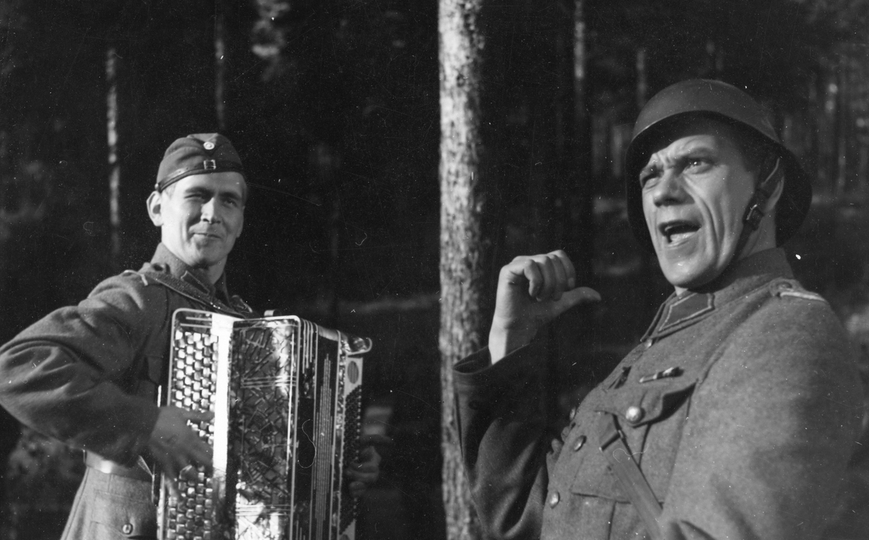
That’s How it is, Boys! (1942)

The relentlessly cheerful Corporal Möttönen (Einari Ketola) is wounded in the Winter War, shipping home for a chance to see his wife and three children, who are exhorted to run their home life with military discipline. By the time he returns to the front, he finds himself ordered to be the local liaison for the entertainment troupe – a mismatched band of malingerers, milksops and drama queens. After he improvises a ditty about Päivänkilo (Eero Eloranta), a man who has been excused active service because of his bad tummy, Möttönen is transferred to the entertainment unit itself, where Päivänkilo confesses that he is ashamed of his previous behaviour, and that he wants to be a real soldier.

After another bout of home leave (he always seems to be off again to see the missus and his three aggressively cute children), Möttönen is the master of ceremonies at a massive show, where his ability to improvise and pull replacement performers out of the audience turns it into a roaring success.
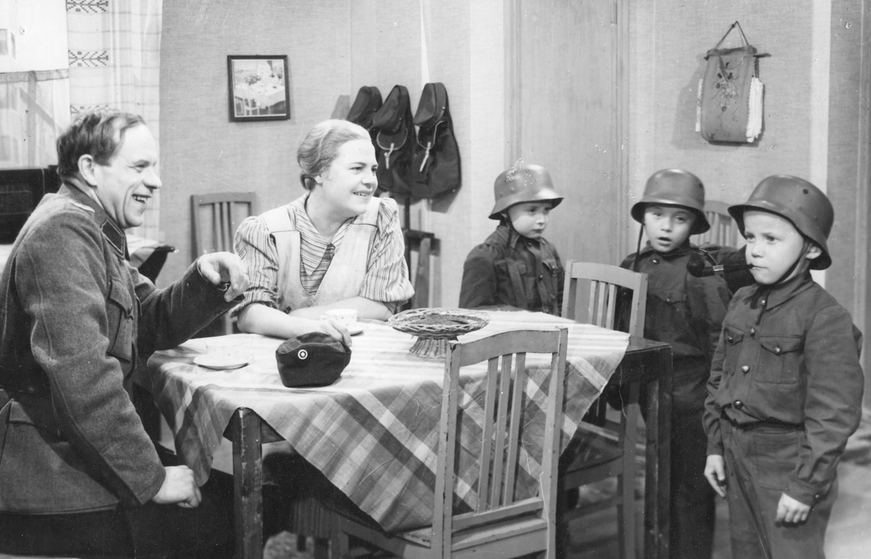
This historical blog of Finnish cinema is creaking with the weight of military comedies, including The Regiment’s Tribulation (1938), Kalle Kollala, Cavalryman (1939) and Serenade on a War Trumpet (1939). And the war has been very much on everybody’s mind for the last three years, either openly acknowledged or conspicuously avoided. But Niin se on, pojat is an altogether different phenomenon, sneaking out in the last week of 1942 as a vehicle for a man who had been turned into a star by the war itself.

Einar Ketola had appeared in several films we’ve covered, but never in such a big role that he has been worth mentioning before. But in a creative environment in which production was stalled, many forms of entertainment were literally forbidden, and cinemas were obliged to stack their programmes with re-runs of old hits like Lapatossu (1937), Ketola became a sudden star-of-the-moment. In the two years before this film was released, he somehow racked up over a thousand performances, not merely in provincial theatres and dance halls, but at hastily cobbled-together frontline stages and in hospital canteens, where his “wooden-leg” humour was a welcome distraction for wounded veterans. Corporal Möttönen was his most popular character, a good-hearted barrack-room comedian always prepared to see the sunny side, and ready to brush off any setbacks with his breezy catchphrase: “That’s how it is, boys!”
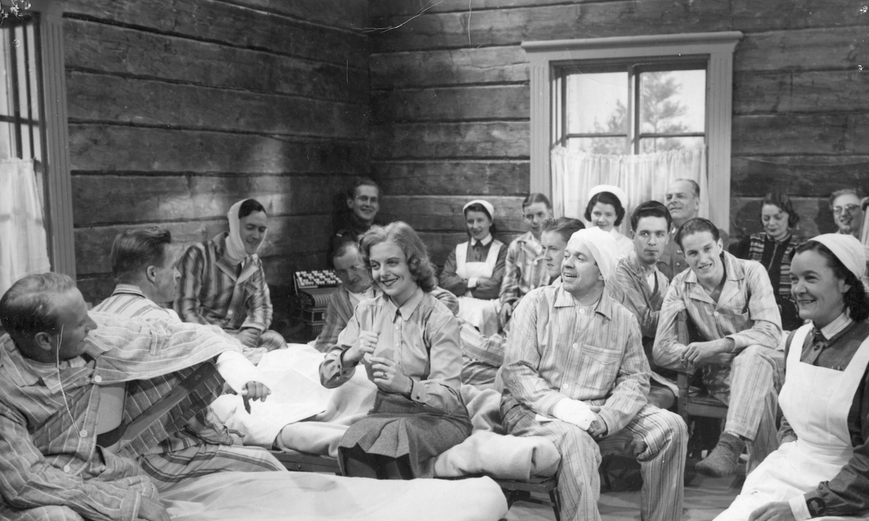
The Finnish press dismissed the film with little more than shrugs, noting that it was a thinly disguised excuse for a variety show in the vein of SF Parade (1940), stitched together with scenes that allowed Ketola to reprise his stand-up material. Some of the big stars of the day lend some weight, including an uncharacteristically smiley Regina Linnanheimo, who shines in a Hawaiian dance number – is she only ever cheerful when she’s in a black wig?

When the writer-star himself was already admitting in interviews that Möttönen was a wartime phenomenon that was unlikely to last long in peace, this film is a fascinating glimpse of a star that shone brightly for a brief moment. “Some watch and listen to him with pleasure,” sighed Olavi Vesterdahl in Aamulehti, “while others find him tedious when they see so much of him at once.”
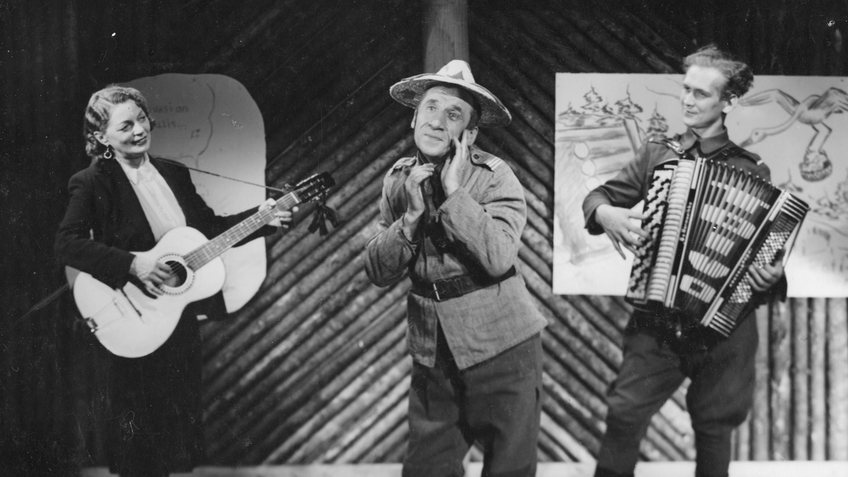
Some reviewers objected to “tasteless” sequences ridiculing Josef Stalin – content that would become substantially more problematic after 1945. In the tense censorship environment that would cancel several wartime hits in order to avoid offending the Soviet Union, That’s How It Is, Boys! was shorn of ten minutes of footage, not merely regarding Stalin, but also lines in which Möttönen lent his support to the Nazi-inspired notion of a “Greater Finland” – a controversial issue even at the time, since many Finnish soldiers had joined up to defend their country, not invade someone else’s. Its star suffered an even worse fate, kicked out of the actors’ union on the pretext that his performances didn’t really count, and blacklisted from many Finnish theatres, on the grounds that he was a fascist sympathiser, and his presence on a playbill would draw dire consequences. His struggles even continued after retirement in 1969, when his right to a soldier’s pension was tied up for years in the reddest of red-tape delays.

Ketola’s crime, it seems, was being a massive propaganda success during the Continuation War, for which elements within the post-war administration were reluctant to forgive him. The story goes that he didn’t receive his pension until 1976, four years before his death, when President Kekkonen heard about his treatment, and heads rolled at the social security office.

Jonathan Clements is the author of A Short History of Finland. He is watching all the Finnish films so you don’t have to.
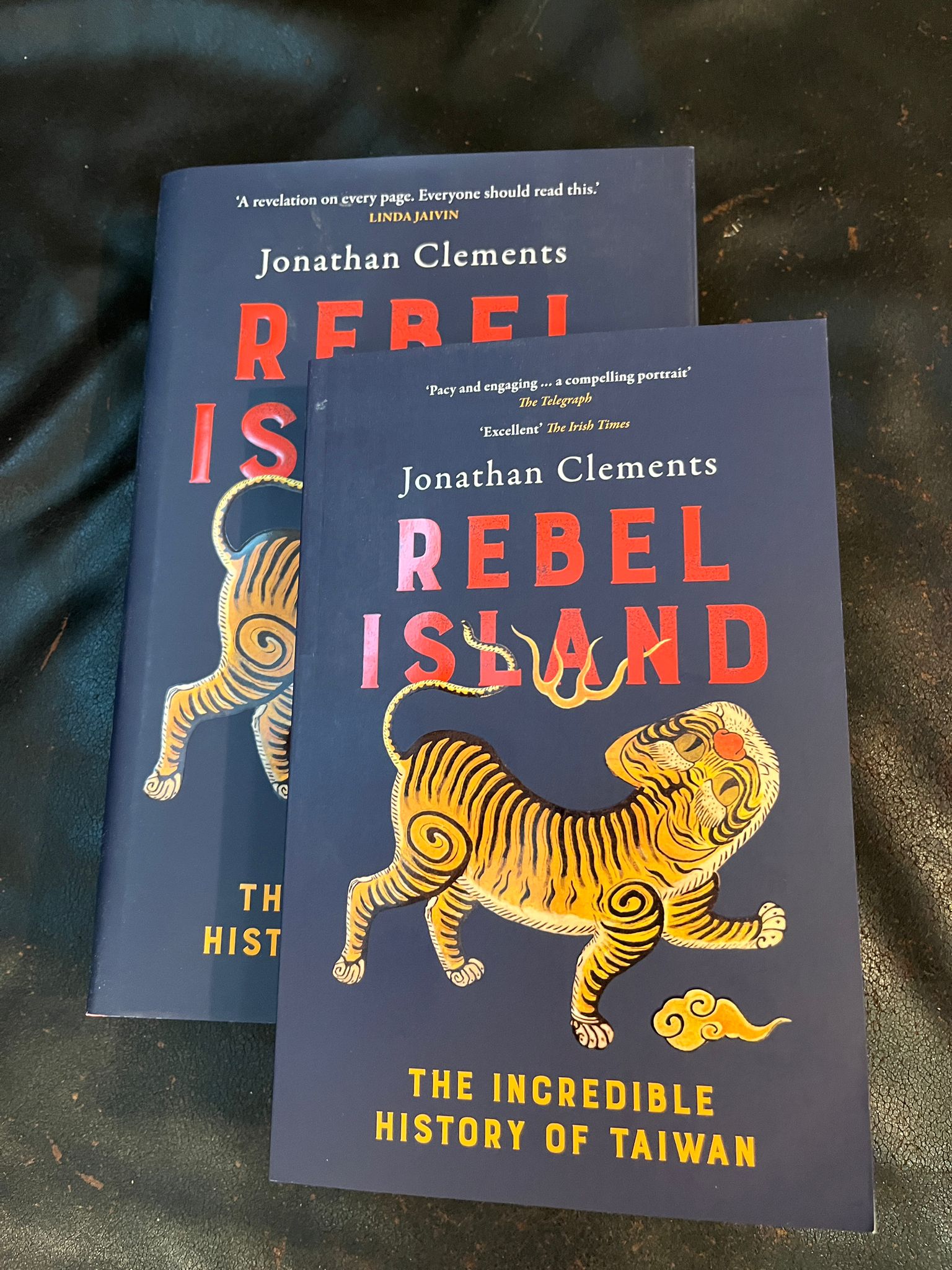
Mass-market Rebels

In the post this morning, my author’s copies of the compact, mass-market edition of Rebel Island, which throws in a couple of paragraphs about the presidential election, two pages of reviewer quotes, and a “NO A.I. SCRAPING” command in the indicia.

Chie the Brat

1981 was, at least in prevailing anime historical memory, a year dominated by science fiction and fantasy, which began with Tomino Yoshiyuki’s notorious “proclamation of a new anime century” (anime shinseiki sengon) at the premiere of the first Gundam film. And yet, Takahata Isao released Chie the Brat a bawdy, blue-collar, adult-focussed comedy of the Osaka underclass, a world removed from most other anime of its day, running counter to contemporary trends in directorial hiring, subject matter and media.

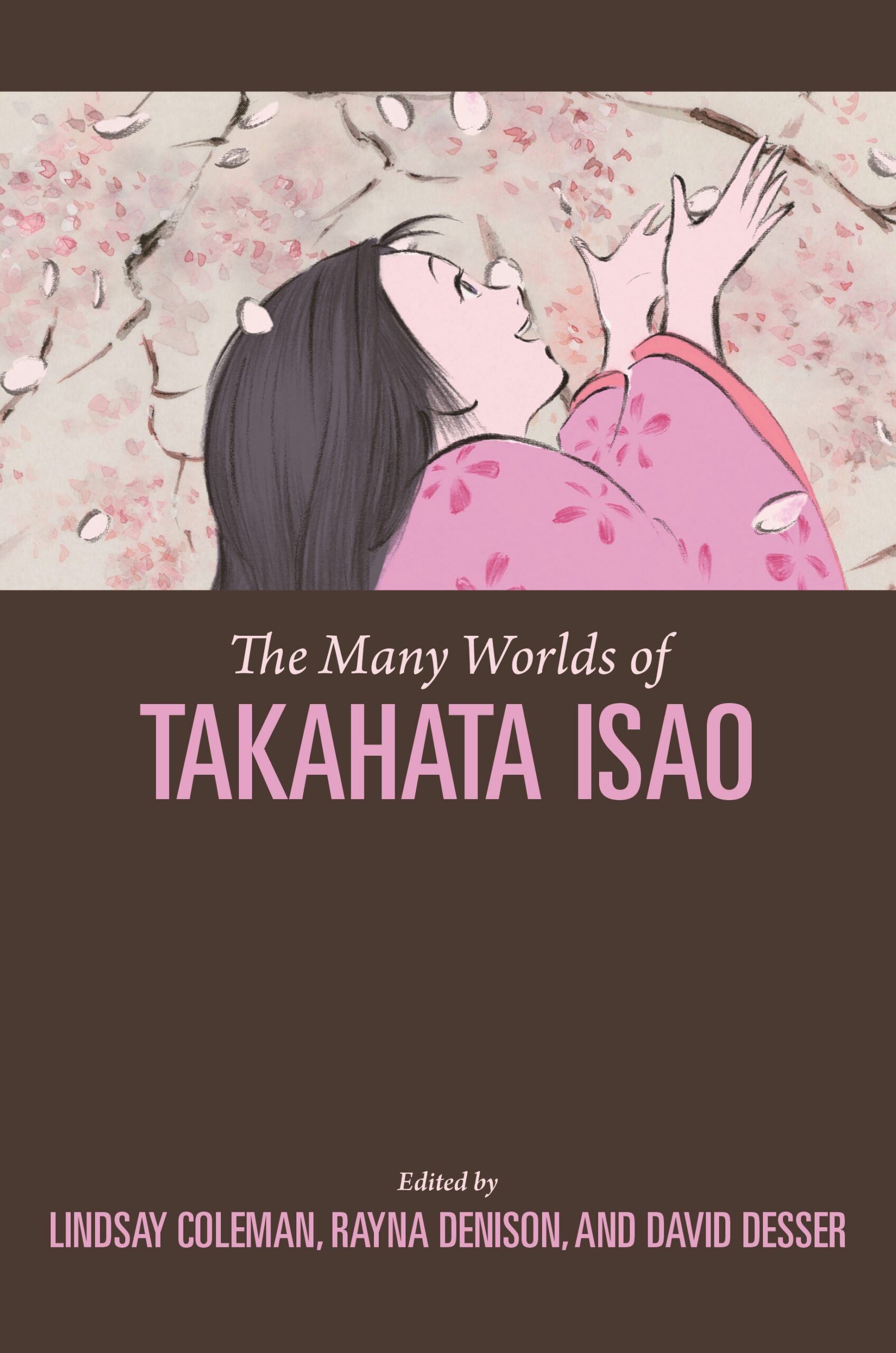
This chapter places Chie the Brat in the context of anime and media history, explaining its asides, cameos, and in-film references. The historicity of Chie makes it a vital point in the career of Takahata himself, as his first full-length feature since the box-office failure of Little Norse Prince (1968), and his reunion with Otsuka Yasuo and Kotabe Yoichi, with whom he had not worked together since Panda! Go Panda! (1972-3). It can be said to mark the end of his decade of TV exile, and the beginning of the gradual regrouping of the former Toei colleagues who would go on to form Studio Ghibli. Using testimonial evidence, from contemporary staff interviews and Otsuka’s memoirs, it places Chie in context as a refinement and continuation of Takahata’s personal kind of “psychological realism,” particularly in terms of his desire to remain faithful to the intent of an original author.

It has been something crazy like seven years since I was first approached about writing a book chapter for The Many Worlds of Takahata Isao, but it’s finally coming out from Hawaii University Press, including my piece on Chie the Brat.

Olli Suominen’s Stunt (1942)

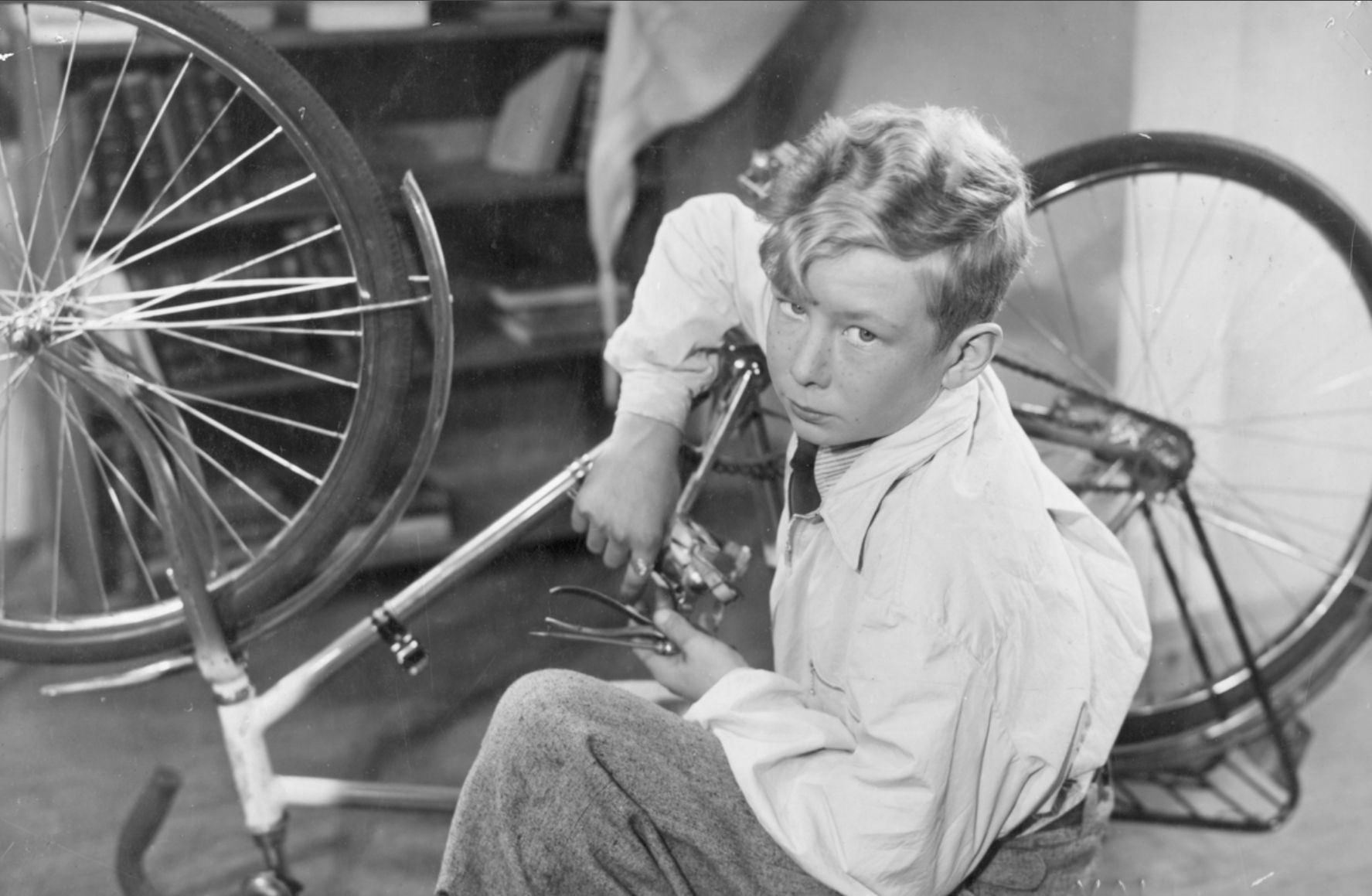
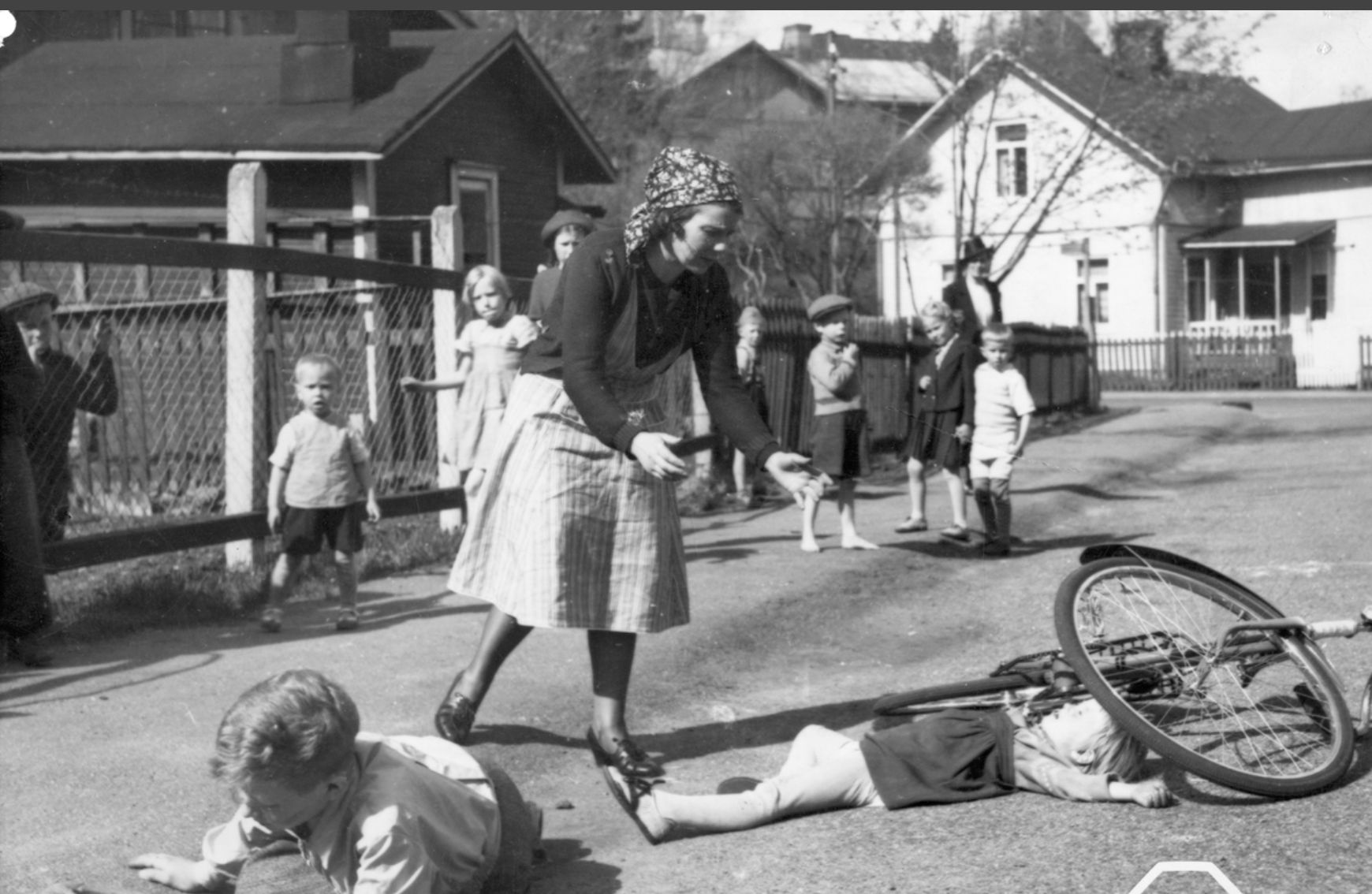
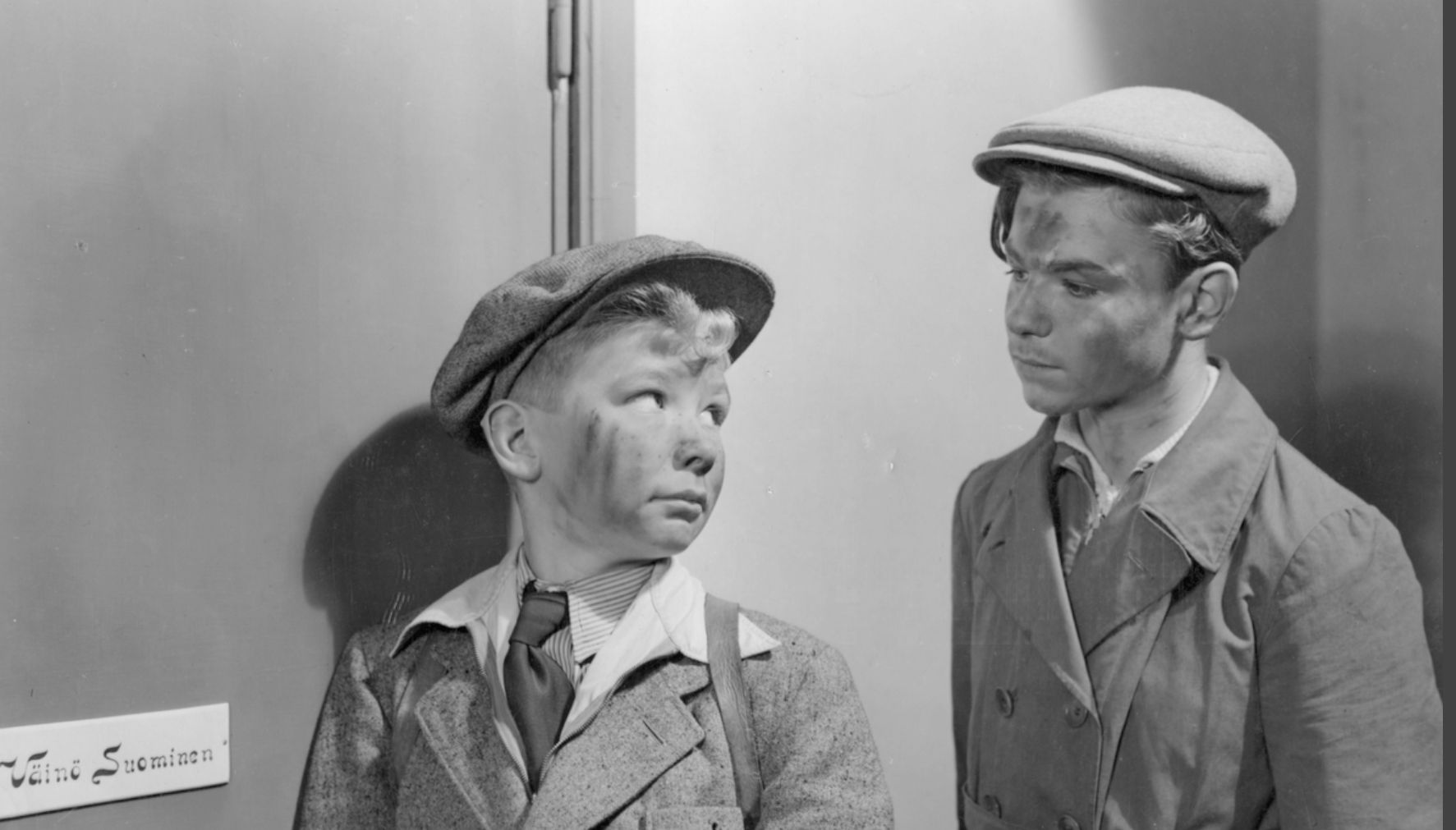
As his mother prepares to set off with her newly adopted twins to a country retreat, young Olli Suominen causes an accident in the street and is consumed with guilt. He is propelled into a series of misadventures as he tries to make amends by getting the money together to buy a doll for an injured girl, befriending her brother Jaska (Kalevi Hartti) in the process, and findind a veritable partner in crime. The two boys become mixed up in the case of a missing envelope of money, go on the run to a relocation camp, but eventually are exonerated, and all is well that ends well. In a nod to the wartime austerity that can be seen permeating much of the film, the family maid Hilda (Siiri Angerkoski) announces that they are going to celebrate with real coffee.

After the success of the radio spin-off The Suominen Family (1941), the Suomen Filmiteollisuus studio rushed straight into a sequel, jettisoning any cast members who weren’t immediately available for a reprise, and parachuting in some previously unmentioned relatives or doppelgangers to hang onto the momentum. Considering that child star Lasse Pöysti was 14 when filming started and pushing 16 by the time the premiere arrived, they were lucky that he didn’t visible shoot up like a beanstalk between scenes.

Although filming began on Suomisen Ollin tempaus in May 1941, it was postponed for a year and only resumed in summer 1942. The opening night did not arrive until November 1942, making it a mini time-capsule of life around the outbreak of the Continuation War with the Soviet Union. There is an incredible amount of location work, wandering all over contemporary Helsinki, and filming in several real-life houses.

There is no overt reference to the conflict, but all sorts of incidental details in backgrounds, technology and clothing that make it clear when it was shot. Cars have wood-powered boilers, an allotment plot is referred to as a patriotic duty, and the hospital has visible shrapnel screens over its windows. Much like August Fixes Everything (1941), it also features prominent propaganda regarding the desirability of adopting war orphans, featuring a pair of twins that had, in real life, been adopted by director Orvo Saarikivi and his wife.

In a cunning ruse to make the middle-class Suominens more relatable, the film also focusses on a blue-collar family with the same surname. Jaska Suominen is the same age as Olli, but has already left school; his family grow crops in their yard to scrape up some additional nutrition, and all of the Suominens are in the same boat, no matter what their social position. With a surname that is already, as they say, “as Finnish as a wolverine,” it is a nice touch to add to a universal message. The chemistry between Jaska and Olli was so good that Kalevi Hartta returned in later films, starting with The Little Artists of the Suominen Household (1943), albeit in a different role as Olli’s best friend at school.

The Helsingin Sanomat’s unflappable Paula Talaskivi was won over by a film that she regarded as “almost a perfect match in its genre: a heartwarming, funny, refreshing and warmly presented piece about everyday life in the home of a Finnish family, mainly in the sphere of activity of its young offspring.” Olavi Vesterdahl similarly heaped on the praise in Aamulehti, calling it a “sorrow-buster” [murheentorjuja]. The rest of the Finnish press was similarly rapturous, bigging up the child actors as world class, and thanking the Suomen Filmiteollisuus studio for bringing the country a much-needed pick-me-up. With the hindsight of history, the broadcast of the film on television in 1986 was greeted with considerably greater reserve, as the critic for the Helsingin Sanomat grumbled that the desire to present a united front and a happy country resulted in a movie in which “all the problems solved themselves.”

To my twenty-first century eyes, it does seem awfully slow, with a minute at the beginning lost to an overture over a blank screen, and minute after minute of the Suominen family’s daily life as they faff around the kitchen and dither at the train station. But one imagines that such mundane scenes were a welcome tonic to many Finnish audiences in 1942, rather than the box-ticking filler they may appear to be today, as the director desperately tries to cram characters from the radio play into enough scenes to make them seem to have got their due.

Jonathan Clements is the author of A Short History of Finland. He is watching all the Finnish films so you don’t have to.