Smiley’s People

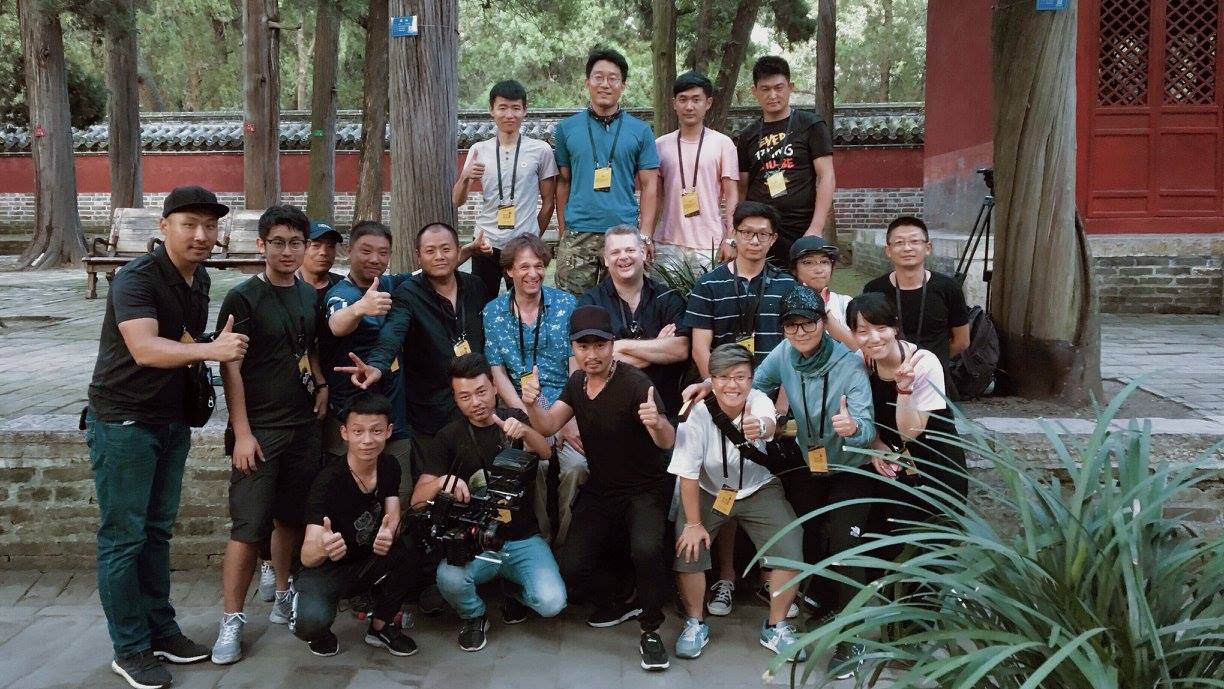
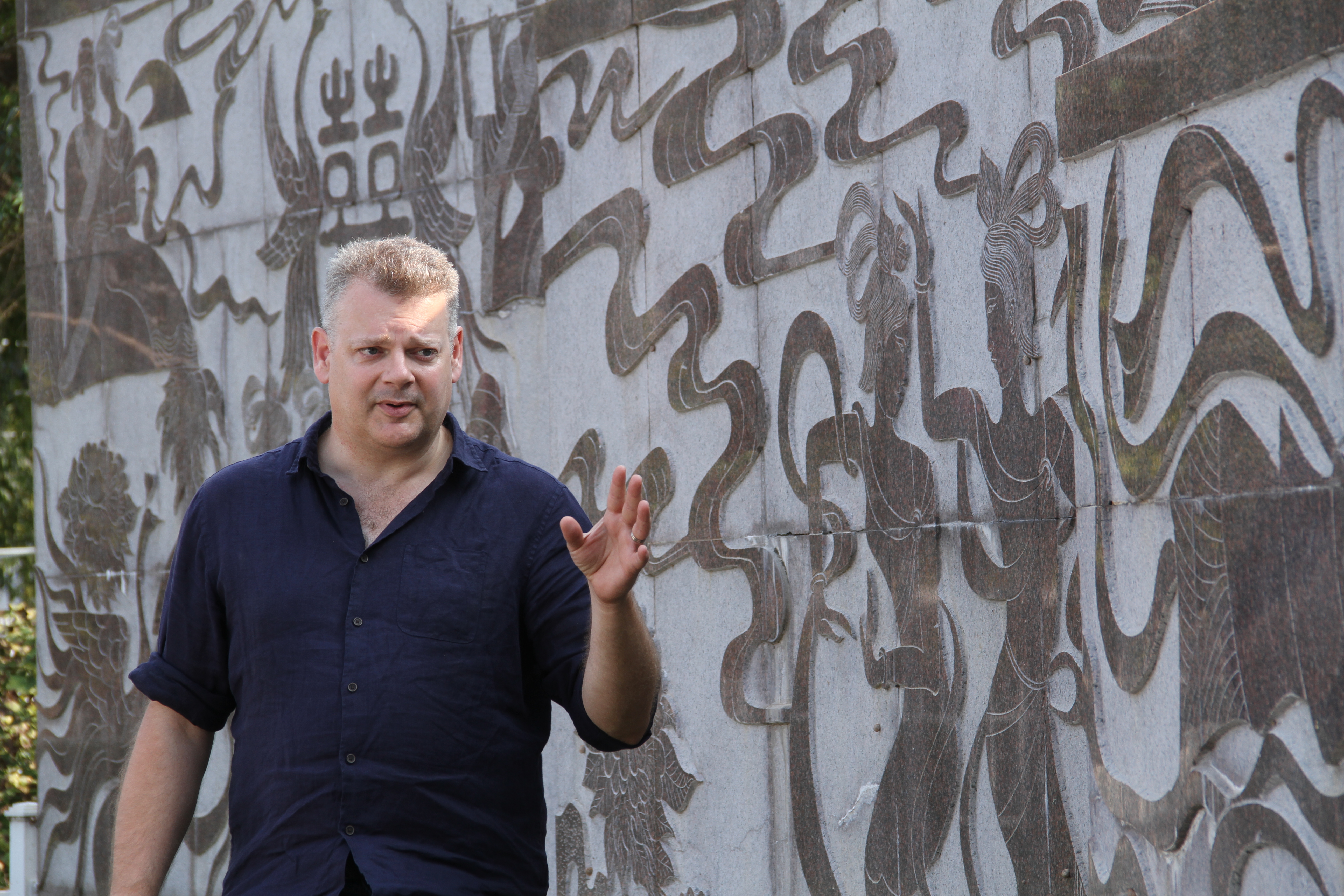
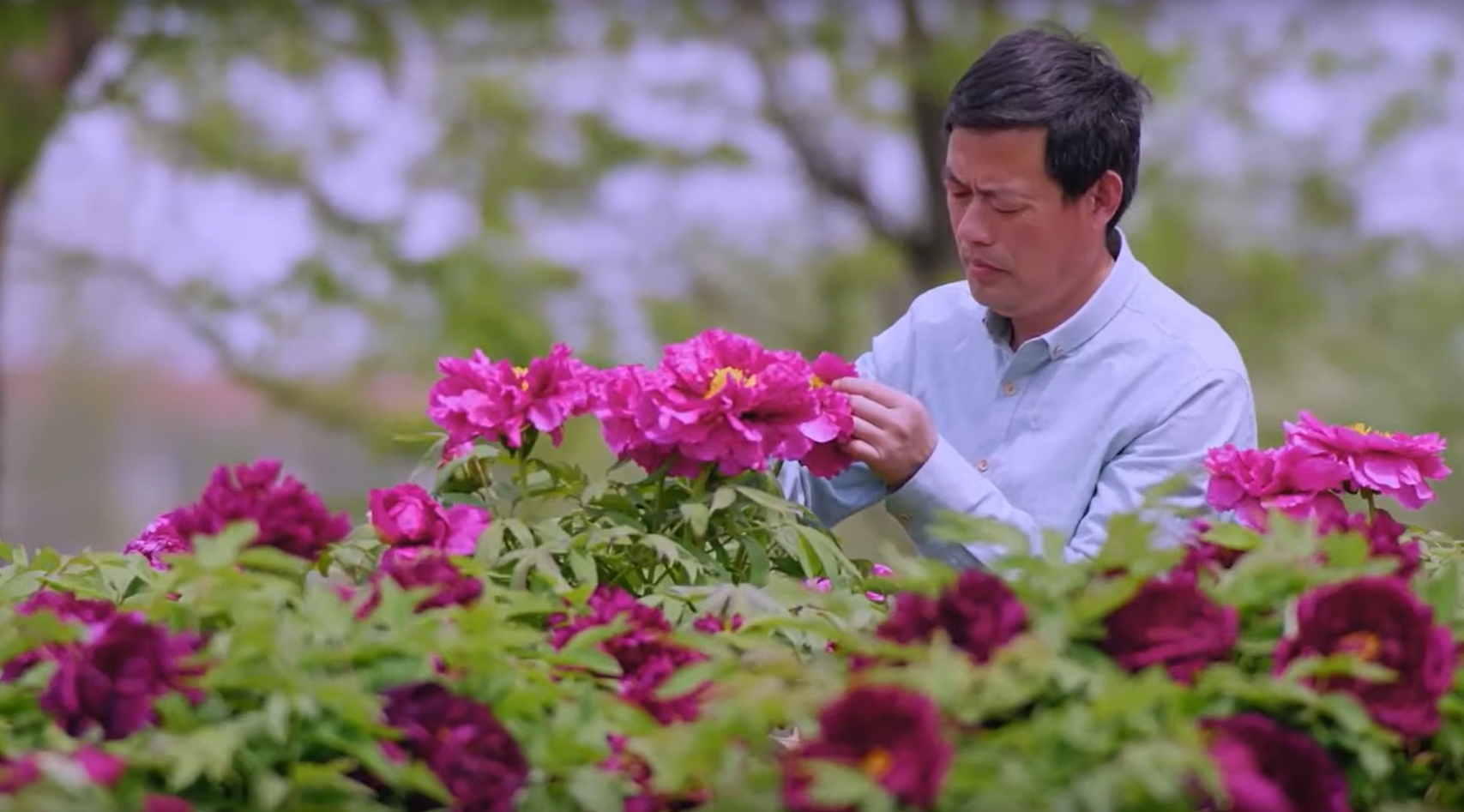
Duan Yanping is waiting at the gate and smiling like a loon. He smiles all the time. I never see him not-smiling, although sometimes he crinkles up his face even more until his eyes are scrunched into little dots. He is the principal of an exclusive private school in Qufu, home town of Confucius, which purports to raise children in the Confucian way. The boarders are as young as five, and I watch them stopping to bow to their teachers as they walk across the playground. Since the teachers are arriving for the day, there’s a whole string of them across the courtyard, and for anyone, child or adult, to get across the open space takes a quarter of an hour, since they keep stopping and bowing at one another.

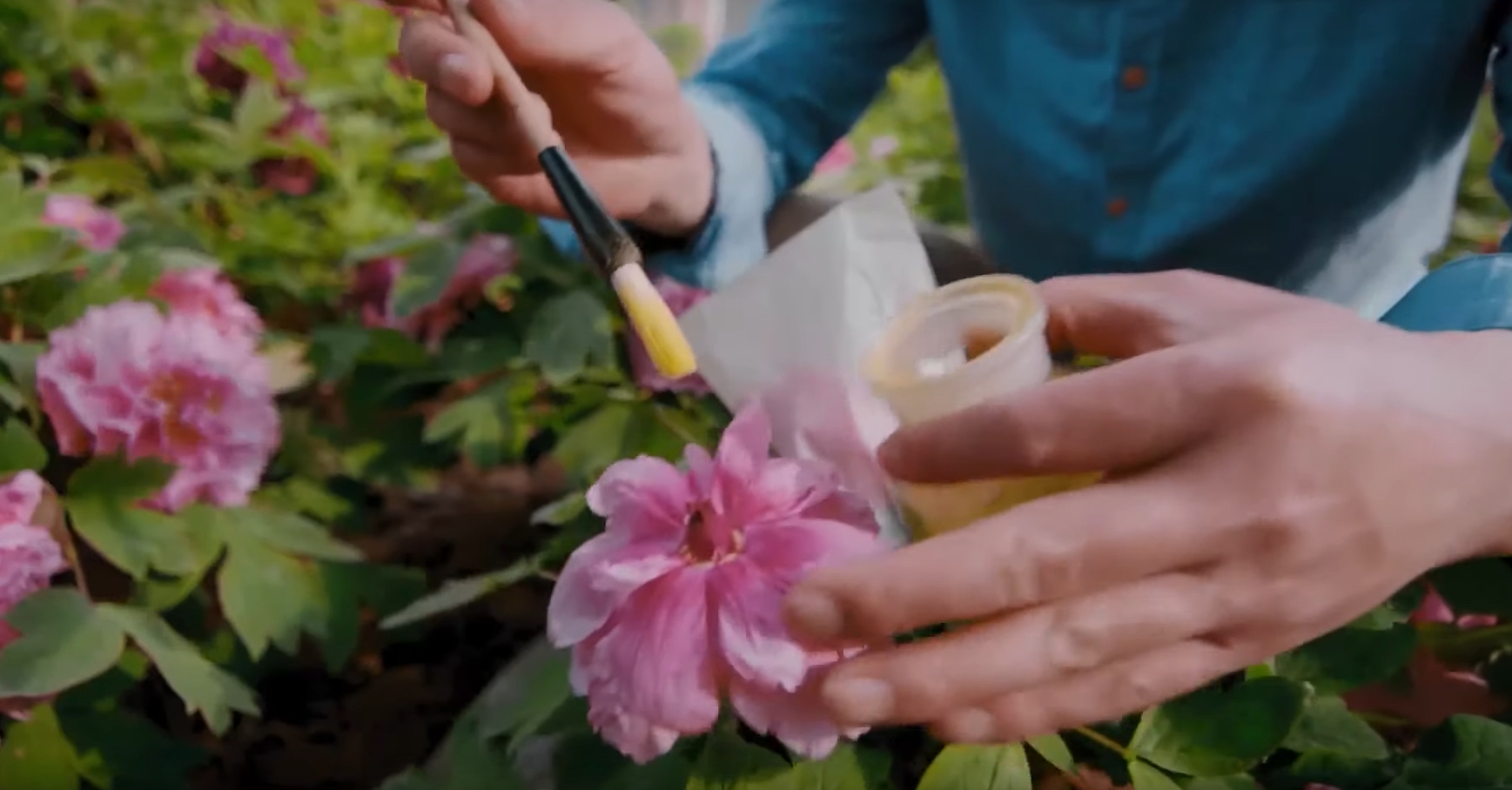
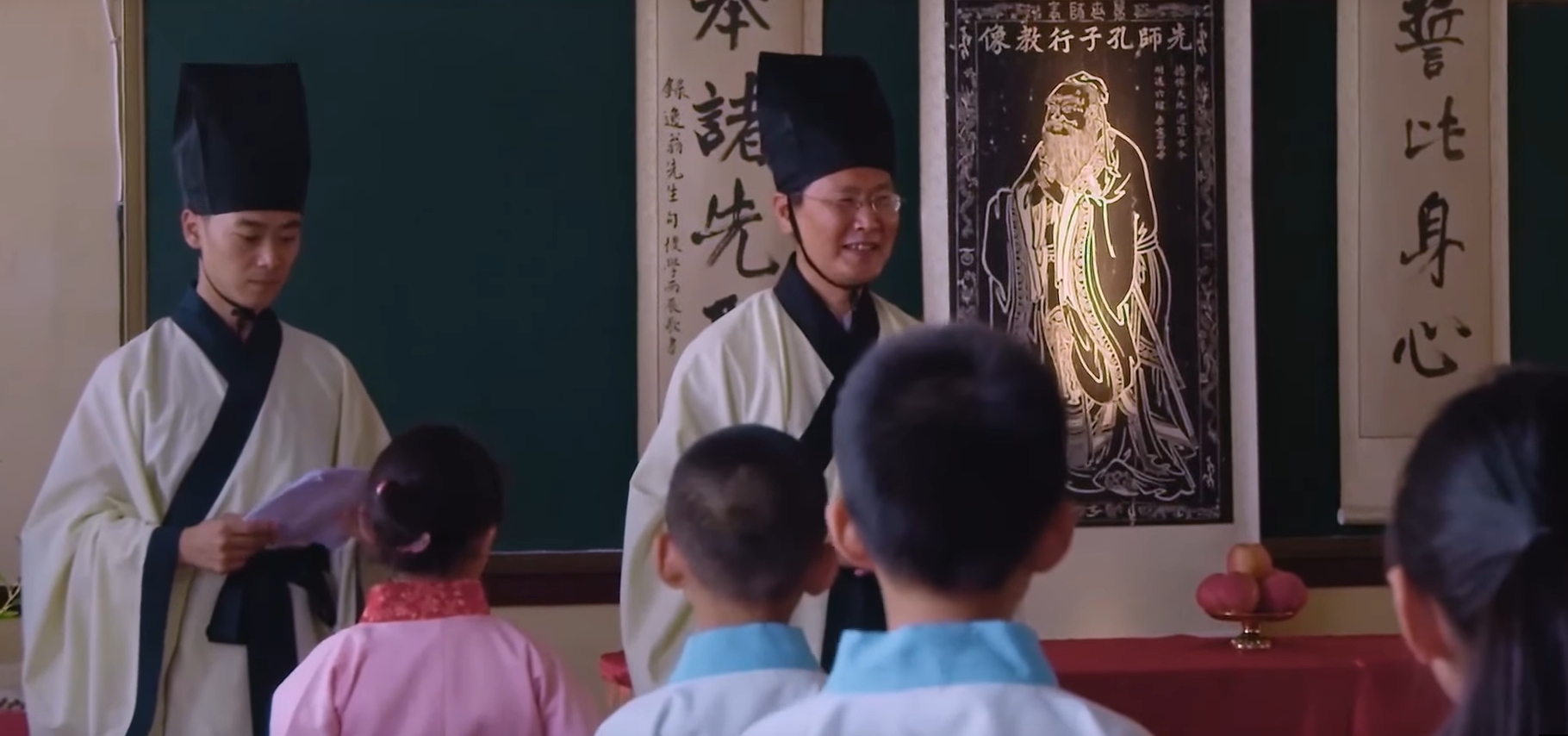
Today we are here for the Opening Brush ceremony, in which a bunch of six year olds will have red dots painted on their foreheads and then commence a series of “Confucian” rituals to mark the beginning of their education. We’ll see about that, as I say to camera: “I’m curious to see how many of these rituals will turn out to come from later dynasties.”

Most of them, as it turns out. The ceremonial presentation of tea to one’s teachers is all very well, but there was no tea in China in the time of Confucius. Nor were there robes in the style demonstrated by the pupils and teachers, all of whom are attired in the fashion of the Song dynasty. Pupils are presented with a pair of dates each as a symbol of the 00 that goes after a person (1) in order to make the top exam mark, but the very nature of this requires Arabic numerals, which didn’t arrive in China until a thousand years after Confucius.

The children are still children. After being exhorted to write their first symbolic character, ren or person, the kids are asked to hold up their papers (paper, also not around in the time of Confucius). The fat kid at the back has got bored and drawn two persons, and then half a wall around them, thereby turning his character into something different. I look up along the long line of diligent students holding up their papers and see: person, person, person, person… MEAT.

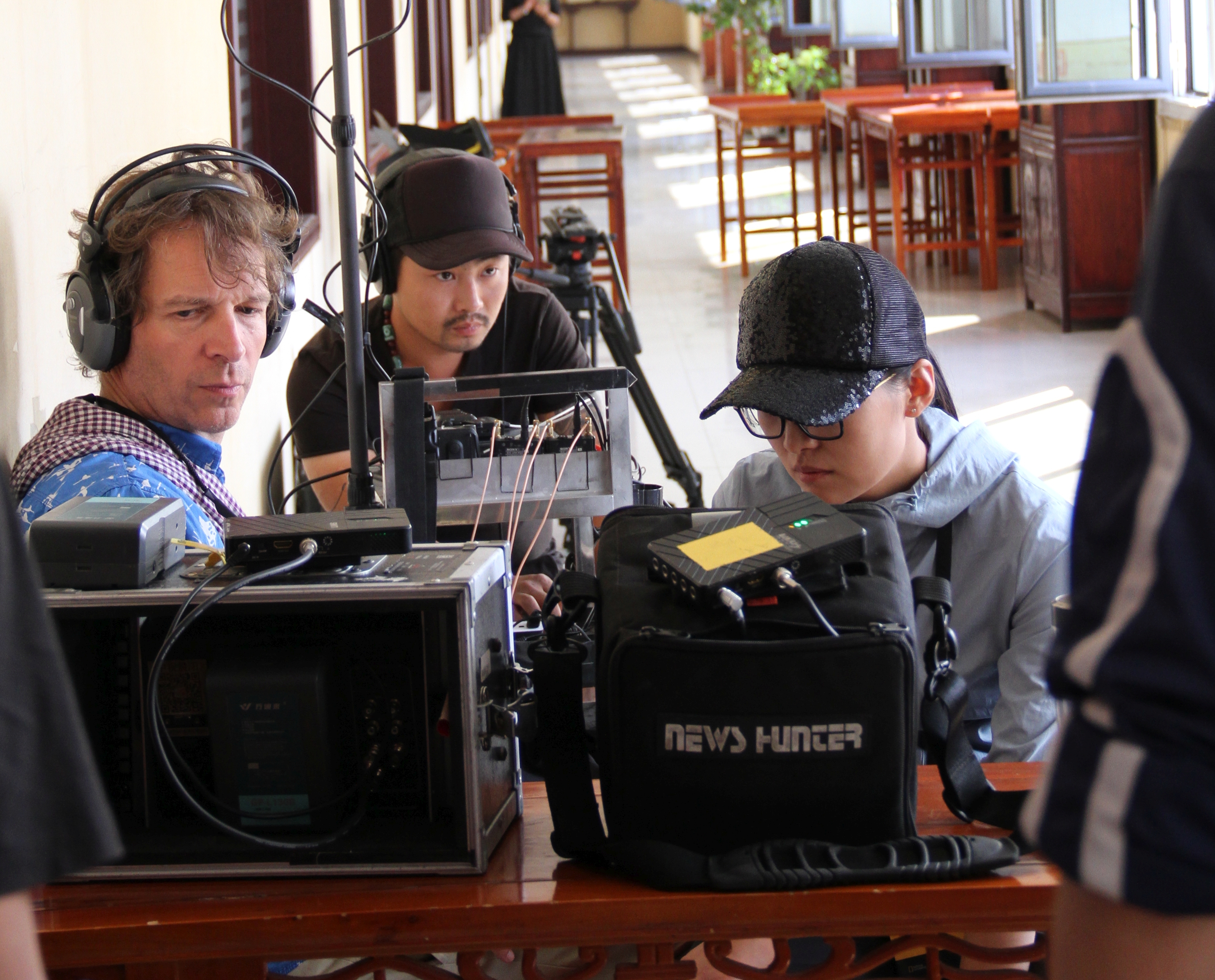
The kids plainly love Mr Duan. His constant smiling even puts me at ease, and the only time I see him stern is when he reminds Jiuqing the producer not to bugger about too long changing batteries, because she is effectively asking a bunch of six-year-olds to stand still behind their desks for an hour, while the crew huddle outside in the corridor staring at their monitors.

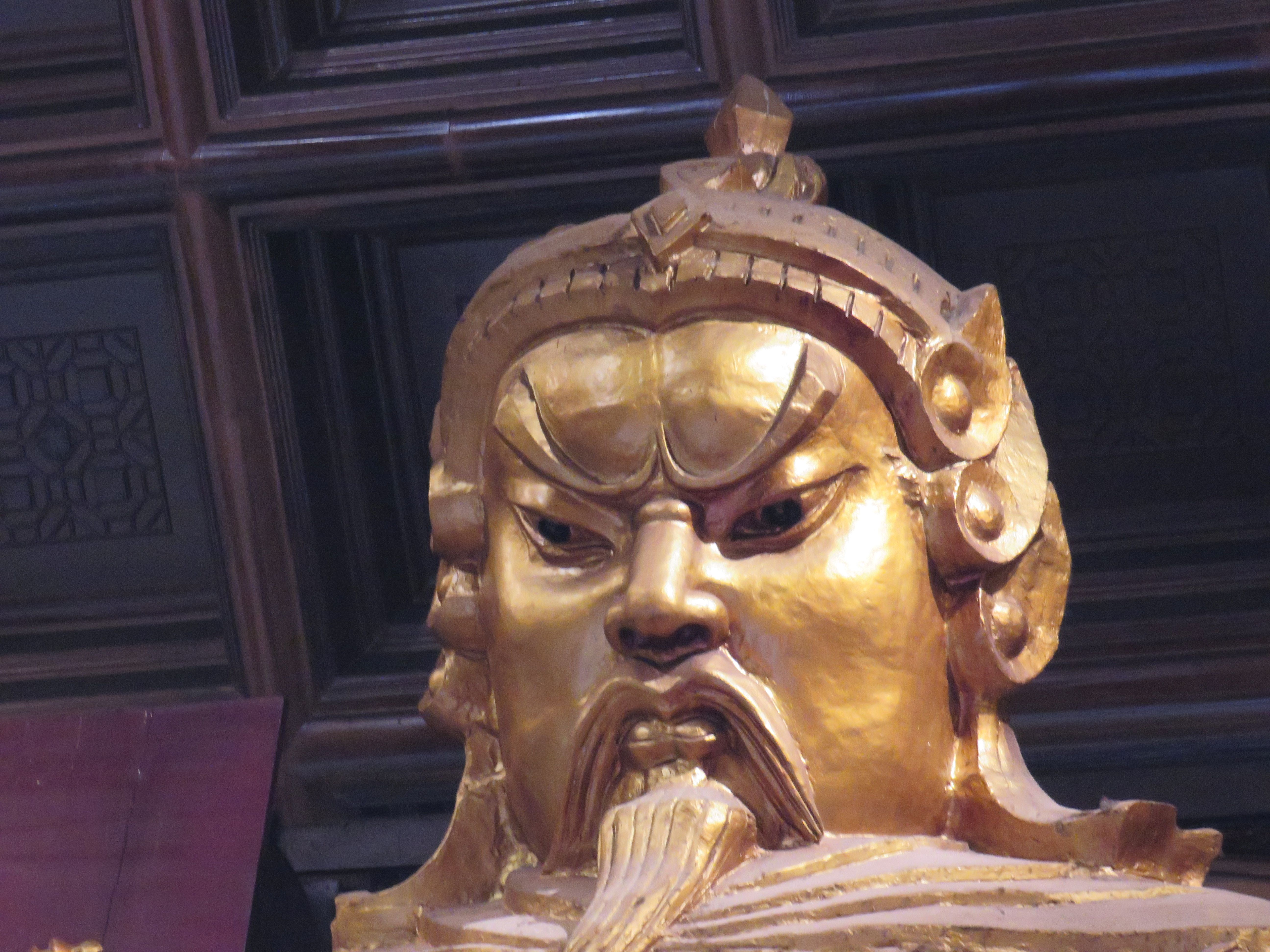
I ask Mr Duan what he thinks Confucius would make of the ceremony, and he crinkles his face and tells me that he would be most chuffed. I am not so sure. The younger Confucius, certainly, would have been aghast at so many anachronisms and what, to him, would be regarded as foreign customs. The older, wiser Confucius would have appreciated the effort, but still scandalised at the sight of himself worshipped as a sage, and women in the role of teachers. But I decide not to press Mr Duan too much on that point, because he seems so nice. His school teaches the kids all about The Analects, but also a bunch of musical instruments, the Chinese tea ceremony, meditation (which Confucius abhorred), and a number of other subjects which seem to come under a catch-all sense of Chinese classiness. Send your kid to Mr Duan’s school, and he or she will be spat out the other end able to offer a welcome whiff of refinement to any large Chinese gathering, which is likely to otherwise comprise pig farmers playing with their phones.

Confucius’s grave is empty. In fact, nobody knows where Confucius’s actual burial site was. In the Han dynasty, 500 years after his death, a rising trend in Confucianism demanded a place to pay respects, and some bright spark decided that the best thing to do would be to dump a pile of earth next to the grave of his son Top Fish and stick up a memorial tablet there. But if you really wanted to see the spirit of Confucius, Mr Duan’s school has it up and running, warts and all.

We are treated to lunch in the dining hall, only to discover that, true to Confucian principles, no talking is allowed. Jonathan the director and I have an intricate sign-language conversation about the possibilities of getting a drone up above the temple, while Ruby the Interpreter chomps her way through many scallops that she ends up invisible behind a towering midden of shells.

Yu the Chinese director tells a horror story about the last he had to work with a foreign presenter, on some sort of coproduction between CCTV and the BBC. Whoever this man was (the director wouldn’t say), he insisted that his Korean mistress be officially taken on in a sinecure position, and then proceeded to bang her so hard every night that he wasn’t up until ten the next day. He also insisted on clocking off at precisely 6pm, a state of affairs that endured for ten days before he was fired. So, I must look like a properly diligent pro by waking up when told to, and volunteering to work through till late each night as long as the cameramen don’t mind holding their gear up for longer. Jonathan asked me why I do this job…. Incredulously, like only a moron would sign up for it.

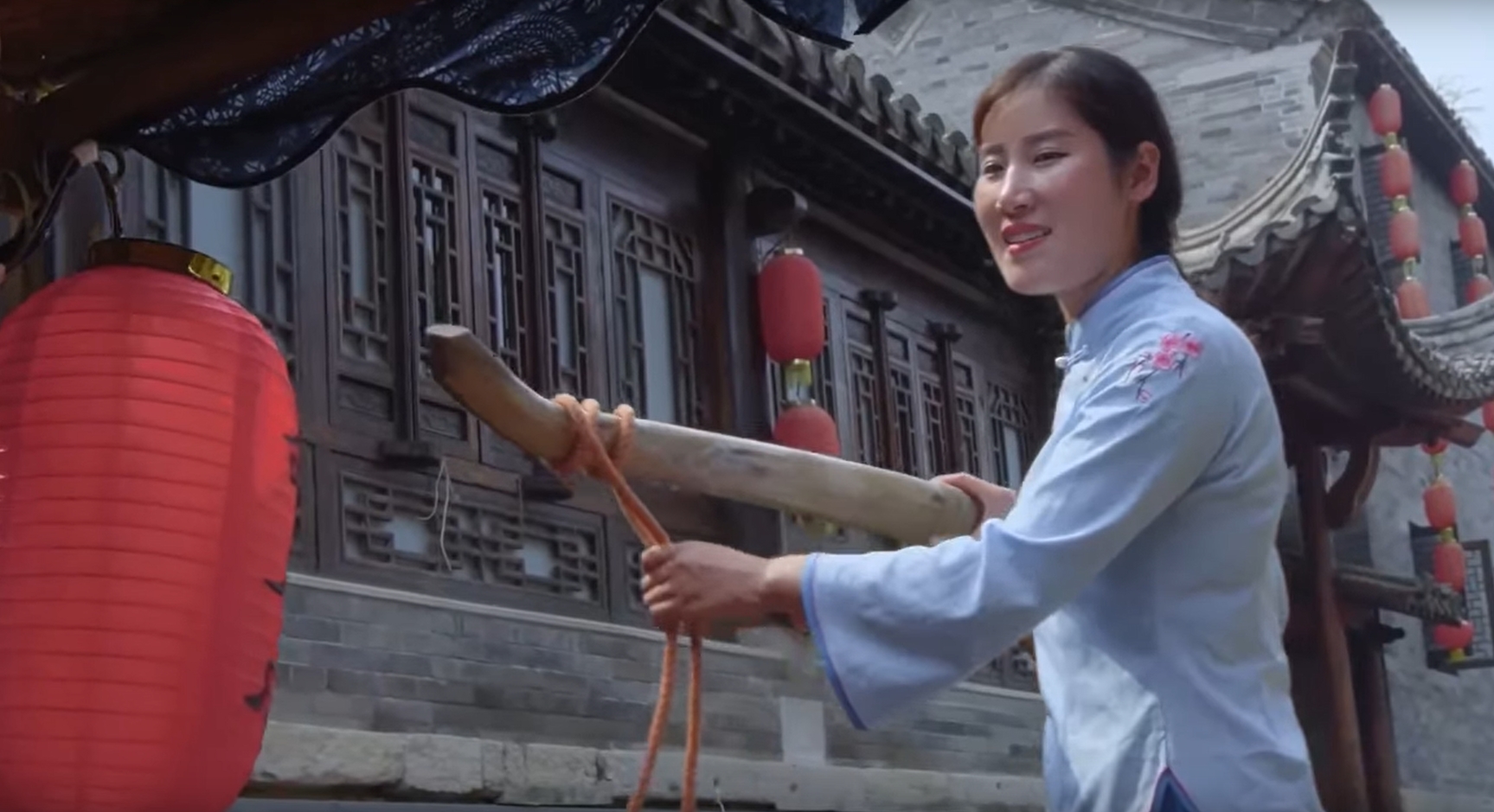
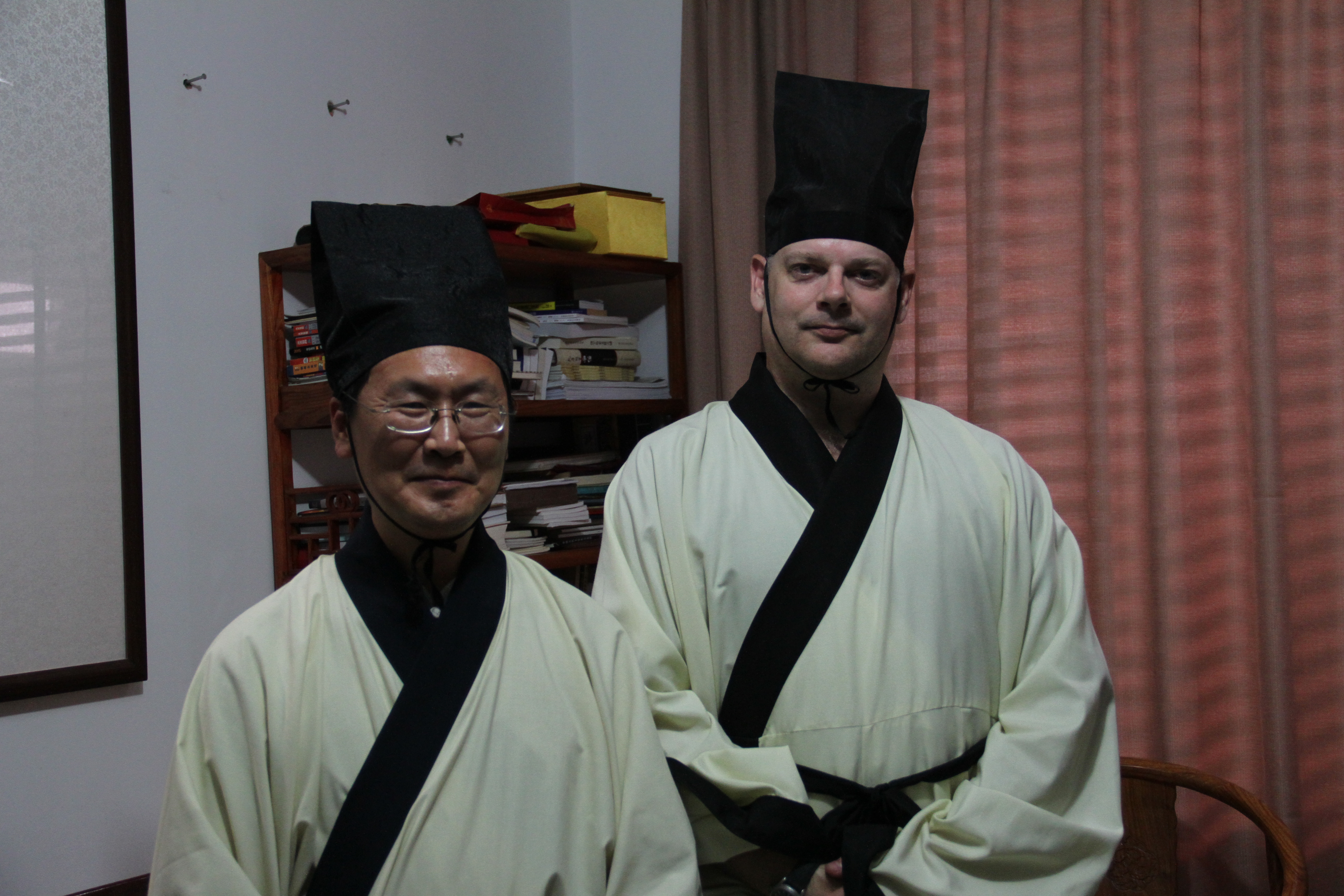
Mr Duan hands me a set of Confucian robes, and we have a fun half-hour trying to tie the strings and put the belt on the right way. I then interview him in the robes, thereby successfully ticking the box for any film shoot that a Clements must be put into a silly hat.

Jonathan Clements is the author of Confucius: A Biography. These events occurred during the filming of Shandong: Land of Confucius (2018).

SLA 2023 Jury Podcast

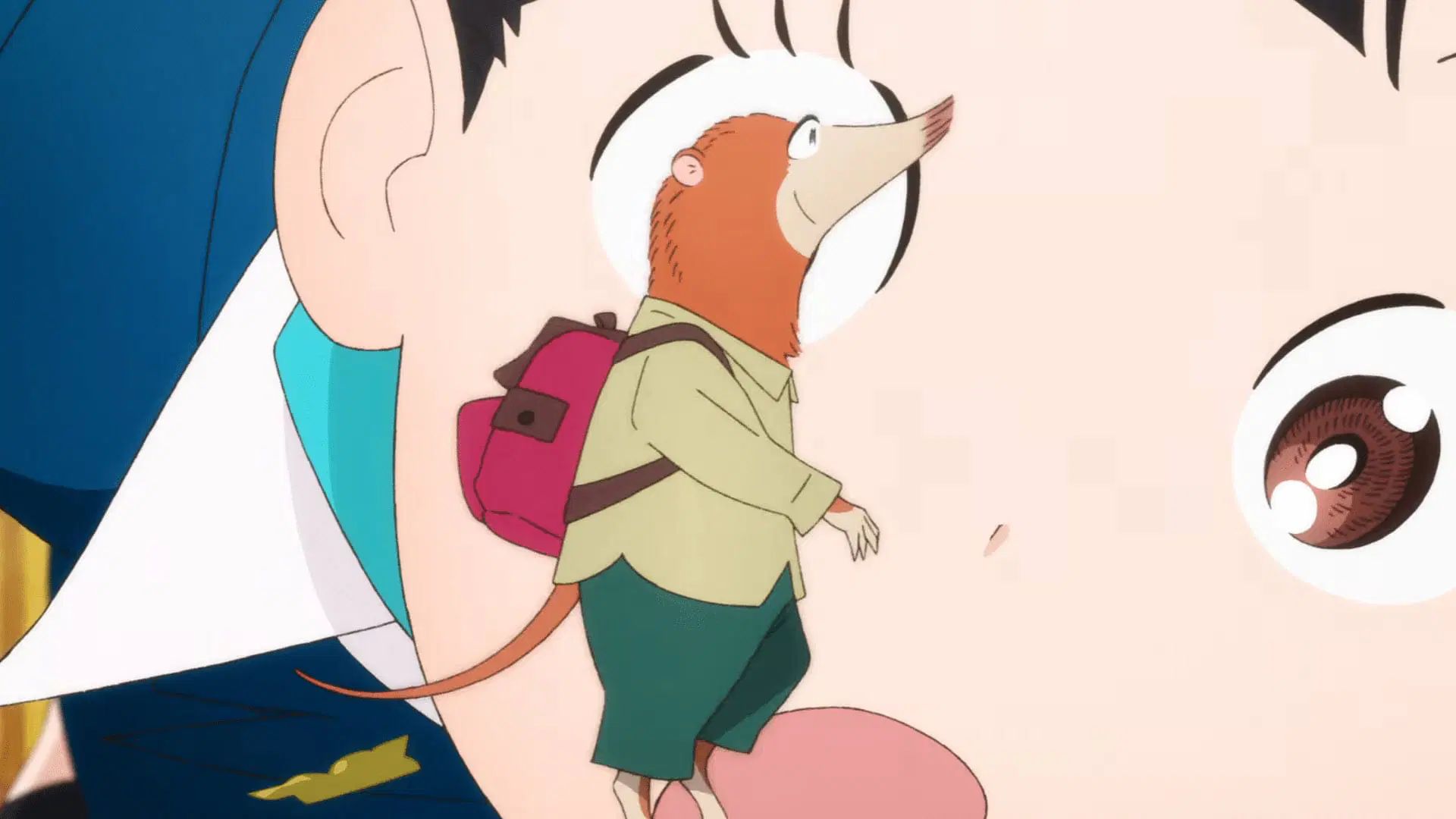
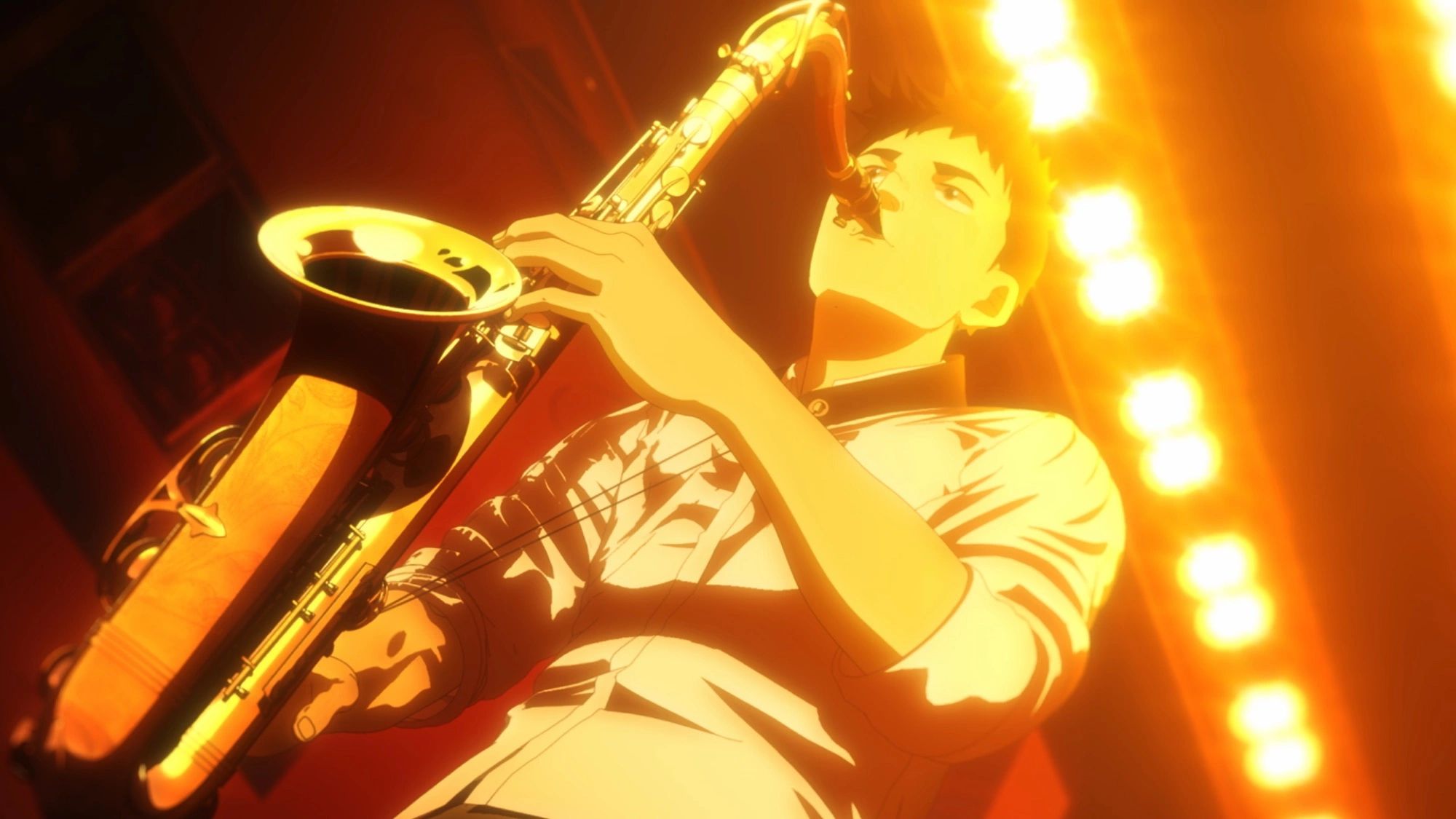
And in my final duty as jury chairman this year I’m appearing on the Scotland Loves Anime podcast to discuss the films in competition with three of the jury members. The jury picked Yoshimi Itazu’s enchanting The Concierge for the Golden Partridge Award, but we now know, after the close of voting last night, that the audiences in Glasgow and Edinburgh instead preferred Yuzuru Tachikawa’s jazz odyssey Blue Giant.

Word Up

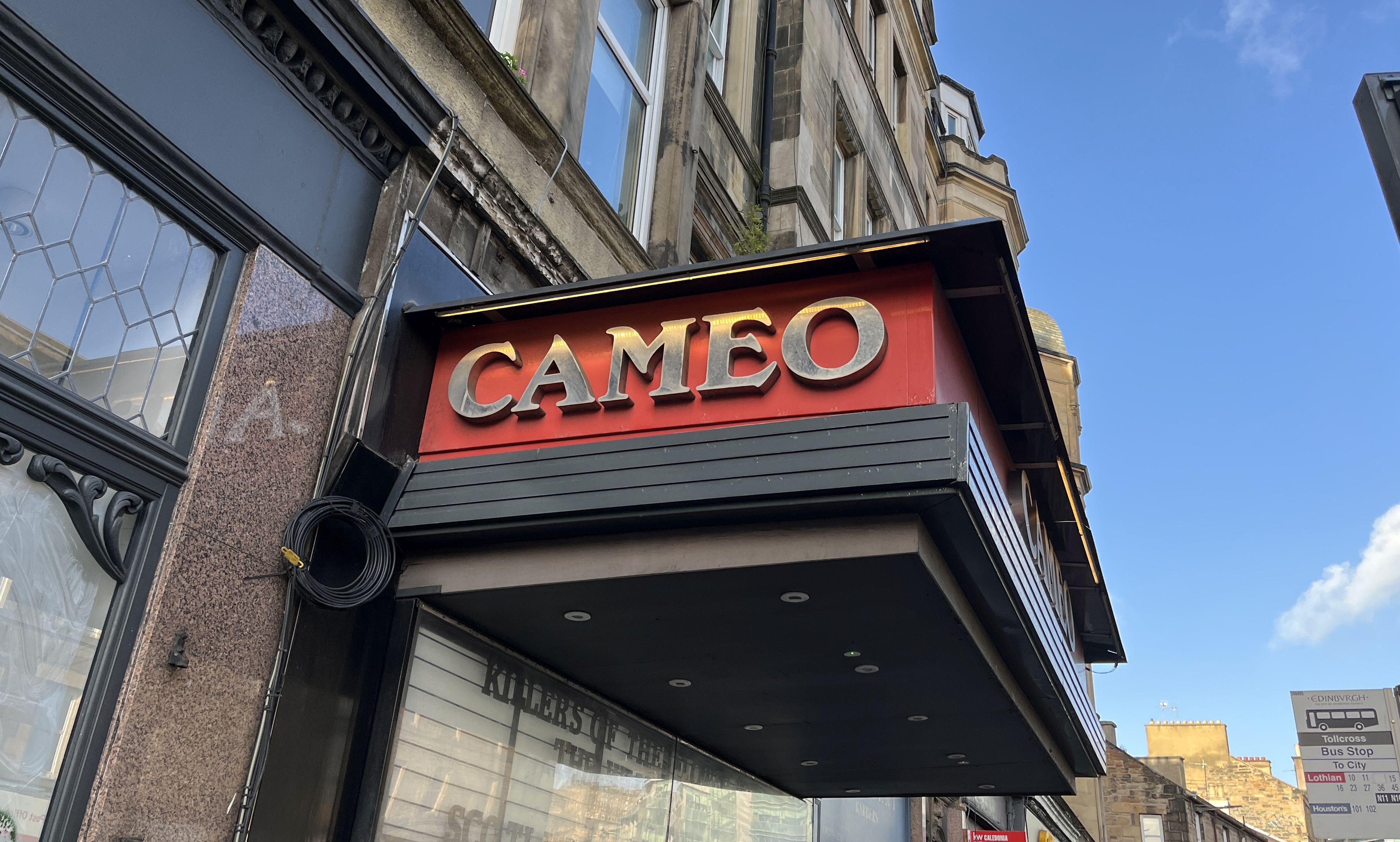
And now we are in Edinburgh at the Cameo for the rest of the week, with me introducing blue-chip classics throughout the weekday evenings, before the second leg of Scotland Loves Anime kicks off in earnest on Friday. I, however, have largely been down the street playing Time Crisis II and Dance Dance Revolution.

Vegan Planet

A brief flit through London on my way to Edinburgh for the next phase of Scotland Loves Anime, a blitz through Foyles and Chinatown’s Guanghwa bookshop, and then off to Camden for…

Vegan Planet, the Camden vegan Chinese restaurant I have been waiting to try for years. And I was not disappointed by hot and sour soup, fake beef in black bean sauce, and ersatz sweet and sour prawns.

Absolutely lovely food. Although my dining companion and I were slightly wrong-footed by the absence of milk for the post-prandial coffee. We sort of forgot what vegan meant.

Glasgow Loves Anime

One day left to go on the Glasgow leg of Scotland Loves Anime, before the festival ups stakes and relocates for the next seven days to the Cameo in Edinburgh. The jury have decided on the Golden Partridge Award, but we have to wait to announce it until next week, when the Audience Award results are all in.

So far, I’ve been asked to sign seven copies of the new edition of Anime: A History, which is not a bad score.

Osamu Tezuka’s Metropolis

“Tezuka had been absolutely crystal clear about his opposition to seeing the story animated. In championing the production, Rintaro was less tipping his hat to Tezuka than flipping him the finger.”

Over at All the Anime, I delve into the behind-the-scenes politics of “Osamu Tezuka’s” Metropolis, screening next month at Scotland Loves Anime.

The Last Guest (1941)

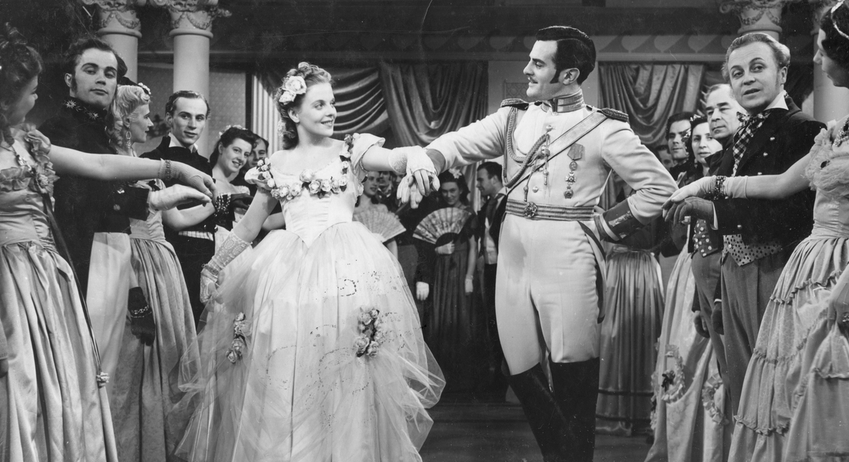
Commissioner Puosu (Hugo Hytönen) and the journalist Harni (Hannes Häyrinen) become reluctant partners as they try to solve the murder case of Nelly, a smuggler found dead in the Helsinki apartment where Harni had been the last… or presumably second-to-last person to see her alive. Their investigations plunge them into the middle of a menagerie of black-market spivs and shysters, many of whom might have had a motive or opportunity for offing their sometime supplier of contraband goods.

Puoso thinks he has uncovered the murderer – the shopkeeper Herttamo (Eino Jurkka), whose kerchief matches a thread found on the victim, but Herttamo is himself murdered on a train. It transpires that Nelly’s murder is the latest iteration of a decade-long drama unfurling from a bank robbery ten years earlier, as its survivors seek to cover their tracks and preserve their identities in hiding. Of particular note here is Irma Seikkula, star of Juurakon Hulda (1937), in the role of Ane, a seemingly unimportant secretary who turns out to be the daughter of a cashier killed in the robbery, whose subsequent life has been steered by a series of anonymous donations from the criminals.

Well, that escalated quickly. After years of shonky adaptations of repertory theatre-plays, unfunny sitcoms and musty old children’s books, Suomi-Filmi suddenly explode into the 1940s with an up-to-date thriller, drawing on H. R. Halli’s novel And the Murders Continued (1939, Yhä murhat jatkuivat). The original was set in Finland’s post-WW1 Prohibition era, but had a subject matter that lent itself well to being upgraded to a contemporary thriller in the wake of the Winter War.

And the critics went wild for it. Only a few days after they had been eviscerating The Solemn Hornblower for wasting literally everybody’s time and money, the Finnish press piled on with unbridled enthusiasm to welcome the dawning of a new and noirish age.

Olavi Vesterdahl in Aamulehti was fulsome in praise for “Finland’s first home-made detective film,” thrilling to its shadowy lighting and the “pleasant surprise” of its thriller narrative. Toini Aaltonen in Suomen Sosialidemokraati called it “exciting and fast-paced” and dared to suggest that it gave Hollywood a run for its money. The final level boss of any Finnish film’s critical response, Paula Talaskivi in the Helsingin Sanomat, was delighted by its impressive photography and naturalistic dialogue, and if she had any objections, it was to a somewhat muddled plot that came apart at the seams as the film went on, for which she was happy to lay the blame at the feet of the source novel, and not the film company that adapted it.

Posterity is not quite so kind – something that is repeatedly noticeable about Talaskivi’s reviews is how accurately they can predict the long view of a film. She is rarely caught up in the moment, but has a concision of appreciation and a frankly prophetic sense of how something like The Last Guest would be viewed not merely years, but decades after its premiere.

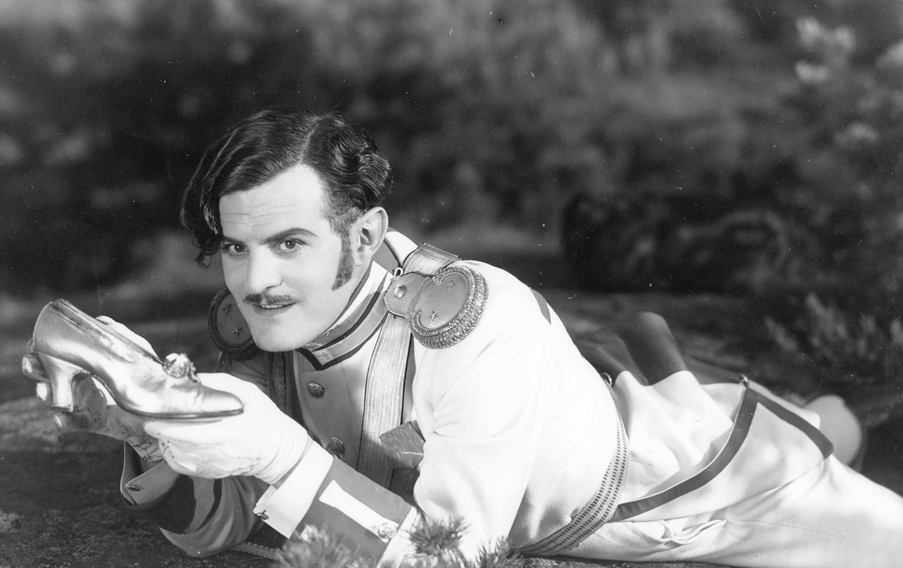
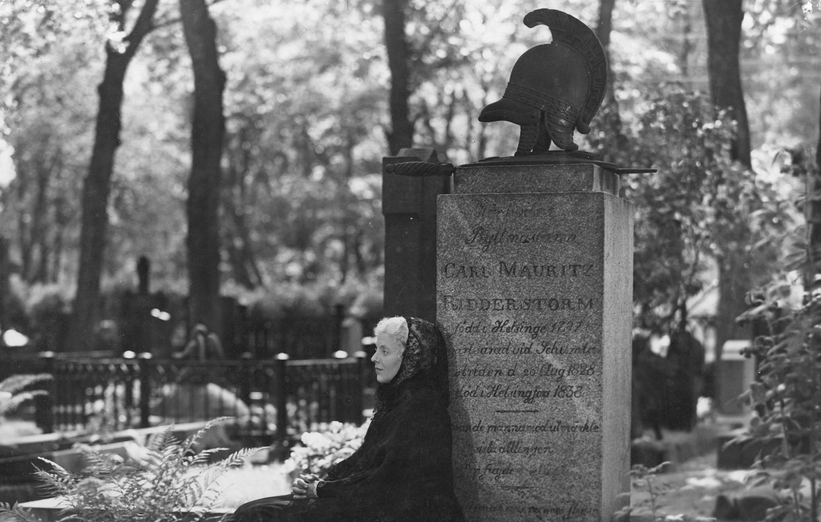
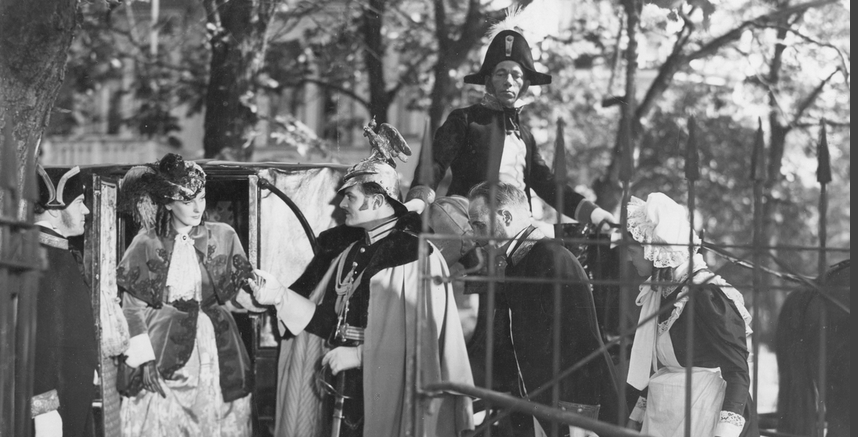
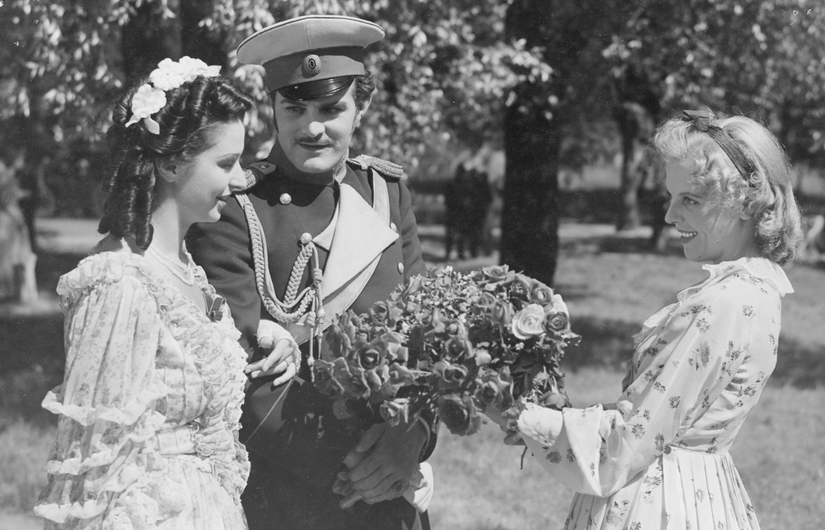
It’s worth mentioning that despite the enthusiasm of the critics of 1941, Finnish audiences were plainly not ready for such a kick up the creative arse. Box office receipts were below average for the film, which took two years to recoup its production costs. Co-director Arvi Tuome would not helm another film again, although his collaborator Ville Salminen, who also designed the sets and appeared in the role of the suspicious wholesaler Rajapalo, would be back in front of the camera before long, and behind it once more in the 1950s. I also find it interesting that none of the press stills preserved in the archives really showcase the film’s best and most creative camerawork. Suomi-Filmi’s photographers came up with the usual shots of men sitting in rooms and women about to be snogged, whereas Tuome and Salminen’s much-praised framing was not documented by their own studio. To get that shot of the man on the staircase that adorns this review, I had to do a screen grab from the film itself – an interesting aside in terms of the materials available for the discussion of historical media.

Jonathan Clements is the author of A Short History of Finland. He is watching all the Finnish films, so you don’t have to.

Mount Tai Crumbles

For several days now, Jonathan the director and I have been trying to get a straight answer out of the Chinese about why we aren’t filming on Mount Tai. It is, after all, the most sacred mountain in China, and the site of the ancient ritual in which the First Emperor climbed to heaven and announced to the gods that he had created China. So if one were, say, writing a documentary about Shandong, it might be nice to begin with a nice aerial around the peak soaring above the clouds, with a few stories about how it was the place where China itself was born.

In more recent times, it was the site of a fateful visit by a young-ish Jiang Zemin, who was told by a local soothsayer that he would become an “Emperor”. Since he went on to become the president of China, it has been the site of many a middle-management boondoggle, by politicians hoping to get a similar nod. This has given the municipality of Tai’an, where Mount Tai can be found, ideas above its station, and when our production company came calling to set up a documentary to promote Shandong, the Tai’an government told them to get lost.

Tai’an refused to cooperate, claiming that they needed no further tourists nor foreign patronage, and although we could easily nab some archive footage, our production company has ruled that it would be unfair on the counties that are paying if we included materials from a county that was not. So now we will not even mention them in the documentary.

This is, as Jonathan observes, something of an own goal, since Shandong means “East of the Mountains”, and at least half the time, the Chinese assume that it means East of that Mountain. Take out Mount Tai, and you take out the Shan, leaving only a dong… if that makes sense. “Mount Tai crumbles,” as Confucius once lamented. We have to pretend it isn’t there.

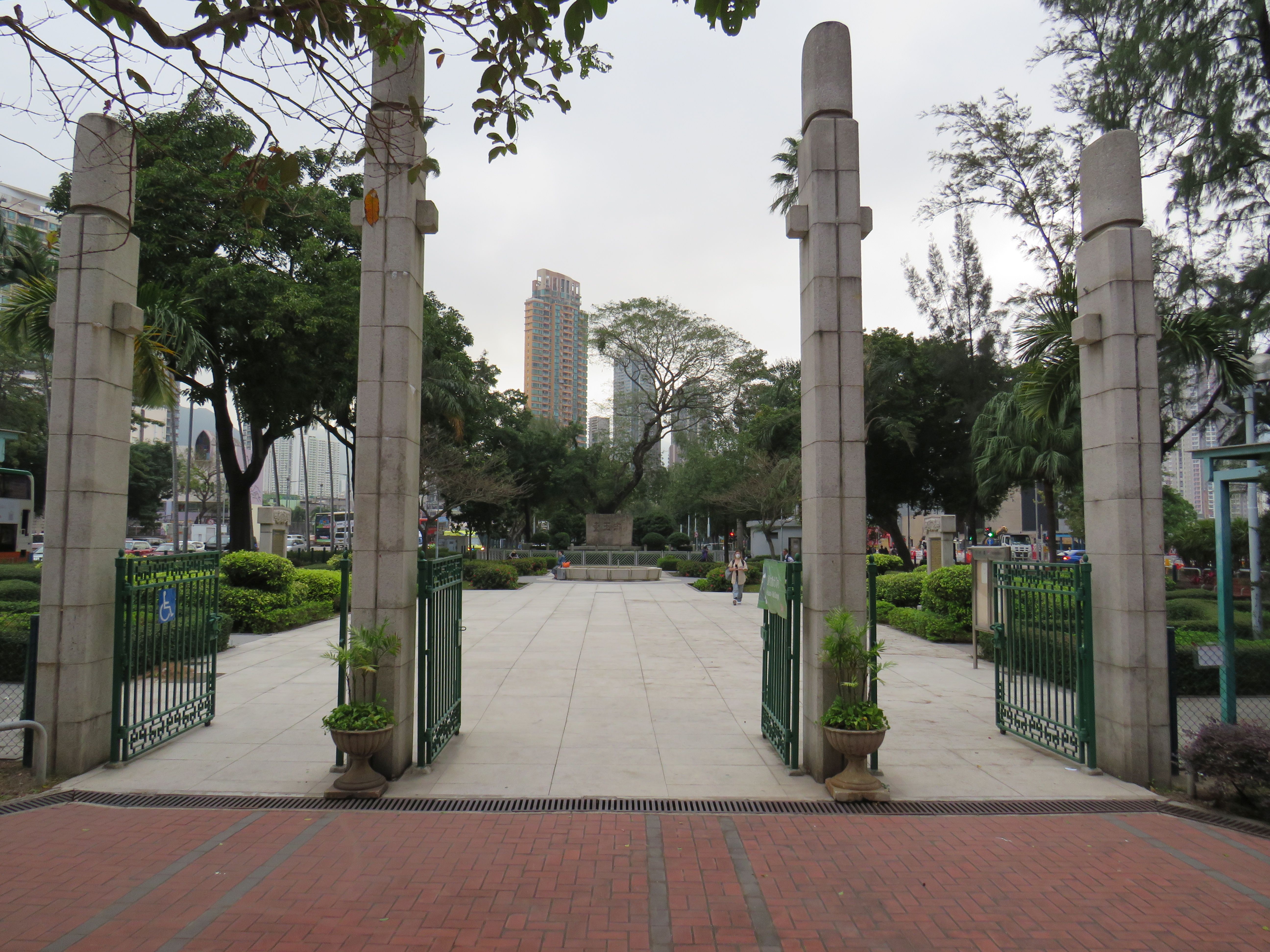
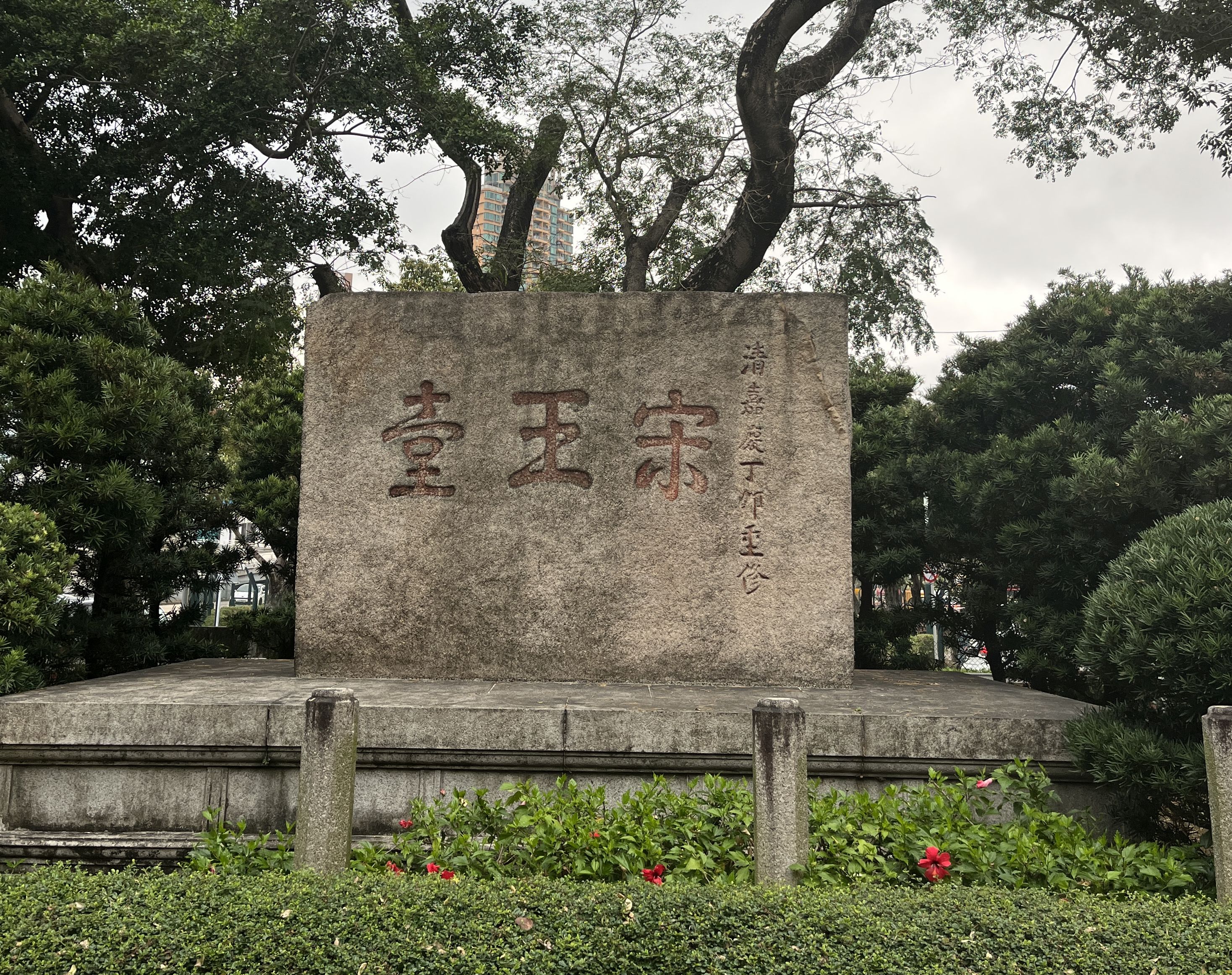
Today we are in Qufu, once the capital of the ancient state of Lu, and the birthplace of Confucius. Here, the main attractions are the Temple of Confucius, the mansion of Confucius’s descendants, and the grave of Confucius himself. It seems to be full of people whose idea of a pilgrimage to the home of China’s most famous philosopher seemingly involves turning up at the front gate, buying a fan and a plastic crossbow, tramping pointlessly around the courtyard for a while taking selfies, then buying some tat in the inner sanctum.

I am quite livid at the sight of hawkers in the very holy of holies trying to push Confucius comics, simplified versions of the Analects, and a bunch of “History of Your Surname” posters at passers-by. Could they really not find a better quality of souvenir?

I find the Lu Wall, and round up the crew to do a piece to camera about the workmen in 154 BC who found copies of the Confucian classics bricked into a wall on that spot. The books found therein are the oldest and most complete version of The Analects, and the ancestors of all modern versions. They had been hidden there in 213 BC by Confucius’s 9th generation descendant, during the First Emperor’s Burning of the Books.

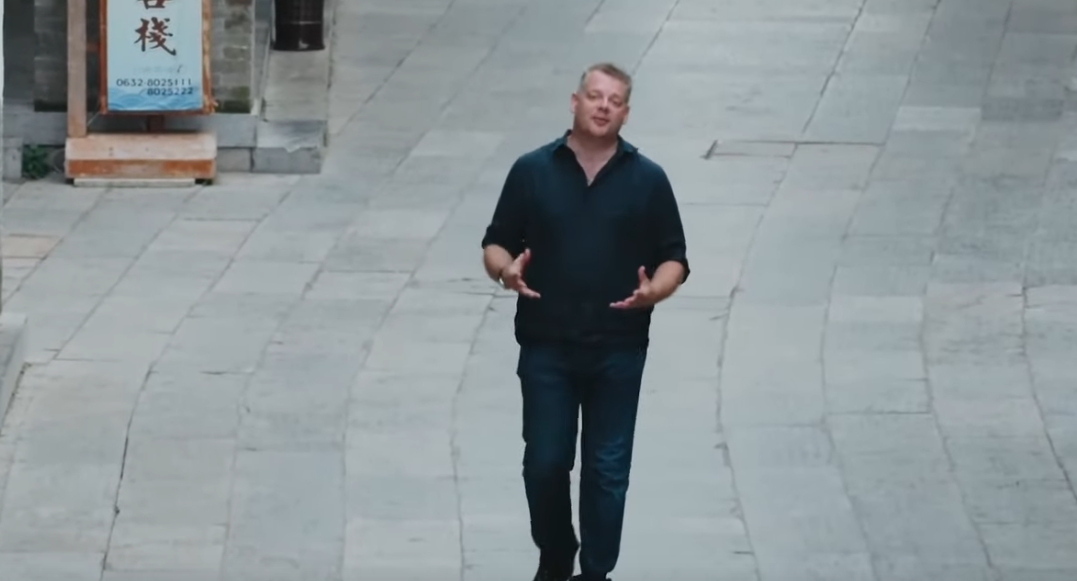
The graves of the Kong family are situated in parkland a mile away. Among the many little hummocks of grass, there is the larger grave mound of Zisi, the grandson of Confucius, and of Top Fish, the son of Confucius. And then there is the grave of Confucius himself, its forward-facing stele a patchwork of fragments held together with steel pins, after the Red Guards tried to destroy it in the Cultural Revolution. There is a scrum of tourists around it, and I sneak into their midst, turning to the camera amid the clamour to say: “People come from all around the world to see the last resting place of Confucius. But guess what, he isn’t here…”

Jonathan Clements is the author of Confucius: A Biography. These events occurred during the filming of Shandong: Land of Confucius (2018).

“an essential text”

Anime: A History remains an essential text for anyone searching for a deeper understanding of why anime is the way it is, historically and commercially, and the latest edition does far more than simply updating the material; the changes constitute multiple novel areas of study. “

First review up online of my 2nd edition Anime: A History, from Zoe Crombie at Lancaster University.

Anime Loves Scotch

“Masataka Taketsuru… ended up in late 1918 at the University of Glasgow, where he studied organic chemistry under Thomas Stewart Patterson, before seeking work experience at distilleries in Campbeltown, Strathspey and Bo’ness. He also fell in love with Jessie “Rita” Cowan, a doctor’s daughter from Kirkintilloch, who he met after she asked him to teach her younger brother judo. The couple were married in 1920, shortly before they left for Japan, where Rita had promised to help her new husband make ‘real whisky.'”

Over All the Anime, I investigate Japan’s relationship with whisky, in relation to the new anime film Komada: A Whisky Family, showing at Scotland Loves Anime in November.