Anime: A History Unboxing

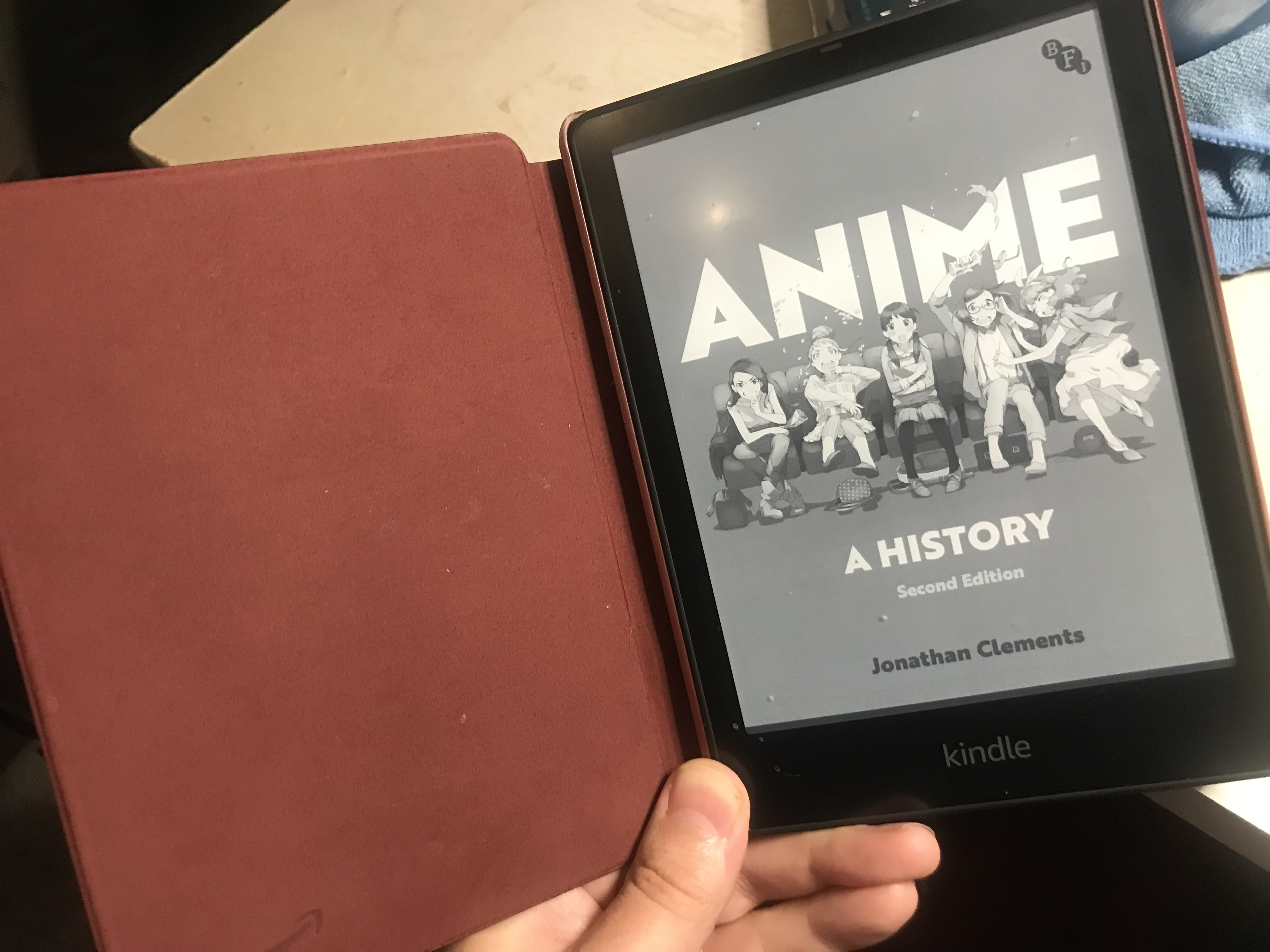
In case you’re wondering, it never gets old. It’s been thirty years since I opened the package containing my first book, and it’s just as exciting to open a package containing my umpteenth. Anime: A History is particularly dear to me because it was built around my doctorate, and represents the culmination of probably thirty years in and around the anime industry.
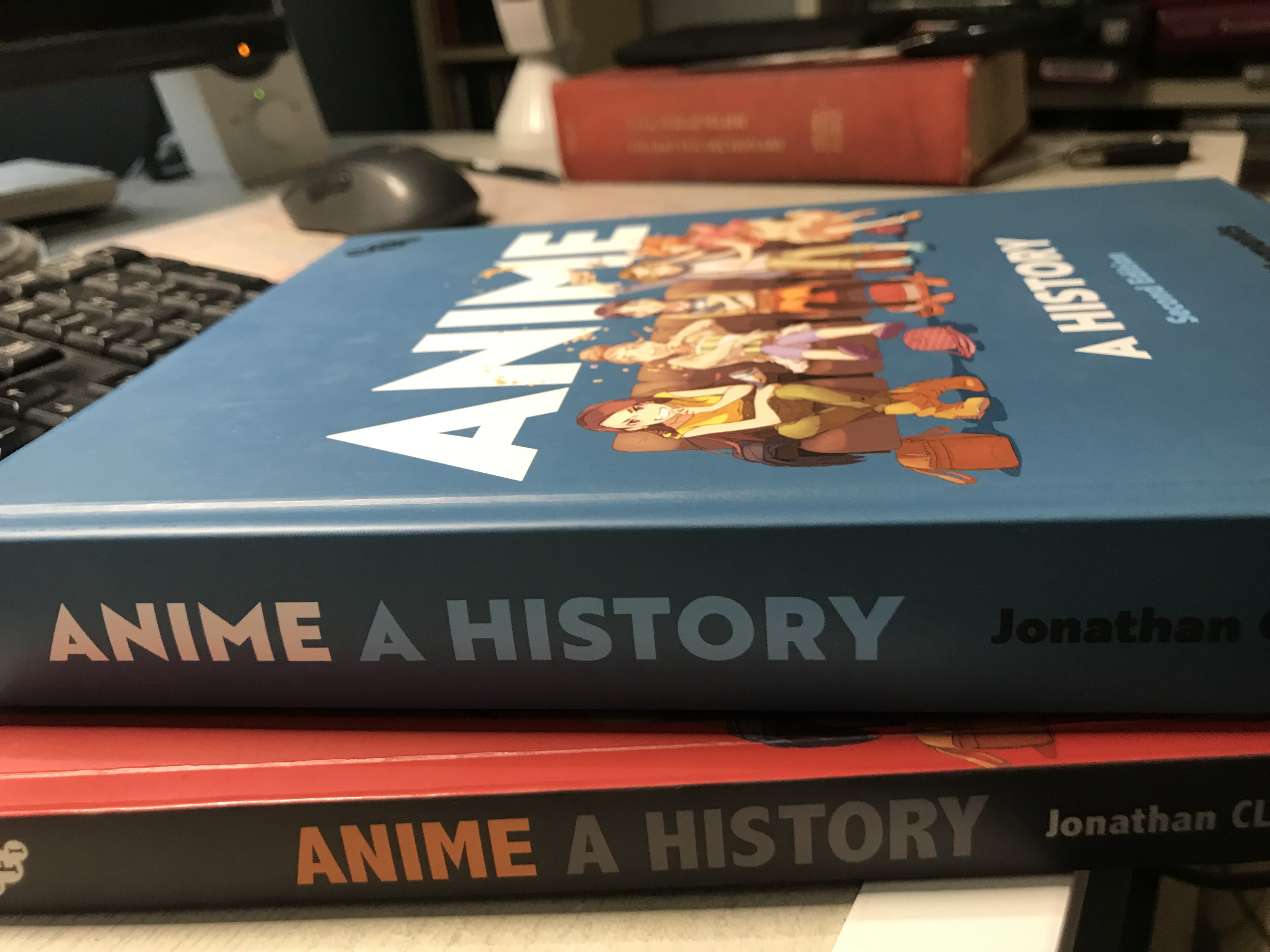
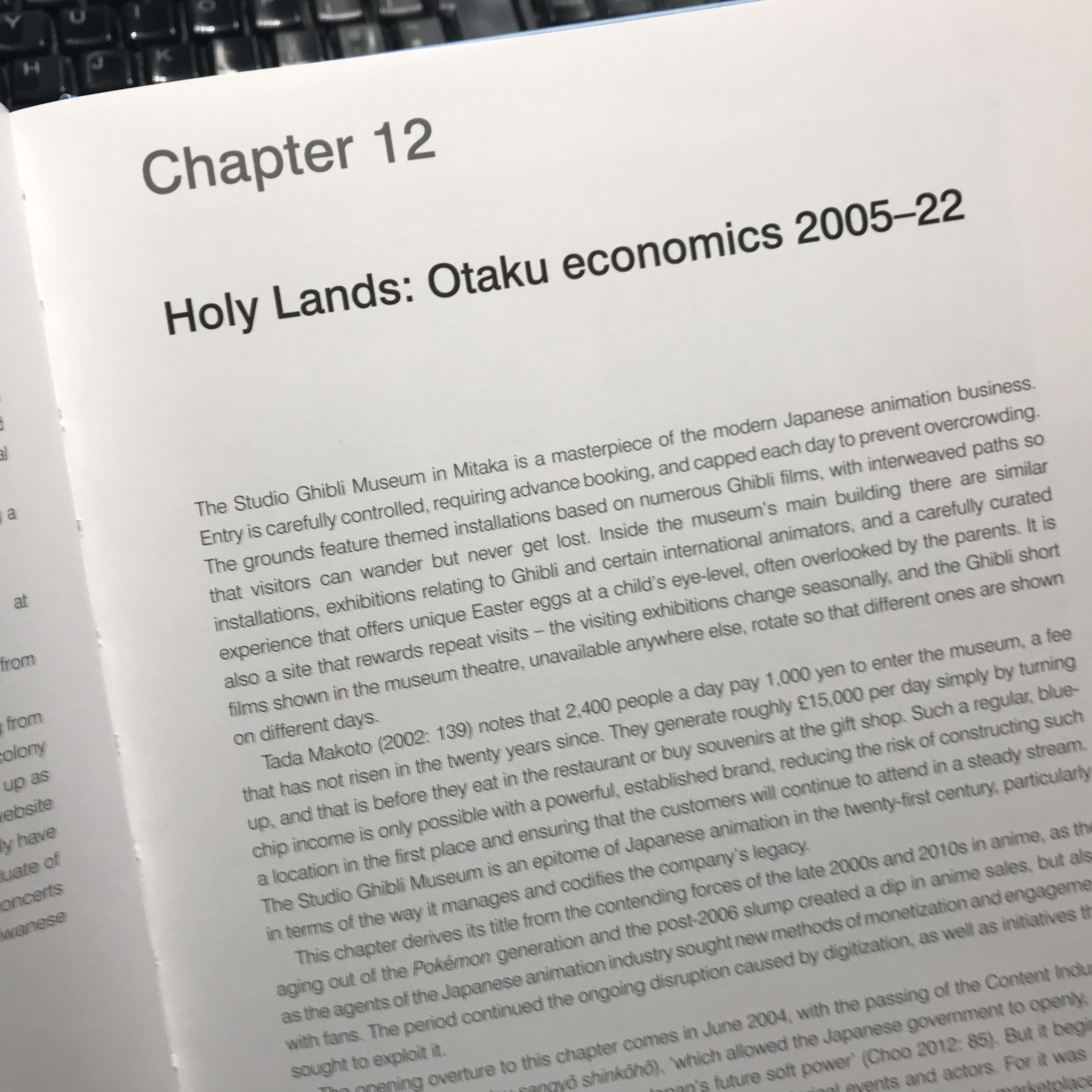
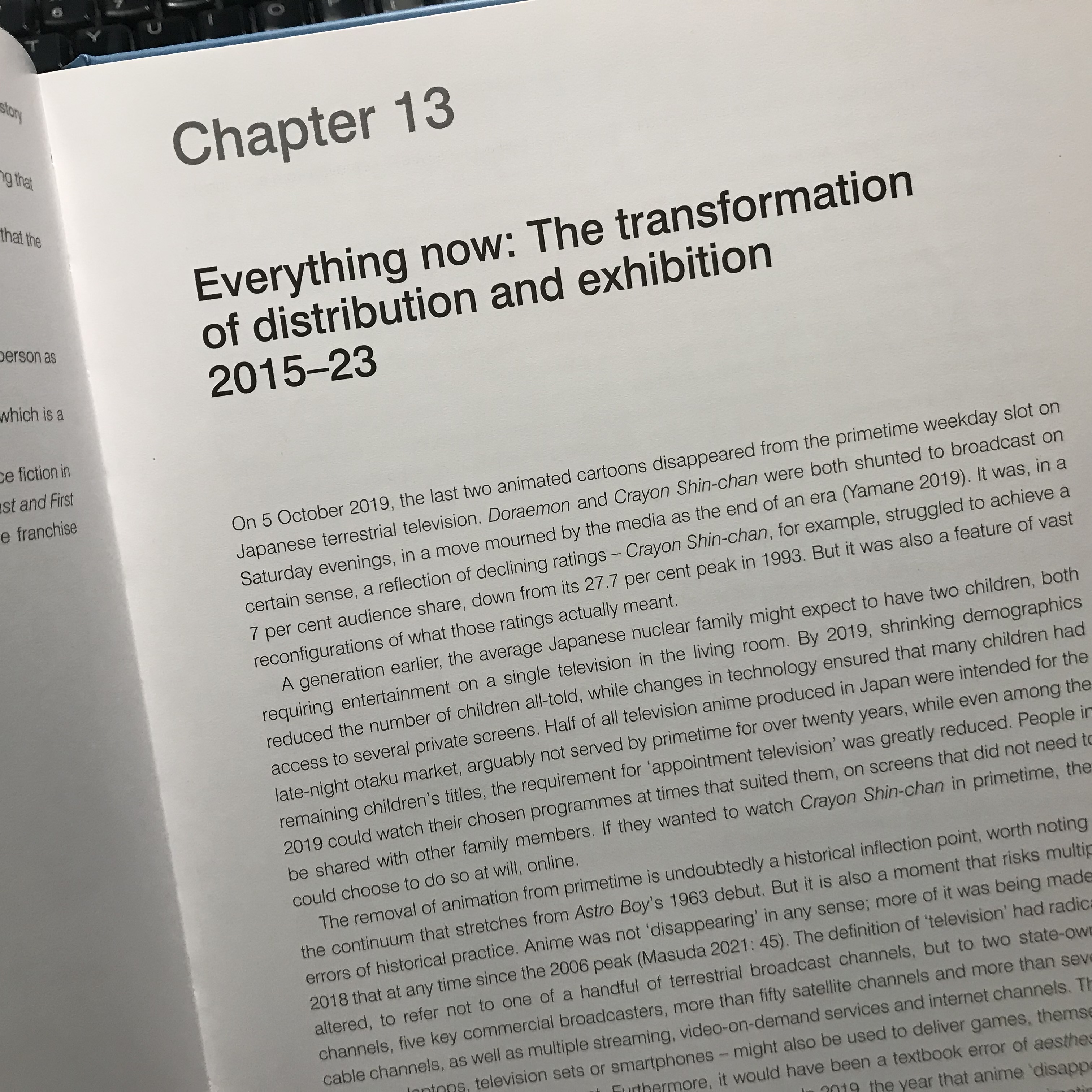
At 430+ pages, the 2023 edition is twice the size of its predecessor.
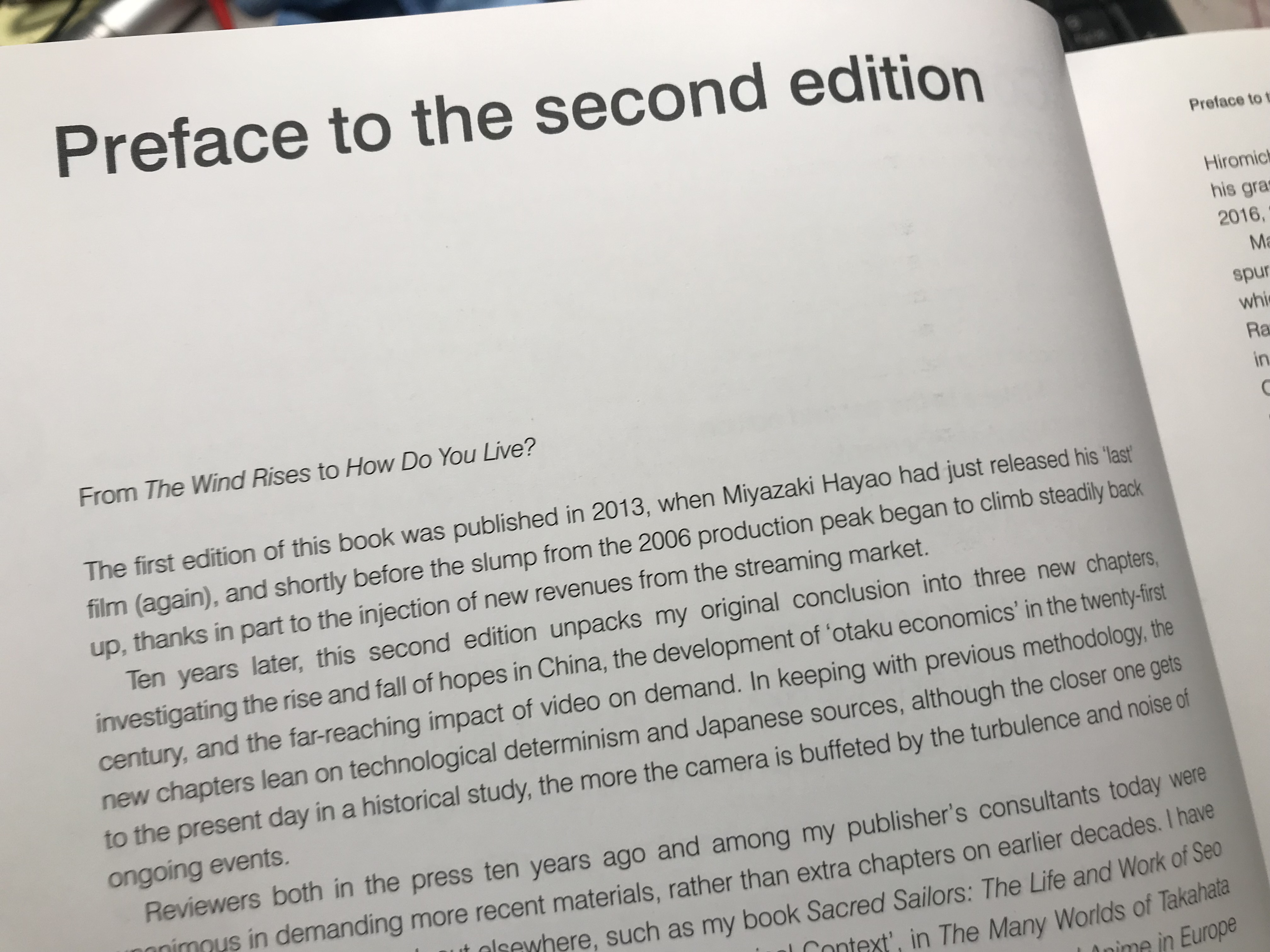
I fretted that everyone asked if they would prefer it to be in full-colour throughout just nodded and said that sounded nice, instead of considering what that would do to the price. But Bloomsbury assured me that they would keep the cover price down, and indeed they did.
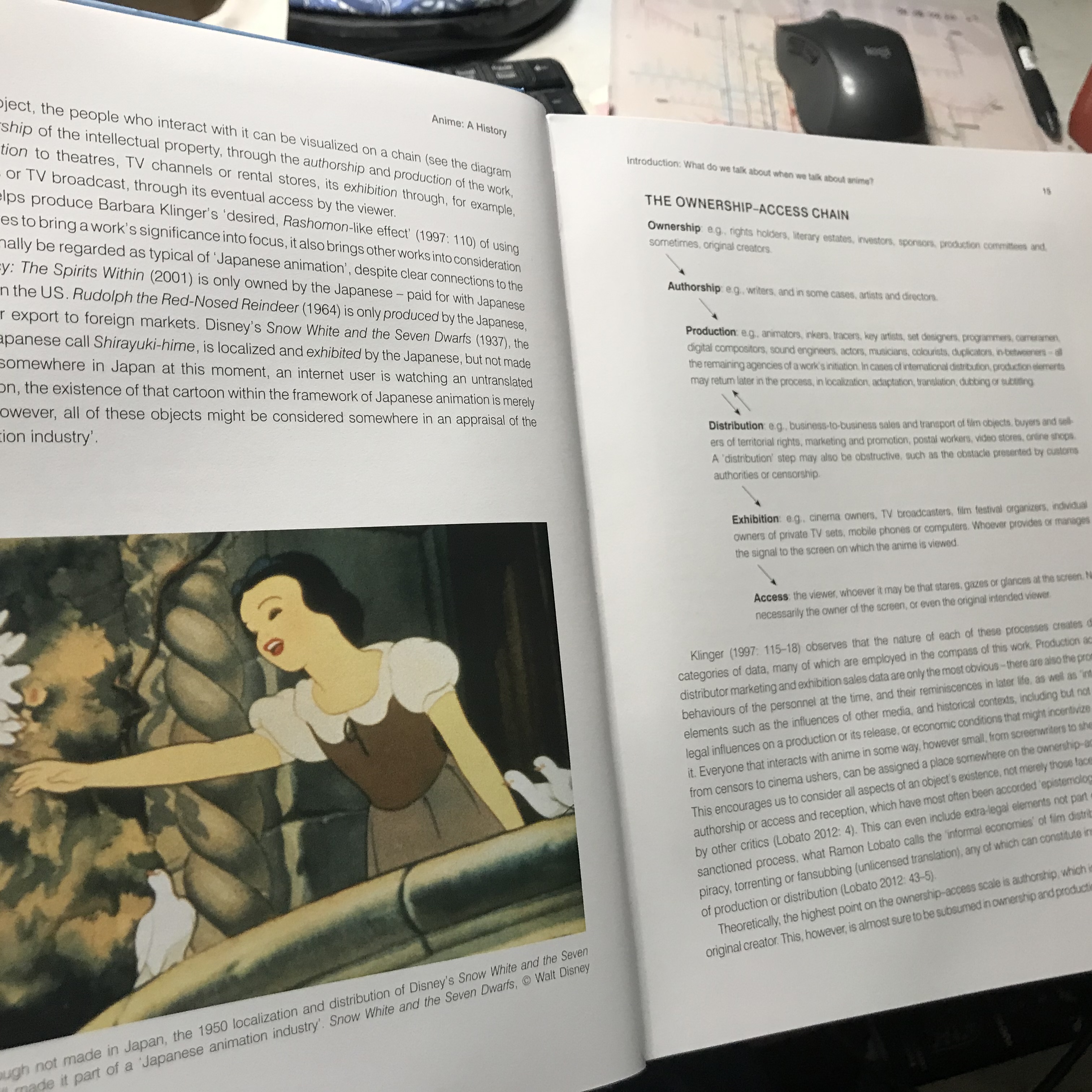
Here and there in the earlier chapters, there are little shunts and upgrades, such as the saga of Chappy the Space Squirrel, the Nagasaki Flag Incident, and Justin Sevakis on the horrors of digipaint.
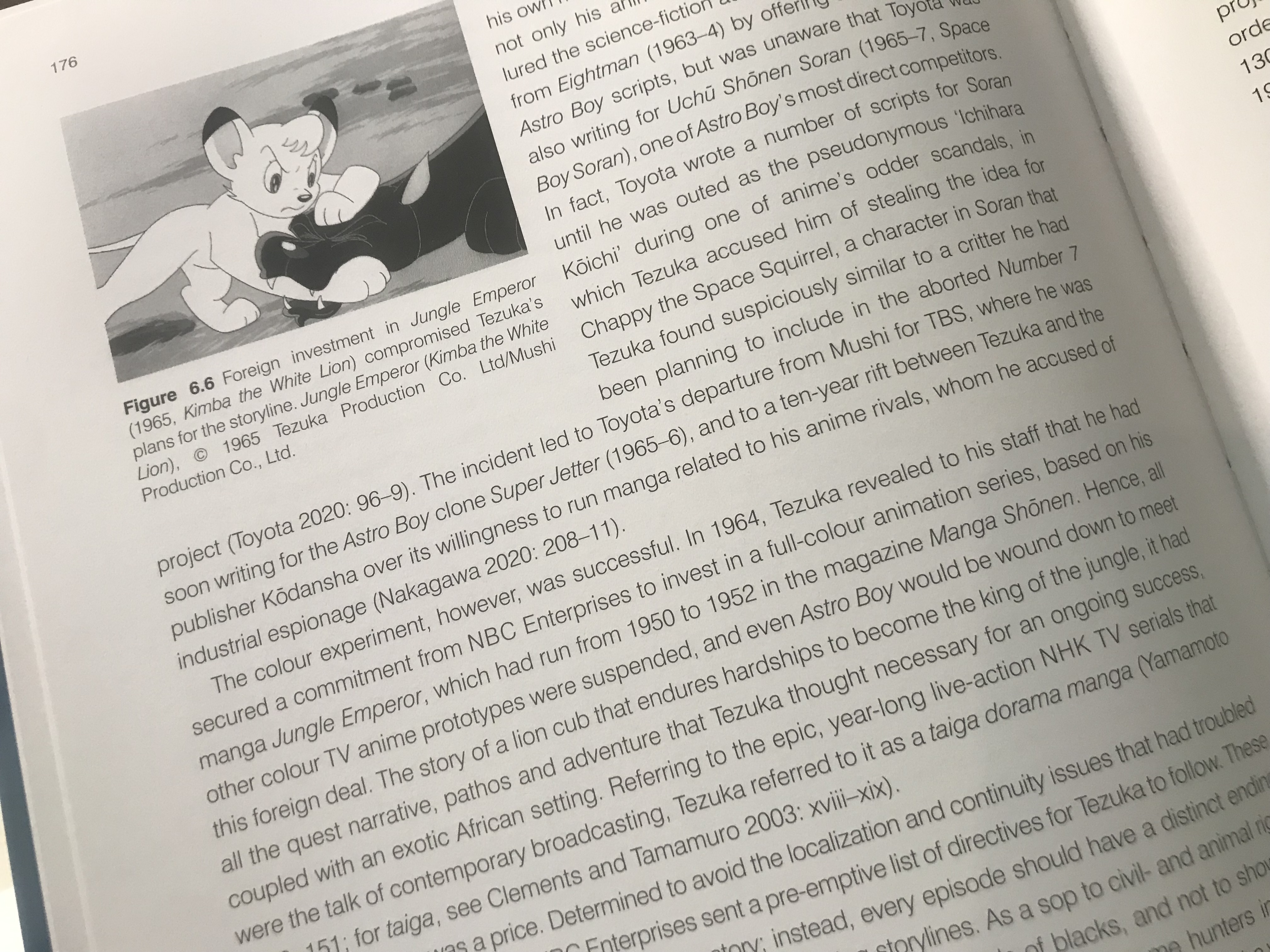
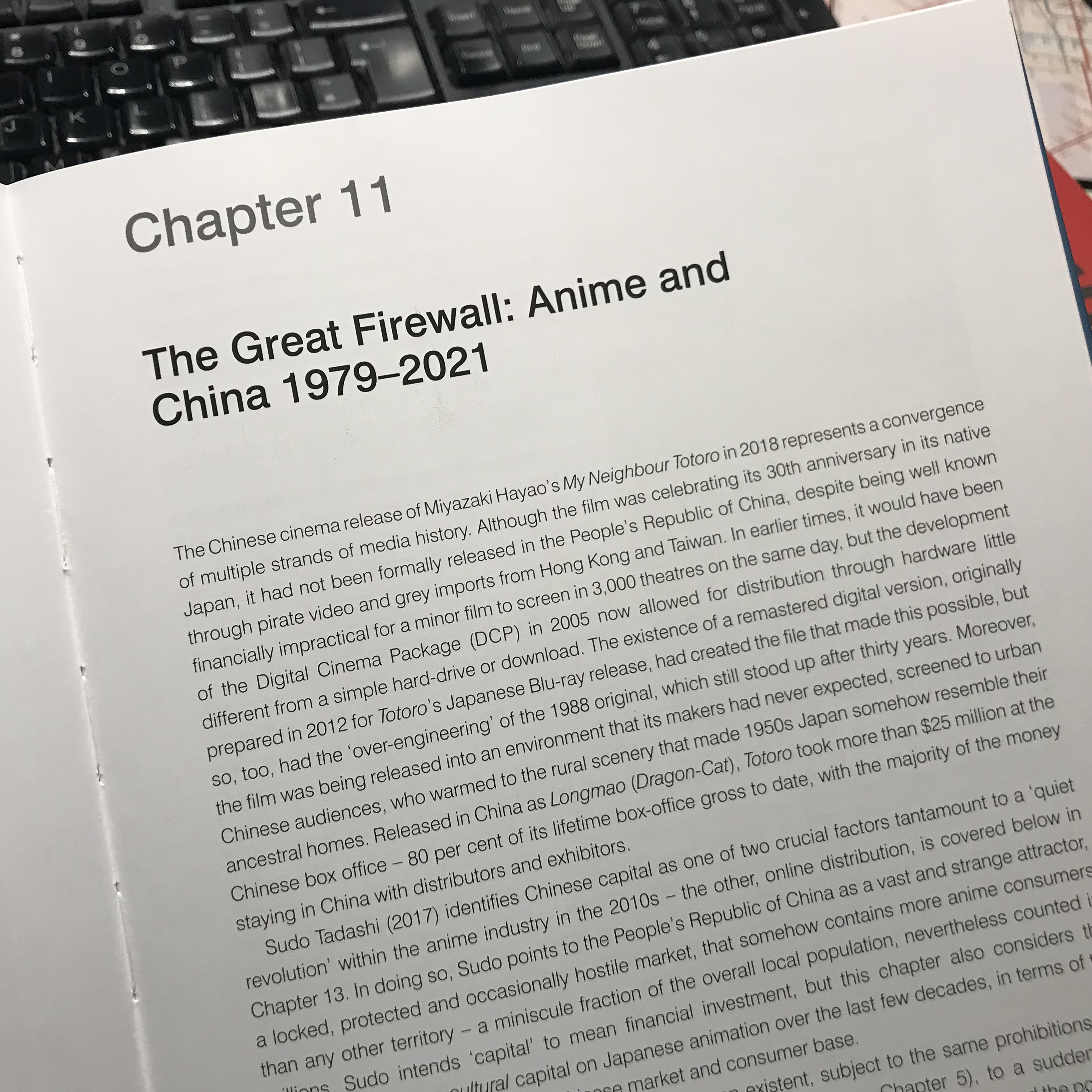
And then there are three new chapters, focussing on new developments in the anime industry.
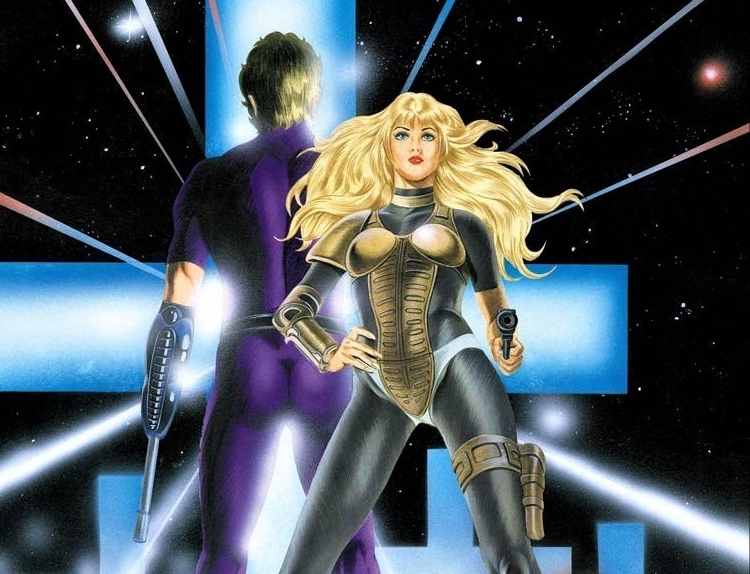
Buichi Terasawa (1955-2023)

“I remember cryptic asides at the occasional Manga Entertainment pub lunch, about ‘that guy with the money in the brown paper envelopes,’ an unnamed figure who somehow diddled Terasawa and several investors out of a fortune. Terasawa himself was crushed and dejected by the experience, having spent six months labouring over storyboards, and now with nothing to show for it.”

Over at All the Anime, I write an obituary for the manga artist Buichi Terasawa.

ANN Interview — Anime: A History

“One day, in the future, you or your cyborg descendant is going to walk into your home after a hard day doing space things and say: ‘I want to see The Seven Samurai, but I want them all to be badgers working for Nicole Kidman.’ And Siri will ask you: ‘Do you want to press the anime filter?'”

Over at the Anime News Network, Andrew Osmond interviews me about the last ten years in anime history.

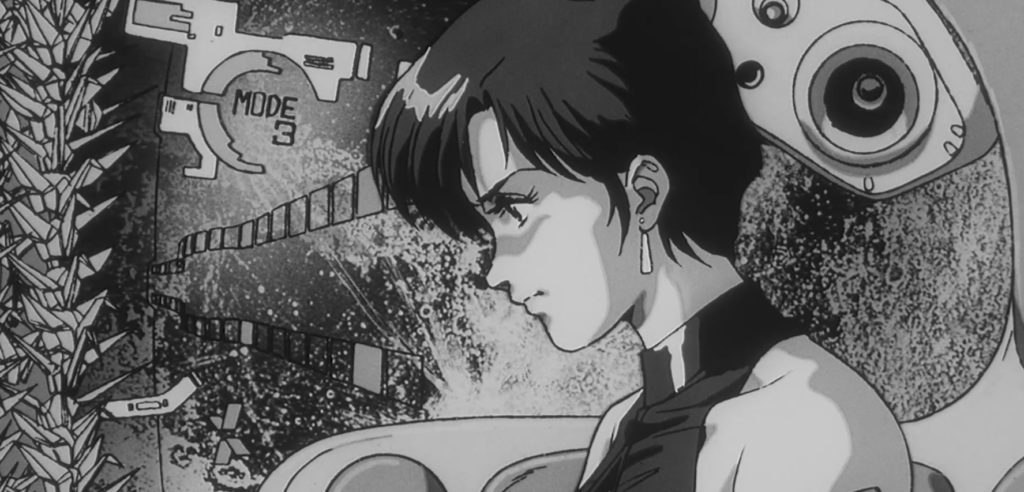
Gunbuster in Black and White

“I have counted through the images in this sequence, and there are no more than 50 of them. If you were running them through a camera as limited animation, in the style of Astro Boy, then they would take about six seconds, but here they have been judiciously stretched over almost a minute. And these are not cheap little sketches, they are beautifully detailed drawings, and the subject matter is exploding worlds, to the extent that they’re almost saying the human eye can’t really comprehend this, so we are going crude.”

Over at All the Anime, I write about just some of the Easter eggs in the final episode of Gunbuster.

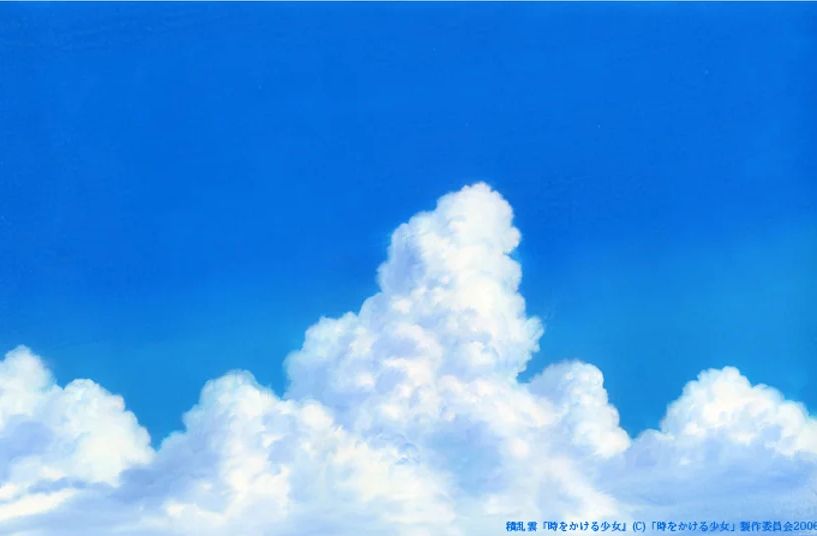
Nizo Yamamoto (1953-2023)

“If a background is really good, it’s taken for granted —viewers can ignore it and just immerse themselves in the world of the movie,” he said. “If it’s bad, they can’t help noticing it, and lose their concentration. When we remember the good times in our lives, we always remember the background as beautiful, even if we didn’t pay much attention to it at the time. That is the kind of realistic beauty that I want to depict.”

Over at All the Anime, my obituary for the scenic artist Nizo Yamamoto.

Strike A Pose

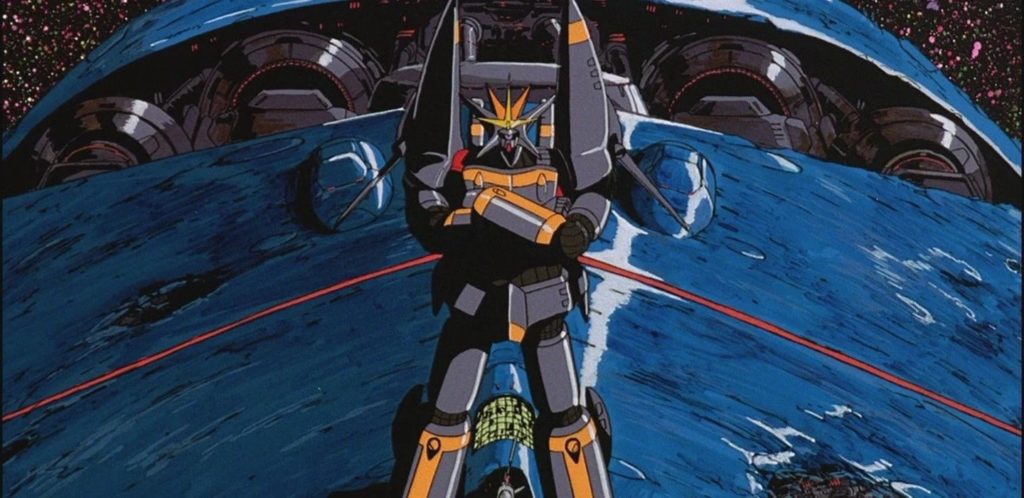
“Jonathan,” said Mamoru Hosoda, “I wonder if you have ever heard of an anime called Gunbuster? Because there’s this scene in Gunbuster where the mecha comes out and stands with its arms folded on the prow of the ship, and that’s such a fantastic moment in anime, and that’s what I was trying to evoke with Belle on the back of that whale.”

Over at All the Anime, I fold my arms and wait for the alien hordes.

The Music of Gunbuster

“The chorus of voices that sings ‘“’Gunbuster~~~!’”’ in the eycatch is actually a single man, overdubbed repeatedly to sound like a group of people. The voice is that of the composer, Kohei Tanaka, sneaking his way onto the audio as a bit of cost-cutting DIY.”

Over at All the Anime, I investigate Kohei Tanaka’s wonderful score for the Gunbuster series.