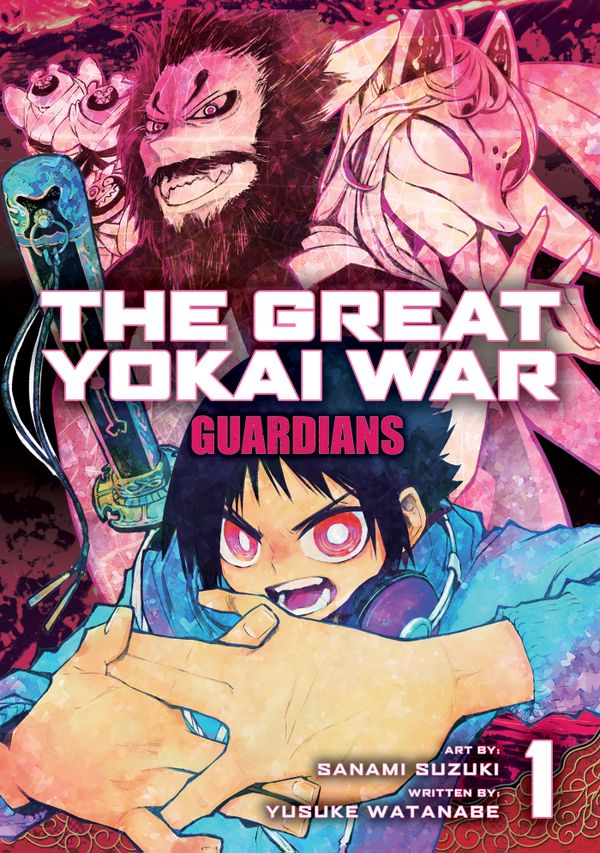
After a giant kaiju threaten to destroy Japan, the guardian spirits of the nation, known as ‘Yokai’ appear before the young boy Kei… They tell him he is the descendant of the legendary monster slayer Watanabe no Tsuna, and may be the only person who can stop the catastrophe. Great Yokai War Guardians is the epic manga adaptation of the hit movie!
Out today from Titan Manga, the first volume of Yusuke Watanabe and Sanami Suzuki’s manga based on the film, The Great Yokai War. The English script was translated by Motoko Tamamuro and I wrote a translator’s afterword in the hope of explaining some of the weirdness, but it was not included in the book, so here it is instead below:
A “night parade of one hundred demons” is a popular theme in Japanese folklore. There is a belief that supernatural beings march through the street at night and anyone who encounters them will perish if they do not have religious protection. Often, these beings are referred to as yokai, a name deriving ultimately from the first and last characters of the Chinese yao-mo-gui-guai (“phantoms-monsters-ghosts-apparitions”) – a catch-all title first used in the middle ages to refer to supernatural creatures.
There are two major schools of thoughts regarding the yokai. One is that they are all gods and those that have lost their respect and status have become regarded as demons. Another is that both yokai and gods have existed from the dawn of time, but that those that gain worshippers are upgraded as gods.
The centrepiece of the first volume of Sanami Suzuki’s manga Great Yokai War: Guardians is not a scene of apocalyptic urban destruction, but a grand conference of all the world’s apparitions, spirits and supernatural beings, playfully and punningly named with a combination of the terms yami (shadow) and summit – a Yammit. At this Shadow Council, we see a who’s-who of monsters, including a Gorgon, Dracula and Cyclops, familiar to Western readers.
But who is Backbeard? Is he some sort of piratic misprint? An eye in the middle of a dark circle, from which a bunch of tentacle-like limbs branch out, he is, in fact, a Japanese creation, first appearing in a 1965 manga by Yukihiko Kitagawa and Yoshio Okazaki. By 1966, he had been co-opted by Shigeru Mizuki’s Spooky Ooky Kitaro in Shonen Magazine, now introduced as the commander-in-chief of all American monsters. Often an adversary – he makes several attempts to invade Japan in the course of Mizuki’s stories – he appears here as a craven foreign dignitary, trying to make a swift buck on the back of Japan’s latest media obsession with the supernatural.
Backbeard in fact, was supposedly killed off in an early issue of the Kitaro manga, but kept returning because Mizuki found his unique appearance so compelling. He is immortalised today in one of the bronze plaques that decorate Mizuki’s home town of Sakaiminato, a permanent addition to Japan’s own mythology of monsters.
Shigeru Mizuki (1922-2015) is a crucial figure in the history of Japanese ghosts and monsters, not only cataloguing folktales from all around Japan, but inventing many of them himself. His works have become so ingrained in the Japanese psyche that one often has to go to his own publications, such as the magisterial Compendium of Japanese Yokai (1994) to work out which ones are his, and which ones belong to the nation.
It’s through the works of Mizuki that Japanese children often first encounter Nurarihyon, the old man who invites himself into your home and takes charge; Yuki-onna, the temptress who waits in the snows to entice passing travellers; the one-eyed, one-legged Ippon-datara that trample-hops onto people on one day of the year; or the zashiki-warashi urchins that haunt storage spaces. Here, we see them all banding together at a peace summit… sorry, yammit, in order to discuss a terrible tectonic event.
The silly humans think it’s just a natural disaster, but it’s really a mass haunting, of all the sea creatures who died during the forming of Japan millions of years ago. In the wake of the Tohoku earthquake of 2011, it is one of many media allusions to Japan’s modern traumas, leavened with a grand monster party, and a pre-teen hero who can save the day.
In an early scene, we see the young boys getting a fortune from a temple kiosk. Omikuji or fortune telling is common in Japanese temples and shrines. Worshippers draw a stick with a number on it and then open a drawer to find the paper with that number on it. In this manga, they draw a stick with the unlikely number 8 million (八百万). Traditionally the Japanese believe a god resides in everything and the expression ‘8 million gods’ means a myriad of various gods that exist in this world. What it signifies in this scene is that the protagonist ‘wins’ all the gods, but as far as he is concerned, all he is getting is the short end of the stick.
Grand Yokai War: Guardians ran in Shonen Ace magazine in December 2020, a few months ahead of the 2021 release of the film of the same name, itself a sequel to a 2005 movie that was based on a novel by Hiroshi Aramata, itself inspired by the multiple monster works of the 1960s. By this point, it is impossible to work out who came up with what, although the Daiei-Kadokawa conglomerate did its best by roping in as many creators as possible as producers. Sanami Suzuki’s manga retains the central motif of a young Japanese boy who discovers that he is the distant descendant of Watanabe no Tsuna (953-1025), the medieval samurai who wielded a sword with the ominous name Onikirimaru (the Demon Slayer).
The manga alludes to a popular legend that modern-day Watanabe family members do not take part in the Setsubun cleansing festival, in which each February Japanese households cast beans into the air to banish demons. Watanabes, it is said, have no fear of demons entering their houses, and need not bother, although tellingly, this story appears only to have arisen in the last few years. Could this, too, be a modern media myth, already sinking into the common ownership of Japanese folklore…?
“At the time of his death in 1993, Booth was already famous for having written one of the best-ever books about travelling in Japan, The Roads to Sata (1985)… With a degree of nerdish delight, I discovered that This Great Stage of Fools has an entire section of anime reviews, with Booth according the creators of the 1970s and 1980s a degree of respect that he refused to grant the purveyors of V-cinema.”
Over at All the Anime, I write up a posthumous collection of journalism by Alan Booth.
Here’s a stealthy bit of data that sneaked out recently – from the 20th June, Amazon announced an increase in printing prices for most of its print-on-demand books, offering authors the choice between upping their cover prices or taking the hit in their royalties. Amazon was reacting to ever-climbing prices of making books, as printworks shut down, logistics firms increase transport prices, and the cost of paper goes ever up.
It’s not just tomatoes and whatnot affected by covid constrictions and Ukrainian upsets. These increased costs are impacting everything that gets printed, and that includes DVD sleeves and collectors’ booklets. Particularly in the UK, where including an on-disc video extra like a commentary or Making-Of incurs punitive extra certification costs, collectors’ booklets have formed an important niche within bonus materials. That’s where you get the interview with the director; the storyboards; the Easter eggs. But I already hear whispers of companies cutting back on the size of their bonus booklets, or even giving up on them altogether.
Meanwhile, this year’s Annecy animation festival in France tried to make light of the absence of a print brochure. The Annecy brochure used to be a handy souvenir item, but this year it was taken online, supposedly for the convenience of punters, but actually to avoid paying 40% more for initiation costs.
Two of my most recent books were written under the radar, so to speak, given away as bonus extras as part of Blu-ray boxes. Some of you, I hope, were super-pleased to discover that your copy of Momotaro Sacred Sailors came with my 120-page book about its director – one of a tiny handful of full-length anime director biographies to be found in English. Others hopefully enjoyed the chance to read Future Boy Conan: Miyazaki’s Directorial Debut, a chunky 88-page monograph co-authored with NEO’s Andrew Osmond. Ironically, although such items were intended to add value to Blu-ray releases, they often went unmentioned (and unseen) by reviewers who stuck to describing the contents of the discs themselves.
Such scrimping worries me, of course, because I’m often paid to write the text that appears in these booklets. Hand-on-heart, some of my best writing in recent years has turned up in places like Arrow’s Shawscope box set, where punters might only encounter it when idly flipping through the extras. But if we’re on a slippery slope towards no extras, then we also risk a world where there’s nothing collectible at all to which a “collector’s edition” can be attached. In that case, all we have left is bare-bones releases, which itself is a drift towards no physical media at all.
Jonathan Clements is the author of Anime: A History. This article first appeared in NEO #233, 2023.
“He likens his writing on Brunton to kintsugi – that Japanese art of taking broken pottery and repairing it with flashes of alluring gold.”
Over at All the Anime, I write up Iain Maloney’s The Japan Lights, in which he travels in the footsteps of the Scot who built two dozen lighthouses in Meiji-era Japan.
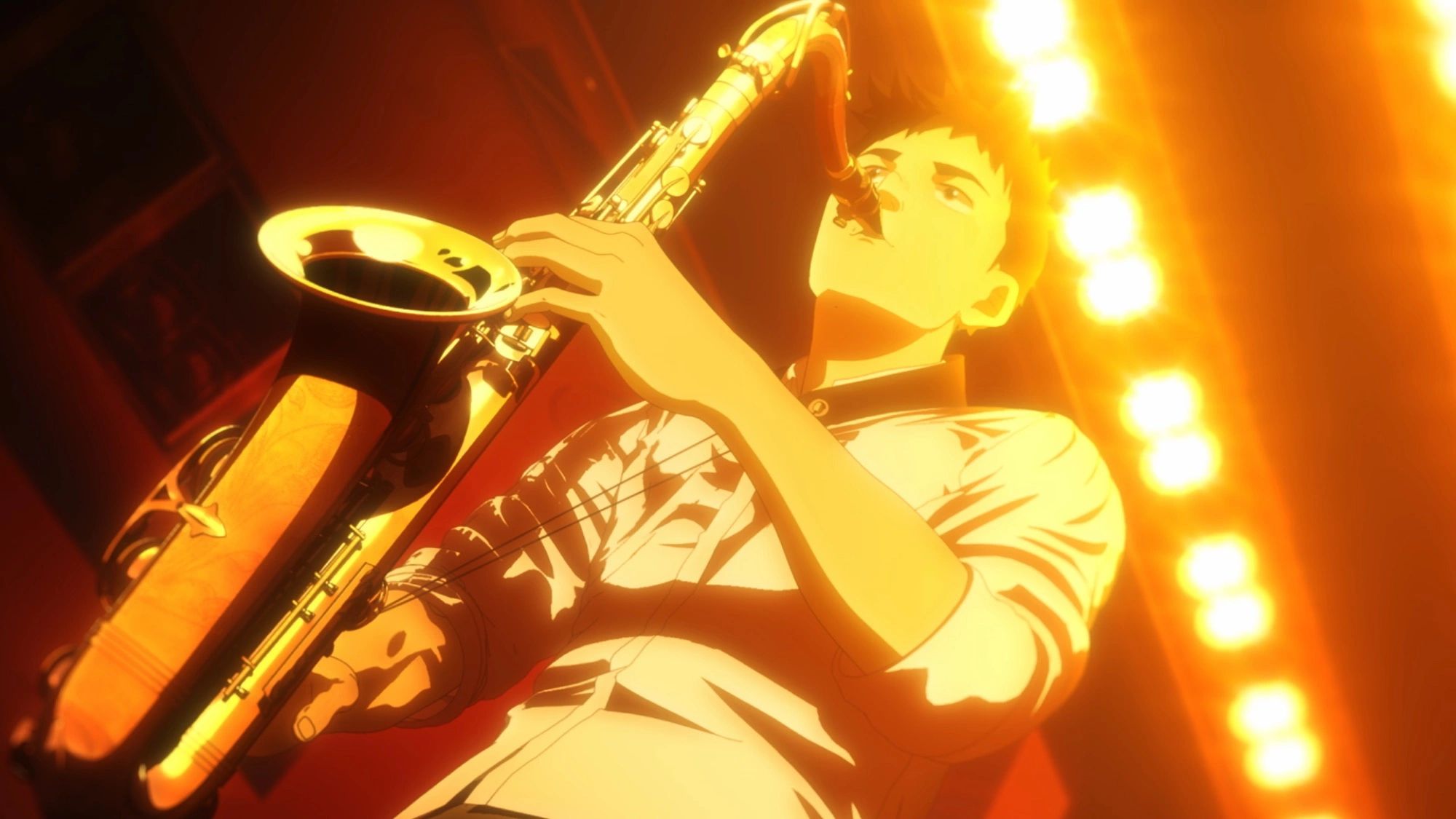
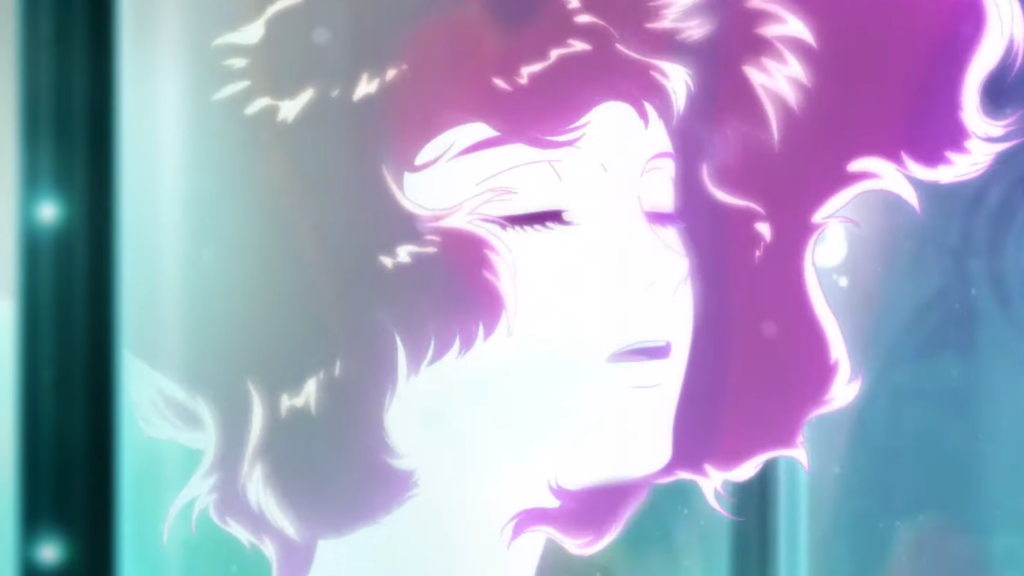
And in my final duty as jury chairman this year I’m appearing on the Scotland Loves Anime podcast to discuss the films in competition with three of the jury members. The jury picked Yoshimi Itazu’s enchanting The Concierge for the Golden Partridge Award, but we now know, after the close of voting last night, that the audiences in Glasgow and Edinburgh instead preferred Yuzuru Tachikawa’s jazz odyssey Blue Giant.
“Tezuka had been absolutely crystal clear about his opposition to seeing the story animated. In championing the production, Rintaro was less tipping his hat to Tezuka than flipping him the finger.”
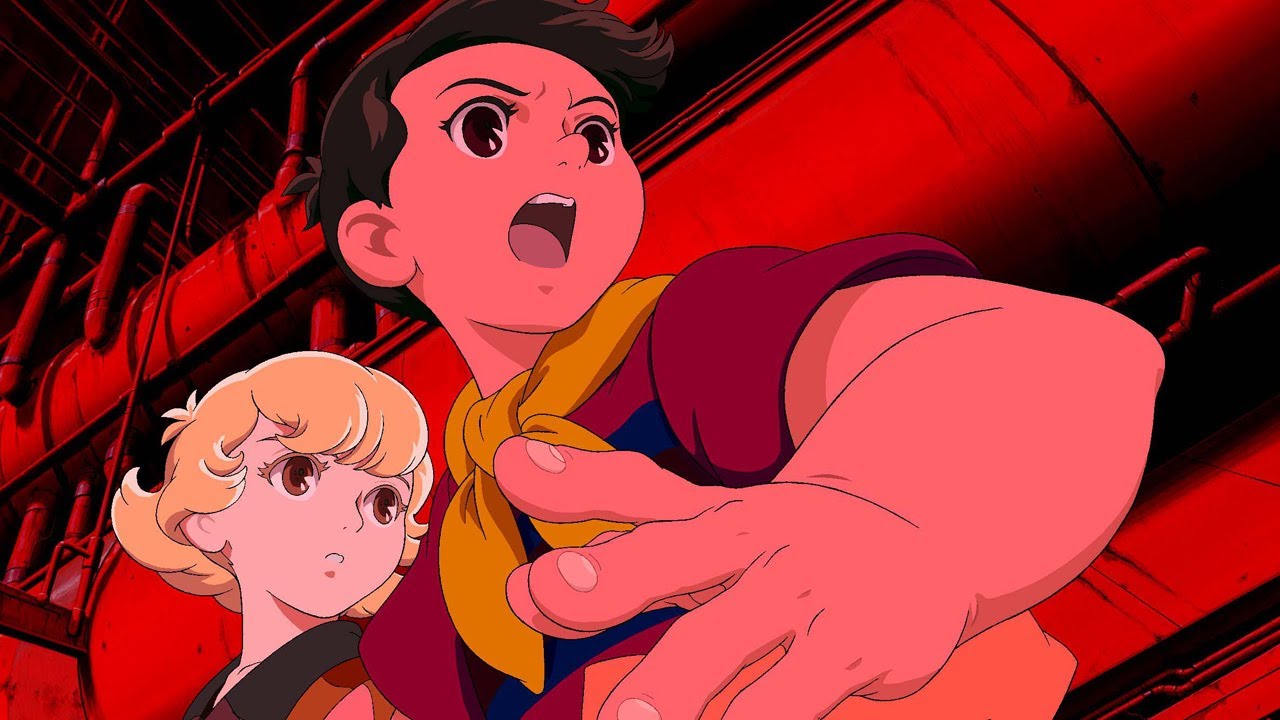
Over at All the Anime, I delve into the behind-the-scenes politics of “Osamu Tezuka’s” Metropolis, screening next month at Scotland Loves Anime.
“Anime: A History remains an essential text for anyone searching for a deeper understanding of why anime is the way it is, historically and commercially, and the latest edition does far more than simply updating the material; the changes constitute multiple novel areas of study. “
First review up online of my 2nd edition Anime: A History, from Zoe Crombie at Lancaster University.
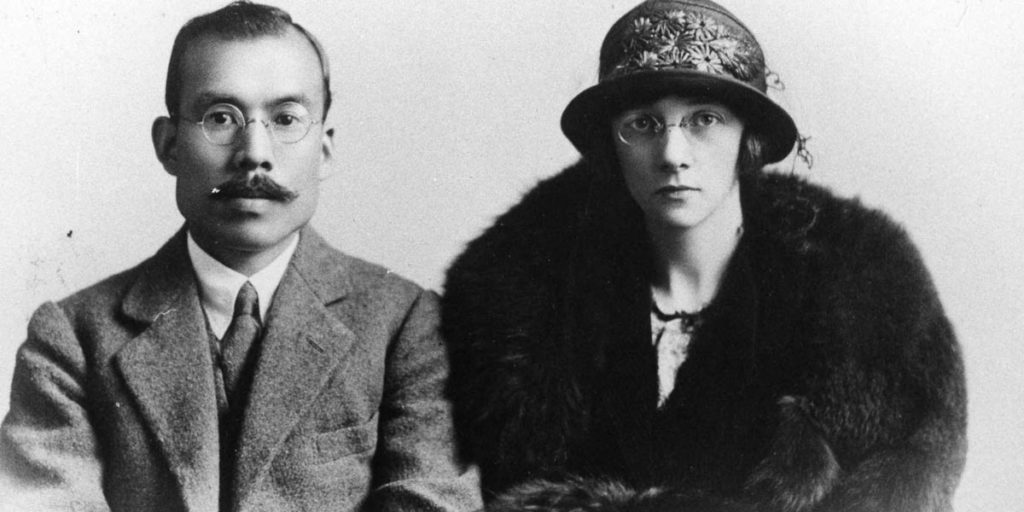
“Masataka Taketsuru… ended up in late 1918 at the University of Glasgow, where he studied organic chemistry under Thomas Stewart Patterson, before seeking work experience at distilleries in Campbeltown, Strathspey and Bo’ness. He also fell in love with Jessie “Rita” Cowan, a doctor’s daughter from Kirkintilloch, who he met after she asked him to teach her younger brother judo. The couple were married in 1920, shortly before they left for Japan, where Rita had promised to help her new husband make ‘real whisky.'”
Over All the Anime, I investigate Japan’s relationship with whisky, in relation to the new anime film Komada: A Whisky Family, showing at Scotland Loves Anime in November.
“Although the manga creator Osamu Tezuka is best remembered for Astro Boy, and is celebrated at this festival for his early Metropolis, his true life’s work was the sprawling and unfinished Phoenix saga.”
Over at All the Anime, I discuss the latest movie version of Tezuka’s Phoenix.
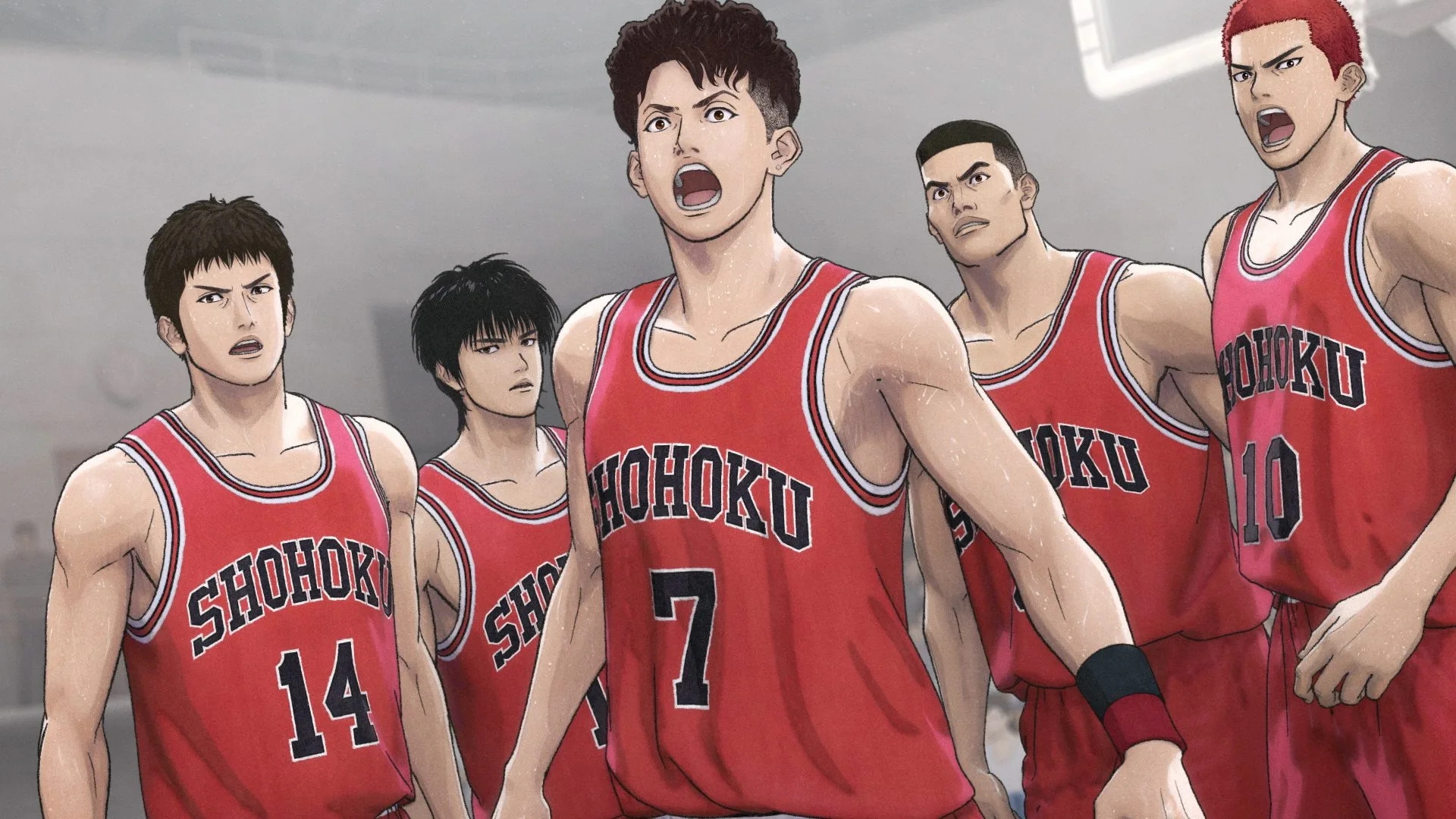
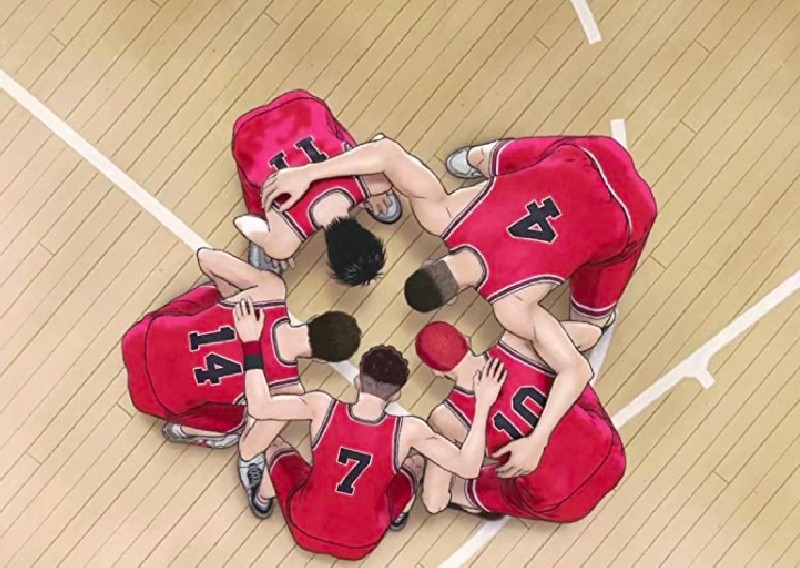
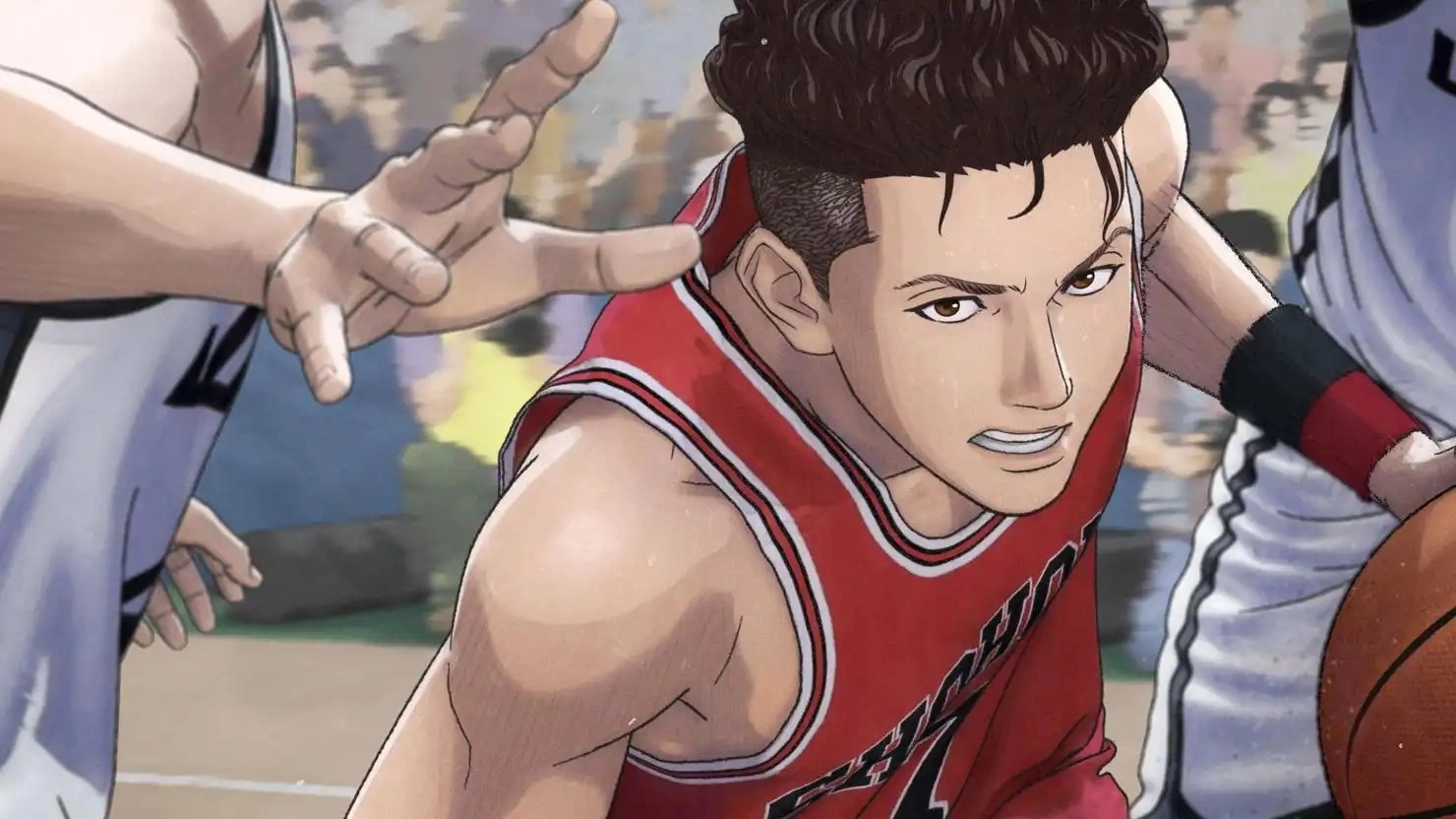
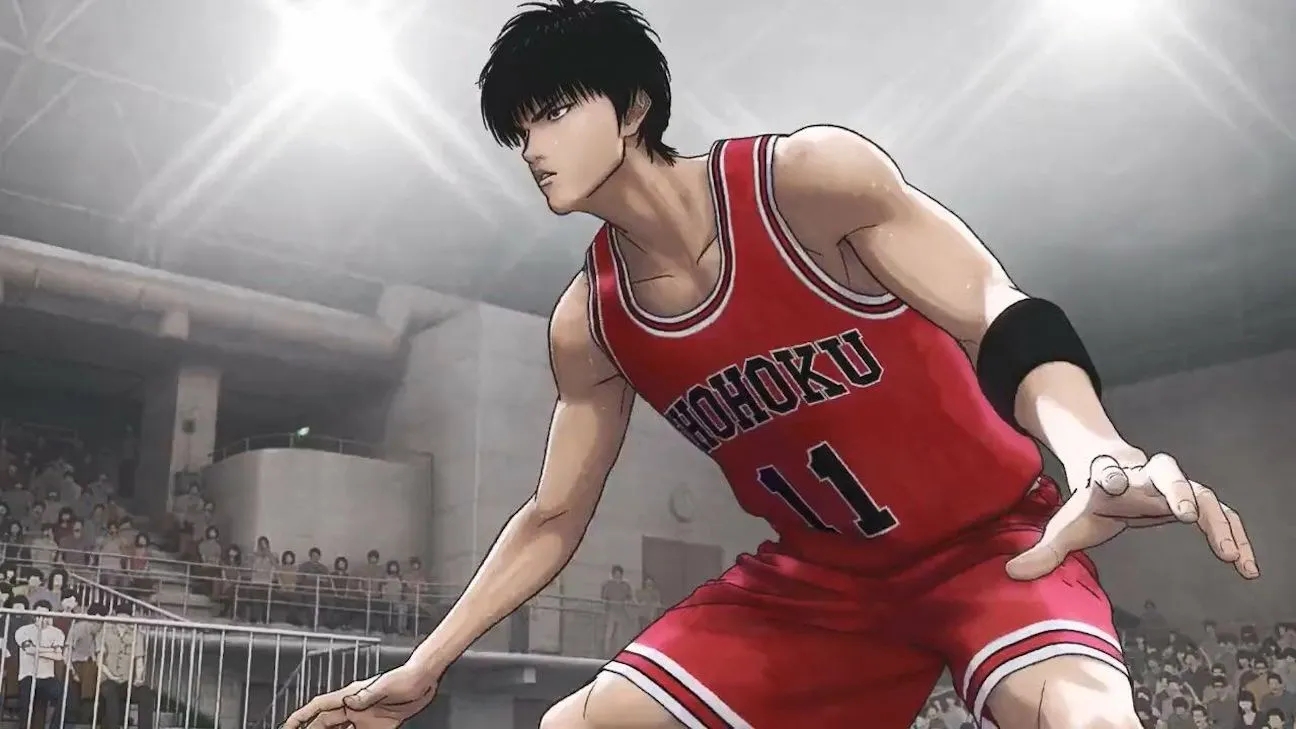
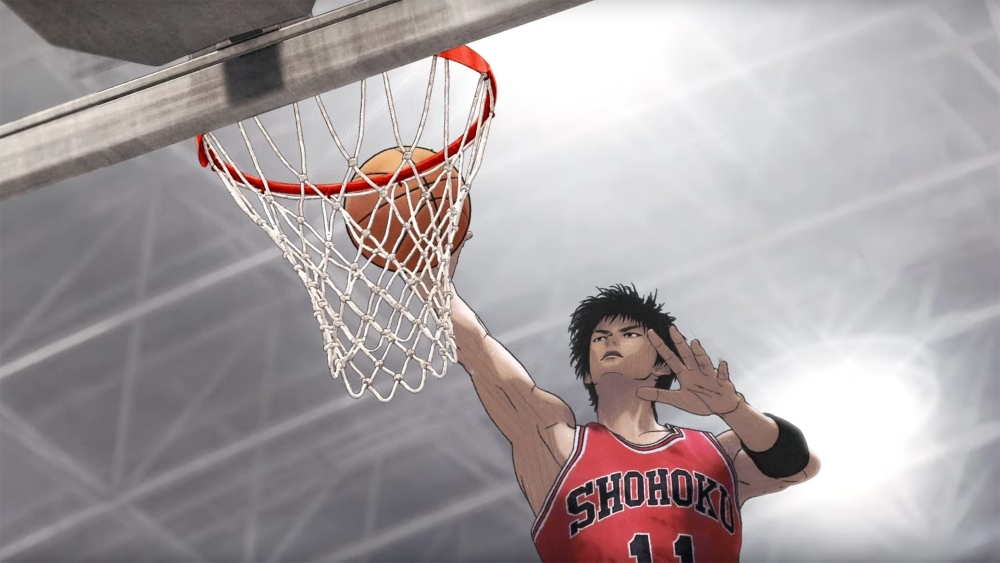
It’s the moment of truth for the under-dog basketball team from Shonan North High School – a stand-off against the highest rated school team in Japan, the fearsome Sannoh Industrial. The most visible Shonan players are the seniors (soon due to graduate), and the red-haired wild-man Hanamichi Sakuragi, but instead we are drawn into the backstory of the team’s “speedster”, the short-statured point guard Ryota Miyagi. How did he get here…?
By May 2023, The First Slam Dunk had been playing in Japanese cinemas for half a year. In that time, it had steadily climbed into the top ten all-time anime at the Japanese box office, just a shade behind Makoto Shinkai’s Weathering with You, but gaining on it fast. It was a triumphant return to the media for a much-loved sports franchise, one of the tent-pole manga titles of the 1990s, and a 101-episode anime series. But as its name implies, The First Slam Dunk was no tardy cash-in on an old show, but a deft reimagining of the same material, a film designed to be accessible to newcomers, without alienating the fans.
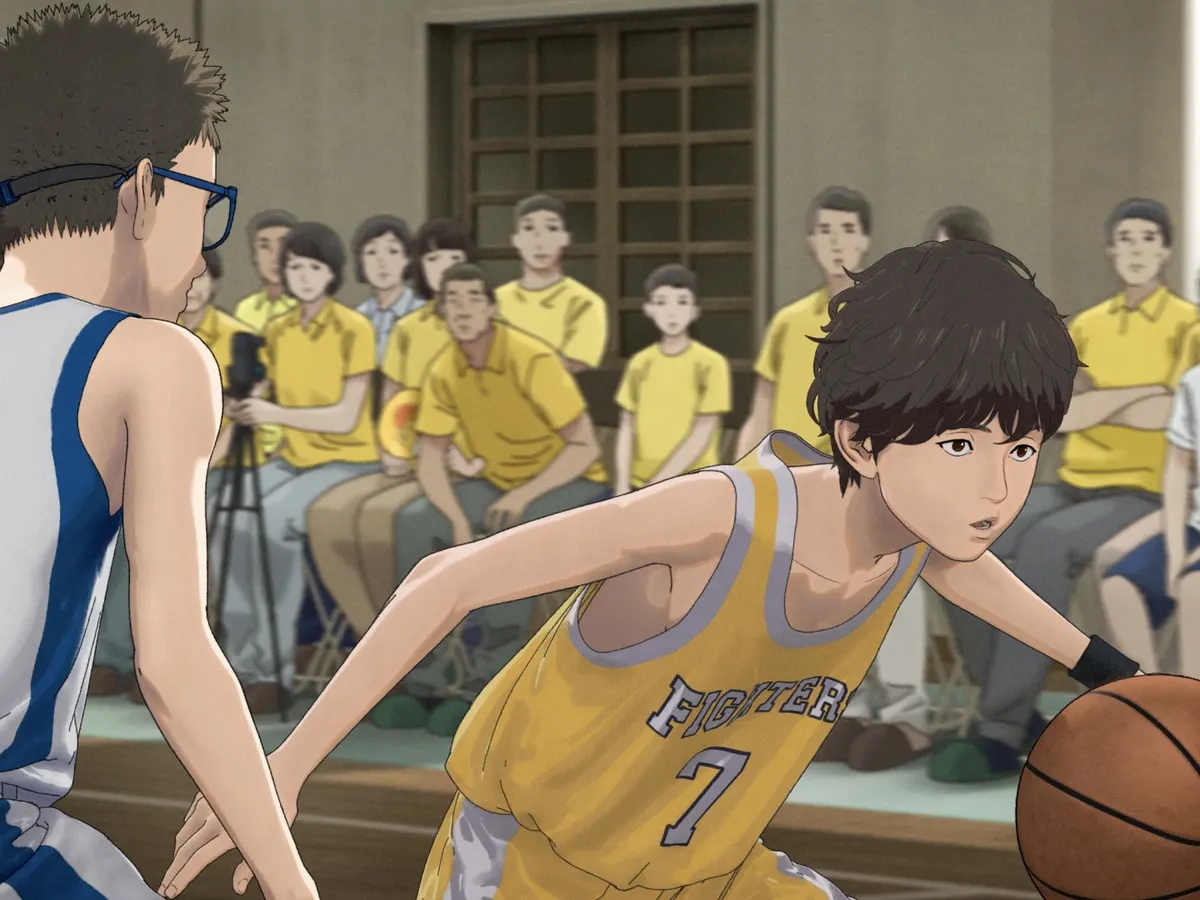
The opening shot of the movie immediately wrong-foots old-time fans by swooping down on a coastal town that isn’t the basketball players’ Kanagawa seafront. Instead, we find ourselves at a distant port in Okinawa, home to Ryota, the boy who is fated to grow up to be the team’s point guard. A supporting cast member in the original manga and anime, Ryota is upgraded to central status, announcing to fans that this is the story they already know, but not as they know it – the tale of how a small-town kid from Japan’s southernmost islands ended up in a Kanagawa high-school team, scrabbling against the nation’s best. A lesser anime might have started with Ryota as the clichéd transfer student, but although he does indeed become the new kid in town, the film takes 23 minutes to get him there. Long-time fans already know who he is. By the time he arrives in Shonan North (“Shohoku”) to join the high-school team, even complete newcomers do, too.
For a story that places so much value on stances and angles, there are plenty of wonderful touches off the court, starting with Ryota’s bereaved mother in the pre-credits sequence, slumped in silent grief in front of the family altar, not kneeling in the traditional poise. The glowing sunsets remain, but Shonan is an unforgiving concrete jungle for the island boy, berated by his high-rise neighbours for playing with a ball in the street.
SCORE BIG
This is and isn’t the Slam Dunk story. The original manga in Shonen Jump magazine in the 1990s concentrated on the rapid rise of Hanamichi Sakuragi, the hulking beanpole with the dyed-red hair, who only joined the team in the first place to impress a girl, but slowly developed a greater love for the sport itself. Sakuragi is still there, still bullying Coach Anzai, still fluking his way into the “genius” shots that made his fame on the school court, but he is very much a supporting character now for Ryota’s story – Ryota’s struggles with bullying and ostracism; Ryota’s adoration for Ayako the team manager, and the way he finds a place for himself as the smallest but fastest member of a team of giants.
But Slam Dunk was also a manga that evolved over six years, along with its young artist Takehiko Inoue, starting off with one foot still in the recently-ended 1980s, with high-school beefs and sudden shifts into cartoonish comedy. The First Slam Dunk is a far more solemn retelling, focussing on the artists’ style in the later issues of the story, as he came to concentrate increasingly on the serious drama of the basketball court.
The former captain of his high-school basketball team, Inoue dropped out of college when he got a chance to become a manga artist. He started out as an assistant to Tsukasa Hojo on the 1980s classic Cityhunter, quitting when he was offered a serial contract for Chameleon Jail, drawing the artwork for Kazuhiko Watanabe’s script about high-level trouble-shooters in espionage and law enforcement. That, however, was cancelled after just twelve weeks, causing the deflated Inoue to put his all into a grand idea for Shonen Jump: a story about a bad boy who is reformed by his love of basketball.
Many of the tropes and traditions of sporting manga were established before Inoue was even born, in the game-changing Star of The Giants, which also ran in Shonen Jump magazine. Focussing on the drama on and off the pitch of a high-school baseball team, the manga was outrun by its own anime adaptation, causing screenwriters of the 1968-71 cartoon series to come up with ever-more innovative means of stretching out the action to play for time. One legendary episode was devoted to the throwing of a single ball, its first half tracking the progress of the ball from pitcher to batter, its second half following the ball from bat to fielder to base. Meanwhile, the action was leavened with slow motion and freeze-frames, cutaways and flashbacks. Five decades on, The First Slam Dunk riffs on many of Star of the Giants’ most successful tricks, including a career-threatening injury and a high-stakes match, but conspicuously luxuriates in the ability of 3D computer graphics not to deform reality, but to capture it. The imaginary camera whirls around the players as they duel, while Inoue’s script delves into the past of Ryota – the double bereavement that dominates his childhood, even as the ghost of his elder brother seems to haunt a school basketball match.
HUSTLE TO THE TOP
Inoue drew the Slam Dunk manga throughout his mid-to-late twenties, bringing it to an end on a high note in 1996. “Ending the story in the way I did was what I’d planned,” he said in an interview in the Slam Dunk ‘making of’ book, “That much is true. But for various reasons, as far as the readers were concerned, that final episode just came out of the blue, without any warning, with a final page that just said ‘End of Part One’. So, naturally they were, like: ‘we want to know what happens next’ and ‘there’s going to be more, right?’”
In 2004, feeling that, in some way, he’d let his readers down, Inoue staged a public event when the manga reached total sales of 100 million volumes. He published a celebratory announcement in six national newspapers, and drew the epilogue Slam Dunk: Ten Days After, not on paper, but on the blackboards of Kanagawa’s Misaki High School. “At the Misaki High event,” he remembered, “I was standing back, watching as the readers came up close to the manga I’d drawn in chalk. Seeing their enthusiasm, I felt once more what a huge presence they were within me.”
Inoue also set up a Slam Dunk fund – a basketball scholarship that would send a Japanese player to an American college for a year to learn English while preparing for the professional try-outs. To hear Inoue talk in interviews about America, where he lived for a while spending his Slam Dunk royalties, it could sound like an alien world – something he allegorised in his online comic Buzzer Beater, about an Earthling team that competes on a galactic level with opponents from other planets. In the Slam Dunk heyday, Inoue also worked on the two-part manga Hang Time, based on Bob Green’s The Michael Jordan Story.
Repeatedly in the years since the Slam Dunk manga and its anime adaptation came to an end, Inoue was approached about resurrecting the franchise, but refused. Instead, he threw himself into two acclaimed follow-ups. The first, Vagabond, was as far from Slam Dunk as he could get, a manga retelling of the life of the samurai Miyamoto Musashi. He sneaked back into the basketball world with Real, serialised in Young Jump, a magazine for older readers, to which many of the teens who read Slam Dunk had migrated. Its story, of a wheelchair-bound athlete determined to play basketball from his chair, might well have been inspired by events in Slam Dunk, but was an altogether different tale.
GO HARD OR GO HOME
Toshiyuki Matsui, the producer who would eventually scoop up the Grand Prize at the Fujimoto Awards for The First Slam Dunk, first approached Inoue in 2003, with a proposal to continue his storyline in movie form. “I was not up for it at the beginning,” confessed Inoue. “I didn’t think it would be possible. More than anything else, I didn’t think it would be possible to convey the reality of a basketball game.”
It took six years for Inoue to concede he might be interested in hearing more, leading Matsui to start assembling test footage to deal with the elephant in the room – how to properly evoke in animation the bustle and darting of basketball. Unsurprisingly, the timeline of Slam Dunk’s movie development is tied directly to technology, as increasing computer power and falling computer costs made digital animation a more attractive proposition. By 2014, with the dogged Matsui’s third set of pilot footage, Inoue saw something he had not seen before.
“The pilot version included draft shots,” he said. “Among them was the face of Hanamichi, who stared out of the screen, just the way I drew him in the final chapter [of the manga]. The moment I saw it, I felt the power of the drawing… I wouldn’t forgive myself if I didn’t get involved.”
The First Slam Dunk was simply impossible to make with the animation tools of 2003. Today, it is state-of-the-art. We also get to see the full effect of two decades of ever-improving CG backgrounds – luscious sub-tropical beaches lapped by waves; schoolyards in the sunset and anime’s ever-present surfeit of hyper-real skies, here dotted with scudding and drifting clouds.
It is also very much an auteurist work, with the original creator onboard not only as the screenwriter, but as the director. Inoue’s agreement to return to Slam Dunk is also tied to his own sense of time passing – he has lived a whole life again since he was the 23-year-old artist who started work on Slam Dunk in 1990, and as shown in his work on Real, was now more interested in sporting terms in how players pushed through pain and adversity. There was, he thought, a new angle on the old story, but how to tell it.
“Looking back on my artwork, I was simply running uphill because I was so young back then. My focus was just on pushing ever forward, with a simple set of values like winning versus losing. It meant that I’d missed other viewpoints within the work. I realised there were many areas where the light had not been shone, and I strongly felt that those were what I wanted to show now. [The original manga] came out when I had yet to experience adversity. This time, I wanted the weak and the hurt to come through, in spite of their experience. They move on by overcoming their pain. I decided that would be the theme of this film.”
LEAVE IT ALL ON THE COURT
Inoue chose to spare Slam Dunk fans the misery of a straight reboot or a chapter-by-chapter retelling. Instead, he zeroed in on a story that would be familiar enough to old-time fans to entertain them, but could also lure in new audiences with no experience of the anime or manga. He drew on a pre-existing manga story, the 1998 one-off “Pierce”, in which he had experimented with telling Ryota’s story as if he were the protagonist.
Ryota had originally been inspired by a 1980s media storm, when teenagers from Okinawa’s Hentona High School made it to third place in the national inter-school championships, despite their relatively short stature. Inoue resolved to include a short Okinawan player on his team, but Ryota Miyagi had always been literally dwarfed by his team-mates. Now, Inoue placed him front and centre.
“I combined a single basketball match with his 17 years of life. I would use an already depicted match, so in the draft I put together Ryota’s life drama from his birth to that point.” Provocatively, as if resetting everybody’s expectations back to zero, he called it The First Slam Dunk, but focussed on the storyline that closed the original manga – the Shohoku team’s showdown with Sannoh, the best school team in Japan.
And you thought a basketball match only lasted for 40 minutes! The Shohoku team’s match against Sannoh, from their nervous previewing of match tapes, through the nerve-wracking four quarters and time-outs, to the final buzzer, originally took over a year to play out in the pages of Weekly Shonen Jump – a full quarter of the total page-count. For its animated incarnation, as the Sannoh and Shohoku teams charge around the court in the film’s opening reel, the viewer entertains the prospect that we might really be watching an entire animated basketball match in real time. But already Inoue is compressing and finessing, dropping out of the action to comments (and Easter eggs) from the courtside crowd, as well as back in time to explain how one player in particular got where he is today.
The movement on screen is seamlessly motion-captured, crunching huge numbers of data-points to create a dozen figures jostling for control of the ball. It’s almost as if writer-director Inoue seems obliged to remind the viewer that this is all based on drawn artwork, with an opening sequence that celebrates the materiality of its creation by drawing each main character in turn, in pencil, before they are made to move. On the court, Inoue gleefully switches between the realist and “dragonfly-eye” filming modes, sometimes placing his camera in impossible locations, sometimes getting so close to the action that the lens is shunted aside by one of the players. Blink and you’ll miss them, but all around the edge of the court are figures with cameras of their own, the onscreen analogues of the animators themselves. Among the characters, only the portly coach Mitsuyoshi Anzai retains any of the cartoonish qualities of the early chapters of the original manga. Everybody else is as real as they can be.
The slingshot ending catapults us beyond the end of the original (in which Ryota became the captain of the school team), into a new realm, and an old rivalry, with the promise of a new story…