
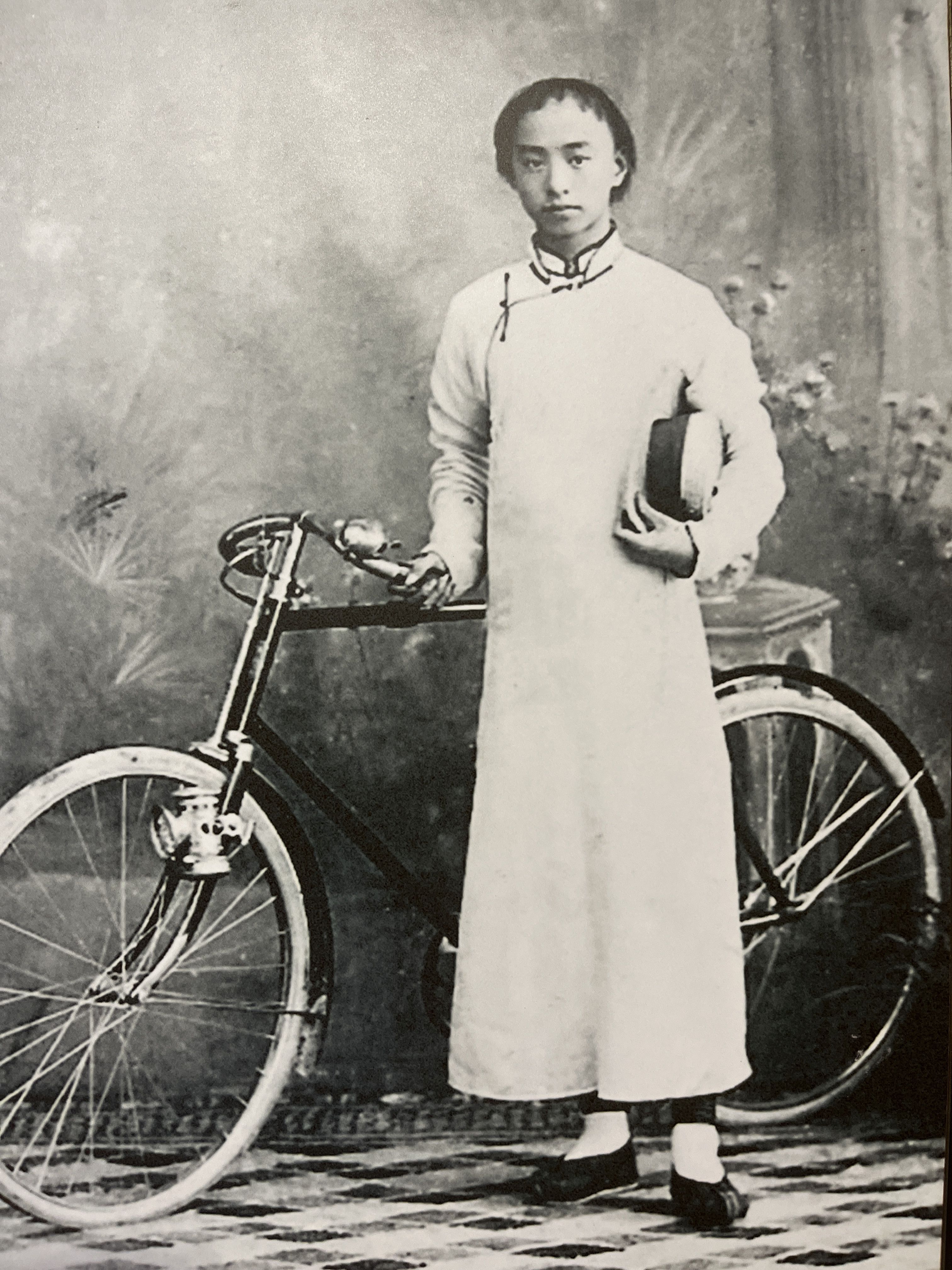
One of the earliest pictures in the Wellington Koo Museum has an innocence to it that belies its importance. It shows our hero as a young teenager clad in a Manchu robe, clutching a straw boater and proudly leaning on his bicycle. This is the young Koo, a student at Shanghai’s Anglo-Chinese School, at precisely the time that his lifelong interest in justice was about to begin. For it was on that bicycle that Koo rode off to school, and on that bicycle that he was stopped and fined for riding on the pavement, whereas the English boy riding just ahead of him was waved through without a word. It was the young Koo’s first encounter with extraterritoriality, that weird concept that permitted foreigners in Qing China to be treated and tried under their own laws, rather than those of the Chinese among whom they dwelled.
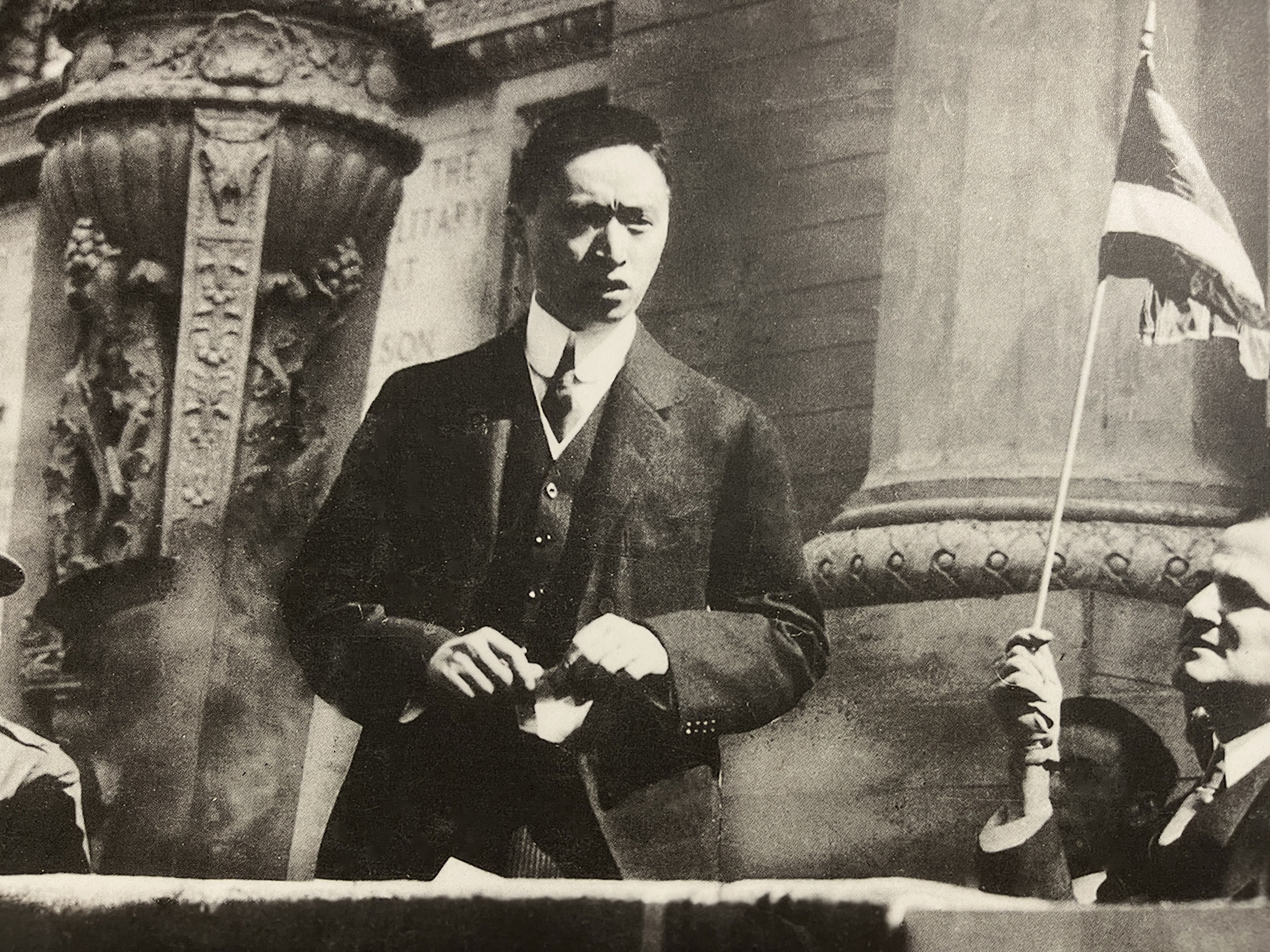
The encounter would propel Koo far away from home, to St John’s College in Shanghai and ultimately to Columbia University in New York, where his PhD thesis on “The Status of Aliens in China” would make him the first Chinese subject to earn a doctorate in the United States. He would return to his native China to become the English secretary to the ill-fated warlord and would-be emperor Yuan Shikai. With the end of the Great War in 1918, Koo travelled to put China’s case at the Paris Peace Conference. Despite technically being outranked by the delegation leader, his eloquence and youth propelled him into the public eye, in several forceful speeches in which he argued, unsuccessfully, that the German colony of Shandong should be returned to the Chinese, and not its Japanese occupiers. When Koo’s argument was rejected, he famously refused to sign the Treaty of Versailles on China’s behalf. It was, he would argue in later life, a turning point in history. If the victorious powers had done right by Shandong, Koo believed, China’s liberals would never have embraced the temptations offered by Communism, and the history of the twentieth century might have been very different.
Koo would become China’s representative to the League of Nations, and soon the Chinese ambassador to the United States. In the stormy 1920s, he served on several occasions as China’s prime minister or acting premier, and had to flee for his life from an angry warlord, relying with cringeworthy irony on the very extraterritoriality that he had fought so hard to dismantle by seeking sanctuary with the British at Weihaiwei. He briefly enjoyed a period as a wanted man with a Nationalist bounty on his head, before another warlord, the infamous Zhang Zuolin, intervened on his behalf and had him restored to his diplomatic career.
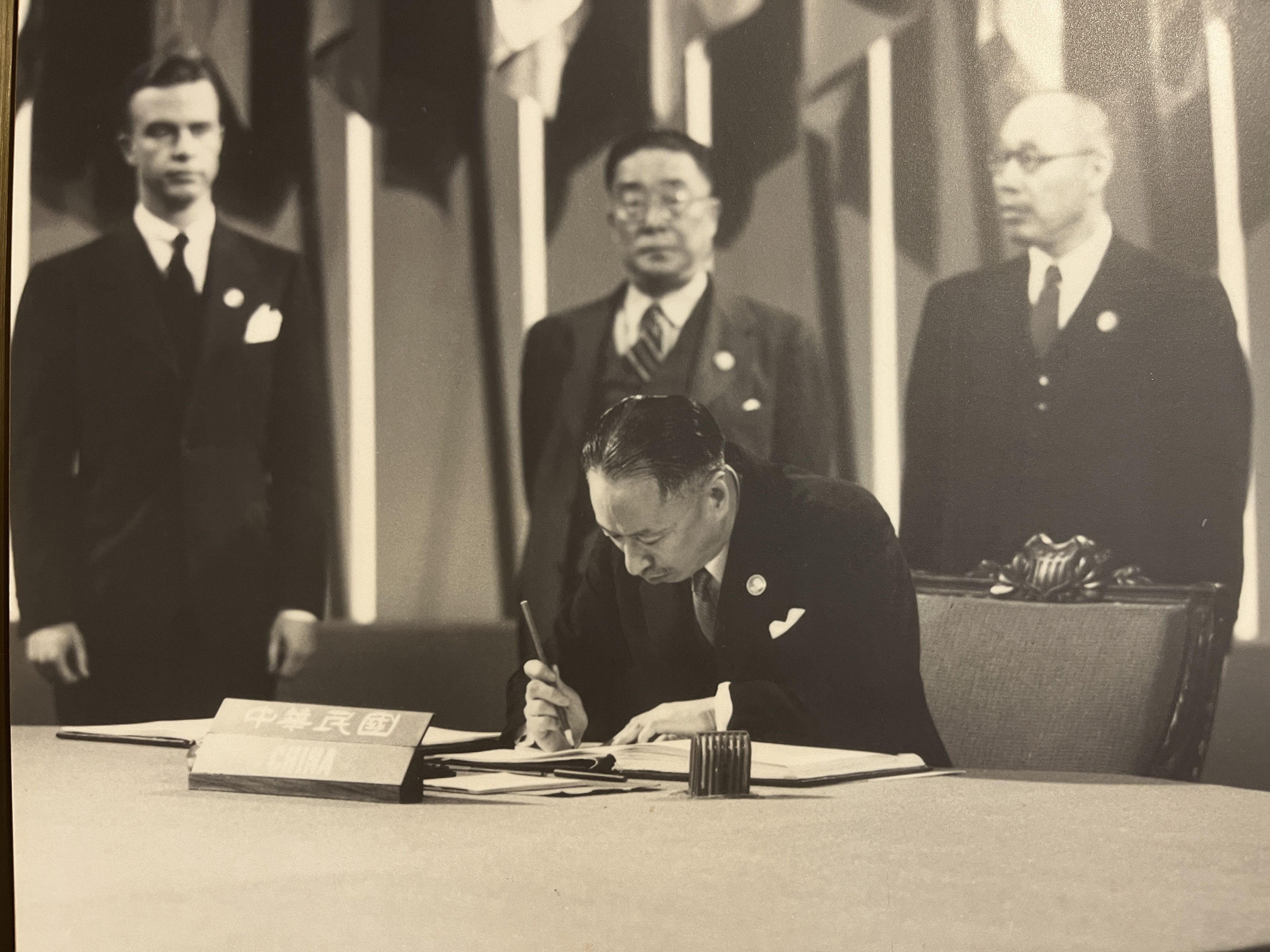
During World War Two, Koo served as the Chinese ambassador to the United Kingdom, where he initially arrived to find himself facing openly hostile opposition. His reputation preceded him as an advocate of China’s rights to self-determination, and he received short shrift when he dared to suggest that the British might want to send reinforcements to Hong Kong in case of a Japanese attack. It was in his tenure, however, that the British came to increasingly rely on Chinese help in the war effort, and it was in his presence that a 1943 treaty was signed in which Britain revoked all extraterritorial rights in China. He would also get to sign another document of great personal value to him, when he put his name on the San Francisco Treaty that formally defined the conditions of the Japanese surrender. His signature was also the first to grace the charter of the newly founded United Nations.
Koo supposedly retired in 1956, only to embark upon a second career as a judge in the international court of justice in The Hague. He would rise to the rank of its vice-president before his second, and more permanent retirement in 1967.
All of which brings me to Jiading, a sleepy water-town criss-crossed by canals, so far out in the Shanghai suburbs that it is at the very end of the number 11 metro line. Jiading was Koo’s birthplace in 1888, when it was still a separate county from Shanghai proper, and his museum sprawls across a converted local temple, which it shares with another museum to the politician Hu Juewen, another local boy. But it’s Koo who has the real pulling power as a local hero – somehow present at some of the most important moments of the twentieth century, and blessed with a biting wit and a powerful eloquence in both English and Chinese.
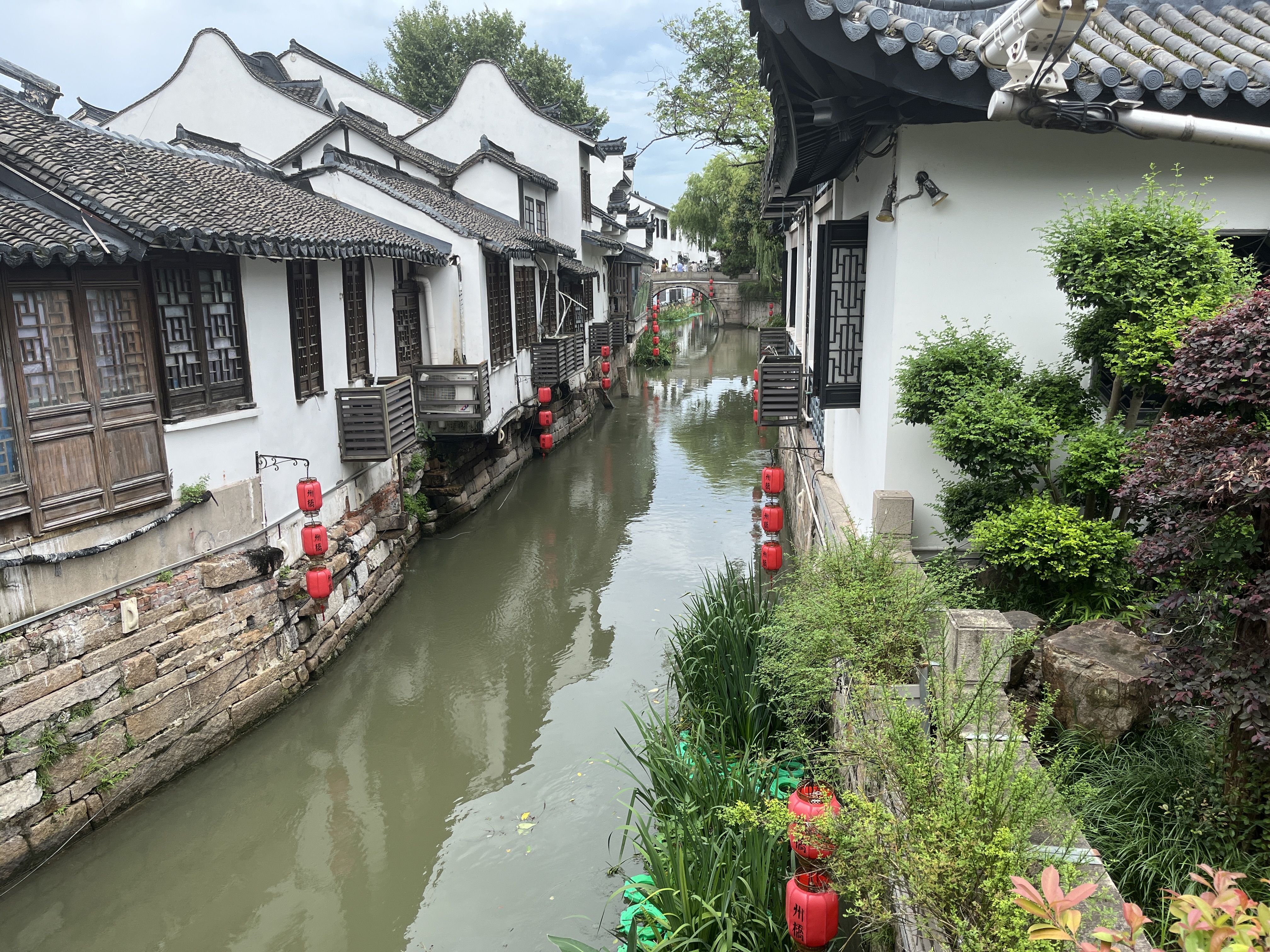
Funded and maintained, at least in part, by Koo’s own descendants, the museum is a fitting tribute to Jiading’s most famous son. Its familial connections have allowed for some intimate and unexpected touches, including gifts exchanged among members of the Koo family, and gallery celebrating the bit of his life that so many biographers gloss over, the long years of his happy retirement. The materials end with Koo’s personal diary, left open at its final entry on the day he died.
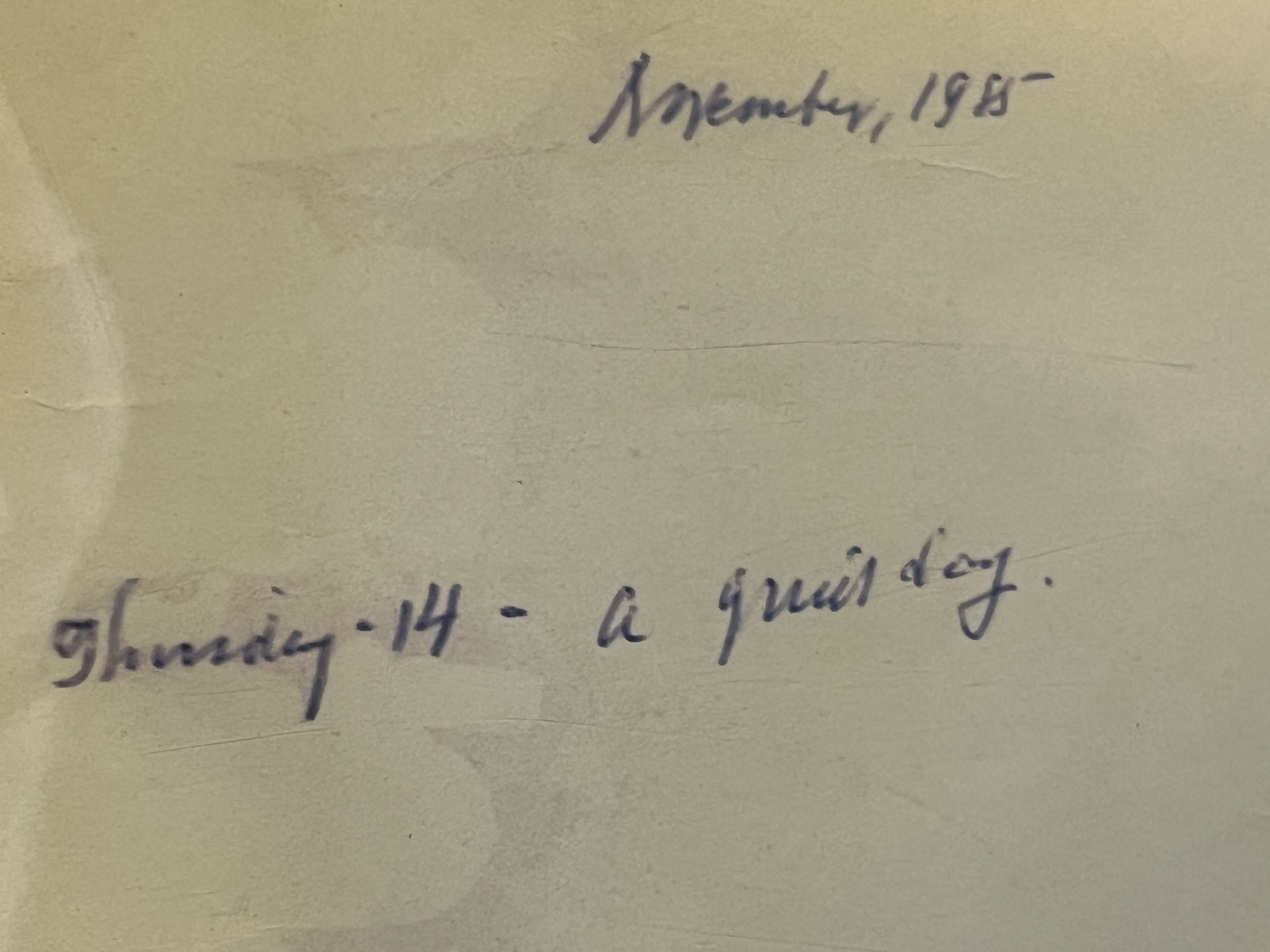
I found myself thinking that Wellington Koo would make a fantastic subject for a book, although of course, I have already written one about him, available in both English and Chinese, that was scandalously not included in the big cabinet of Koo-ology near the exit. But Jiading’s Wellington Koo Museum told me a bunch of things I didn’t know about my hero, or possibly a bunch of things that I once knew and since forgot in the fifteen years since I wrote my book. One wonders, as with the similar secretarial exploits of Wang Jingwei, how many of the famous quotes from certain historical figures (in Koo’s case, Yuan Shikai; in Wang’s, Sun Yat-sen) were actually the work of their more eloquent assistants.
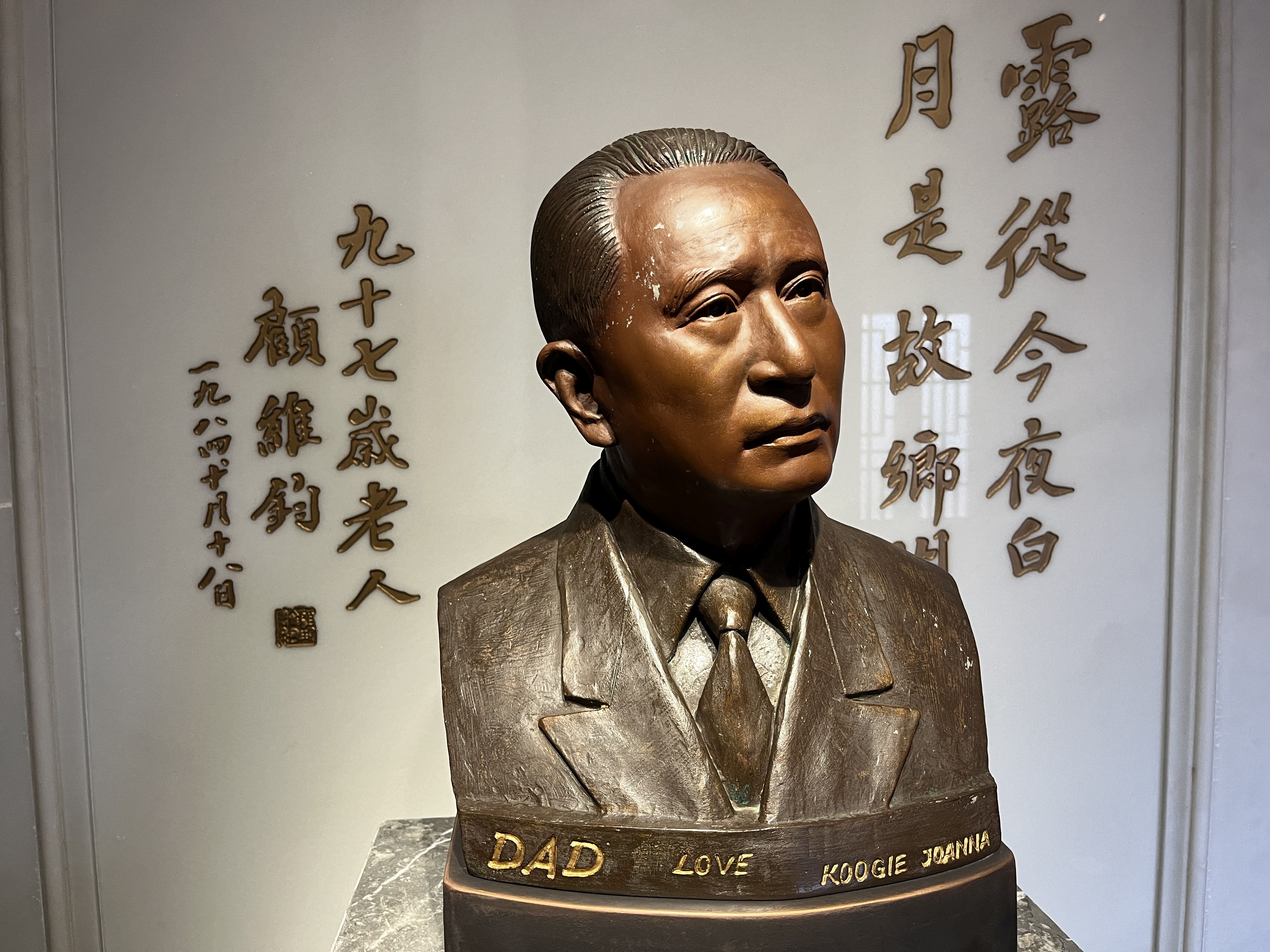
There has already been a Wellington Koo movie – My 1919, which rather floridly dramatises the events of the Paris Peace Conference. But there are many more elements of his life that would lend themselves just as readily to a mini-series, putting its protagonist right in the middle of some of the most iconic moments of the twentieth century. The museum in Jiading that bears his name functions as a walk-in producer’s pitch, showing just how exciting and momentous a life Wellington Koo managed to lead.
Jonathan Clements is the author of Makers of the Modern World: Wellington Koo.


 The Official Schoolgirl Milky Crisis Blog