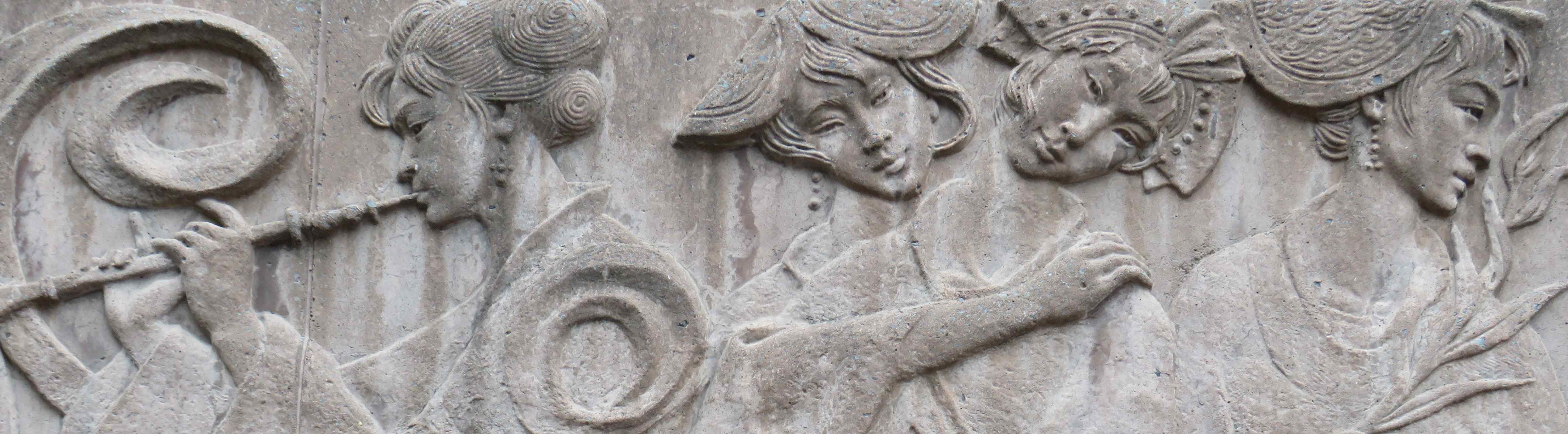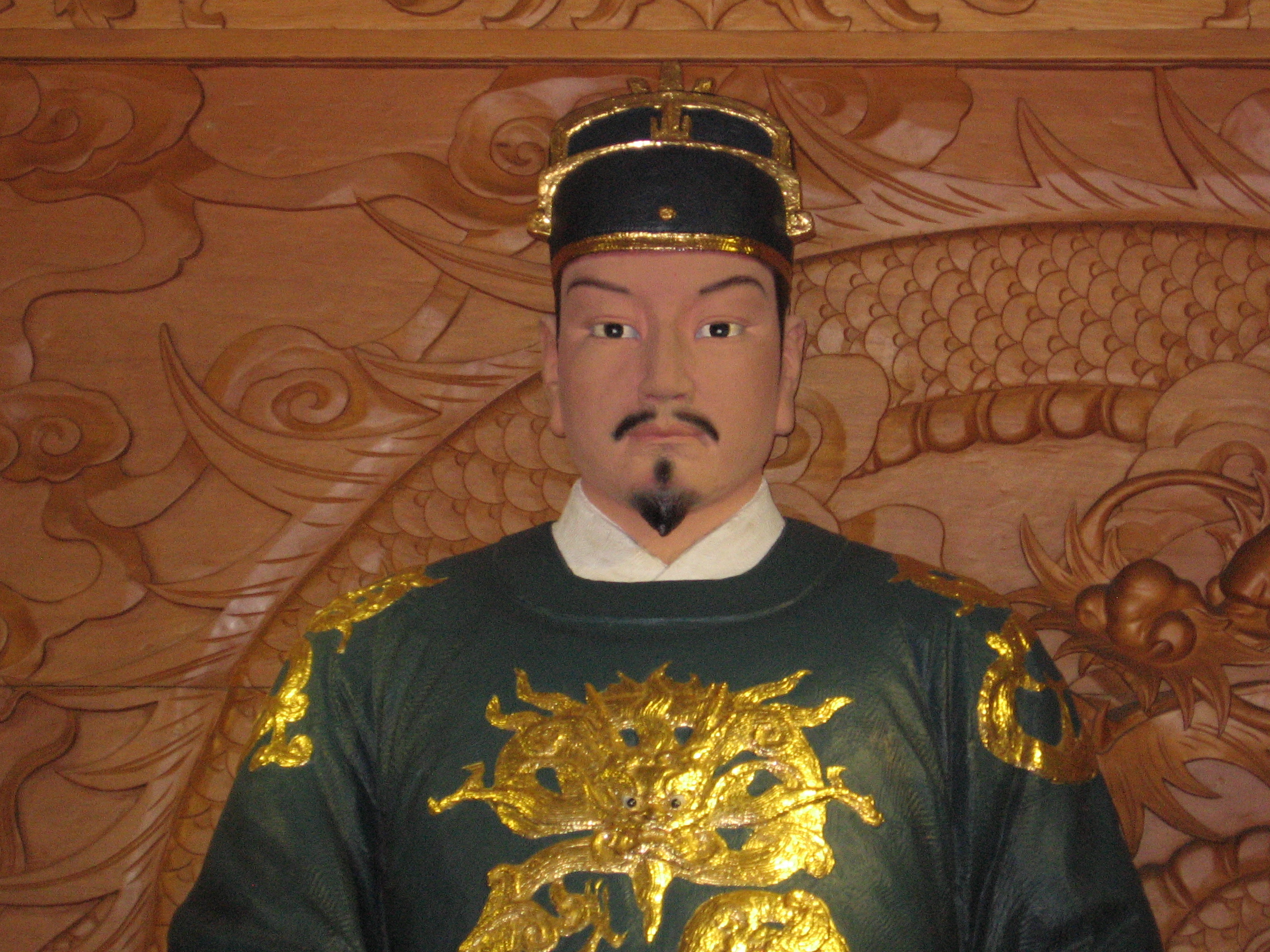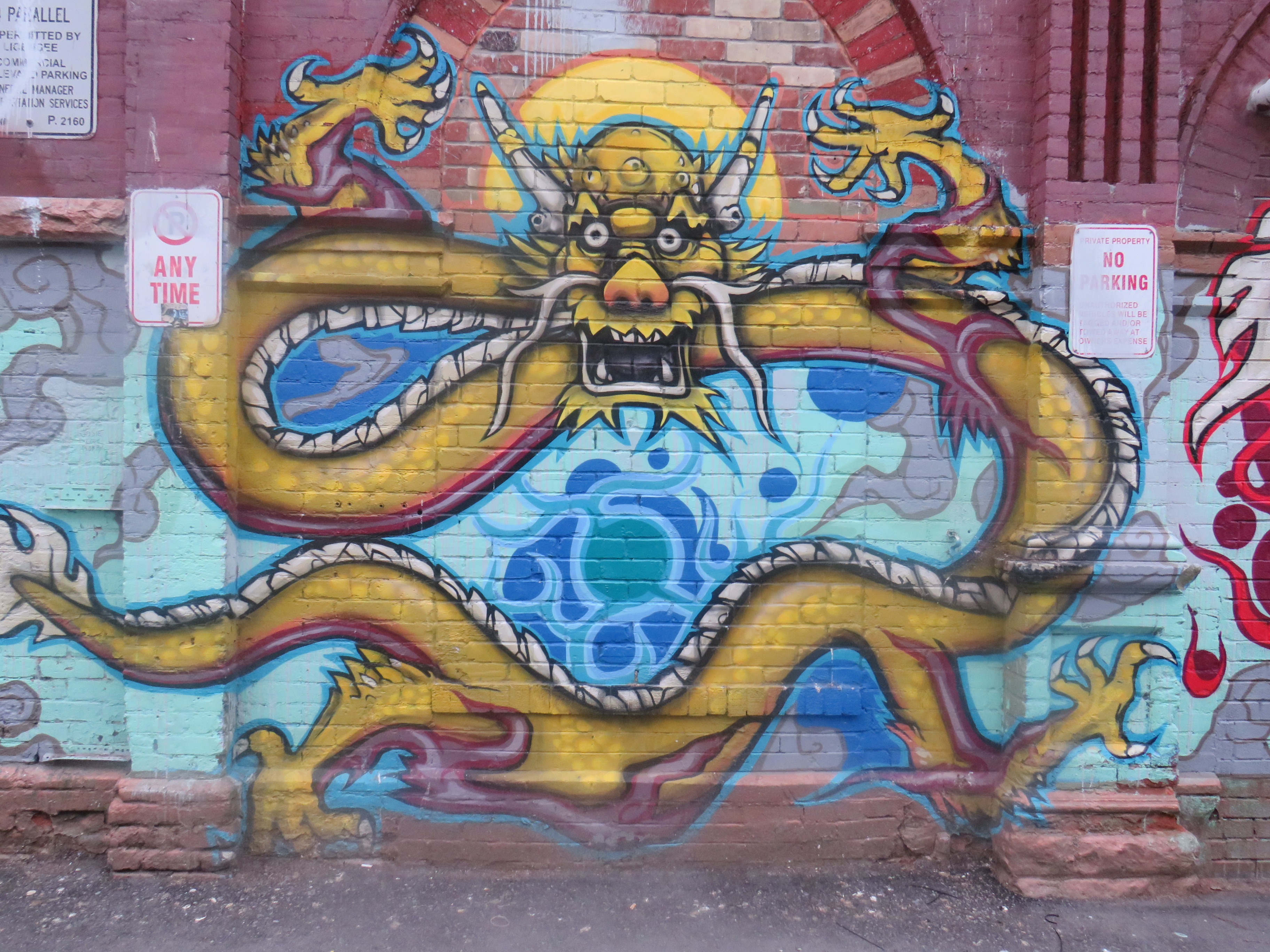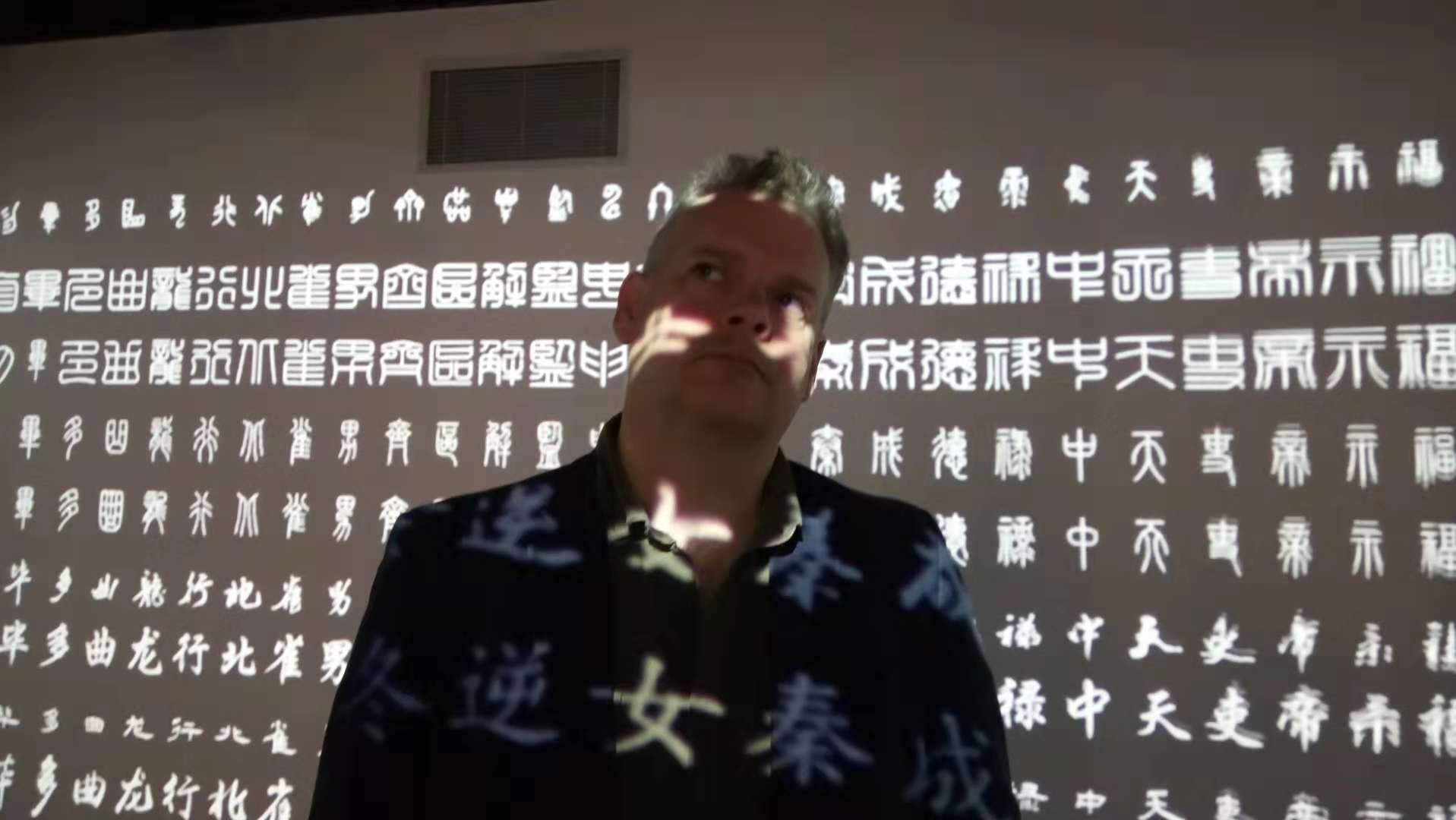
I’ve been in Montreal for the last few days, poking around the Quartier Chinois in search of Quebecois mutations to Chinese food like fried macaroni. Ticked off the mandatory statue of Sun Yat-sen and the bas-relief of Chinese lady musicians, as well as a roster of restaurants. Unlike San Francisco Chinatown, however, there were no T-shirts advertising that I had been to 满城. Come on, Montreal. Allons-y.
Category Archives: China
China’s Pirate Century
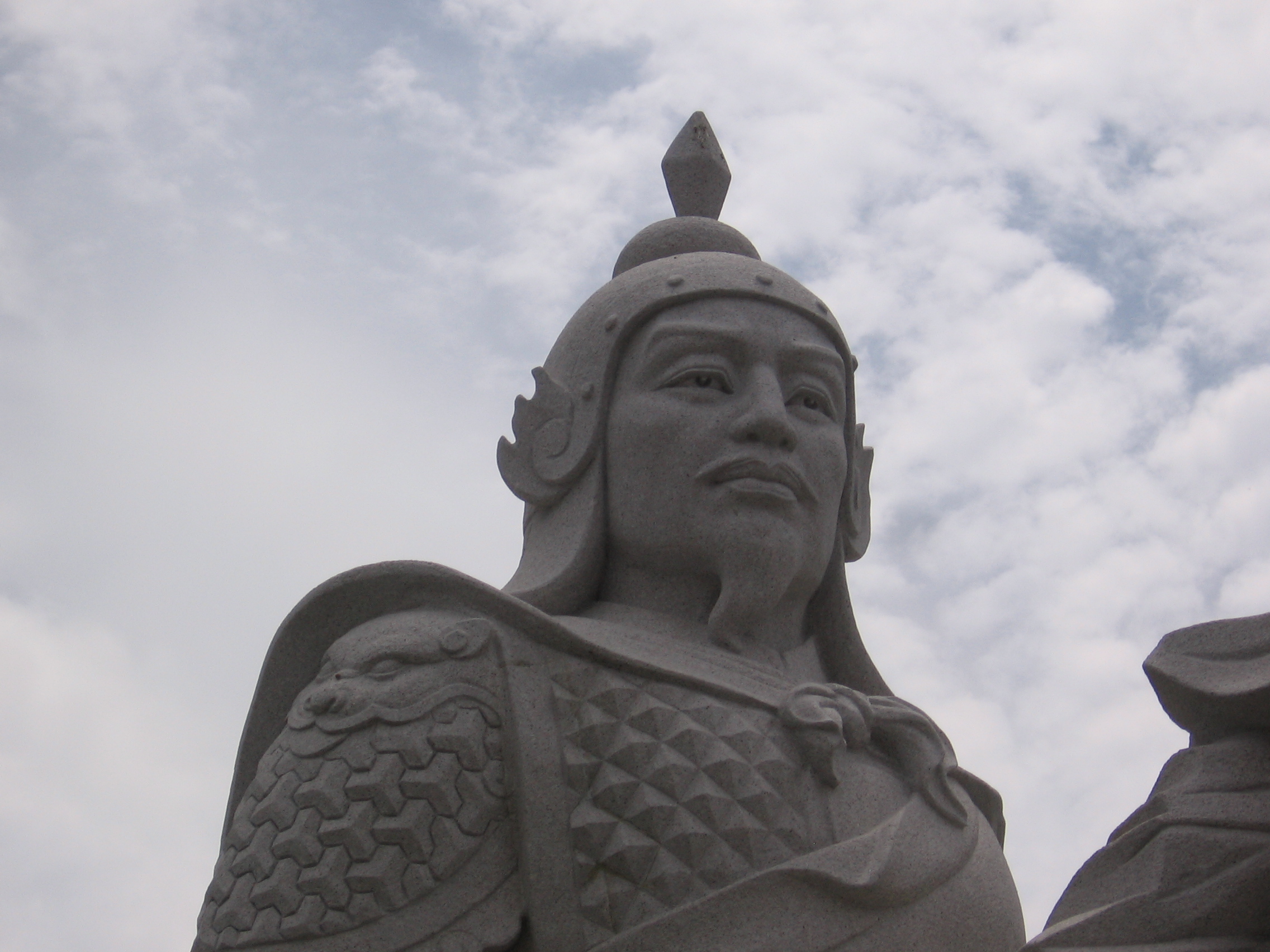
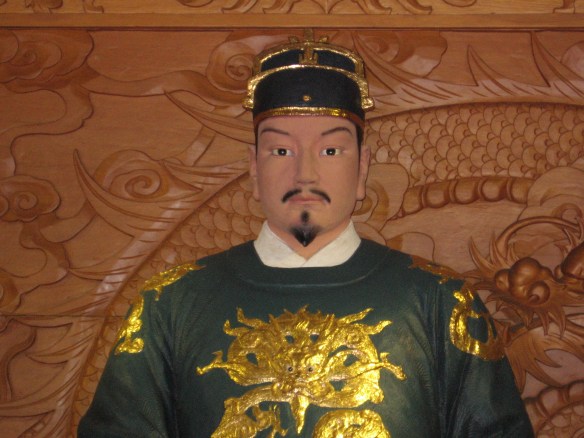
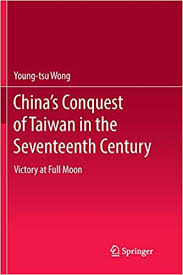
Young-tsu Wong’s China’s Conquest of Taiwan in the Seventeenth Century: Victory at Full Moon chronicles the hundred years of maritime trades and raids that preceded the Manchu naval campaign against the rebel island of Taiwan in 1683. The one-eyed admiral Shi Lang had once been a captain in the largely illegal smuggling operation of Nicholas Iquan (Zheng Zhilong), the “master of the seas” believed to have been the richest man in the world in the 1630s. After the invasion of China by the Manchus in 1644, Iquan had briefly served as the kingmaker of the Ming resistance, before defecting to the invaders. Shi Lang would also switch sides, a decision that would cause Iquan’s son Coxinga (pictured) to execute Shi’s father, brother and son in revenge. The aging Shi Lang returned a generation later, recalled out of semi-retirement to take down the island regime ruled by Coxinga’s grandson.
Wong sets the scene with stories of the Ming dynasty’s own struggles with porous borders, pirate attacks and swashbuckling punch-ups between rival Japanese traders in Chinese ports. He reminds us that Nicholas Iquan himself spent parts of his life on both sides of the law, in an era when almost all foreign trade was sure to be criminalised. He refers to the escalating coastal troubles of the 15th and 16th centuries as the “Great Pirate War”, as the authority of the Ming dynasty eroded on the coasts. The nation that had once sent vast fleets to show off its power overseas now increasingly huddled on the shore, fearful of pirate raiders which, for a number of reasons, were usually branded as “Japanese”.
Wong introduces the pirate/smuggler Wang Zhi (d.1560), who once proclaimed himself the King of Zhejiang, and who plied a route between Hirado in south-west Japan and the south Chinese coast. In linking Wang Zhi to his successor “Captain China”, and Captain China to Nicholas Iquan and Coxinga, Wong establishes a genealogy of marine warlords, the “masters of the seas”, stretching for more than a hundred years down to the fall of the Zheng regime on Taiwan – what we might call a transformative and disruptive “Pirate Century” running alongside Japan’s Christian Century.
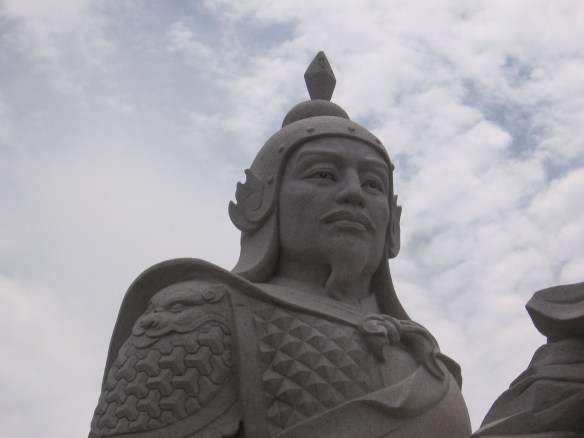
As recounted in Coxinga and the Fall of the Ming Dynasty, the pirate-smugglers of the Chinese coasts were dragged into the conflict between the invading Manchus and the retreating Ming dynasty. By 1645, the Ming court was a dwindling group of refugees, throwing itself on the mercy of Nicholas Iquan, the billionaire “admiral” who bankrolled early counter-attacks. Noble titles were handed out to Iquan’s family, including the conferral of the imperial surname on his eldest son by a childless Ming pretender. It amounted, at least in some eyes, to a symbolic adoption and the boy, thereafter as “the Knight of the National Name” (Guo-xing-ye, or Coxinga in the local pronunciation) would become the most famous loyalist to the Ming cause.
His father, not so much. Nicholas Iquan deserted in 1646, leaving the Ming pretenders to their fate. Coxinga fought on for another generation, taking over the Zheng maritime empire. The height of his resistance came in 1659, when he led an army up the Yangtze as far as the former capital Nanjing – a fact that caused the young Manchu emperor to hack up his own throne with a sword in a blind rage. Pushed back from Nanjing, Coxinga retreated to Taiwan, which he established as his new base. His family, the Zheng clan, would rule it for the next 21 years, until Shi Lang’s fleet brought them down.
Wong suggests that a “pirate psychology” – always counting on being able to rush back to the ships in times of trouble – was a fatal flaw in the discipline of Coxinga’s troops during the attack on Nanjing. There were other problems, too, particularly the fact that besieging Nanjing was itself “more symbolic than real.” He argues that Coxinga’s men stood little chance of storming the heavily fortified, well-situated former capital. Far from it – they were heavily exposed to counter-attack, and could not even prevent reinforcements and supplies reaching their besieged enemies. However, Wong doesn’t think that Coxinga himself shared the fair-weather loyalties of his father and crews.
Who was fooling whom? When Coxinga declined the title of Prince of Yanping, offered by the Ming pretender, was he really being gracious, or was he avoiding annoying the Manchus during peace talks? Conversely, did he ever had any intent of playing along with Manchu negotiators, of was it just a useful ruse to preserve the status quo? For as long as there was a prospect of a treaty, Manchu enforcers would leave Taiwan unmolested, fearful that they might get the blame if any actions caused Coxing to break off communications. In the words of one Manchu official, Coxinga’s demands were “an idiot’s daydream” – the question remains whether Coxinga knew that himself.
For Wong, the tragedy of the Zheng family was that they could have had it all. The Manchus had no interest in Taiwan, and did not particularly regard it as part of China – even after its conquest, it was dismissed by the emperor as nothing but a “ball of mud”. If the Zhengs had maintained the wily flexibility of Iquan, they could have clung on to Taiwan as an independent kingdom, offering tribute to Beijing but largely left alone. Instead, their insistence that they were the last loyalists of the defeated regime would prove to be their eventual doom.
If Coxinga’s son Zheng Jing had stopped harping on about the lost Ming dynasty, Wong argues that he would have either been ignored or afforded an honorary princedom in the Manchu order. Instead of sticking to profitable overseas trade from his island redoubt, Zheng Jing allowed himself to get dragged into the doomed Revolt of the Three Feudatories, in which a group of southern warlords belatedly fought back against the Manchus. His men briefly won victories on the southern coast, before the revolt collapsed – its only long-term effect being that of making Zheng Jing’s continued presence on Taiwan intolerable to the Manchus.
Wong devotes an entire chapter to the decades of intermittent peace talks between the Manchus and the Zheng regime, as Beijing tried to find a way of buying its enemies off with bribes and noble titles. For two decades, Zheng Jing insisted that his base was a second Ming capital, he kept to the Ming calendar and proclaimed himself a loyal Ming subject. Even when his stance looked hopeless, he tried to get the Manchus to agree to an independent status, as if Taiwan were a single surviving province of an otherwise lost regime. As if! Oh, wait…
In Wong’s eighth chapter, he leaps back in time to tell the life of Shi Lang, the man who served as a captain under the Zheng regime, before defecting to the Manchus and ultimately, in his dotage, leading the fleet that would bring them down. There is tantalising potential here for a dramatic popular-historical narrative – born in 1621, Shi Lang was only three years older than Coxinga. “There is no room for two tigers on one hill,” writes Wong, pointing to the prospect of a book unwritten, in which Shi Lang, rather than the Zheng family, is the hero of his own story. But Wong is not interested in seeing the bright flash of a new, dramatic pathway through historical materials. As his blurb states, he is rather determined to “describe the historical process leading to Taiwan’s integration with Mainland China.” He does this with an incredibly wide array of Chinese-language sources, many of which do not appear to have cropped up in English before, on all sorts of interesting areas, from the ugly succession dispute that followed Coxinga’s death to the simmering feud between the Zheng clan and the defector Huang Wu.
Wong’s work sits within a welcome modern trend that flips the perspective of Ming piracy, asking how the world might have looked for a community that saw the islands and coasts, rather than the land, as its home. Peter Shapinsky’s Lords of the Sea, for example, reconsidered Japanese pirates not as nuisances and criminals, but as rulers in their own right, misnamed and misunderstood in histories of land-based politics. Maritime Ryukyu, by Gregory Smits has been similarly provocative, redrawing the map of the East China Sea to create a water-based territory incorporating not only the Ryukyu Islands, but coastal regions of Korea, Japan, China and Taiwan. Pushing a culturalist notion of China – that “Chinese” land is land where Chinese culture is paramount – Wong argues that Taiwan was not “Chinese” in any meaningful sense until the arrival of the Zheng clan and the subsequent seizure of the island by the Manchus.
You might be forgiven for thinking that Wong takes an entire book to get to just a single chapter about the actual conquest of Taiwan. But as his account makes plain, Taiwan was “conquered” multiple times in the 17th century, and Shi Lang’s campaign in 1683 was merely the finale. Although there are asides that point to the tense conditions on Taiwan – families burning down their own houses to avoid the newest emergency property tax, and Shi Lang himself welcomed by many supposed Ming-loyalist locals as a hero rather than an enemy – he does not deal specifically with the politics of the Zheng era.
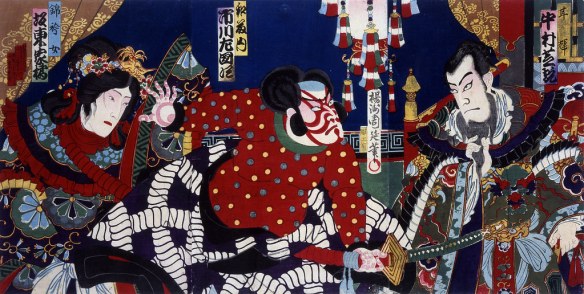
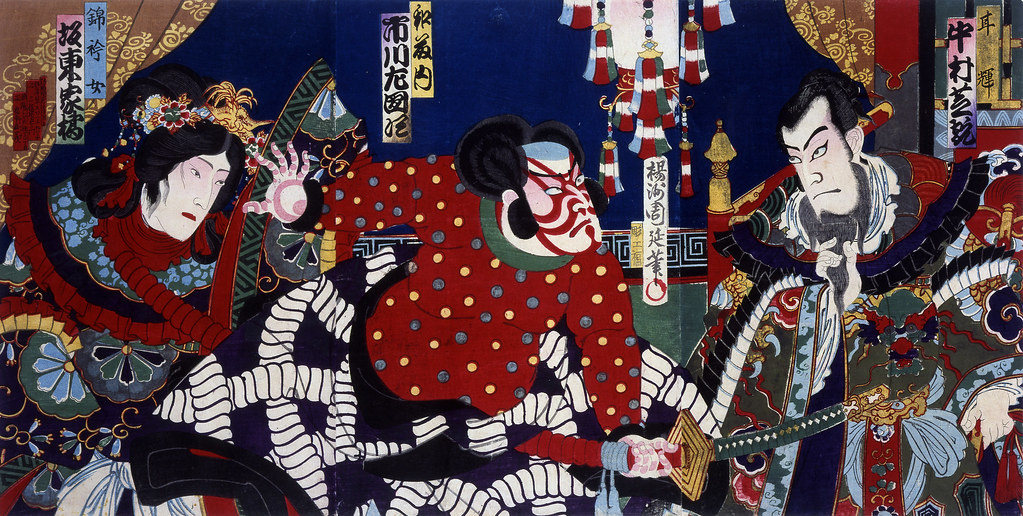
I would have liked to have seen a little more incorporation of non-Chinese materials – a lot has been written about the period in the last 20 years, but remarkably few of Wong’s references postdate the turn of this century. He concedes in his introduction that much of this book was written some time ago, and it is a testament to his scholarship that so many of its sources remain fresh and original. But Wong has little to say, for example, about the impact of Japan (where Coxinga became a kabuki hero) on maritime politics in the region, when samurai wars were largely responsible for the large and lucrative trade in Taiwanese deer hides for use in armour. The cessation of Japan’s long civil war not only shut down the demand for hides, but created a flotsam of out-of-work soldiers that swelled China’s “pirate problem”, and supplied plentiful mercenaries to fight on the mainland. Arguably, the politics of Zheng-era Taiwan are outside of Wong’s area of interest, but I expect he could have derived some useful information from, for example, Yoshio Hayashida’s 2003 Japanese-language History of Taiwan Under the Zheng Clan: A True Chronicle of the Rise and Fall of Coxinga and his Descendants. His focus, instead, remains resolutely on the process that led to Taiwan becoming part of China, rather than the incredible personal stories, vendettas and battles that accompanied it.
The copy-editing is also remarkably shoddy for a book that retails at £80. It is riddled with little prepositional errors and mild malapropisms that suggest an editor for whom English is a second language. There are also some occasional (and possibly inadvertent) misattributions of action and agency – Coxinga’s grandson Keshuang, for example, is described as “murdering” his older brother in a power struggle “with the encouragement and support of his father-in-law.” It is surely more sensible to assume that the killing was arranged by a faction of adults acting in the name of Keshuang, who was only twelve years old at the time. Fortunately, such minor slips do not subtract from Wong’s personal accomplishment, of marshalling such a wide range of Chinese-language sources on such a fascinating period of world history.
Jonathan Clements is the author of A Brief History of China. China’s Conquest of Taiwan in the Seventeenth Century: Victory at Full Moon is published by Springer.
Toronto Gosh
I am in Toronto Chinatown, investigating restaurants Shanghainese, Yunnanese, Cantonese, a smattering of Sichuanese, one Manchurian, two Xinjiang halal and some half-hearted Peking. So obviously I started with a Mongolian hotpot. Services in the church are two parts Mandarin to one part Cantonese. Signage, as is common in
Canada and around the world, tells one story to Chinese readers and another to Anglos. Yesterday was the Chinese collection at the Royal Ontario Museum; today I’m off to see the monument to the Chinese workers on the Pacific railroad. Me the north, as they almost say here.
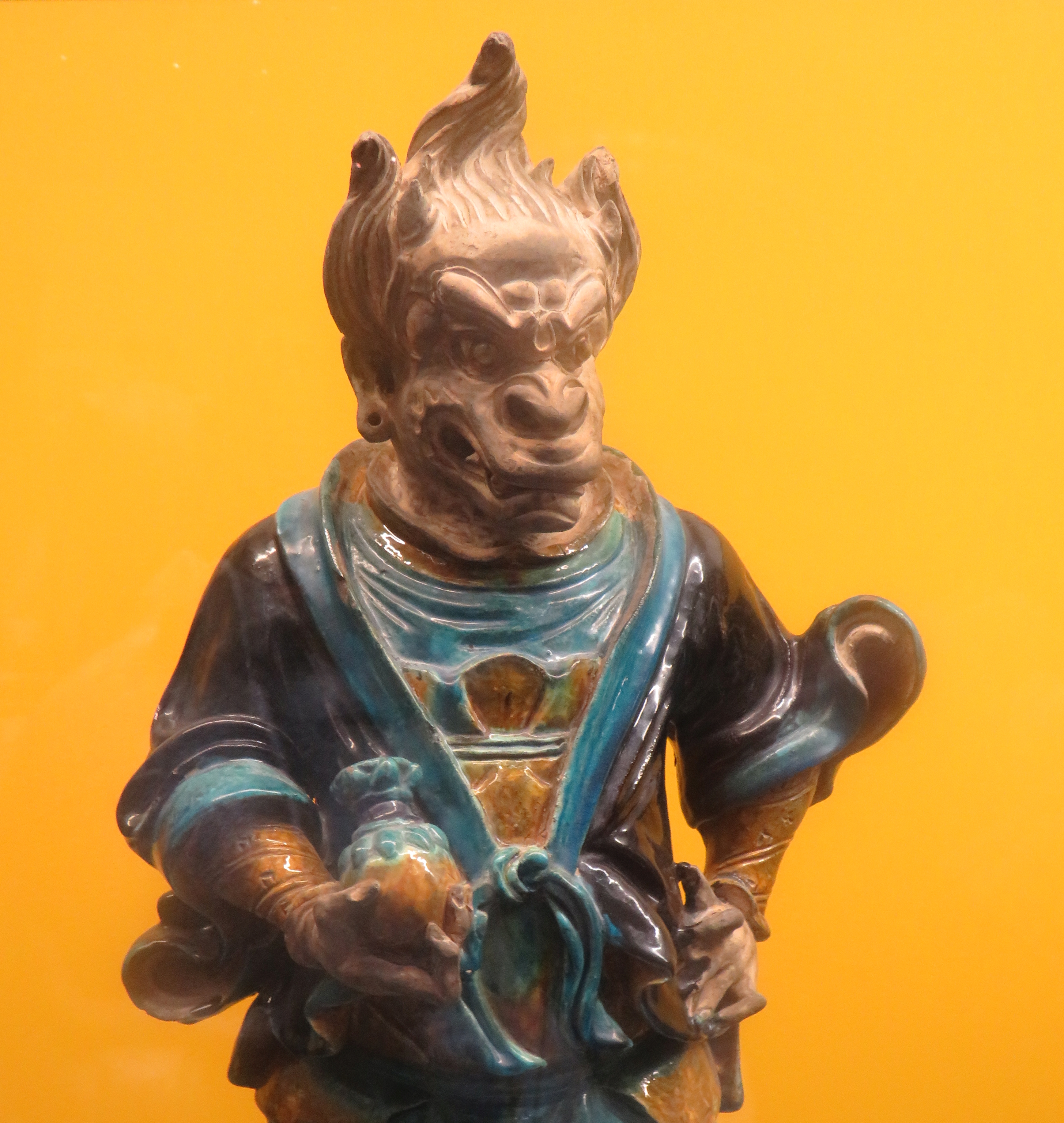
I’ll leave you with a Ming-dynasty figurine of one of Hell’s Torturers. No, really.
Big, Beautiful Women
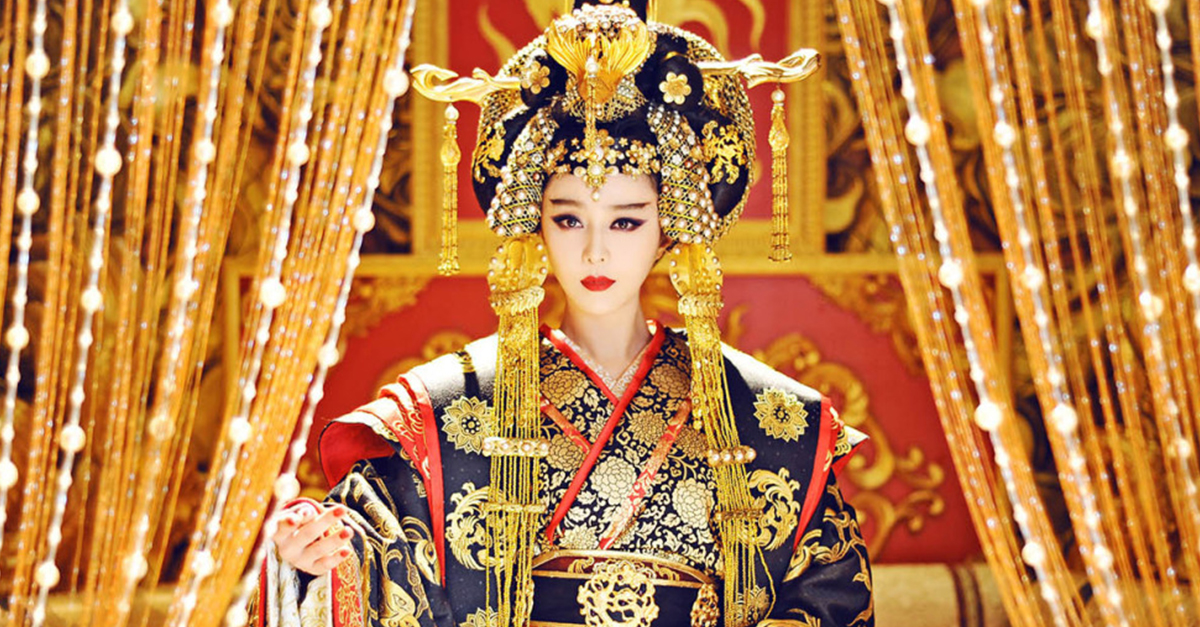
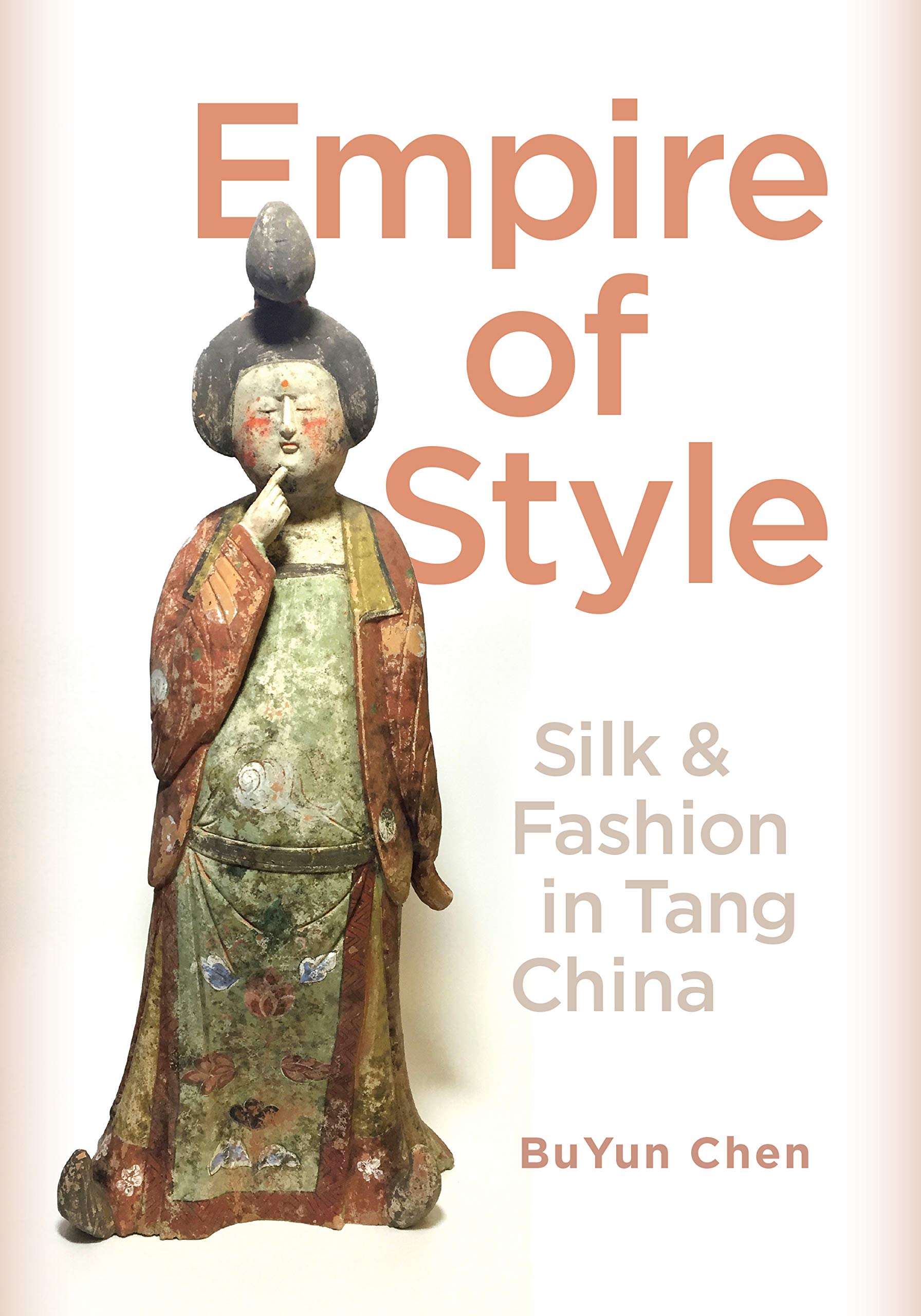
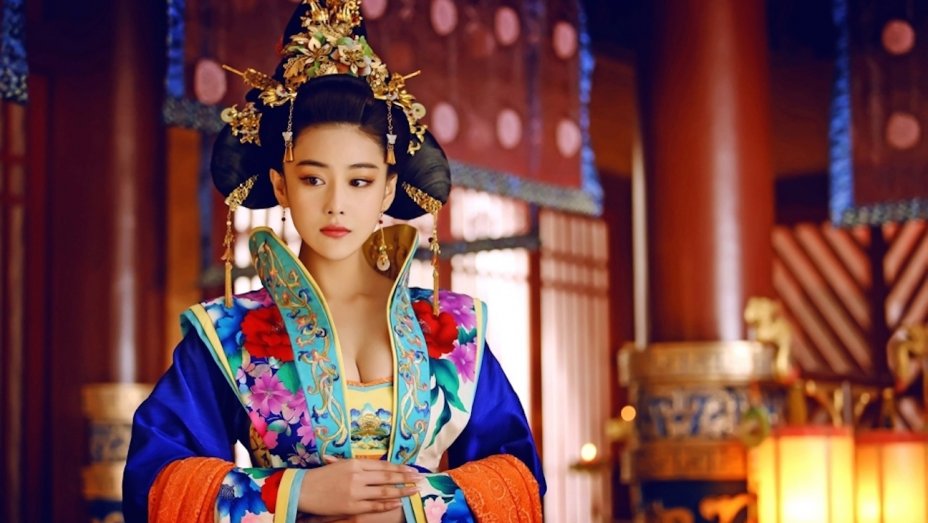
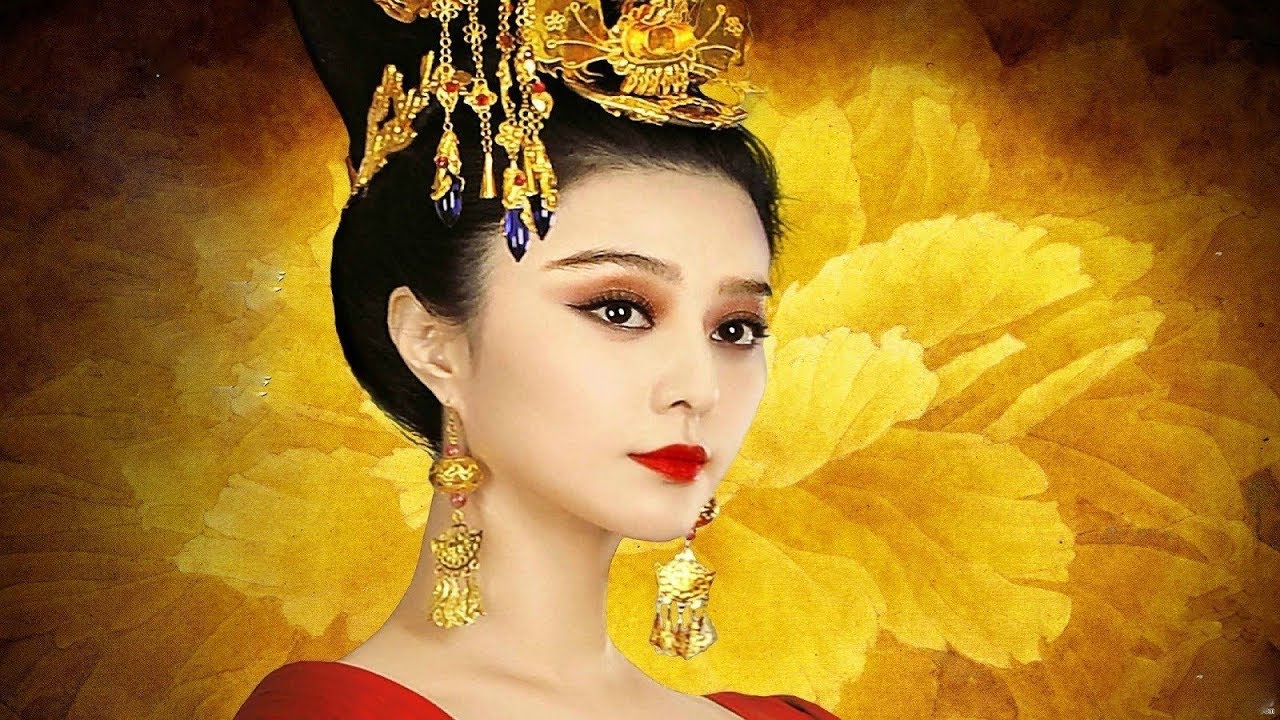
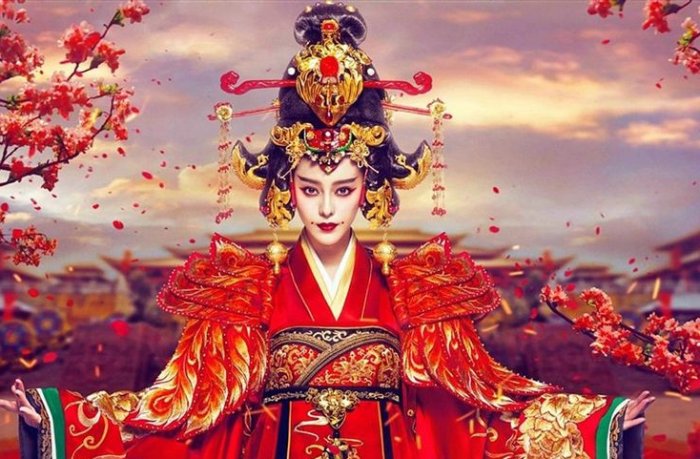
BuYun Chen begins Empire of Style: Silk and Fashion in Tang China as any smart historian would, with the 2014 media storm over the plunging necklines in a TV show about Empress Wu. History’s best-loved bad-girl, Wu the Treacherous Fox even managed to scandalise from beyond the grave, causing modern-day Chinese censors to clutch their pearls in horror at the sight of all that medieval cleavage. More than a thousand years after the fall of the Tang dynasty, its fashions were still too hot for TV.
In an age when sumptuary laws tried to dictate an unofficial uniform for every class and profession, “the experience of dress and adornment [was] fundamentally one of meaning-making for the wearer, viewer and chronicler.” Chen details the weaves and patterns of a boggling array of beautiful medieval clothes, both extant and merely described, as well as the baubles and diadems that adorned many a princess’s head-dress and tiara. Nor does Chen limit her account to human fashions, detailing the elaborate decorations of the dancing horses of the Xuanzong Emperor, “with saddles of gold and silver, their manes and forelocks adorned with pearls and jades.”
Her materials are wonderfully diverse, spanning museum collections from Tokyo to Turfan, encompassing not only paintings, the poems of Li Bai, chroniclers’ descriptions and sculpture, but also tomb figurines from the western Chinese desert and pawn-shop receipts in the name of 7th-century dyers and “hairpin artisans”. Just as silk was regarded as a more durable and exchangeable currency on the frontier, textiles – necessary but discretionary – were one of the most common articles pawned in times of crisis.
Chen describes Chang’an (modern Xi’an) in all its medieval cosmopolitan glory, at the height of the reign of the Xuanzong Emperor, when the Serpentine Pond in the south-east of the city was surrounded by bars run by Sogdian immigrants, crammed with rowdy drinkers and dancing girls in diaphanous gowns.
An appreciation of fashion and material culture is of vital importance for the novelist or historian setting a scene, particularly in an age like the Tang, where the women adorned their faces with slashes of bright scarlet like kabuki actors, and where the most glorified female form was one that had internalised all the prosperity and wealth for which the age was famed – Tang men were chubby-chasers who liked big, beautiful women. Whenever there’s a Twitter storm about a Tang-historical TV show, invariably starring stick-thin actresses, I’m tempted to disrupt things by asking innocently: where are all the fat girls? But Chen points out that even this was a fluctuating trend – she quotes from the 9th-century art critic Zhang Yanyuan, who points to a tendency towards the voluptuous in artistic representations of Tang women along a time-line that more or less matches the rise of Empress Wu. The famously chubby Yang Guifei, contrary to the assertions of many later writers, was not a plus-size trend-setter, but a woman who fitted a new standard of beauty established a generation before she was born.
The mid-Tang dynasty saw an immense rise in the power and influence of women. Chen charts those moments where both wearers and observers of fashion used clothing choices to mark moments of rebellion or transgression, beginning with the moment when Empress Wu’s notoriously chippy daughter Princess Taiping turned up at a banquet dressed like a general. Clothing, notes Chen, was “perceived to be constitutive of the person.” We are what we wear.
Nor is this mere set-dressing. Curators at Luoyang Museum have created a massive pictorial genealogy of Tang hair fashions, exacting enough that archaeologists can often date a grave to the nearest decade from the hairstyles on the statues inside it. Fashions reflect not only material culture, but political changes, as evinced by the sudden rise of hufu (“barbarian garb”) among ladies who wanted to show off by wearing trousers and jackets with lapels. Chen runs with this idea, charting the prevalence of certain kinds of skirt or colour in tomb figurines from different decades. Her illustrations, on which many of the women’s faces have been scratched out while their clothes remain, serve to demonstrate the immense value of unexpected metadata in otherwise “spoilt” materials.
In an era where clothing was thought to be a reflection of reality and harmony, dressing decisions could be announcements of bold changes in status or grabs for power – Tang dandies literally dressed the part, even if the part was aspirational. The first Tang emperor decreed that a woman’s clothing should be selected in direct relation to the status of her father or husband. By the time of his daughter-in-law, Empress Wu, that had gone right out the window. By the time of her grandson, Xuanzong, even court ladies were going out in “barbarian clothes” – later taken as an omen that the dynasty had been corrupted.
Chen takes her account beyond the height of Tang fashions into the miserable scrabble for survival after the revolt that brought down Xuanzong. Fashion became a battle-ground for conservatives, with a backlash against women that sought to regulate their hemlines, while poets juxtaposed the image of the beautiful clothes of the aristocratic lady with the unkempt, dishevelled appearance of the weaver-girl who has made them. It’s a fascinating snapshot of changing styles and attitudes at the height of the Silk Road.
The “Serpentine Pond” pond is still there, by the way. These days, it’s part of a medieval theme park in Xi’an called Tang Paradise, where there are many parades, fire-breathers and kung fu displays: a lot of dancing girls, but lamentably little Tang-dynasty cleavage. People can’t leave well enough alone.
Jonathan Clements is the author of A Brief History of China. Empire of Style: Silk and Fashion in Tang China is out now from the University of Washington Press.
Shandong: Land of Confucius
This appears to be blocked in the United States, but viewers in other territories can now see my National Geographic documentary Shandong: Land of Confucius (2018) on YouTube.
“Jonathan Clements takes us on a thought-provoking journey to the land where the young Confucius formed his earliest ideas: Shandong Province. Guided by Confucius’ most influential sayings and Clements’ unique perspective on Asia we explore this coastal province and learn how even after thousands of years the great sage’s thinking is still relevant in today’s China.”
Elegantly Wasted
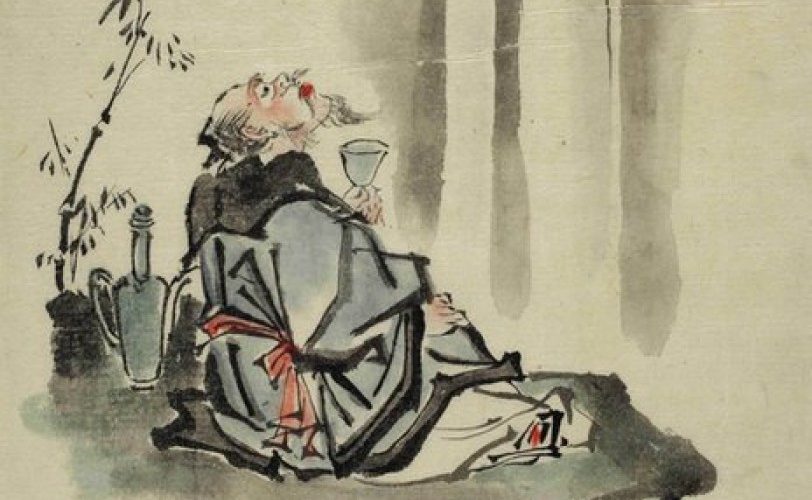
Had he been born in our era, Li Bai (701–762) would have surely been a rock star, wrecking hotel rooms and bedding groupies he met on a drug-fuelled stage-dive. In Tang dynasty China, he still enjoyed a reputation as a wild-child poet, lionised for his quick couplets and witty juxtapositions, summoned even to the Xuanzong Emperor’s entourage.
That was when he blew it. After dithering for days among a crowd of hangers-on, he got his moment to shine, called in as a script doctor on a court performance that needed punching up. Instead, he drunkenly tried flattering a prickly consort. With all the self-destructive tendencies of a heavy-metal frontman, Li Bai dissed the chief eunuch and back-handedly complimented the famously plump Yang Guifei for being as gracile as a legendary stick-thin kingdom-wrecker. It took a while for courtiers to unpick his cheeky insults, but his career at court was essentially over before it had begun.
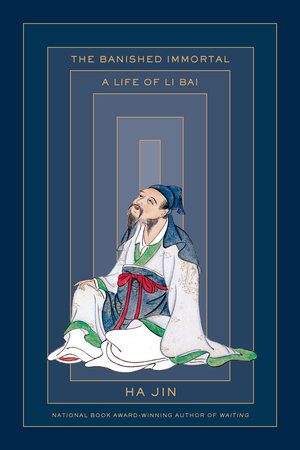
In his new book, The Banished Immortal, poet and novelist Ha Jin offers a slick and readable biography of China’s most famous poet – his wives and concubines, his dissolute life, and his flirtations with power and politics. It’s a warts-and-all portrayal that both evokes Li Bai’s talent and his ghastly, narcissistic disregard for others. “So long as the host can get me drunk,” he slurs in one epigram, “I’ll have no idea where my hometown is.” We’ve all got a friend like Li Bai… we just wish he’d warn us before he rings the doorbell and asks if we’ve got any booze.
Heaven is high and the Emperor is far away – one gets a strong sense with Jin’s text of the sheer, daunting size of China. A man of privilege who never seems to have to really work, Li Bai’s travels separate him from his wife for years on end, and he only writes to her on a couple of occasions. Her own letters never find him, defeated by the sheer length of lines of communication. In one amusing incident fit to fill an entire episode of Star Trek, a communiqué arrives from a people so remote that nobody at court understands it. Only Li Bai, who grew up in western China and may even have been born in what is now Kyrgyzstan, can decipher it, and reveals that it is a declaration of war.
Jin is at his best when dealing with Li Bai as a fellow creative – he makes no boast to be his equal, but has an informed insider’s grasp of the perils of poetry. He is not afraid to point out those places where his subject is just phoning it in, and is ready to suggest when certain “off-the-cuff” couplets have been composed in advance. This poet’s-eye view of another poet is Jin’s greatest contribution, cutting through the hagiographies and unmitigated praise of other authors to the heart of Li Bai’s true talent. The author, an exile who has spent much of his adult life in America, clearly identifies with the peripatetic Li Bai, excluded from high office and ever unsure of his situation, “a fish trapped in a roadside puddle, dreaming of returning to the ocean.”
Jin makes a strong case for Li Bai as a man of letters ousted from what might have been a more productive calling, an alcoholic genius who inevitably puts a foot wrong in the Tang court, and a late-life careerist who disastrously backs the wrong horse. We share in Li Bai’s elation when he hears that the new emperor, Suzong, has pardoned him, and in his disappointment when he tardily realises this was not a recognition of his eloquence, but a blanket amnesty. Jin digs down into the hidden messages of love poems, and the subtle asides contained in what first appear to be fawning songs of praise.
There are, nevertheless, some odd missteps in the prose. Jin writes at one point of the “Nan dynasty”, which never existed – any Chinese speaker can see that he is referring to the “Southern Dynasties”, but this error has been allowed to stand. The Xianbei tribe is archaically referred to as the Sien-pi. Jin bafflingly recounts the death of the concubine Yang Guifei as suicide, when most accounts agree that she was strangled. In what I can only assume is a sop to the American market, Jin praises the work of Ezra Pound, who spoke no Chinese and left scraps of Japanese gibberish in his “translations” from where he copied out a crib sheet. He guardedly acknowledges the earlier work of Arthur Waley, conceding that while dated, it still has weight – I would suggest that many of Waley’s translations retain a majesty and harmony that is often lacking here. But this is not Ha Jin’s fault – all but truly bilingual translators usually work into their native language, not out of it.
For the reader unfamiliar with Chinese, Jin’s explanations can open whole new worlds between the lines, although sometimes only patchily. He notes, for example, the allusion in the last line of the poem “Zhan Chengnan” to an epigram from the Dao De Jing, but omits to mention that the opening lines are obviously a nod to “We Fought South of the City Wall”, a famous protest song from the Han dynasty. When examining “A Lament of the Leaving Woman,” Jin interprets it as a poem that reaches out to Li Bai’s disenchanted live-in lover. But considering the hostility with which other poems rail against “that stupid woman,” it is surely more likely that this poem is a toxic masterpiece of passive-aggression, taunting her for losing her looks and having nowhere else to go, a “cheap concubine.” Jin flinches at pointing out just how good his subject was at being bad.
However, these are discussions to be had, rather than outright statements of incontrovertible fact. Jin has consulted a number of Chinese-language books on Li Bai, and his text valuably distils much of their arguments for an Anglophone audience. While he often quotes trenchant third-party observations, beyond his intuitions as a jobbing poet, he rarely gives evidence of a source-critical reading of these other authors – he is insightful on Li Bai’s poetry, but hands-off regarding his historicity. Repeatedly, he refers to these other works as if they are a unanimous chorus of approval, whereas a more historically minded author might have tried a little forensics to make sure these other sources weren’t largely citing each other.
Regardless, the field of popular biographies of medieval Chinese figures is shockingly small. Li Bai’s life spanned a rich, transformative period in the 8th century, the height of the Silk Road and the brief florescence of a truly diverse China. Ha Jin’s biography will introduce this poet to a whole new generation, suffused with examples of his philosophy and verse.
Jonathan Clements is the author of A Brief History of China.
Wrapped at Christmas
After six weeks of shooting and over 1,500 miles of driving, I’m on my way home having wrapped on season five of Route Awakening for National Geographic, taking in two lost kingdoms, a forgotten emperor, several sets of grave robbers, and your correspondent trying to learn the steps to the World-Creating Dance of Kaishan, Divider of Mountains. Yes, I was working on Christmas Day. That’s the way I like it. Look out for more details on the topics of season five coming in spring 2019. Also coming in the New Year, my latest book: A Brief History of China from Tuttle Publishing, which begins with cavemen and ends with reality television.
Terracottas in Liverpool

Back from the Liverpool World Museum, where I spoke this week about Chinese Bronze Age burial customs, the oddities of the Qin state in ancient China (including its most famous song), and the enduring mysteries of the Terracotta Warriors. The exhibition itself has lots of interesting and quirky pieces, including a cauldron like the one that Duke Wu dropped on his foot, a barbarian brooch from Qin’s contacts with the western nomads, and a statue of a goose from the First Emperor’s bronze menagerie.
I asked the crowd if they could remember what they were doing back in July 2005, when “You’re Beautiful” by James Blunt was number one, because that’s the timespan, just thirteen years, that separates the coronation of the First Emperor from the fall of his dynasty. The museum at the Terracotta Army site near Xi’an has already stood for twice as long as the dynasty it celebrates.
Drawing on the materials in my book on the First Emperor (which was doing a roaring trade in the museum shop, I am pleased to say), it’s only when you set the archaeology in context with the textual evidence from Qin documents (themselves often as recent a discovery as the Terracotta Warriors themselves), that the reason for every soldier having an individual face becomes clear.
Terracotta Warriors
I’ll be at Liverpool’s World Museum on 26th July as part of the entertainments for their Terracotta Warriors exhibition, talking about the place of the First Emperor’s tomb in the history of the Qin state, the curiosities of its construction, and the tragic events that followed the emperor’s death. Apparently there will be canapes.
Trangressive Typologies
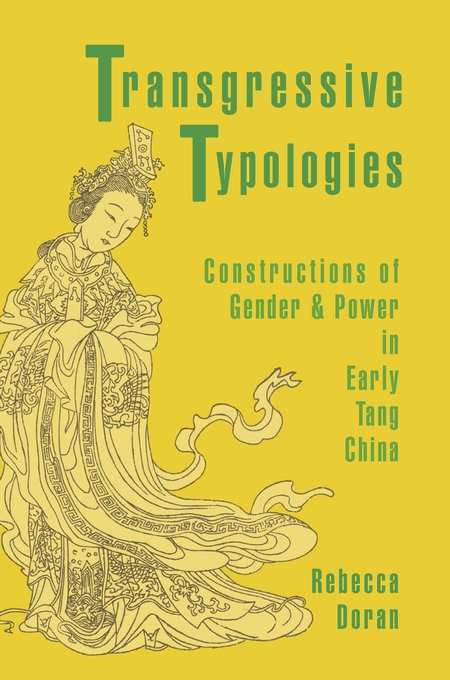
Shangguan Wan’er, it was said, wore her hair in a lopsided bob, in order to cover up the scar on her face from where Empress Wu went for her with a fruit knife. It was an argument over a boy, of course – the drunken Wu had been fondling a sleeping gigolo and bragging about how he made her heart melt, and Wan’er had foolishly reached out a hand to touch him. So, at least, reads the Secret Record of the Director of the Guiding the Immortal Cranes Bureau, a racy work of historical fiction purporting to have been written in the 900s, but more likely to date from a millennium later. It’s just one of the lascivious works cited in Rebecca Doran’s Transgressive Typologies: Constructions of Gender and Power in Early Tang China, the kind of book that makes you wonder why everyone isn’t studying Chinese history.
Doran is interested in what she calls “the historical period of female power”, from the time that the charismatic Wu Zhao was called back from a Buddhist nunnery as a new distraction for the Gaozong Emperor. She rose swiftly to power behind the throne, first as his empress, then as his interpreter following an unspecified illness likely to have been a debilitating stroke. She ruled behind the throne for the remainder of Gaozong’s life and the truncated reigns of two of their sons, before seizing power herself in the 690s. But Doran, like many other Tang historians, extends the period of female rule beyond the life of Wu, noting that an entire generation of women grew up during her reign, and came to regard equality, or more, as their birthright.
Shangguan Wan’er, Wu’s minister and speech writer, once regarded as the greatest poet of her generation, remained a power-broker after Wu’s death, and latched on to Wu’s grand-daughter Anle as a possible second empress regnant. Anle was brought down in a palace coup by Wu’s daughter and grandson, but the daughter, Princess Taiping, clung on to her own power base for several more years before her ally betrayed her. Depending on how you define it, the “historical period of female power” either spanned Wu’s adulthood and aftermath, c.650-713, or just the last two decades of that period – her years as empress regnant, and the “second generation” of the women who tried to emulate her. After 713, Wu would be vilified for twelve hundred years. It was only in the 20th century, and even then initially for shady political reasons, that Wu began to be reclaimed as a feminist icon, and her period in power regarded as anything but a woeful mistake.
Doran takes as her starting point the Biographies of Exemplary Women from the Han dynasty, because for centuries this book served as the template for good female behaviour. It was a touchstone for all the (male) historians who wrote about Wu and her imitators, and formed the basis of their disapproval. She also examines the life of Empress Dugu of the Northern Zhou, who controversially insisted on monogamy from her imperial husband – regarded by medieval protocol wonks as a “fatal mistake” sure to undermine palace harmony and dynastic vigour. In doing so, she points to the glorious chaos of the century before the Tang dynasty, when a series of tin-pot and occasionally barbaric dynasties contended to become the new Sons of Heaven, with a set of intrigues sufficient to make Game of Thrones look like Emmerdale.
Doran moves on to the reigns of Wu’s sons Zhongzong and Ruizong, and the kind of poetry and imagery that was popular in a world where their mother really ran the show. As Wu began manipulating the news of her era – Fortean phenomena, observations and media, all pointing to a coming paradigm shift – she pushed an agenda rooted in incredibly modern terms. As she argued at the epochal feng-shan sacrifice in her husband’s day, if the world was truly a constant cycle of yin and yang, dark and light, female and male, then women deserved an equal shot at public life, at power, and ceremonial roles. This, in the eyes of her chroniclers, was her dreadful sin, daring to push an equality agenda in a patriarchal world. Doran uncovers delightfully obsequious comments from fawning poets and courtiers, keen to praise Wu and her imitators for simply showing up, for their grace and their wondrous cultural achievements. She also delves deep into the surviving works of Shanggaun Wan’er, and their place in the history of Chinese poetry.
Then things get weird, as Doran examines the Comprehensive Record of Affairs Within the Court and Without, a Tang dynasty fantasy in which a minister is sent to hell over a bureaucratic mistake, witnesses the future of the Ruizong Emperor, and is then restored to the human world in time to live through it all, like some medieval Chinese variant on Back to the Future. She also reports on a common Fortean phenomenon in Wu’s era – transsexual chickens, regarded by Wu’s cronies as examples of her greatness, and by her detractors as symbols of the awfulness of the age. In once farcical scene, a courtier recalls the presentation of a three-legged fowl to Wu, who insists it is an auspicious event worthy of note in the dynastic chronicles, even as her son Ruizong points out that one of the legs is clearly fake. Wu tells him to shut up, but even as she does, the leg falls off.
There’s something quite wonderful about Wu and her courtiers bickering about auspicious bullshit, and Doran’s ongoing citations of gossip and innuendo from the time, such as the nursery rhymes and pop songs that slyly alluded to palace putsches and scandals, and the stories written when later writers tried to grapple with the sheer oddness of her reign. Needless to say, much of the disapproval directed at Wu and her imitators would be framed in familiar, materialist terms, lampooning them for flighty, grasping, gold-digging consumption. Doran begins with a famous poem about Anle putting on her make-up as the soldiers bash down the door to her chambers, observing that there are similarities in the story with the “painted” Jezebel of the Bible. There’s plenty of fun to be had with what today would be called tabloid sniping at Anle and Taiping’s pimped-up chariots, ridiculously opulent palace cribs, and bling-bling fineries.
Doran finishes with a prolonged discussion of the “gender anarchy” of Wu’s era, as described by both apologists and attackers, a sort of topsy-turvy Saturnalia of sexually predatory women and ineffectual men, the elevation of bad-boys and charlatans, and (worst/best of all), the Office of the Crane, Wu’s 120-strong personal harem of pretty boys. One of whom, of course, was the cause of that fateful catfight between Wu and Wan’er. When he was inevitably butchered in the coup that ousted Wu in 705, Wan’er tenderly carried off his penis and presented it to the grieving Empress. That’s what it says in the Secret Record of the Director of the Guiding the Immortal Cranes Bureau, anyway.
Jonathan Clements is the author of Wu: The Chinese Empress Who Schemed, Seduced and Murdered Her Way to Become a Living God.