“So, what does it actually mean when Mamoru Hosoda’s Belle received a 14-minute ovation at Cannes [last] summer? It means, presumably, that French audiences rated it much higher than Moonrise Kingdom (2012, 5 minutes), and more than Twin Peaks (2017, 5 minutes). It means that, by some odd metric of hands smacking together, it was worth more than Once Upon a Time in Hollywood (2019, 7 minutes), better in some way than BlackkKlansman (2018, 10 minutes), and a smidgen more entertaining than Bowling for Columbine (2002, 13 minutes).”
With Mamoru Hosoda’s Belle receiving its UK-wide cinema release this Friday, I thought it was a good time to re-link to my article about it from October over on All the Anime.
Available now to order in the US and Canada, the new Arrow release of Lau Kar-leung’s The 8 Diagram Pole Fighter, which comes with a full-length commentary track from me about the legends of the Yang family, the ethnic ferment of medieval China, the political economy of 1980s Asian movie-making, and why that matters in a film about people who hit each other with sticks.
For those who are wondering, this and Come Drink with Me are not included in the Shawscope box sets because UK releases already exist, and the boxes needed to be coordinated throughout all English-speaking territories.
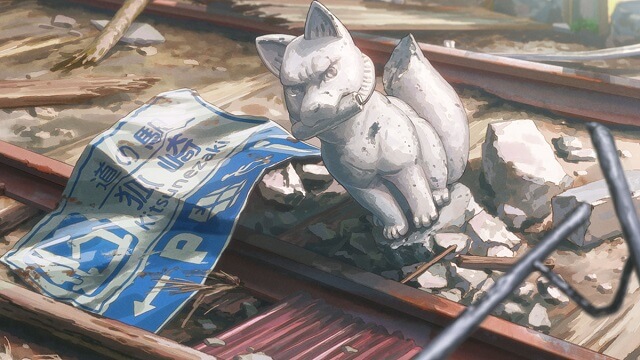
“One opening shot lingers on the image of nature’s resilience, as demonstrated by the simple, everyday sight of weeds forcing themselves through cracks in the pavement. But this is a film in which supposedly intangible, unseen objects exert a physical presence in the real world, even including the ‘camera’ of the animators, which audibly rustles through the rooftop flowers as it executes a 3D crane shot of the titular house on the cape.”
With the news that original author Sachiko Kashiwaba has just won the Batchelder prize, over at All the Anime, I write up Shinya Kawatsura’s movie The House of the Lost on the Cape, which has its UK premiere in February.
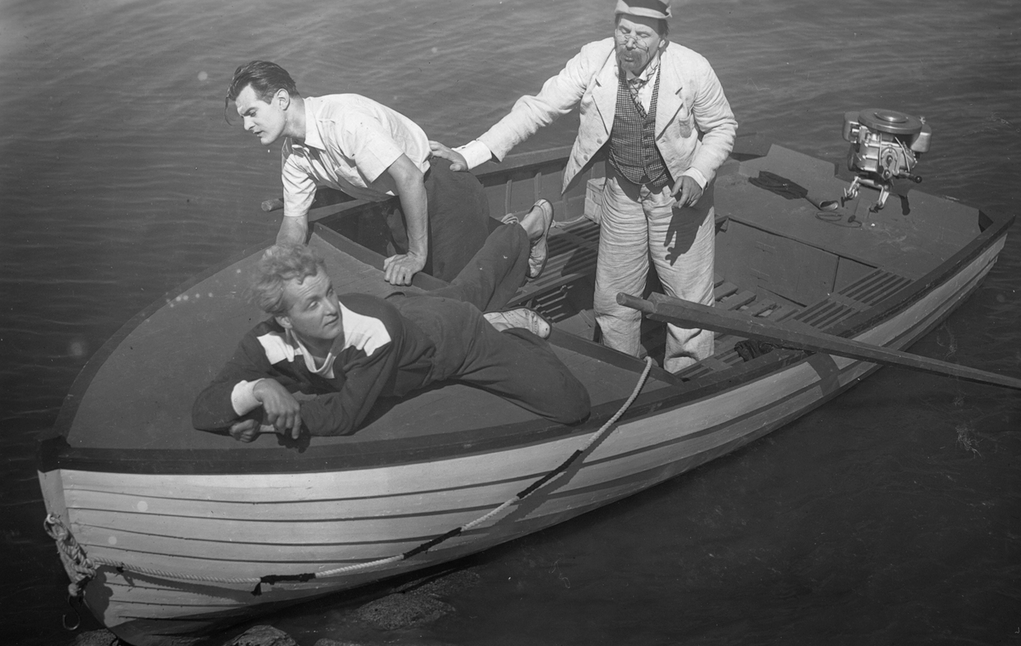
Vacationers Aarne (Tauno Palo), a pharmacist, and Paavo (Leo Lähteenmäki), a lieutenant in the army, offer to help the flustered station-master Mr Virimäki (Jalmari Rinne) get back home from the Finnish countryside. The trio set out in a motorboat, in an attempt to catch the steamer or reach the train station, but engine failure and a dunking in the lake leaves the two Good Samaritans wet, naked and marooned on an island.
Dressed like Adam and a Little Bit Like Eve began life as a 1928 novel by Agapetus, the unfunny scribe who has bafflingly provided so many Finnish “comedies” of the 1930s. By the time this 1940 production rolled out, it had already been turned into a film in 1931, as Finland’s first partial “talkie”, starring Jalmari Rinne’s brother Joel, and would re-made in East Germany in 1959, and again in Finland in 1971.
Terrifyingly, Dressed Like Adam begins in song, as Aarne and Paavo dick around their campsite boiling water and singing about the joys of sunshine. Mercifully, however, they soon stop, and get on with the story, a veritable comedy of errors.
As the nervy Mr Virimäki, the unrecognisable Jalmari Rinne boasts a pair of buck teeth that only add to the impression he gives of being the ever-late White Rabbit from Alice in Wonderland. His panic is pointlessly overblown – the boys pick him up at the dockside mere moments after the steamer has left the harbour, and frankly if he had only stopped pratting around and threatening to swamp the boat, they could have easily caught up with it.
The set-up, of course, superficially recalls Jerome K. Jerome’s Three Men in a Boat, and since Finns are involved, one might readily imagine that this, too, would turn into a bunch of people wittering about pets and discussing imaginary illnesses. But no, because within minutes, the boat has broken down, Aarne and Paavo have lost their clothes, and Mr Virimäki is beset upon by a field full of cows. The location work was shot on the manor at Pyhäniemi, a manor near Hollola that can also be glimpsed in several other Suomen Filmiteollisuus productions, including The House at Roinila (1935), All Kinds of Guests (1936), Seven Brothers (1939), and Serenade on a War Trumpet (1939). Its most recent use as a location was for Hella W(2011), a film about the writer Hella Wuolijoki, author of The Women of Niskavuori (1938).
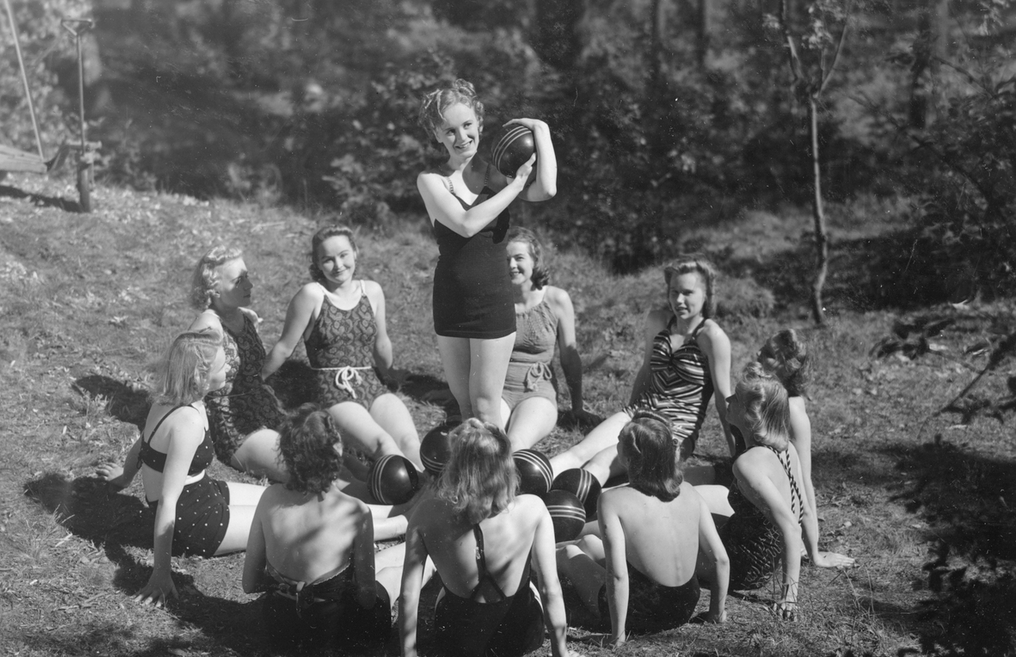
The farce is inevitably compounded when we are introduced to Alli (Sirka Sipälä) and her coterie of beauties exercising in the forest – a bevy of Finnish women in industrial-strength swim-suits, rhythmically lifting medicine balls like a dehydrated Esther Williams routine. She, however, is merely a bit of local colour to distract from the actual drama, which is escaped prisoner Vilho Vikström (Yrjö Tuominen, who played Paavo in the previous 1931 version), hiding out in the forest. Having got into a fight with Vikström and stolen his clothes, Paavo is mistaken for the criminal and arrested by the local police. When Paavo doesn’t return that night, Aarne also swims to the shore in search of him, and ends up having to climb a tree to escape from a dog in Alli’s garden.
Alli throws Aarne some clothes, causing him to spend much of the next act dressed as (and mistaken for) a woman. Cross-dressing comedy then ensues, with actor Palo convincing playing the ingenue, all except for his broad shoulders and prominent hairy chest threatening to give him away… but then again, this is Finland.
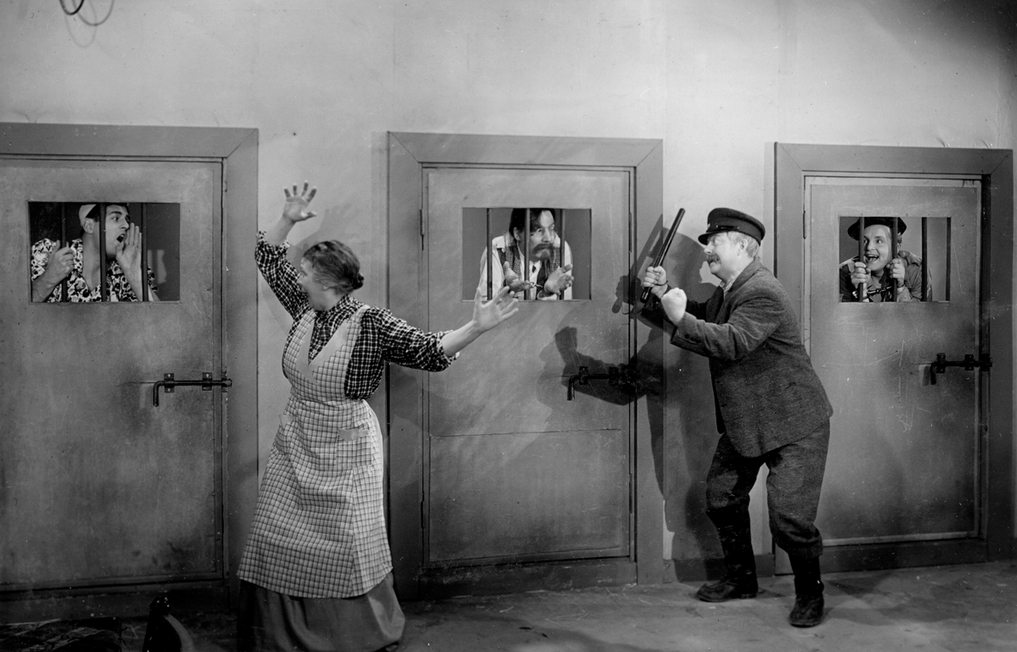
To be frank, I see so much nudity in modern-day Finland that it is difficult to take the jeopardy in this film as anything but manufactured. When my neighbours have proclaimed Topless Thursdays down by the lakeside near my house, and there are more baps on show than a Burger King assembly line, the fact that Paavo and Aarne haven’t got any pants on doesn’t feel all that much of a big issue. Like many other Finnish farces of the period, Dressed Like Adam relies on unconvincing slapstick and misunderstandings that could reasonably be dispelled by people simply having a conversation. Before long, all three men are incarcerated on suspicion of being Vikström, singing at each other in jail while Alli roams the countryside in search of the real criminal, who has, of course, got into their boat and made himself ill drinking a bottle of something he thought was moonshine.
That’s not to say there aren’t some moments of genuine humour, such as Paavo introducing himself to Vikström in the forest, standing to attention and reciting his name and division within the Jyväskylä Regiment, but with his cock plainly waving in Vikström’s face. High-jinks inevitably ensue, with Aarne falling for Alli, who remains blissfully and somewhat worryingly unaware that he is a man – compare to similar gender-bending in the earlier The Man from Sysmä. By the time Alli was crawling into bed next to Aarne for an all-girls-together slumber party, and then demonstrating her exercises scandalously and boobily in the nude, I was tittering away like a 1940s Finn, and unexpectedly warming to a script from an author whose work I usually find about as welcome as a prostate exam. Possibly, the victory here does not belong to Agapetus, but to Nisse Hirn, the screenwriter who adapted his novel. Hirn was also responsible for The Man from Sysmä and The Bachelor Patron, but at this point in his career, his greatest works were still ahead of him.
Extra points awarded for Alli’s pert nipples, which manage to be prominently on display even when she is wearing clothes again, poking through her summer dress. I guess that’s why actress Sipilä got top billing, even though the film’s triumph, among audiences and critics, was Palo’s prolonged and often convincing experiment with what constitutes femininity in 1940s society.
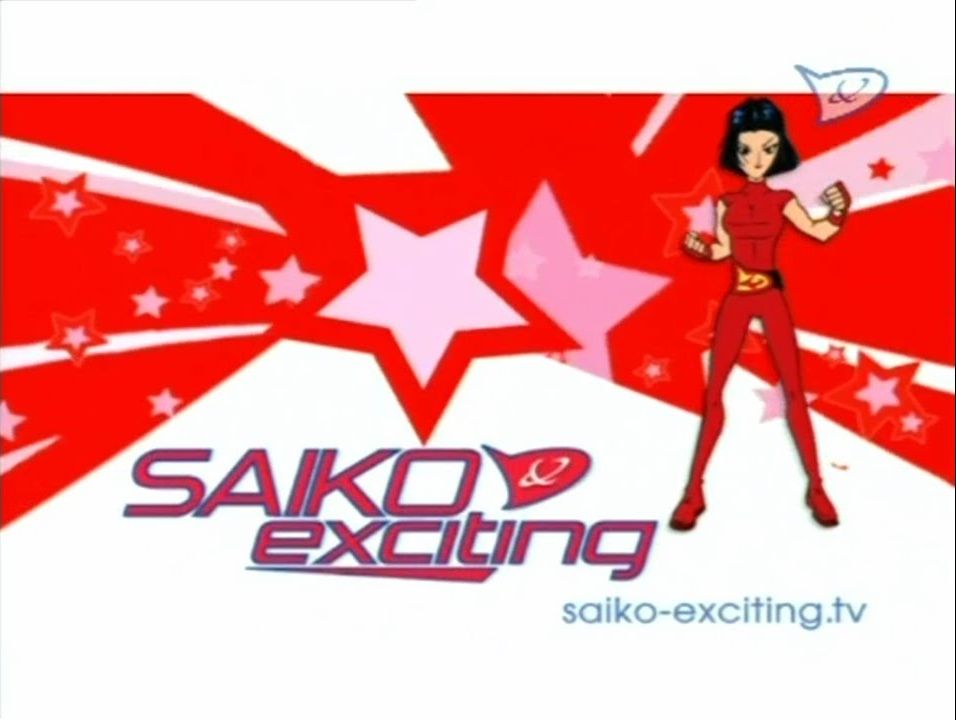
Tim Lunn of Anime in the UK wants to ask me about Saiko Exciting (2002) in the comments section, but I am replying here because my comments section inexplicably won’t include paragraphs any more. And he asked me two weeks ago, and so I apologise for only just seeing his questions now.
TL: I know you did co-host back in the day I’m writing to ask how this show came to be and what it was like working on it?
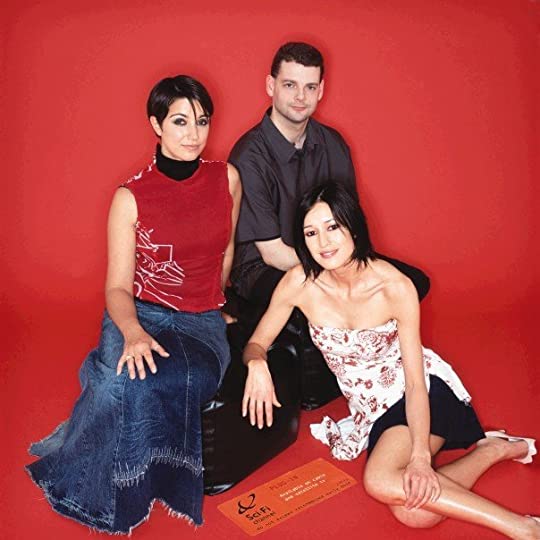
Tim, in case you haven’t already, I do recommend typing “Saiko Exciting” into this blog’s Search box, just to hoover up every mention I have made of it, including Hissy Diva Fit, my account of the day of the photoshoot, and Economies of Knowledge, in which I do indeed tell the true story of the expert consultant who got paid a huge amount of money to tell us all that the thing that was wrong with the anime programme was all the anime in it.
My own involvement with Saiko Exciting started when I presented a history of anime sci-fi at the ICA in London as part of, I think, the first Sci-Fi London film festival. There were a bunch of people from what was then called the Sci-Fi channel there, sitting in the audience, and I think someone thought I would be a useful house weeb to have when they did their Japan-themed show.
TL: Sadly, only later shows from the run exist on YouTube. I would like to know what the show was like when it was following its original vision.
I was actually only on the show proper as a presenter for the first eight episodes, I think. After that, I was moved to introduce the Thursday late-night anime slots solo. I would come in every Monday and shoot them with a revolving merry-go-round of directors. I think the director of my last intro had been the tea boy at the first. When I showed up, Debbie the assistant producer would give me fifteen minutes to translate a song into Chinese, sometimes a song I had literally never heard before that morning. It was a silly little slot that filled up a minute on the show proper for the rest of the episodes, but I rarely had anything to do with the people making it, as I was off doing my intros.
So in terms of the “original vision”, I think that the main thing jettisoned from the first couple of months was, er… me. I have vague memories of having a couple of Statto the Statman type banter sequences with Emily and Seera in the early episodes, but by episode nine, I was doing that solo on Thursday nights, introducing the various anime, reading out hate mail, and giving a run-down of the anime news. Looking back at my emails, I see that the later episodes of Saiko Exciting had a new, bittier format that broke up the anime a bit so left no time at all for anyone to get bored with any one thing. That, at least, was the idea. I can’t say for sure because I don’t know if I ever watched it myself!
I really loved working for the Sci Fi channel, and it was my first real taste of the media whirl that my life still occasionally is. But it didn’t last very long.
I came in to the offices on the day after the last episode went out, and I found everybody standing around one of the computers staring in bafflement at the screen. Our ratings showed an absolutely huge spike on the last episode.
“What does that mean?” I asked.
“It means,” someone said, “that only an idiot would cancel us.”
While the show was cancelled, I think, after episode 20, my late-night intros made it to the end of 2002, so there were four more, and the scripts for my weekly news round-up went up to #64, and continued to appear on the website, along with my Far West column, until December 2003. Most of the people I knew at Sci Fi had gone by September… I remember there was some sort of shake-up and the turnover of the staff was so huge that it was basically a different company and nobody knew me.
We’ve all gone on to bigger things. Seera hobnobs with media royalty and has her own production company under her real name. Emily Newton-Dunn is some sort of corporate ninja at Electronic Arts. And I became “Dr Jonathan Clements”, and a few years later, the fact that I had any television experience at all, however mad, helped me clinch my job on Route Awakening.
A few years later, Saturday Night Live did a terrifying skit about a TV show for weebs, and I thought… “Oh my God… that’s us!”
Netflix is “…altering the Japanese and production industries through the sheer scale of its investments, creating more demand and pushing anime beyond the aesthetic limits of Japanese broadcast law.”
Over at All the Anime, I review a handy introduction to the digital corporate skulduggeries of the recent anime world.
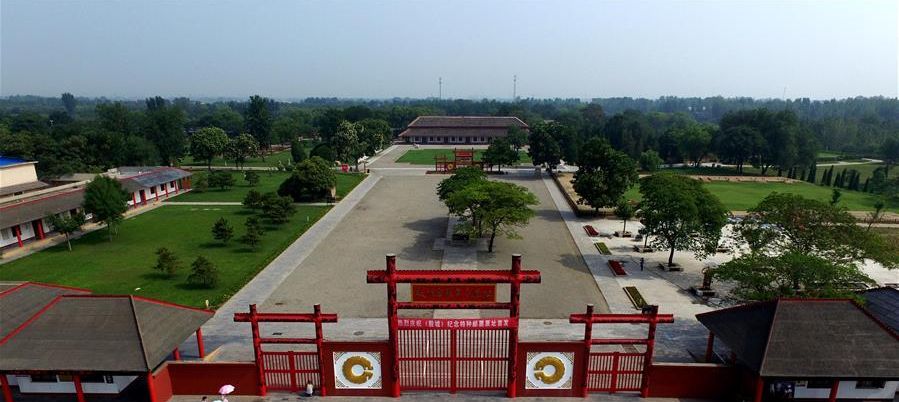
Out today to the Wastes of Yin, where can be found the ruins of the Shang dynasty, now contained within the Yinxu Museum Complex that includes a replica of the two-storey Shang palace, the grave of Lady Fuhao, and red gates painted with the ancient hieroglyphs that can be found on the oracle bones.
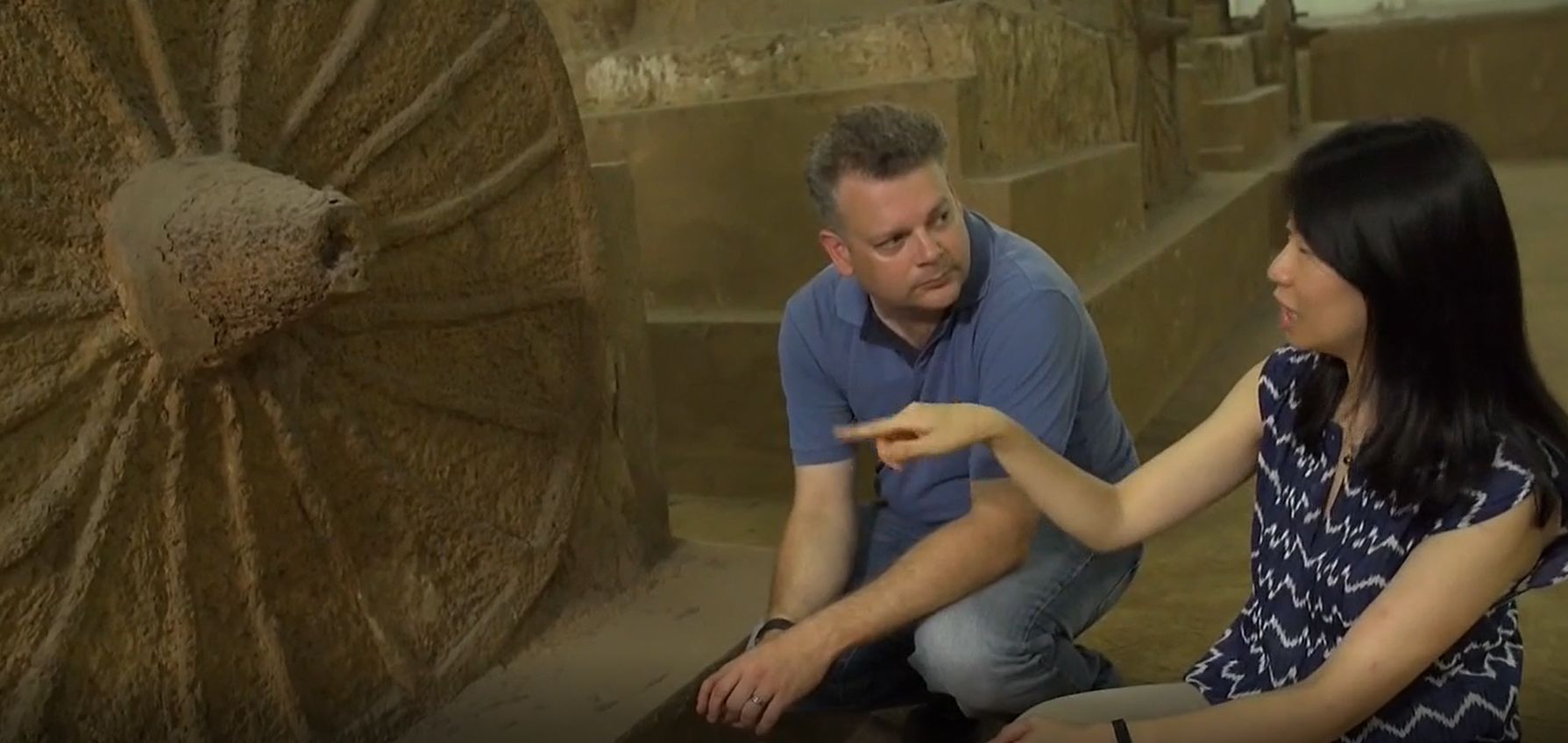
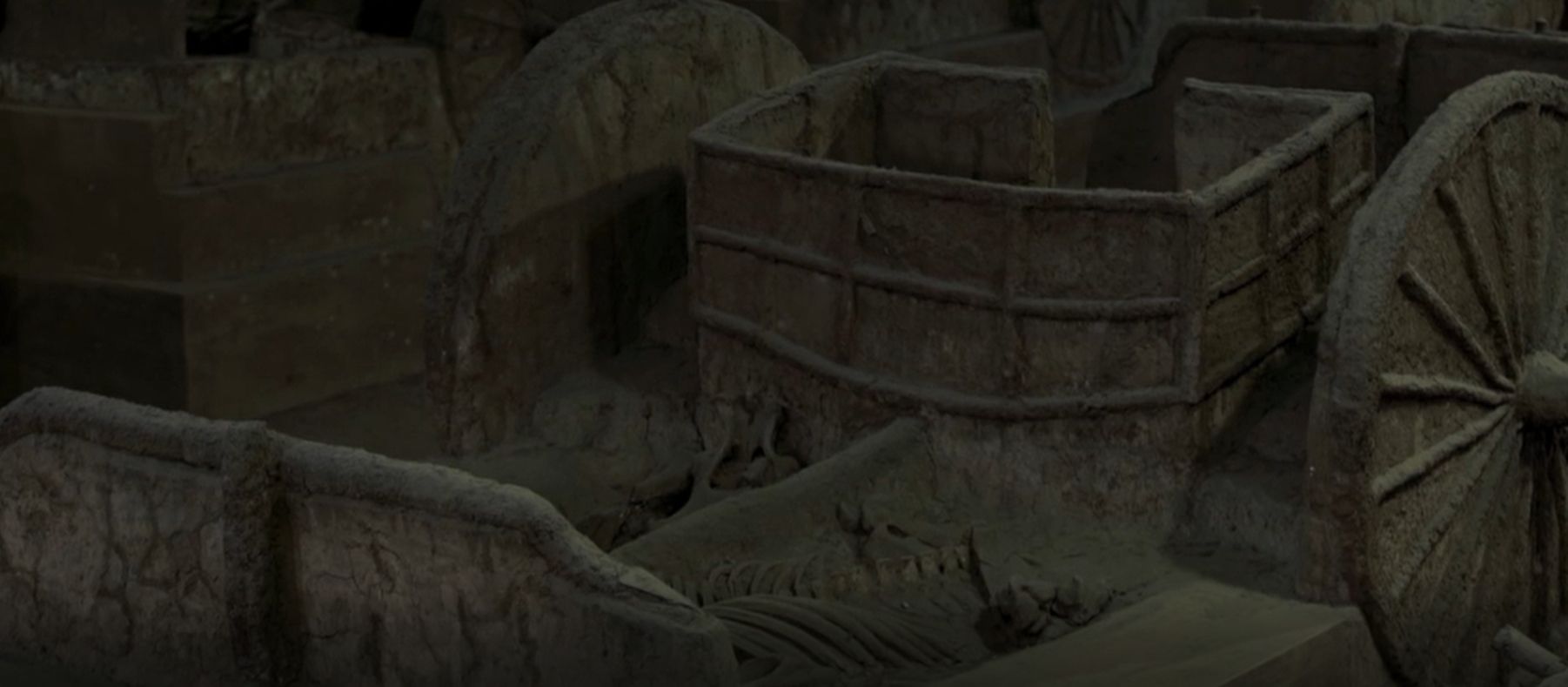
I am climbing down a stepladder into a pit containing six chariots, each accompanied by the bones of the horses and a human sacrificial victim. The chariots themselves are mere ghosts, the wood long since having rotted away, carved out of the mud by archaeologists shaving away the light-coloured mud from the darker mud that once was wood, in order to create the shapes of where they once were. The chariots were buried three thousand years ago, so there is not a whole lot left of them.
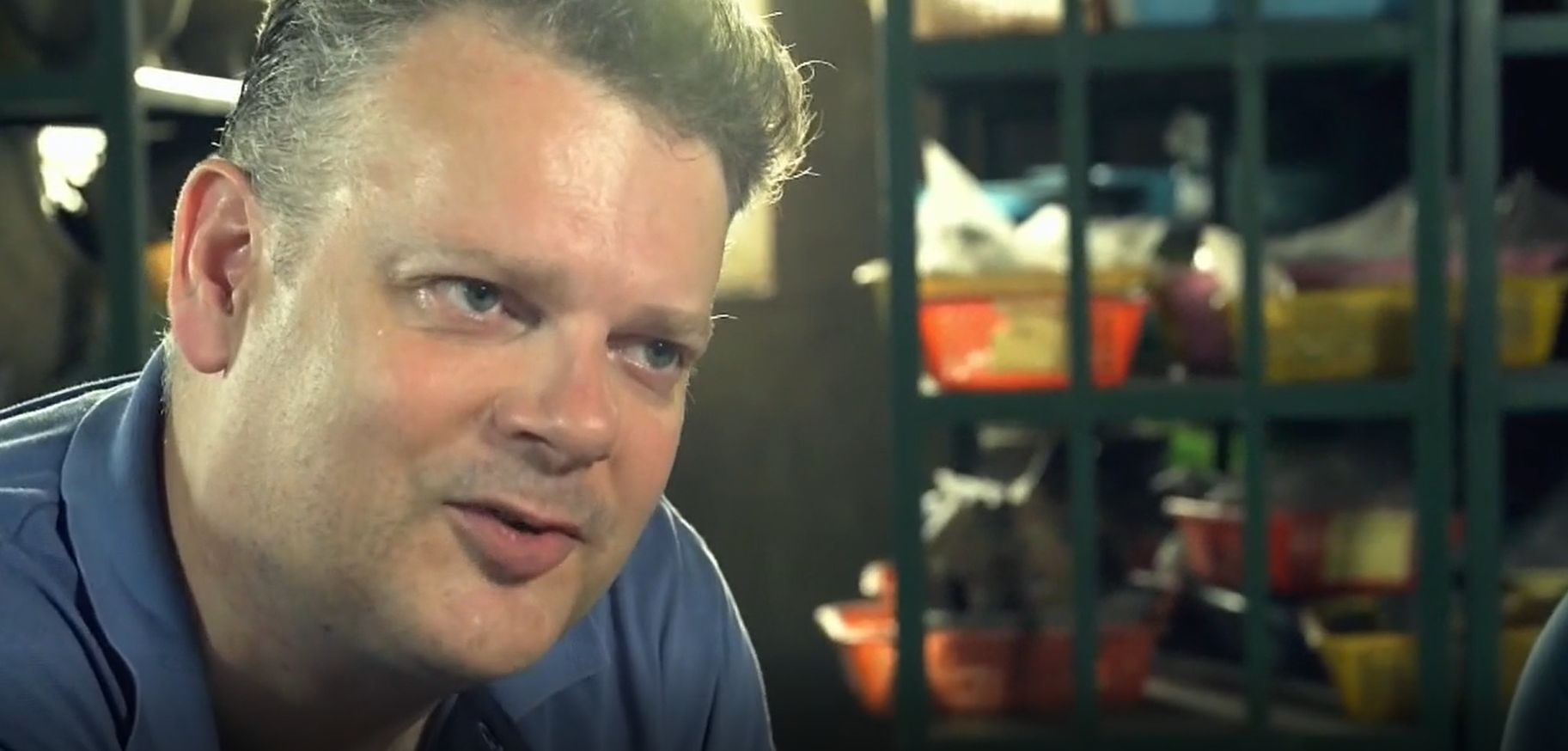
Wu Hsiaoyun wrote her D.Phil at Oxford about the history of chariots, and it’s fair to say that she is the leading world authority on the subject, and I am only in the room to make this a conversation rather than a lecture.
It is a long and tiring day, repeatedly walking around the chariot enclosure, discussing the wheels, the spokes, the cockpits, the horses (which are really Mongolian ponies), the disposition of the sacrificial victims, and the likely changes in chariot appearances between the late Shang and the Eastern Zhou, a period spanning five hundred years. We have to do it in a wide shot, in a close-up, in a two-shot, in a medium shot, from above, and then with the jib – a long counter-weighted crane that can sweep in above the exhibits. Then we have to do it all again with the Osmo, a little camera on the end of a prehensile, bouncy arm to create a sort of mini-Steadicam. Then the director has to do pick-ups of us pointing at the chariot, the horses… etc. By the end, we are talking about anything except chariots, and I am pretending to be buying a sporty model to impress girls, while Hsiaoyun is pretending to be a car dealer flogging me the latest BMW with human sacrifice. At this point, the audio doesn’t matter as we are only acting with our fingers.
We finish up by walking past the ceremonial gate, which is decorated with a snake-like image that is the jade dragon ring of Lady Fuhao, the leader of king Wuding’s armies.
Late in the day, I hear squeals of delight from over by the calligraphy kiosk, and see Hsiaoyun talking to a little old lady with a horsey accent. She is Dame Jessica Rawson, professor at Oxford and Hsiaoyun’s former doctoral supervisor, in town entirely coincidentally to talk about bronzeware.
“She was very tough,” says Hsiaoyun. “Sometimes she would draw a line through an entire page and write RUBBISH in big capital letters.” But as a result, Hsiaoyun’s PhD thesis (which I had devoured the night before in preparation) is beautifully readable and cogent.
“She was my favourite pupil,” says Jessica. “Because she did bronzes, like me. Well, good luck with your… television programme.” She says it like she has just discovered we are anime fans or something.
Maybe the concept of “impact” hasn’t yet filtered up to Oxford, an institution which doesn’t seem to see the value of its staff getting their faces and the university’s name on television in front of the general public. It’s not like Oxford ever has trouble getting people to apply for it, whereas hungrier, more media-minded universities are ready to endow Chairs of Public Engagement. Some organisations recognise that even though there is no academic value in press stories and talking-head appearances, they do still function as part of a university’s marketing. Chinese scholars, on the other hand, usually seem more worried about the opposite effect, and that one misstep or fudge on camera will be preserved for all time and lead to public ridicule by one’s peers. Repeatedly in my Chinese travels, one of the fundamental parts of my job has been to put a jumpy academic at ease by making it clear that I am not some blank-eyed sock-puppet, but a colleague who understands what they are saying.
The director wants pre-credit soundbites from us – a single sentence that can be used to rev up the audience’s excitement at the top of the programme. Hsiaoyun’s version takes multiple attempts, and comes barnacled with qualifications, inferences, and caveats, because as someone who is in academia for a living, rather than a tourist like me, she cannot allow herself to be misquoted or misunderstood, because it will return to bite her. Some of these chariots might be quite old and quite early and they had some possibly interesting uses in a five-hundred period, between the late Shang and the eastern Zhou, and… she sounds like a reluctant salesgirl trying to interest me in a cellphone package that I don’t need.
My turn: “The arrival of the chariot in China is a revolutionary technology. Like the invention of the aeroplane in the twentieth century, it opened up an entire new arena in combat.”
You are quite good at this, says Hsiaoyun. Well, I point out, I am more aware that what television people are looking for is often not information, but permission, to tell the story that they are going to tell anyway.
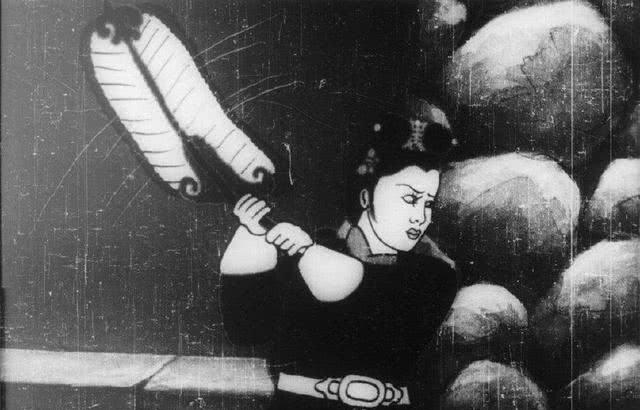
“Kosei Ono writes a chapter specifically about the impact of Chinese cartoons in Japan, beginning with the watershed success of Princess Iron Fan, conceived in China as an anti-Japanese parable, but screened in wartime Japan as an innocent children’s cartoon retelling an episode from Journey to the West. Of course, it also spooked the hell out of the Japanese Navy, which threw money into making a rival feature so that Japan could regain the cultural high ground – the result was Momotaro: Sacred Sailors.”
Over at All the Anime, I review Daisy Yan Du’s new collection Chinese Animation and Socialism, which manages to link wartime propaganda, Chairman Mao and contraband dubs of Jenny Agutter in The Railway Children.
“In other words, just as Ascendance of a Bookworm shows a character changing the world through the pursuit of a certain invention, and How a Realist Hero Rebuilt the Kingdom saves a nation through accountancy (no, really), Tearmoon Empire’s protagonist sets out to change her world by not being such a terrible bitch.”
Over at All the Anime, I review Nozomu Mochitsuki’s Tearmoon Empire.
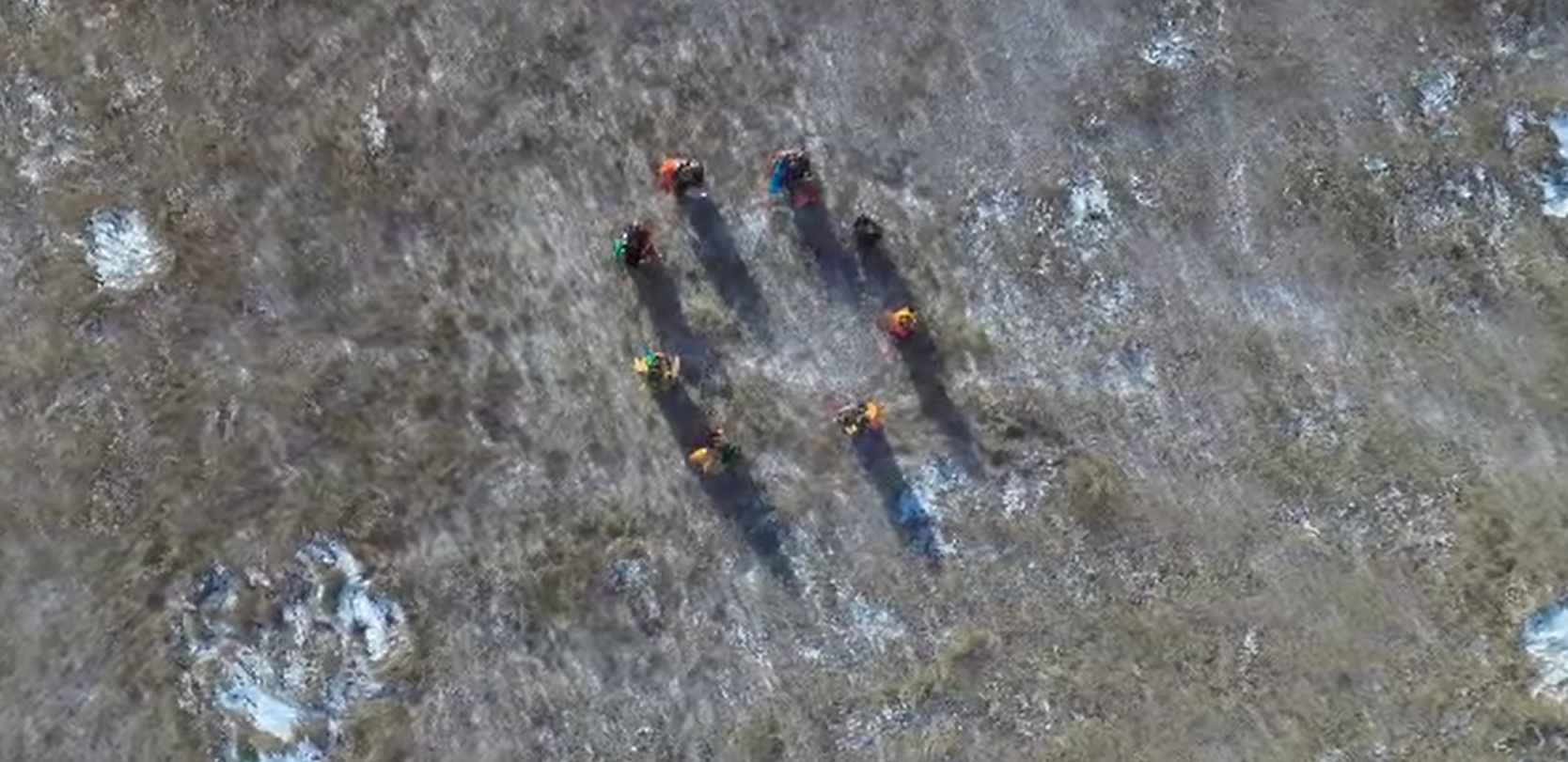
Back out to the park in ten degrees below, to film the shamanic procession and dancing from yesterday. Yes, we already filmed it, but today we have to do it again for the benefit of the drone to get some picturesque aerial photography. That isn’t as easy as it sounds, because the drone batteries go flat within ten minutes of hitting the cold air, and it often takes ten minutes to calibrate them, because the sound man’s phone is the interface with the controller for the flying camera, and it refuses to operate unless it is cuddled and cosseted within a pile of camping heater-packs.
Our drone pilot must also operate the phone using its touch-screen, which means he can’t wear gloves in the freezing temperature, and can’t actually feel where his finger ends and where the screen begins. The shamans are also complaining, because they never realised that they would be standing around in the snow.
“We don’t do this in winter,” says one tubby lady, whose name is Yufang. “And some of us are in our sixties. And what’s with all this ‘OKAY’ business? That director woman is always shouting ‘OKAY’ all the time. She says it when it’s time to start, she says it when it’s time to finish.” Her fellow shamans all titter and giggle, and start chanting “OKAY” while banging their drums and shaking their hips to ring the bells on the end of the long ribbons.
A man walking his dog stares at me like I am somehow responsible for the dancing wizards in gold crowns and rainbow ribbons, banging drums on a Tuesday morning in the park.
I explain what okay means, and ask Yufang what it is in Mongol.
“Bolok,” she replies, which is too good to be true.
The drone barely manages two ten-minute runs in the cold air, while the shamans shiver and wait for their cue. The locals don’t help by insisting on treating a public park like a public park, so that at least a couple of shamanic rituals are interrupted by a hatchet-faced woman in a purple tracksuit, power-walking along the path. The usual crop of men with giant telephoto lenses are in evidence, but we don’t think they are spies. Everybody and his dog seems to own a massive telephoto lens in Songyuan – maybe this is where they make them.
The afternoon is spent in an embroidery workshop run by the twins, Black Silver and Coral Red. Their grandfather was the scriptwriter on a Genghis Khan movie and they are plainly posh literati, whose workshop specialises in the Planet Mongo fashions of the Mongols, all Vulcan shoulders, and hats that seemingly have dildos sticking out of the top. Black Silver and Coral Red fuss around their guests with a pot of tea, and I interview two of the shamans, including Furong, the witch-woman from last night.
Furong isn’t drooling bogies and ash any more, nor is she spitting firewater at the camera. Instead she has transformed back into a well-turned-out forty-something in a fluffy fur coat, with the occasional habit of rolling her eyes to commune with unseen spirits. She is only 42, but I can see from the light behind her hair that she dyes it, and wonder if she is hiding bolts of grey witchy hair. But if she had it, why would a shaman hide it?
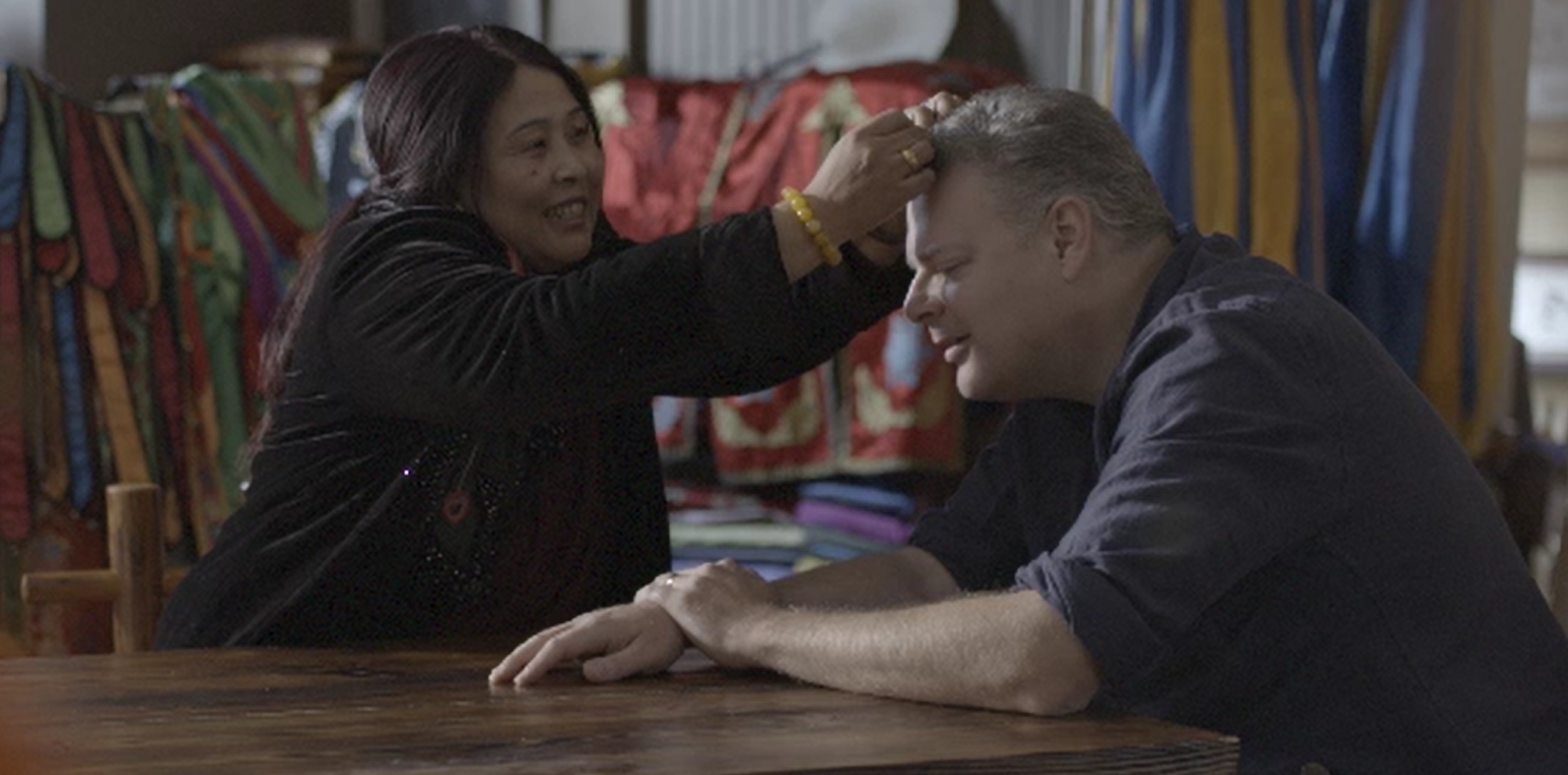
Her hands are amazingly warm and soft. Furong starts stroking my hands, peering underneath my eyelids, examining my stuck-out tongue, and pulling out one of my hairs.
“You must be careful with your heart,” she says, after conducting this odd examination. “You have an odd heartbeat, and stomach problems, too. Maybe your kidneys. But these are all signs of a haunting.” Sickness of some sort, particularly in the heart or stomach, is one of the signs of a shamanic disciple in waiting. “Your fingers are cold, but your hands are warm,” she continues. “This is because of the bad circulation from your heart.”
“There are spirits watching over you,” she says. “And you have great power within you, to be a black shaman, the most powerful kind of all. Your dreams already see the future. You cried when I danced. You must be exorcised to banish the sickness, and then you can begin your training, assuming you find a suitable mistress.” Her eyes flash.
In the mirror behind her, I see the crew exchanging quizzical glances. Nobody was expecting this, least of all the other Mongols in the room, who are wide-eyed with excitement. The sound man doesn’t help by humming the theme from Bewitched while he fiddles with the sound dials.
“Been a while since we found a black shaman!” beams Mrs Bao.
“Bit of a turn-up,” agrees Mr Bao. “Bolok!”
A black shaman apparently something of an untouchable in East Asia, who mediates with the lower and more terrifying spirits, as opposed to the white shaman who consorts with the nobility and the nicey-nicey spirits. It doesn’t sound like a particularly appealing career to me, particularly if I have to eat ashes and spin in circles while talking to the evil dead. But, you know, if writing doesn’t work out, it’s nice to have exorcism to fall back on.
Furong already has a disciple (some shamans have dozens), a soft-spoken man called Ping who was the subject of last night’s exorcism. While Furong sips daintily at some red tea with her long-suffering husband, Ping tells me about his damascene moment.
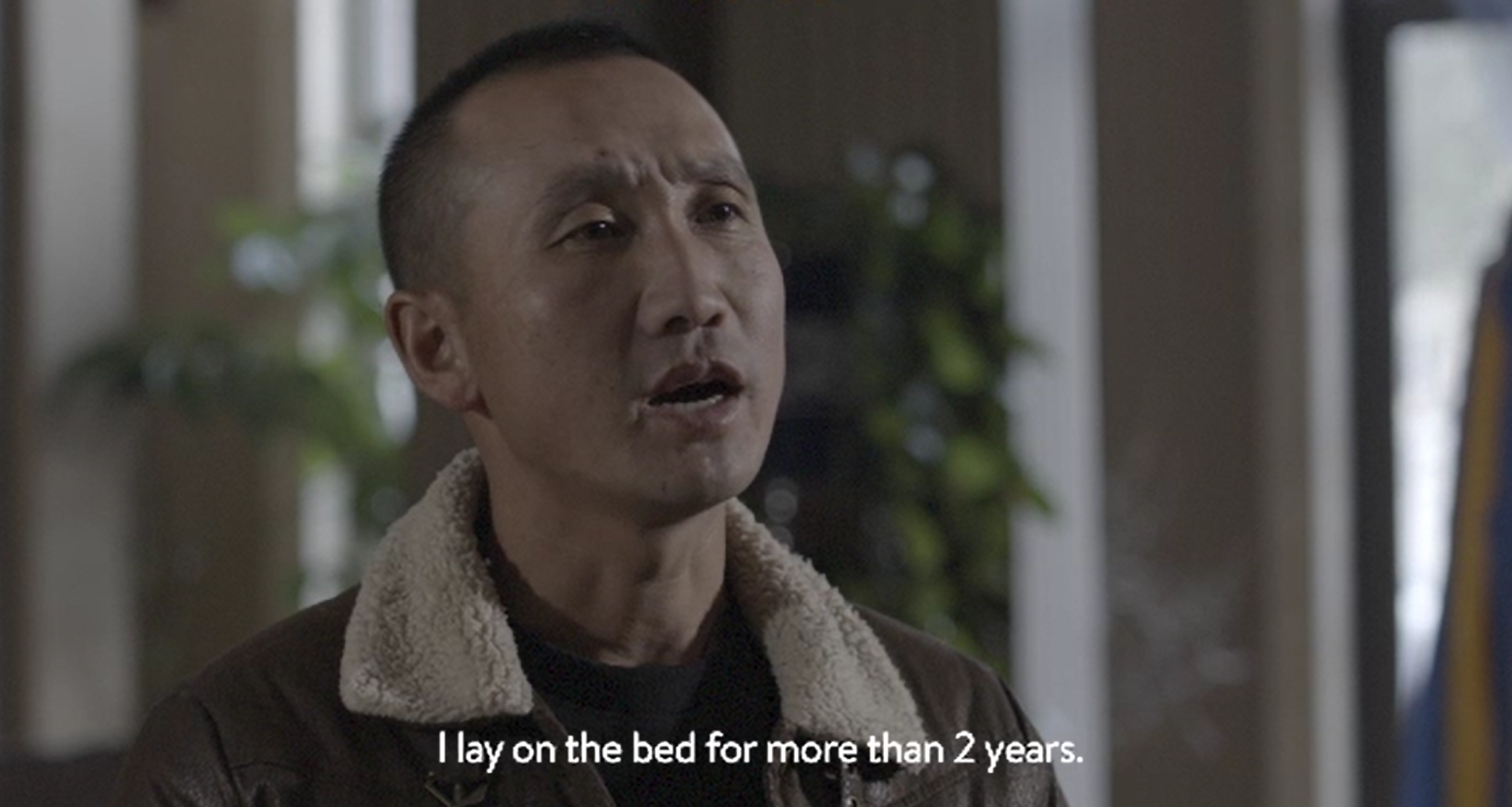
“I was in an accident,” he says, “and I couldn’t do sports any more. For three years my limbs were stiff like there was something squeezing my bones. But then I saw Her, and I realised I had seen Her before. I felt like I already knew Her, and we talked as if we were long acquaintances. And then I remembered, I had seen her in my dreams. You see your teacher in your dreams, and your dreams lead you to Her. She agreed to teach me. They chased out the ghosts and welcomed in the good spirits, and I felt such happiness. I was so happy… I, I…. can’t say in Mandarin.” He switches into Mongol, and we have to wait until we get home to get it subtitled.
Michelle the assistant producer is getting on with her usual tasks, scribbling the next shot title onto the clapperboard.
Furong suddenly seizes Michelle’s hands.
“You are a shaman,” she tells her. “You are from a family of shamans. I see your ancestors in you.” Michelle recoils in horror and scurries out to the toilets.
Furong doesn’t seem to be bothered by this.
“She knows,” she shrugs. She looks at me again, her eyes hypnotic. “Your dreams come true, don’t they? You have seen the future in dreams, but you only know it when it occurs. That is the first sign.”
The director is getting increasingly annoyed by all this hocus-pocus, and starts shooing people out of the room to the next location. The cameraman is similarly unmoved, claiming that Ping the Possessed only shook and wobbled at the exorcism last night when he saw that the camera was on him.