“What makes this such a stand-out book on Japan is its humor. Clements injects his book with humorous observations and anecdotes that add so much humanity to an otherwise dry and exhaustingly lengthy topic. This is a history book painted with color and vibrancy.”
Where the mountains meet the sea, there is a valley that leads down to the rocky beach. A giant bronze statue of Laozi, author of the Dao De Jing, stands overlooking the coast, his left hand pointed up to heaven, his right hand towards the earth.
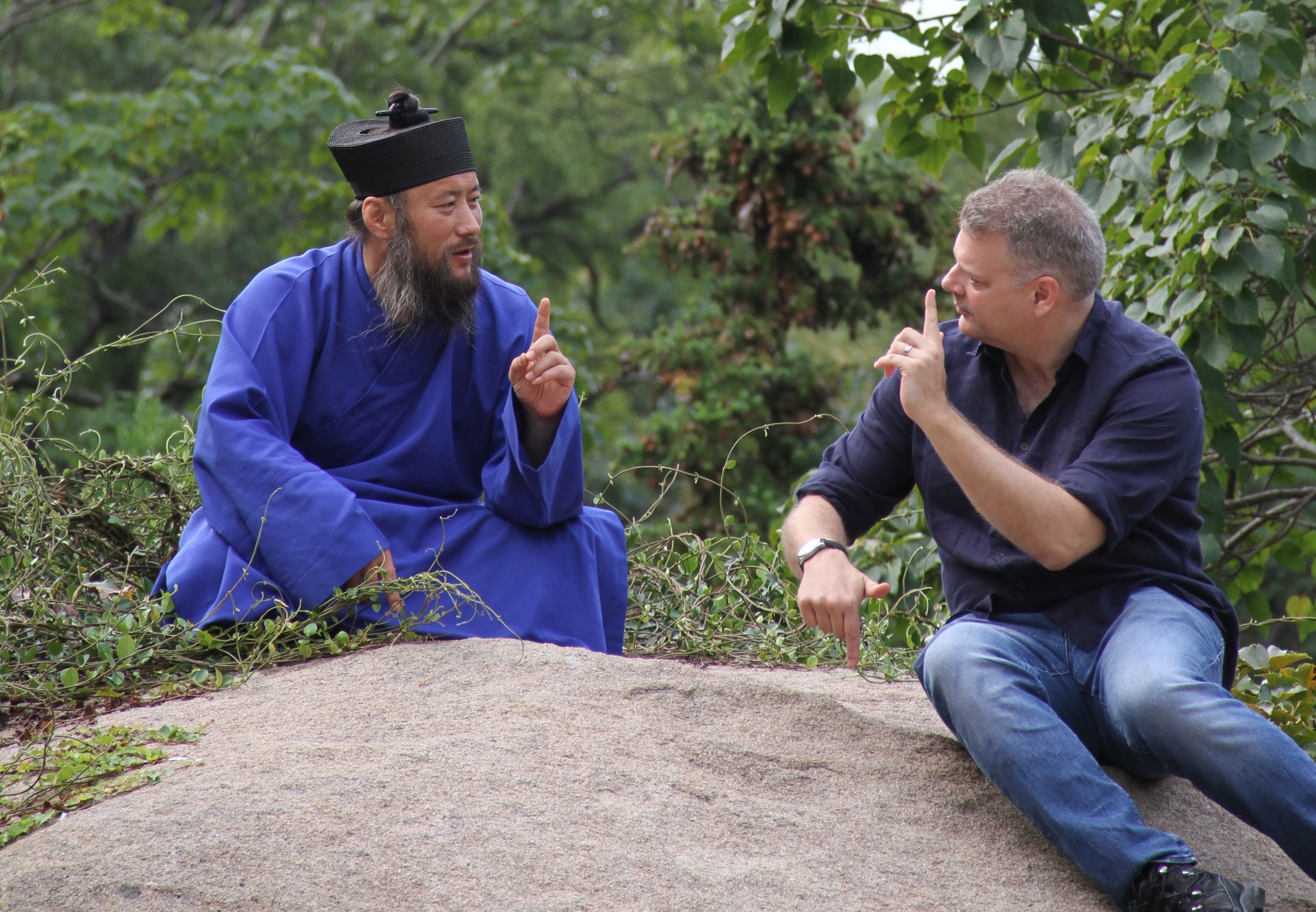
“What’s that about?” I ask the Abbot, who looks a bit like David Duchovny with a wispy beard.
“The left hand is upwards, because it is yang. The right hand is downwards because it is yin. Yang Heaven and Yin Earth, and what is between them? You are,” he says.
He is clad in sky-blue robes that have not changed a whole lot in the last two thousand years, when the first Daoists reached this high point on the coast and decided to site their temple here. His hair is tied in a topknot that pokes through the top of his hat. And we are sitting cross-legged on a rock that juts out above the forest and the crashing sea, where he is supposed to be showing me how to meditate.
“Empty your mind,” he says, “and concentrate on the sounds of the natural world around you.”
The sounds of the natural world currently include a crew of two dozen people: the clapper loader, the director, the assistant director, the A cameraman, the B cameraman, their various grips, the battery guy, the sound guy with his little hostess trolley full of gubbins and wires, with two giant aerials like shark’s fins, Mitch the producer, who is trying to describe the plot of a film called G.I. Executioner, in which a topless girl falls into a fishnet in the middle of a gunfight, Frances the fixer showing pictures of her cat to some random passer-by, and several runners telling everyone to keep quiet. Meanwhile, there is the chainsaw buzz of the drone as it hovers around us like an angry dragonfly.
“Hurry up!” shouts one of the tour guides. “The tourists will turn up soon, and then it will get noisy.”
With a messy clatter, the drone crashes into a tree and stays there. With weary sighs, two members of the Drone Team begin the long walk down to the car park to get their ropes and ladders.
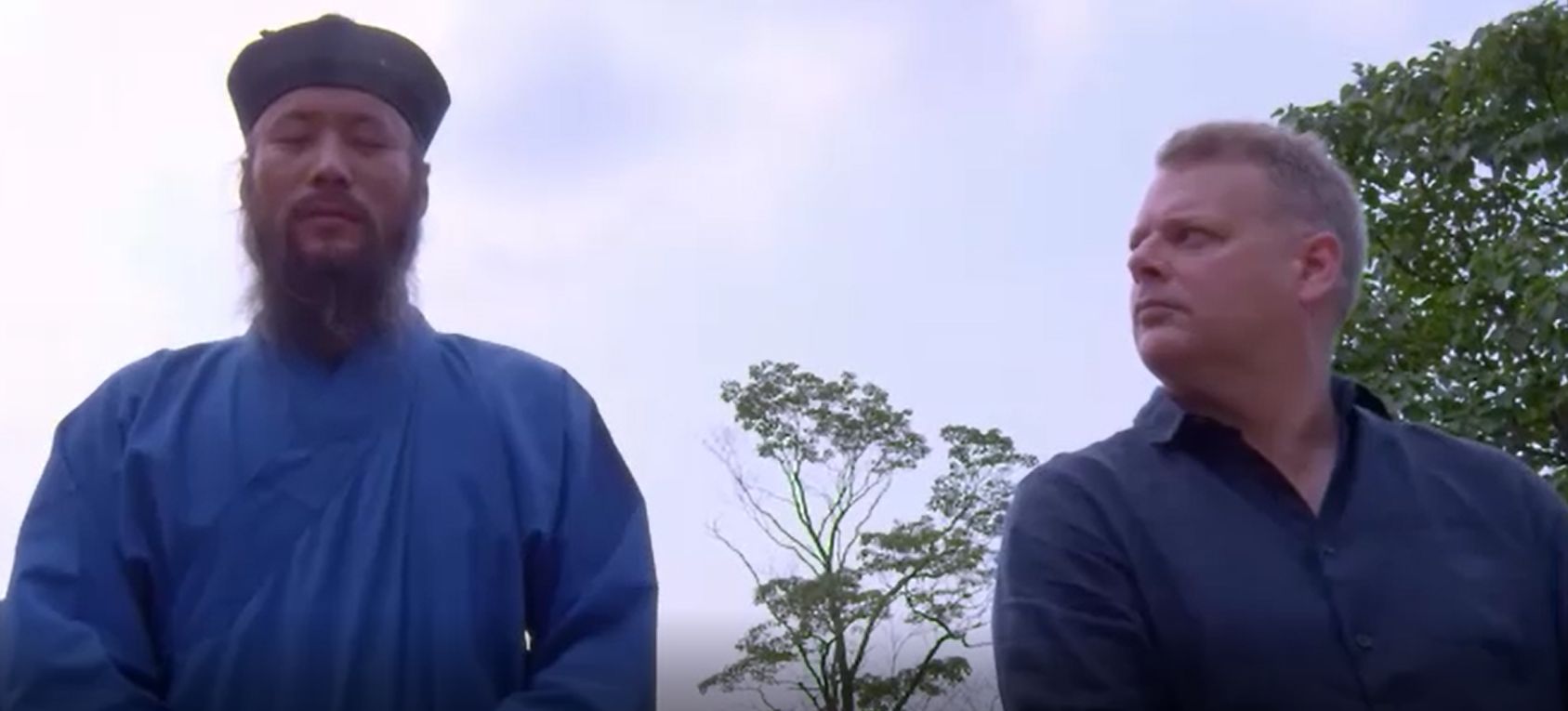
I am getting a sixth sense about interviewees. These days, I can tell usually at first glance whether someone is going to be like getting blood out of a stone, or a fun and easy conversationalist. Abbot Huo is mercifully one of the latter, ready to answer any question with a well-argued speech. He tells me about the origins of Daoism, the practices of their rituals, and his own version of the famous meeting between Confucius and Laozi. Or as it turns out, not so famous.
“Confucius was a pupil of Laozi. It is known,” says one assistant like some ill-informed Dothraki.
“They met once, apocryphally,” I say, and she sulks for the rest of the day. There are some mumblings that she has “read some books”, but they plainly aren’t the actual books that I am passing around in the bus on my Kindle – The Book of History and the Zhuangzi, which are the places where the story of Confucius’s meeting with Laozi is actually told. That’s because this is my job. That’s why I have marked those passages, because National Geographic require two printed sources, not something someone overheard at a party once.
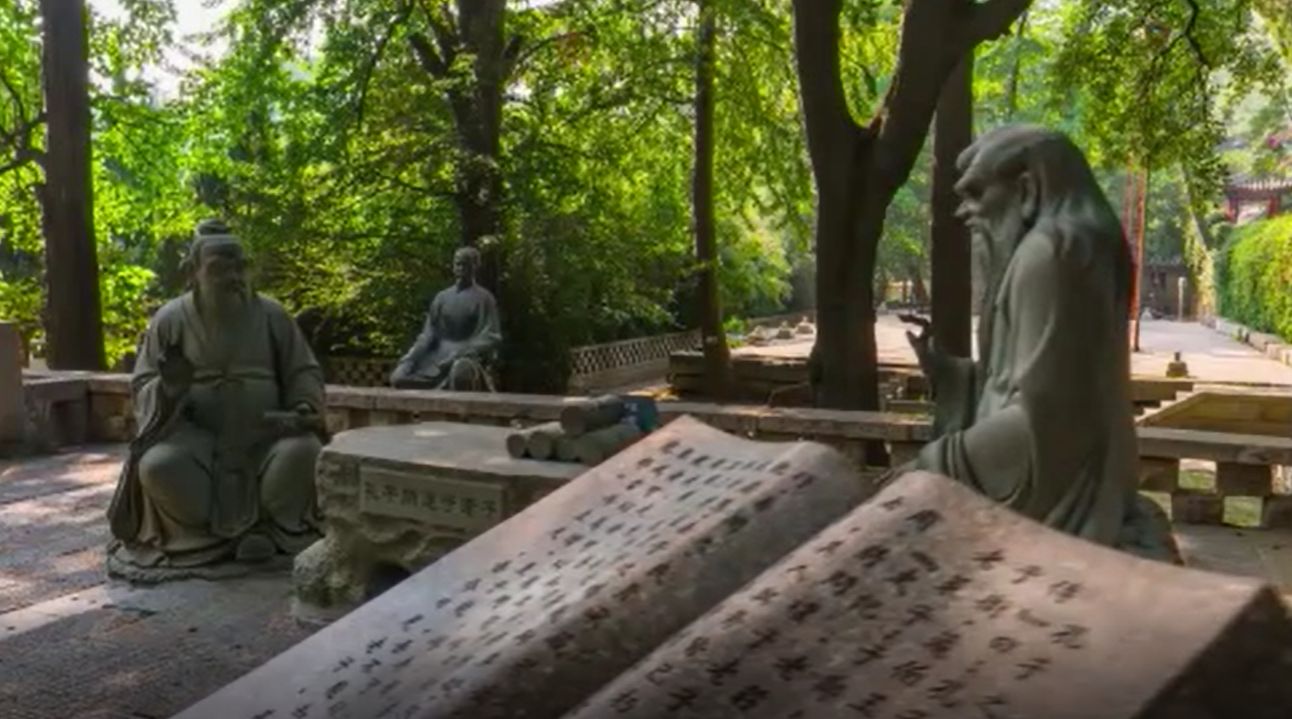
In the grounds of the temple, there is a statue of Confucius meeting Laozi, with an inscription next to it telling the story.
“This is from the Analects,” says a camera assistant, trying to help.
“It’s from The Book of History,” I tell her, pointing at the words Book of History on the inscription. I do this for a living and have no time for the Twitter version. It is my job to show up at dawn for the reconnaissance mission, see what there is to talk about, and then to wait, sometimes for hours with nothing to do, until the moment when I am obliged to leap into action and deliver a 20-second speech with no mistakes, about an obscure matter of classical Chinese philosophy. Everybody has a difficult job to do, but this is mine.
The Abbot walks with me through a grove of camellia trees, discussing his childhood love of the Chinese opera The Eight Immortals Cross the Sea, and the opposition of his parents towards his chosen, celibate profession. All of a sudden, I realise that this origin-story could have been told at any point in the last three hundred years.
“How old are you?” I ask.
“A Daoist never tells,” he replies.
How I wish all interviewees were like him, ready with a quotable, editable answer, keen to explain things, experienced enough to know that having to repeat an action thirty times is not unknown in the television world. Although I am resisting orders as much as possible, and conducting interviews in Chinese, the director is demanding that I ask the main questions in English, which the Abbot does not speak. The Abbot suggests that we prime him with a list of subjects, and that I ask the next one along in English after he unobtrusively flips his right sleeve during an answer. It means we get through the whole interview in a single long take, and I can ask him anything I want with the audio recording as we walk through on second and third pick-ups for different lenses.
He shows me how to hold my hands in the Daoist symbol of respect – an immortal gang sign I find myself flashing at nuns and monks for the rest of the day. He explains that the chanting from the earlier ceremony was the three names of the Daoist Emperor-Officials: The One Who Confers Blessings, The One who Absolves Sins, and The One Who Eliminates Misfortunes. He shows me the acupressure points on my legs to relieve the pain of sitting cross-legged on a rock for half an hour, and he gives his own version of the story of Confucius’s fabled meeting with Laozi.
I do my version at the statue, leaping between the two philosophers’ statues like a sarcastic umpire, relating the story as it is set down in the Zhuangzi – the longest variant, while a series of gawping Chinese tourists shuffle pass and pretend to know what the inscription says.
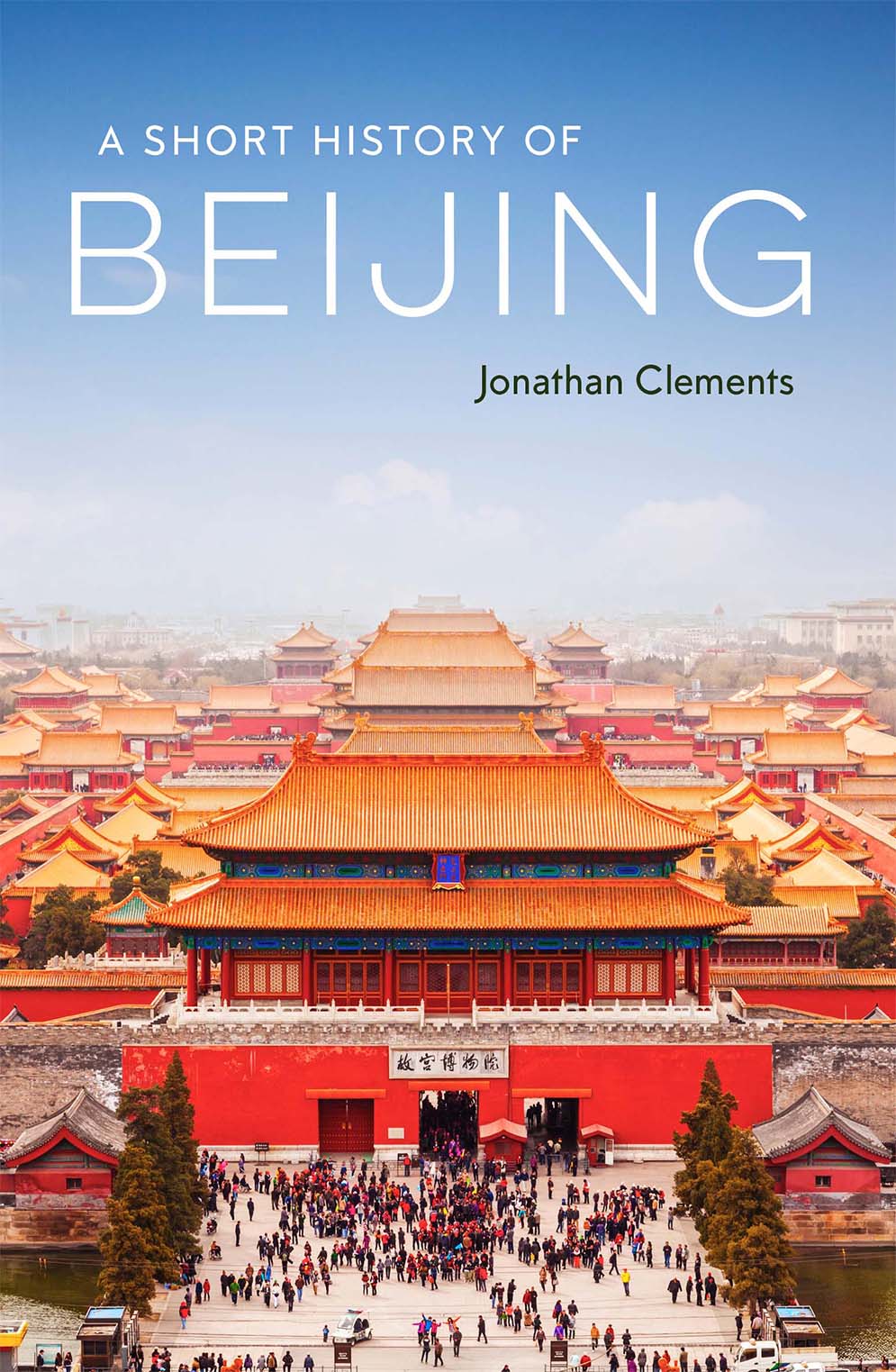
Before China’s capital became a sprawling megacity and international centre of business and culture, its fortunes fluctuated under a dozen dynasties. It has been a capital for several states, including those headed by Mongolian chiefs and the glorious Ming emperors, whose tombs can still be found on its outskirts. And before all that, it was a campsite for primitive hominids, known as the Peking Man.
A Short History of Beijing tells the story of this remarkable city, from its more famous residents – Khubilai Khan, Mulan, and Marco Polo – right up to the twenty-first century, as modern construction wipes out so much of the old city to make way for its twenty-million-strong population. Through his timely and intimate portrait of the world’s most populous capital city, Jonathan Clements reveals the history of China itself.
This first paperback edition includes several new sections that take the history of Beijing up to the 2022 Winter Olympics.
Order direct from Haus before midnight on 8th March using the code MARCH20 and receive a 20% discount and free UK postage.
Praise for the earlier hardback edition:
“This book is like having a friendly, knowledgeable companion taking your arm as you wander through the back alleys and boulevards of one of the world’s great cities. Clements wears his learning lightly, and his informed but inclusive tone makes this the perfect book for the visitor to Beijing.” — Rana Mitter, author of Modern China: A Very Short Introduction
“Beijingers, both Chinese and foreign, mourn the Chinese capital’s rapidly-disappearing traditional alleys but few of us appreciate Beijing as a city that has lasted through 2,500 years of building and destruction. Jonathan Clements’ tour of the city starts with Peking Man and a jovial candy seller, and moves on through the Chinese dynasties with a readable flair. He comes well-stocked with tales that will be new even to long-time residents. It’s a book for a warm teahouse on a cold winter afternoon.” — Lucy Hornby, China correspondent, Financial Times
“It’s hard to imagine anyone better equipped than Jonathan Clements to compile a readable account of Beijing. Authoritative yet deliciously irreverent, his history of the city is an essential companion for the visitor and a treasure trove of vicarious delights for the chair-bound.” — John Keay, author of China: A History
“If New York and London dominated the global imagination in the twentieth century, Beijing is already in the process of usurping them in the twenty first. An extraordinarily exciting city, possessed of enormous optimism and expectation, it has a long, fascinating and complex history. Jonathan Clements unpeels the onion that is Beijing and in a highly readable and informative book gives us a wonderful glimpse of the history of a compelling city.” — Martin Jacques, author of When China Rules the World
“…direct, well-written history, that travels at a steady pace from Peking Man to the ill-fated opening of a Starbucks inside the Forbidden City… if you’re after some interesting facts to impress friends and visitors with, this is the book for you.” — That’s Beijing
“Jonathan Clements evocatively captures the contradictions and complexities of contemporary Beijing while rooting the city in its broader historical context … Covering such a wide swathe of territory is no easy task, but Clements does so skilfully and often wittily, weaving together myth, factual data and vivid details …” — Times Literary Supplement
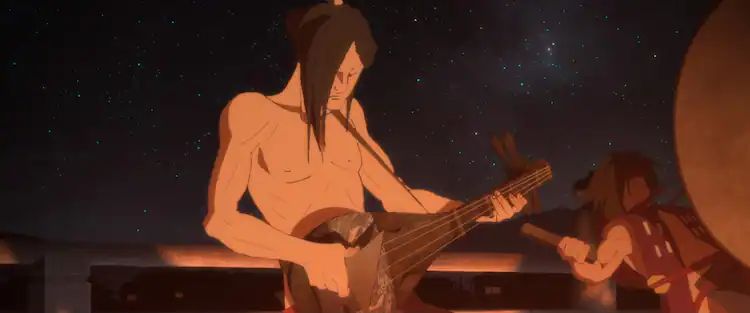
“But as director Yuasa notes, the war was not merely a time of catastrophic conflict, but a spur to artistic creation, as travelling bards began recording martial deeds in song, in saga-like chronicles like the aforementioned Tale of the Heike. It was, Inu-Oh suggests, a crisis that helped form the Matter of Japan, a terrible national event that only healed over the centuries as later generations processed the trauma at first as a form of exorcism, and later through the creative arts.”
Over at All the Anime, and with a little help from Carl Sagan, I explain the complex historical origins of Masaaki Yuasa’s Inu-Oh — cursed swords, samurai spirits, forgotten rock stars and no business like Noh business.
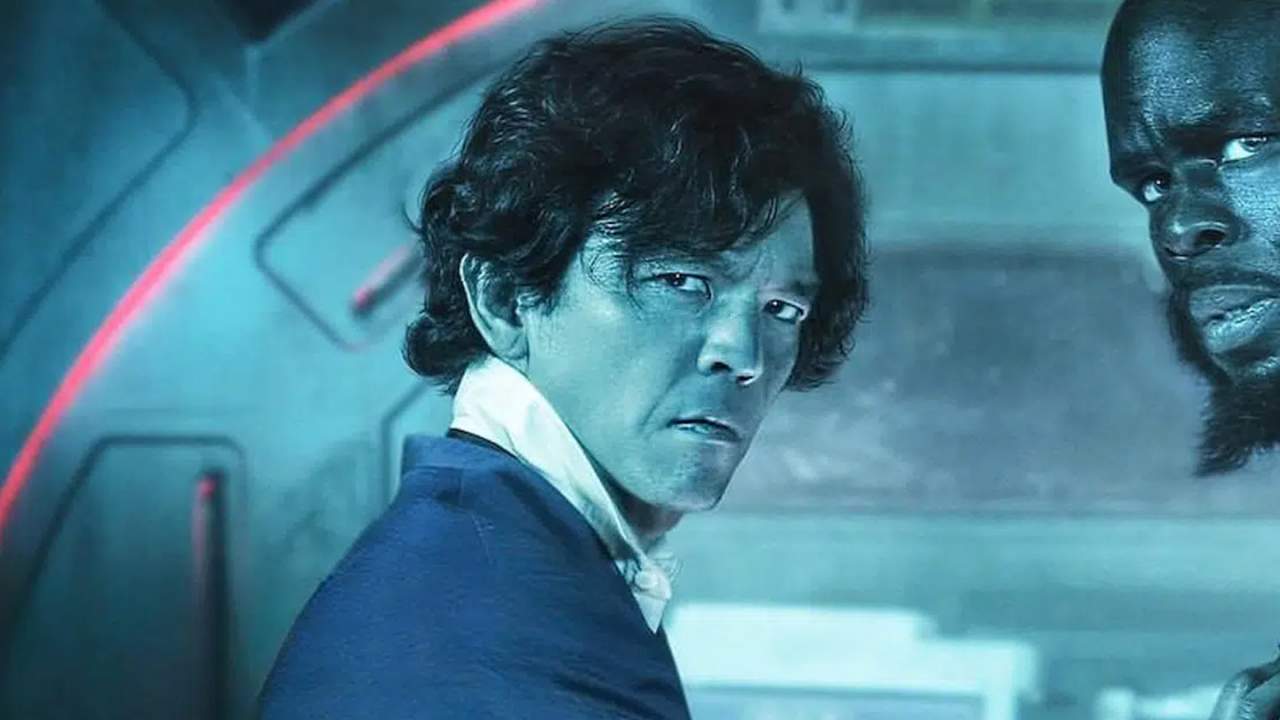
And so it’s farewell to the live-action Cowboy Bebop, coldly cancelled by Netflix a mere twenty days after its much hyped premiere. That’s the thing about Netflix, they’re very much about going big or going home, and dropping an entire season online not only fuels the binge-watchers, it also supplies overwhelming statistical evidence that allows for a fast executive decision.
The live-action Cowboy Bebop notched up 74 million hours worldwide in the three weeks since its November activation date, but it seems that many of those hours were people watching the first episode and not coming back for more. Unlike in the bad old days of terrestrial telly, when people might nickel-and-dime and campaign and, say, give a show another week, binge-level content provision requires a binge-level response out of the gate, otherwise it shows up on the Netflix stats as a dead dog.
The same algorithms that pointed to Cowboy Bebop as a much beloved anime show with a twenty-year fandom and a massive footprint in the American market, that same box-tickery that put John Cho in the lead and brought back Yoko Kanno’s iconic score, all that robot number-crunching that tells Netflix what to do and how to do it, reported back in record time that Cowboy Bebop did not justify a greenlight for season two.
But do not despair, a whole bunch of people are still sitting pretty. At a very basic level, the cast and crew of Bebop got paid to make their show. But the real winners from the whole debacle are the owners of the anime. Because while fandom is carping about the remake, the hype over it has functioned as a massive advertising campaign for the original. My inbox lit up for weeks with journalists in search of anime punditry, and even NEO got in on the act with that lovely cover story. That’s not bad attention for a show that is 23 years old, and which is still just as good, just as fresh and just as fun this month as it was last month.
Like every disappointing remake, it stands a good chance of bringing in thousands of new viewers to appreciate the original, which has to be a good thing. And if people are wondering what all the fuss is about, they can even see the original right now… er… on Netflix.
Jonathan Clements is the author of Anime: A History. This article first appeared in NEO #216, 2022.
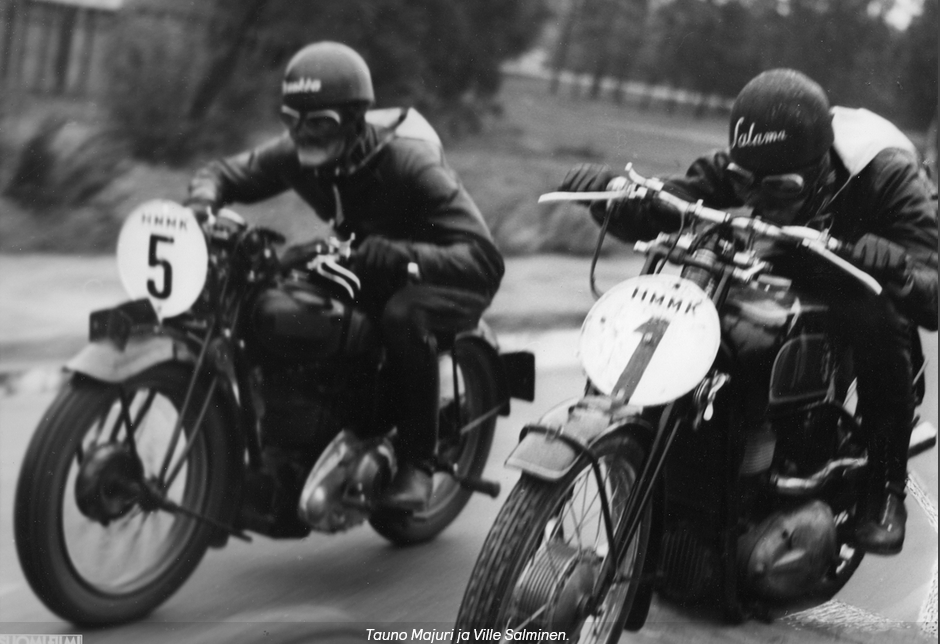
Engineering student Ari Karma (Tauno Majuri) tries to pitch an innovative motorcycle design to industrialist Mr Virmala (Hugo Hytönen) but is laughted out of the presentation. Undeterred, he vows to create a motorcycle that will trounce the Salama (“Lightning”) factory model at the next big race. Meanwhile, Virmala’s spoilt daughter Arja (Helena Kara) heads off to the beach in a colossal sulk, because her father’s declining factory profits have deprived her of the all-expenses-paid trip to Paris that she was promised. Complaining to her increasingly distant boyfriend Jali (Ville Salminen), she rashly accepts a wager from her friends that she will be unable to work in a real job for more than three months.
These initially unrelated plots soon merge at Hauka Manor, where Arja, already fired from her first job for failing to correctly make coffee, is now working as the world’s worst kitchen maid, while Ari is moonlighting as a chauffeur in order to use the mansion’s garage as a place to build his wonder-bike. Amid a series of backstairs romances and kitchen disasters, Ari and Arja fall for each other, only for Jali to show up at a dinner party where Arja is a server. Ari misunderstands their conversation, and leaves in a rage, convinced that Arja is having an affair.
In the fateful motorcycle race, Arja shocks her father by not cheering for the Salama rider, but for the unknown Ari with his home-made bike. Ari’s design beats Jali on the Salama factory model, and in the celebrations, Ari and Arja are reunited, their true identities revealed.
Based on a 1932 Swedish film, itself deriving from a 1930 Norwegian novel by Sigrid Boon, In the Kitchen’s incredibly dull English title somewhat unfairly dooms it to sound like a crappy home farce, rather than, a multi-location comedy, shot not only in several Finnish towns, but also across the water in Tallinn at the Kloostrimetsa race track — the first “international” Finnish film I can recall in this watchathon. The film went into production shortly after the success of the similar Have I Arrived in a Harem? (1938), and was originally set to star Olavi Reimas, who has been similarly chasing posh totty in Rich Girl (1939) and Green Gold (1939). However, filming was split on either side of the Winter War, during which Reimas was wounded, leading to his replacement with Tauno Majuri. But Majuri does fine in his new role, while Helena Kara, ever bright-eyed and perky onscreen since her star-turn in The Bachelor Patron, is a fine foil.
Kara, in fact, was paused on the brink of meteoric success in Finnish film. She was already a popular star, and was one of three actresses put on a permanent salary by Suomi-Filmi, each of them notably without a background in theatre. However, her former flatmate Sirkka Sari died in a tragic accident on location for Rich Girl, while the third actress, Tuulikki Paananen from The Jaeger’s Bride (1938) fled for America with the outbreak of war. This left Kara as the undisputed queen of Suomi-Filmi, a role she sealed early in 1940 by marrying the studio head and sometime director Hannu Leminen, with whom she would work on a dozen later films.
Not for the first time, Finnish film flirts with the difference between “upstairs and downstairs” as a poor little rich girl cosplays as a working-class servant, learns a little bit about life (in particular, the powerlessness of the subaltern class to defend itself against accusations of theft), and eventually gets the rich boy she deserves. The press reacted with customary Finnish understatement, with Eila Paicheff in Ilta-Sanomat damning it with the faintest of praise: “Two hours spent In the Kitchen is undeniably fun,” she conceded, “and it probably fulfils its purpose.” Latter-day critics have been far kinder; the same newspaper’s Heikki Kataja observed in 1977 on its television broadcast that it featured “witty romance, carefree beautiful people, and pre-war domestic film-making at its most typical, if not least-worst.” Displaying what, for a Finn, was unbridled exuberance, Arto Pajukallio in a 1989 issue of Katso admitted that it was “in some places, a little bit fun, in others, even thrilling.”
Congjiang was our former base when we were filming with the Kam at the beginning of this season, but as I have noted before, the Kam pushed another tribe, the Miao even further into the hills. Sure enough, in the highlands outside the Kam centre of Congjiang, there is a cluster of Miao villages.
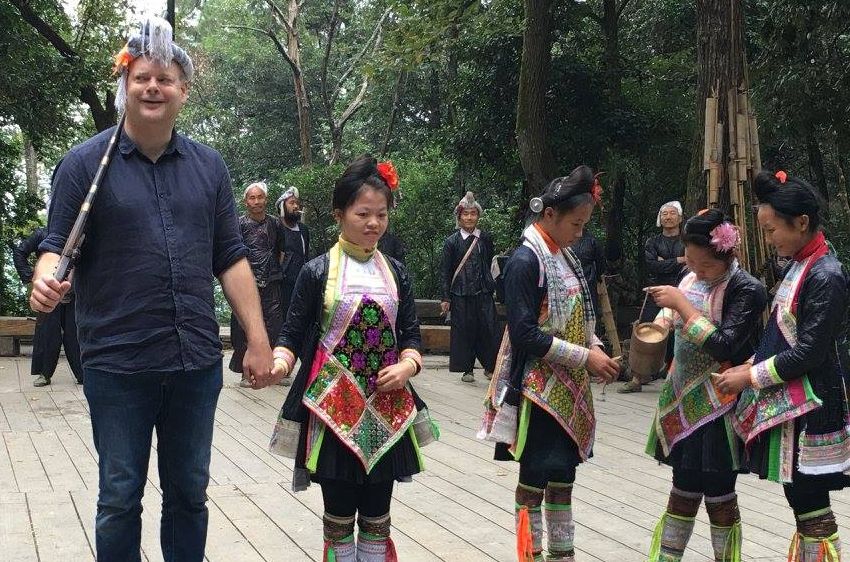
These particular Miao pride themselves on their unique garb. They wear black clothes that are treated with egg-white to make them shiny, and everybody else in the world has been too polite to point out that this makes them all look like they are walking around wearing suits made out of bin bags. The men have ribbons hanging from the back of their belts that are called heartsick tokens. They look like brightly-coloured friendship bracelets, and each represents the possibly-unrequited attention of a lady. They are also the only ethnic minority whose national dress includes a flintlock musket, which all the men sport and let off at inopportune moments.
A Miao man, at least among these Biasha Miao, can be identified by his topknot, which represents the trees of his ancestor, and the fact that the rest of his head is entirely shaved. The Biasha Miao pride themselves on having nothing to do with the Chinese. They rarely venture out of their village, make their own clothes and their own entertainment, and are entirely self-sufficient in the food they grow on their mountain slopes.
Well, that’s the story. I spy legions of Biasha Miao girls sneaking away from their corn-shucking and pig-feeding to buy iced tea at the local café; everybody is tooling around on motorcycles, and the main activity of much of the village appears to be turning up thrice-daily to the village square to perform a bunch of dances for tourists. Visitors have to pay at the gate to get into the village, so one presumes that the entire town has made a tourist selling point of its claim not to have any tourist selling points.
Our press liaison is a perky girl who tries to feed me grasshoppers at lunchtime, and introduces me to the breezily minty local laowa tea, which in the assistant producer’s assessment tastes like Deep Heat, and in the director’s, like Listerine. I love it, but there is none for sale in the shops. They make it themselves from leaves they find on the mountainside.
Having recently been among Miao who take things a lot more seriously, the crew are entirely unmoved by a marching column of Biasha Miao girls pretending to blow into mantong bass instruments. We can see from the front seats that the mantongs don’t even have holes to blow in. Regardless, we dutifully film a hoppy-steppy dance with a bit of whirling, and witness the shaving of one of the men’s heads – from the looks of them, they take turns with each performance, which means that everybody gets a haircut about once every four or five days.
The MC then announces that they will demonstrate the marriage customs of the Miao by picking a member of the audience to marry a local girl, a tiny little thing with big silver earrings, wearing what appears to be a tablecloth.
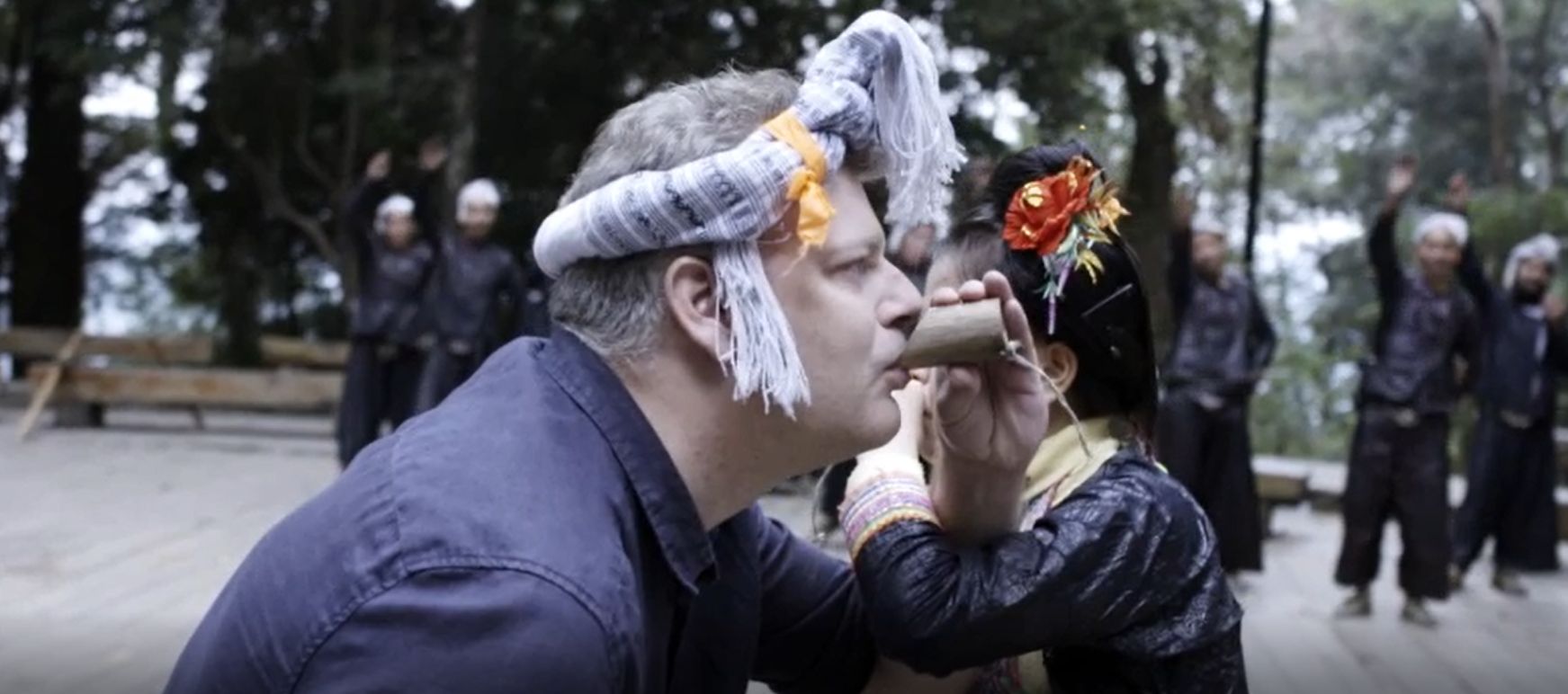
The Miao bride inevitably scurries straight over to me, and I am dragged out amid the cat-calls of the crowd. I am then made to participate in a Miao wedding ceremony, which involves putting on a silly hat, holding a flintlock rifle, and then holding hands with my nameless new bride while we exchange three ceremonial cups of booze. We then each eat a handful of glutinous rice, and apparently we are married. We then wander around the crowd selling glutinous rice from a basket.
I try to keep a straight face on camera, which is difficult because the director is wetting herself laughing in the shadows, particularly when the announcer reveals that any new Miao groom is obliged to spend three years in the village before he is truly accepted. I’m already booked to spend three years with a Mongol witch. This is supposedly some sort of great cultural decision by the Miao, but it sounds like a good excuse for doing a runner, as indeed I plan to do. The new Mrs Clements doesn’t seem too bothered by it, as she will be marrying somebody else at the 3pm show. She didn’t even say goodbye.
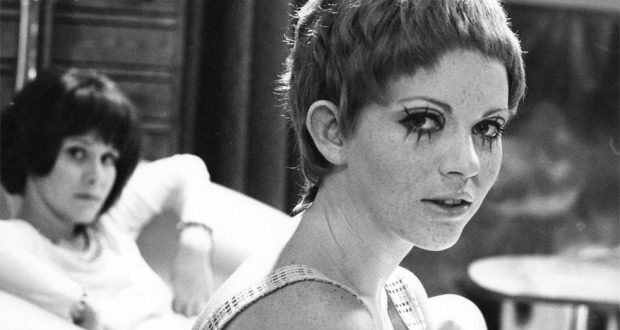
“Helsinki, Finland, in the year 2012 is a prosperous, peaceful society ruled by a meritocracy of technicians. The somewhat smug researcher Raimo (Tuominen) embarks upon a project to compare his time with that of his ancestors, by making a drama-documentary about the life of a figure from the past. He settles upon the life of Saara Turunen (Vepsä), an uneducated saleswoman in the chemicals industry and part-time erotic model, who met with a tragic end in 1976. His mistress and collaborator Anu (Markus) alerts him to the existence of Kisse (also Vepsä), a contemporary woman who bears a striking resemblance to the historical Saara, and who is persuaded to take on her role in the film.”
Over at the Encyclopedia of Science Fiction, I write up the 1969 Finnish oddity A Time of Roses.
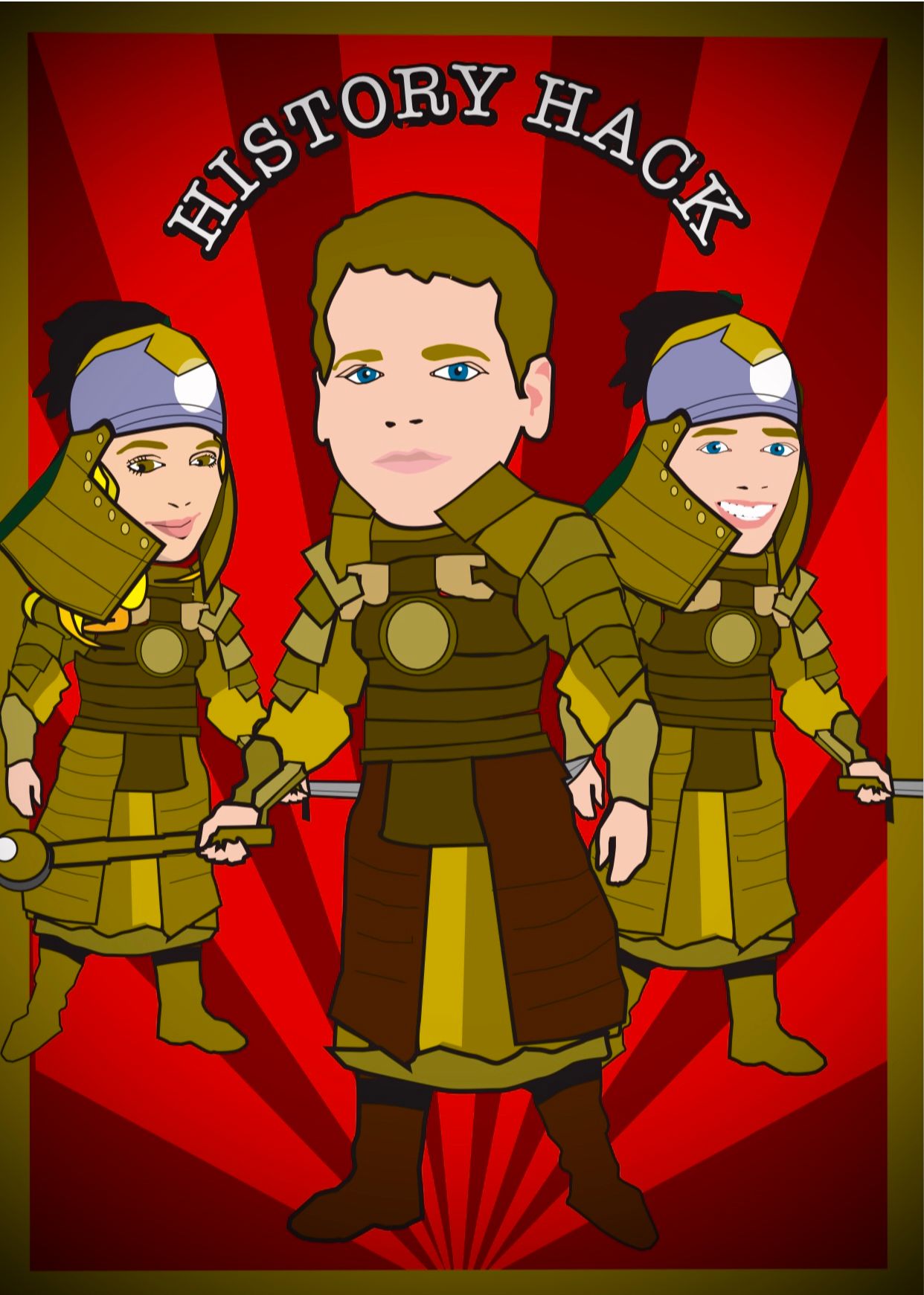
Over at History Hack, I regale the squad with tales of the Shimabara Rebellion.
In 1638, the ruler of Japan ordered a crusade against his own subjects, a holocaust upon the men, women and children of a doomsday cult.
The sect was said to harbour dark designs to overthrow the government. Its teachers used a dead language that was impenetrable to all but the innermost circle. Its priests preached love and kindness, but helped local warlords acquire firearms. They encouraged believers to cast aside their earthly allegiances and swear loyalty to a foreign god-emperor, before seeking paradise in terrible martyrdoms.
The cult was in open revolt, led, it was said, by a boy sorcerer. Farmers claiming to have the blessing of an alien god had bested trained samurai in combat and proclaimed that fires in the sky would soon bring about the end of the world. The Shogun called old soldiers out of retirement for one last battle before peace could be declared in Japan. For there to be an end to war, he said, the Christians would have to die.