Playdate

A story pitch familiar from many a twentieth-century potboiler, including The Universal
Soldier
and Akira, takes on a new, family-oriented tone in a 2020s media
landscape dominated by streamers providing movies direct to home cinemas.

Over at the Encyclopedia of Science Fiction, my write-up of the comedy action movie Playdate. NB: discussing its science fictionality requires a discussion of the ending, so there are spoilers galore.

Leave the World Behind

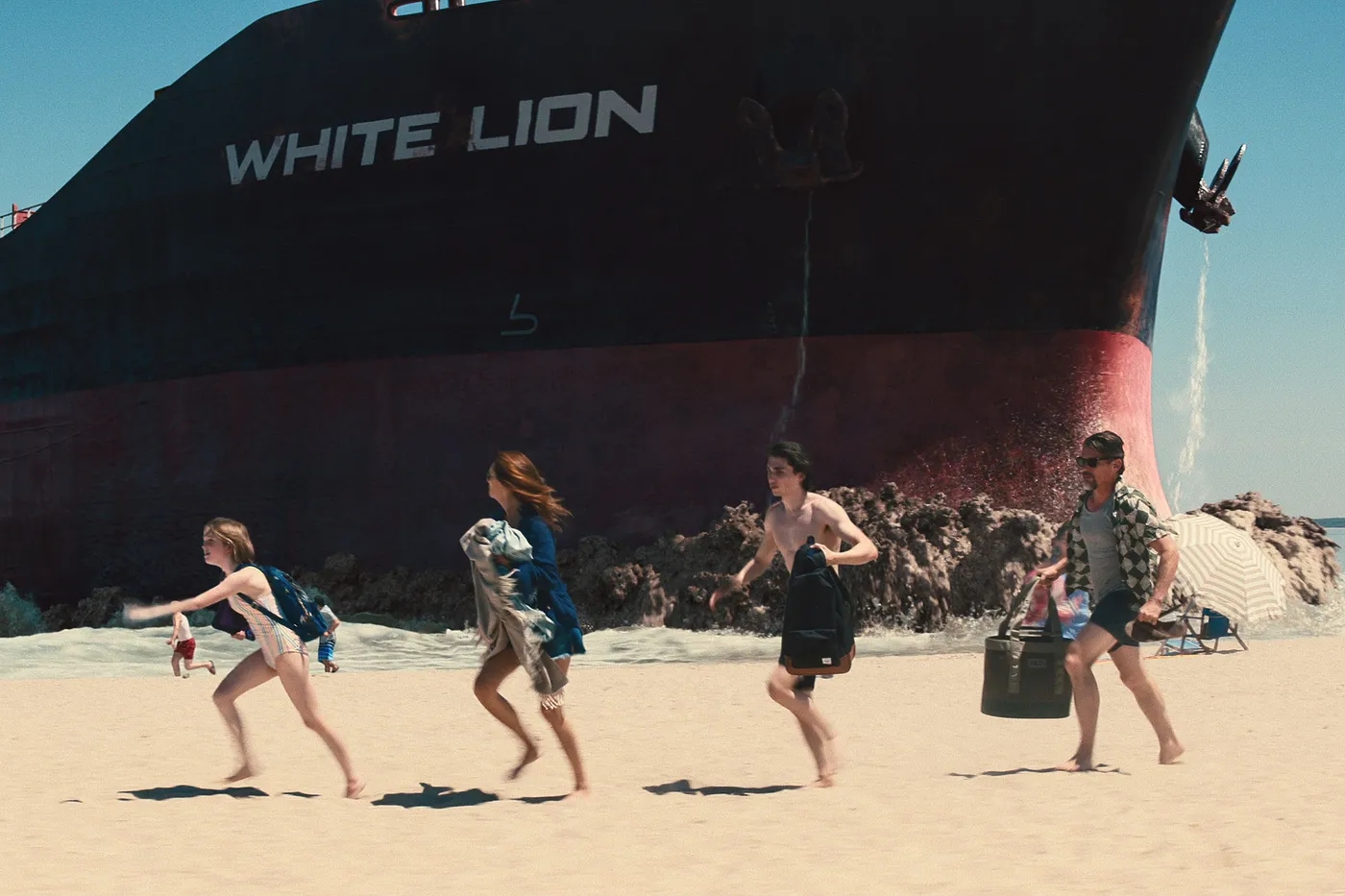
“The evidence slowly builds, through plane crashes, car accidents, and a series of odd wild animal migrations, that America is suffering a nationwide breakdown of digital communications, which may or may not be the act of a malicious invader.”

Over at the Encyclopedia of Science Fiction, I write up Sam Esmail’s movie Leave the World Behind, in a spoiler-ridden entry that only mentions one of several Easter eggs that link it to his earlier Mr. Robot.

Xiang Kairan (1889-1957)

Marvellous Gallants of the Rivers and Lakes (1923) focused on Xiang’s lifelong obsession with ‘rarity’ in fiction, which here manifested itself as a concentration on the pseudoscience of martial-arts super-powers. Ridiculed by leftist authors such as Lu Xun for its quixotic and regressive reliance on magical solutions, it nevertheless became immensely popular. Its 65th chapter formed the basis for The Burning of the Red Lotus Temple (1928) a watershed work in the history of martial arts film, in which magical forces were represented with early special effects, spawning seventeen sequels.”

Over at the Encyclopedia of Science Fiction, I write up the influential author Xiang Kairan, a.k.a. Pingjiang Buxiaosheng.

The Wolf’s Call

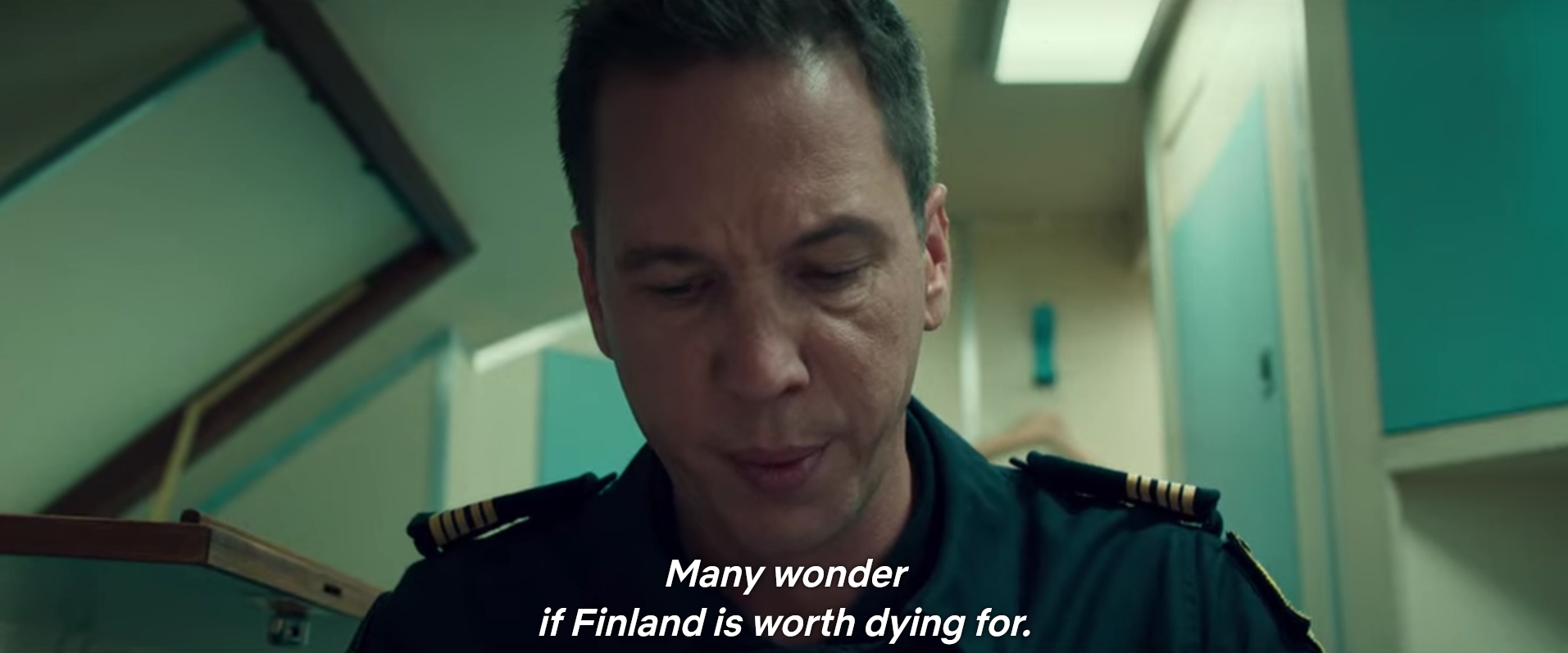
“Russia has invaded Finland, the USA has recused itself, and only plucky France dares to send a naval squadron to the Baltic…This entire backstory, however, which would surely form the A-plot in any Hollywood action movie, is largely ignored. So, too, is any resolution of two other prospective plots – that jihadists have control of a military submarine, and that said submarine may have been sold to them in a CIA sting operation that went wrong.”

Over at the Encyclopedia of Science Fiction, I write up the French technothriller The Wolf’s Call.

Everything Everywhere All At Once

“This is the story of a girl / Who cried a river and drowned the whole world.” Over at the Encyclopedia of Science Fiction, I write up the delightfully absurdist Everything Everywhere All At Once, which repeatedly quotes the Nine Days song “Absolutely (About A Girl)”, but also comes loaded with references steeped in the Chinese language.


“The film subtly celebrates its liminal place between cultures, specifically those of Anglo movie-goers and bilingual Asian-Americans, each a wainscot society of the other. Its alternative title, displayed onscreen in untranslated Chinese, is Ma de duochong yuzhou, literally “The Multiverses of Mother”, but also a Mandarin pun meaning “F*cking Multiverses.”

The Happytime Murders

“Whereas The Muppets was garlanded with awards, including an Oscar for Best Song, The Happytime Murders was only recognized by the Houston Film Critics Society as ‘Best Worst Film’, while at the Golden Raspberries it was nominated for, among others, Worst Director, Worst Picture, and Worst Screenplay. Considering that much of the film’s raison d’être was to disrupt the imagery and memes of viewers’ childhoods… such brickbats seem somewhat over-compensatory and possibly vengeful. The Golden Raspberry dished out to Melissa McCarthy as Worst Actress seems particularly unjust, since whatever one may think of the sullying of puppet icons, her deadpan and dedicated performance throughout is a lynchpin that anchors the ludicrous and revolting images onscreen.”

Over at the Encyclopedia of Science Fiction, I write up the box-office flop The Happytime Murders.