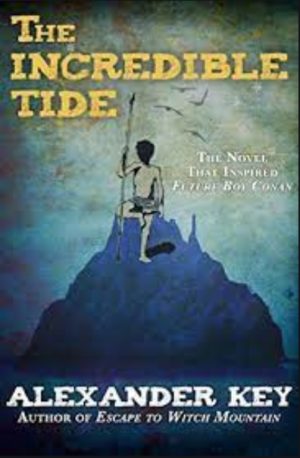
“Man-made ecological disaster is not a single event, but an ongoing cycle of ever-greater deprivation and compromise, Conan’s generation simply have to live with it, prefiguring the controversial storyline of a much later anime, Makoto Shinkai’s Weathering with You.”
Over at All the Anime, I review Alexander Key’s The Incredible Tide.
Tag Archives: Japan
Anime’s Identity

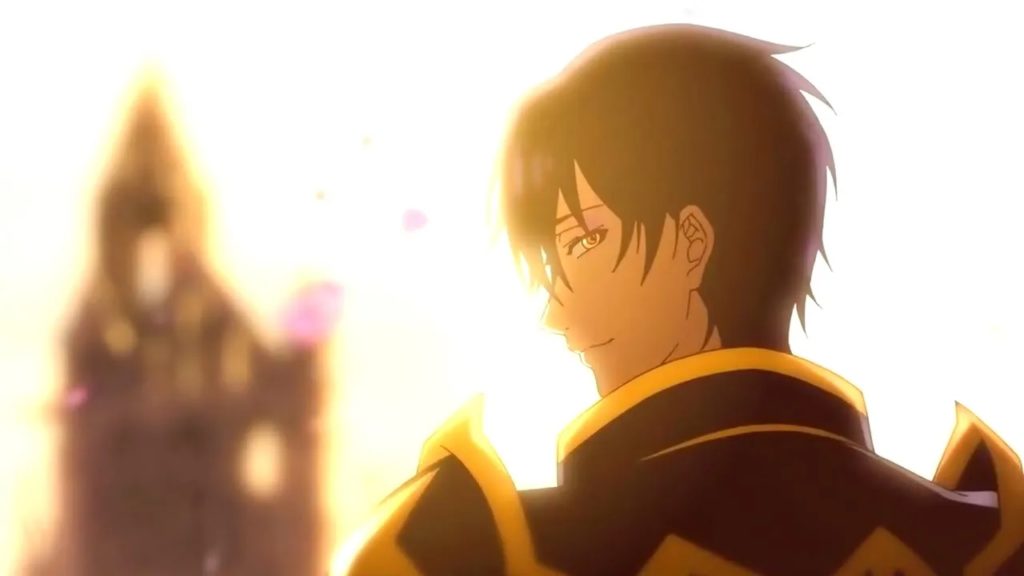
“Stevie Suan’s new book, Anime’s Identity, cannot resist telling a story from the production of King’s Avatar (above), a 2019 Chinese animated series that subcontracted some of its animation work to a studio in Japan, only to send back the materials on the grounds that the Japanese work was not of high enough quality. That was definitely a bad day at the office for someone, but was it trolling for the hell of it, or a sign of a true sea-change in quality control and expectations?”
Over at All the Anime, I review a great book about Japanese animation and its place in the world.
Masayoshi Yasugi (1972-2021)

“Yasugi’s death, apparently by his own hand, in December 2021, might also be attributed to the COVID pandemic, in that he had earlier confessed to relatives that much of his work had dried up as a result of it.”
Over at the Encyclopedia of Science Fiction, my entry on Masayoshi Yasugi also turns out to be his obituary.
Sayaka Kanda (1986-2021)

‘Taking the pen-name Alice from one of her mother’s songs, she wrote the lyrics to Matsuda’s “Love is Always 95 Points,” a fact not revealed until sometime later. Her lyrics deftly capture the doubts of a girl for whom romance is itself a performance – a tense preparation before the mirror, an agonising choice on costume, and an entrance into public space, ever fretful that her date is going to laugh at her.’
Over at All the Anime, I write an obituary for Sayaka Kanda, the actress, singer and lyricist who fell to her death at a Hokkaido hotel yesterday.
Approaches to Evangelion

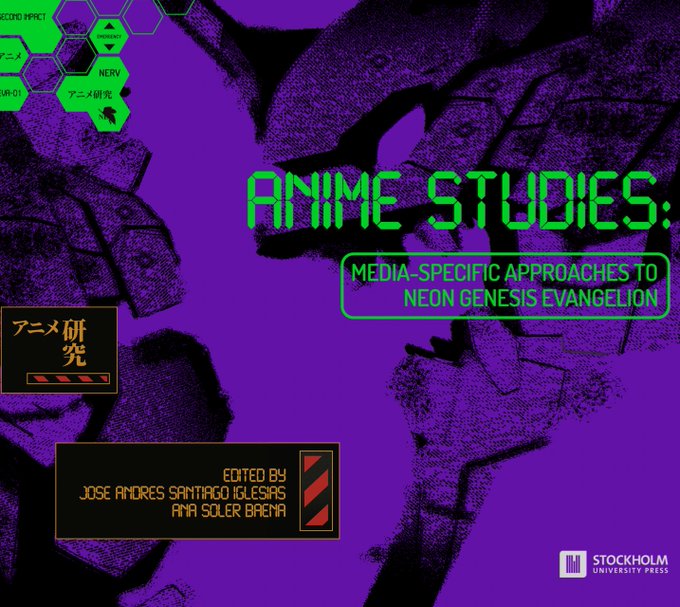
“Anime Studies: Media-Specific Approaches to Neon Genesis Evangelion is a delightful collection of fresh scholarship on all sorts of intriguing aspects of anime, as revealed through various angles to a famous and much-loved series, itself given a new lease of life and a new legion of fans thanks to Netflix. Published by Stockholm University Press, but organised out of the University of Vigo in Spain, it is a well-curated volume that will provide much food for thought for anime scholars and the more chin-strokey of fans.”
Over at All the Anime I review the second open-access anime publication from Stockholm University Press.
Keiko Nobumoto (1964-2021)

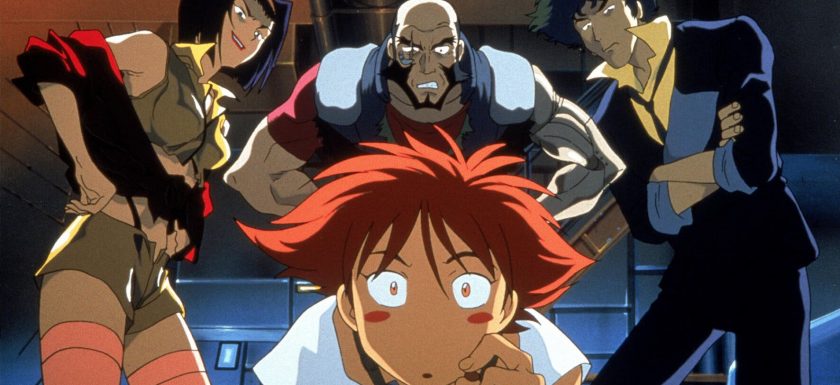
They say that Keiko Nobumoto was underrated in her lifetime, but the Anime Encyclopedia has credited her with writing “many of the better anime scripts of recent years” for the last decade.
Over at All the Anime, my obituary for the lead writer on Cowboy Bebop.
El Hazard

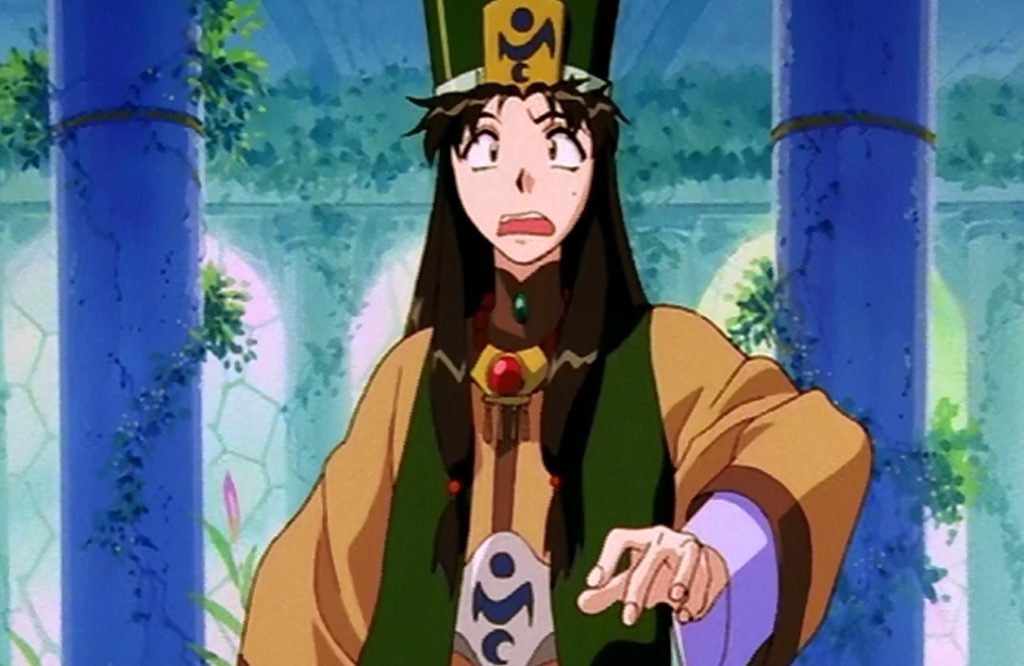
“So, if you’ve ever wondered why nobody goes to the toilet in sword-and-sorcery movies, why all alien queens fall simpering at the feet of dorks from Earth, or why no-one ever asks the Narnia kids how many pairs of pants they’ve packed, El Hazard is for you.”
Over at All the Anime, I’m singing the praises of the anime El Hazard, with an article that I originally wrote so long ago that it is one of the oldest legacy Word documents on my hard-drive, originally for either Anime UK or Anime FX way, way back when.
The Pirate King of Taiwan
Over at the History Hack podcast, I talk about the life and times of Coxinga, the “pirate king of Taiwan,” the leader of the anti-Manchu resistance in the 17th century, son of the richest man in the world and his samurai girlfriend, scholar-turned-rebel, twice made a god, one of the most interesting figures in Chinese (or Japanese, or anyone else’s) history.
Also available on YouTube. And of course, should you want to read the book, you can find it here.
Japan at War
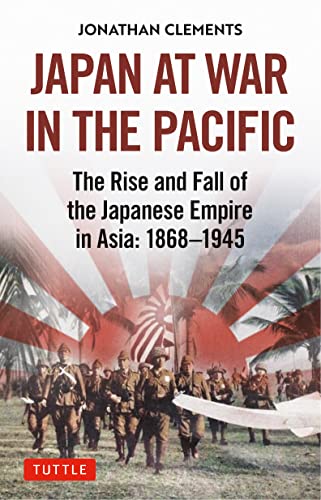
Japan’s sudden, speedy modernization after 1868 turned into a scramble for resources and influence on the Asian mainland. As foreign powers fought over the spoils of the dying Chinese empire, the Japanese became under-dogs, allies, and then rivals of the other imperial powers – first praised as the plucky ‘British of Asia’, then reviled as unwelcome upstarts and feared as savage foes.
Jonathan Clements chronicles the 80 pivotal years which set Japan on a course for world war, steered by a military clique that used assassination and coercion as political tools. He charts the evolution of a state dedicated to conquest, and the influence of military fanaticism on everything from Japanese culture to food and fashion – including the propaganda songs and anthems of a martial nation. He examines daily life in the Japanese Empire at its peak in 1940, and the grotesque colonial experiment of Manchukuo, a state funded by drug-dealing and supported by forced labor.
Looking beyond the polarized narrative of the Second World War, Clements examines the motivations and beliefs of Japan’s leaders, as well as policy decisions couched in terms of Pan-Asianism, the exclusion of the Japanese from immigration, and the effects of trade sanctions and embargos. A final chapter details the dismantling of the old order during the Allied Occupation, and its echoes in the present day.
When I Called You Last Night From Glasgow…

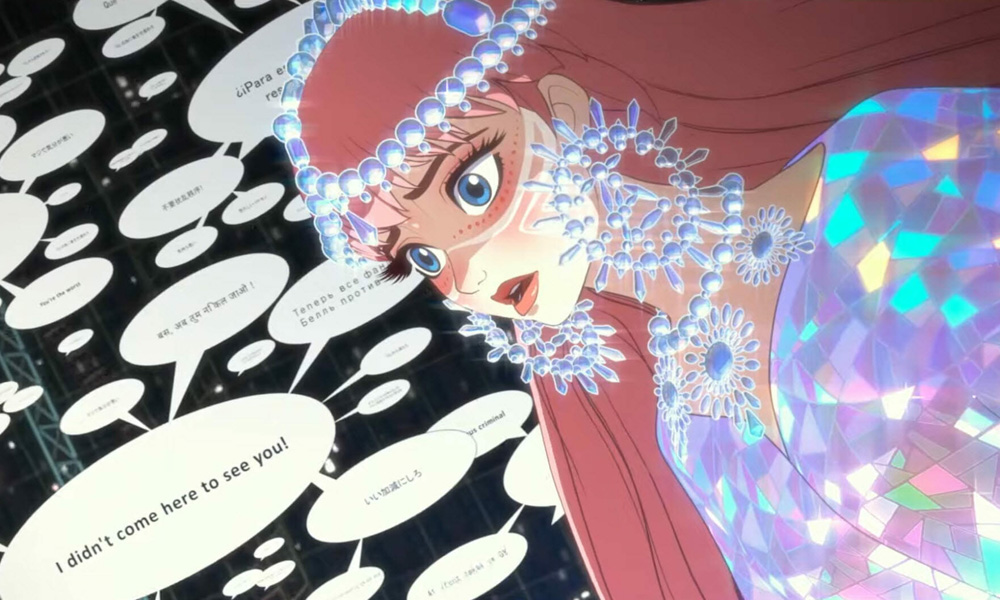
Off to Glasgow today, ready for tomorrow’s big onstage interview with Mamoru Hosoda at the Glasgow Film Theatre. This will actually be the fourth time I interview Hosoda about his film, Belle. We’ve joked about the second time being a “disappointing sequel” after his revelations about Paw Patrol, but he decided to surprise me by talking about an anime called Gunbuster, which as some of you may be aware, I am a bit of a fan of, which made the second one even better, and then he started talking about the Rolling Stones, and the third one trumped the others. But if a series of interviews were the Star Wars films, this fourth outing will be our Phantom Menace, which would make me Jar-Jar Binks.
Time Travel Footnote: So this turned out to be the first ever Q&A I’ve been involved with to get a standing ovation, but that may have had more to do with Hosoda’s first footfall in the country being in Glasgow (“the Osaka of Scotland”) rather than That Fancy Edinburgh.