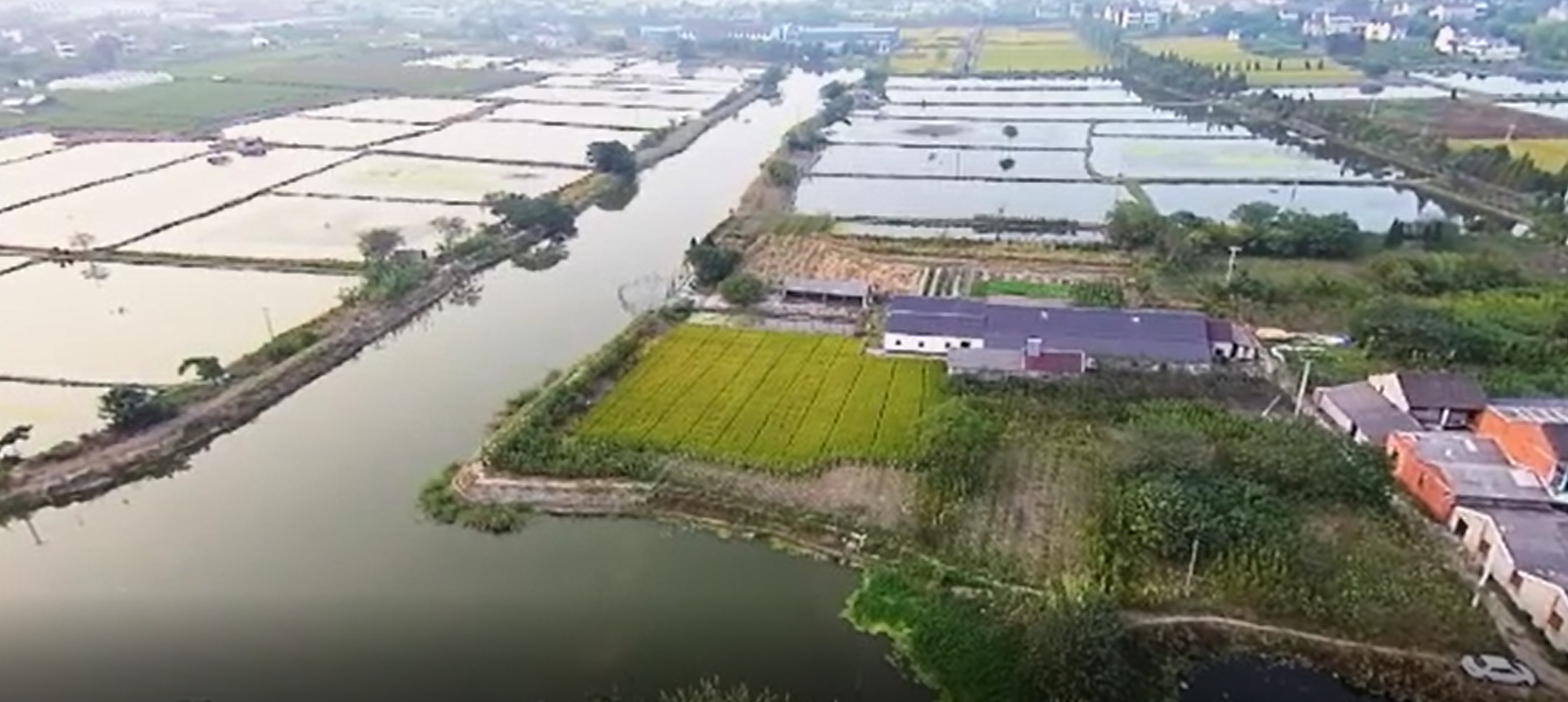
Today we are out in the countryside near Suzhou, amid lakes and rice fields, to talk to Mr Gu, one of the last people in the area who can be bothered to raise silkworms. There’s enough time in a year to raise five generations, but there simply isn’t enough demand for his silk anymore, so he’s dropped it to just one.
The farmhouse is grotty and ramshackle, all clucking chickens, yappy dogs and mangy cats, although when we send our drone over the top of the mulberry trees, there is a fantastic vista of fairytale Chinese Lakeland.
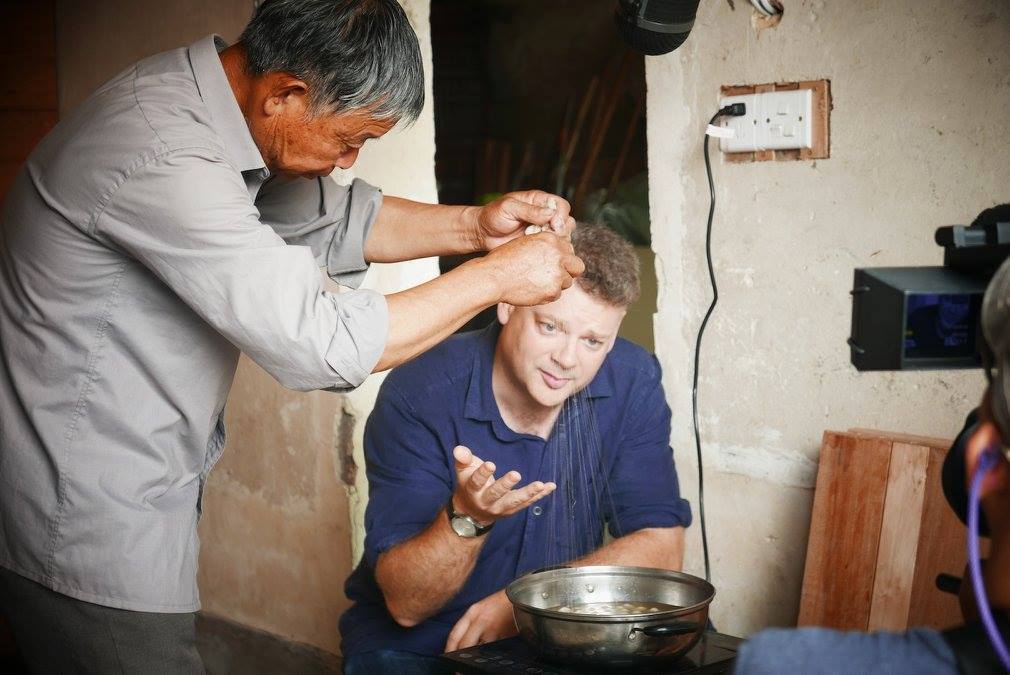
Indoors, Mr Gu takes a handful of silk cocoons and throws them into boiling water. Before long, they start to unravel, and he teases out a few strands and begins winding. Then he lets me take over: each cocoon is wound with 1.4 kilometres of thread, in a single strand. They look like spider silk, but easily take the punishment of being dragged out of boiling water and wound on a bobbin. Mr Gu says he boils 20,000 cocoons a year, which would make a strand of thread long enough to go around the world.
He has been a little spooked by the crew showing up “with a foreigner” – in fact, most of the crew are foreigners from Singapore, of course, but he means me. This has led him to call the local propaganda office, who have in turn sent a flunky to lurk around telling us that we should be filming the nice bridge in Nanxun. He’s getting on my nerves, not the least because he’s one of those Chinese who talk about me in the third person, as in “does he take sugar?” even though he has been told twice that I am a visiting professor in a Chinese university.
The director and I argue over another piece to camera – a one-minute monologue about changing conditions in the silk trade that I need to say eleven times, without putting a word wrong, while wandering through a grove of mulberry trees. Did Jili silk win a gold medal or a gold award at the Great Exhibition? What year was it in? Should we just say “19th century”, or will that only confuse people?
An interviewee can say anything they like on camera — in a phenomenological sense, we are interested in what they believe to be true. But a National Geographic presenter has to be academically robust, which means anything I say has to be backable by two printed sources — not something I read on the internet, something I can point to in a book if it is queried by Standards and Practises four months later. This isn’t really a problem if you’re in a library, but i’s a huge deal if you are standing in a field somewhere outside Shanghai, and asked to come up with a sixty-second speech out of thin air. My ability to say things like “I reckon we’ll find a paragraph on this in Hyde (1984)” is one of the things that got me this job.
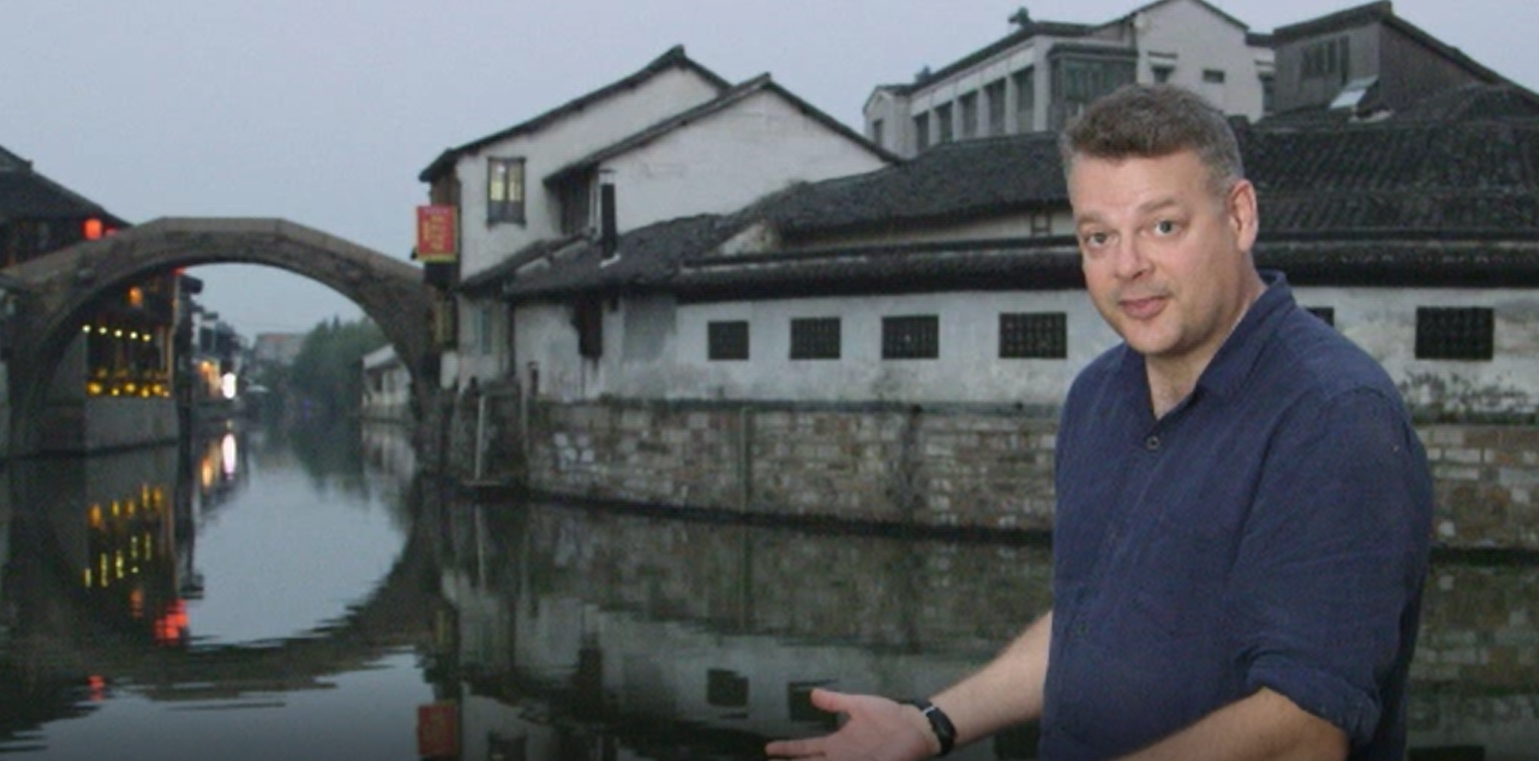
We do get a moment with the nice bridge in Nanxun, an O-shaped arch over the canal, high enough to allow barges loaded with raw silk to pass through on their way to the south and the silk-weaving cities that would make it all into textiles. I must gabble a piece to camera against the failing light, while a dozen twats assemble nearby to peer through the viewfinder and/or talk loudly to their mates about what might be going on, when what is clearly going on is that I am trying to record a piece to camera. We get it on the fourth take, with the sun setting, and the director makes me run around the canal bank and up to the bridge so I can walk across it. To get there, I have to parkour across a building site and, at one point, grip the window ledge on a restaurant, pretending to be nonchalant as a bunch of surprised diners stare back at me.
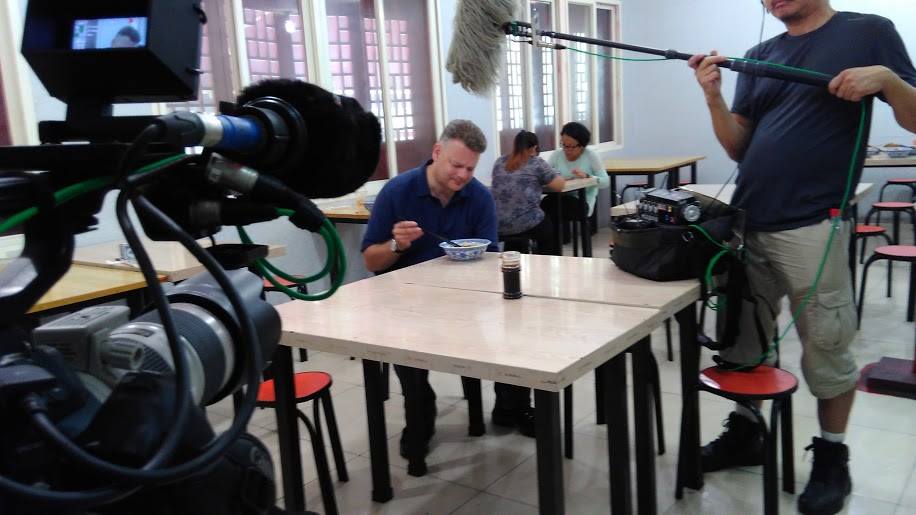
“Up to the Muslim Quarter for biang biang noodles for lunch. We luck into a relatively deserted Muslim restaurant where I can talk to camera about the history of this particular dish – international as it is, with American chilis and tomatoes, carrots and cumin from westwards on the silk road, noodles made from wheat, etc. The restaurant staff are also not camera-shy at all, and keen to let Alvin the cameraman film them at work. It is a national holiday, so outside it is utter chaos. But we get lots of footage in the can.”
So I wrote in my diary on the first day of filming on Route Awakening season two in 2015, but this passage, and the photo snapped in an upstairs room, are a historical record of a book as it started to take shape in my head. That sentence, in a sense, was the first to be written in what would become The Emperor’s Feast: A History of China in Twelve Meals, a subject I will be discussing once more on Monday 16th January in a Zoom lecture for the Gloucester Historical Association.
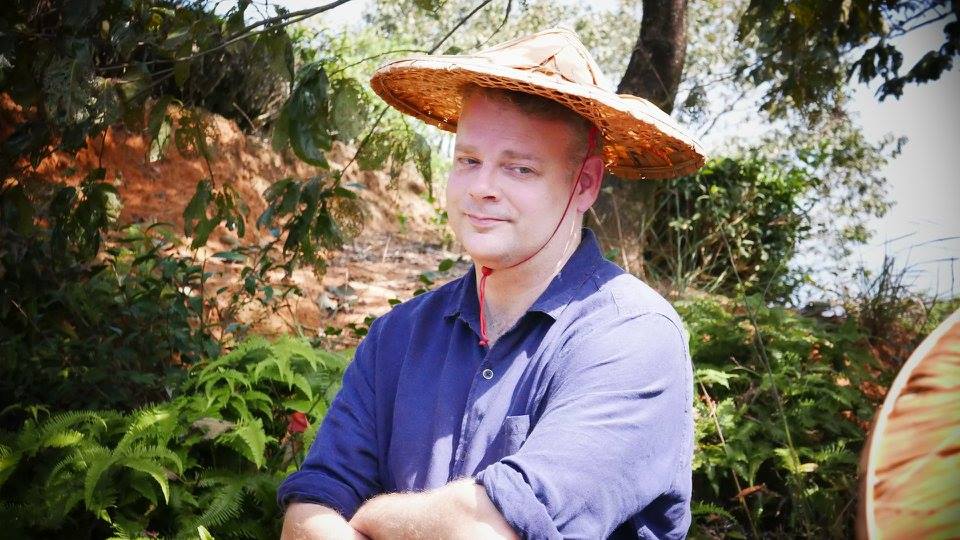
Back up the mountain today, no clouds and tropical heat, to pick oolong tea with a bunch of old grannies, who are all wearing conical straw hats. The director thinks it would be great if I could get one, too. Do they have any spares?
There is a lot of tooth-sucking and shouting in Hokkien, and then one of them says:
“You can just put a bag over your head!”
“I’ll put a bag over your head, you cheeky c—” I begin, but the director kicks me.
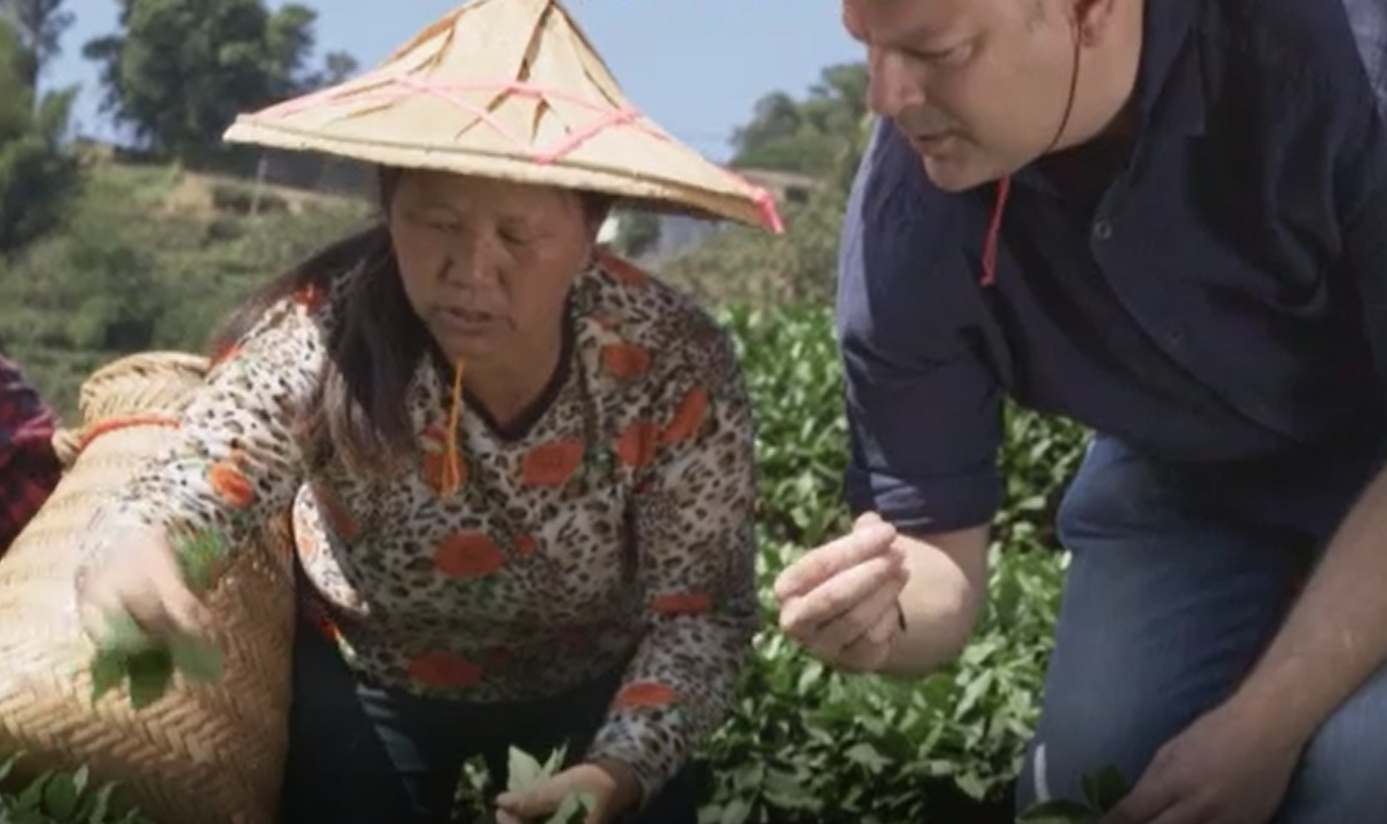
A straw hat is found, and a woman shows me how to pick the leaves.
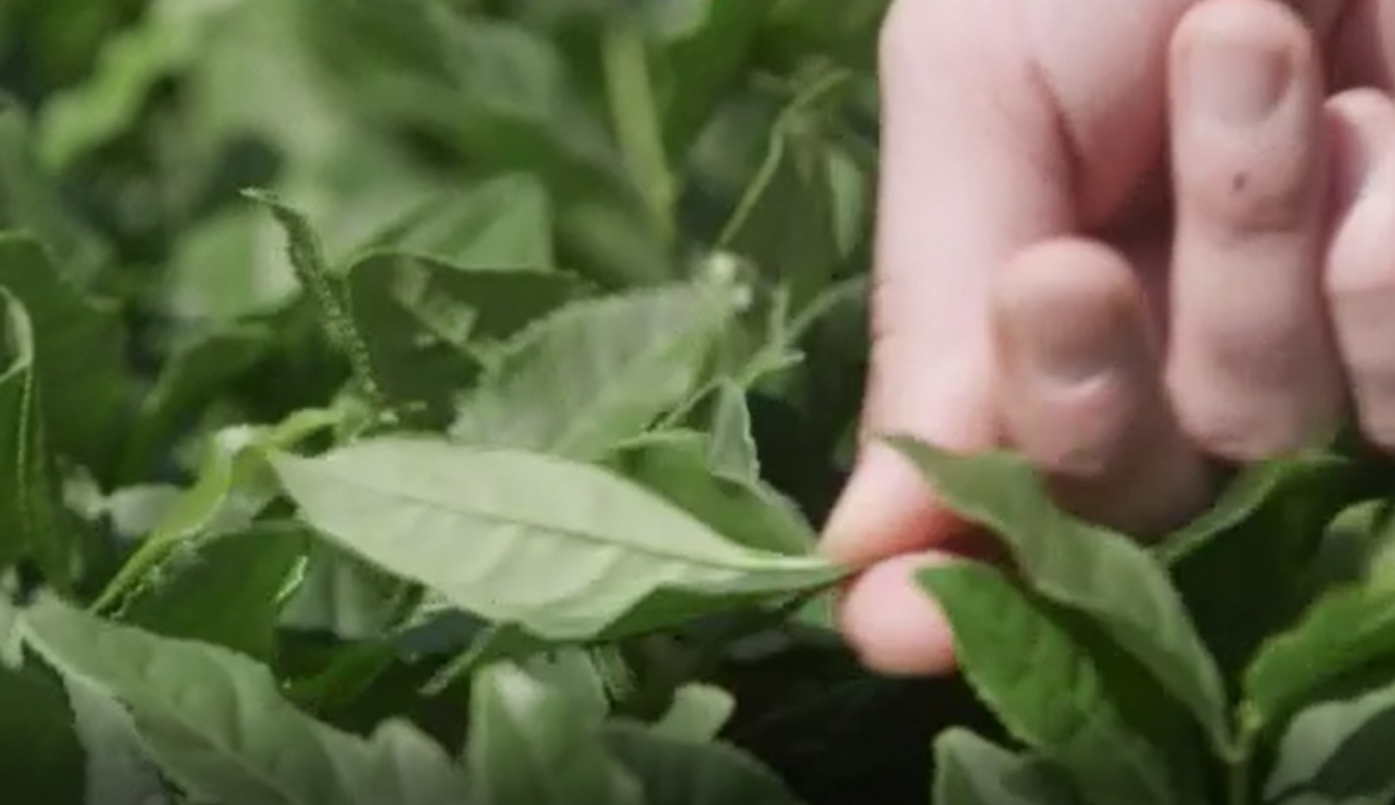
“You’re doing it wrong,” she says. “You’re just grabbing the top three leaves and snapping off the stem. That might bruise the leaves before they’re ready for processing, but more importantly, if you do that all day every day, you will sprain your fingers. You do it like this.” And she levers three leaves off the stem by lifting her arm, not her wrist. while resting the stem on her index finger. It’s a deceptively small nuance, but one of the little things that we are there to capture.
I start to explain to the camera what she said, demonstrating… until she grabs my arm and says: “No, no! You’re still doing it wrong!”
“Yes,” I say, pointing at the camera lens, “I’m showing them!” It is good television and looks very natural. One of the most difficult micro elements of filming on this show has been the public’s inability to grasp that we need to shoot everything wide and again in close-up; that even impromptu moments require a second take for reactions, and that when demonstrating something I have learned, I often need to first get it wrong again. This is not a problem on a closed set with just a few people; you can explain it and they get it. It is only a problem when a crowd gathers and gets in the way, and everyone appoints themselves an expert.
The cameraman switches to his macro lens so he can zoom right in on my fingers doing it wrong, and then doing it right. This means selecting tea buds that aren’t in shadow, and making sure we both know which one we are talking about, and then slowly rehashing the events that have already been shot at a distance, repeatedly.
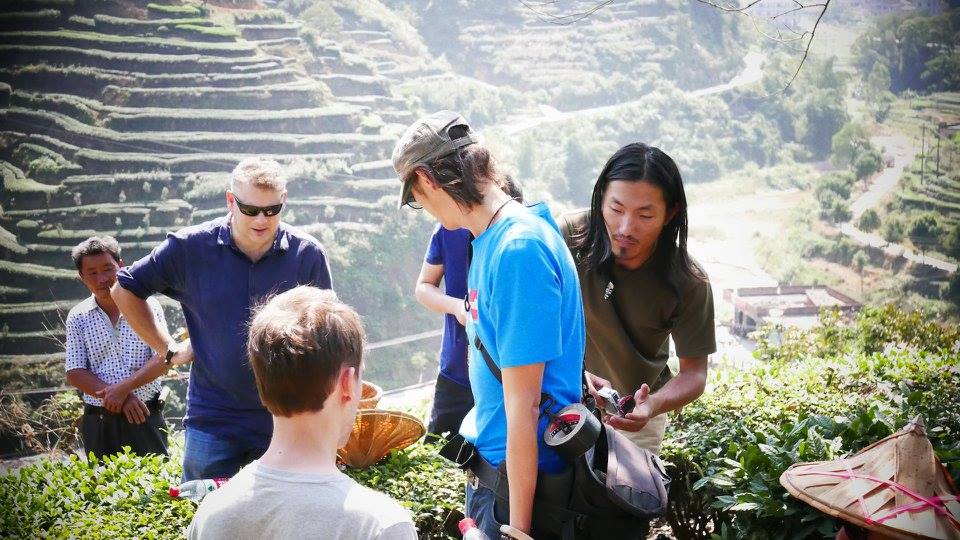
However, for reasons that defy understanding, we have an audience that has swelled to eighteen people, thanks to a local fixer we call Mr Jangles because of the fistful of keys that hang from his belt. He is apparently some kind of bigwig from the Iron Guanyin Appreciation Society (don’t laugh – their online feed has 30,000 subscribers), who has decided to document our documentary by taking pictures with an outmoded Canon and his BINGBONG annoying mobile phone. The director has already shouted at him three times to get out of shot or stop jangling in the background of every scene. Plus the usual drivers and wingmen, several random tea-pickers, a guy who was passing on a motorcycle, and our entire crew, which is nine more people. Oh, and someone’s hatchet-faced Chinese girlfriend. who waits until I am halfway through the shot before yelling from the trees: “YOU’RE DOING IT WRONG!”
I have nothing to do for hours on end, and then often a tiny window to perform every task planned, in the right framing, in the right light, with the right sound and background, without a passing motorcycle or granny with a hedge trimmer. The whole crew have done their level best not to cock everything up. All I have to do is say the words in the right order, without forgetting what they are, even though they are often in Chinese. If I get it wrong, then a light change (we are all hyper-conscious about the position of the sun, and the lag between takes is often enough for it to be palpable) or sound change will mean ten more minutes’ faffery. It wastes everybody’s time and concertinas our schedule later in the day, which will often mean a cancelled shot from the end. Time is money, and we will never return to this mountainside, so that idle heckle has just cost us a shot from the end of the day.
When I am talking to camera, I am trying to remember what I am supposed to say, obviously. A 20-second speech has to be carefully plotted so as not to accidentally imply that Taiwan isn’t part of China, or mix up oolong with pu’er, or forget to mention the right dynasty, or offend National Geographic’s Standards & Practices arbiters, who will make us throw a take away if they don’t like it. So the last thing I need is gesticulating, whispering, hand waving, or people dicking about with their phones (BINGBONG). It’s difficult enough to remember at all times to maintain eye-contact with the lens, rather than the director or cameraman, who are usually also in my line of sight, so the last thing I need is Mr Jangles poking his head out from under the tripod to try and sneak a photo.
Mr Jangles, in fact, has appointed himself the director’s assistant, and insists on “translating” anything she says and bellowing it up the hill in Hokkien. However, since he doesn’t actually speak English, he usually forgets the words “don’t” or “not”, and is the cause of several unwarranted mass exoduses of grannies, packing away of cameras, disappearing straw hats, and other continuity nightmares. But for some political reason I don’t comprehend, we can’t get rid of him, or any of the people he is shepherding around in his car. He then reveals that he has already been uploading his pictures of us straight to the internet, which is not his right to do, and technically contravenes several terms in our contracts.
I have been thinking a lot today about Gwyneth Paltrow, and the kerfuffle that once erupted after she supposedly demanded to be taken a mere few dozen metres from her trailer to the set of Shakespeare in Love in a golf cart. Some media outlets condemned this as prima-donnish behaviour, although the Clements contingent immediately noted that she was wearing an Elizabethan dress and facing a football pitch’s worth of muddy ground, so her decision was probably intended to save her wardrobe mistress three hours of late-night laundry.
Similarly, Tom Cruise is notorious for having banned extras from his eye-line on film sets. This has been regularly touted as evidence that he is quite mad, really, but I will observe that as the producer of his own films, it is his own money he is wasting if a take is ruined because someone tries to snatch a selfie, suddenly slaps a mosquito on their neck, or downloads the contents of their left nostril into a nearby ditch. If I had a way of napalming the grove of trees next to the tea plantation today, and could thereby rid myself of a bunch of jangly, muttering interlopers, I would have happily done so.
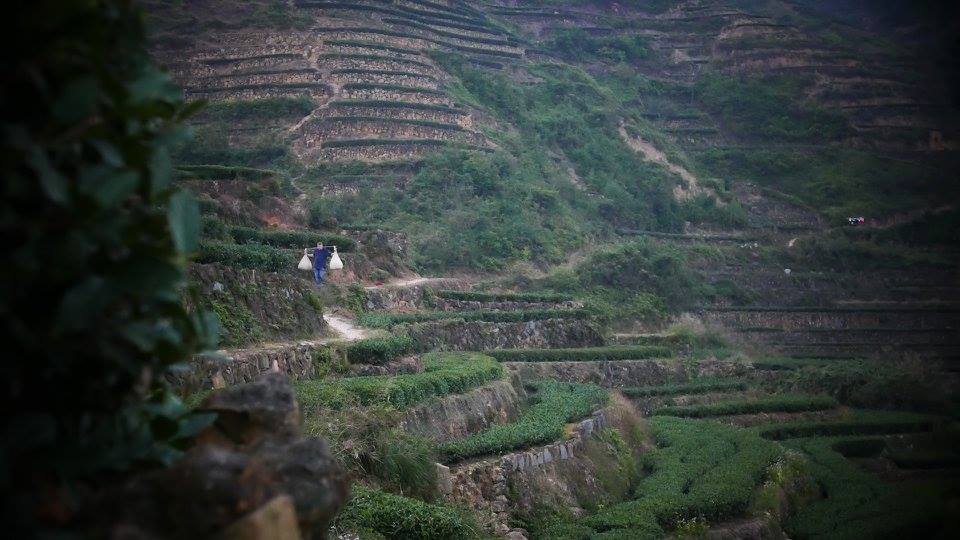
Up the mountain one more time, to shoot me carrying 40 kilos of tea on a shoulder balance, stumbling along the ancient pathway that winds through the hills to Quanzhou, the sea, and the world. The director wants to drone me alone on the hillside, which entails lugging my hefty load for half a mile through the terraces, pretending that I can’t see the Yuneec Q500 Typhoon as it whirrs above me. It then slowly pans up and out, leaving me a receding speck in the sunlight, stumbling through the neat green steps of tea trees, as the sun sets on the distant hills. This will probably be the closing shot of the whole tea episode.
There is no more time. We were supposed to record my closing homily in the sunset, but Mr Jangles and a bunch of other issues have chipped a minute here and a minute there, until we have lost an entire set-up. The sun has gone down, so it’s a 90-minute drive back into Quanzhou, livened up in the Buick by the sound of the director watching the drone footage and discovering that Mr Jangles turns up in it, trying to take a picture of me from the trees with his bloody phone.
While reading about the botanists of the early twentieth century, I stumble across a reference in the works of Joseph Rock, a man whose prose is described by his own biographer as “brutally unreadable”:
“Between Dü-gkv and Nvlv-k’ö is a meadow called Mbamä. Here a large spring called Bao-shi gko-gyi issues from the mountainside under a grove of century-old maples where Na-khi sorcerers perform Zä-mä, a ceremony for the propitiation of the Llü-mun (Serpent spirits).”
The ceremony in question supposedly grants fertility to those who drink from its waters. Mack the fixer and I puzzle over the quasi-Tibetan Romanisation, and eventually work out that the place in question is now called Xuesong – the Snow Pines. Since we have nothing better to do, and any mention of “fertility” is a step closer to successfully completing the episode, we drive over to the spring, which is now an area of sheltered parkland, in the grounds of a temple.
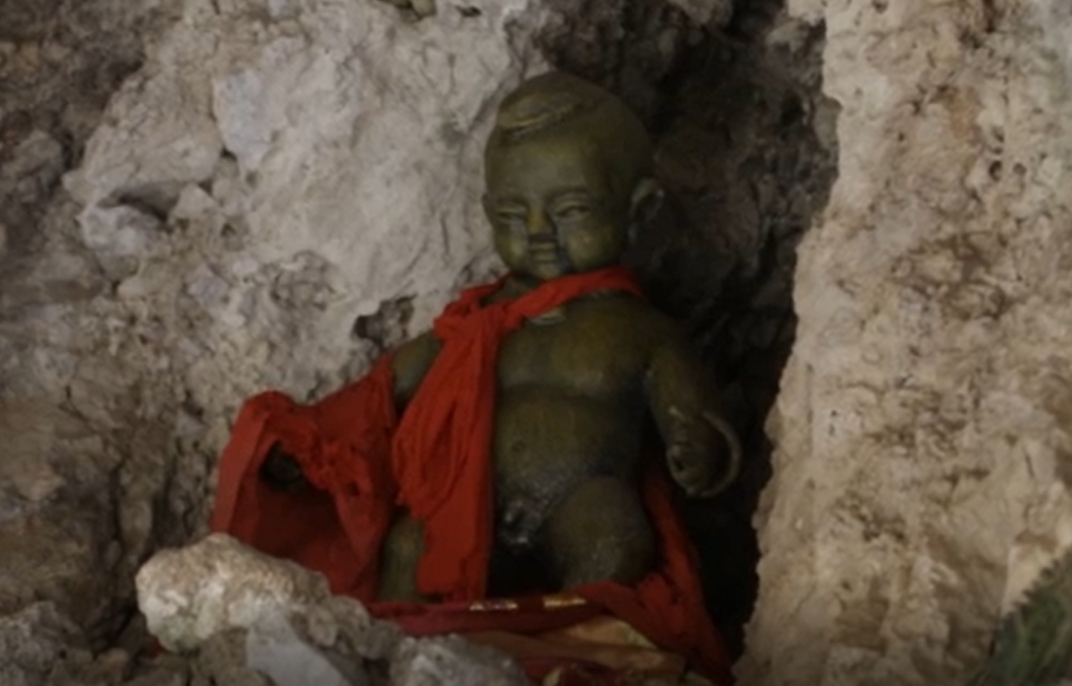
We walk through shady forest paths around ponds and lakes of a clarity I have never seen before. The carp in the pond seem to be floating in mid-air, and the waters are crystal clear all the way down, linked by a series of bubbling waterfalls. The park is remarkably quiet and peaceful, thanks largely to the fact that there are hardly any Chinese people in it, and we climb mossy stone steps to a little shrine in the hillside. Here, between a golden statue of the Goddess of Mercy, and a stone statue of the Earth Mother, there is a hole in the rock where the spring of the Crown Prince God bubbles to the surface, watched over by the fat effigy of a young naked boy, swaddled in red ribbons. From here it cascades down the hillside, through several ponds, around a water wheel, and then into a fountain in the temple grounds, where locals can be seen filling up with buckets. This is an ideal place to film… and it is locked.
“GO AWAY,” shouts a horrible old lady through the grille. “WE’RE CLOSED.”
You can’t be closed, reasons Mack. This shrine is the focus of the entire park and we’ve all paid twenty kuai each to get in. What time do you close if the gate is still open at the front…?
There is a long pause while the old lady thinks through the ramifications of her various possible answers, any one of which requires her admitting that her daily routine comprises of knocking off early and putting her feet up. But we have filming permission from her boss at the front gate, who plainly expects the shrine at the top of the ridge to be open for another hour, otherwise he wouldn’t have let us carry our gear up the mountain.
In a great sulk, she lets us in and then hunches over the balcony, fuming at having been caught out. I dash off a piece to camera about the spring, and we are gone. It could have been a substantially more sedate piece, with me walking in the picturesque surroundings and talking about Naxi culture, but the hostility of the “caretaker” has kind of put us off.
I wish I’d taken a picture of those fish, seemingly hovering, so you would believe me. But there is rarely time or opportunity for me to point a camera, or even carry one. I am in the car feverishly revising Mandarin technical terms for an interview, or swotting up on the next location. I am pacing up and down in a forest, trying to parse my lines. I am in a hotel room carefully trying to make sure my face and hair and clothes all look the same from day to day. Or I am thousands of miles away, trying to remember it all before it fades.
“Clements has an engaging and chatty writing style, and knows his audience: Liu Bang has a ‘frenemy’, Confucians are a ‘bunch of whiners’, we encounter a ‘Chinese Basil Fawlty’. I was rather surprised when, discussing the ‘world’s largest turnip’, he passes over the opportunity to make a Blackadder reference.”
A pleasant surprise over at the book blog Charlie Reads China, as the erudite Charlie encounters my history of Chinese Food, The Emperor’s Feast.
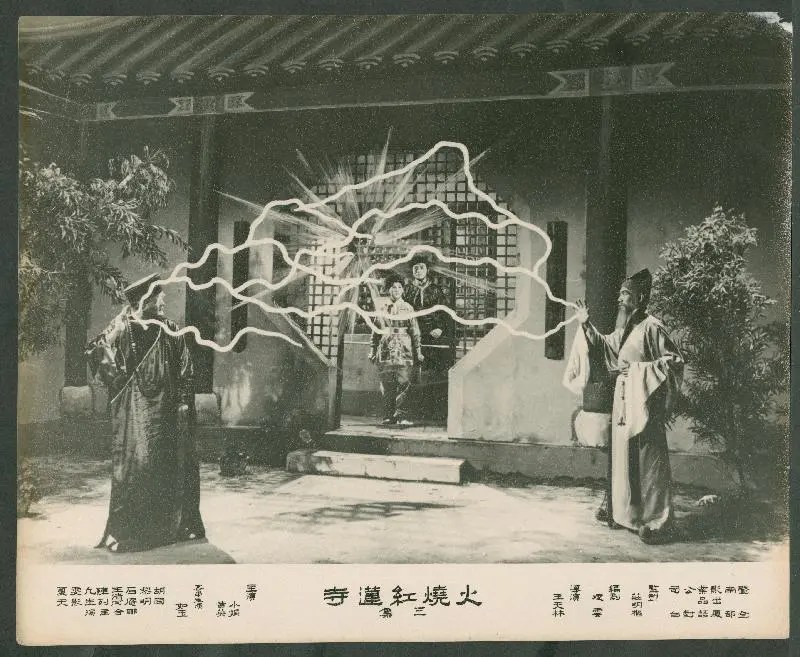
“Marvellous Gallants of the Rivers and Lakes (1923) focused on Xiang’s lifelong obsession with ‘rarity’ in fiction, which here manifested itself as a concentration on the pseudoscience of martial-arts super-powers. Ridiculed by leftist authors such as Lu Xun for its quixotic and regressive reliance on magical solutions, it nevertheless became immensely popular. Its 65th chapter formed the basis for The Burning of the Red Lotus Temple (1928) a watershed work in the history of martial arts film, in which magical forces were represented with early special effects, spawning seventeen sequels.”
This picture was taken five years ago a conference/knees-up to celebrate twenty years of the faculty at Xi’an Jiaotong University. I’m pretty easy to spot in the front row, since I am the only white face present. I’d flown in to deliver a lecture about “The British Perspective on the Belt and Road”, which was something of an eye-opener for the audience, as I delved into the history of other nations’ outreach initiatives, and some of the likely unwelcome consequences. I predicted, accurately as it turned out, that Gwadar in Pakistan would prove to be one of the more obvious flashpoints, and that the Balochi independence movement would soon start targeting the Chinese. For saying so, I was reprimanded by an earnest Party member who didn’t think I should be rocking the boat.
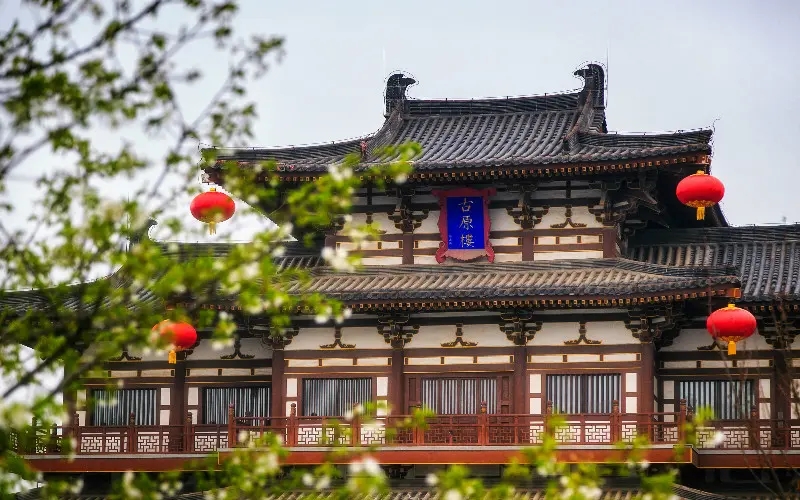
The next day, I hang out with my friend Dr Qiao Zhilin, who has been racking his brains in search of a historical site in Xi’an that I had yet to see. We wander up to the city museum and then along to the Blue Dragon Temple, sited on a shoulder of land a couple of storeys above the surrounding terrain – Tang dynasty maps tend not to have contour lines, so the fact that medieval Chang-an was not as flat as a pancake often eludes scholars. The view from one of its halls would have rivalled that from the Great Goose Pagoda itself, and you would have seen the whole checkerboard of Chang-an stretching out to the north and west.
Zhilin is irritated that the view now looks like everything else. Climb the hundred or so steps to the gate, and all you can see is skyscrapers all around. The temple sat in ruins for centuries, until the place was mobbed by Japanese tourists in the 1980s. It turned out to be the place where Kukai, one of the most famous Buddhist missionaries in medieval Japan, had studied. He would return to Japan and establish the Shingon sect.
Never ones to look a gift horse in the mouth, the Chinese bodged the temple back together again, and in 1985 the people of Shikoku (Kukai’s birthplace) donated an entire forest of cherry trees, so it would look suitably Japanese every spring. Online information about the precise place where he studied is very confused. Wikipedia thinks that almost everything of any note in Buddhist history happened at the Ximing Temple, which I have never heard of, and seems to be a confused conflation of a bunch of institutions in the shadow of the Great Goose Pagoda. But Buddhist temple tourism is a fierce competition for the attention of tourists to go to a bunch of places that are all effectively the same, so the ability to say “Famous Monk Slept Here” is worth something, as is an entirely arbitrary forest of cherry trees, that only looks good for two weeks a year but is all any visitor seems to talk about.
The park is full of Chinese dicking around with badminton racquets and shuttlecocks, and a troupe of Uyghur dancers doing their hand-wavy dance thing. Nobody pays any attention to the museum in the inner temple area, although it fast becomes apparent why, as the guards have installed a loud alarm that beeps constantly if there is anyone inside. This helpfully tells them if anyone is on the premises, but makes it incredibly difficult to examine exhibits about enlightenment and harmony if you are actually there. It’s as if Westminster Abbey hired a clown with a bullhorn to stand next you and go HONK-HONK every time you looked at something.
We retreat to a sutra room near the back of the temple, where we are waylaid by a crazy-eyed security guard who wants to talk about Buddhism. Mr Yang has an odd aura about him that I remember all too well from the clientele at a religious bookshop where I once worked. He asks me “What sutras you have in England?” Diamond, I tell him. “Awesome,” he replies, “that’s my favourite sutra” and launches into a diatribe about how all religions are the same beneath the surface, and anything was okay except atheism, which was plainly a poison on the face of the Earth.
I think, I observe to Zhilin as we leave, that we’ve just met someone whose parents said he couldn’t be a Buddhist priest.
But he is just a security guard, protests Zhilin.
Is he, though? Is he?
Clinging by his fingertips to any reason not to be at the conference, Zhilin insists on accompanying me to the bullet train station, and pads after me all the way to the security gates.
“I really have nothing else to do!” he says, staying until I disappear up the escalators and he can no longer see me. At least, I assume he went home after that. Maybe he is still there.
I haven’t seen him since. Filming on the fifth season of Route Awakening did not take me to Xi’an. An invitation for a speaking gig in Japan lured me away in the autumn when I would have otherwise dropped by. And then there was a pandemic, and one thing led to another…. My six-year visiting professorship officially lapsed, since it is the sort of thing that is renewed in person at a conference banquet. The postgraduate faculty has moved twenty miles west, so not even the buildings are the same. And the people I knew have gone.
For five years, Xi’an was a huge feature of my life. The overnight plane became as commonplace as a bus. I got to see several intakes of students come and go — for many of them, my family being the first foreigners they had met. But the five years since means almost everybody has gone — the newly arrived bachelor’s students who sat in the front row of my lecture, would have graduated two years ago. If I turned up on their doorstep tomorrow, maybe only a couple of postgrads would even know who I was, and even then only vaguely. All those many dinners and outings and lectures and encounters are all lost, like tears in rain. Three different professors at that December 2017 banquet suggested I might like to be a visiting lecturer at their universities, too, but these things take time, and application, and will, and more than anything else, legwork. It took years to build the trust of the faculty at Xi’an, to prove that promises to return were not empty platitudes. Qiao Zhilin and I still wave at each other occasionally on social media, and tell each other that someday soon normality will be restored, but we can never really go back.
My son, who grew up surrounded by an adoring cloud of Chinese girls, has pre-teen schooling obligations that mean he can’t just wander away to China for three months anymore. His mother, who was the reason we went to Xi’an in the first place, is not my wife any more, and she is also struggling with the logistics of returning to a place that is no longer the same place, with people who are no longer the same people, and is now lacking a free spousal interpreter.
As of this week, I have been gone for as long as I was there. The last time I was in Xi’an, the deputy mayor offered to make me an honorary citizen of the city. The next time I go, I expect I will just be another tourist.
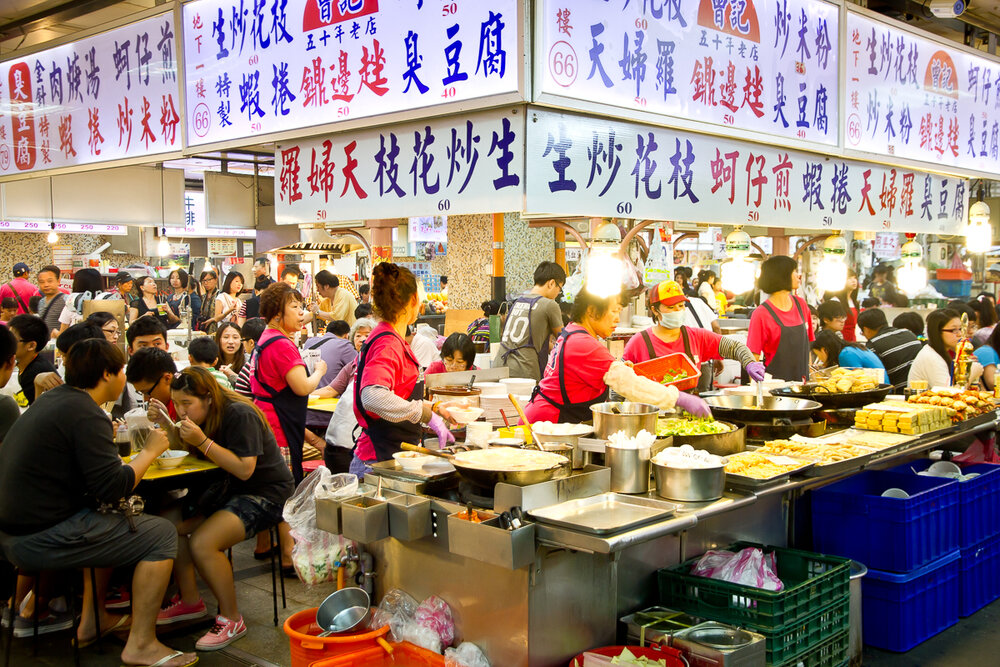
Some years ago, I walked into a new “Taiwanese” restaurant in London’s Chinatown with my friend Andy. The waitress shuffled over and imperiously announced that Taiwanese food wasn’t like any other food we had ever had.
“I doubt that,” said Andy to her in Mandarin. “We both lived in Taipei when we were students.”
The waitress visibly blanched and called over her colleague.
“We’re both from Shanghai,” she confessed, huddling closer. “We don’t know what any of this stuff is!”
She could have used a copy of Steven Crook and Katy Hui-wen Hung’s A Culinary History of Taipei: Beyond Pork and Ponlai, a truly exhaustive account of the multiple cuisines not just of the city, but of the entire island, from the various delicacies of its aboriginal peoples, through the foods and crops brought in by various settlers – including the Dutch, Spanish, Cantonese, Fujianese and Hakka – and local food’s many modern transformations. Their book takes in the powerful, enduring influence of Taiwan’s fifty years as a Japanese colony, as well as the austerity era of the mid-twentieth century juan cun emergency housing, when Taiwan was flooded with refugees from the mainland, and the modern logistics of everything from pork transportation to convenience-store microwave cookery.
“Those who live in the mountains eat what they can find in the mountains; those who live by the sea eat from the sea.” Crook and Hung begin with subsistence foods, before delving deep into indigenous folklore in search of reasons for multiple conflicting tribal taboos. When the Chinese first arrived on the shores of Taiwan, they were disgusted at the natives’ penchant for deer’s intestines, while the aborigines were aghast that the Chinese ate chicken. They are nicely focussed on etymologies, including a long discourse on why the humble frog became known as the “water chicken.” The natural assumption, they suggest, is that it is a euphemism designed to conceal the origins of an icky food from disapproving diners. But Taiwanese diners love frogs’ legs – it is far more likely that the new name arose to get around a Song-dynasty government ban on killing frogs, not because they were taboo, but because they were of higher value in eating insects in the rice paddies.
Of particular interest is the sudden rediscovery of indigenous dishes in the 1990s, after the rise to power of the nativist Democratic Progressive Party pushed the mainland-focussed Chinese agenda aside. At the inauguration banquet of president Chen Shui-bian, diners were treated to milkfish ball soup and óaⁿ kóe (“bowl pudding”), a savoury porridge. Both were common dishes in Chen ‘s hometown, and the president would go on to troll his guests in later dinners by pointedly serving taro to represent those who were not native to Taiwan (i.e. the descendants of 1940s refugees), and sweet potatoes to represent the Chinese who had lived there for hundreds of years previously.
Except, of course, the sweet potato is itself a new arrival, only showing up in south-east China in the 16th century, a New World food arriving via the Spanish Philippines. It, along with hundreds of other foodstuffs, was entirely alien to the island, but now forms part of Taiwan’s vibrant food culture, which incorporates vast swathes of Cantonese and Fujianese foodways, but also vestiges of the home cultures of multiple groups of refugees. Crook and Hung explain why Taiwanese bread is often so sweet – the predominant style arrived with the Japanese, who tended to regard it as a dessert rather than staple. They detail the menu of a standard military breakfast, the transformations of sushi brought about by the availability of local fresh fish, and the impact of Western food franchises in the late twentieth century.
They are also fantastically informative on the metadata of Chinese food. When Taiwan joins the World Trade Organisation in 2002, one of the unexpected fall-outs is a sudden, five-fold leap in the price of cooking wine, an entirely benign and vital condiment, now classed as an alcoholic beverage and subject to a tax hike. Crook and Hung chronicle the ripple effect this has, not only on the family kitchen, but on the black economy, as gangsters and spivs rush to fill the hole in the market with ersatz replacements. Similarly, the authors devote an impressive page-count to the multiple puns and euphonies of festive dining, explaining just why certain foods are popular with superstitious locals on particular family occasions and festivals.
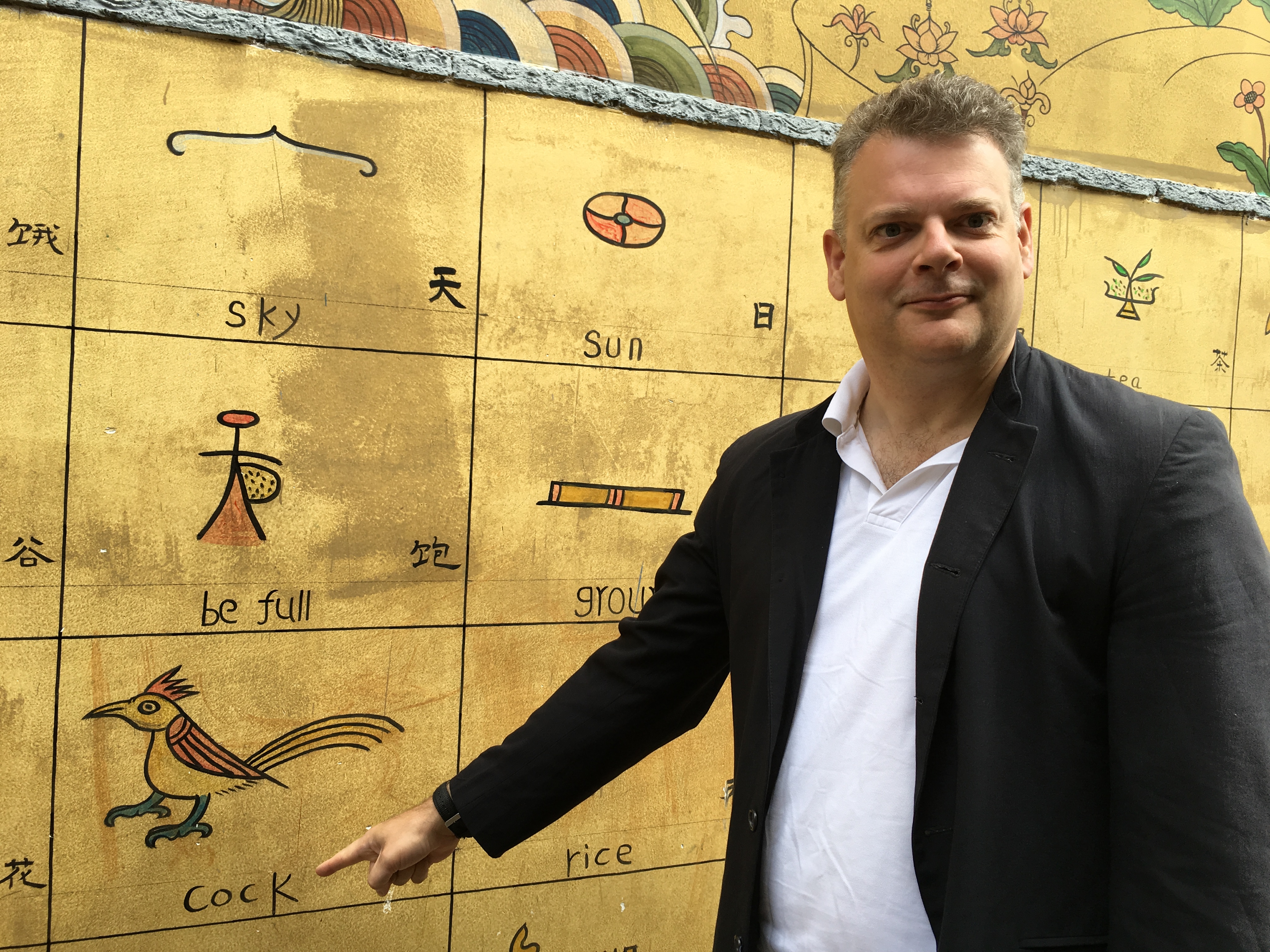
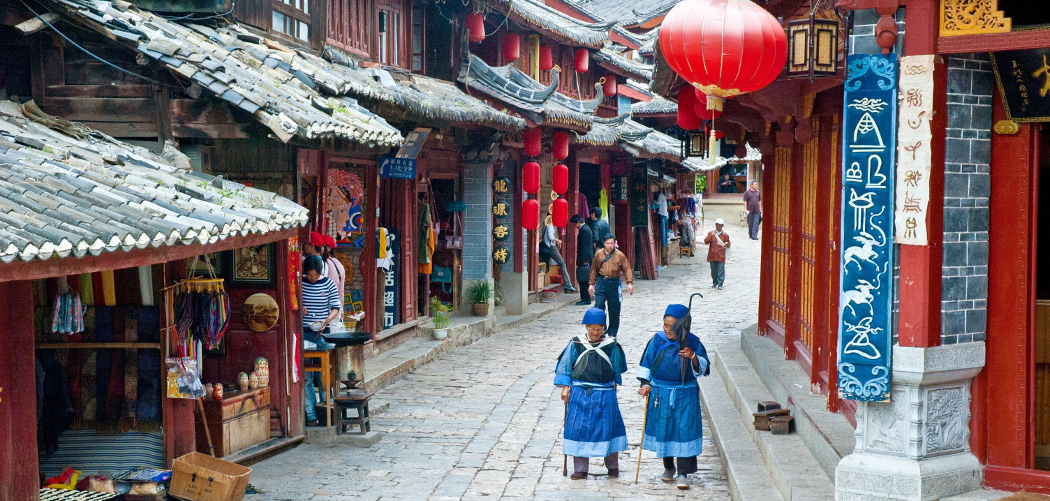
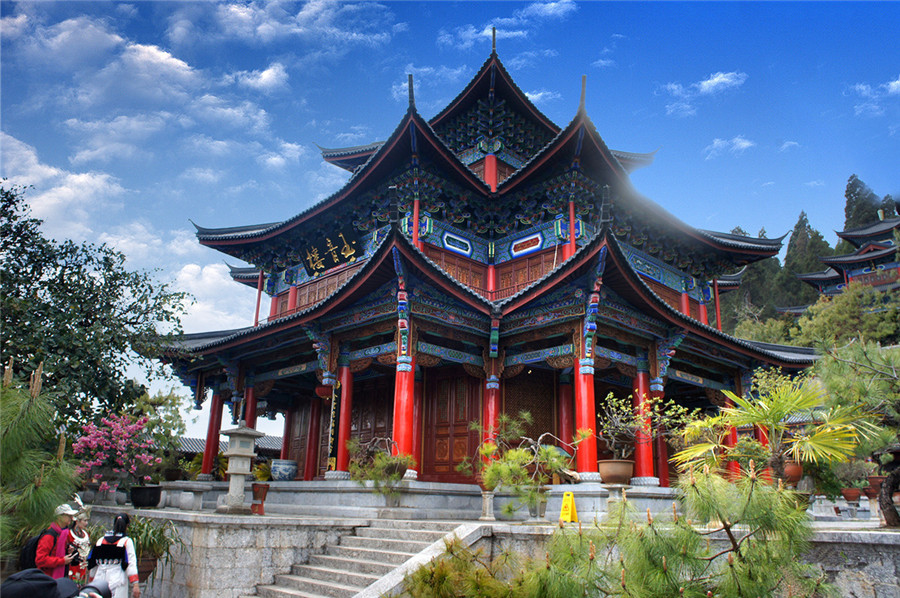
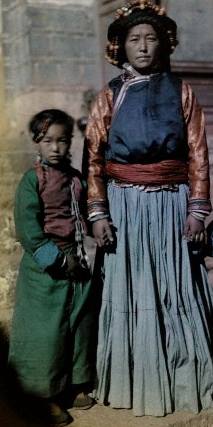
We are off to Lijiang, home of the Naxi people, regarded in China as the cherries on the cake of nutcases, a quasi-Tibetan tribe famous for believing that they are descended from the survivors of the war with the snake people from space. Their God of Pestilence is depicted holding a steaming, fresh turd in his hand, and their shamans like to dip their hands in oil and set light to them so they can run around indoors throwing fire at people. They have the world’s only living pictographic language that causes all their sacred texts (and they have 20,000 sacred texts) to read like comic books, and their panoply of ceremonial artefacts includes “sacrificial puppets”. Their God of Banging is called Dsu, and the Ho-bpo ceremony involves praise to the Lord of Spunk. 150 years ago, they were still cannibals, although supposedly they have stopped doing it now. I am not making this up.
I try to interest the crew in my study of Naxi pictograms, but they display little interest in the symbols for “wizard” and “vaginal discharge.”
I am having trouble catching my breath today. It is after lunchtime before the director reveals that we are more than a mile above sea level, in the foothills of the Himalayas. So it is not my imagination; the air is thinner. Lijiang is nestled inside a curve of the “Golden Sands” river – it is 25 miles to the east, and also 25 miles to the west, and eventually it changes its name to the Yangtze. But here we are high, high up. Shangri-la, or rather, the town that purports to be Shangri-la, is only a few miles north of here. Peter Goullart, who was the local consul here in the 1940s, wrote in his autobiographical Forgotten Kingdom that matters get worse another mile up, where the thinner air makes it difficult to get a good night’s sleep, leaving all the Tibetans and related tribespeople permanently irritable.
The history of Lijiang is difficult to reconstruct, but a few historians have read between the lines of the Dongba recitations and the chronicles of the locals, and come up with the following. The Naxi themselves were once nomads on the desolate northern plains – this we can deduce from references in their most ancient funeral rituals to yurts and herds. This area was not even considered part of China until the Mongols conquered it. When Khubilai Khan’s troops arrived, a family of Naxi chieftains in Lijiang swiftly saw which way the wind was blowing, and willingly collaborated. They were instrumental in the Mongol conquest of the area, and maintained a constant war footing thereafter. Long after the Mongols packed up and went home, the Mu clan were sending raiding parties into the mountains and valleys, demanding tribute from the locals and proclaiming themselves as the rulers of everywhere from here to Tibet.
The Chinese hated Yunnan. The air was too rarefied, and the locals too odd, and they very happily left the Mu clan to it. The Mu chieftains, soon rebranded as princes, were sure to send some appropriate gifts to the coronation of each new emperor, and were thanked in turn by the conferral of official titles. When the Mongols retreated before the resurgent Ming dynasty, the Mu chieftains clung onto their power, for the same reason, which was that the Chinese really couldn’t stand the idea of such a desolate place, and were happy to leave the locals to it.
The Mu did not die; they faded away. In the 18th century, the Chinese reverted the Mu’s status as hereditary leaders, and instead incorporated them into the magistrate system of appointed governors. A few generations later in 1729, when the time came to appoint the next representative, Beijing surprised everybody by not appointing a Mu man at all. The princes had been dethroned, although apparently overnight, their demise had been coming for decades. Early in the 20th century, the consul Peter Goullart reported a banquet in Lijiang where the head of the Mu family was not even afforded a place at the high table. Instead, this shrunken, opium-addled old man was left to eat with the B-list. Now there is little to remind us of the Mu, apart from the stone bridge in Lijiang old town that was supposedly built at their behest, and a couple of mansions and monasteries endowed with what had once been their wealth.
Every conquest of territory downhill pushes other people further into the heights. The Kam once lived in the lowlands, but were shunted into the hills by the Mu conquest – the word for Kam in Chinese is Dong, and originally meant Good for Nothing, or perhaps The Hidden – the former definition has been deviously removed from modern dictionaries. Their famous songs sidle shame-facedly around the fact that they cannot read – a fact which we regularly encountered when filming there, when some of our interviewees were unable to write their own names on their release forms.
But as the Naxi pushed the Kam, the Kam pushed the Miao, who were driven even further into the heights, often living without fire or fresh water. But if the Miao were shunted, they also displaced someone. At the scrag end of history are the Yi, a people who even today have a fearsome reputation.
And then there are the amazonian Hlihin, reported in the diaries of Peter Goullart from the 1940s, when their brash, tough womenfolk would swagger into town with a couple of their husbands meekly in tow, on the search for new bridegrooms. Goullart treated several of them in his clinic, and reported that they were invariably suffering from advanced syphilis. We’re not going to visit them, either – in fact, I have seen no mention of the Hlihin in modern accounts, and wonder if they even exist anymore.
When the Red Army came through Lijiang on the Long March, the locals asked them who the emperor was these days. They had literally had no news from the outside world for fifty years.
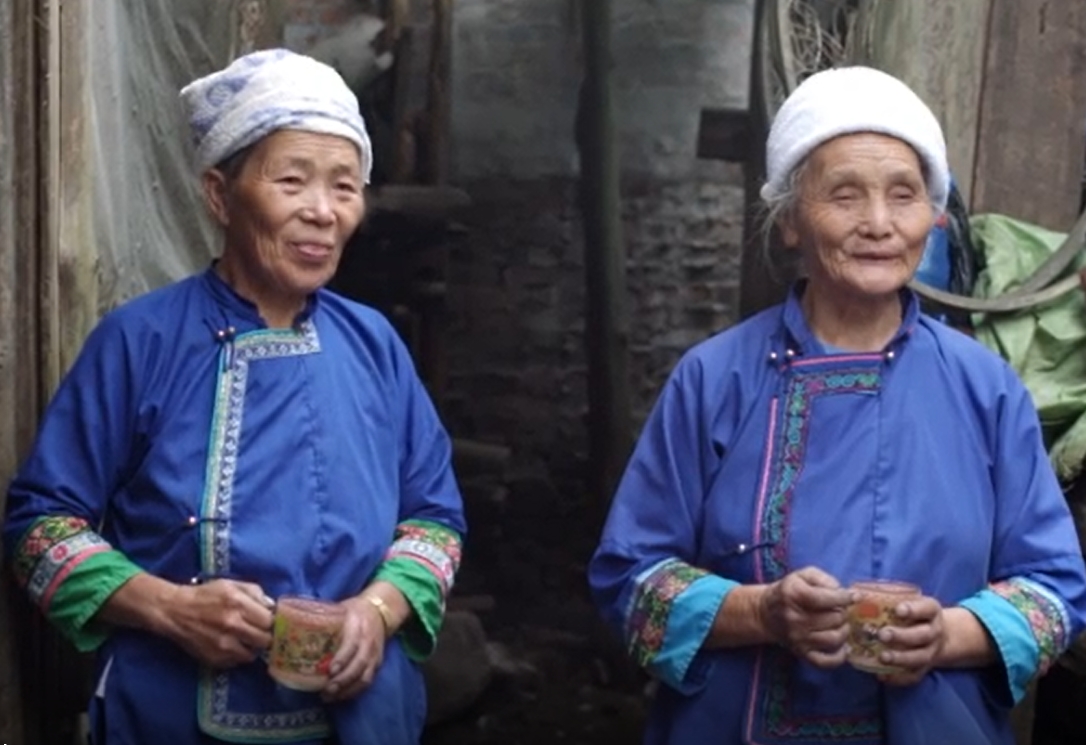
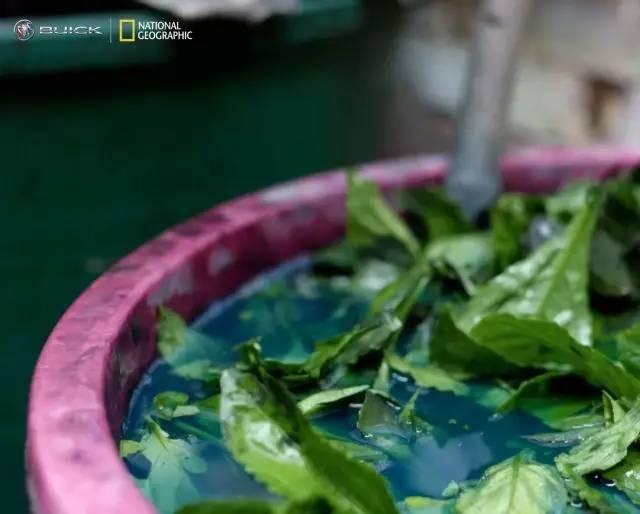
The Wu sisters are in their seventies, and have a relatively posh house near the centre of the village, alongside their ramshackle dyeing studio. There, behind a door so low I practically have to limbo underneath it, they make Kam clothes by dipping cotton cloth into a mixture made from indigo leaves, collected from the riverside and soaked for three days to create a bluish soup. The clothes come out yellow, but oxidise almost immediately on contact with the air, turning a pale blue. The Wu sisters will dip and wash and dry and dip and wash and dry over and over for the next twenty days to get the right level of dark blue.
Other ingredients include cow skin, with hair still attached, which is boiled for gelatin, pig’s blood which can be used to form the red dye that turns the dark blue into black, and rice wine.
“You can drink it!” enthuses Wu Big Sister. “Go on, have a go! We already have!”
She titters playfully, and I realise that the Wu sisters have been knocking back some of their ingredients all morning. I join in, and then they start singing a song of Kam welcome, which apparently has to end with me downing a grubby Hello Kitty mug full of rice wine. They then reveal that nobody can leave their house until they, too, have downed a mug of wine, leaving the cameraman and the driver red-faced and somewhat the worse for wear.
The Wu Sisters, however, are ready for anything.
“Come on inside!” says Wu Little Sister. “We’re going to whack the cloth with the hammer to make it soft and shiny!” She proceeds to smack her cloth around with a mallet dangerously close to her fingers.
I try to leaven the shoot with comedy business, including a Jacques Tati masterpiece of idiocy as I attempt to get across the village square when it is carpeted with drying rice. I negotiate a maze of rice mats, and end up dangling from the side of a building and braining myself on a jutting joist. I also get to turn to camera with a straight face and say: “There’s nothing I enjoy more than a good pounding.”






 The Official Schoolgirl Milky Crisis Blog