Nine Dragons

It was an eight-year-old boy, in March 1278, who gave the name to what was then the forested, hilly lands to the north of Hong Kong island. He counted eight hills – today’s Lion Rock, Tate’s Cairn, Unicorn Ridge, Beacon Hill, Crow’s Nest and so on, which today separate the urban coast from the New Territories. There are, he said, eight dragons.

No, said one of the men with him. There are nine. Because the boy was the 17th emperor of the Song dynasty, on the run from the invading Mongols. For as long as his dwindling naval forces kept heading south, for as long as he evaded capture, there was still a Song dynasty, and he was still its emperor. And so nine dragons it was Jiulong, or as pronunciation would have it in these days, and probably in those: Kowloon.

The boy Zhao Shi didn’t live long afterwards, dying of an illness on the run. Even then, he was the commander of a fleet of stolen boats, requisitioned with extreme prejudice from an angry Muslim merchant in Quanzhou, who would take his revenge by embracing the Mongol cause soon after. He was never quite the same after his boat capsized in a storm outside Leizhou, and even his presence in the area of what today is called Hong Kong was a feeble attempt at recuperation for the dying leader of a dying regime, mourning his drowned sister and his lost empire.

His even littler brother would be the last emperor of the Song, famously dragged beneath the waves by his suicidal courtiers as the fleet collapsed at the Battle of Yamen.
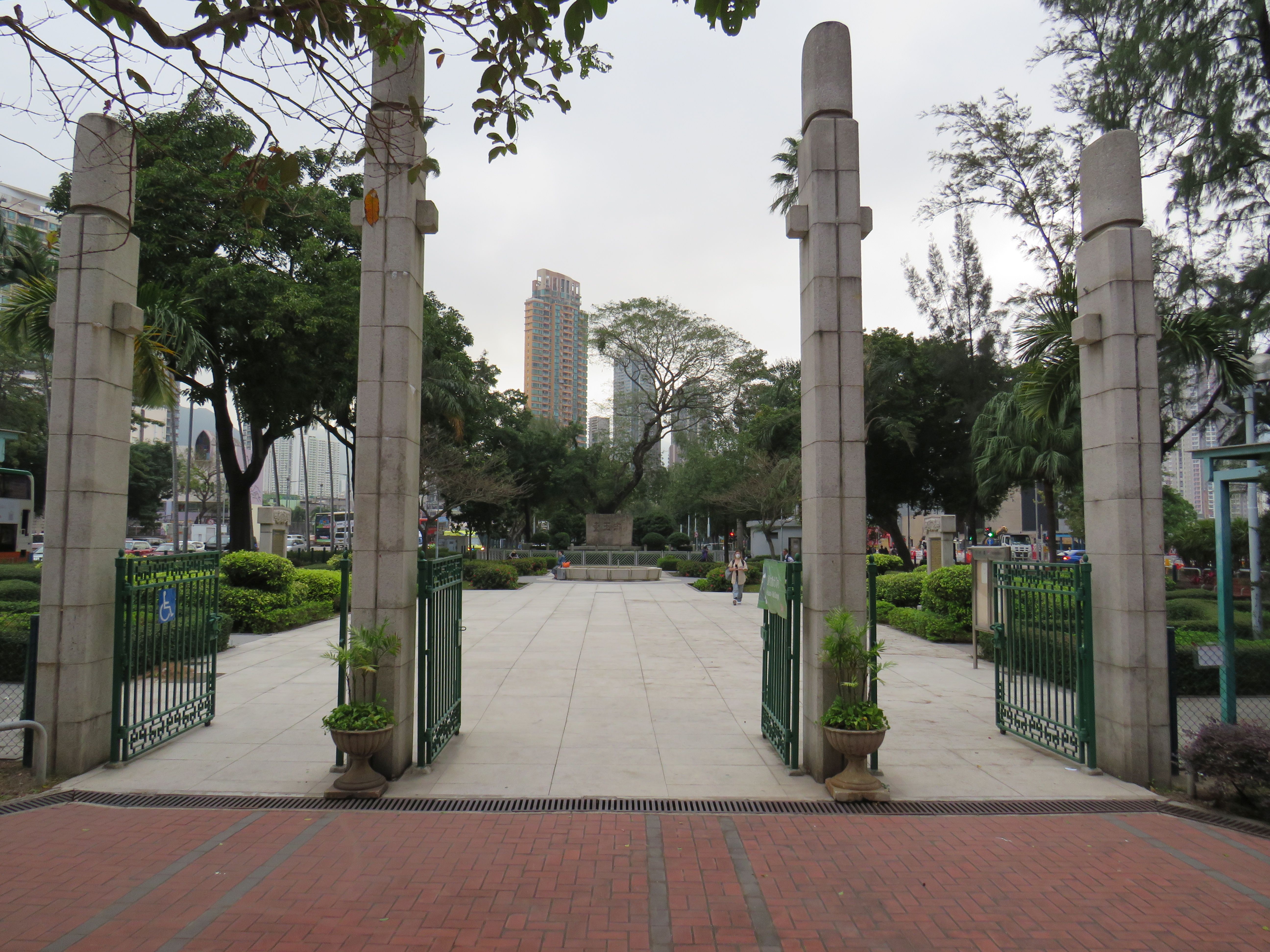
There was a monument in Hong Kong to the presence of the ninth dragon, at what came to be known as his Sacred Hill (sheng shan) – a hundred foot slab of rock, carved with the words Terrace of the Song King (song wang tai). This has made it into Cantonese as Sung Wong Toi – seemingly a deliberate move after the Mongol takeover to describe him as a lowlier royal, as calling him an emperor would have invalidated the mandate of the new rulers. The words for emperor and king are homophones in Cantonese, so possibly the people from the north didn’t realise they were being trolled. Under the British administration, placenames in the area were bullishly renamed Terrace of the Song Emperor, although this made no difference to the locals – see above re: pronunciation. It means that the actual slab has “king” written on it, but the station you get off at to look at it has “emperor”.
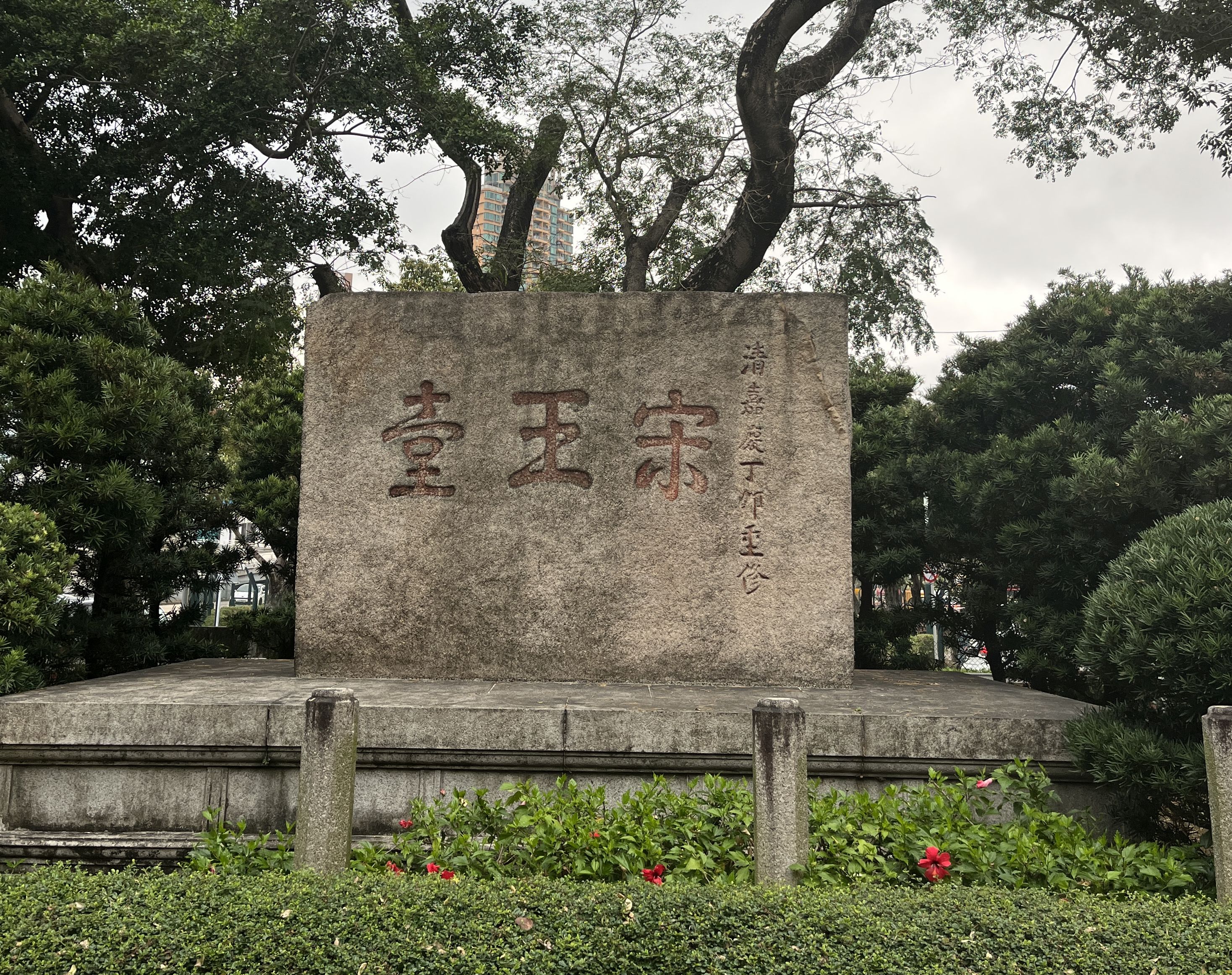
The boulder lasted until the 1940s, when the Japanese dynamited it to make extra space for the Kai Tak airfield. In 1945, the bit of the rockface that bore its name was relocated to a little area of parkland nearby. Today, the airfield has gone as well, and it is a sad little park in the middle of a busy road intersection, the air ripe with the stench of the nearby sewage works. But one of the last of the Song once took shelter here beneath a towering rock, and counted dragons in the hills.
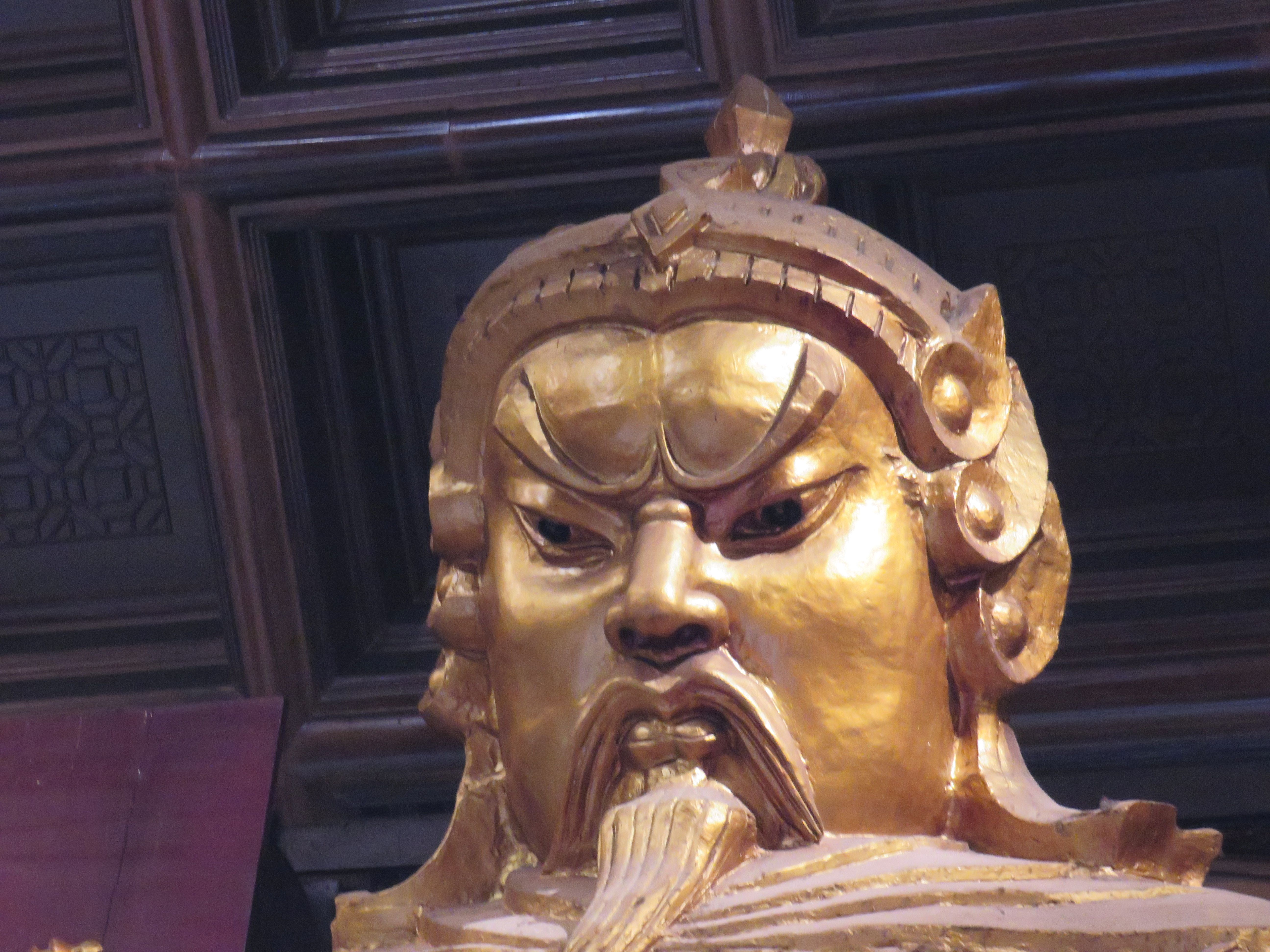
One of his generals and guardians is memorialised a few stops along the metro, at the Che Kung Temple, remembered less for his doomed defence of the boy emperor, and more for scuttlebutt that associated him with the dispelling of plagues, for which he was deified in the Ming dynasty. Visitors to his temple are encouraged to spin ceremonial windmills and beat a ceremonial drum. No plague here today, so presumably it is working.

Jonathan Clements is the author of A Brief History of China.

Ni Kuang (1935-2022)

“Hong Kong remained his home thereafter, but his antipathy for the Communist regime did not slacken in later years. In a 2009 interview, he provocatively announced that he was less afraid of China during the purges of the Mao era, since the worst possible danger to the world would be presented by a predatory capitalist system run by a dictatorial elite.”

Ni Kuang, who died yesterday, is the subject of a long entry I wrote for the Encyclopedia of Science Fiction.

The Cafe Conflict

It all started at the Tasty Congee & Noodle Wantun Shop, a Hong Kong airport café requiring customers to order at the counter and wait for their number to show up. Online reviews for the chain are extremely complimentary – Yelp is full of comments about some of the best fried noodles and congee to be found, high praise indeed for a food-obsessed place like Hong Kong. There are, however, occasional references to a certain brusqueness of service at the airport branch, a very large menu that is difficult to process in a hurry, and an anxious overcrowding that can cost dawdling customers their table if they don’t keep a watchful eye for their order number.

Some or all of these elements combined for two Mainland ladies in 2018, who had plainly already had a miserable time on their Hong Kong vacation.

“I felt like I was subjected to shame and humiliation,” one had tweeted earlier, as reported in the South China Morning Post by Naomi Ng. “In Hong Kong, if you speak English, people will be polite to you. If you speak Mandarin, they will roll their eyes at you.”

At the café, waiting for their homebound flight, they got into a scuffle with a member of staff. They complained about poor customer service. He told them to stuff it and swore at them. Both sides, according to one witness, started throwing food around, until the man pushed a tray of congee and noodles at them, splashing some on one of the women’s clothes.

Reading between the lines: it was post-Christmas/New Year rush, people had probably been working overtime and covering for winter flu. The café was crowded, and the staff under pressure to keep tables moving. Someone misses their number; someone takes their table; someone gets told to hurry up; someone says they wanted theirs without chili not with it. After some shouting, the women were refunded their bill and left, but a media footprint was already growing – including shots of the incriminating tray, left on the floor for mere minutes afterwards.

Social media magnifies and preserves such incidents in a way not possible in previous generations. The pictures and the online footprint of something that would have otherwise been forgotten in moments provided enough material for newspaper follow-ups. It is a story I can access years later, and part of a narrative that continues Hong Kong’s cross-cultural stand-off of “dogs and locusts.” I remain in two minds about whether this is a good thing, and here’s why.

In 1991, I was witness to a hysterical altercation at a family-run fish restaurant in Kending, Taiwan. As best as I could tell, someone had married someone they shouldn’t, and granny’s inheritance risked being frittered away and someone should have cleaned out the pumps, and in what seemed like mere seconds, a scrum had developed at the front of the restaurant, open to the warm summer-night air and the beach beyond. The old granny grabbed a meat cleaver and smashed its blunt corner into the glass fish tanks, inundating the plaza outside with water and gasping trout. The crabs made a break for it into the street, scuttling through swerving traffic, as the old lady sat sobbing at one of the empty tables. Her children scattered back to the kitchen and rushed to clean up the tables, and everybody pretended there weren’t a dozen huge fish dying on the patio.

I had no idea what was going on. At the time, I lacked the Chinese or the authorial pushiness to really ask. But the only evidence of this is me telling you. I didn’t have a film studio in my pocket that could document it all. Access to the World Wide Web was still a year in my future. I’m sure that the Great Kending Fish Restaurant Fight was an order of magnitude of drama and controversy above a scuffle in an airport café in 2018, but the technology we use in our everyday lives has changed the way that we prioritise and remember. In the 21st century, such technology can be used for the evils of fake news and filler, but it can also be used to swiftly escalate issues in food safety and law. Access, accountability and archives are a feature of modern social media, and the way we talk and think about food and the food industry.

Jonathan Clements is the author of The Emperor’s Feast: A History of China in Twelve Meals.

Martial Arts

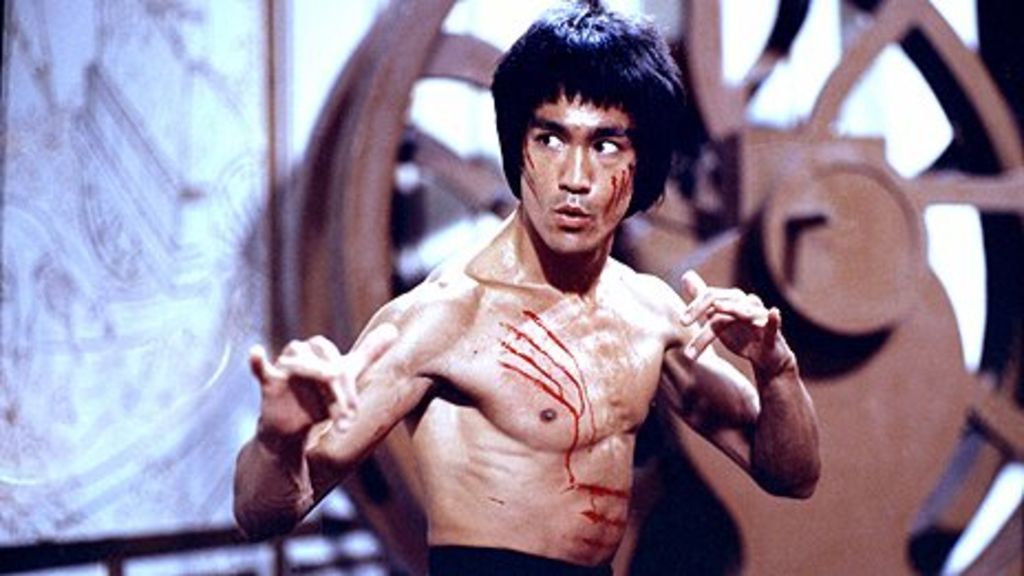
Clements explains how, during the Qing dynasty (1644-1912), government censorship and oppression was so invasive that it’s difficult to distinguish historical fact from fiction. “Add to that the damage done to the record by the hundred years of upheavals after the Opium Wars, and then the damage done again in the Cultural Revolution, and there are vast swathes of Chinese martial arts history that were only really curated and maintained by, say, the Hong Kong movie industry,” he adds.

Over at National Geographic, Dominic Bliss interviews me about the history of the martial arts.

Skiptrace (2016)

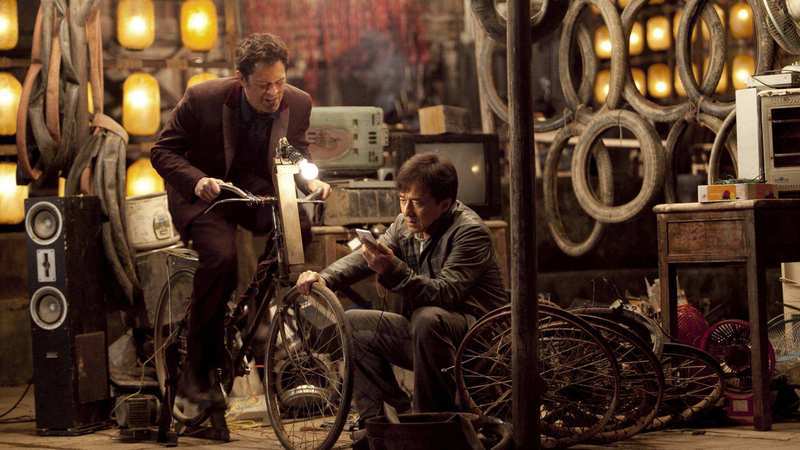
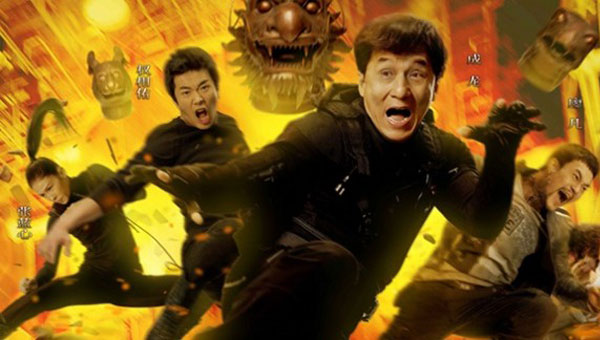
In press junkets for his previous film Chinese Zodiac, much was made of Jackie Chan’s “retirement” from action films, somewhat to the actor’s chagrin. The 62-year-old Chan was obliged to run damage control on his own career, pleading that he was certainly going to make more films, but that his advancing years made him less likely to perform his own stunts or do anything mental. But you’d be forgiven for thinking it was business as usual in Skiptrace, in which Chan can be seen fighting his way through a Russian factory, leaping from a collapsing Hong Kong slum, and dangling from a man’s trousers on a perilous ravine zipline. It’s only when you look closer that you see the occasional stuntman substitution, or that Chan’s co-star Johnny Knoxville, a man famous for shooting himself out of a cannon or eating a goat’s testicles on many a Jackass, is volunteering to take some of the harder knocks.

As Chan’s foil Connor Watts, Knoxville initially seems to be appearing in two different movies, on the run from the Russian mob, and framed for murder by a Macao casino syndicate. Benny (Chan) is the weary Hong Kong cop sent to bring in the fugitive Watts, unaware that he is carrying a cellphone that would solve Benny’s decade-long quest to unmask the criminal kingpin known as the Matador. For reasons not entirely clear (if they can cross the border, they can surely get on a plane), the impecunious pair is obliged to travel by land from Irkutsk to Hong Kong, with a travelogue narrative that focuses almost entirely on either end of the 5000-kilometre journey, ignoring most of the central Chinese locations they would have had to cross in favour of the ethnic hinterlands of Inner Mongolia and the Guangxi Zhuang Autonomous Region.

Chan and Knoxville traverse a bunch of picturesque settings – a lantern festival, cormorant fishing on the Yangtze, the mountains of Guilin, entire mountainsides of rice terraces – all as a backdrop to the formulaic knockabout action that has made Chan a global superstar. Critics in America have been quick to site this film in Chan’s late period in Hollywood, alongside other foreign buddy franchises like Rush Hour and Shanghai Noon. But Finnish director Renny Harlin has managed a remarkable evocation of the mood of Chan’s Cantonese movies of the early-1990s, such as Cityhunter and Police Story 3, when he was working with Wong Jing and Stanley Tong. Harlin’s film (or more aptly, its script) also inherits many of the flaws of that era – underwritten female characters, plotting that takes itself about as seriously as the clowning action sequences, and a condescending attitude towards anyone who isn’t ethnic-majority Han Chinese. The characters plough through local colour like tourists on a speedboat, inadvertently asserting privileged disdain, even as they document diversity. One wonders what the reaction would have been if he had made a similar road movie traversing the United States, and how various local communities would have reacted. Hahaha, the Navajo are all drunken brawlers; heeheehee, the Sioux are toothless swindlers; hohoho, those Negros sure love a good sing-song!

Parts of the film seem to have been flung together against the clock, including a couple of moments in which the actors shrug off sudden drizzle, and a closing act in which two scenes appear to  have been included out of order. Jokes about Chan’s inability to swim might seem tasteless in the light of the death by drowning mid-production of cinematographer Chan Kwok-hung. A recurring jump-cut motif propels the narrative along by discarding large chunks of exposition and development, but also papering thinly over plot holes. At least two key elements of the story – justice for the murderer Victor Wong (Winston Chau), and Knoxville’s shotgun marriage – are revealed as self-resolving problems for which the actions of the characters are entirely redundant. But this, too, is a faithful evocation of the breakneck pace of pre-Handover Hong Kong action films; Harlin’s movie is a note-perfect pastiche of Chan’s 1990s heyday, opening with a manga-in-motion series of comics cutaways, introducing the cast in a pop-art style. Fun veritably seeps out through all this movie’s cracks, from an opening sequence in which Chan initiates an attack on a bad guys’ hide-out, armed only with a bra and negligee, to a sequence in which Fan Bingbing tries and largely fails to conceal how much she is enjoying a fight scene in which she takes out her attackers with a taser and a fish tank.

There are several easter eggs for certain sectors of the audience. I failed to spot the Finnish flag that Harlin habitually hides in his films, but did note the snarling cameo for wrestling star Eve Torres Garcia, and the oh-so-meta moment when Knoxville, obliged to sing his way past an honour guard of tribal girls, chooses to belt out “Please Understand My Heart”, a Jackie Chan hit from 1991. The gangsters in pursuit, on the other hand, mumble their way through a half-hearted rendition of “You Are My Little Apple”, the novelty hit of 2014. And in an utterly bizarre musical interlude, Chan whips up a bunch of Mongols into a rendition of Adele’s “Rolling in the Deep”.

Meanwhile, in an odd moment of political cheekiness, Chan’s character expresses his desire to retire and run an alpaca farm, noting that these animals are a symbol of freedom. That they may be, but they are also a notorious icon of Chinese internet dissidence, striking an oddly right-on note for a man who has spent the last decade in alliance and cooperation with the authorities.

Strangest of all, despite a worldwide release in dozens of countries, Skiptrace has yet to appear on UK movie schedules, nor at time of writing has it been submitted to the BBFC. Harlin’s status as a local boy saw his film released in Finland last weekend, where I sat amid an audience of usually stoic Finns, laughing their tits off at was surely their first-ever Jackie Chan film. You can see this movie in the United States, in Holland, in Singapore… but it seems strangely absent from UK schedules. Is a distributor saving it for the Christmas feel-good rush, or has its kitchen-sink assembly of kicks in the goolies, an Adele sing-along, on-screen horse-poo  and white-water rafting on inflatable pig-skins failed to include anything that will interest a British audience? Something for everybody, even the Finns… but not the British…?

Jonathan Clements is the author of Mannerheim: President, Soldier, Spy, which is also a road trip about two bickering buddies, forced to cross China undercover. This article originally appeared on the Funimation UK site in 2016, but has since been deleted.

If This Goes On…

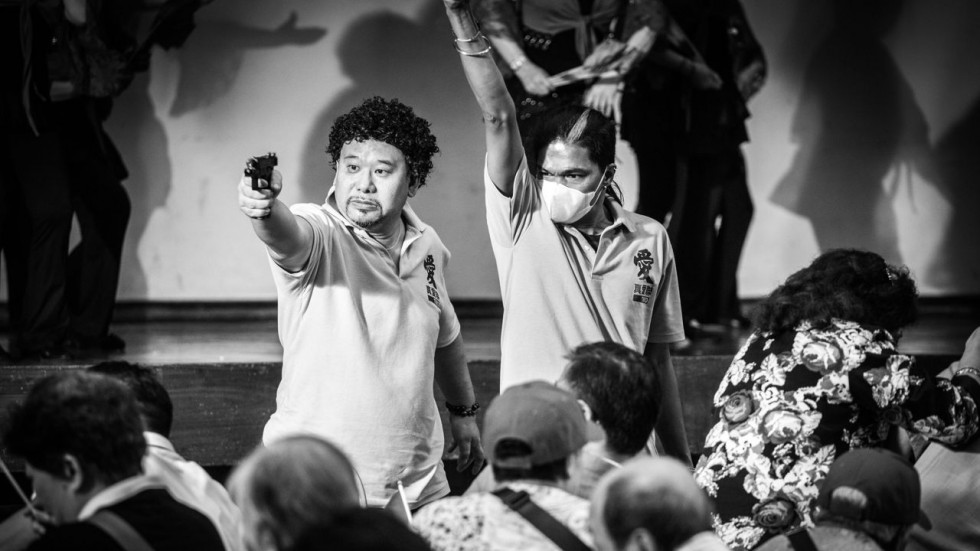
ten yearsWork continues over at the Science Fiction Encyclopedia, where I’ve contributed new entries on the Chinese tomb-raiding author Tianxia Bachang, and the controversial Cantonese polemic Ten Years (pictured), about life in a near-future Hong Kong. The China entries in the SFE constitute a book within a book, covering everything from early pioneers to Party people, and it’s all online for free, because that’s how they roll. Blessings of the state, blessings of the masses…

The World of Suzie Wong

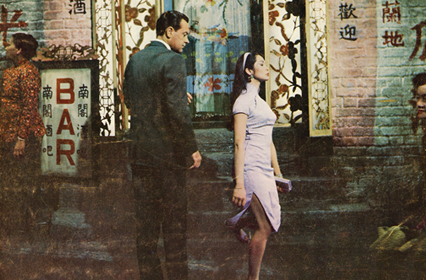
cropped-the-world-of-suzie-wongThe World of Suzie Wong by Richard Mason is a glimpse of the world of 1957, when old soldiers could still talk of having had a “good war”, and the British Empire was still teetering on the brink. Kindle makes it possible for me to nab it within moments, although Suzie Wong is one of those subjects that I have heard mentioned all my life, but never actually encountered before – a bit like Fu Manchu and the Black &White Minstrels, it seems to have been airbrushed from history in more enlightened times.

Robert Lomax is filth in all but name (Failed in London, Try Hong Kong), a clueless wannabe painter in Hong Kong, who accidentally takes a room in the Nam Kok Hotel, which turns out to be a brothel. Readers of this parish may scoff, but are reminded that the Clements family also somehow managed to end up a few floors up from a knocking shop in Chengdu, so it’s not like it’s impossible.

mysterious_world_01Lomax falls for Suzie, a wilful, proud bar girl with a half-caste baby, and much of the story is taken up with their long, long, looonnng courtship, occasionally interrupted by other suitors and various dramas among the other bar girls. Mason has a matter-of-fact approach to dealings at the brothel, and that, coupled with the coy requirements of 1950s censorship, turn his account into a far less prurient tale than one might at first imagine. He certainly seems to know his way around the etiquette of the red light district, and has interesting observation about the peculiar protocols of the girls, who, for example, deride any sailor who doesn’t pick one girl and stick to her for the duration of his stay in town as a “butterfly”. It encourages comparison with Akasen Chitai (Red Light Zone), Kenji Mizoguchi’s last film, shot in a realist style in Toyko’s brothel district around the same time, just before prostitution was criminalised in Japan.

Curiously, the leading man is presented as somewhat ignorant of the East, which is exactly what I would expect from the average hack cranking out a Hong-Kong-hooker-with-a-heart-of-gold novel. But Mason was an old Asia hand, having fought in Burma in the war, and drafted to learn Japanese as a POW interrogator. It’s thus all the more impressive that he is prepared to present his leading man as a callow, nice-but-dim posh boy, drifting from plantation job to would-be artistry in Hong Kong, and failing to read a single squiggle. I don’t think I would have been able to resist the temptation.

Meanwhile, his slice-of-life of 1950s Hong Kong presents tantalising glimpses of a small town overwhelmed by a massive refugee influx from over the border. Suzie herself is from Shanghai, and there are whispers throughout the book that the girls are women fallen on hard times, forced to seek any job they can in order to escape the even greater miseries of (we now know) the Great Leap Forward.

stepsLomax is just as much an outsider among the British expat community, which he regards as stifling and hidebound, not the least for its refusal to accept mixed-race marriages – when he approaches a consul for a wedding certificate for him and Suzie, the consul is actually surprised to learn that he is allowed to marry them. He also has some deeply odd things to say about oriental femininity, such as suggesting that the attitudes of Asian girls are designed to support masculinity, while those of European women are designed to destroy it.

Really. Presumably, by “destroying it” he means the unhelpful willingness of European women to have ideas and opinions of their own, thereby threatening to shatter the fragile worldviews of thin-skinned men.

I’d say that the book could never be written today (except that there’s one about Thai bar girls, called Paradise Lust, which is basically the same story, and many of the same observations, from fifty years later). But certainly modern readers would tut in indignation at the sense of entitlement of Suzie’s suitors, one of whom spanks her for daring to look at another man (like that isn’t her job). Although the book does attempt to present the girls’ case and the girls’ view, it is largely the tale of Chinese women available for rent, to largely uncaring and callous men, often cheating on their wives, who are themselves presented as ghastly termagants.

20081209173338484338368380There have been two unofficial sequels, both of which seek to tell the story of Hong Kong as a whole through Suzie’s eyes. One wonders what a modern author would do with the same material. Guo Xiaolu, for example, author of A Concise Chinese Dictionary for Lovers, might take the title literally, and tell it solely through the eyes and words of Suzie herself, thick with detail about the China left behind and the intricacies of the Nam Kok, but as numb and uncomprehending of Lomax’s world as he is of hers.

Suzie Wong was adapted for the stage within a year of its publication (starring William Shatner in the initial theatrical run, imagine!), and then turned into a film. The book was apparently a best-seller, which perhaps explains why Richard Mason doesn’t appear to have worked all that hard at being a novelist afterwards – he died in 1997, living just long enough to witness the Hong Kong Handover, but despite listing him as a “novelist”, his obituaries only seem to come up with four books to his name, of which Suzie Wong was the fourth. In 1962, at 43 years old (my age), his writing career was apparently over, presumably because he was quids-in for the rest of his life. I might be wrong – other mentions of him online suggest that he had a day-job working for the British Council, so possibly lost interest in writing anything else.

Jonathan Clements is the author of A Brief History of China.

Sir Run Run Shaw (1907-2014)

run-run-shawMy obituary of Sir Run Run Shaw, producer of Blade Runner, former vice-president of the Hong Kong Girl Guides, and lover of fine Chinese shirts, is up now on the Manga UK blog. Owing to family connections, I have spent an awful lot of time watching people from Shaolin punch each other, and he is at least partly responsible.