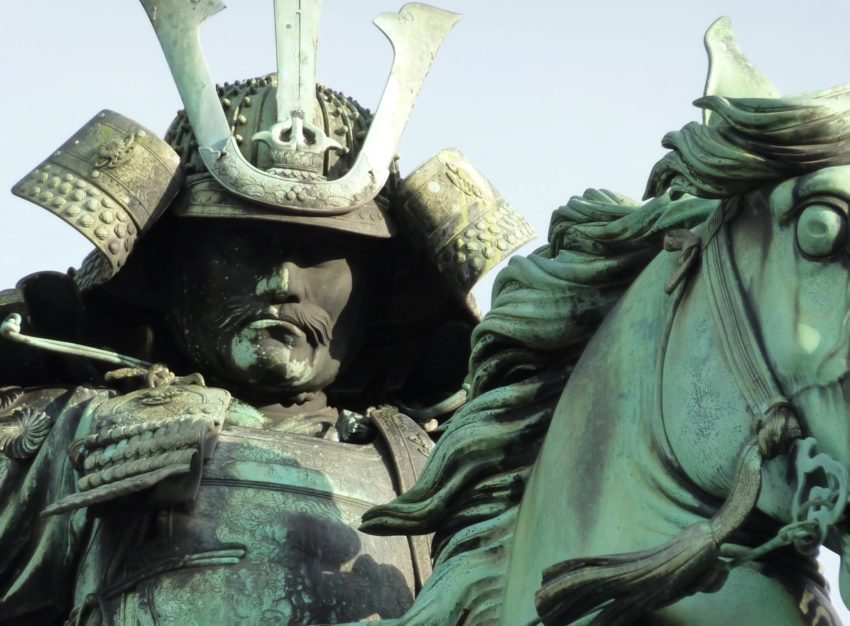
“Saaler is resistant to propaganda and the official record – noting that public interest in the funeral of the Meiji Emperor was so low that his mourners were outnumbered by his honour guard. He ends by tying the choices of statues in public places to a related issue – school textbooks that get to rule on who the great people of history are, itself a subject of some controversy in Japan. He points out, for example, that a statue of the legendary Yamato Takeru is one thing, but including him in a children’s book of ‘great Japanese’ is tantamount to suggesting that the imperial family really were sent from space by the Sun Goddess.”
Over at All the Anime, I review Sven Saaler’s fascinating new book about Japanese statues.
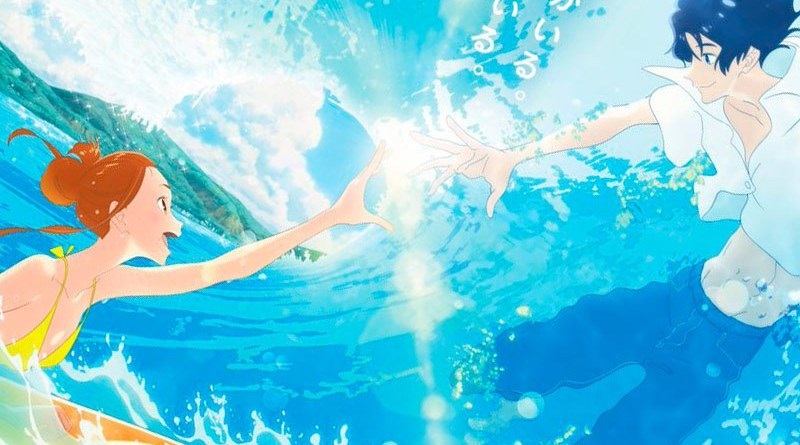
“And thereby hangs a tale, not least the Festival Jury Chairman wondering if he is going to be dropped through the trap door into the piranha tank, after the odds-on favourite, Makoto Shinkai’s Weathering With You, was consigned to second place at Scotland Loves Anime 2019, pipped at the post by an outside contender about a surfer girl and her lost love.”
Over at All the Anime, I discuss the perils and pitfalls of festival jury voting.
There has never been a better time to write about film. In the twenty years since the coming of the DVD, there have been some truly marvellous opportunities for the critic, largely caused by the presence of all that memory space on the disc, and the search for added value. The commentary track is not a recent invention. They were available on laser discs beforehand, and sometimes transferred to VHS. Somewhere in my office I still have a “collector’s” VHS of The Usual Suspects that dials down the audio and replaces it with the director and writer talking about their film.
There have been occasions, hand on heart, when I have bought a film on DVD and simply watched it for the commentary. If I have already seen it at the cinema, maybe I don’t actually want to see it again. But I’ll pay £20 to hear a two-hour lecture from its writer or director. Probably not from the voice actors, though.
And I’ve even done some commentaries myself, sometimes known in anime fandom as Clementaries. Unique selling points or wastes of bandwidth… you decide!
Appleseed: An odd beginning, with the film company only discovering on the day that they didn’t have the facilities in-house, and having to move me and my fellow commentator to another studio. By the time we started recording, I’d been kicking my heels for six or seven hours. My fellow performer wasn’t feeling that talkative, either — for a bunch of reasons, including some personal stuff that she was keeping from everyone, but amounted to (as far as I could tell), her having to move house on the day that she was also recording a commentary track. None of these things is a welcome discovery to make when you are recording LIVE and can’t really backtrack, but we managed. I talked for England, only to have some reviewers complain that (a) I was drowning her out, or that (b) my attempts to elicit anything more than monosyllabic answers from her about a day’s work she’d done nine years earlier were some sort of convoluted attempt to chat her up. It taught me a valuable lesson about any commentary. It’s a live performance, but it is recorded, warts and all, for posterity. Anyone can have a few stumbles and fluffs, but you’re basically on your own. Since then, I have insisted on being just that.
A.Li.Ce and Blue Remains. A year on, and I’m back on the commentary trail, recording A.Li.Ce and the next anime on the same day on a remote Welsh industrial estate. I took great pleasure in talking about the development of digital animation, and the fact that one was recorded right after the other makes A.Li.Ce and Blue Remains a sort of two-parter on the development of CG in anime. Unfortunately, after the commentary received higher praise from British reviewers than the films themselves, both were dropped from the US releases by a sulking distributor.
Detonator Orgun. Notable for my invention of the Detonator Orgun drinking game. At least, that’s all I can remember about this one. It was an irritating day because I had agreed to talk about episode one of a three-part video series, with the distributor decided to edit into a single three-hour movie. I was definitely not going to talk for two extra hours for the same money, so my commentary just stops a third of the way in. The distributor also didn’t bother to include the Japanese voice track, so everything I had to say about the Japanese actors was a waste of time.
Vampire Hunter D. Partway through this DVD, while I talk about various culture’s vampire traditions, you can hear me having an idea for a script that would eventually become Snake Head.
Spriggan. My favourite, if not only that for the first time I was hired to talk about a film that I had genuinely followed from its very inception, having been formerly hired to translate the pre-production script by a company that was considering investing in it. So I actually had some genuine behind-the-scenes information about the production that nobody else could have supplied. And I also took the opportunity to ask why the people who build secret underground hideouts are always on time and on budget, unlike the people fixing my bathroom.
Spirited Away. The commentary that never happened. I spent a week writing 25,000 words of notes, ready for the ultimate, super-duper commentary on the production and mythical background of an Oscar winning movie. This was to make a rashly-advertised Special Edition actually Special. Except the distributor didn’t have the right to actually add content to one of Studio Ghibli’s DVDs, and were slow to realise this. Eventually, they cancelled the recording the day before it was scheduled, and sheepishly paid me off.
Robot Hunter Casshan. In an elaborate sting operation, an agent from ADV Films attempted to poison me an hour before I went in to record this for Manga Entertainment. An innocent lunch beforehand with Hugh David had a series of unpleasant after-effects in the studio, and left me drooling and… well, probably too much information. But we recorded it anyway, with a brief pause for 20 minutes about halfway through while I writhed in agony.
Golgo 13. I sat down in the booth and started wittering confidently about missing footage from this movie, only to discover it had all been put back in. While the producer pointed at me through the window and laughed, I had to spin on a dime and re-tool my thoughts. We could have gone back to re-record, but Manga Entertainment quite liked the sound of me discovering, live, that long-lost material had been restored, and rather enjoyed the sudden enthusiasm I apparently developed. Actually, I think they just liked hearing me sputter with surprise.
Vexille. An interesting dilemma, with an intensely political film but a director who insisted (largely, I suspect, out of misconstrued Japanese modesty) that it’s just mindless entertainment. “Jonathan Clements is having none of that!” commented one reviewer, as I proceeded to draw a whole bunch of political parallels, as well as commenting on further developments in digital animation. A nice commentary, and eventually situated on the disc with a bunch of other material in which the director and I inadvertently end up wholly agreeing with each other. We’d both been misrepresented, it turned out.
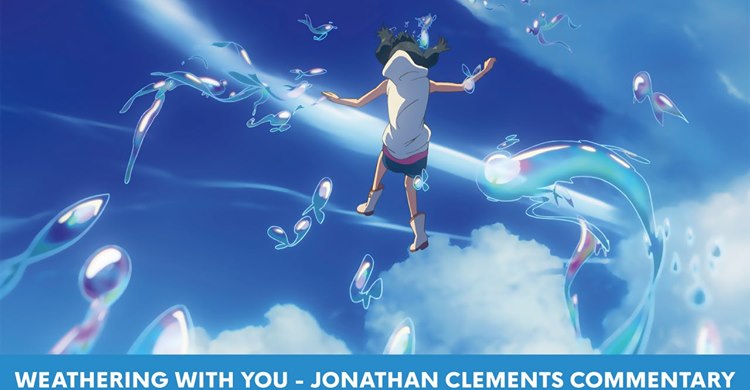
Weathering with You. A first for Anime Limited and for me — a commentary track not for the Blu-ray or DVD, but for an online film festival, available exclusively through Screen Anime as part of the 2020 Scotland Loves Anime festival. Wonderful fun for me, and the first test of my covid-lockdown-inspired home studio (i.e. recorded in my lounge).
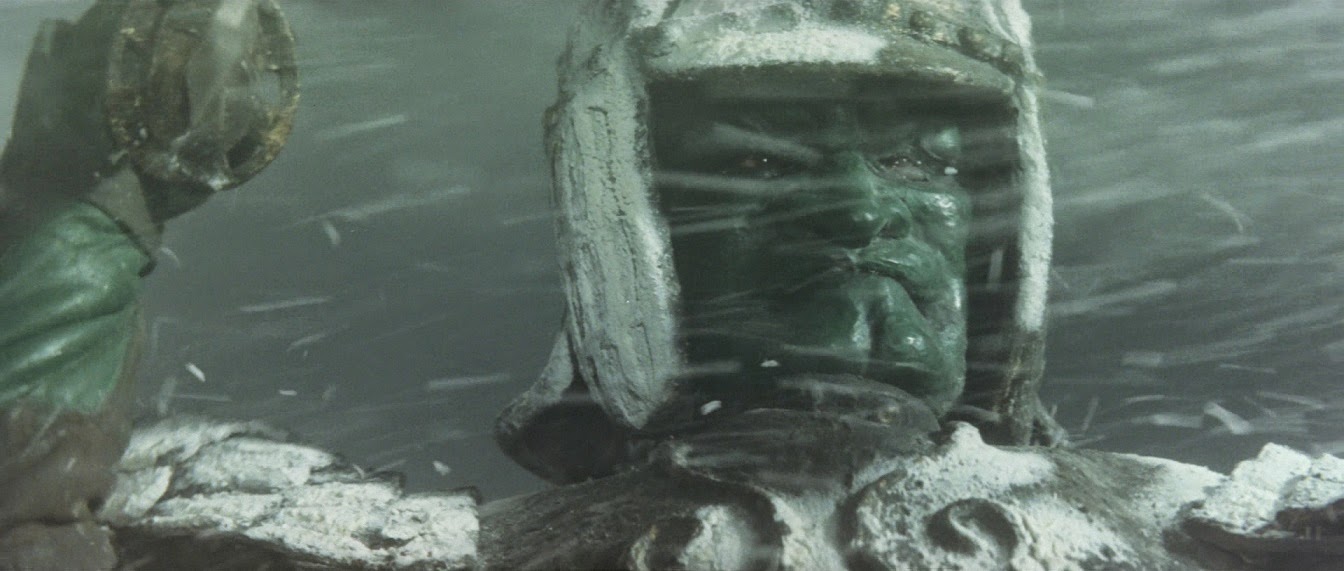
Wrath of Daimajin. My first-ever live-action commentary, on the third film in Daiei’s Daimajin series. As part of my standard research on this overlooked kids’ movie from the 1960s, I acquired a newly published oral history of Daiei, in which the producers discussed an awful cock-up on the production that threatened to shut it down, and forced the crew to put in two weeks’ overtime on reshoots. This completely transformed the commentary into quite a gripping account of how to salvage a production.
Heroes of the East. My first Chinese film commentary, on Lau Kar-leung’s Heroes of the East, in which a rich kid from Shanghai somehow ends up marrying a Japanese woman who is also a ninja. A thinly veiled excuse for a series of fights pitching numerous martial arts against each other, but the marital-strife plot means that nobody actually dies.
8 Diagram Pole Fighter. A commentary track only available outside the UK, on the US Arrow release of Lau Kar-leung’s troubled production about the medieval tribulations of the Yang family. Lots to say about the cycle of Yang stories in Chinese history, and the oddities of China during the early Song dynasty, all to increase your viewing pleasure in a film about people hitting each other with sticks.
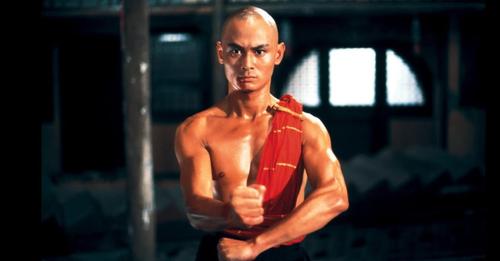
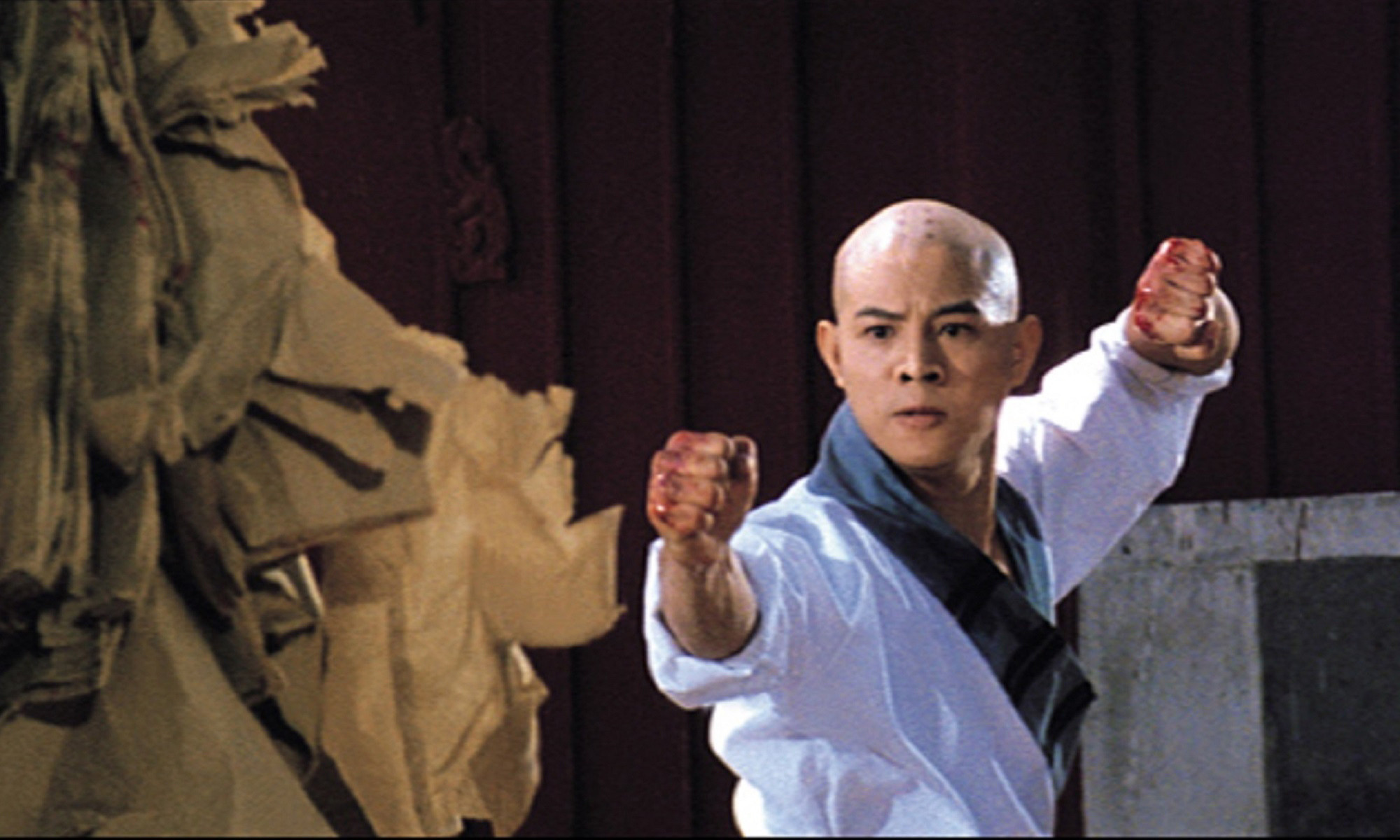
Martial Arts of Shaolin. The third of the 1980s Shaolin series, the only one to have a director from Hong Kong, and a great chance for me to talk about all the location shooting at the real-life Shaolin Temple, as well as the career of Jet Li, and the transformations of Chinese film-making as China opened up to foreign productions.
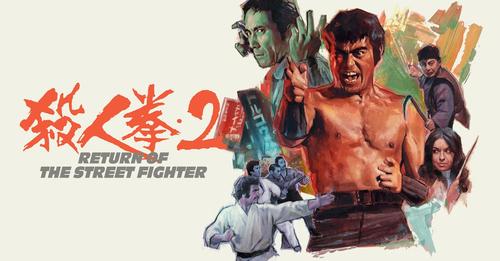
Return of the Street Fighter. Someone read my obituary of Sonny Chiba and decided I would be a good fit for talking about the middle film of his Street Fighter trilogy, with time out for his film career placed in context with his TV work on Key Hunter, the writing careers of bit-part supporting cast members, and the difference between karate and kempo.
Gunbuster. The ultimate Clementary because I get to talk about my favourite anime, tragically orphaned through a licensor that refused to allow almost any extras onto the Blu-ray. Rescued by Justin Sevakis, who uploaded it on his own Youtube account so people could sync it up for themselves at home.
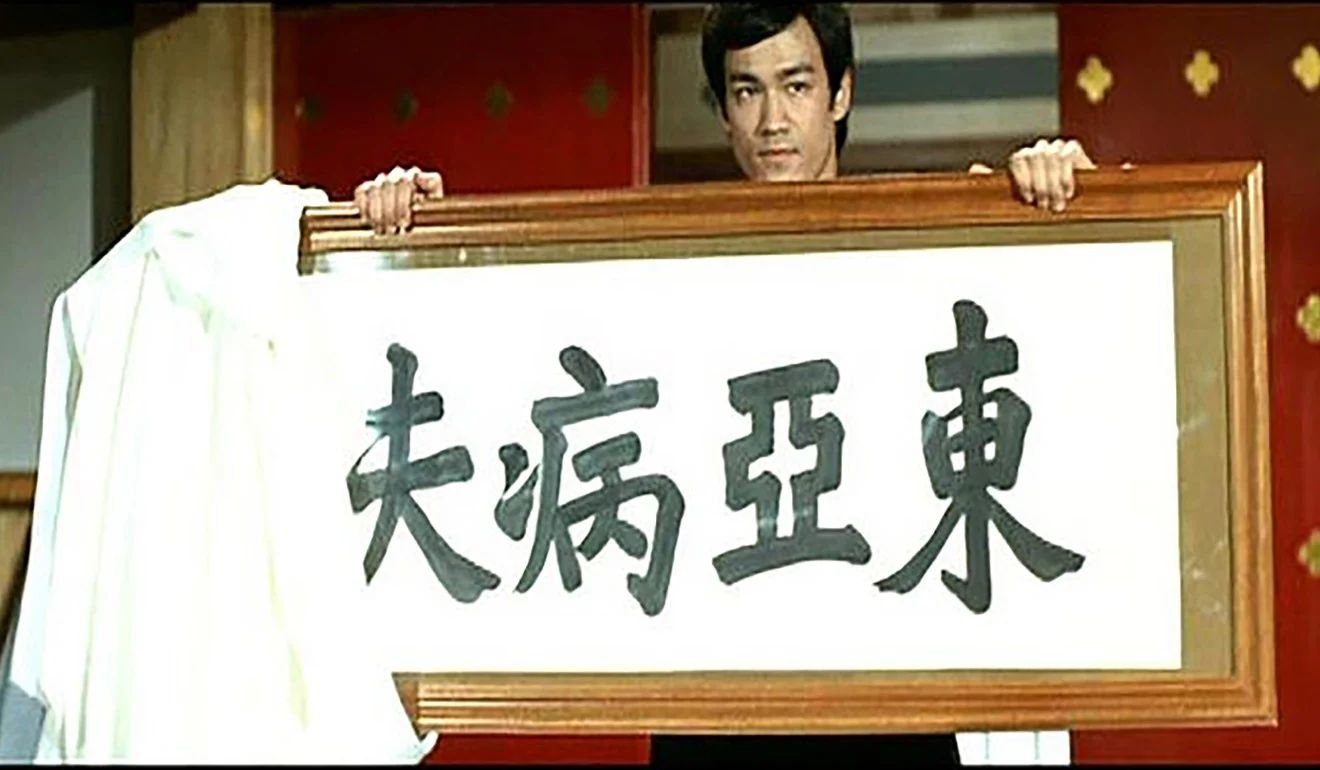
Fist of Fury. Very surprised to find myself talking about this one, but I was asked to talk specifically about its historicity, both within the story of film, and within the history of the martial arts, which is something I have written much about. So there was lots to say about the true story that inspired the film, even though the events in the film itself were fictional.
Back to Japan for Masato Harada’s Inugami(2001), for which I talk about the endurance of olde-worlde Japan, particularly on the island of Shikoku, the legacy of the medieval Genpei War, and the director’s bizarre decision to stop the action every now and then so that his cast can re-enact tableaux from European Baroque paintings.
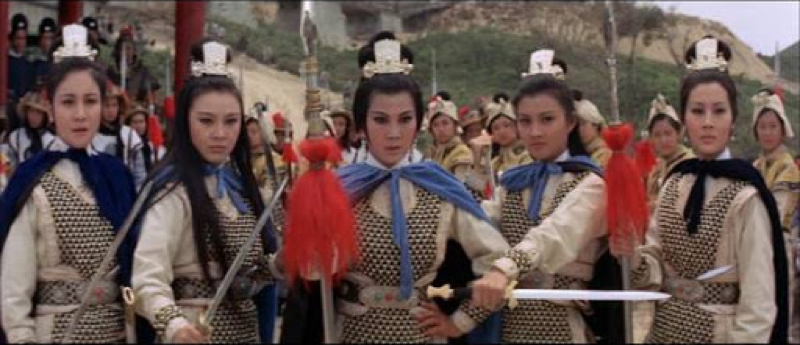
And much more fun that should really be legal discussing the Shaw Brothers epic 14 Amazons (1972), with time to discuss the various stories of the Yang cycle of Chinese drama, previous and later cinematic retellings of the Song dynasty legends, and an ongoing party game of Spot the Dragon Sceptre.
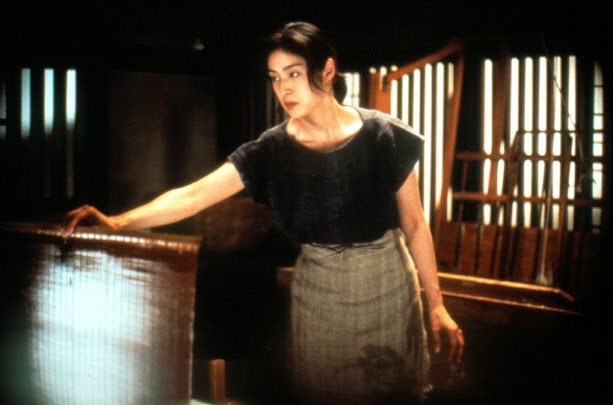
I’m back for the Daiei obscurity The Invisible Swordsman (1970), a weird attempt to make a special-effects laden samurai movie, the odd-pacing and attitude of which conceals an entirely unexpected attempt by a bunch of comedians to be taken seriously as dramatic actors.
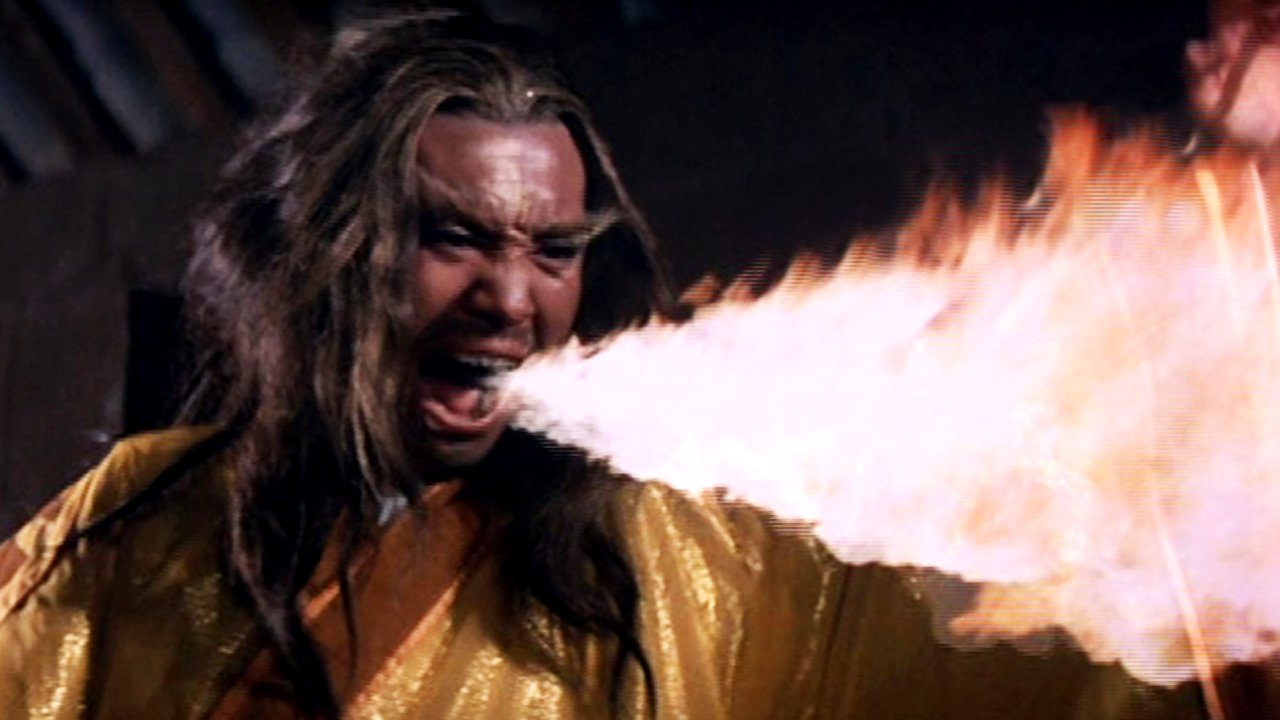
Popping up in the Shawscope #4 box set with a commentary for Battle Wizard (1977), a shlocky Hong Kong obscurity that is nevertheless an adaptation of the first voume of Jin Yong‘s Demigods and Semi-Devils, and hence gives me a good chance to natter away about Chinese martial arts fiction.
So the brochure for Scotland Loves Anime 2020 is live online, and includes Works-in-Progress pieces on anime in production, online screenings of Japanese films, two actual screenings in real cinemas (remember them?), as well as me delivering an exclusive feature-length commentary track on Makoto Shinkai’s Weathering With You, not available on the Blu-ray.
The festival is included in the package for anyone who already subscribes to Screen Anime, but there’s still time to sign up for some of the extras available to crowdfund backers, including a full-sized festival poster, a hard copy of the festival brochure, and a package of posh films to watch at home. Note, as well, that two third of the money from the crowd-fund is being donated directly to the cinemas in Glasgow and Edinburgh that would have screened these films for paying audiences if circumstances had allowed.
“…between the years 1941 and 1945, foreign music was actually illegal in Japan. Entertainingly, the people of Japan kept listening to it anyway, prompting the Intelligence Division in 1943 to start grumpily listing banned songs that were “a disclosure of nationalities characterized by frivolity, materialism, and high regard to sensuality.” Among such filth, threats to the national spirit to be purged like toxic waste, were Home on the Range and Alexander’s Ragtime Band.
Over at All the Anime, I review Toru Mitsui’s new book on Japanese popular music.
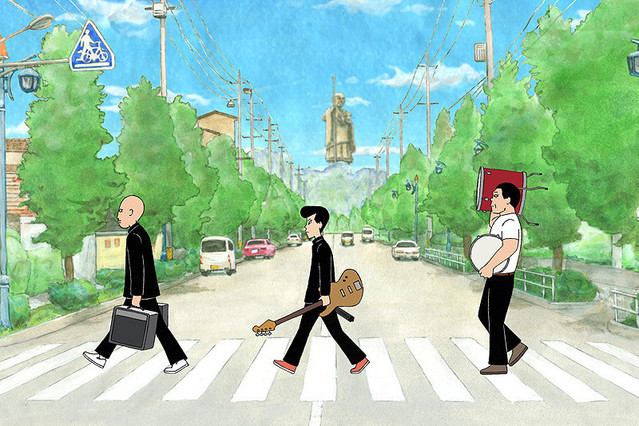
“Not since Makoto Shinkai’s debut has there been quite such an emphasis on self-starting, go-getting amateurs. The original manga on which the film is based was a 2005 self-published work by Hiroyuki Ohashi – in fact, the ‘complete’ edition, on which this film is supposedly based, was not released until the film itself was finished last autumn. The creator started a crowd-funding campaign to adapt the work into an animated film, on which director Iwaisawa toiled, often solo, for seven years. Of the 40,000 drawings that span the film’s 71-minute running time, most are Iwaisawa’s work – he is billed as director, animation director, screenwriter and editor, and presumably also made the tea and took out the bins.”
Over at All the Anime, I write up the doggedly indie On-Gaku.
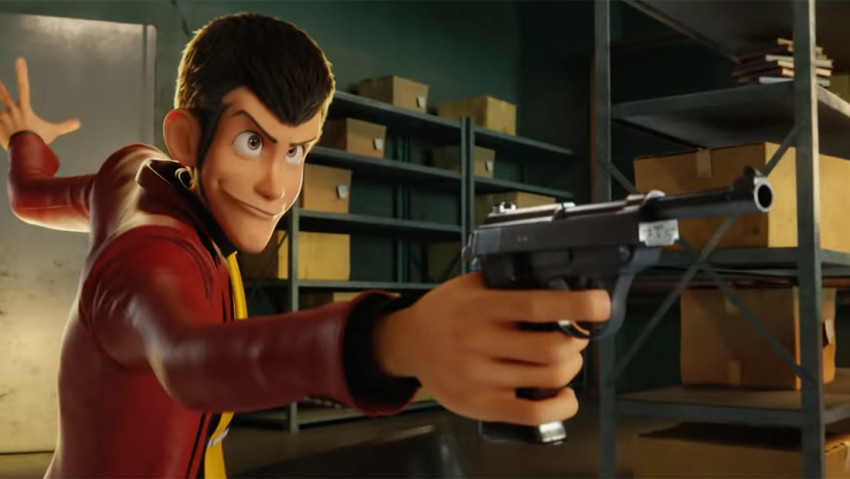
Over at All the Anime, I write up Takashi Yamazaki’s CG feature Lupin III the First, which will be having its UK premiere at Scotland Loves Anime next month.
“With its unlikely caper, in which a feisty archaeologist outwits comedy Nazis, Lupin the First owes a strong debt to the Indiana Jones films, particularly The Last Crusade, which similarly finishes with a mismatched team of raiders trying to break into a trap-ridden site with the aid of a cryptic diary, and Kingdom of the Crystal Skull, which also features a booby-trapped American McGuffin…. But Lupin the First remains an incredibly accomplished work of computer animation, prancing along a tense tightrope between live-action and cartoon, and largely succeeding in propelling Lupin III into the 21st century, even as it clings so firmly to the look and feel of the 20th.”
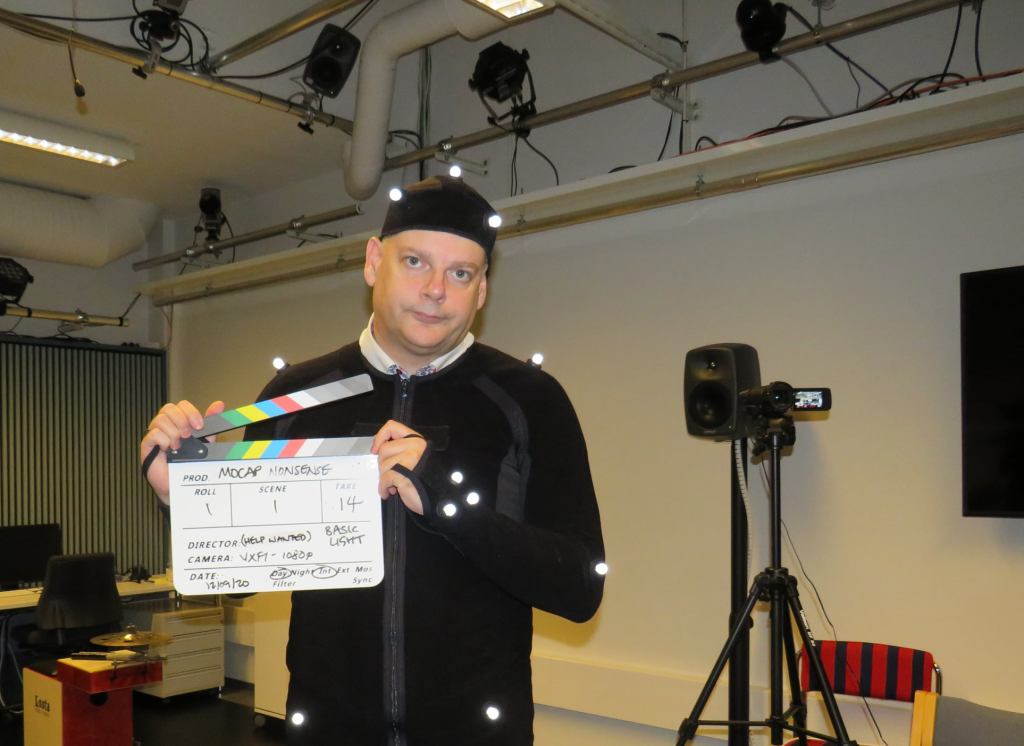
So, the news is out about Scotland Loves Anime, which includes two cinema events featuring Lupin III the First and On-gaku: Our Sound, as well as a feature-length commentary track from me over the online stream of Weathering With You, and a bunch of items visible to people watching Screen Anime. I will be introducing a bunch of films from a variety of locations, including this one, inside a motion capture studio, dressed like an idiot for a change.
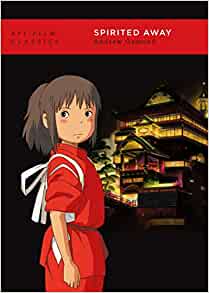
“At 20,000 words or thereabouts, a BFI Film Classic is roughly the length of a feature-film commentary track, which means that in many cases, film-lovers have options to hear entire ‘audio books’ on DVDs, often by the people who made the films themselves. I, for one, have spent many happy hours as Chris McQuarrie laments the fate of his Way of the Gun in real time, or listening to James Schamus and Ang Lee relentlessly take the piss out of their own movie, Crouching Tiger, Hidden Dragon. In other words, since only a few years after the inauguration of the Film Classics list, it has faced serious competition from the movies themselves, as the nature of DVD extras began to favour very similar, in-depth accounts of a movie’s construction.”
Over at All the Anime, I write about the BFI Film Classics list, and the recently re-issued volume on Spirited Away.
When people are indoors with literally nothing to do except read books, listen to the radio and watch movies, it is a tad disingenuous to refer to the media as a “non-essential” industry. I’m pretty sure it’s kept a fair few of you sane over the last three NEO-free months.
There’s been some confusion about the degree to which the animation world has been affected. Amid press reports that many anime productions have shut down, there are also news stories proclaiming the exact opposite, and that animation is ideally suited for remote workers. Certainly, there have been a few hiccups in production this spring, but a remarkable number of people have rolled with the punches. Your correspondent, for example, has suddenly become the proud owner of a 4K-compatible home film studio, to do all those pesky media interviews without leaving the house. I was shocked at how cheap it was – and it paid for itself in three days!
Lockdown viewing has created some odd patterns in media consumption. The new Ghost in the Shell series just slipped out under the wire, becoming one of the few shiny new things available to a captive audience. Trolls World Tour was a lockdown hit with parents trying to keep their kids entertained, leading Universal Pictures to promise more straight-to-streaming premieres, and the cinema company AMC to proclaim that if they were going to be like that, they weren’t going to screen any of their films ever again.
It is the exhibition sector that is feeling the pinch the worst. Theatres and cinemas are the great social-distance hazard zones, and that means tempers are easily frayed among stage actors, musicians and festival organisers of my acquaintance – practically my whole family.
But we are not through COVID-19 yet, and there are still many twists and turns to come. I suspect one will be “festival fatigue”, as the migration online of what were once local events starts to create something of a crowd on your desktop. It will probably not surprise you at all to hear that there were more than ten film festivals a week last year. It didn’t trouble you, because unless you lived in Yamagata, or Sao Paulo, or Stockholm, none of them were noticeable. But now it seems that all of them are a click away, clamouring for your attention. Choose wisely. By which I mean, choose Scotland Loves Anime this autumn!
Jonathan Clements is the author of Anime: A History. This article first appeared in NEO #199, 2020.









 The Official Schoolgirl Milky Crisis Blog