Shulamith Firestone and others

Over at the Encyclopedia of Science Fiction, I’ve contributed a few small entries on some utopian thinkers, including Liang Qichao, who imagined China in 1962 as a constitutional monarchy, Biheguan Zhuren, who imagined the Chinese occupation of the western United States, and Lu Shi’e, who thought a future paradise should be a place where men don’t have to carry umbrellas, as well as the radical feminist Shulamith Firestone (pictured), who called for women to be freed from the barbarism of biology. Also Dutch sci-fi in a cyberpunk Amsterdam from PJ Pancras. It’s all in a day’s work at the Encyclopedia of Science Fiction.

Opium

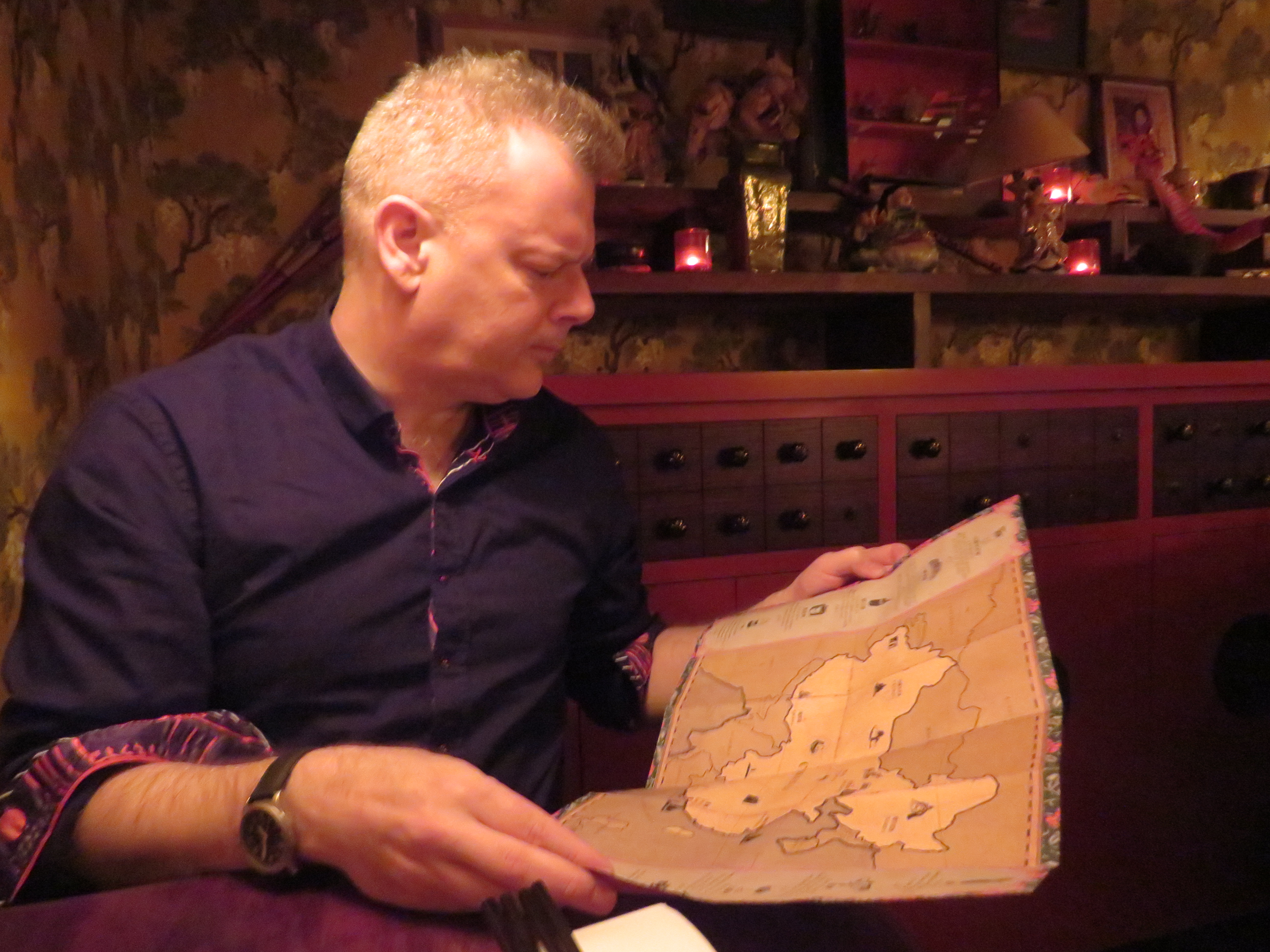
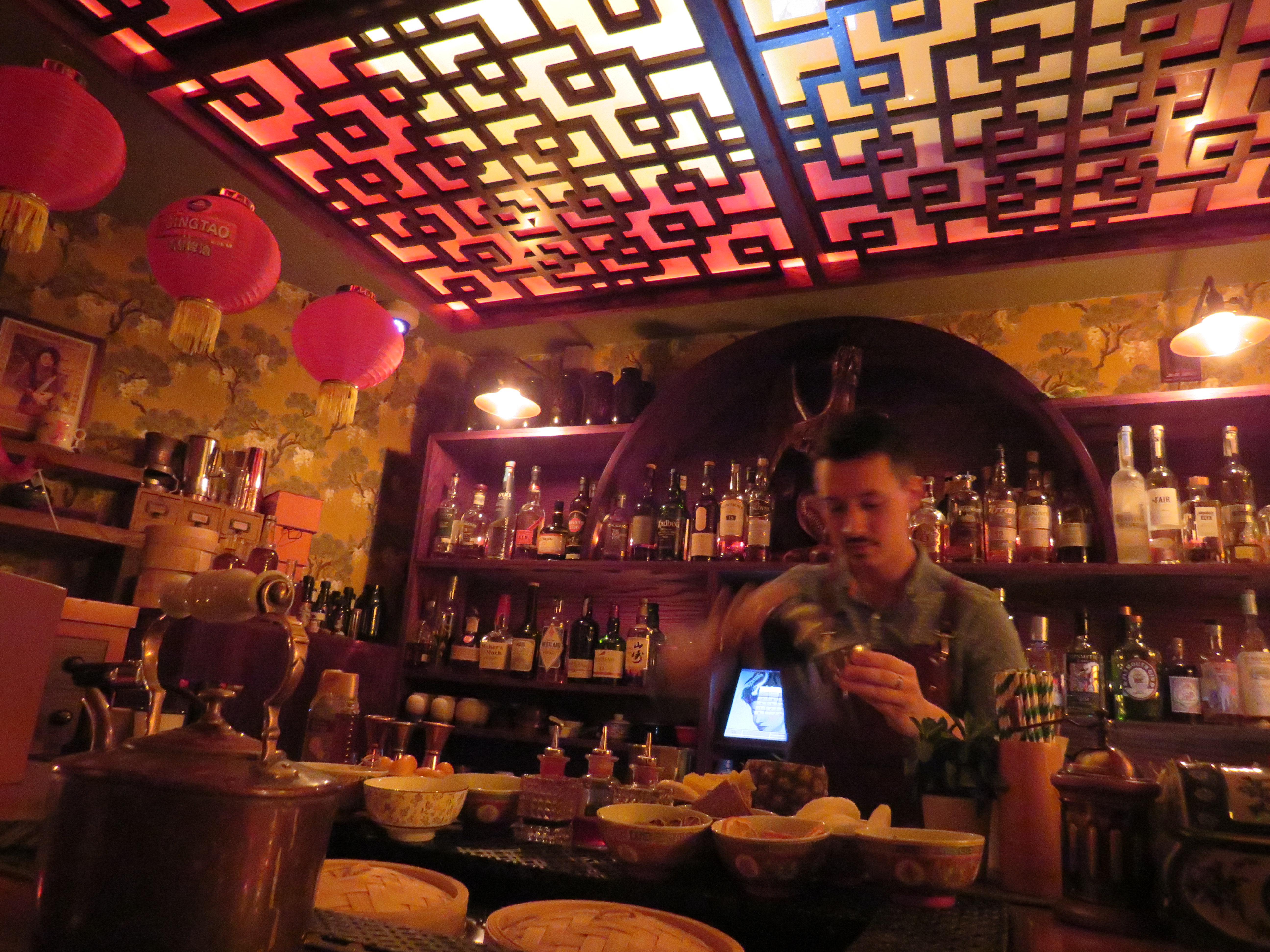
That is a map of China, but it’s also a cocktail menu at Opium, a speakeasy in London’s Chinatown that offers a set of mental drinks based on Chinese cities — the Beijing that comes with a calligraphy set and strawberry ink, the Macau that comes with pineapple chunks and a set of safety instructions, and the Urumqi, that comes with pistachio nuts and an eggshell filled with saffron joux. Barman Vincent even managed to do something to make baijiu palatable. I’m writing a history of Chinese food. This sort of counts.

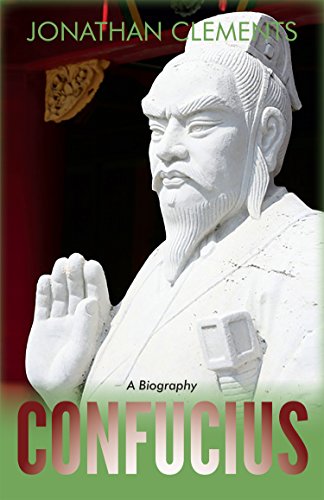
Confucius: A Biography (2nd edition)

‘Rich with history and studded with the sayings for which the sage is known. . . Clements uses his considerable story- telling skill to make “the troubled life of a teacher who lived two-and-a-half thousand years ago” come alive.’
The Asian Reporter

‘Clements reveals the man behind the legend, as well as providing a useful introduction to Confucius’ thoughts and teachings.’
The Good Book Guide

The teachings of Confucius have survived for twenty- five centuries and shaped over a quarter of the world’s population – his image appears not only in temples across East Asia, but also above the entrance to the US Supreme Court.

Confucius: A Biography reveals unexpected sides of the ancient philosopher – his youth, his interaction with his pupils, his feuds with his rivals and even his biting wit.

This revised edition includes three new chapters on the influence of Confucius in Chinese history, the modernist and post-modernist backlashes against Confucian thought, and its relevance in our world today.

Reviews: Brief History of China

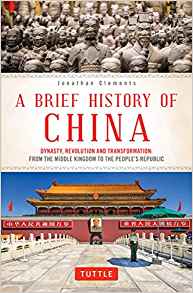
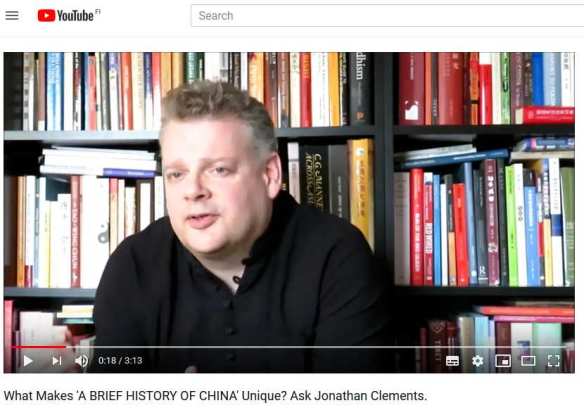
Roxy Simons is first to publish a review of my Brief History of China, out now from Tuttle.

A Brief History of China deftly explores the global super-power’s past, examining its shifting cultures and competing ideals to create an enthralling read from start to finish. Instead of only telling the stories of the champions, curated to their own advantage to ‘fix’ any unfavourable events, Clements takes China’s history back to its diverse human core, immersing booklovers in a vast cast of characters and a gripping narrative, effortlessly easy to enjoy.”

Puppets, Gods and Brands

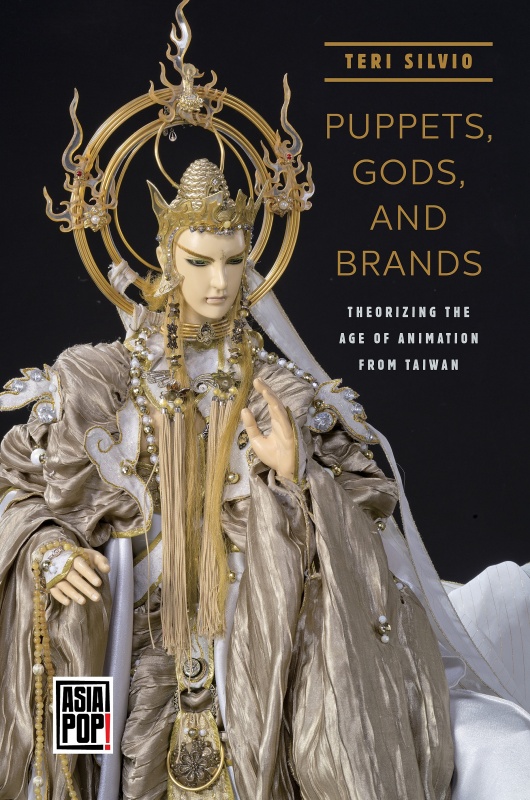
“…a brilliant juggling act on a tightrope between anthropology and sociology, which manages to keep ideas in the air from soft power to difference feminism, nation branding and emotional labour. This could have all too easily gone very wrong, but Puppets, Gods and Brands will be welcomed by an entire generation of students trying to talk their supervisors into taking animation seriously.”

Over at All the Anime, I review Teri Silvio’s Puppets, Gods and Brands, out now from the University of Hawaii Press.

Route Awakening S05

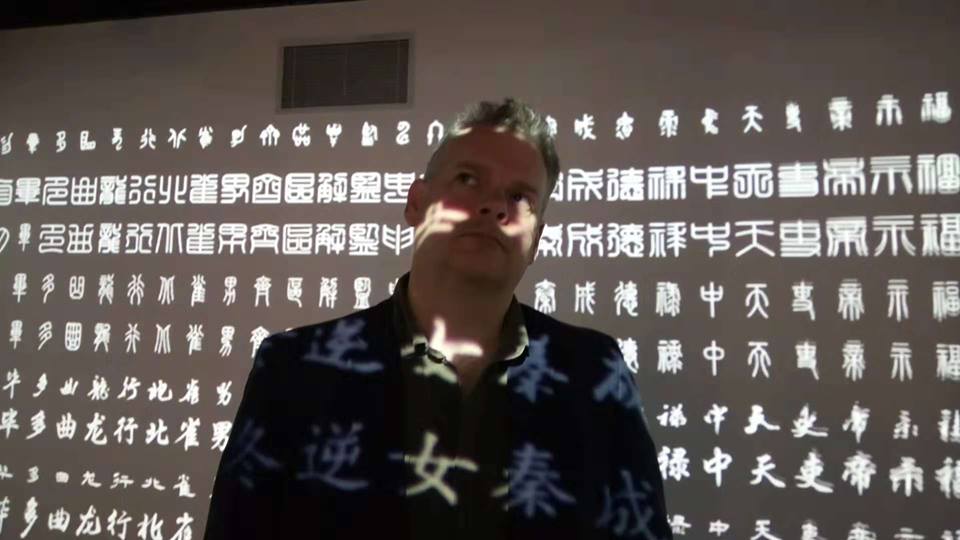
Season five of National Geographic’s Route Awakening begins its broadcast run in China on 23rd August. Other territories to follow soon. But for viewers in China, this will be your chance to see me delving into sacrificial rituals at the Wastes of Yin; oracle bone scripts and divination in the Shang dynasty; the violent art of the Dian kingdom; Nanjing in the middle ages; the golden treasures of a deposed emperor; the immense cathedral-like complex built around a relic of Buddha’s skull; burial customs of the lost Yelang kingdom, and the shipyards of Admiral Zheng He.

Notes Towards a Chinatown Museum

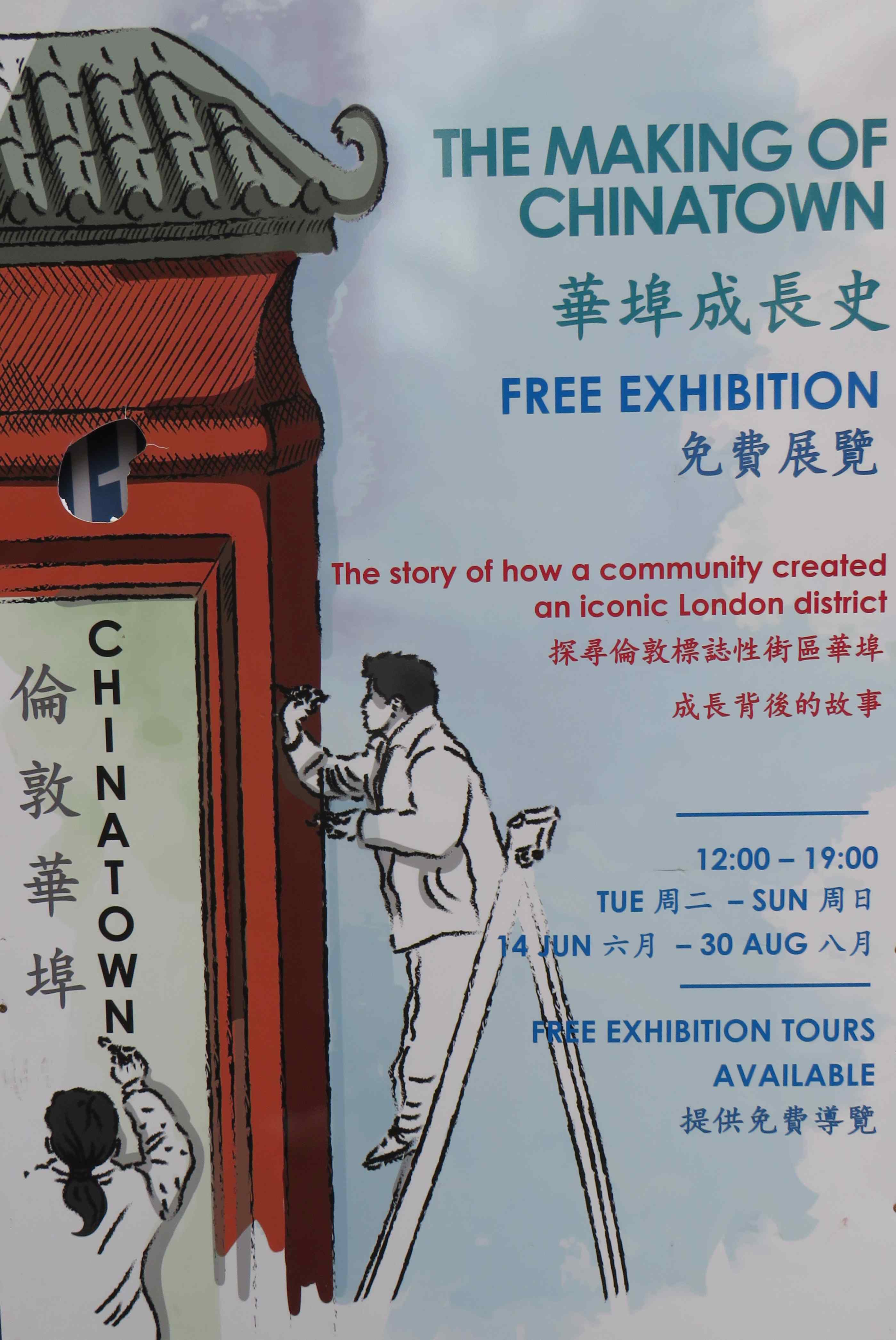
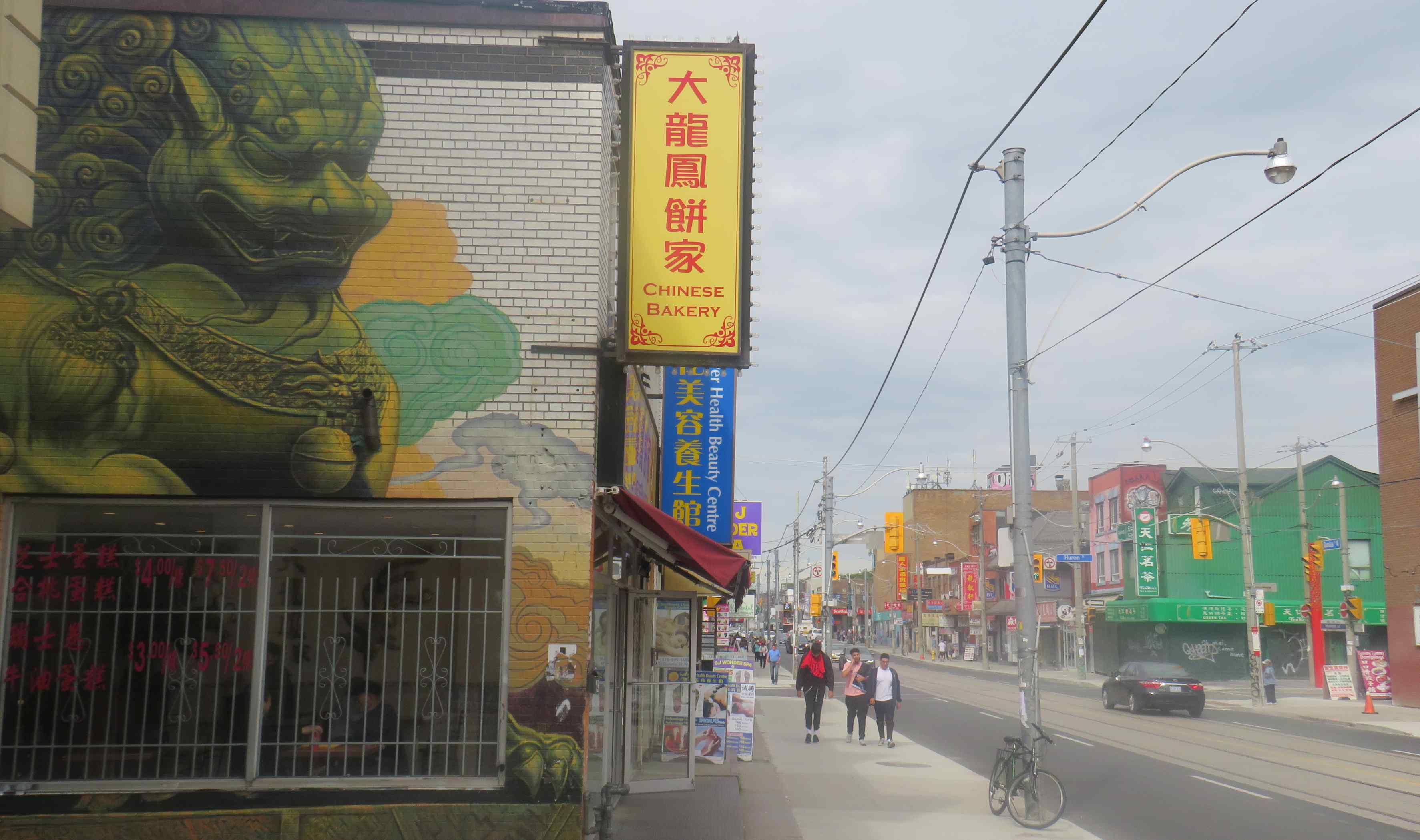
Running without fanfare at the China Exchange in the middle of London’s Chinatown, the Making of Chinatown exhibition aims to tell the story of how an immigrant community could suddenly spring into such a vibrant part of a city’s cultural experience. As the timeline that forms the main part of the exhibit makes clear, the Chinese community centred on Gerrard Street is relatively recent – newspaper clippings as late as 1970 point to the media’s growing awareness that the street was starting to accrete restaurants and stores serving the Cantonese-speaking community.

This exhibition has been a long time coming. When New York has a Museum of the Chinese in America, and both Vancouver and Melbourne have their own richly appointed Chinatown museums, London has been left lagging behind. The temporary exhibit here is necessarily small-scale, concentrating on video archives and scattered photographs, and lacking a lot of material content. There are asides about Limehouse, the original centre for Chinese residents in England, but little about the demonisation of the Chinese in the British imagination in the age of Fu Manchu and Broken Blossoms.

This is a Chinatown museum for the Chinese, specifically the Cantonese who flooded here from Hong Kong during the century and a half of British dominion. But it stops short of celebrating the Chinese in Britain in general – unlike say, the Museum of Arab Americans in Michigan, there is little attempt to engage visitors with the contribution made by Chinese people to British society. Nor does it delve too far into some of the more controversial contemporary issues, such as who actually owns Chinatown, and whether rising rates will make it possible for there to even be a Chinatown in central London within a few years.

A few interactive boxes, seemingly designed for school parties, dare the visitor to open them to find answers to common questions. Does Chinatown look like China? No, comes the informative reply, which explains the fact that most Chinatowns worldwide copy the chop-socky architecture of San Francisco’s 1907 post-earthquake reconstruction, infamously masterminded by two white men who had never been to China themselves.

In an inadvertent bit of post-modern micro-aggression, another box asks: “How do you say ‘hello’ in Chinatown?” I opened it, and it was ominously blank.

The gift shop downstairs is oddly under-stocked, carrying very little of interest that can’t be bought in half a dozen shops in the street outside. It did, however, sell me a lovely book about the Chinese Labor Corps, the “unknown” 140,000 men who were airbrushed from history, but played a vital role in the First World War. Long-term readers of this blog will already know that the Chinese Labor Corps is something of an obsession of mine, and the China Exchange is getting behind a drive to give them a monument of their own in East London – I bought a pin for £2, although that’s still a way away from the £400,000 they need. One hopes that in future, the Chinese presence in Britain will also be celebrated in a more wide-ranging and permanent form, of which this exhibition will turn out to be the first exploratory step.

Jonathan Clements is the author of A Brief History of China. The Making of Chinatown exhibition has now finished at the China Exchange, but will be returning in 2020 to several venues around London, starting with the Westminster Archives from the 14th January, then Beckton Library, Charing Cross Library, Hackney Chinese Community Centre and finally Woolwich library.

Bitter First, Sweet Later

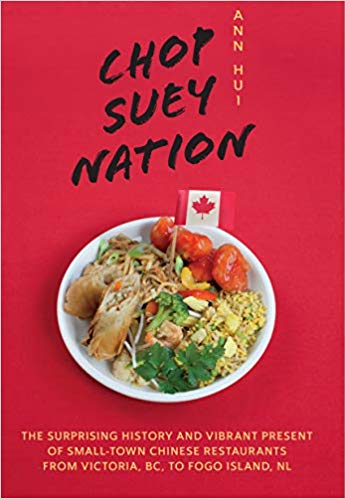
Chop Suey Nation, Anna Hui’s account of Chinese food in Canada, begins with a moment of horrible shock, when her childhood school’s “China Day” sees the kids served with unidentifiable day-glo slop. This is not the Chinese food she gets to eat at home, but as she comes to discover, it is what constitutes “Chinese food” to many non-Chinese people.

Eventually, this moment of culinary misery transforms into a road-trip across Canada, poking around the obscure restaurants that seem to exist in every town, reminiscing all the while about those many Chinese migrants, including her own family, who came to make a new life in North America.
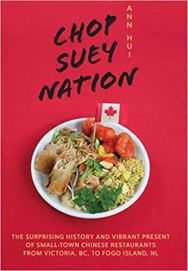
This is hardly unexplored territory – Hui’s own bibliography includes Lily Cho’s Eating Chinese: Culture on the Menu in Small-Town Canada, which answered many of her questions nine years in advance. That was, however, an academic book steeped in the cant of cultural studies, so Hui’s resolutely chatty approach certainly makes the story more accessible. She also, mercifully, treads lightly with the coming-to-Canada story of her own family, which, devoid of a scandal, war, murder or zombie infestation, is frankly rather jejune. The value, however, of the Hui family background is a revelation that crops up early in the book, that even though the infant Anna was traumatised by the sight of ersatz Chinese food, her father had enjoyed a brief career serving it in small-town Canada, before she was born. Hui reacts to this in much the same way as she might react to a parental admission to a backstory as gender-flexible swingers with a penchant for golden showers.

She comes into her own both with the gin-clear concision of her prose, which is so readable that the book just rockets past before you know it, and with the odd-couple experiences of her discount road-trip, for which she has inadvertently rented a comically unsuitable Fiat 500. In a discovery that has also hounded my own investigation into Chinese foods, she grapples with the difficulty of being able to adequately access the contents of a new menu without stuffing herself so full every day that she never needs to eat again. She also contends with a common problem in folk history, which is that often those who are most available to be interviewed are the least likely to have anything pertinent to say. I feel for her in a Fisgard restaurant at the very start of her journey, facing a waitress with no interest whatsoever in answering any of her questions.

Some still go unanswered. There are some tantalising moments in early chapters when she seems poised on the verge of investigating a fascinating issue in cultural history – who the hell designed the generic look of all those far-flung restaurants with their matching roof adornments, chop-socky fonts and red vinyl seats? Instead, she concentrates on the spread of intellectual property – how cooks like her father learned specific recipes, some of them invented in Canada like “shredded ginger beef”, and adapted then to satisfy the whims of local diners – the restaurant in noodle-free Newfoundland, for example, that substituted shredded cabbage and completely confused east-coast definitions of chow mein, or the manager in pensioner-packed Deer Lake, who realised that his diners hate his crispy-skinned spare ribs because they could only chew soft meats. And in Quebec, home of already-stodgy poutine, the terrifying prospect of stir-fried macaroni.

By the time she has reached peak weird, dropping in on a lone Chinese lady running a year-round Chinese restaurant on a remote island, she has found her true subject, and it does indeed lead to some family revelations. Possibly by total coincidence, Hui’s story displays what appears to be a template for many books I have read on Canadian themes, most notably Colleen Mondor’s Map of My Dead Pilots – a family narrative nested within a broader tale of human migrations, but here leavened with the image of a shivering Chinese woman and her Star Trek-loving husband, trying to drive several thousand miles in a toy car.

Jonathan Clements is the author of The Emperor’s Feast: A History of China in Twelve Meals. Chop Suey Nation is published by Douglas & McIntyre.  

Poppy Culture

“This land would shut me out at first and then absorb me – suddenly or gradually, but irresistibly – until nothing was left of me as I was now.”

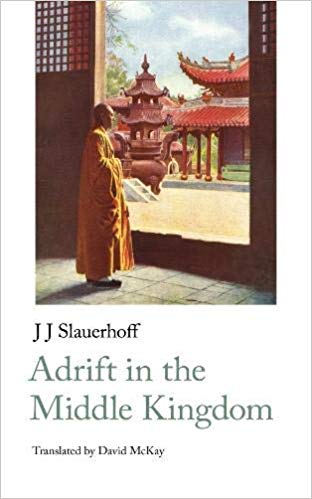
Jan Jacob Slauerhoff’s narrator, Cameron is Adrift in the Middle Kingdom, a man sure of himself at sea, but increasingly out of his depth on land as he journeys ever inwards from the coasts on a mission to a distant city. On the way, he experiences a China that both is and isn’t the real-world place of the year 1934, when Slauerhoff wrote this novel, only now translated into English.

There are two Chinas nested in Slauerhoff’s narrative. One is born of his the author’s visits to the ports of the Chinese coast as a ship’s doctor – a gritty, realistic, and beautifully detailed snapshot of life in inter-war Amoy and Shanghai (here renamed Taihai). “People here may earn ten times more than in Europe, but they spend it twenty times as fast and enjoy it a hundred times less,” he writes, of the city that is a playground for the European visitors, but a ghastly sentence for its Chinese inhabitants, with “the ruthless grind of the city consuming its people.”

But as he travels into the Chinese hinterland, he leaves behind the sure-footed, personal observations of the author, and comes to rely increasingly on a China of the mind. One imagines Slauerhoff in his cabin on yet another long voyage, putting aside his diary and devouring the reportage and fictions of his era – James Hilton’s Lost Horizon (1933) and Pearl Buck’s The Good Earth (1931), before spinning his own story of a man adrift in China.

Slauerhoff’s protagonist ends up in “Chungking”, a place that cannot possibly be the Chongqing of the real world, since it is on the wrong river and in the wrong location. It is not quite the lost world of Shangri-La, but instead a bastion of the true China, a trading post beyond the Great Wall where the local authorities diligently hold foreign corruptions at bay. The value of Slauerhoff’s China, in the words of Wendy Gan’s introduction, “lies in its rejection of modernity.” In a book suffuse with gentle orientalism, but also a melancholy assurance of the decline of the West, Slauerhoff’s Chungking is China at its purest, stoically resisting an onrush of foreign trinkets and concerns. Cameron even tries to dissuade a local warlord from acquiring a radio, pleading that it will be an anticlimax: “What you would learn about Western science and wisdom would greatly disappoint you. You will not like opera or music, propaganda speeches will offend your ears, sermons will bore you. The voices of science cannot be heard with this device. Most European countries are driving out whatever great minds remain to us.”

Beyond human traffic, two commodities dominate Slauerhoff’s book. One is oil, the discovery of which in Chungking creates a literal flood of problems for a town out of time – the onrush of the twentieth century. The other is opium, which, like China itself, is an addiction that washes gradually over Cameron until it consumes him. By the book’s final chapters, he is either so addled that he can no longer see straight, or finally, magically lucid, able to see the truth of the world, and the nature of an eternal struggle between ancient masters and the spirit realm. He is another drunken, broken expat in a Chinese village, smoking his life away, or a recuperating casualty in an ongoing war with another world.

Jonathan Clements is the author of A Brief History of China. Adrift in the Middle Kingdom by Jan Slauerhoff is published in the UK by Handheld Classics.