Astro Bwana

astro boyTezuka Productions is threatening to flog off Astro Boy to a number of emerging markets, not as a cartoon for dubbing, but as an idea to be entirely remade.

According to Variety, Tezuka’s general manager Yoshihiro Shimizu is already in talks with Nigeria’s Channel TV, as the first of several possible markets that might buy Astro Boy the idea, rather than the cartoon itself. So Swahili telly gets a superhero called Nyota Mvulana or something similar, and nobody knows it was Japanese to begin with.

Why are they doing this? This is a concerted effort by Tezuka Pro to get its nose into a Cool Japan trough of arts funding for a minimum amount of effort. Making an all-new cartoon will still cost money. But emailing old scripts to a new business partner will cost nothing, and still counts on some level as a form of cultural production. So let the Nigerians do all the work, and you can collect your 5% licensing fee, and your government grant without having to lift a finger.

But this also offers fantastic chances for true localisation. Just as Suraj the Rising Star threw away the baseball and the Japanese setting to turn Star of the Giants into an Indian rags-to-riches story about cricket, a whole bunch of anime storylines can be rendered entirely local. This helps remove a Japanese identity that, in some countries, would be unwelcome, ungracious or ill-advised.

The Japanese-ness of Japanese animation has been obscured from much of its viewing public for much of its existence. Maybe we’ll look on the period from 1989-2019 as an anomaly, where people actually noticed it. Torajiro, the pre-school tiger who forms the epicentre of a media mix including daycare franchises and language schools, already has a large following in China, but under a Chinese name.

I wonder where this will end up? An Islamic Naruto set in medieval Spain? Ghost in the Shell relocated to a future Argentina? Rose of Versailles repurposed for 19th century Arabia? How about pretending everyone in Science Ninja-team Gatchaman is actually American? Oh, wait…

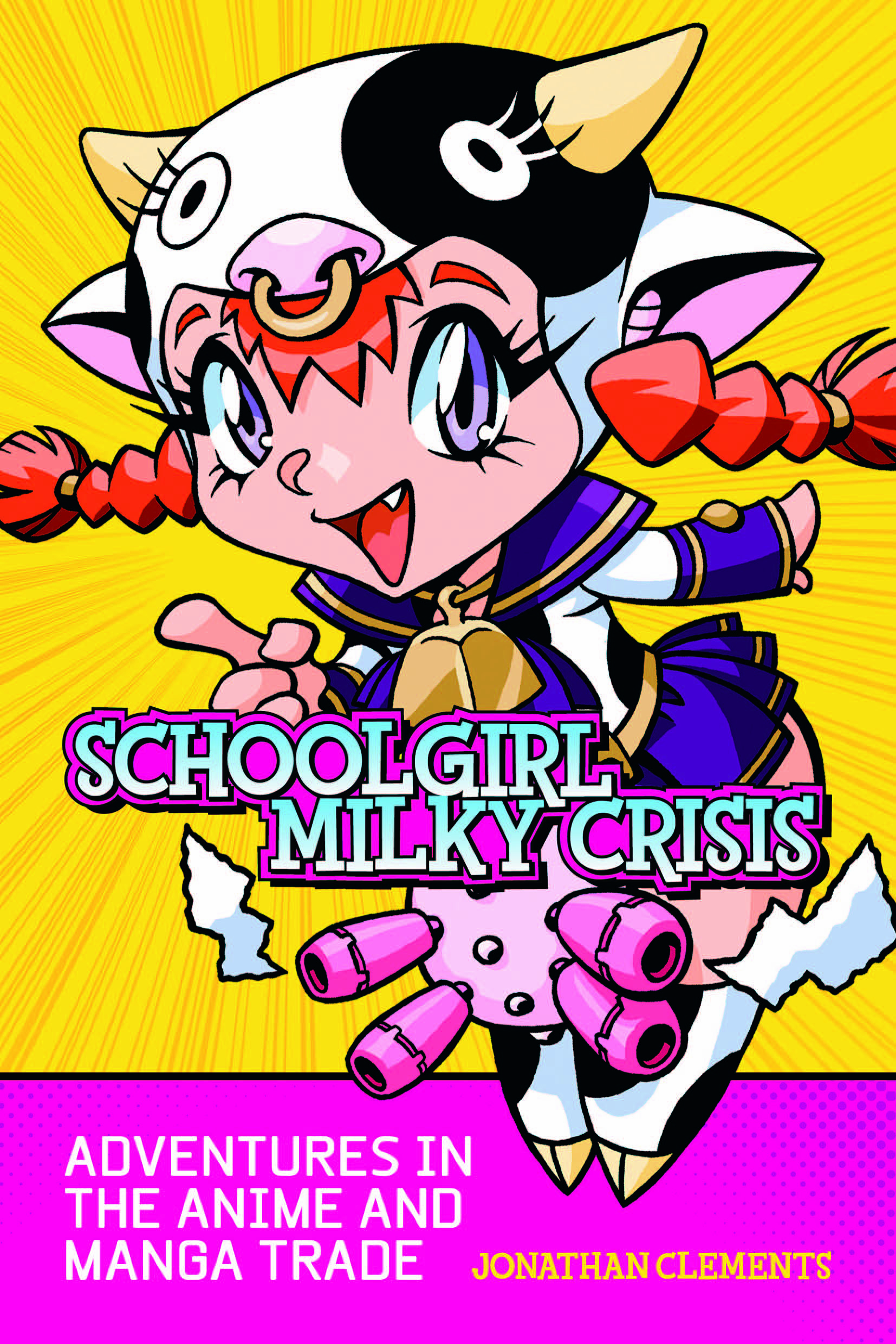
Jonathan Clements is the author of Schoolgirl Milky Crisis: Adventures in the Anime and Manga Trade. This article first appeared in NEO #114, 2013.
Modern China: All That Matters

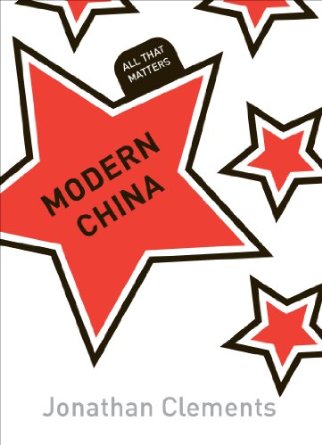
51fwNBEb6RL._SY445_Out now in paperback and on the Kindle, a new introduction to modern Chinese history, from 1949 to today’s headlines.

Jonathan Clements charts the rise of China since the proclamation of the People’s Republic in 1949.  Presenting China as the Chinese themselves see it, he explains the key issues of national reconstruction; the Cold War, the Cultural Revolution, and the dizzying spectacle of China’s economic reform. Clements offers a Chinese perspective on such events as the Handover of Hong Kong, and chronicles the historical events that continue to resonate today in Chinese politics, economics, culture and quality of life.

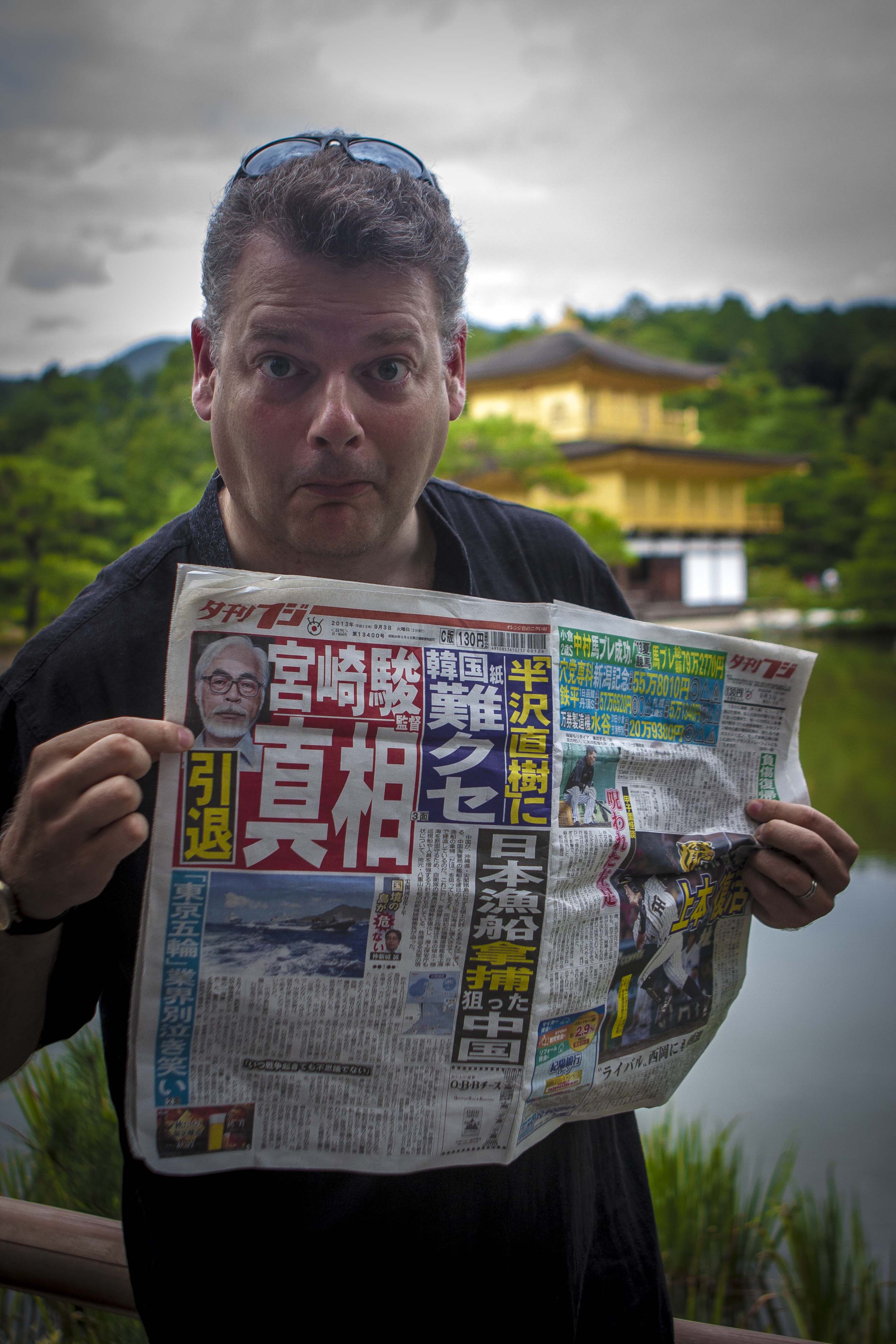
Miyazaki Retires, Again

IMG_8991

Hayao Miyazaki’s forthcoming retirement (except for short films, occasional other projects, and whatever he can be lured into the office to do) still makes the front page of the Japanese newspapers, as well it might when so much of Japan’s cultural capital rests on the box office takings for his movies.

Yae no Sakura

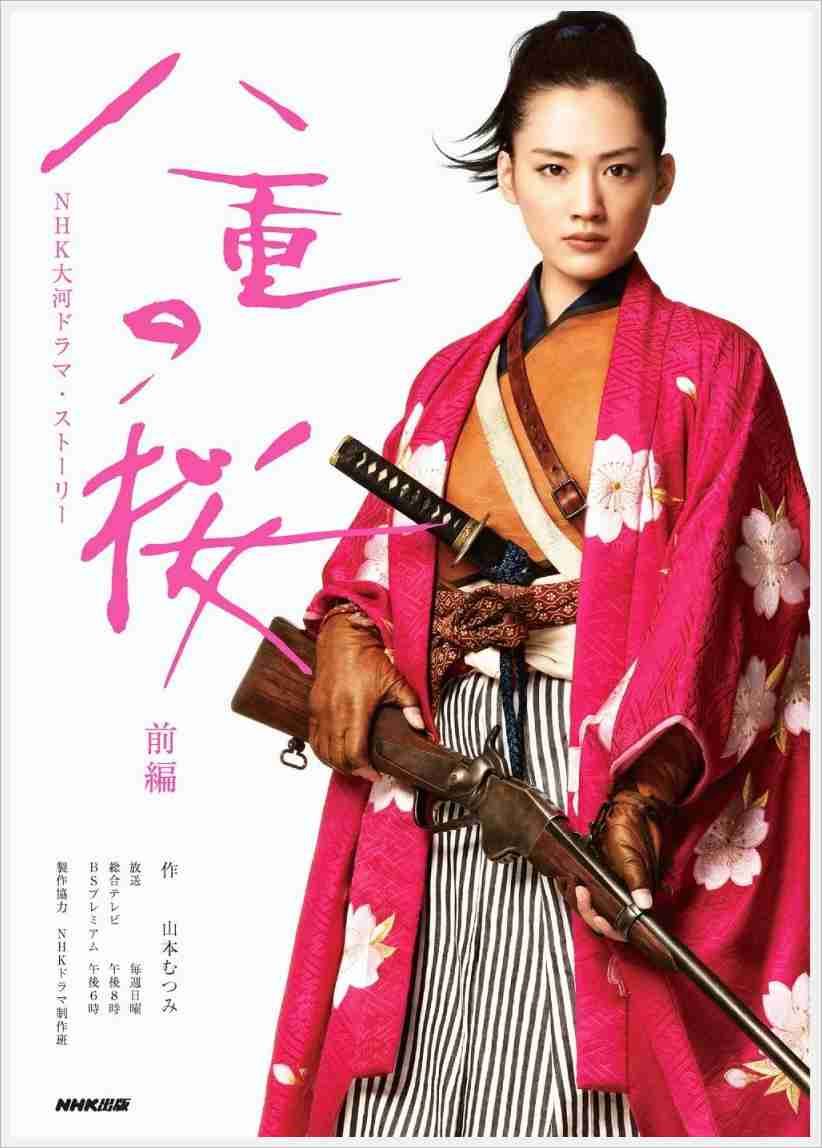
6e9509ddc8In Japan, currently in a hotel in the middle of the Inland Sea, with giant tankers gliding past a backdrop of green, hilly islands, stretching back into the mists. And because I’m been busy writing all year, I haven’t been following this year’s Sunday night taiga drama, Yae no Sakura, all about a gunsmith’s daughter from Aizu-Wakamatsu, who gets dragged into the Boshin War — the last gasp of the samurai. This is a topic I have written about twice already, as it was also a proving ground for a young Admiral Togo, and I’ve got all the materials assembled for another book about its end, called Samurai Republic, which I have yet to sell. But today it’s mainly an excuse to print a picture of Haruka Ayase with a gun, in her role as “the Bakumatsu Joan of Arc.” The titular Yae (Yaeko Yamamoto, a.k.a. Yae Niijima, 1845-1932) went on to become the first non-imperial woman to be decorated for service to her country, serving as a nurse in the Sino-Japanese and Russo-Japanese Wars. Then she helped found Doshisha University.

Grey Exporting

milkycrisis-1His name was Supap Kirtsaeng and he made a few bucks on the side. While a studying in the USA, he realised that while his expensive college textbooks were also available in substantially cheaper editions in his native Thailand. So, he figured, why not buy a few and and sell them to his mates? Why not buy a dozen? A hundred?

John Wiley & Sons, a respectable academic press, took Kirtsaeng to court, claiming that his little sideline had already notched up lost sales of $1.2 million. And after appeal, Kitsaeng won in March of this year, with a Supreme Court ruling in his favour, stating that the First Sale Doctrine supported his little loophole. According to American law, in line with the laws of many other countries, once you buy an item for yourself, it’s your legal right to do whatever the hell you like with it, including selling it to someone else.

You may be wondering, what the hell does that have to do with you? Well… for starters, don’t be surprised if it’s a major contributor to the new X-Box policy on forcing people to rent access to their games instead of buying them outright. More importantly for the anime fan, it makes it unpleasantly clear to Japanese rights holders that if something sells cheaper, say, in the UK, than it does in Japan, then it is unlikely to be possible to argue someone can’t import it back into Japan. Take the argument to extremes, and it is a strong case for making all foreign fans pay the same high costs as Japanese fans, in order to protect the Japanese business.

Fast forward to June, and suddenly Macross Plus is released in Japan as a region-free blu-ray with English sub and dub. Great news for you if you want to drop £70 on it. But why on earth would a British distributor buy the rights, when they already know a substantial number of customers will have already bought it direct from Japan? The anime companies are now calling our bluffs. We said grey importing wasn’t worth worrying about. Okay, they’ve said, how do you feel about grey exporting…?

Jonathan Clements is the author of Schoolgirl Milky Crisis: Adventures in the Anime and Manga Trade. This article first appeared in NEO #113, 2013.

Do It Like a Dude

The Inbetweeners Movie

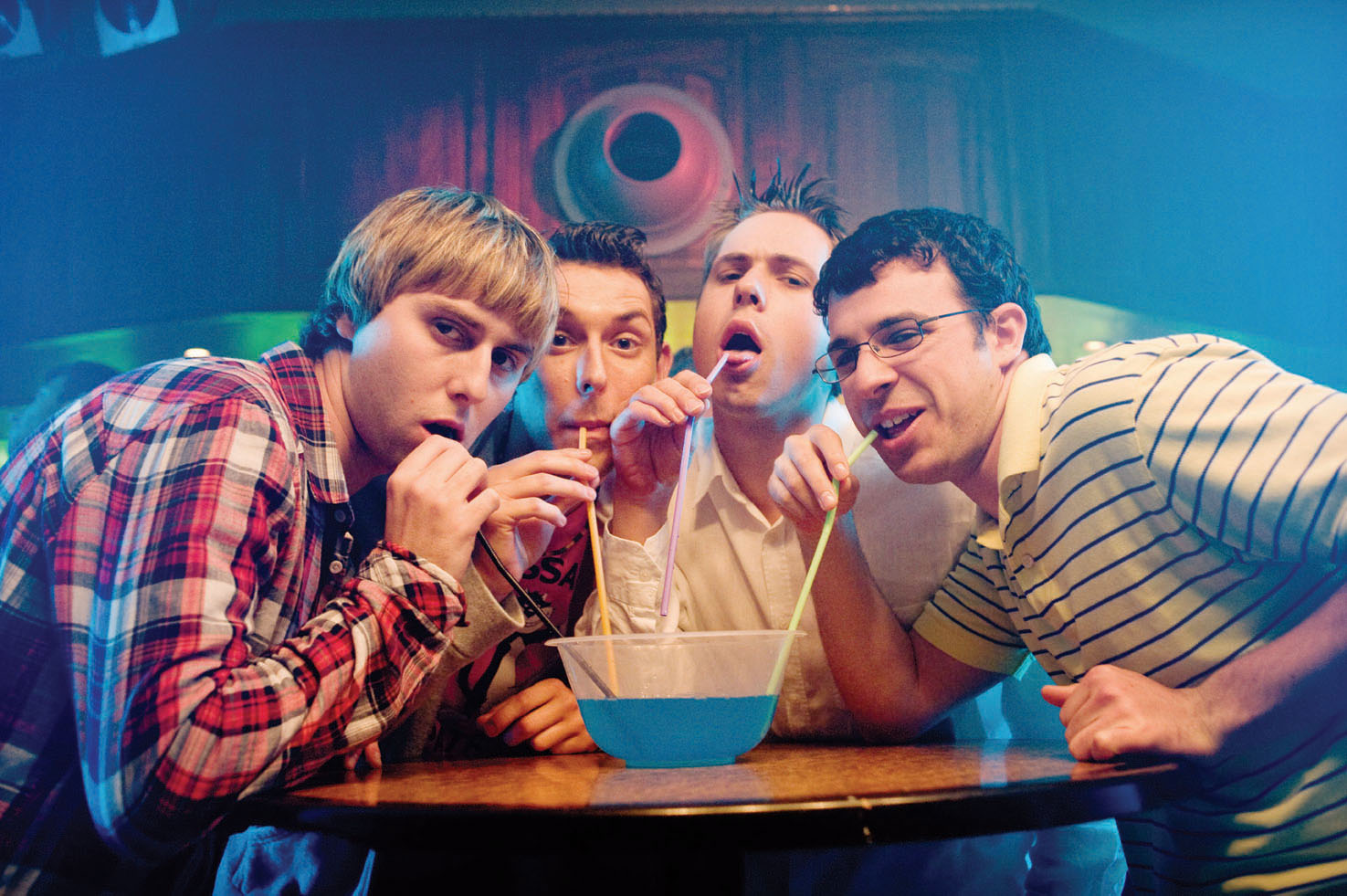
The Game, by Neil Strauss, is a book about a tribe of colossal asshats who go around the world trying to get off with gullible women. It is absolutely outrageous, and I had to do a degree of Googling to determine that it wasn’t some cunning hoax by a radical feminist. If I were an eccentric millionaire, and if the film rights hadn’t already been sold, I would have totally optioned it, because it starts off as a bunch of scared little boys trying to pull girls, like something out of The Inbetweeners, and soon turns into an oddly homoerotic farce, as alpha chat-up artists fight over who gets to train their alleged wingmen. The accounts of their conquests are also oddly Brechtian, with fellow pick-up artists somehow able to communicate with the author while he is mid-conversation with some tart from Toledo, making me wonder if they aren’t a figment of his imagination.

Meanwhile, although there is a degree of human hacking and cod-psychology at work, their ideas for attracting women are absolutely bonkers, and seem to involve dressing up as WIZARDS, dripping with disposable costume jewellery (to give as “gifts”) and conversation-starting gewgaws, and carrying a man-bag full of Magic Circle paraphernalia in order to dazzle impressionable young dollymops. Forget the implied reader, I am more worried about the implied target — presumably an educationally sub-normal magpie who likes card tricks. By the end, despite supposedly being based on a true story, it turns into an obvious and deliberate pastiche of Fight Club, with the collected tools all living together in some awful Hollywood mansion with nothing but pillows on the floor and peanut butter in the fridge, fighting over women (and each other), and struggling with the realisation that they have become a bunch of “social robots”, obsessed with the appearance of being interesting, rather than actually being interesting for real. It’s like some massive, multi-venue, long-term Situationist art installation about being a total prick.

And the women? Largely fake-boobed, opinion-free gigglers, often with psyches plainly already on fire, daddy issues and baggage. I am amazed that the men found that many to chase, although they largely seem to score in strip clubs and casinos, so I guess you find what you’re looking for. If there were a chapter set in a bookshop, it might have had more practical application for me, but I like to think that the kind of women who lurk in bookshops wouldn’t be all that interested in a bald-headed man in a shiny shirt and four-inch platform boots, pretending to read minds and trying to give her a Ratners necklace.

It’s just as depressing as The Rules, but much more entertaining, and has successfully sold me another book by Strauss, a writer for Rolling Stone who truly seems game for a laugh.

Jonathan Clements is the author of Mannerheim: President, Soldier, Spy, a biography of Finland’s ultimate pick-up artist.

Podcast #19

Expletives deleted on our 19th podcast

manga_uk_podcast_logo.jpgJeremy Graves, Andrew Hewson and Jerome Mazandarani (with Jonathan Clements of Schoolgirl Milky Crisis joining from the interwebs) are on hand to discuss new releases, upcoming releases, behind-the-scenes gossip, and a whole bunch of topics from jobs in the anime business to Google glasses, available to download now.

00:00 Jeremy’s usual hello, and an announcement of Sword Art Online, coming in December.

03:00 Thoughts on the Manchester Comic Con.

04:20 Jonathan’s hottest events — probably Finland.

06:00 How does someone get into the translation business? Is there any way to talk them out of it? What advantage do students from Edinburgh have? Spotting references in Japanese films and whether or not you should dedicate your entire efforts to nothing but anime translation. Another hymn to the glories of Bethan Jones. The politics of running a blog for promotional purposes.

15:00 The trouble that anime fans have finding work in the anime business

20:00 Delay to Deadman Wonderland. The Panasonic play issue with Un-go.

21:00 Last Exile, Fam the Silver Wing, pushed back to December.

22:00 Blue Exorcist definitive edition.

23:00 Streetfighter II the Anime — WTF is going on with the English dub?

mrs_doubtfire.jpg
25:50 The history of fifteening, and the unexpected role of Mrs Doubtfire.
28:00 Jerome’s journey to a sweary alternate universe. Quite a few bleeps in this section.
30:30 Jerome’s stomach grumbling grab-bag competition.
33:00 How to insult someone in Japanese.
37:00 12th August: Naruto Shippuden Movie 3: The Will Of Fire on DVD & BD; Naruto Shippuden Movie Triple Pack on DVD and BD; Hellsing: The Complete Original Series on DVD. Plus details of the Naruto tweetalong event on 15th August at 7pm.
45:00 Ask Manga UK. What are the chances of rereleasing 1990s classics? For example: Fist of the North Star.
50:00 The origins of New Fist of the North Star.
52:00 Will Black Rock Shooter lead to more subs-only releases?
53:00 Do you acquire TV rights?
56:00 Shifts in meaning of the term “TV show”.
58:00 The effects of production committees.
60:00 Kotobukiya at San Diego.
64:00 Chances for getting Darker Than Black sequels on Blu-ray?
66:00 19th August: Space Battleship Yamato, the live-action film coming on Blu-ray.
68:00 What does the kanji mean in the Manga logo?
71:00 Somehow, we get onto time-travelling steampunk foxes.
72:00 Chances of releasing A Certain Scientific Railgun?
73:00 More in-house authoring coming up?
77:00 Chances of releasing Yamato 2199 if the movie is successful?
79:00 Favourite sweets or chocolate? And we’re out.

The Podcast is available to download now HERE, or find it and an archive of previous shows at our iTunes page. For a detailed contents listing of previous podcasts, check out our Podcasts page.

The Blurb I Wish I’d Had

coxingapbIn the year 4341, invaders ransacked the Celestial Empire and placed a child on the Dragon Throne. The last remnants of the Dynasty of Brightness swore to fight them to the death. Their allies were alien creatures with the noses of eagles and the eyes of cats, and giant black-skinned devils from beyond the sea. Their soldiers were former smugglers and pirates, led by the Master of the Seas. His son would burn his scholar’s robes and cast aside his own name to become the embodiment of loyalty. He also became a god. Twice.

This is a true story.

Premises, Premises

milkycrisis-1Right, I said, I see that you are writing an article about why anime has disappeared from TV screens. Great to have attention from the mainstream press, and yes, I will happily help you out. After all, there’s no such publicity as bad publicity, right…? However, I am not sure that you are asking the right questions. I am not sure that I accept your premises.

Firstly, is anime really not on television any more? I’ve just flicked around and I’ve found Pokémon and Dragon King airing right now. I’ve found a rack of Studio Ghibli movies airing on Channel Four. I’ve found an obscure cable channel pumping out Ghost in the Shell: Stand Alone Complex.

I think there is a story here, but I think you’re looking in the wrong place. The story appears to be not that anime is in trouble, but that anime is doing fine, while television itself is in trouble. If anime fans are early adopters, and one in ten UK residents are torrenting, doesn’t that tell you a whole lot about how fans are accessing this material? Particularly when we consider that so many anime television shows in Japan are aired in the graveyard slot when nobody is watching. So if nobody is watching them in Japan, why do we expect them to be on in primetime here?

Look, I said. Why don’t you talk to Joe Bloggs from well-known Anime Channel? Here’s his email address. He will tell you about the anime channel that he set up, and give you precise reasons why it shut down. And while you’re at it, why don’t you talk to John Smith at Anime Company? Here’s his email address. He will tell you that his company is now bypassing TV entirely and offering direct anime broadcasts to X-boxes, downloads from iTunes and free try-before-you-buy streaming from his own website. Let me put it like this, your premise is that more anime should be on television. I suggest that anime is finding another way to reach fandom, and that television doesn’t have a whole lot to do with it any more. That is sure to be an interesting thing for your tech-savvy readers to think about over their cornflakes.

Alternatively, if that doesn’t sound good to you, why don’t you just pick someone at random in a comics shop, ask them for their opinion, and fill up a quarter of your article with whatever they say? I am sure that the readership of your newspaper won’t mind. It certainly won’t get me into trouble when I am the only person from the anime industry quoted in your article. If anyone complains, you can say that you “didn’t have enough time” to interview everyone worth interviewing. That is sure to impress everyone (er… me) who gave freely of their own time to help you out before you collected the money for writing your article. And yes, that might be why I so often get an awful sinking feeling when approached by mainstream journalists who want to talk about anime, when I realise that I don’t merely have to provide answers, but also the questions. And even then, it’s no guarantee they’ll talk sense.

This article first appeared in NEO #76, 2010. Jonathan Clements is the author of Schoolgirl Milky Crisis: Adventures in the Anime and Manga Trade.