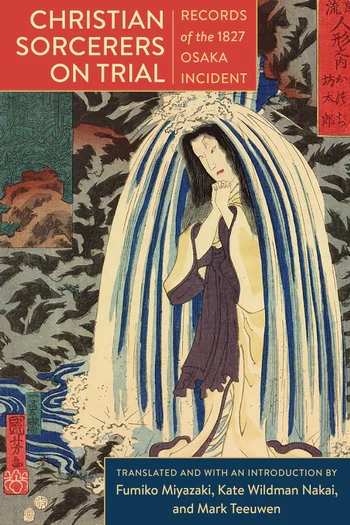
Christian Sorcerers on Trial

Over at All the Anime, I review a new book about the 1827 Osaka Incident.

“…a bunch of deluded commoners who thought they had joined an underground religious sect, but had actually signed up for a series of parlour tricks, fortune-telling sessions with a local medium, and blood-letting rituals centred around a magic painting called The Lord of Heaven….They might have been Christians, but they might have been nutters, or they might have been Buddhists, or some sort of hybrid like the Taiping rebels who would rise up a generation later in China.”

“They discuss Christianity as if it were an ancient pandemic – a religious virus that has been carefully stamped out nearly 200 years earlier, with periodic outbreaks that have to be strictly monitored. We get a sense, in at least some of the comments, that some are gently questioning the statutes, wondering if it is really fair to impose regulations drawn up two centuries earlier upon contemporary people.”
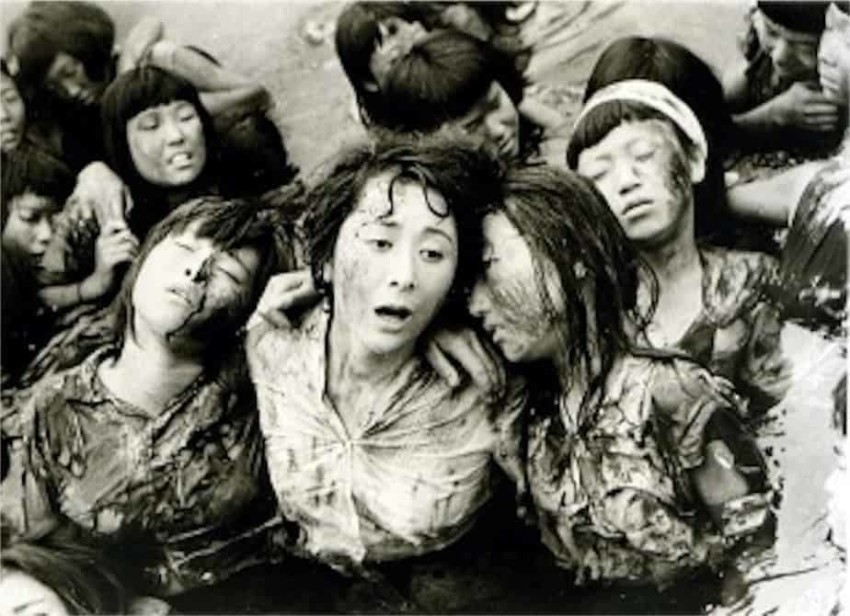
Hiroshima

“Hideo Sekigawa’s Hiroshima (1953) uses the tense normalcy of everyday life as a framing device to retell the story of the city’s bombing, not merely the explosion and immediate aftermath, but the stunned reaction of the Japanese authorities to the utmost devastation of a ‘new type of bomb.’ It is plainly intended as a didactic experience, focussing in particular on the young victims of the attack – even its title is written in easy-to-read hiragana, evoking a childish incomprehension of the forces at work elsewhere. To truly appreciate it, however, one needs to understand the politicking and arguments around its release – refused exhibition by many 1950s cinemas, it was buried at the box office, ostensibly for its unwelcome engagement with issues that Cold War Japan was still trying to suppress.”

Over at All the Anime, I review the new blu-ray of Hideo Sekigawa’s Hiroshima.


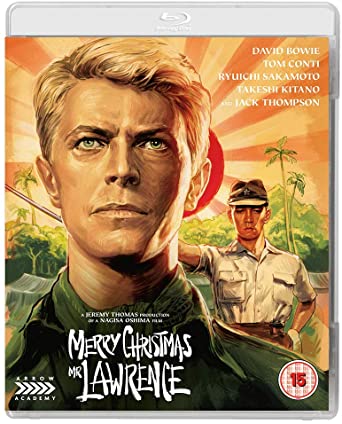
Merry Christmas, Mr Lawrence

“Have you ever bought a disc just for the extras? A couple of times, I’ve caught myself doing just that – ignoring the film and going straight for Brian Blessed’s commentary on Flash Gordon, or the writers’ chat by Palahniuk and Uhls on Fight Club. There are some films I know so well that I don’t feel the need to actually watch them again any time soon, but I am always up for knowing more about them. And in that regard, the new Blu-ray edition of Nagisa Oshima’s Merry Christmas, Mr Lawrence is a dream come true.”

Over at All the Anime, I dive deep into the Arrow Academy release of Nagisa Oshima’s Merry Christmas, Mr Lawrence, the extras on which are literally three times as long as the film itself.

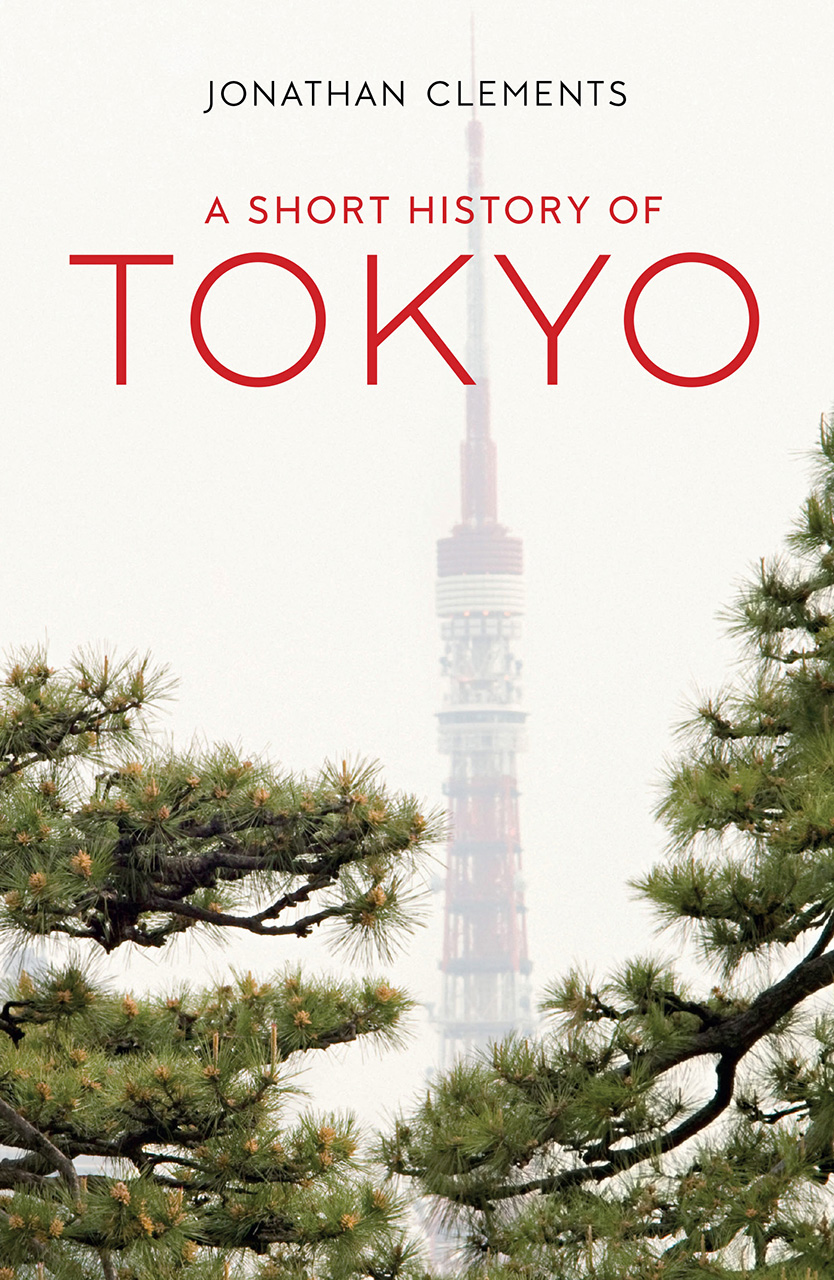
A Short History of Tokyo

“This is a fascinating historical tour of one of the world’s great cities, exploring Tokyo’s long past with an eye to its present form and its bustling contemporary population. Clements digs deep into place names, and into the wider context of Japan’s long history, to offer an account that visitors to Tokyo – whether first-timers or old regulars – will no doubt find invaluable in helping them to make sense of a city that can sometimes feel overwhelming in its size and vibrant complexity.” – Chris Harding, author of Japan Story: In Search of a Nation, 1850 to the Present

“Concise, engaging history charmingly told by an expert on Japanese culture, who loves the city and knows its neighbourhoods well. Helpful guide to important leaders and notable places in Tokyo history that will delight both armchair travellers and visitors to the city.” – Alisa Freedman, author of Introducing Japanese Popular Culture

“…a volume on the city that offers more than a guidebook while remaining compact.” – Times Literary Supplement

“…light in tone and fast in pace. For anyone who wants a quick introduction to the spirit of
the city as it has developed over the centuries, then Clements provides a fine place to look.” – Paul Waley, Japanese Studies

Apparently, A Short History of Tokyo, the updated paperback edition of my 2018 Armchair Traveller’s History of Tokyo, is out now.

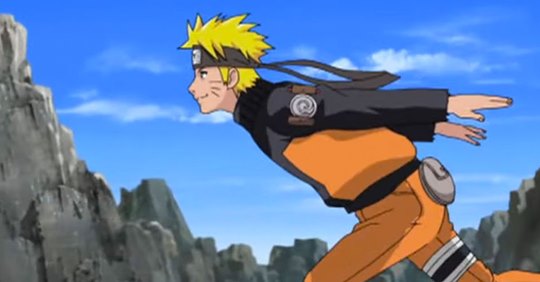
Ninja Running

“Most ninja lore, despite what hucksters tell you, dates from no earlier than the mid-20th century,” Clements explains. “The first real boom in ninja stories comes after the second World War, when the samurai aristocracy were discredited and left-wing authors and manga creators started celebrating the peasantry, invisible through much of history. It got a huge boost in the early days of television, when Cold War spy thrillers got a localized samurai-era twist. The word ‘ninja’ didn’t even turn up in a Japanese-English dictionary before 1974.”

Over at MEL magazine, I end up as the bad guy once more, ruining everybody’s ninja hopes, interviewed for an article about the phenomenon of “Naruto running.”

Shinji Kajio

“Much of Kajio’s most memorable work focuses on some aspect of time abyss, the collateral victims of time travel in its various forms, the people they leave behind or the investigators who must piece together their origins.”

Over at the Encyclopedia of SF, I write up the remarkable career of Shinji Kajio, who began by writing about War of the Worlds, and focusses recurringly on the mess people left when they went away.

Archiving Movements 2

“I only have one afureco script now, kept on my bookshelves in case I ever need to show someone what they look like. As Kim and Ishida repeatedly observe, so many media materials are disposable, like cels that are often treated like industrial waste, or scripts that are left in piles on the studio floor once the actors have given them voice. I remember once, after a two-day audio recording session on the computer game Halcyon Sun, which I wrote with Simon Jowett, there were enough scripts on the floor to fill a black plastic sack.

“‘I’ll just clear away some of this crap,’ said the audio director, shoving them into a bin. And I remember a brief moment of anguish, and a voice in my head protesting that they were not crap, that they were a story that we had laboured over for months. But I could see, even then, that they were now superfluous to requirements, jettisoned like a first-stage rocket as the work went on its journey to completion.”

Over at All the Anime I remember the bad old days while reviewing the newly published Archiving Movements #2: Short Essays on Materials of Anime and Visual Media.

Hideo Furukawa

“‘Comparing a Japanese writer with Haruki Murakami is the laziest move a reviewer can make,’ noted Iain Maloney in the Japan Times, ‘but with Slow Boat, Hideo Furukawa leaves critics no choice.'”

Over at the Encyclopedia of Science Fiction, I write up Hideo Furukawa, the post-modern author whose Inu-oh has just been announced as the next film project from Masaaki Yuasa.

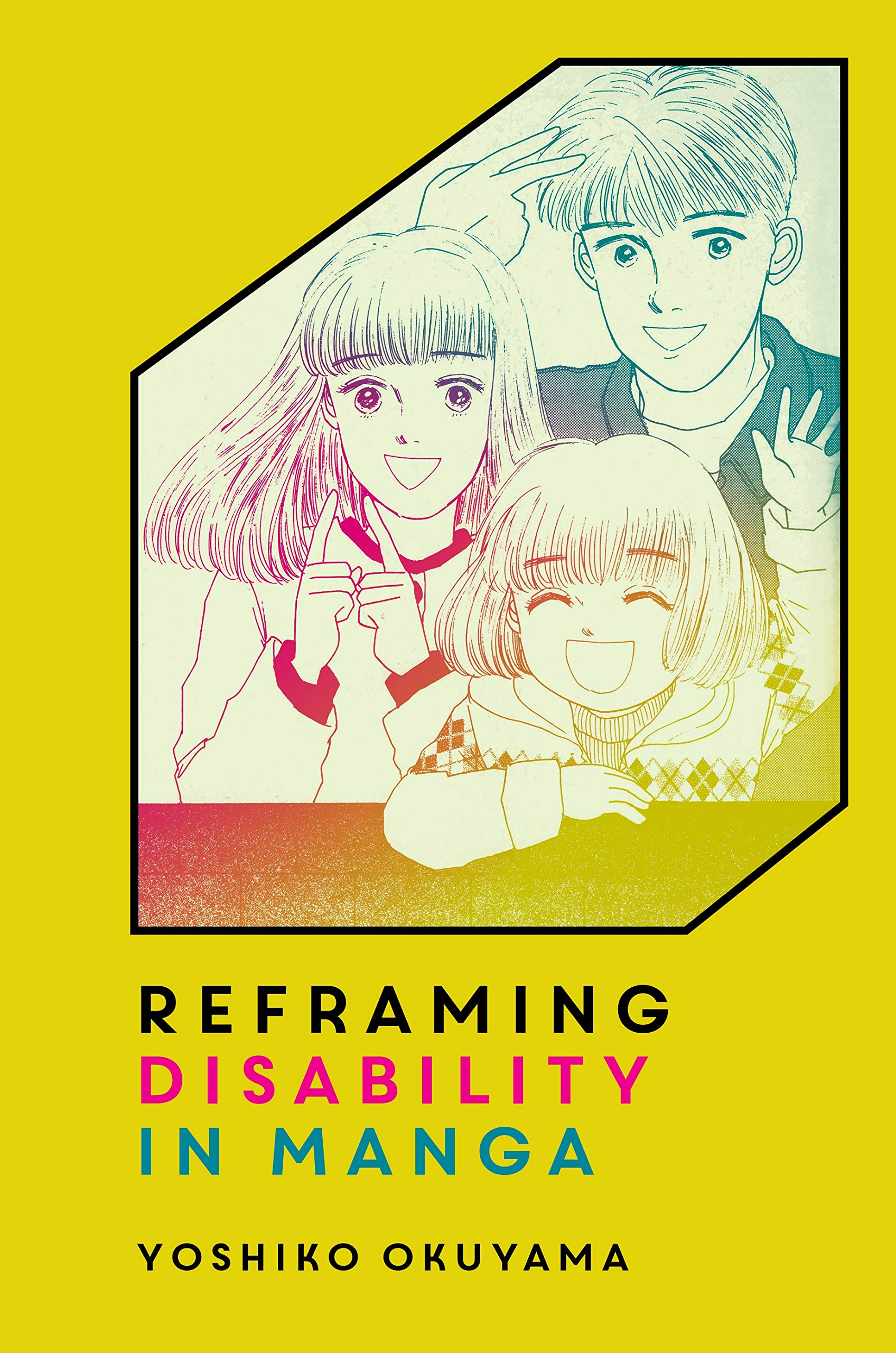
Reframing Disability in Manga

“Okuyama also pointedly includes every manga character you’ve ever seen with an eye-patch as a reminder that much of ‘visual impairment’ in Japanese comics is merely a costume affectation with little consideration of how it might affect the character that has it.”

Over at All the Anime, I review Yoshiko Okuyama’s Reframing Disability in Manga, which covers everything from blind swordsmen to deaf schoolgirls.