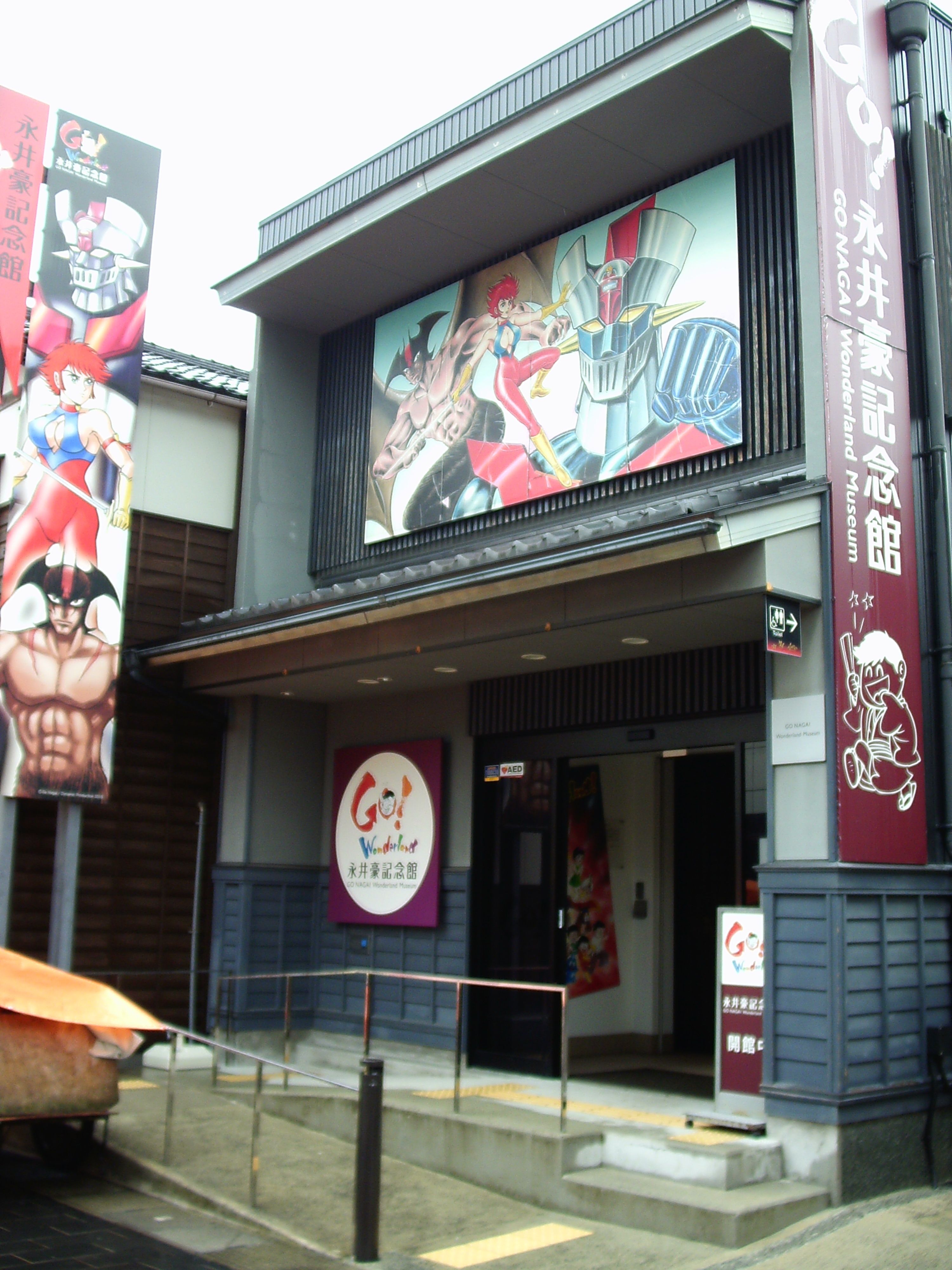
To Wajima, on Japan’s remote Noto peninsula, where the earthquake on 1st January, caused a short-circuit, or an upturned stove, or something to catch alight, creating a fire that levelled 50,000 square metres of the city. The fire destroyed part of the Asaichi historic area, which included the Go Nagai Wonderland Museum. Once the centrepiece of a series of street-based art installations celebrating the creator of Kekko Kamen, Devilman, Cutey Honey, Mazinger Z and Getter Robo, it is now a burned-out hulk.
This isn’t the first disaster to befall a manga creator and certainly won’t be the last. The Shotaro Ishinomori museum in Ishinomaki, for example, was totally wrecked by the 2011 tsunami, but reopened a year later. In that case, the museum had been deliberately designed to be tsunami resistant, with an eight-metre high central hall, and a policy of only storing original artwork and valuable items on the upper floors. So, when a massive gyre of floodwaters and debris smashed through the doors, it only ruined the reception area and the gift shop.
Fire, of course, is not so forgiving. In the case of manga artist Mitsuteru Yokoyama, the fire that killed him, sparked by a dropped cigarette, also swept through the personal archives that he kept in his home office, destroying countless original pieces by one of 1950s manga’s most influential creators.
A statement put out by Go Nagai’s production company, Dynamic Planning, puts a brave face on the Wajima disaster, expressing concern for the people and economy of the town, and shrugging off the lost artwork as something that he can always “draw again.” That’s not the sound of a man who expects to cash in a massive insurance policy – more likely a philanthropist signalling to his home town that he won’t be suing them for the lost paintings he lent to them.
Nagai’s thoughts were with the relatives of the 70 Wajima residents who died as a result of the tsunami and fire, and the likelihood that the loss of the museum and its location will be a damaging blow to local tourism. He wasn’t that bothered about a few old paintings, which was a sweet and noble thing for him to say. Considering that a single piece of Go Nagai artwork can fetch up to $1,800 at auction, particularly in the Francophone world where he is still be loved for “Goldorak” (UFO Robo Grendizer), maybe now is a good time to rustle up a few more for a charity auction?
Jonathan Clements is the author of Anime: A History. This article first appeared in NEO #238, 2024.
From the mid-1980s onwards, Inomata was the queen of the sci-fi bookshelves, with her cover imagery dominating works including Alien Cop by Mariko Ohara, Leda by Kaoru Kurimoto, and KLAN by Yoshiki Tanaka. “Each time I have to draw,” she said, “I just read the novel, follow my own instincts, and all of the sudden the images come out. I don’t think about it again afterwards.”
Over at All the Anime, I write up the life of the illustrator Mutsumi Inomata.
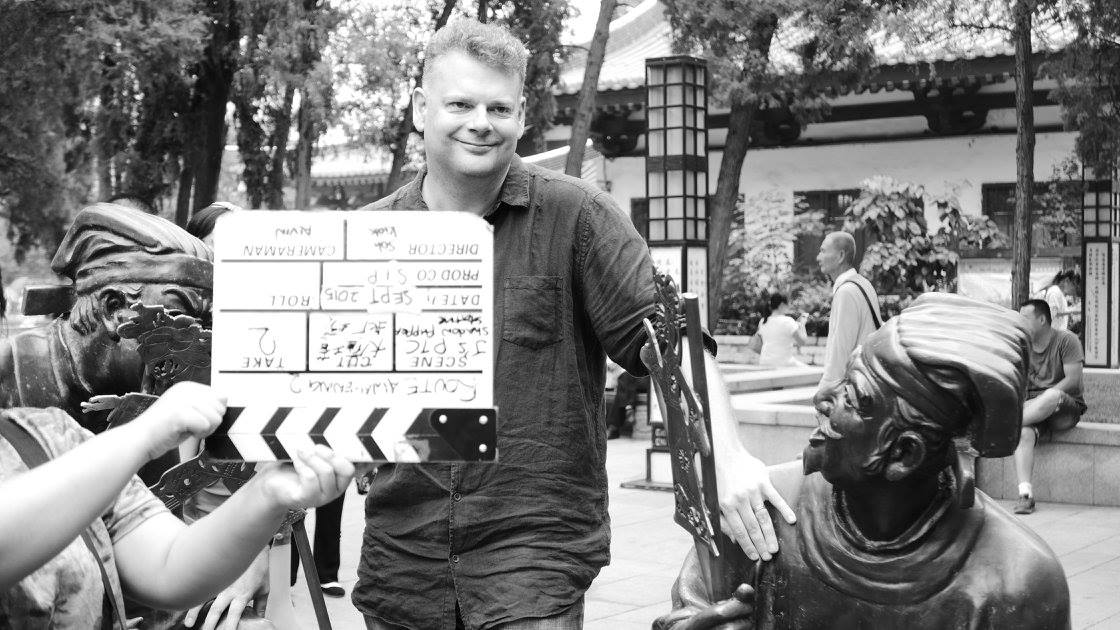
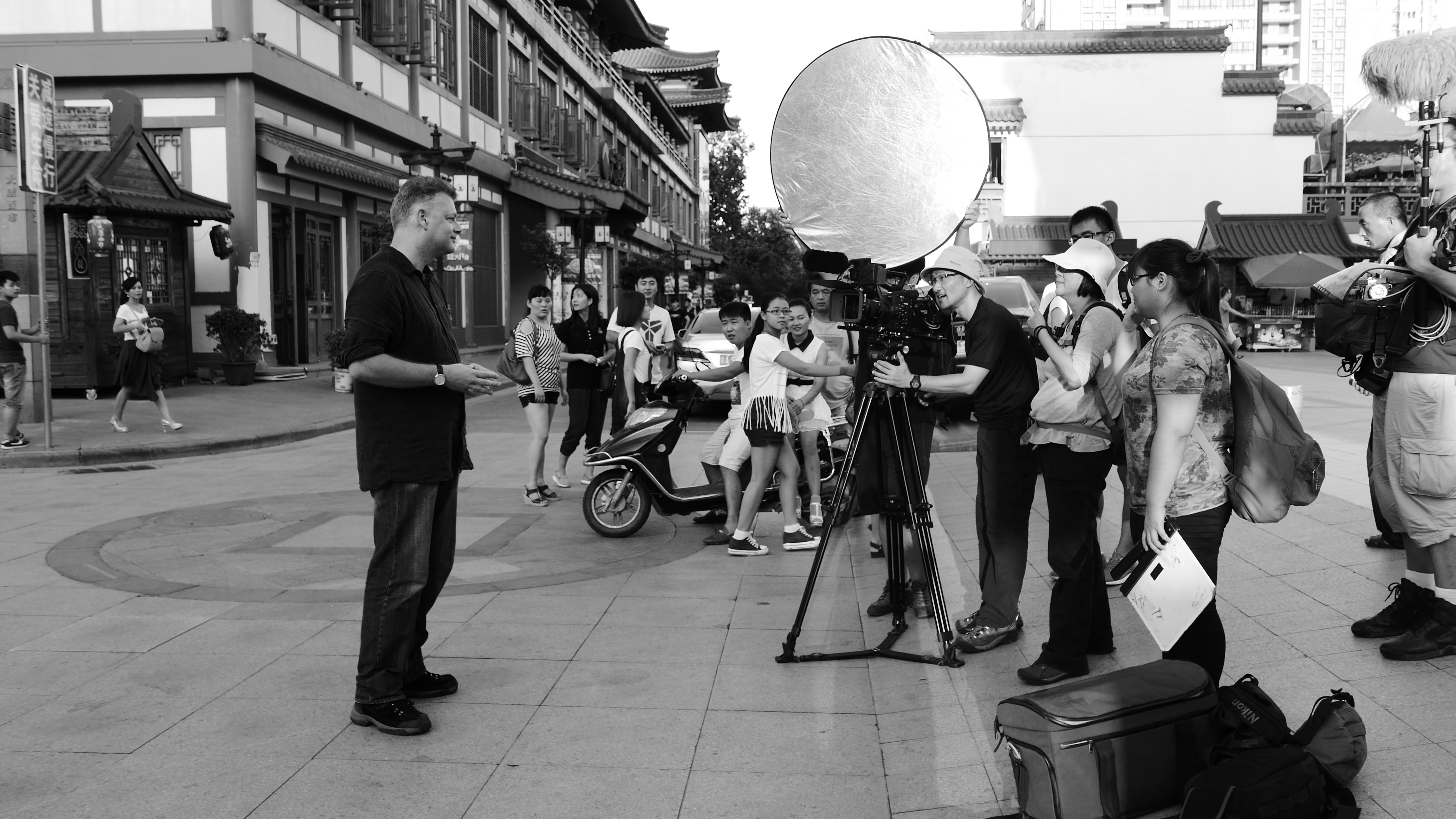
We have a van that could seat twelve, but the rear four sets are folded up for all the gear. There are nine of us today. Two drivers (one with a loaner Buick for the beauty shots), the director, the cameraman, the sound-and-drone guy, the grip, the girl with a clipboard and the fixer. Oh, and me – nearly forgot. I am the “talent”, and my talent is having to say precisely the right words, in precisely the right order, in the sole 20-second window I am liable to get in the midst of a quarter-hour’s faffery. This is harder than it sounds, because it is 77 degrees in the shade, I have to wear oddly warm clothes to fit the continuity, our very presence draws crowds of people who are both noisy and distracting, and everything I say has to be written on the fly, but also factually accurate, and verifiable by two sources – those sources not to include online editable wikis. Otherwise, anything I say can be questioned by National Geographic S&P (Standards and Practices) back in Washington, and the footage will be useless. There is no space for an umm or an err… I cannot get any proper nouns even slightly wrong. I can’t repeat any words in any given speech.
Out to the long road south of the Great Wild Goose Pagoda, so we can do some shots of the Buick driving around past Chinesey things. The car we are using in on loan from the Xi’an dealership, so we have a driver wearing my shirt just in case the clothes are visible through the window, driving through all the fiddly bits. All I have to do is drive in a straight line from one point to another on two occasions, so they can get footage of me at the wheel in a built-up area.
As the crew start to set up, the security guards assemble. First a passing lady with a red armband. Then two men with walkie talkies and red armbands. Then three men with pressure hoses, washing the nearby statues, also with armbands. One of them stands right in front of the camera, calmly and without rancour. He won’t get out of the way until he sees our pass. We don’t have one, and when the fixer rings through to the tourist office who is supposed to have given us one, they don’t know who she is. We waste nearly an hour while she faffs with them, while the red armband stands in our way. Eventually, she returns with a signed form, and he pretends to have forgotten that we are there, walking away talking to an imaginary interlocutor on his phone.
Up to the Great Wild Goose Pagoda itself for me to do a 20-second piece to camera about how it was built as a repository for Tripitaka’s Buddhist scrolls. This takes two hours, because the camera has to be set up, the sound checked, the area cleared, the script agreed upon, and then a bunch of arseholes with mopeds and plastic machine guns cleared out of the way. Our new-found filming liaison, a specky woman in a mauve blouse, frets that by walking from the south side of the tower to the north side, we have effectively walked out of her jurisdiction, and so might face more red armbands at any moment. Meanwhile, crowds of people assemble nearby, pointing their iPhones at us and trying to work out if I am someone famous.
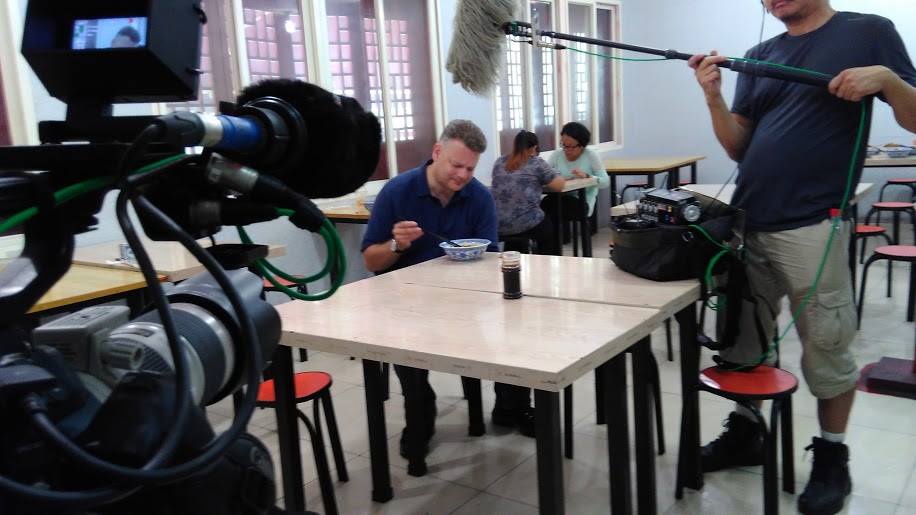
Up to the Muslim Quarter for biang biang noodles for lunch. We luck into a relatively deserted Muslim restaurant where I can talk to camera about the history of this particular dish – international as it is, with American chilis and tomatoes, carrots and cumin from westwards on the silk road, noodles made from wheat, etc. The restaurant staff are also not camera-shy at all, and keen to let the cameraman film them at work. It is a national holiday, so outside it is utter chaos. But we get lots of footage in the can.
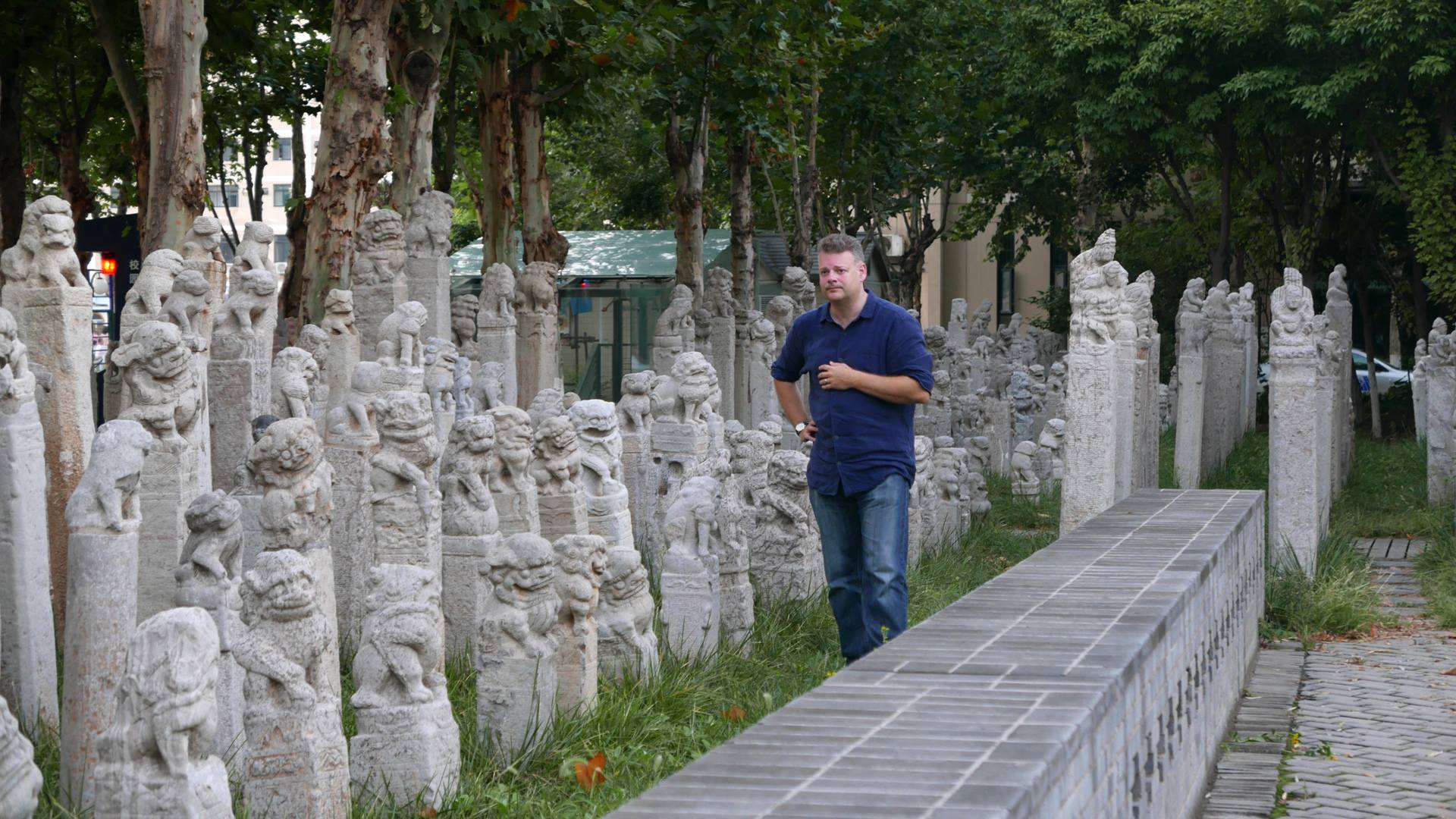
Then the Tang Western Market for me to talk about the origin of the Silk Road, and finishing up at the Forest of Lions on the campus of the Xi’an College of Fine Arts. Or is it the Arts University? Or is it the Xi’an University of the Arts? Got to get it right, and got to get it right before the light goes, and before that old lady behind me throws bread to the ducks, or we need to change a camera battery, or before someone’s car alarm goes off.
At the end of the day, I ask the director how much footage we have got of the 132 minutes we need. She thinks maybe 60 seconds. But it was our first day, the crowds were distracting, and we lost an hour to battery hunts and an hour to official interference. It could be worse, and tomorrow should be better. Although tomorrow may be a different story, because I will be in a town I have never been before, talking about puppets.
“Translator Olivia Plowman delivers an eloquent, mannered text like Downton Abbey with dragons, adding to the believability of Naturu’s weird world. Throughout the novel, I was left with an odd sense of anticipatory excitement, less about the book itself, than about the wonderful anime it could surely become.”
Over at All the Anime, I review Takasugi Naturu’s Marriage, Divorce and Beyond.
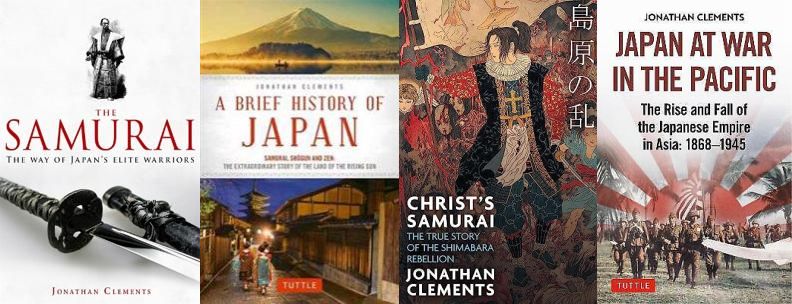
For viewers looking to find out more beyond the surface of the Netflix series Shogun, there’s a bunch of books from your friendly neighbourhood historian that can help you out. For a sense of how the Shogun fits into the world of the samurai, try A Brief History of the Samurai, selected by the Japan Times as part of its Essential Reading for Japanophiles.
For a sense of how the samurai fit into the overall history of their homeland, there’s A Brief History of Japan. “…a compact, exciting, eye-opening vision of Japan’s entire history. The people and events that shaped Japan over millennia are all covered here. What makes this such a stand-out book on Japan is its humor. Clements injects his book with humorous observations and anecdotes that add so much humanity to an otherwise dry and exhaustingly lengthy topic. This is a history book painted with color and vibrancy.” ―Tokyo Weekender.
For the story of the rise and fall of Christianity in Japan, and its explosive end in a revolt led by a teenage messiah, there’s Christ’s Samurai: The True Story of the Shimabara Rebellion, “…a concise and lucid account of a unique period in Japan’s history ― Japan Times.
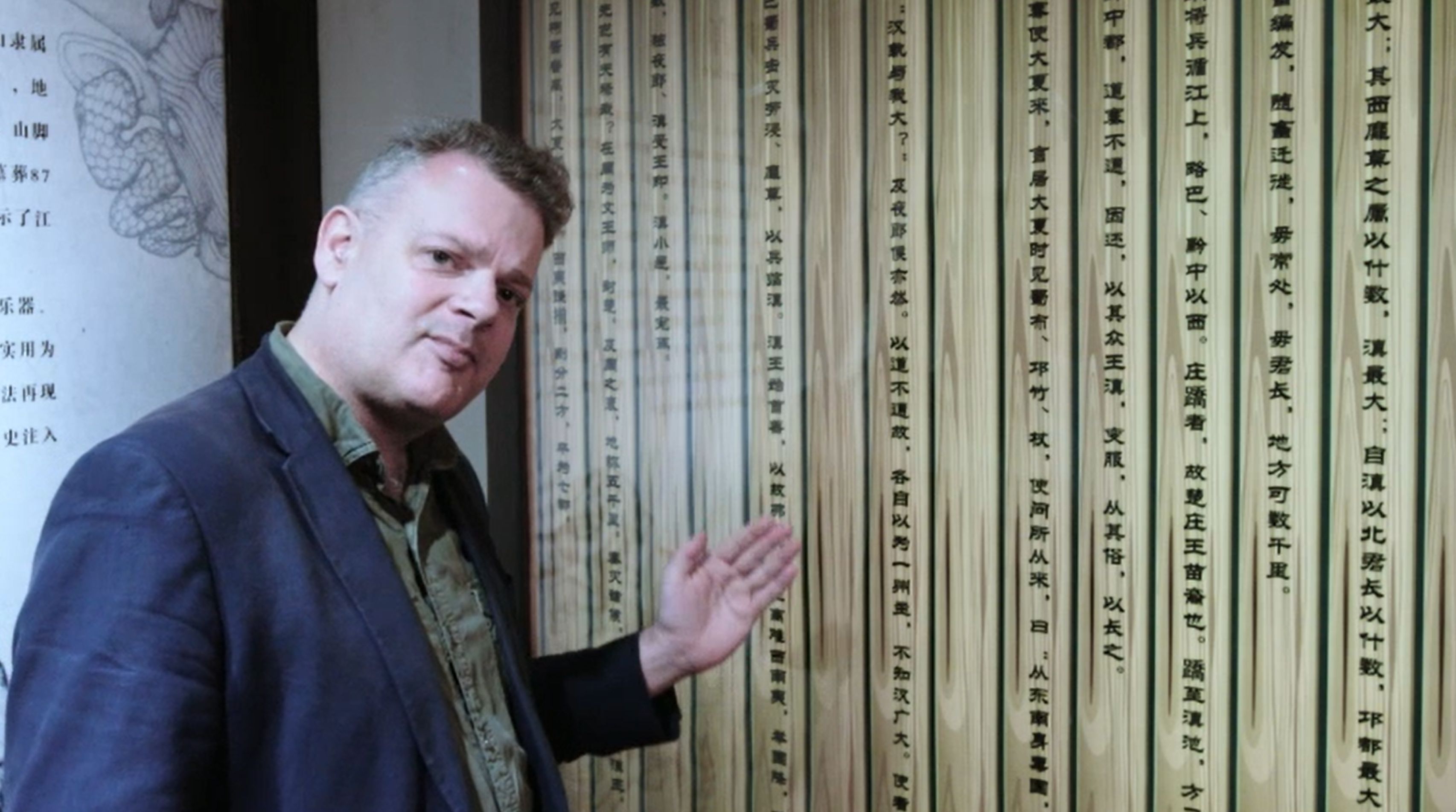
On the wall in the Yuxi Bronze Museum is a giant set of bamboo strips, engraved with classical Chinese. This is where I earn my money.
“Aha,” I say to the camera, “here we’ve got the entire text of the chapter of the Grand Scribe’s Records about the ‘south-western barbarians’. It starts with a geographical description of the region, the names of the tribes (see, here’s the Dian), and the lay of the land, and then it goes into the story of their first contact with the Chinese. Here we get the emissaries turning up from the Han Emperor, and a fantastic question from the Dian king, when he asks the ambassadors: ‘Is this Han realm bigger than mine?’ He really had no idea who he was dealing with, but when he finally submitted to the Han emperor, here it is, he is bestowed with a ‘royal seal’.”
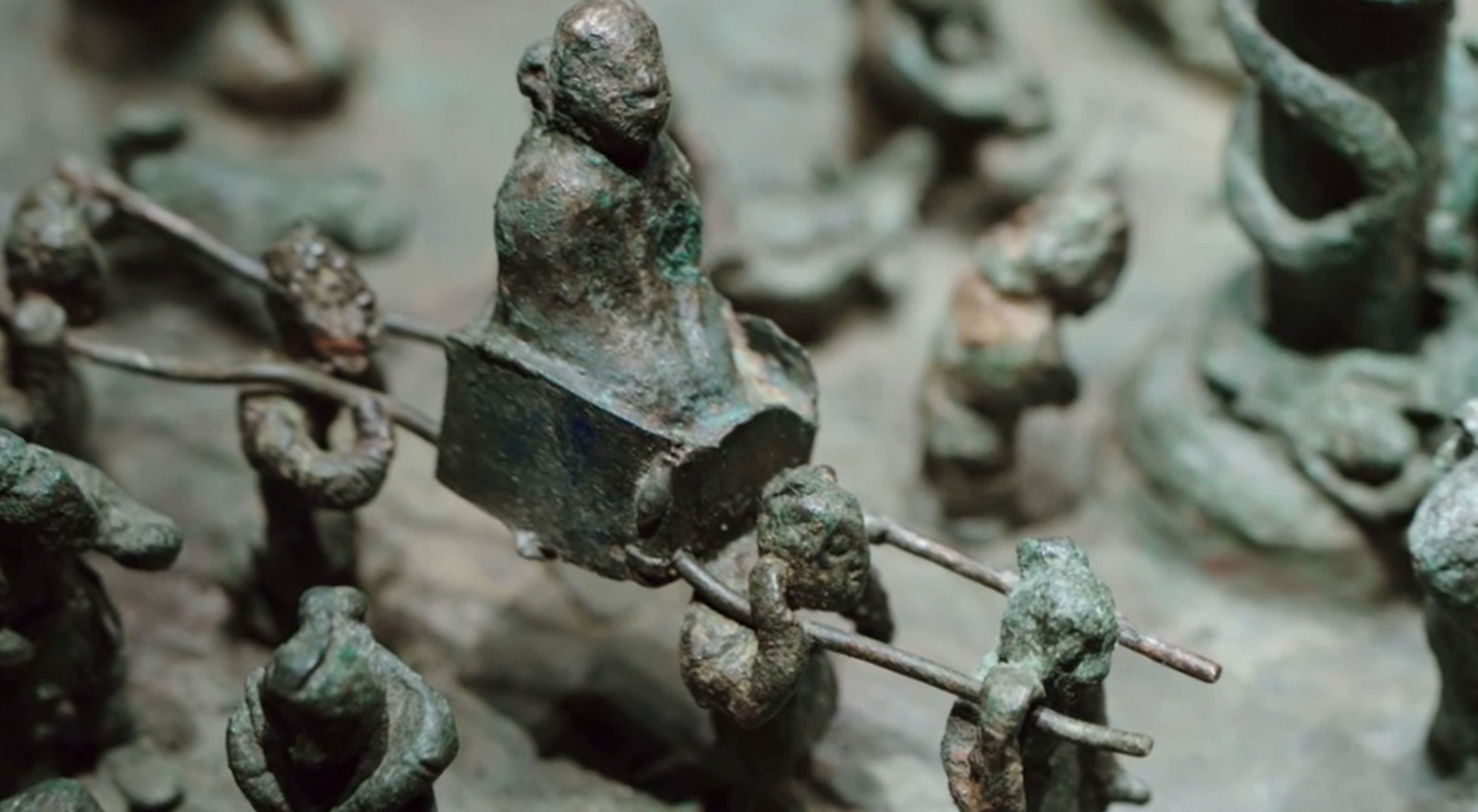
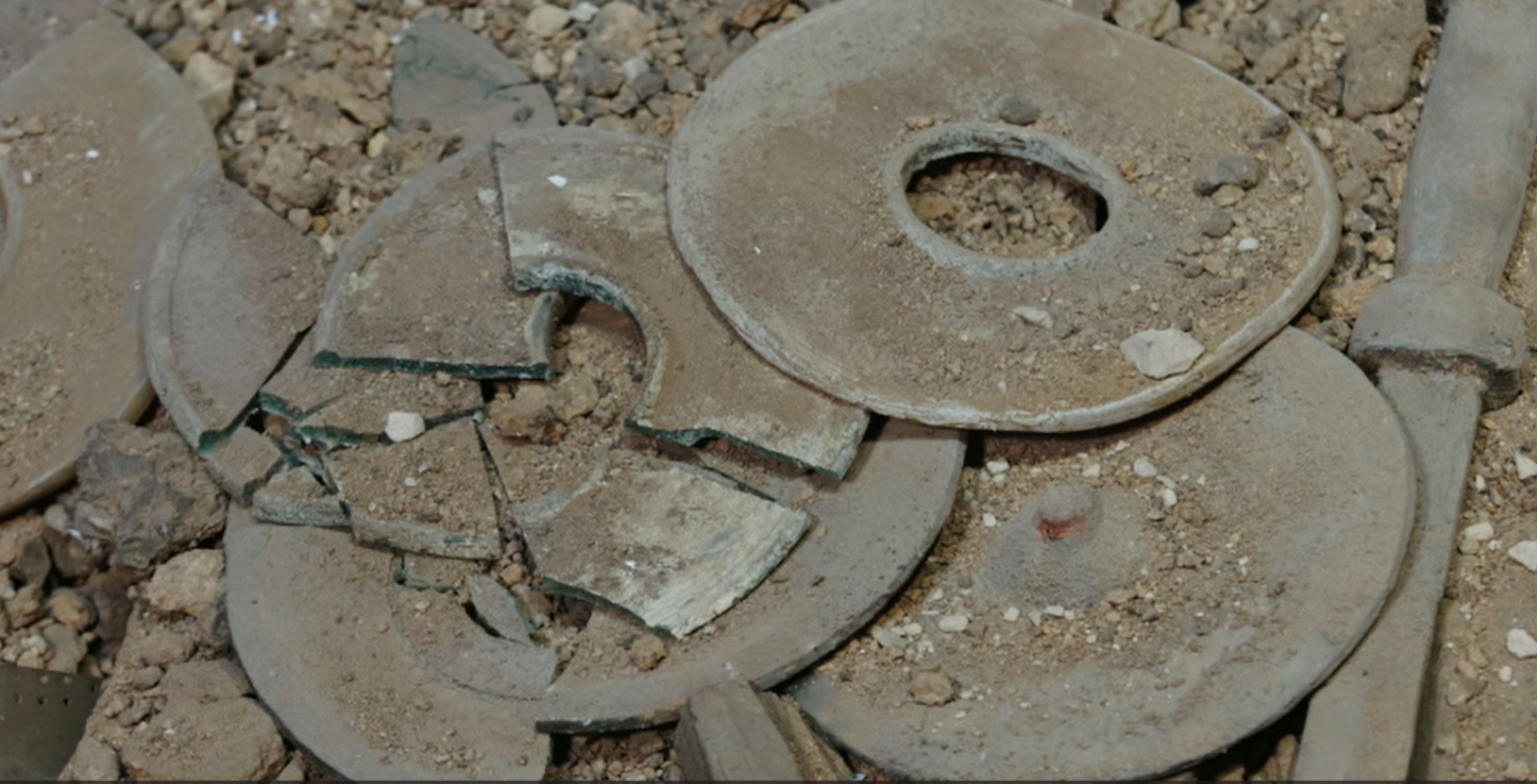
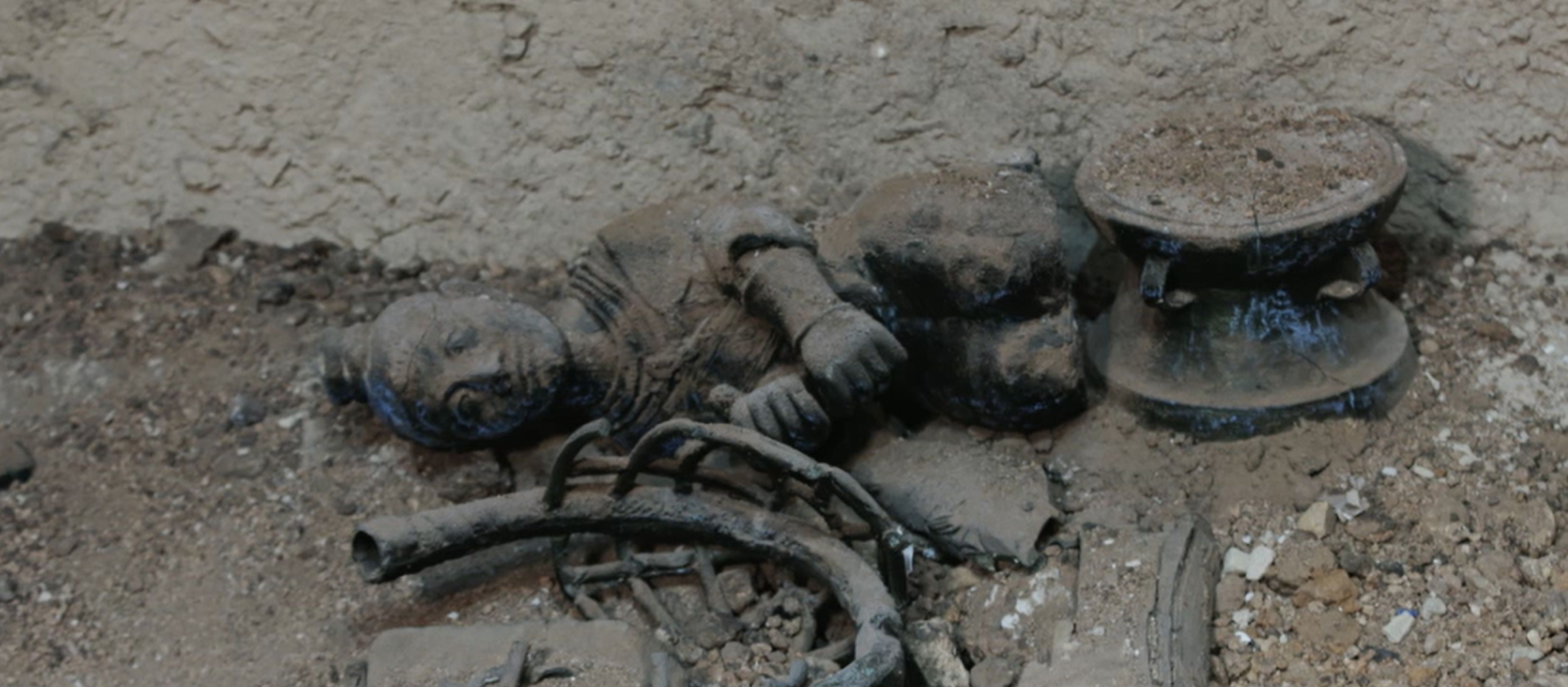
It’s a good morning in the bronze museum, where the staff stare open-mouthed in amazement as the foreign film crew completely ignores most of their exhibits, and concentrates on the stuff they consider boring – the bamboo strips carved with Chinese, and a naff-seeming diorama of life in Dian times. Except it’s not naff, I point out. Every single element of it has been drawn directly from the bronzes we have been examining. We have seen (and filmed) the original artefacts that informed the diorama’s hunting scene, its battle scene, and the scene of human sacrifice underway on a nearby hilltop.
Lunch is a fish hotpot cooked on hot stones, with Yunnan rice, which is like normal rice but comes with fried potatoes and bits of bacon. The director allows us fifteen minutes to descend like jackals on a nearby pottery shop, where I spend all the money I have earned this morning buying a new tea set, rice bowls and two cups decorated with the Heart Sutra. I think, between us, we manage to spend about £300, which makes the owner’s day, as she only opened ten minutes beforehand.
In the afternoon, we head out to a pokey village at the bottom of a mountain, where the locals inexplicably worship a mermaid goddess, whose pert baps seem to have been designed by a sculptor who has never seen a woman’s chest in real life. A cluster of pensioners, sunning themselves in the marketplace, soon drift over like zombies to see what the film crew is up to, but they are incredibly friendly, and our cameraman gets a lovely shot of me talking to three wizened old men about topless mermaids.
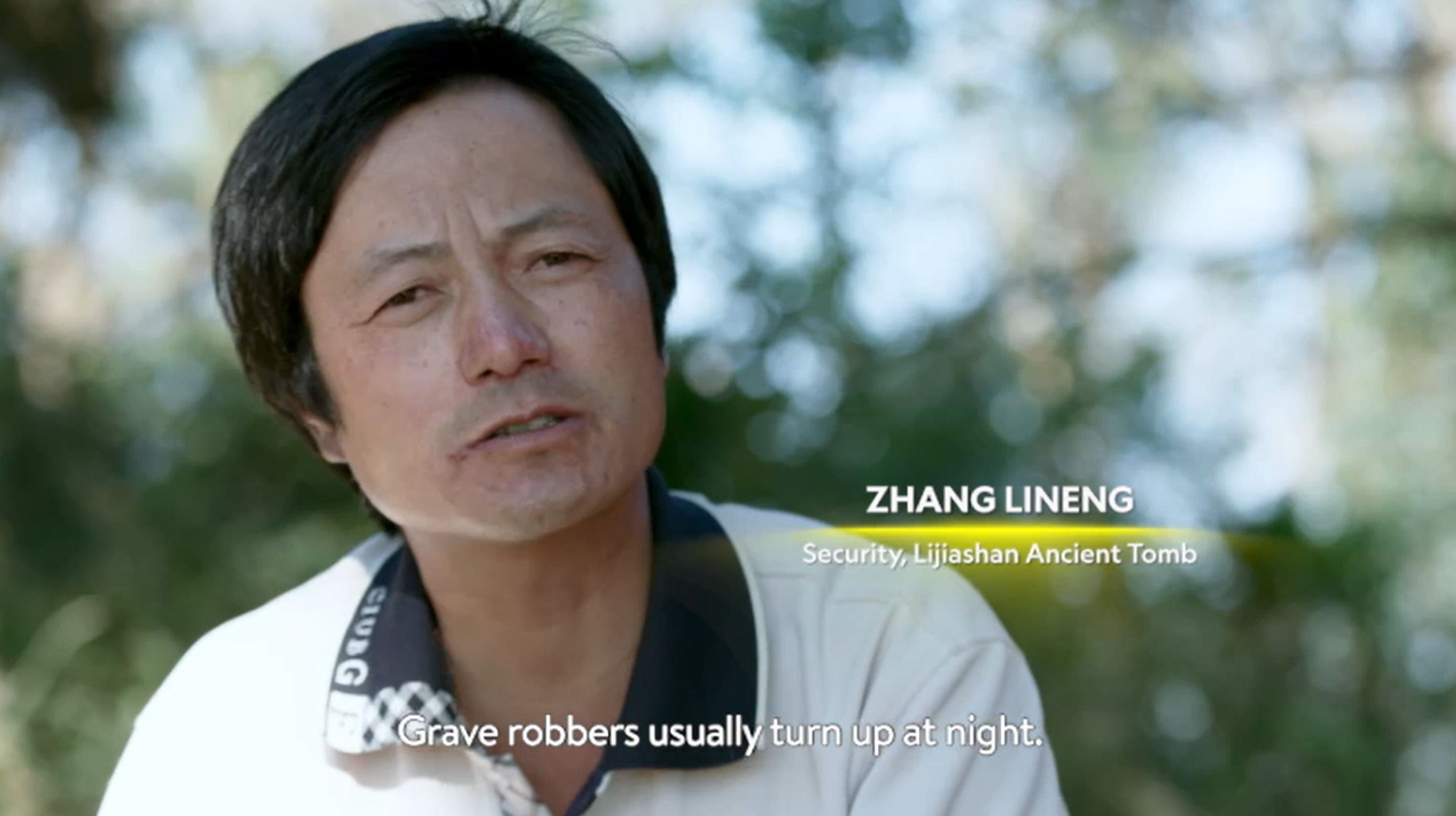
We are here to climb Lijiashan, the mountain where some eighty Dian kingdom graves were unearthed. It involves a wheezing ascent up endless steps, to a small guardhouse where we find Zhang Lineng, the watchman.
A huge part of my job, and something I am embracing with greater fervour as time goes by, lies in putting the interviewees at ease. Mr Zhang didn’t even know he was an interviewee before we showed up, and I am the first foreigner he has ever met. But I bound in and introduce myself, and get him chatting about his life.
Our fixer and Clicky the Propaganda Guy, who is still lurking around, protest that the man’s Chinese is unintelligible, and that we might need an interpreter. But he makes perfect sense to me, no more or less than anyone else. This has happened before, in Shandong, where Chinese people found locals difficult to understand, but I found them no harder to understand than anyone else. The local accent fiendishly replaces all H’s with F’s, and occasionally drifts towards Cantonese, but that’s it.
So he takes me around the pit where the Famous (not that famous) Cow Tiger Table was unearthed, and reminisces about how strange it was to the local villagers, like him, when their hilltop was suddenly deemed so important that the People’s Liberation Army sent an armed detachment to guard it.
Mr Zhang is a rare kind of interviewee, because he is a Michael Wood sort of choice – not an archaeologist or a historian, but a random man of the people who happens to work near the site. So while it’s not quite the usual National Geographic experience, it is oddly entertaining. He reminisces about how weird it was when he was a boy, and truckloads of archaeologists started turning up at the village at the bottom of the mountain, and how was there, literally standing at the side of Pit 69, when they unearthed a bronze cowrie shell container, decorated with dancing Central Asian shamans. He also reveals that the grave contained two bodies, a woman and a murdered slave girl, but that the coffin the archaeologists found was inexplicably thrown away.
I ask him about life as a security guard.
“It was tough in the early days. The thing that’s made the biggest difference is the phone. If there are robbers on the site, I can call for back-up. I can call the police. Or someone who sees something suspicious can just call me. Life is a lot easier now.”
I ask if things get creepy up on the mountain alone at night.
“Well, down in the village people say that sometimes they can hear fighting. Swords clashing together and people screaming in a language they don’t understand. There was one night when I heard a real commotion outside, but when I came out to look, nobody was there.”
Clicky the Propaganda Guy is gesticulating wildly, calling a time-out on something he really doesn’t want discussed on camera. Second-hand local myths are one thing, but a self-reported experience of the supernatural will not be allowed on television in China.
At which point, the director slaps me in the face.
She had seen a mosquito on my cheek, and took extreme action in a split-second, lest it suck my blood and leave a lump on my face sure to ruin the next week’s filming. Her palm lands with an impressively loud whack, and oblivious to the reason why, all Mr Zhang sees is a small Chinese woman beating up the presenter.
“Wow,” he says. “You have a tough job.”
Our pocket drone struggles like the Little Engine That Could against the high winds on the mountain top. There is just time to rush back to the Bronze Museum, which now has the sun on its façade, to shoot the opening shot of me entering. Except the museum has closed five minutes early and the staff have scarpered, so we have to cheat by placing the camera on the other side of the street, and having me walk across the road as if it is the path leading up to the door. But we have to wait first for a marching column of soldiers to pass by. They stare at me warily, until I give the Communist Party salute, at which point they all start giggling and saluting back.
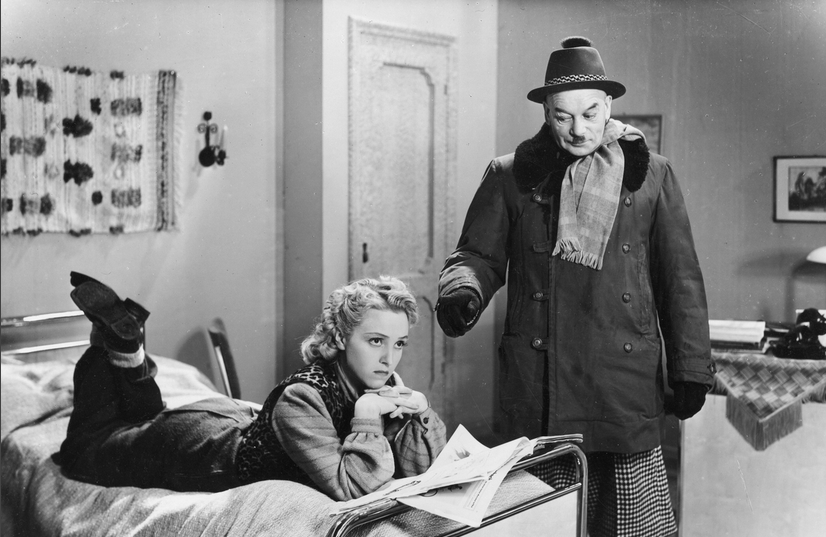
Aku Karpala (Aku Korhonen) is a super-efficient, polyglot concierge at the high-end Hotel Lyx, who prides himself on always making his customers’ stays go perfectly. He is just preparing for a holiday of his own, when he is approached by “Birgit Gyllencrantz” (Ansa Ikonen), who claims to be a wealthy heiress in need of a chaperone. Birgit is in the market for a husband, but having been raised as an orphan by prim aunts in Porvoo, she confesses to being clueless about the world. It would really help if Aku could come along with, pose as her father, and vet any potential suitors in order to filter out the gold-diggers.
Setting aside for a moment, the truth apparently universally acknowledged that potential suitors will throw themselves at Ansa Ikonen, as if shot out of a cannon, the moment she walks into a room, the pair set out, missing the bus and hitching a lift in the open-top car of the dashing Klaus Lang (Turo Kartto), to whom the giddy Birgit takes an immediate shine.
At the Honkaharju hotel, Aku takes his chaperoning far more seriously than Birgit expected, leading her and Klaus to give him the slip so they can canoodle in private. This rather foils Aku’s plan, as he thinks he has found the perfect match for Birgit in the form of the good-hearted Erkki (Joel Rinne), an engineer.
In fact, Klaus really is a gold-digger, and is only after Birgit’s money, a fact he confesses to his real girlfriend, Mirja (Sylvi Palo), within earshot of the scandalised Aku. But Aku himself has to think fast, when he realises that a fellow guest at the hotel is none other than the formidable Mrs Andersson (Siiri Angerkoski) a gruff widow and regular at the Hotel Lyx, who always makes his life a misery, and will be sure to see through his disguise. She is sure that she knows him from somewhere, but can’t quite place him, leading her to be far kinder to him than usual, and culminating in the couple going off for a romantic ride on a one-horse open sleigh.
After a series of confrontations, Birgit checks out of the hotel after paying Aku’s bill, and on the advice of an angry Klaus, Aku returns home and looks through the 9th January issue of the newspaper Uusi Suomi. There, he finds a report of a Porvoo typist, Pirkko Kyllinen, who has become a millionaire after winning the national lottery. Realising that Birgit has been Pirkko all along, Aku tracks her down, brings her to Helsinki, and arranges a reunion with Erkki, who always wanted a normal girl, but common to Finnish farces, is super-pleased that he has also lucked into one that’s now filthy rich.
A closing coda finds a conspicuously flirty Widow Andersson checking back into the Hotel Lyx, and making it known to Aku that she would like to have dinner with him – it’s not like the pair of them haven’t proved to be made for each other in numerous previous films, including Lapatossu, The Heath Cobblers, and SF Parade. Maybe it would be a good time for Aku to lose his ridiculous Hitler moustache, which is one of the items that really dates this film.
The newspapers in Helsinki and Tampere thought that the film was fresh and fun, gently avoiding any mention of the damage done to it in post-production by the onset of the Continuation War, which cost it a composer lost to the draft. The fact that WW2 was underway already during filming supplies one of the film’s little asides, as Aku finds himself serving a British customer and a German customer at the same time, and wisecracks: “Auch wir Finnen können doch bisweilen Diplomaten sein!” [We Finns can sometimes be diplomats, too!] in one of the multiple languages he is seen to speak on screen. Wartime austerity features in the script itself, in the form of a bus that runs on wood chippings, and multiple references to ration books and a song about the Public Welfare Board. It also has some lovely little touches, not the least a cameo by the strikingly beautiful Maj-Len Helin, a multiple champion figure skater who adds a touch of mini-skirted pizzazz to scenes at the ice rink – why on Earth was this her only film…?
In general, the critics seemed to agree that many involved in the film were entirely blameless, including the ever-reliable Aku Korhonen in the leading role – I particularly enjoyed his fussy inability to be a guest at the Hotel Honkaharju, constantly micro-correcting potted plants and foyer arrangements as any good concierge would. Nor did the critics single out Suomen Filmiteollisuus’ first-time director, the former documentarian Hannu Leminen. Instead, any brickbats were aimed firmly at the script itself, which had been written by actor Turo Kartto, who also played Klaus, and claimed to have based his story on an unidentified French farce. Toini Aaltonen in Suomen Sosialidemokratti, always one to note the money-grubbing nature of so many Finnish comedies, found that Kartto’s script failed to “surprise the viewer with any surprises or unique flashes of thought.” You would think that Uusi Suomi, after being a plot point on the film itself, would be a soft touch in the reviews, but far from it. Instead, it made an inevitable joke based on the Finnish title Täysosuma: “Bullseye fails to hit the bullseye,” wrote the paper’s reviewer MV. “It’s not that it went to the side of the goal or over it, but it never even reached it. It’s just too slow.”
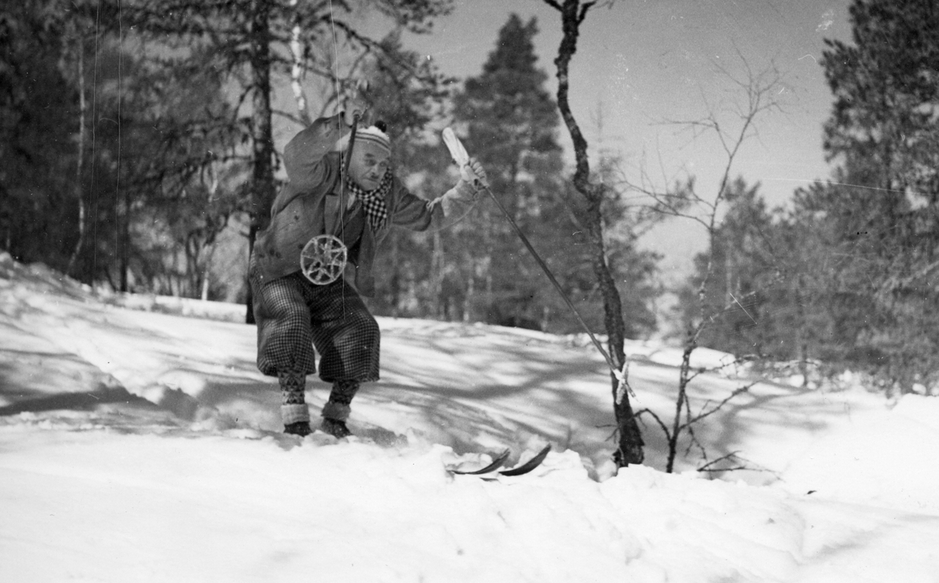
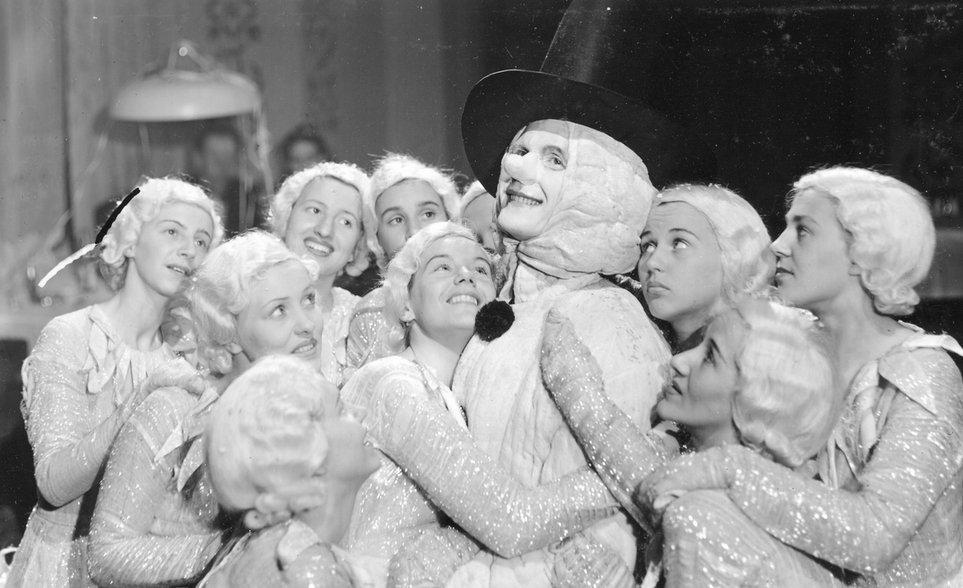
In fact, the film contained several technical innovations that largely passed the general viewer by, including a stuntman standing in for Korhonen in skiing scenes, and new recording equipment that led director Leminen to indulge some of the cast’s improvisations and interjections, adding to a naturalistic feel to the dialogue and several charming moments in which off-the-cuff ad-libs are left in the final cut. At one point, Korhonen even seems to break the fourth wall, staring directly into the camera as he laments his fate. An original approach to graphics characterised the opening titles, with credits depicted as scattered labels on suitcases, and the actors introduced with full-screen portraits. And for some reason, there is a dance interlude later in the film which is supposed to be a ballet about snowmen, but comes across as ridiculously creepy, and looks on occasion like xenomorphic eggs from Alien about to leap out and hug your face.
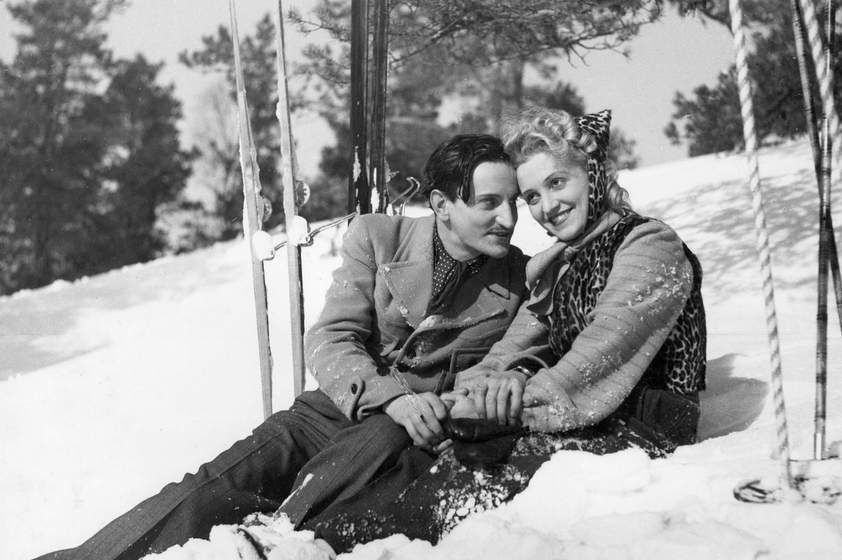
There was also a remarkable amount of location footage of the cast larking about in the snow – a welcome change from the many Finnish farces that bear the legacy production values of a single set in a theatre. If anything risked defeating the production it was the unseasonably warm weather in Kulosaari, which melted all the snow, requiring the production staff to bring more in by the truckful to complete their shots of a supposed winter wonderland.
Jonathan Clements is the author of A Short History of Finland. He is watching all the Finnish films, so you don’t have to.
Grace Rosa is an assassin, driven by a single thing: discovering the secret of her adoptive father’s disappearance. He trained her to become a lethal killing machine, able to wield any weapon she can get her hands on, before inducting her into the ranks of the shadowy organisation known as Alterna. But could the very people she serves as a hired gun have something to do with him vanishing? And to what lengths will she go to enact her vengeance on the people who have wronged her?
Out now from Titan, “volume one” (I am not sure there was ever a volume two) of Himuro’s manga Grace Rosa. Motoko Tamamuro and I worked on the shooty bang-bang English script, which is very John Wick meets Gunsmith Cats.
No, not radiation. Not the struggles of war and the agonies of constant trauma, transforming into a rampaging, city-stomping beast. Because that would be the trailer for a Godzilla movie, and those words are spoken by Beyoncé Knowles in the advert for her concert movie Renaissance. And both of them are fighting for space on IMAX screens.
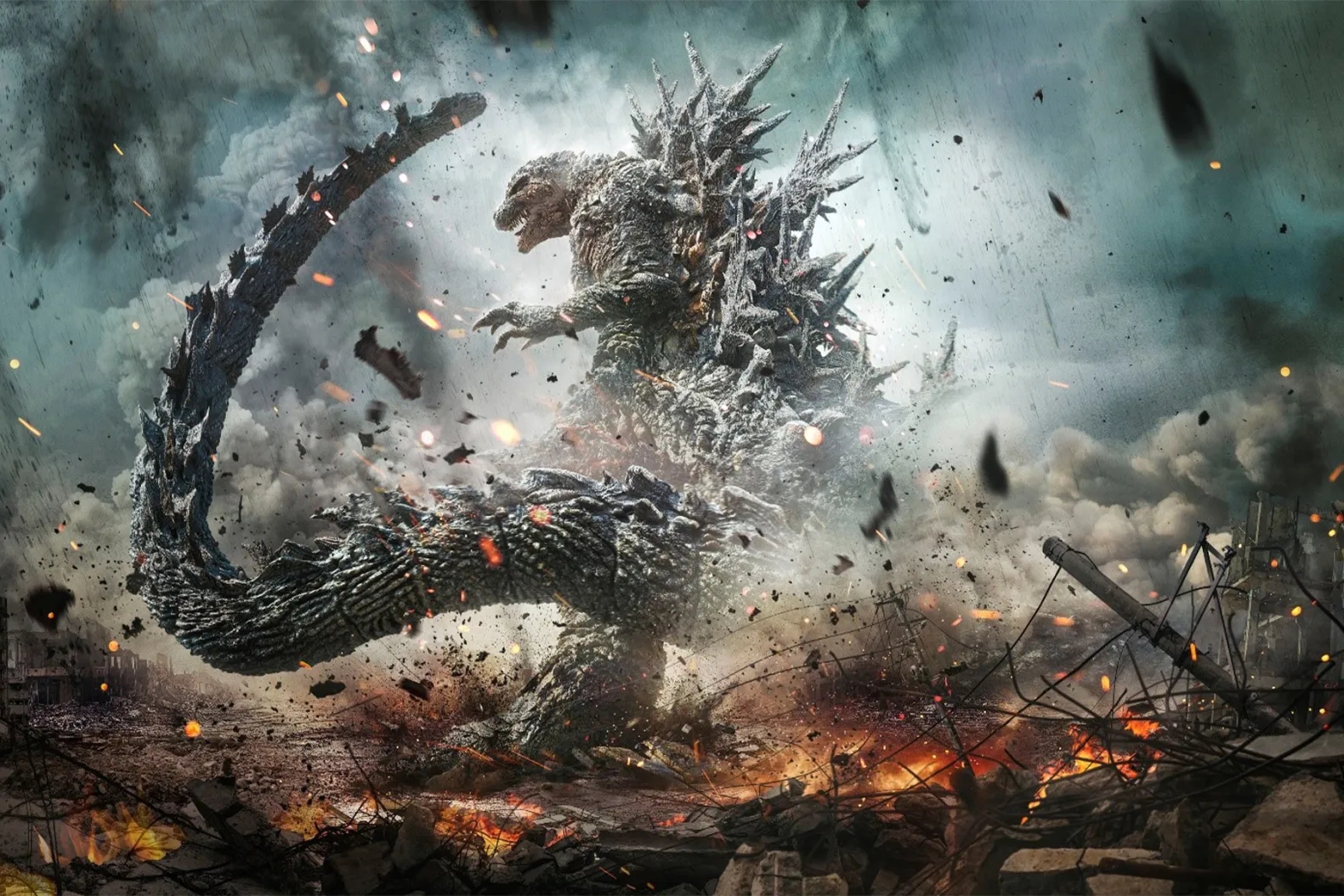
Takashi Yamazaki’s Godzilla Minus One is a stark reboot of the monster franchise, playing upon the idea that Japan in 1945 has already been reduced to “zero”, and that an attack by an unstoppable beast just makes everything so bad that we go into negative numbers. But whereas Minus One hit many cinemas outside Japan at the beginning of December, its UK release waited a critical couple of weeks, in a business decision that might end up benefiting absolutely everybody.
The UK has 52 IMAX screens, while Ireland has another two, with the majority of the screens being part of Cineworld/Odeon cinemas. That’s substantially less than the United States of America, where presumably Godzilla Minus One and Renaissance would be able to jostle for audience attention without wrecking the theatres.
I put the question to Anna Francis at Minus One’s UK distributor, Anime Limited, who conceded that Beyoncé’s Renaissance had already been booked into a number of IMAX screens before Godzilla began clambering out of the sea to smash stuff. But Beyoncé, she states, “was only part of the picture… the main reason was that we wanted to avoid the busier film period at the start of December.”
So, it’s not that the King of Monsters was scared of going head-to-head with Queen Bey, more like the presence of multiple distractions as the holiday season got going. Instead, Minus One got its UK release on 15th December, gaining a fortnight’s respite before yet another monster blockbuster landed in cinemas on Boxing Day: Hayao Miyazaki’s The Boy and the Heron.
But wait a minute, Minus One dropped on 1st December not just in the USA, but also in Canada, France, Italy, Spain, Poland, Australia, New Zealand and even Belgium. Could it be that all those places were confident there was no cross-over, whereas British audiences demonstrated an equal love for both the Big G and the Big B that had to be accommodated? At least they are spared a Barbenheimer decision…
Jonathan Clements is the author of Anime: A History. This article first appeared in NEO #237, 2024.
“The ability to buy into the ‘ownership’ of a new anime while it is being made can save a canny investor hundreds of thousands of dollars at the distribution end.”
Over at Variety, Mark Schilling interviews me about the pitfalls of international animation co-productions between Japan and other Asian countries — a good chance for me to quote from the China chapter added to the second edition of my Anime: A History.






 The Official Schoolgirl Milky Crisis Blog