The Prologue…

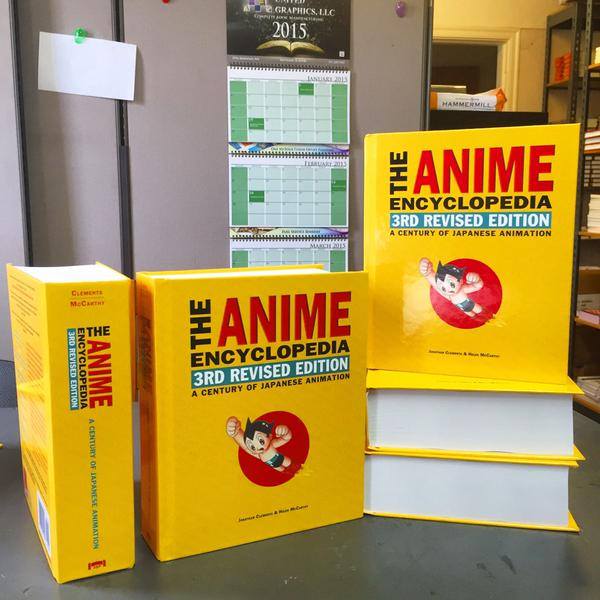
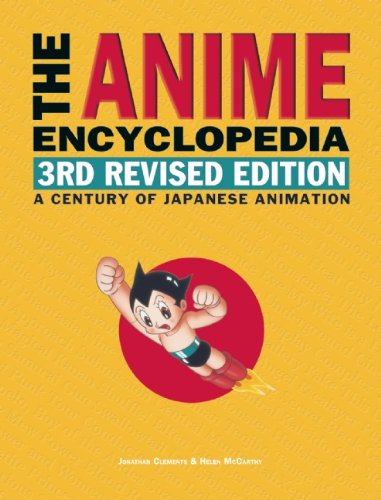
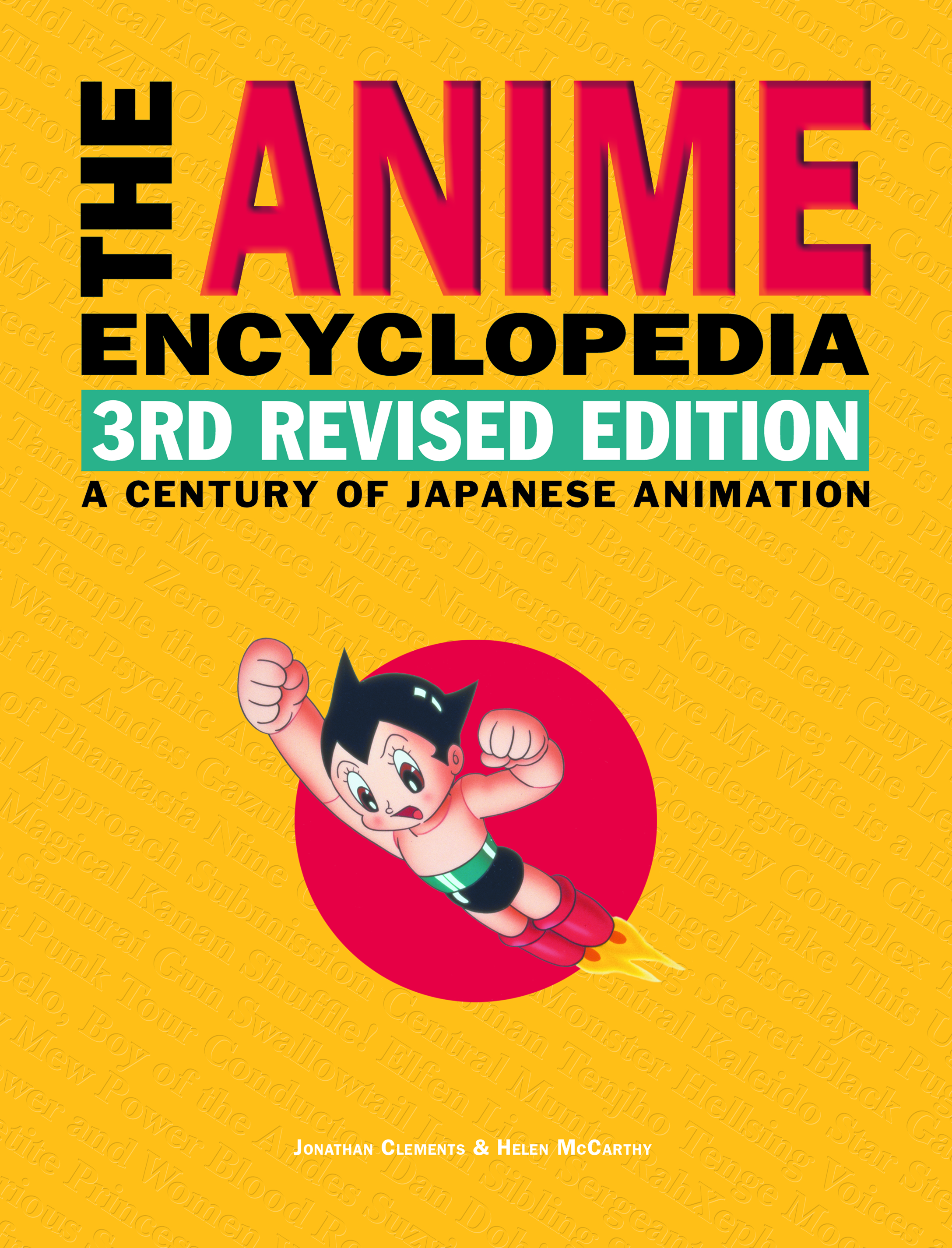
ae3Just a little taste from the introduction to the new edition of the Anime Encyclopedia, due out in December 2014. The passage excerpted outlines some of the changes and new additions to the book that has been keeping me busy, on and off, for the last two years. We’re currently on the fourth or fifth read-through in search of adjustments and typos, and sneaking in the last few cheeky last-minute entries.

1200 pages. Imagine.

Milky Crisis!

The background to today’s news that the New Zealand company Fonterra is buying stakes in another Chinese dairy. From Modern China: All That Matters, by Jonathan Clements.

milky crisis

—–

The dairies of Inner Mongolia now form a powerful lobby in Chinese supermarkets. Adverts selling milk products are all over the place, and pushily insist on a number of bespoke varieties – this one for stronger bones, that one for more energy. They are so pro-active because Chinese parents have largely given up feeding Chinese milk to their children, after major scandals in the early 21st century. Chinese milk is probably the safest it has ever been, but public trust is at an all-time low.

In 2004, sixteen Chinese children died of malnutrition after they were fed a ‘milk formula’ that turned out to be nutritionally worthless. This was no manufacturing error, but a deliberate scam that cruelly led several families to literally starve their own children to death, while believing that they were feeding them.

In 2007, a new problem arose, not over what was missing, but what was being added, when pet deaths in America were traced to melamine in the food chain. This had entered into Chinese pet food through contaminated animal feed, although the size of the problem was difficult to judge without a national veterinary database – fourteen confirmed pet deaths, but several thousand reported. It was claimed that mixing melamine into animal feed had been a common practice for years, in the mistaken belief that there were no ill effects. Many animals were butchered before they died of renal failure from melamine poisoning, but this only delayed the discovery until it built up further along the food chain. Extensive testing found melamine in hundreds of food products for both pets and people, leading the FDA and Department of Agriculture to estimate that up to three million Americans might have, for example, eaten chickens that had been reared on contaminated feed. Chinese food exports, also of chicken, powdered egg and wheat gluten, were found to be similarly tainted.

sanluBack in China, the food chain was discovered to be directly contaminated, when the budget dairy Sanlu was accused in November 2008 of selling a milk powder product that had been adulterated with melamine in an attempt to show higher protein levels. This may well have made the milk seem healthier, but it directly affected the health of some 300,000 people, many of them children in low-income families. Six children died of renal failure, while the original whistleblower, an employee at Sanlu who had been querying production standards since 2006, was later found stabbed to death in mysterious circumstances. A Chinese investigation later found similar contamination in 22 Chinese companies, causing a massive crisis of confidence, particularly among Chinese mothers. It is now far more likely for Chinese mothers to feed their children exclusively on a diet of foreign milk formula, often sourced from Germany or New Zealand. Ironically, a New Zealand company, Fonterra, had owned a 43% stake in Sanlu, and had called for a recall on suspect products eight months before the scandal broke. The deadly delay was blamed on mismanagement at a local level, as Chinese employees tried to save face by avoiding a public announcement of any danger.

Modern China: All That Matters by Jonathan Clements, is available now in the UK and US.

Art for Art’s Sake

invernessHello, Ian. Hello, Stuart. I’m addressing you by name because you are the only people who have shown up. So my introduction to today’s screening of Patema Inverted doesn’t really require a microphone. I’ve flown up here from London. Andrew Partridge there has driven me for one hour from Glasgow to Perth, and then we sat on the train for two hours to Inverness. So that’s the two of us, and Kevin the projectionist, and the usher lady and She That Sells the Popcorn, all here for your benefit this sunny Sunday.

Since the British Film Institute is forking out a bucket of Lottery money per venue for this tour of the regions, you’re basically each the recipient of a Garden of Sinners DVD’s worth of subsidies. But that’s what Lottery money is for – taking risks with odd and niche-interest films, in search of unexpected spikes of interest and swells in consumer behaviour in a dozen places that would otherwise not see any anime at all. Yesterday we were in Bo’ness, a picturesque Scottish village decorated with ominous signs about how “Summer is Coming” and “Hail to Our Queen,” as if the locals were already erecting a Wicker Man to greet us. But 30 people showed up to see the film, and many were keen to ask questions about the Kickstarter for the DVD or the movies on show at this year’s Scotland Loves Anime.

The definition of success for mini-tours such as this is an order of magnitude away from packed London Film Festival screenings, and buckets of money. If profit were the sole motive, anime would never reach cinemas like this at all. It’s far more arty and bespoke, like M. Night Shyamalan’s plea in Lady in the Water that a work of art only has to have a single person love it for it to become worthwhile. Maybe we turned you into anime fans today. Maybe we turned you into festival-goers or Kickstarter angels, or NEO subscribers. Maybe we just carried on the conversation, putting Patema back into the public eye, and hence promoting it to people who hadn’t heard of it. Whatever the result, we keep doing this, because this is how you grow a market for anime, one person at a time… until they tell their friends.

(Scotland Loves Anime would like to point out that after Jonathan’s introduction in Inverness, the audience in the auditorium quadrupled in size, quadrupled! To nine people, including three Hungarians.)

Jonathan Clements is the author of Anime: A History. This article first appeared in NEO 126, 2014.

Podcast: A Dingo Stole My Anime

close_ghibliJeremy Graves is joined by Jerome Mazandarani, Andrew Hewson and Jonathan Clements in the 26th Manga UK podcast to discuss last week’s Studio Ghibli news, the San Diego Comic Con, upcoming releases, and your questions from Twitter and Facebook. Includes an inadvisable impersonation of Meryl Streep, commentary track shenanigans, and Jerome’s skateboarding stunts. You can download the podcast here.

01:00. Jerome encounters the Suicide Girls. Notes on the inadvisability of branding the name of your favourite anime show into your flesh.

03:00. The introduction of the swear jar, and its purposes.

04:00. The controversy over this week’s Studio Ghibli news. Is the studio shutting down? The background to Toshio Suzuki’s various plans to keep the flame alive at Studio Ghibli – Plan A, Plan B… Plan F, Plan G.

07:00. Some unconfirmed and entirely speculative things that you might find in Mamoru Hosoda’s One Piece movie. Other people who have worked with Studio Ghibli and never quite replaced Hayao Miyazaki.

10:00. Suspending production; the former Toei staffing policy and how Ghibli copied it. The prospect that what we are seeing now is the return of “Silver Ghibli”. Goro Miyazaki and the power of nepotism.

lotteria-114:30. The prospects of a Ghibli-Disney tie-up, which are remote indeed. The unlikely story of a Berserk happy meal. Ghibli and children’s literature, and what made Ghibli such a good studio.

22:00. Manchester MCM Comic Con. Manga Entertainment’s “Road Dogs”, or should we call them Manga Dingos? Forthcoming changes to admissions policy at the October Comic Con in London.

27:30. Announcements from the Manchester MCM Comic Con. Ghost in the Shell Arise, and the typographic misery of Production I.G’s name.

31:30. Bayonetta: Bloody Fate out on the 24th November.

34:00. Dragon Ball Z: Battle of Gods coming to DVD on 10th November. Some theatrical screenings coming up, including the chance to demand your own at Ourscreen.com. How does “crowd-sourcing for cinemas” work?

42:00. Harlock: Space Pirate, coming on DVD and Blu-ray in February 2015, but available now on Netflix. The 3D version will be included on the Blu-ray. More on Jerome’s obsession with steelbooks.

45:00. Jerome’s adventures at San Diego Comic Con. The Mondo poster company and their fantastic Ghost in the Shell poster, and the behind-the-scenes concern that make premiering it at San Diego such a cunning marketing decision.

51:00. Jerome’s Hulk sandwich and his karmic skateboarding injury.

54:00. How did you licence Jormungand when you’ve said before that it’s difficult to get Geneon shows?

55:30. Promising recent releases, not necessarily coming from Manga Entertainment.

63:30. Legal streaming sites such as Crunchyroll, Animax, and Wakanim.

69:30. Expanding into streaming services.

71:00. The cost and economics of releasing on Blu-ray. Do some people really not yet know that Blu-ray players will also play DVDs? Why hasn’t Blu-ray been as fast as the DVD to be taken up by consumers?

76:20. How much easier is it to licence anime in the days of email? Face-to-face meetings still required in the modern age.

81:00. The departure of Jerome to another meeting, leaving the lunatics in charge of the asylum.

82:00. Why aren’t there any more UK-based commentaries these days? All kinds of behind-the-scenes shenanigans making commentary tracks difficult and/or expensive.

91:30. No news on Black Butler or K-On Blu-rays. Well, no good news, anyway.

93:00. Changes in the prices of older products. The politics of bundling, and how that leads to crappy releases when the accountants demand you actually release the thing that you never actually wanted to buy in the first place.

98:00. With the world going eco, do you think that the time is right for a release of Marine Boy?

100:00. Some of the past Manga Entertainment releases that we have almost completely forgotten about, including the marvellously titled Red Hawk: Weapon of Death and the problematic Dark Myth.

105:00. And we’re out! Thank you for listening.

And we’re out. The Podcast is available to download now HERE, or find it and an archive of previous shows at our iTunes page. For a detailed contents listing of previous podcasts, check out our Podcasts page.

Lest We Forget

28 juneJust arrived in the mail this very moment, my contributor’s copy of 28 June: Sarajevo 1914-Versailles 1919 — The War and Peace that Made the Modern World, edited by Alan Sharp. It’s a country by country analysis of the outbreak and end of World War One, largely by many of the authors who wrote books in the Makers of the Modern World series. As the biographer of both Wellington Koo and Prince Saionji, the youngest and eldest diplomats to make a splash at the Paris Peace Conference, I have two chapters in this collection, “The Chance of a Millennium” about Japan’s imperial ambitions, and “Labourers in Place of Soldiers” about the 140,000 Chinese coolies who did the laundry, fixed the roads and, yes, dug those famous trenches.

Manga Snapshot: Monthly Comic Ikki

With the news that the manga magazine Monthly Ikki is shutting down after over a decade, I reprint my Manga Snapshot column on it from 2010. I’m afraid I don’t have the original images so I have had to scrape up what I can from the interwebs.

——–

ikki coverIt’s another brick-sized manga magazine, but you’ll have trouble finding Ikki in a Japanese 7-11.  It’s calculatedly, studiously different from the manga norm, which is just how Ikki magazine likes it.

The Japanese Magazine Publishers Association only provides one set of data for the relatively niche Ikki, and that’s the news that it prints a monthly distribution of just 13,750 copies. In Japanese terms, that’s miniscule – in fact, it’s the smallest statistic for men’s manga in the JMPA listings. That doesn’t mean it’s the least popular magazine we have ever covered in Manga Snapshot, as undoubtedly some of the boys-love and other niche titles we’ve examined have similarly low figures that aren’t audited, but even so, whatever Ikki does, it does it for a tiny proportion of the manga-reading crowd.

Big Comic Spirits, the parent magazine that spawned it as a one-off special in 2000, and then as a regular venture since 2003, is largely (54.1%) read by 300,000 people in their twenties, with an impressive remainder (30%) in their thirties. But Big Comic Spirits has such a broad readership, including readers as young as 17 and as old as 50, that’s it hard to see at a glance which sector of that market Ikki might be hoping to tap. BCS even boasts of 30% female readers, many of whom are the wives of the main target audience, which perhaps explains why this spin-off takes comics rather more seriously than some other “men’s” titles, refusing to run the “gravure” images of semi-naked ladies to be found in rival titles like Young Champion Retsu. Instead, the title positions itself as something of a find for early adopters, with a strapline that proclaims: “This is still the dawn of comics.” The implication is that the century-old medium is still only finding its feet, and that Ikki might be the Garo or Comic Afternoon of its age, where all the innovative experiments and hot new artists can be found. Them’s fighting words for what at first appears to be Just Another Brick-Sized Manga Mag, but notably it was the editor of Ikki who was at the forefront of a recent lobbying of the Japanese government, defending the right of artists to freedom of expression in increasingly censorious times.

Adverts in Ikki are thin on the ground. There’s one for a teen movie and another for a sportswear manufacturer, so right-on that it merely gives us the logo and a footballer wearing some gear, but doesn’t bother to push the gear itself. And branding is part of the deal – Ikki sets itself up as a lifestyle, with official “Ikki shops” dotted around Japan (and one in Seoul) that appear to be the only place you can actually be sure to buy Ikki. And from the looks of them, they are bookstores and video shops; you’ll have trouble stumbling across Ikki unless you are already a habitual reader or cineaste. But you are also likely to buy Ikki if you are a budding manga artist – every now and then the magazine runs its Ikkiman competition, with the prize being a paid commission and the chance to pitch an ongoing series.

shangahi charlieShanghai Charlie by “Bibuo” has an opening chapter that introduces us to Charlie, a young boy, and “Shanghai”, his significantly older brother, who appears to be his legal guardian. Drab, everyday events like a trip to the supermarket are juxtaposed with Charlie’s dream existence, in which he plays with knights and dragons, and complains about his brother’s stingy decisions not to buy him extra sweets at the checkout. Shanghai Charlie is in love with childhood, told very much from Charlie’s point of view, but for the entertainment and education of readers much closer in age to the elder brother, and likely to have Charlies of their own. Charlie has tantrums and makes unfair accusations about his elders, but this is all part of the child’s worldview, and Shanghai Charlie exhorts its reader to remember that the irritating parasite who won’t eat his greens is also a dreamer and an explorer of the mind, who lives a different dream adventure every night, and ultimately only wants to feel safe and loved.

The winner of the most recent Ikkiman competition is the pseudonymous Ayumimi Yakahi whose manga Hamawou gets a chunky blue-tinted section in this issue. Yakahi herself sets her sights humbly low with her debut, noting: “I’ll be happy if you just read it to the end.” Her story is a sad elegy to modern city life, a perfectly normal tale in which all the parts are played by frogs and toads. Hamawou is in love with Renka, a bar-girl (well, barfrog) who stays out late drinking with fat company presidents, and tumbles home squiffy and giggling in the small hours, only to sleep it off during the day and head out again the next night. Hamawou, meanwhile, is reduced to driver, laundryman and occasional night-nurse, and slumps through the story with froggy eyes brimming with tears.

noramimiai5Such juxtapositions of the absurd and the mundane are a staple of avant-garde manga, and it should come as no surprise that more established creators have tried similar tactics. Noramimi by Kazuo Hara is, at one level, a kitchen sink drama about the people who run a merchandising goods franchise called Hello Kids. Think Hello Kitty, but with teddy bears and demons and God knows what else, and they all come to life and answer back, at least in the mind of the titular Noramimi. But this is all a lot more interesting than it sounds: infantilism, in Japanese studies, is often thrown around like a dirty word. Whenever I encounter it, it is usually with a resigned sigh as another a bunch of Japanese creatives act like children again. But here, in story after story in Ikki magazine, infantilism is instead a serious window into the minds of children.

clashA candidate for the best Japanese pun ever, Jingo Kobayashi’s Jumpin’ Gap Clash is the self-narrated misadventures of Taika Wakatsuki, an otaku and sometime sci-fi fan who is secretly excited by scenes of violence. That, at least, is what the “story so far” claims; in this chapter, Taika simply goes shopping. Notably, Taika has a little sister, Laika – once again, we see the adult world filtered through that of an infant dependent, as if the presence of a child were an entirely everyday occurrence in the lives of the readership.

Similar child-centred but adult-aimed stories can be found in Tales of the Unwanted by Tsunpei Sanyu, whose heavily pencil-shaded imagery concentrates on a different kind of lone wolf and cub – an outcast boy in the forest who befriends a wandering wild dog, and then runs into a peasant girl who has fled an unwelcome betrothal. The emphasis here is on making new networks even in rejecting the mainstream – strange attractors, if you will.

Meanwhile, in Buranko by the Thai artist Wissut Ponnimit, the story of a family stuck in the middle of first contact with alien invaders is told in a resolutely cartoony form like the most childish of Tezuka artwork. A very similar art style can be found in Wild Mountain by Hideyasu Moto, in which a meteorite crashes in Tokyo’s Nakano ward, creating an impromptu new district, packed with aliens and their own mayor, a beleaguered official called Sugahiko Suga.

Other tales in Ikki are relentlessly skewed older. Jiro Matsumoto’s Freezer posits a near-future society in which the government legalises revenge killings. As long as you have a legally sanctioned vendetta against a criminal, you can not only have them killed, but hire a licensed assassin (or “freezer”) to do it for you. What could possibly go wrong…? Well, everything, as it turns out, in a tale that marries Battle Royale to a police procedural, with a set of cold-hearted hunting rules that see convicts turned loose in public and made to run from assassins hired by aggrieved victims, whether or not the convict is truly guilty. As you might expect, this has already been turned into a movie, directed by Kazuyoshi Kumakiri in 2006.

i114017Sakaki Kuroda’s Sobbat posits a former all-girls school that gets a sudden influx of boys in the upper years. And the boys, typically for the manga world, are less interested in their giggling sailor-suited classmates than they are in each other. Sobbat offers a defamiliarised perspective on high school romance and teenage angst, affording a girl-friendly glance at male obsessions, on the understanding that the men in question could not possibly be a threat to the female reader.

Nanki Sato and Akira Kizuki’s manga “Sex nanka Kyomi nai”, loosely translatable as No Sex, Please, is a genuinely charming journey through the mind of an aging man, as he re-evaluates his life and his youthful erotic obsessions. Neither prurient nor puerile, it uses a chance hearing of a much-loved song by a forgotten band to contrast our protagonist’s first sexual encounter with Michi, the teenage girl who would eventually become his wife, with the woman that she has become. Boobs are the issue of the day, as he recalls his relatively flat-chested college lover, and the more well-endowed wife who sleeps now by his side. No angst, merely a bemused meditation that men always want what they can’t have, and that his current sleeping partner is a very different woman to the one he married. And the realisation that that’s kind of cool. As with the child-centred stories above, it’s perfectly aimed at a thirtysomething audience, with some intriguing bedroom philosophy, and, well, let’s face it, two sex scenes.

The heroine of Silly Kodama by Kario Suzukin is a 17-year-old klutz whose main loves are bike-riding and baseball, who has accidentally swallowed a ball-like spirit creature – the titular kodama (“bullet”) – which causes her to act strangely, and interact with mythological creatures. The series allegorises many teenage growing pains, playfully suggesting that they are the work of malevolent or uncaring creatures from Japanese folktales, and inevitably leaving the exasperated protagonist to clear up the mess and misunderstandings.

51WQYbgnOCL._AA160_Baseball, that baffling Japanese obsession, is soon back on the cards again, quite literally in the case of Bob (“with his funky company”) by Pancho Kondo. The story, crammed tightly into only a few pages, is about the eponymous Bob Hoffman and his fellow teammates on the Bullries Bulldogs baseball team, although this issue is taken up with Bob, Jo the second baseman and Kanegong the star player bickering over product placement and character merchandise. In a little bit of manga artist fun, creator Kondo decides to translate his character bios into English to decorate the margins in this issue. “I think,” he writes snickeringly “I can be irresponsible just like Jo, ’cause nobody reads this translated text anyway.” Well, except for the thousands of people who bought this issue of NEO. Your secret’s safe, Pancho!

Wombs by Yumiko Shirai is much more original, a subtle science fiction epic set on the colony world of Hekio, where a war has broken out between the first wave of human arrivals and later, less welcome interlopers. Citizens are co-opted into the military to fight in a war they really don’t want, with women drafted to bear children for the war effort. The result is an intriguing combination of Armitage III and TheHandmaid’s Tale, viewing anecdotes of pregnancy through the intriguing prism of a far-future tale of space colonisation.

Ikki certainly does its best to poke and prod, push and stretch the manga medium in new directions in the 21st century. Half a century after the avant garde first began turning comics on their head, Ikki is still at it, searching all the time (and occasionally a little too hard) for something completely different. Ultimately, Ikki isn’t quite as groundbreaking and innovative as it would like to be, but at least it’s trying – far better to set high standards for oneself than to languish in the stinky swamp of low expectations.

Jonathan Clements is the author of Anime: A History. This article first appeared in NEO #76, 2010. The Manga Snapshot column has been reviewing a different manga magazine every month since 2005.

No, Really?

fromuponpoppyhillWord trickles along the anime industry grapevine of a rights manager at a film company in a European country that shall not be named, who decided to push for a discount on a Miyazaki film.

Lucinda (let’s call her Lucinda) dashed off an email to Studio Ghibli, noting that while their movies previously did good business on film and video, From Up On Poppy Hill was a bit different. It was more of a hard sell; it was more of a niche market, and well, truth be told, she wasn’t sure whether it was a film they could really get behind.

Ghibli’s one-word email reply made my day.

“Really?”

The minutes ticked by, then the hours, then the days. Eventually, after a tense week, a second email reached the studio from the hapless distributor, saying no more about it, and offering a tidy sum concomitant with previous guarantees for earlier films.

I have no idea if the story is true. I repeat it here because, well, my sources have no reason to make this stuff up. It’s certainly a tale that has caused some snickers among Japanese producers and European distributors alike. We can’t really blame Lucinda for trying it on – it’s her job, after all. Nor can we blame a major Japanese studio for raising a quizzical eyebrow at the chances that one of their films isn’t worthy of a place with all the others in the catalogue.

But I hear other whispers, too – that one-word, passive-aggressive responses are going to be significantly harder to get away with as time passes. Not one, but two Japanese studios you have heard of are seriously considering reorganising as “legacy” outfits peddling their past glories without taking future risks. The Astro Boy generation have now largely retired, and pension age is already approaching for the masterminds of the video-era boom. Yoshiaki Kawajiri, director of Ninja Scroll, will be 65 in 2016. Katsuhiro Otomo will be eligible for his bus pass in 2019. I predict a couple of big-name studios downsizing in the near future, to the extent they become filing cabinets of contracts.

Could Ghibli be one of them? They need to factor the long tail of Miyazaki money against the relative box-office floppiness of Takahata’s latest. Is Ghibli worth more as a legacy brand, in re-releases, merchandise and museum memories, or does it make financial sense to be running it into the ground post-Hayao Miyazaki with diminishing returns? People in meeting rooms are asking this question right now, before they are obliged to be considerably more courteous to the likes of Lucinda. No, really.

Jonathan Clements is the author of Anime: A History. This article first appeared in NEO 125, 2014.

Aliens in Finland

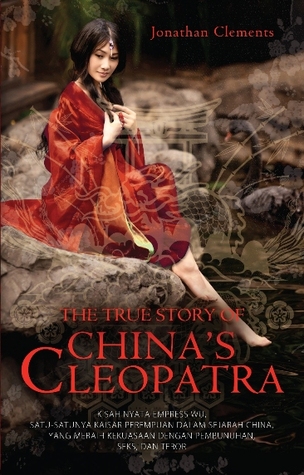
hyokkaysI’m only doing one event at Finncon this weekend, and that’s on Sunday at 3pm when I shall be one of the panel for Aliens in Finland, where I shall doubtless be explaining why there is a battleship named after the Finnish president in Strontium Dog: Ruthless, why the Martian language in Space: 1889 sounds awfully familiar if you come from Finland, and why my next book has a picture of a Finnish girl on the cover being attacked by a mutant eagle. It’s something you’re going to need if “Helsinki in 2017” becomes a reality…

Turning Point

Turning-Point-1997-2008-postMy review of Hayao Miyazaki’s second volume of collected writings is up now on the Manga UK blog. Just a taste:

“It’s crucial, for a long-term understanding of Miyazaki’s legacy, to know just where his priorities were, and the answer is often surprising – more space is given in his afterword to the construction of the Studio Ghibli crèche than to his movies. Nor is this an idle comment – with typical eccentric insight, Miyazaki sees the Three Bears daycare centre not only as a place for his animators to leave their kids, but as a place for Studio Ghibli’s workers to observe their audience in its natural habitat. As ever, he cares passionately about the Child. His producer Toshio Suzuki might always have his eye on the ticket buyer and the bottom line, but Miyazaki remains touchingly involved with the world of the under-tens.”

Poor Little Rich Girls

Is it ever possible to be a happy minion? What do the waitresses and doormen, drivers and chambermaids make of you? Do they despise you behind your back? Do they scoff at your whims with the rest of the staff? Are they writing a book about you? Yes, you.

DrivingTheSaudisDriving the Saudis, by Jayne Amelia Larsen, is a memoir of an actress fallen on hard times, who makes the odd decision to become a limo driver in Los Angeles. She’s left idling in the car park a block away from the parties she once attended, and ferrying dignitaries to buy things she once coveted herself. She hits the sharp end of the American dream, adjudged unworthy of being one of the Beautiful People, and forced back into the service industry. But this is Hollywood, where every waiter has a movie pitch, and every chauffeur has an angle. For an actress, driving a car is an irredeemable fall from grace; for an author, it’s material. When she finds herself conscripted into an army of drivers shuttling a branch of the Saudi royal family around Los Angeles, she starts to keep a diary…

Her clients are ghastly. Some of them are Jew-hating fascists, others are patronising and condescending fundamentalists, although mercifully she is spared any dealings with the men, and merely has to appease a gaggle of bickering soubrettes. There is an overpowering stench of new money, as the capricious princesses demand iPhones on the spot, unaware of the logistics of signing a service contract, and the servants hoard sackfuls of hotel L’Occitane, badgering the chambermaids for more of it, even though they plainly never wash with it themselves. But most of them are simply awful for universally understandable reasons, not because they are racists or fanatics or spoiled, but simply because petrodollars have made them impossibly rich in a land where the customer is always right, able to have literally anything they want by opening a briefcase full of money. Money is power, and you know what they say about absolute power. Maybe Rodeo Drive gets the customers it deserves.

As time goes by, Larsen befriends some of the servants, who sleep five to a room and must hand over their passports, as well as a few clueless princesses: miserable, fidgety things who yearn to watch carefree infidels on skateboards at the beach, before they are taken away to be someone’s third wife in a tent somewhere. Meanwhile, Larsen had enough of a former career to show up on reruns of Judging Amy, leading to a bunch of odd questions from her charges about why she is in the front of a limo instead of the back.OLYMPUS DIGITAL CAMERA

She comes to take a simple, servile pride in her work, immensely proud of herself when she is able to source 40 Chantilly bras at short notice, and to round up all the depilatory cream in Beverly Hills, despite scoring zero appreciation from her bosses. She learns, in the manner of all slaves, not to push too hard to be noticed, and begins hiding her laptop so that the onus ceases to be on her to find 24-hour ice cream parlours and all-night liposuction. But she is also dragged into preposterous power games, as higher-ranking flunkies pass the buck on impossible tasks so that someone else gets fired.

The tension over the revolving-door staffing mounts up as the time ticks by, because a month of 16-hour days, working for cartoonishly unpleasant people, is totally worth it to her if she’s expecting a $20,000 tip and a Rolex. So it goes from being ready to walk out the door at a moment’s notice, flipping the Arabs the finger, to putting up with literally anything in the final weeks, holding out in desperation for that long-awaited gratuity. Larsen artfully teases the reader all along with guessing games about how much the final tip will be.

She struggles to be objective. She reads up on Arab history and culture, and tries in vain to persuade herself that her clients are not deeply-depressed shopaholics, imprisoned by medieval despotism and hopeless fates. Her life in their service has all of the antic chaos of a movie set or military operation, but seemingly achieves precisely nothing, unless you count the fortune shovelled at shopkeepers and thereby funnelled into the American economy. Larsen throws around some impressive statistics, such as the claim that 75% of the world’s couture and luxuries are snapped up by Arabs with more money than sense, who walk around in lonely desert palaces wearing lacy knickers under their burqahs.

There are also glimpses of how civilised people behave — the thoughtful Muslim prince who reads a book every day on his way to college being one of only a tiny handful of the characters who seem remotely likeable; Garrison Keillor, who chivalrously chats her up while she drives him to a book signing; or Kirk Douglas, who admits that he has less posh paintings to show her because he has started selling them off. He is using the money to build children’s playgrounds all over Los Angeles. His quiet philanthropy strikes a rare and noble note in a book populated with gimlet-eyed, grasping termagants, swimming in baths of dirty, sexy money.

Jonathan Clements is the author of An Armchair Traveller’s History of the Silk Road.