With Mark Schilling’s permission, I’m putting up the unexpurgated text of the interview he conducted with me six weeks ago for his article on Japanese animation futures in the South China Morning Post, in part to show how much work goes on behind the scenes to get a sound bite and an article.
 Mark Schilling: You mentioned recently that several well-known anime studios might soon go kaput, but without naming names. Is it mainly a problem of rising costs? Declining revenues? Stiffer competition from Hollywood and elsewhere? All of the above?
Jonathan Clements: Some of it is economics — we’ve lost several minor studios recently, and their rise and fall, or restructuring and rebirth as “New” incarnations of themselves has been a common factor of the industry for decades. Ghibli itself was at least partly formed from the ashes of Topcraft, for example. Japanese studios in the twentieth century were able to function as subcontractors for American animation. That’s sometimes still true, but so many elements of anime production is now off-shored to China or South Korea that anime studios are smaller, and leaner, and more flexible in their behaviours. As Gonzo showed in the late noughties, it’s possible for a company to go almost completely dark, to give up its studio space, to lay off its animators and just coast for a couple of years as little more than a filing cabinet in an accountant’s office, waiting for the foreign residuals to roll in. That’s good for robust business, but bad for an animator’s job security!
There’s a generational issue that many people have spotted in the case of the high-profile retirements at Ghibli, but which is also common to the anime industry. The vision of a single creator, or team of creators, can steer a company and give it a distinctive style or brand, but nobody is immortal. People retire. The anime industry went through something very similar in the 1990s, where a bunch of the first-wave producers cashed in their shares, took their pensions, and handed over their companies to others — it’s what led to some of the big corporate buy-outs like Bandai taking ownership of Sunrise. That was seen at the time almost as a hostile take-over, but for many of the staff it was a welcome hand-over, with one of Sunrise’s biggest and most trustworthy clients taking a direct interest in its output, and thereby preserving the jobs of the employees.
What we have now, and have had for the last few years, is the aging of the Astro Boy generation, not of fans, but of animators. In 1963, Tezuka quadrupled the size of the animation industry, both directly through hirings at Mushi and indirectly through the creation of competition in the market. Those fresh-faced graduates are now in their seventies. Many of them are the leading lights of specific studios and, you know, some of them want to go off and play golf.
 Is the enormous success of Frozen in Japan a one-shot — or a game changer? Will more Japanese studios switch to Hollywood-style 3D CG animation, following the lead of the new Doraemon film? Will Hollywood exploit the fading of Studio Ghibli and become the dominant player at the Japanese box office, especially the animated segment of it?
Hollywood has always been the dominant player at the Japanese box office. There have been occasional spikes in local interest for particular directors or franchises, but Japanese cinema is eternally fighting a rear-guard action to push local product ahead of flashy foreign imports. Until Miyazaki’s late twentieth century successes, Japanese animation flourished like a weed, only in the spaces that The Lion King and Aladdin didn’t grow. Even in the 1990s, only a tiny handful of players like Gainax and Ghibli gave Disney anything close to a run for its money on home video. I think it’s worth considering Disney’s acquisition of Ghibli titles in that light — when Disney (or their subsidiaries) put money directly into Spirited Away, they weren’t just investing in a Japanese talent, they were ensuring that they got a piece of the pie from their main competitor in the Japanese market.
Japan has been slow to take up 3D CG, because it involves massive reskilling and investment in software and hardware. It’s a return to the state of the industry in the 1950s, when Disney product, made at a substantially greater cost to Japanese competition, was swamping the market with a relentless onslaught of material.
I don’t see Hollywood filling any new niche in Japan. Hollywood, in the form of Disney/Pixar and DreamWorks, will keep releasing its big family films and rolling on as before. The likely competition to do what anime does, to compete at a more domestic, perhaps even consciously “Asian” level, is going to come from China. Miyazaki’s retirement merited a sixty-page feature on Japanese animation in one of China’s biggest news-stand magazines, Lifeweek, last October. The implication was clear that this was a business feature, identifying a new market opening, and asking if China had what it took to move in on it.
I’m not saying that China is the new Ghibli. Far from it, the Chinese animation business has a lot to learn, and much of its output is highly derivative. But it is generating an animation labour base bigger than Japan’s every year. Kung Fu Panda 3 is going to be a “Chinese” film for contractual purposes, so even DreamWorks is relying increasingly on Chinese labour. The Chinese already represent two-thirds of the labour pool for what we call “Japanese” animation. Granted, that’s all concentrated in the lower, less-”skilled” echelons, but that doesn’t bode well for the future when the upper ranks of Japanese animation companies are increasingly drawn from the ranks of marketers and managers. It means that there is a very palpable risk that Japanese animation won’t have any actual animators steering it.
 You’ve no doubt read the anonymously sourced story about Studio Ghibli stopping production and becoming a rights management company. Do this strike you as credible? Some of the claims in that piece, such as The Wind Rises still being in the red, seem rather far-fetched to me…
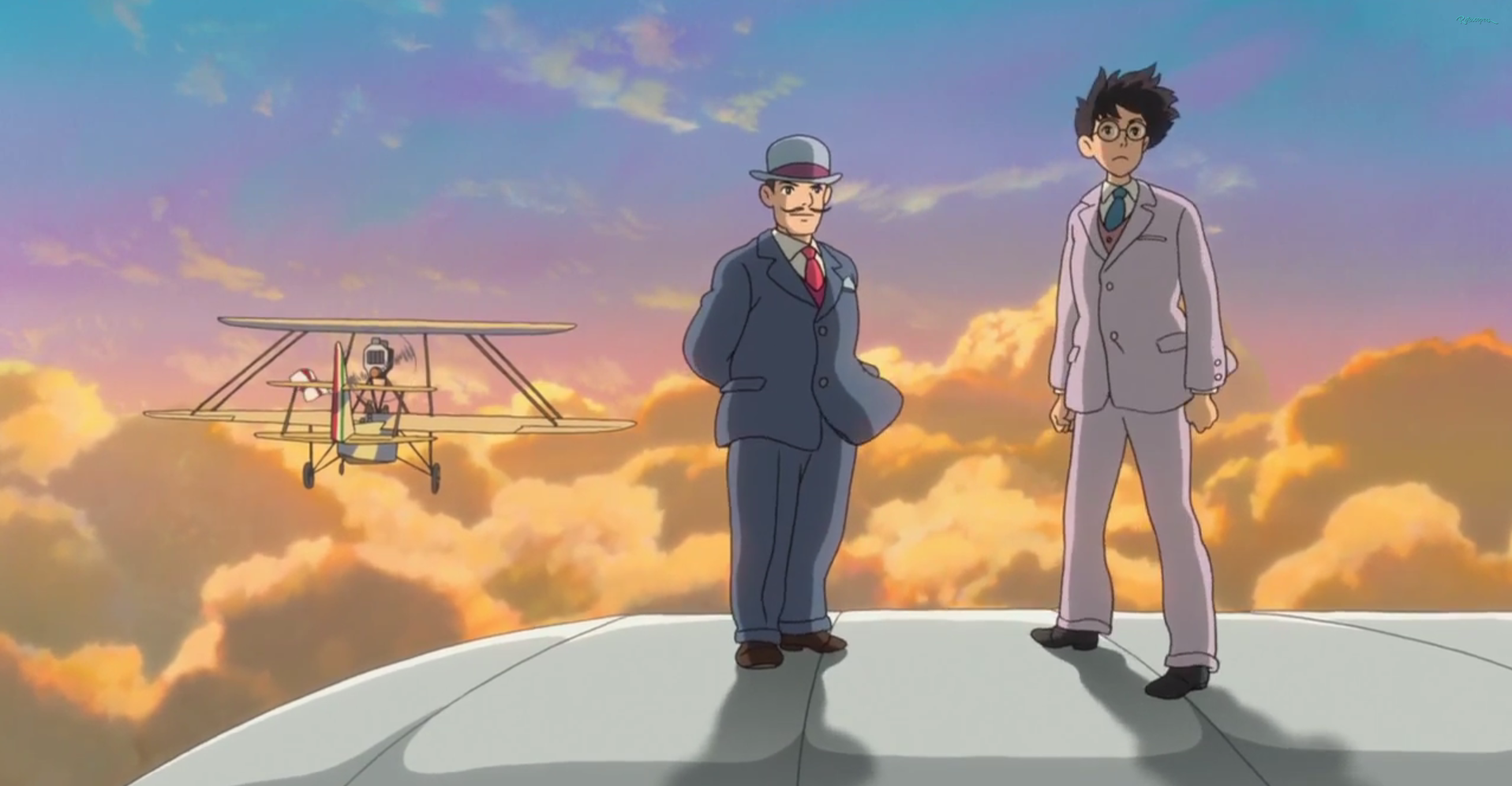
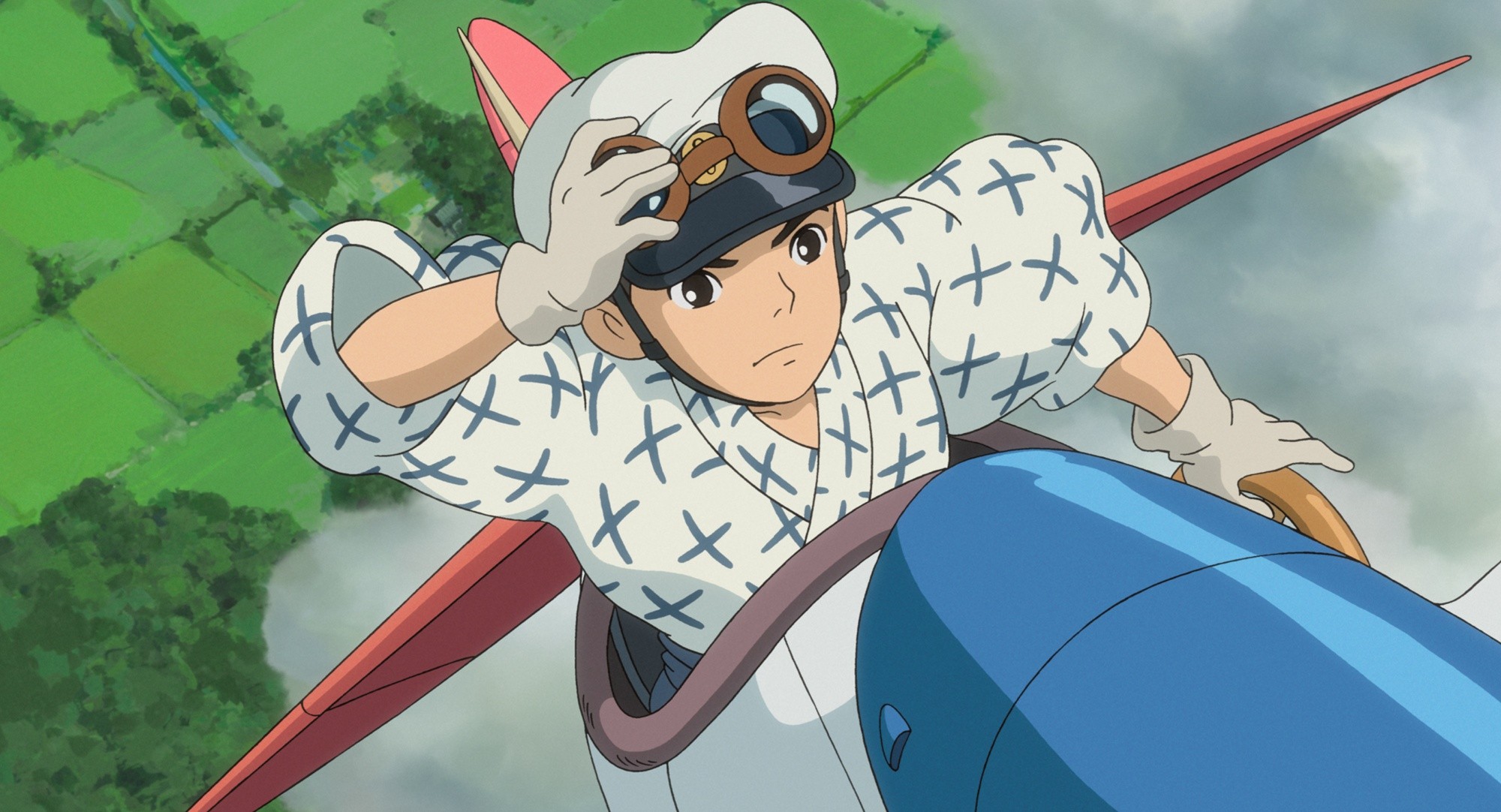
You can see the signs very easily. When Toshio Suzuki was sitting on data that told him that “Studio Ghibli” had a 43% trust rating with the Japanese public, but that the name “Miyazaki” had a 64.2% trust rating, what did he do? He got Miyazaki’s son to direct Tales from Earthsea! I think you can see Suzuki’s very canny, very sharp management insight steering much of the last decade. Even as he retires, he puts a former Disney Japan executive in charge of Ghibli. He builds the Ghibli Museum, which is a classy theme park that generates a movie’s worth of revenue every year. He tries the Goro Miyazaki bait-and-switch manoeuvre, and essentially dares the Japanese public to come and watch the car-crash for themselves. He hypes up this father-son tension in the media, but then gets the Miyazakis working together on Poppy Hill. In the case of The Wind Rises, I see it as another calculated move by the studio, to wring one last box office winner out of Hayao Miyazaki. I like to think of them going to his house and begging him to make one last film to keep the momentum going at the museum and on video, and telling him he can make ANYTHING he likes. Because the subject of that film is so personal, and indulgent, and risky, that I can’t imagine anyone else being allowed to get away with it.
My prediction: in a couple of years’ time Ghibli will go into production on a script “written by” Hayao Miyazaki, just to ring that bell again. He’s effectively given them a 50-title wish-list of children’s literature worth adapting. There is undoubtedly a faction at Ghibli who wants to pivot it towards doing World Masterpiece Theatre, and carrying Miyazaki’s legacy in a different direction, by copying his early TV successes adapting children’s books. That’s why they’re moving into TV with Ronia the Robber’s Daughter, but you can see the Ghibli is only co-producing it. The animation is actually being done by Polygon Pictures.
That The Wind Rises is still in the red sounds ludicrous to me. If it is, it’s only in the movie-accounting sense that Forrest Gump is still technically “in the red.” The Wind Rises did fine.
 People have been talking about various “new Miyazakis” for years, but that we are truly in the post-Miyazaki era, who do you see as leading the industry, if not necessarily inheriting Miyazaki’s crown? If none of your names are from Studio Ghibli, why not?
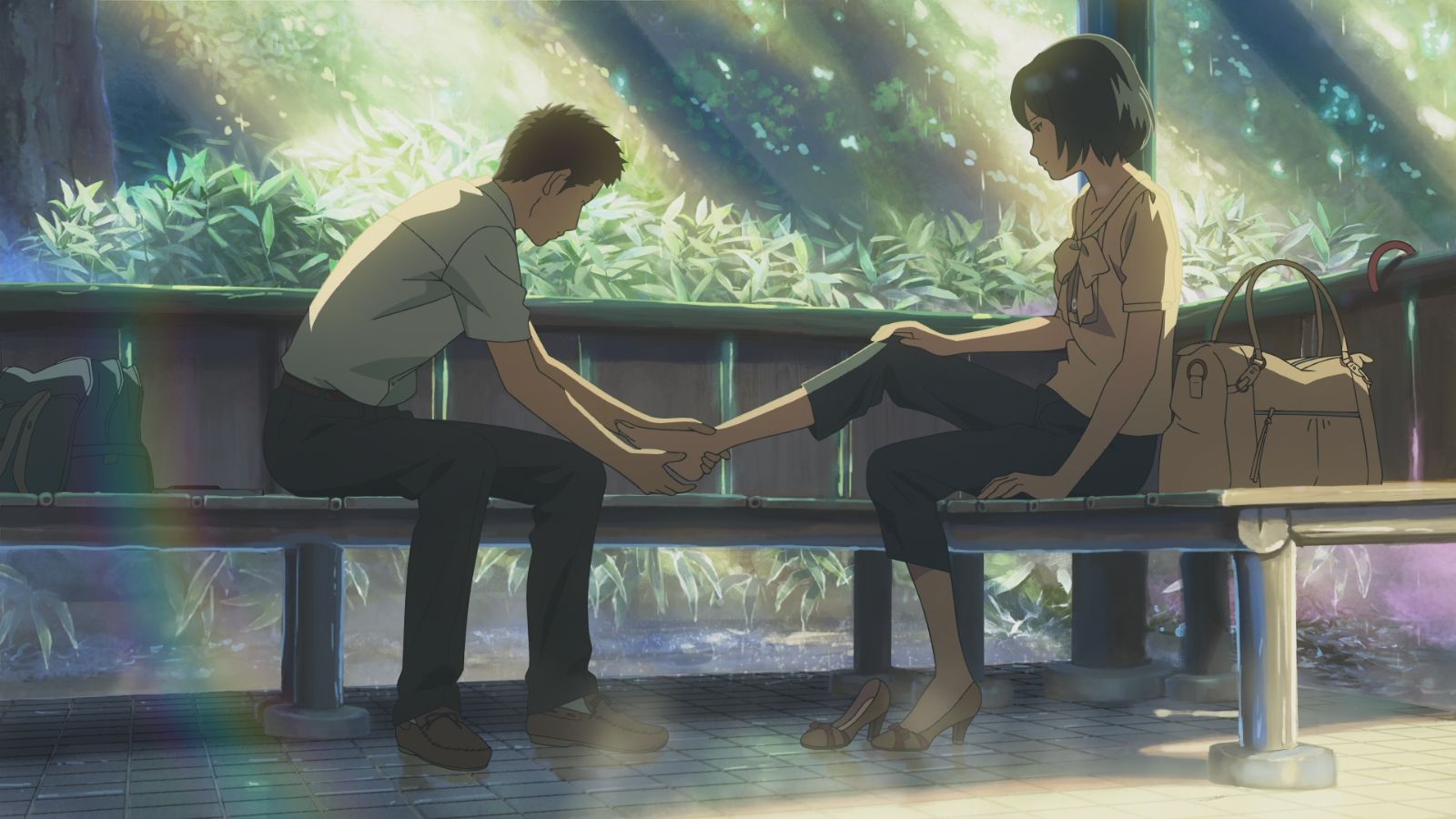
It’s a cliche to talk about the “new Miyazaki.” Japanese animators hate the whole argument, because it usually implies nothing new at all, just a magical cloning of his unique skillset, and his unique, timely rise in the movie market, and with supporters like Takahata and Suzuki. Ghibli was a three-man success story, very much of its time, and you can’t have a new Miyazaki without having a new Takahata and a new Suzuki. It also requires some awareness of what we mean when we ask for a “new Miyazaki”. Because Makoto Shinkai has a lot of Miyazaki’s heart, but none of his “family” appeal. Shinkai has cornered a market in films for people who grew up watching Miyazaki movies, but he doesn’t make movies for tomorrow’s families. I guess that’s the problem, there. It’s not about who the new Miyazaki is, it’s about who the new audience is. It’s now easier in Japan to buy diapers for old people than for kids. The kids’ market is shrinking, and that further reduces your chances of making blockbuster money on a family film.
Studio Ghibli actually tried to grow the new Miyazaki themselves, in several abortive attempts to co-opt big-name talents like Mamoru Hosoda. The fact that Hosoda didn’t fit in at an increasingly management-oriented Ghibli is actually a sign of his true potential, far more than staying there would have been!
They also brought in a dozen promising animation assistants and put them to work directly with Miyazaki and Takahata to foster a new generation of talents. That was called the Higashi-Koganei Sonjoku scheme, and its graduates stand a good chance of making waves over the next ten years. People like Masayuki Miyaji, for example, Masashi Okumura and Kenji Itoso.
But ironically, Miyazaki’s own shadow looms so large that it’s difficult for someone to turn up at Ghibli with a distinctive voice and not have it shouted down by risk-averse managers. Goro Miyazaki’s films often look like a committee trying to recreate his father’s successes, and that should come as a surprise to nobody. Ghibli was lightning in a bottle, and rumours about its move into legacy management are only logical — I think what people forget was just how darn lucky Disney was that Pixar could show up at the right moment and completely revitalise its output with fresh ideas and fresh technology, and real talents. Ghibli doesn’t have that. Ghibli doesn’t have a powerful competitor that it can embrace and merge with.
Jonathan Clements is the author of Anime: A History and Modern Japan: All That Matters.

 I’ve been wondering for a while when the Doraemon bomb was going to go off. Every time I’ve been to China in the last three years, amid ever-escalating sabre-rattling over the Senkaku Islands, I have found the locals avidly denying any interest in Japanese culture. I have found media students unprepared to work on papers about anime, for fear that the word “Japan” will be on their resumé ever more. And I have watched, every day, as two Japanese invaders march in right under Chinese noses.
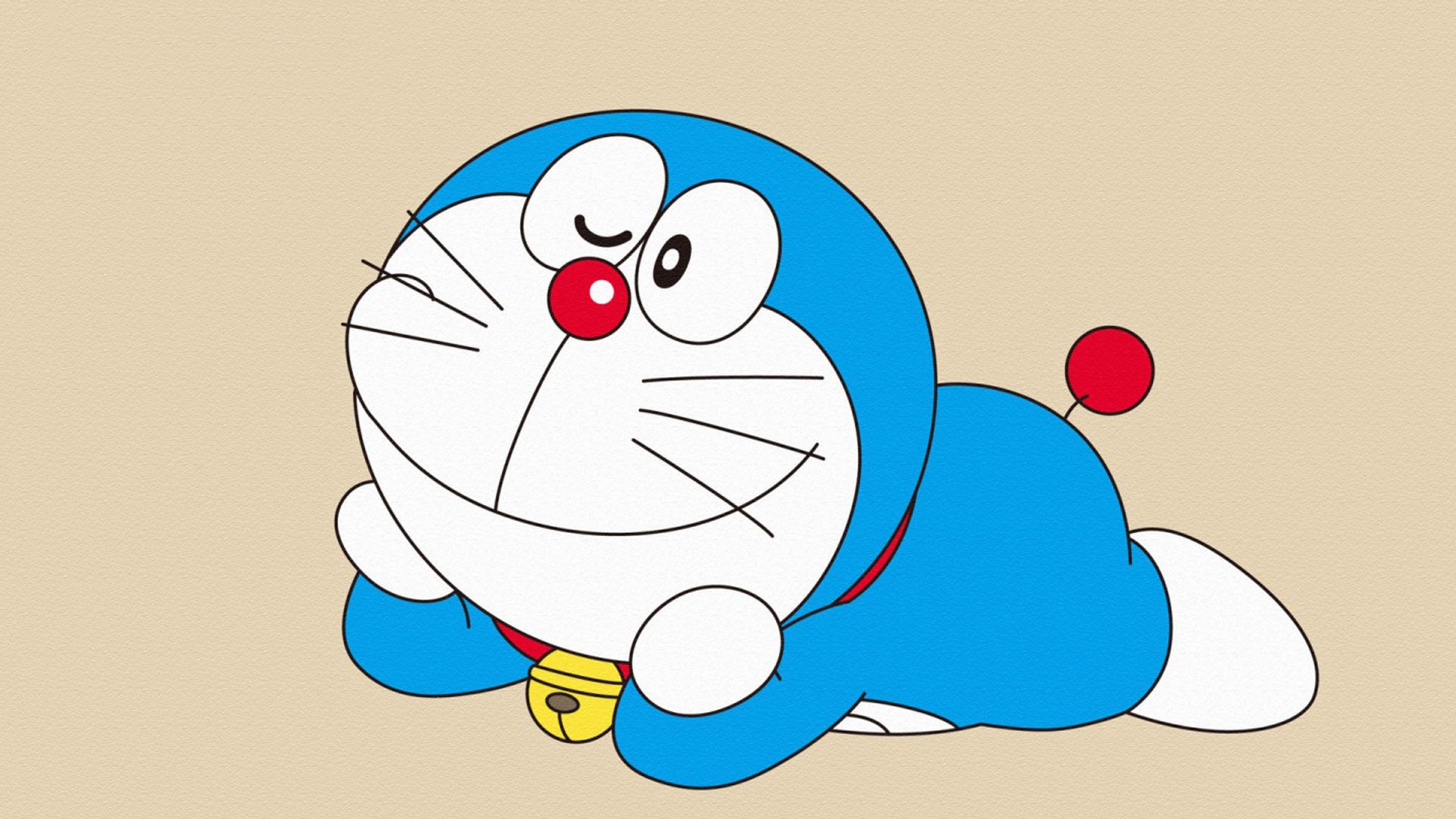 The other is Doraemon, that time-travelling blue robot cat who recently enjoyed the surprising honour of a 12,000-page manga translation funded by Japanese government boondoggle money. Doraemon remains a popular movie and TV figure with anime audiences, but was also the subject of so much manga piracy in decades past that he is known by several different names in the Chinese world. My favourite is Ding Dang the Robot Cat (ding-dang, you see, being Mandarin for ding-dong, if you ever need it). He’s even the subject of an exhibition in Hong Kong, which trilled, unwisely, about his true origins.