To Suzhou, China, where the slow clamber back to post-Covid tourism suffered an embarrassing knock this August, when a woman was arrested for wearing a kimono. She had been cosplaying as Ushio Kofune from Summertime Rendering, and was berated by a police officer for dressing up as a Japanese person.
Apparently, everything would have been fine if she had been wearing Hanfu, or traditional Chinese dress.
“If you came here wearing Hanfu, I wouldn’t say this,” he can be heard yelling on snatched phone footage. “But you are wearing a kimono, as a Chinese. You are a Chinese! Are you Chinese?”
The woman’s social media handle was Shi yingzi bushi benren, “This is a shadow, not my real self,” which seems like an aptly self-aware comment on the nature of costuming. Such subtleties, however, were lost on the authorities, who questioned her for five hours until 1am, searched her phone and took away her costume.
One wonders about the context of such an arrest, in a city that, until now, has been famed for its laid-back quality and friendly attitude. My sole encounter with the authorities in Suzhou’s shopping precincts was when I was photo-bombed by a security guard who then pranced off, giggling. But that was in 2017, and a lot has changed over the last five years. Attitudes towards Japan have certainly frosted over, particularly when it comes to cosplaying, which has come to be seen in some quarters as some sort of badge of sedition.
Clearly, clampdowns on Japanese media in China can’t have been that draconian, as otherwise how would she even know what Summertime Rendering was? Yasuki Tanaka’s manga first appeared five years ago, but one assumes the sudden interest in Suzhou was occasioned by Ayumu Watanabe’s anime adaptation, which only ran on TV Tokyo in April this year – both manga and anime versions are accessible in China through the online service BiliBili.
If anything, Summertime Rendering is a cultural ambassador for China, since one of its episodes is essentially a history lesson about how sushi originated there, and is not a Japanese creation by any means. You would think that the Chinese would be super-excited about such as assertion, but instead social media is awhirl with people asking if even dressing up is now off the table.
Jonathan Clements is the author of Anime: A History. This article first appeared in NEO #224, 2022.
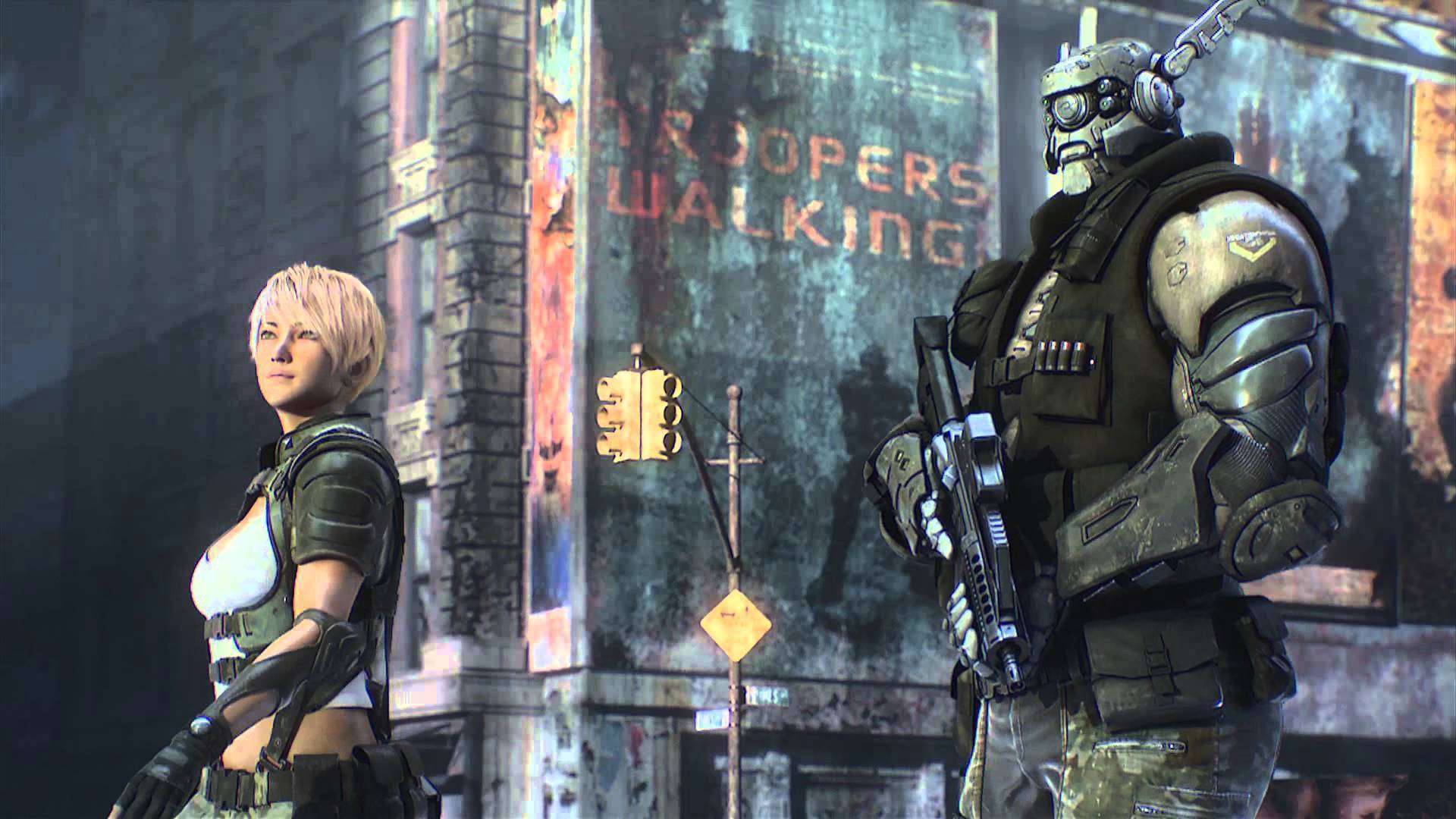
The Appleseed franchise has ever been the Cinderella at the anime ball, never quite making the right connections to realise its potential. It was a state-of-the-art cel anime in the year before Akira wiped the floor and changed the rules. It was a forerunner in CG animation before getting bogged down in an acrimonious fight between its producers, some of whom wandered off to make Vexille, while others stayed around for Ex Machina. Despite having the potential to pack similar punch to its sister title Ghost in the Shell, it has been defeated in the past by a series of naff scripts and gung-ho interpretations, hobbled by the limitations of under-funded CG.
Shinji Aramaki’s Appleseed: Alpha is a marked improvement on previous Appleseed CG features, although the bar has been set so incredibly low that that in itself is not much of an achievement. Set before the opening of the manga, in a post-apocalyptic New York and the Wild West desert that is apparently nearby, it plumps for an intriguing zombie aesthetic in its cyberised goons, mixing biomechanic textures, chrome implants and carbon patches with distinctive camo-influenced body art. The film’s design excels at showing rather than telling, hinting at the messy clean-up after a high-tech war, and offering a world in which Deunan Knute appears to be the only unaugmented human – at least, the only one we see.
With a series of box-ticking MacGuffins, wandering-monster encounters and vaguely defined side missions, Appleseed: Alpha feels all too often like one is watching someone else playing a computer game, not the least because several crucial moments are bodged or oddly framed, so that it is not always clear what’s going on. A series of level bosses have convenient Achilles heels, and a series of coincidences serve to impart the feeling of playing on rails, even with the whole of the American wilderness to explore. The plot is so bonkers that even the cast seem incredulous at some of its twists, while there are some odd slips of logic – like a kingpin who is prepared to leave his office to do his own grunt work and a vaccine that nobody seems to actually need.
The script itself is one of the greatest mysteries, packed with redundancies, half-hearted exposition and a series of quips that are less dialogue than they are “barks” – one-liners yapped at one another by sprites in a game when someone presses a certain button or stands on a certain place. The notable exception to this is Chris Hutchison as Dr Matthews, who imparts real meaning and character to his clichéd dialogue. The other voice actors do their best with their one-dimensional material, but are infected with a Marvel Comics virus that forces them to repeatedly think of something witty to say in the middle of every strenuous fight. Credited to a non-Japanese writer, it appears to be the “original” language of this Japanese film, with lip sync matching English words, much as the characters in Resident Evil added a cosmopolitan cachet by speaking English even in the Japanese game.
Oddly, the smart decision to make this latest film a prequel to the action of the original is undermined by the inclusion of a plot device that earlier versions have used at least twice before – a rogue robot tank. The comedically indestructible gang leader Two Horns blunders through the story like an NPC with a malfunctioning loyalty algorithm, sometimes threatening to kill everybody, sometimes lending a hand, accompanied by random bodyguards who forget to leap to his defence when he is threatened, allow armed enemies to walk into his office, and turn out not to be able to shoot straight, even when they open fire. He is involved in his own private war with the rival cyborg Talos and a sleek lady-android, who turn up late to the party like dinner guests who couldn’t find anywhere to park.
Many elements of the film recall 1980s cyberpunk, with several shots recalling iconic moments from James Cameron movies. But this could easily be another design decision, recalling the inspirations that were so obvious in Masamune Shirow’s original manga. Appleseed: Alpha is a step closer to the idealised Appleseed franchise that producers and fans undoubtedly dream of, but one wonders how many more missteps it will take before it actually delivers the goods. For the crowd at the screening I attended at Glasgow’s Scotland Loves Anime, much of the film’s shortcomings were taken on the chin and greeted with increasing, good-natured hilarity, as if we were watching a much-loved cheesy action movie from our childhood, complete with quotably corny dialogue and a plot written by a teenage dungeon master who just wanted to get to the fight scenes.
Jonathan Clements is the author of Anime: A History. This article first appeared on the Manga UK blog in October 2014, and is reprinted here after the disappearance of that website.
“Although Ichikohji relentlessly focusses on the big picture, his narrative implies the existence of actual personalities who must have had some blistering complaints to voice. He alludes, for example, to the difficulties of implementing software updates when a company is trying to work 24-hour days on two simultaneous productions, which made me feel for Toei’s anonymous I.T. managers.”
Over at All the Anime, I review Takeyasu Ichikohji’s new book A Development Strategy for Hybrid Products: The Case of the Japanese Animation Industry.
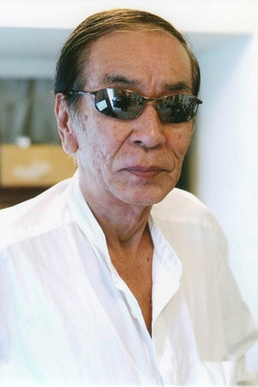
Kiyoshi Kobayashi, who died of pneumonia [in July], hated the term “voice actor.” He found it to be belittling and reductive, and insisted on describing himself on documentation and contracts as a plain actor. Despite this, a huge amount of his work was narration or dubbing, and he actively shunned the limelight, claiming that it was detrimental to his performances if people formed an image in their minds of the man who played them.
He started off in theatre, drifting into radio and television in the 1950s after he was approached to perform in an adaptation of The Caine Mutiny. A key player in the Izumiza theatre company, he devoted himself to television when the company folded in 1971.
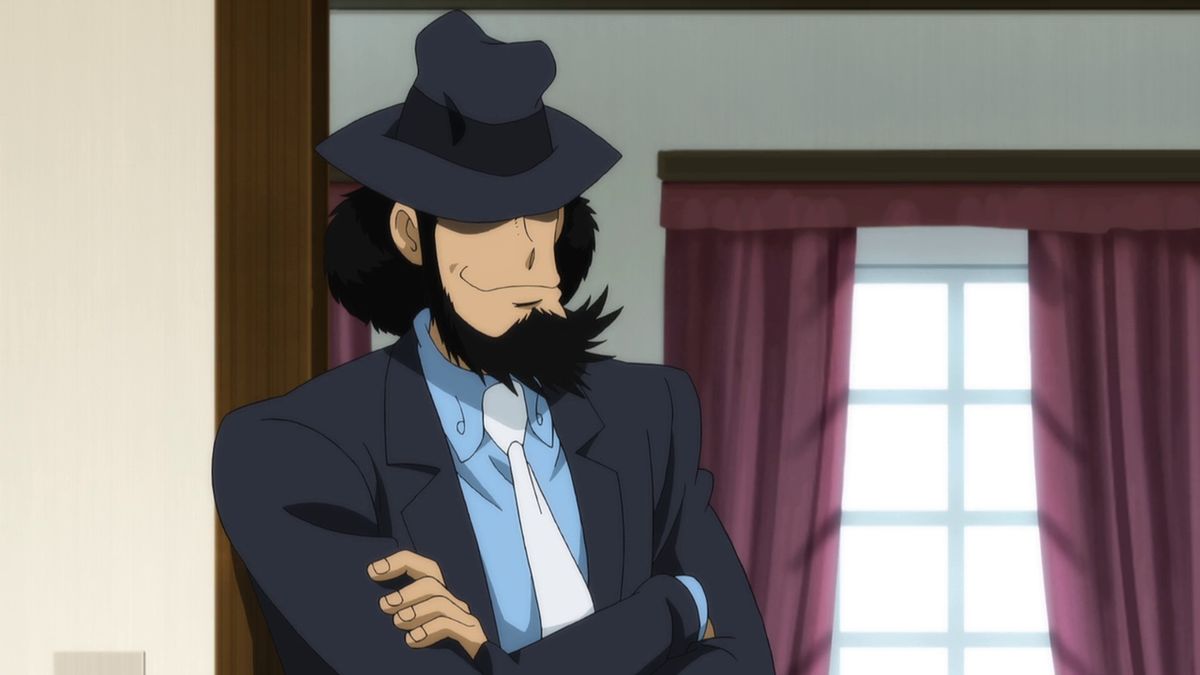
His early roles included parts in Star of the Giants and Yokai Ningen Bem in the 1960s, but his true heyday was in the 1970s, when he began playing the sharpshooter Daisuke Jigen in the Lupin III series.
“I didn’t think it would become such a popular work,” he once said of Lupin III. “I thought at the start it would be just another job. But I was soon saying, I want to do this as much as possible.”
In fact, he would keep doing it for the rest of his life, remaining in the role of Daisuke Jigen throughout the TV series, films and TV specials. In 2011, when the decision was made to retire the original cast in favour of new blood, Kobayashi expected to be given his marching orders, but was kept on, being told that they couldn’t find anyone to replace him. He did not actually retire as Jigen until 2021, after over fifty years of service.
Jigen, of course, was not his only role. He appeared in many other anime, including stand-out performances in Space Adventure Cobra (Crystal Bowie), Death Note (Watari), and the Japanese dub of Teenage Mutant Ninja Turtles (Splinter). But his true metier was live-action dubbing, in which he became the go-to guy for voicing Japanese versions of Lee Marvin and James Coburn and even, after the death of his Lupin co-star Yasuo Yamada, Clint Eastwood. If producers needed someone whose voice could send a shiver down the audience’s spine, be it Ming the Merciless in Flash Gordon, or Edward Teague (Keith Richards) in Pirates of the Caribbean, they made sure to make Kobayashi their first call.
When asked what his secret was with Jigen, he once confessed that it was the only role he ever played where he had never bothered to “act” at all. In everyday life, he said, “If I speak, it’s Jigen.”
Jonathan Clements is the author of Anime: A History. This article first appeared in NEO #223, 2022.
“Unlike the protagonist of Kyoto Stories, I was never invited as a bonus extra to a wife swappers’ party. Nobody quizzed me about the size of my genitals. I was never offered a bit-part in a B-movie where I had to dress up as a brothel-creeping American GI. At no point, in my teaching career, was I ushered into a room with two gangsters, and ordered to take them from zero to fluency in two months, or else.”
Over at All the Anime, I review ex-Ghibli employee Steve Alpert’s Kyoto Stories, a gleefully unreliable memoir about someone‘s student days.
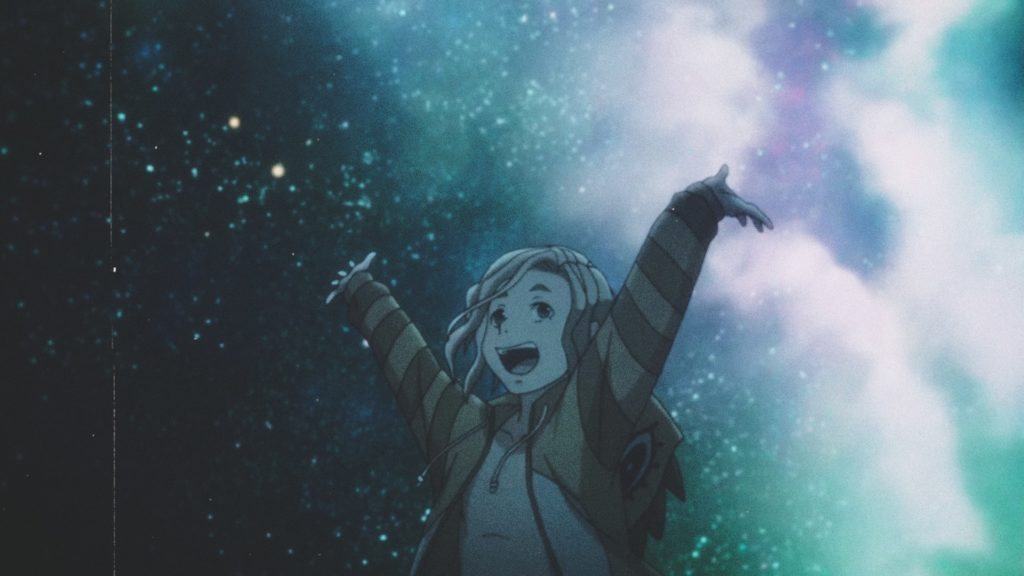
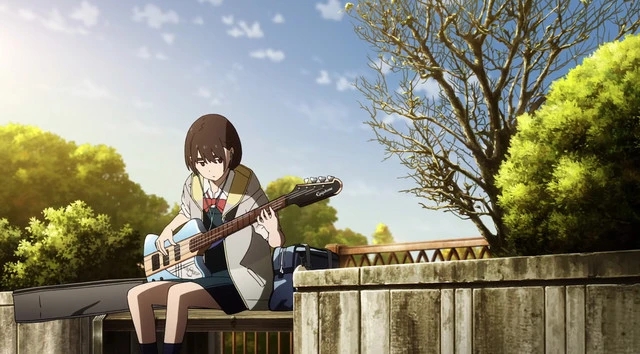
Tune in for me, as festival jury chairman, with Anime Limited’s Andy Hanley and this year’s guest curator Kambole Campbell, as we discuss the films at this year’s Scotland Loves Anime: Blue Thermal, Goodbye Don Glees, Tunnel to Summer Exit of Goodbyes and Break of Dawn. Spoilers galore, out of necessity.
The architectural movement I mention is the Metabolists.
“The band’s first performance is sure to put goose-bumps on the skin of Japanese (and British) viewers of a certain age. For old-timers like me, and anyone else who saw the NHK TV show Monkey on BBC re-runs or Blu-ray in the years since, the opening bars of Godiego’s ‘Gandhara’ are unmistakeable, along with its doleful yearning for an unattainable utopia, tying it directly to the concerns of the film.”
Over at All the Anime, I write up Mari Okada’s Her Blue Sky.
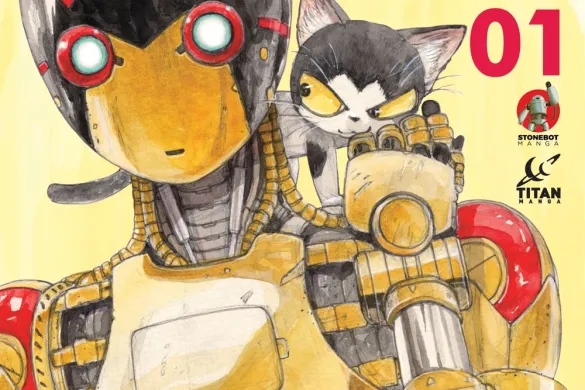
Several months ago, Motoko Tamamuro and I embarked on a massive multi-volume translation project for a couple of intriguing manga serials. The first volume of the first of those is out now. Atom is written by Masami Yuuki and drawn by Tetsuro Kasahara, and is a prequel to Osamu Tezuka’s Astro Boy, reimagining the older characters from that classic show back in their college days.
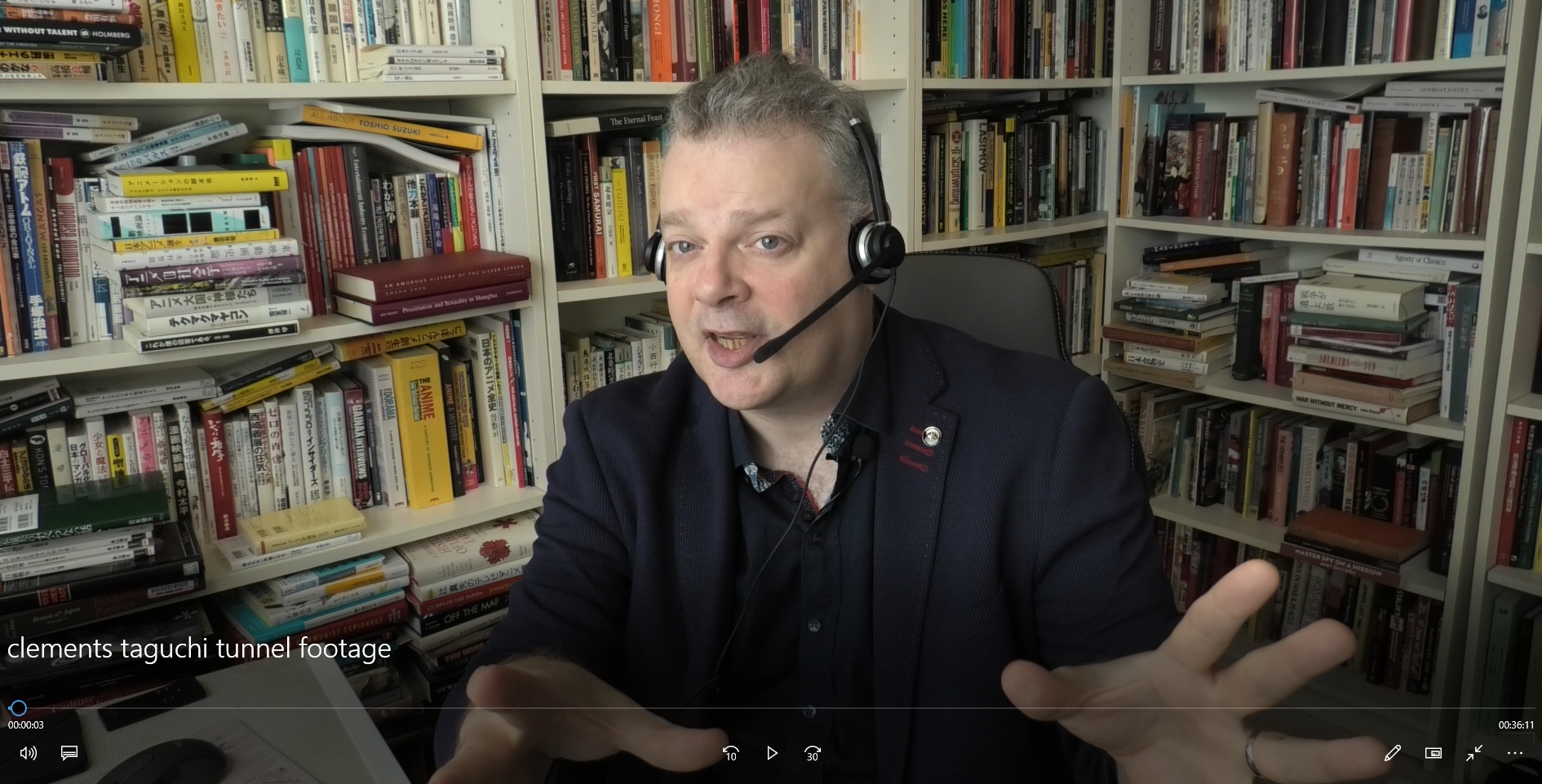
One of the unexpected holdovers from the COVID era has been an increased willingness to pre-record interviews to run after the films at Scotland Loves Anime. So instead of lurking in the wings, or sitting through something I’ve already seen at least twice, or standing alone on a stage and desperately filling for five minutes while the staff drag someone out of the scarf shop (naming no names), I can introduce a film and then go home, secure in the knowledge that I will be popping up onscreen when it’s over and chatting to the director.
This, however, has created a whole load of new requirements – my home studio now boasts a camera that go up to 4K footage, lavalier microphones, a Noco jump starter that doubles as an independent power source, and a family used to me shouting “Everybody shut up for an hour. Mamoru Hosoda is back to talk about Paw Patrol.”
Back in the National Geographic days, I had a whole bunch of staff to faff with things like lights, lenses and sound. In the impoverished world of anime extra-filming, though, it’s just me, and a bunch of sarcy comments on Twitter about the state of my office bookshelves.




 The Official Schoolgirl Milky Crisis Blog