“Made with the cooperation of the Finnish tourist board, the film is literally swimming with careful moments of product placement and what the Japanese call ‘holy land’ locations inviting a real-life visit, such as the Yrjönkatu Swimming Baths, the first and oldest public swimming pool in Helsinki, built in 1928. At the time they were filming Yoko’s solo dips, the pool had only recently allowed swimmers to wear clothes at all – until 2001, it had been nudist by decree.
“On the subject of clothes, Masako loses her luggage on arrival in Helsinki, and is obliged to dress with whatever she finds in the Helsinki shops until it is recovered. Surprise, surprise, all she seems to be able to rustle up are eye-stingingly expensive clothes from Marimekko, the world-famous Finnish brand. But the company has a strong connection to Japan, unknown even to many Finns, since one of its leading textile designers, designing 400 fabric prints from 1974 to 2006, was a Japanese man, Fujiwo Ishimoto. Today, he is back in his native Japan, where his own fashion brand, Mustakivi, derives its name from the Finnish for ‘black rock’.”
In a rare conjunction of my interests, I am asked to provide a video essay for the forthcoming limited edition Australian release of Naoko Ogigami’s Kamome Shokudo (2006), a film about a Japanese woman who opens a cafe in Helsinki.
“Now the monks working for Kashinkoji are specifically described as Negoro monks, who were a real-life group operating out of the Negoro temple in Kii province, who were famously and obviously much more military than they were monk-y. They were legendarily accomplished not only with muskets, but with gunsmithing, and archery, and would be a major playing pieces in the samurai battles of the 1570s and 1580s.
“After their temple was destroyed in 1585, some of them ended up fighting for other clients, most notably forming some of the best musketeer platoons in the army of Tokugawa Ieyasu. And this film is set, as best as I can tell, somewhere in the late 1560s, shortly before the historical death of Matsunaga, so possibly the temple has yet to be destroyed.
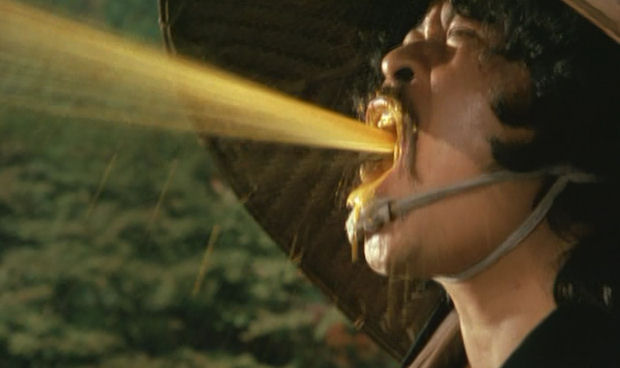
“So the opponent here is a monk called Suijubo, the Fluid Spitting Monk, played by Gajiro Sato, who was a familiar face to mainstream Japanese audiences. He played another monk, although not one who vomited viscous gunge, in almost every installment of the Tora-san movies, for decades. He only missed one, due to a car accident, but he was still credited on the poster!
“That punch perm you see really marks him out as an unusual character in a period drama, but it was a part of his general look, and was a feature of many of his onscreen appearances throughout the 1960s and 1970s.”
From my commentary track to Arrow’s forthcoming UK/US release of Ninja Wars.
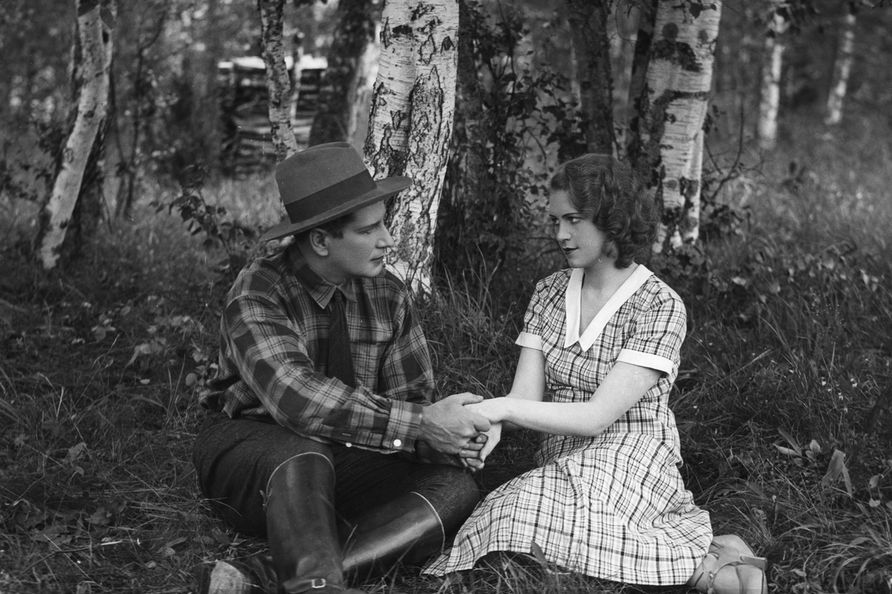
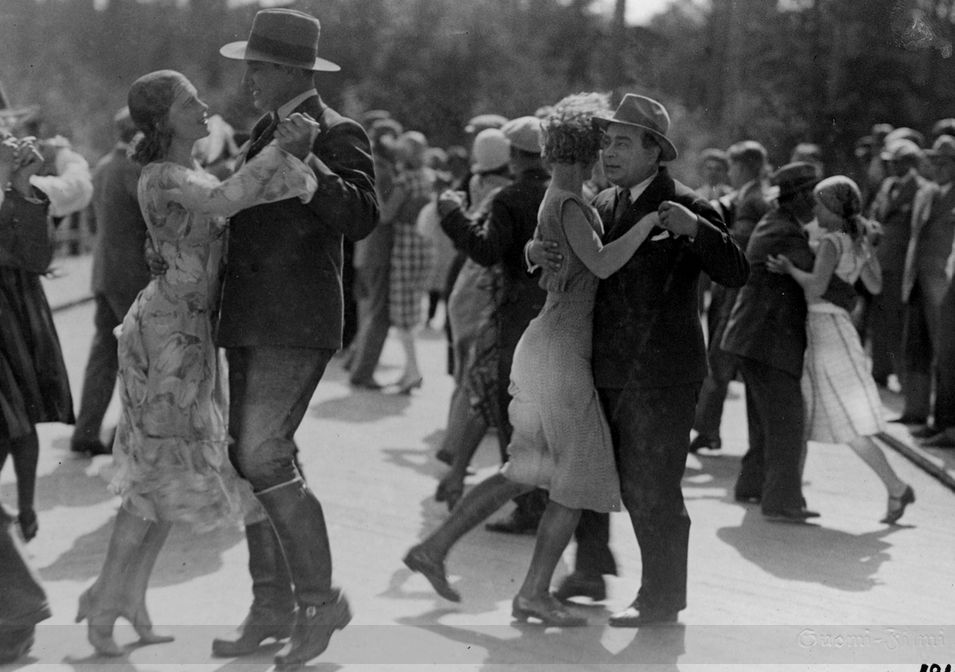
It’s Midsummer Eve, and the youth of a Finnish village have gathered for a big party. Eetu Mikkola (Aku Käykö), heir to the wealthiest estate in the region, asks the pretty Leena Kosken (Helena Koskinen) to dance, to which she agrees with great reluctance. Seeing that Eetu’s advances are growing increasingly unwelcome, logger Erkki (Urho Somersalmi) diplomatically calls for a dance in the round. Eetu bristles with irritation at the interference of the logger gang, and starts trying to whip up the local folk against them over the course of several evenings.
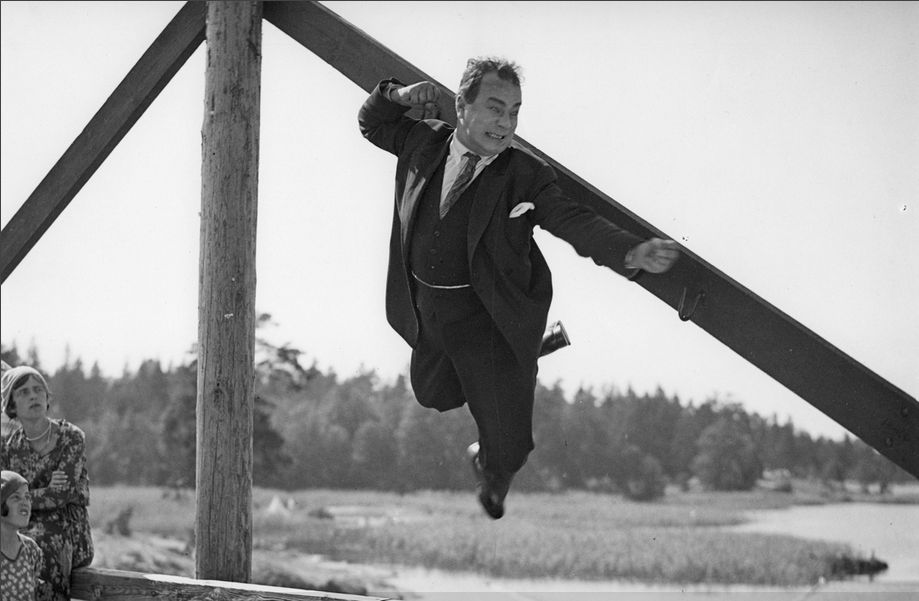
Eventually Erkki bodily lifts Eetu off the ground and hangs him from a bridge support, and when that fails to shut him up, he throws him in the river. The stand-off continues, between gangs of rich boys and blue-collar folk, while Erkki and his fellow loggers gather beneath Leena’s window to sing a serenade.
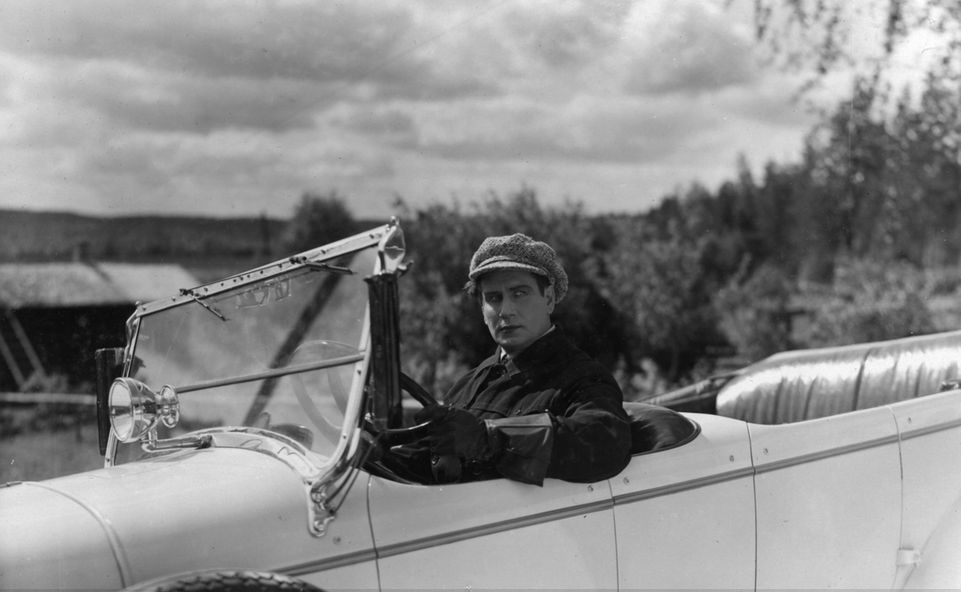
Called away to see his sick mother, Erkki asks Leena to wait for him, and gives her a ring made of birch bark. While he is away, the mansion where Leena lives is put up for sale, becoming the subject of a fierce bidding war between Eetu and a wealthy investor, who turns out to be Erkki’s father. Erkki the presumed penniless logger rolls back into town in an open top car for the traditional Finnish homily that money doesn’t matter, but it really helps, and the young couple race off to the altar.
The origins of this Finnish film blog lay in the release of a DVD box set of all the films of the Suomen Filmiteollisuus company a few years ago. What this means, is that although it aims to be complete, I have yet to go back before that company’s foundation in 1934 to watch the decade of movies that came before it. This Midsummer’s Eve, I caught Tukkipojan morsian on television, and decided to throw it in out of order.
Billed as the tenth anniversary production for the studio Suomi-Filmi, and Finland’s “first 100% talkie”, The Woodcutter’s Bride is a fascinating study in film technology. A few scenes are indeed recorded in studios with microphones, but much of the film is shot wild outdoors, overdubbed with sleight of hand, as characters retreat into the distance or turn their backs to avoid lip sync issues, narrate scenes in post-production, or take a back seat for long, space-filling song and dance numbers.
Large chunks of the drama are portrayed in mime, which writer-director Erkki Karu cunningly renders part of the story, by setting so much of the action at raucous barn dances, where nobody can make themselves heard.
Writing for the Helsingin Sanomat, reviewer Erkki Kivijärvi totally got it, praising the film for its depiction of “summer idylls, Midsummer bonfires, girls in national costume carrying milk churns, bridge dances, fights… rafting and other picturesque phenomena of our rural life – both everyday and sacred.”
The anonymous reviewer in Svenska Pressen gushed about the film’s “novelties in the choice of characters, camera settings and editing,” which only serves to remind us that even hoary old clichés were young once. Here, we see the roots of uncountable later productions like Rich Girl (1939) and Scorned (1939) – the good-hearted salt of the earth, the girl pressured into an unwanted marriage, the Finnish stand-off between good-hearted boys who work with their hands, and an entitled class of monied dastards. Since the title also constitutes a synopsis, the conniving Eetu is little more than a plot device, but theatre actor Aku Käykö brings a bewitching presence to the screen. For some reason, his eyes glint and flash in the camera, giving him a feline, replicant aura that I have failed to catch in my screengrabs.
In the role of the young male lead, the forty-something Urho Somersalmi is pushing his luck. He was destined to be superseded by a new generation of male leads in the next few years, and indeed, we are witnessing them, in turn, aging out of the spotlight in the 1940s in the main strand of this Finnish film watchathon. Then again, this would not be the last Finnish film to feature middle-aged men duelling over the affections of a barely-legal girl. See, for example, The Bachelor Patron (1938).
Love interest Helena Koskinen is bright and feisty, holding her own for as long as she can against Eetu’s effortlessly wielded privilege. Her film career fizzled out in the wake of The 45,000 (1933), an earnest film about the spread of tuberculosis, but not because of any lack of talent. She was one of the casualties of director Karu’s cataclysmic falling-out with the board of his own company, after which he stomped off to start a new studio, Suomen Filmiteollissus. Which is where we came in, with Our Boys in the Air (1934).
Jonathan Clements is the author of A Short History of Finland. He is watching all the Finnish films, so you don’t have to.
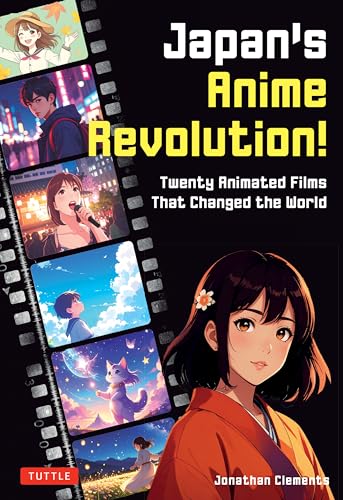
“…lives up to its title as a thoughtful discussion of how twenty select, enduring, and iconic anime transformed cinema worldwide… Jonathan Clements provides his unique insights into the evolution of an artistic medium. Thoroughly detailed yet accessible to all backgrounds, and replete with fascinating, little-known vignettes about historic anime and the people who created them, Japan’s Anime Revolution! is a ‘must-read’ for anime connoisseurs and highly recommended for both personal and public library theatre/cinema studies shelves.” — Midwest Book Review
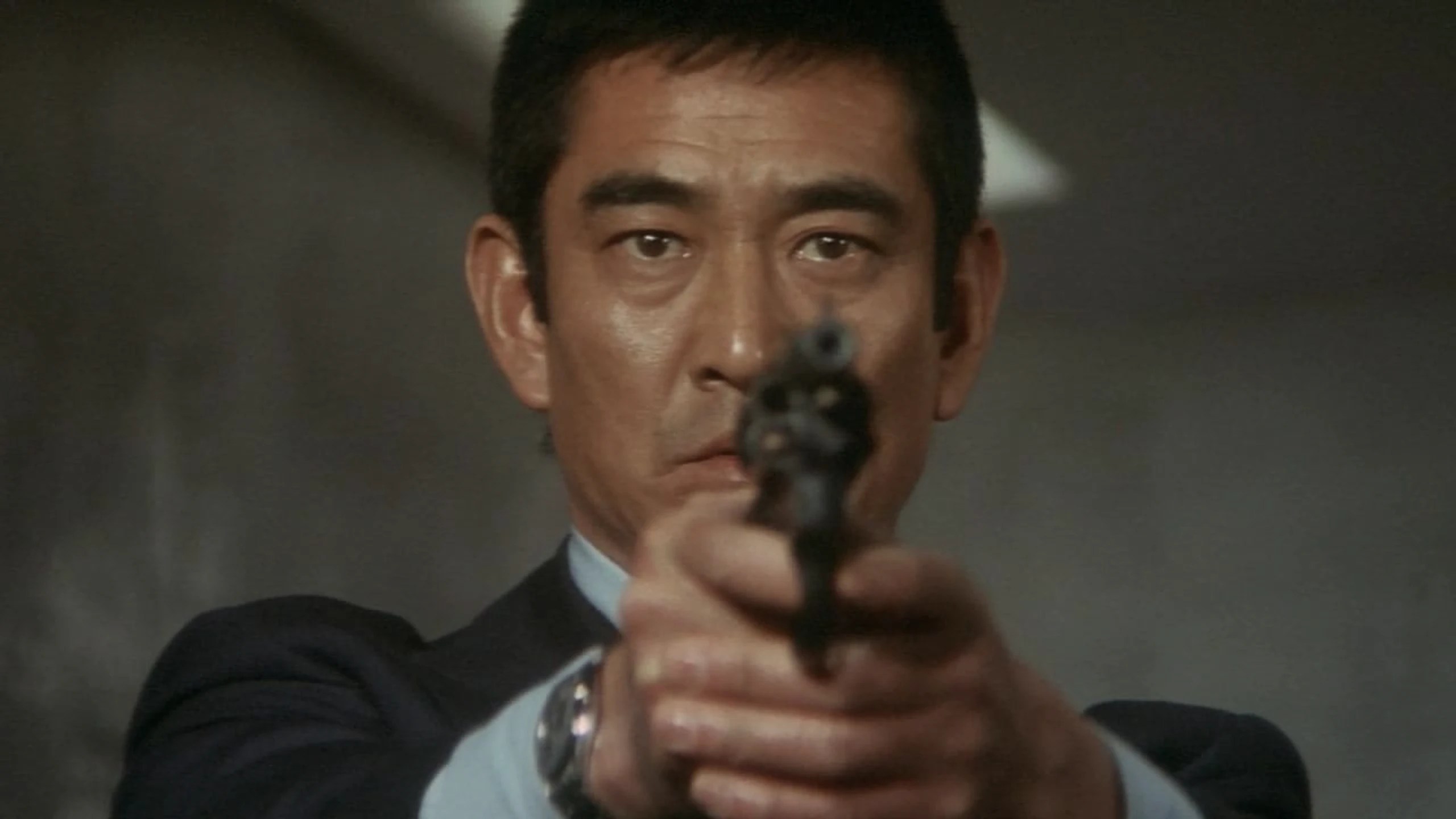
In September 1978, Manhunt became the first Japanese film to be released in China since the Cultural Revolution, arriving as one of three movies presented at a Beijing “Japanese Film Week” – the others were Kei Kumai’s Sandakan No. 8 (1974) and Koreyoshi Kurahara’s The Glacier Fox (1978). It subsequently went on a national release in 1979, and circulated in multiple prints for years thereafter.
A 1999 survey reported that a staggering eighty percent of Chinese respondents claimed to have seen the film, some as many as ten times. It is for this reason that one sometimes sees Japanese claims that the movie was seen by 800,000,000 people – an extrapolation that assumes that the respondents tracked with the population of China as a whole. And yet, the film was indeed seen by a remarkable number of people, from the cinemas of Beijing to open-air travelling performances in rural valleys. In his book A History of a Billion Chinese People’s Passion for Japanese Film (2006), author Liu Wenbing recounts his first viewing of Manhunt as a teenager in the 1980s, at an outdoor screening in the countryside, in which ten thousand people took their places on one side of a cloth screen, while another eight thousand watched the film in reverse aspect, from the opposite side of the projection.
Audiences in the People’s Republic were bewitched by what had been entirely everyday location work in Tokyo. For a nation where the bicycle was the standard mode of transport, audiences were amazed at the sight of streets thick with automobiles. From the funky opening music, and the very first shot – an aerial image of the Shinjuku skyscrapers – Manhunt offered Chinese cinema-goers a window into a different world. The rooftop showdown, likely to have been chosen simply for ease of shooting without disrupting traffic, takes on a new meaning when one imagines an awestruck audience, ignoring the fisticuffs in the foreground to gaze in wonder at the Tokyo cityscape.
From my article in the Umbrella (Australia) Blu-ray booklet for the Japanese film Manhunt (1976), starring Ken Takakura.
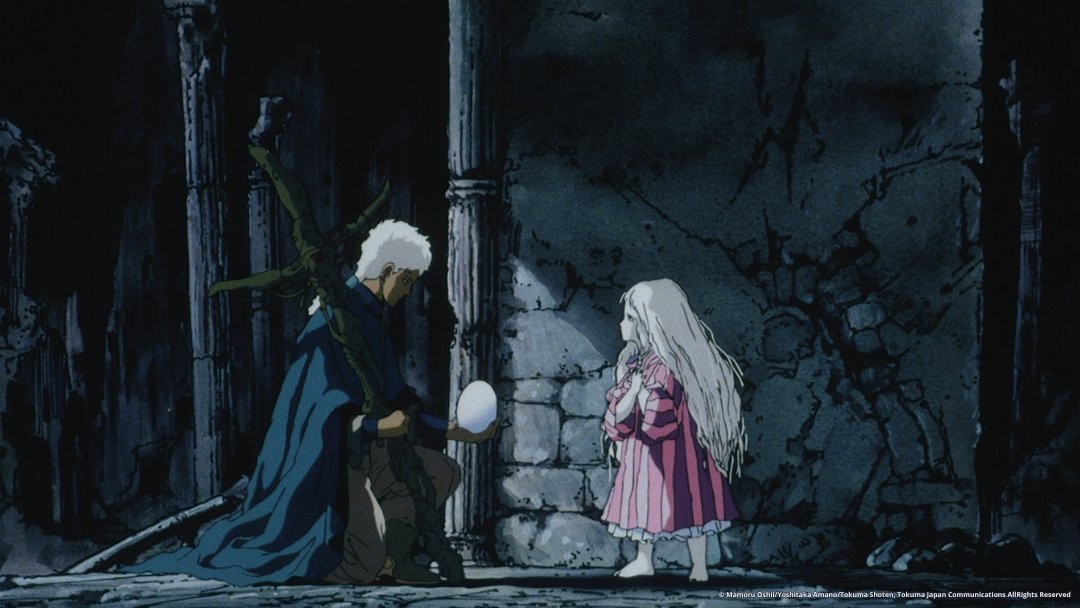
Much to everybody’s surprise, including mine, I shall be appearing today on screen at the Odeon West End in London, introducing Mamoru Oshii’s Angel’s Egg. For connoisseurs of my introductory videos, I believe this to be the first recorded in my new office, so everyone can criticise a different section of my bookshelves.
The distributors at Anime Limited announced this yesterday, only to receive a welter of social media replies from fans demanding Bleach. This is why you can’t have nice things.
Angel’s Egg, presumably along with my face looming out of the screen, will also be appearing in a number of other locations in the weeks to come.
“One gets the sense with The Art of War that Sun Tzu saw it as a vital part of his own strategy for personal survival, offering dire warnings to belligerent princelings that war was never to be taken lightly, and only considered as the last possible resort. There is an entire chapter on ‘Espionage’, not merely in a tactical sense for reconnaissance, but in terms of embedded assets within rival kingdoms, misinformation campaigns and double agents. Sun Tzu would do literally anything to prevent a war, and is not above sending a suicide mission to off an enemy leader before trouble begins. It will, he notes, save lives elsewhere.”