Over at the Subject to Change podcast, Russell Hogg interviews me about the prelude to the life of Coxinga, hero of the fallen Ming dynasty.
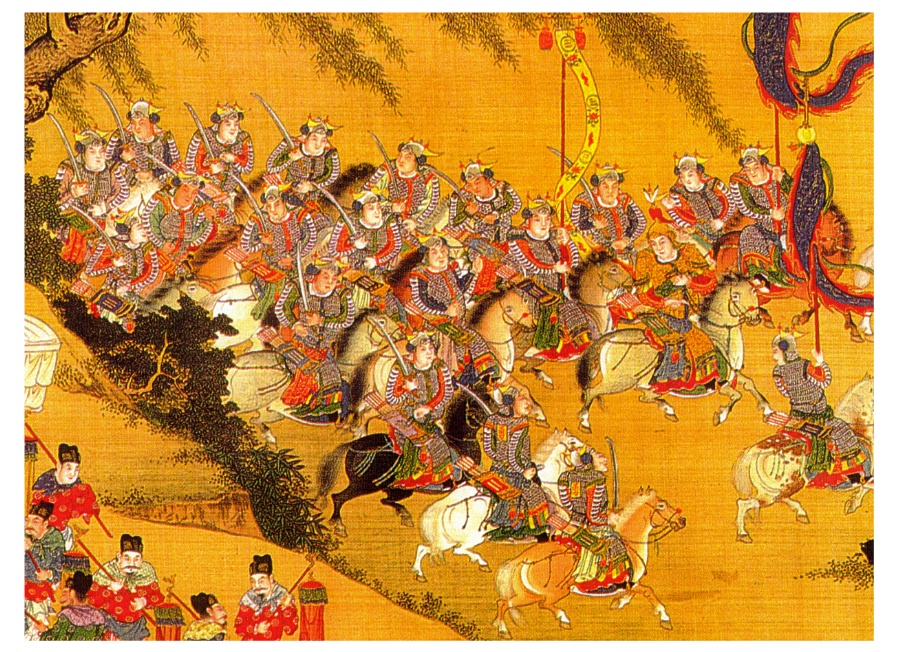
Jonathan Clements is back to talk about Coxinga and the Fall of the Ming Dynasty, a tale so convoluted that its hero only gets born at the end of episode one! What happened in 17th century China for the Manchu invaders to just roll on in and take over? Includes thoughts on the benefits of spattering yourself in mud and risking tetanus, Manchu purges likened to “playing whack-a-mole with human beings”, why Chinese people are scared of Slough, and the rebellious nature of haircuts.
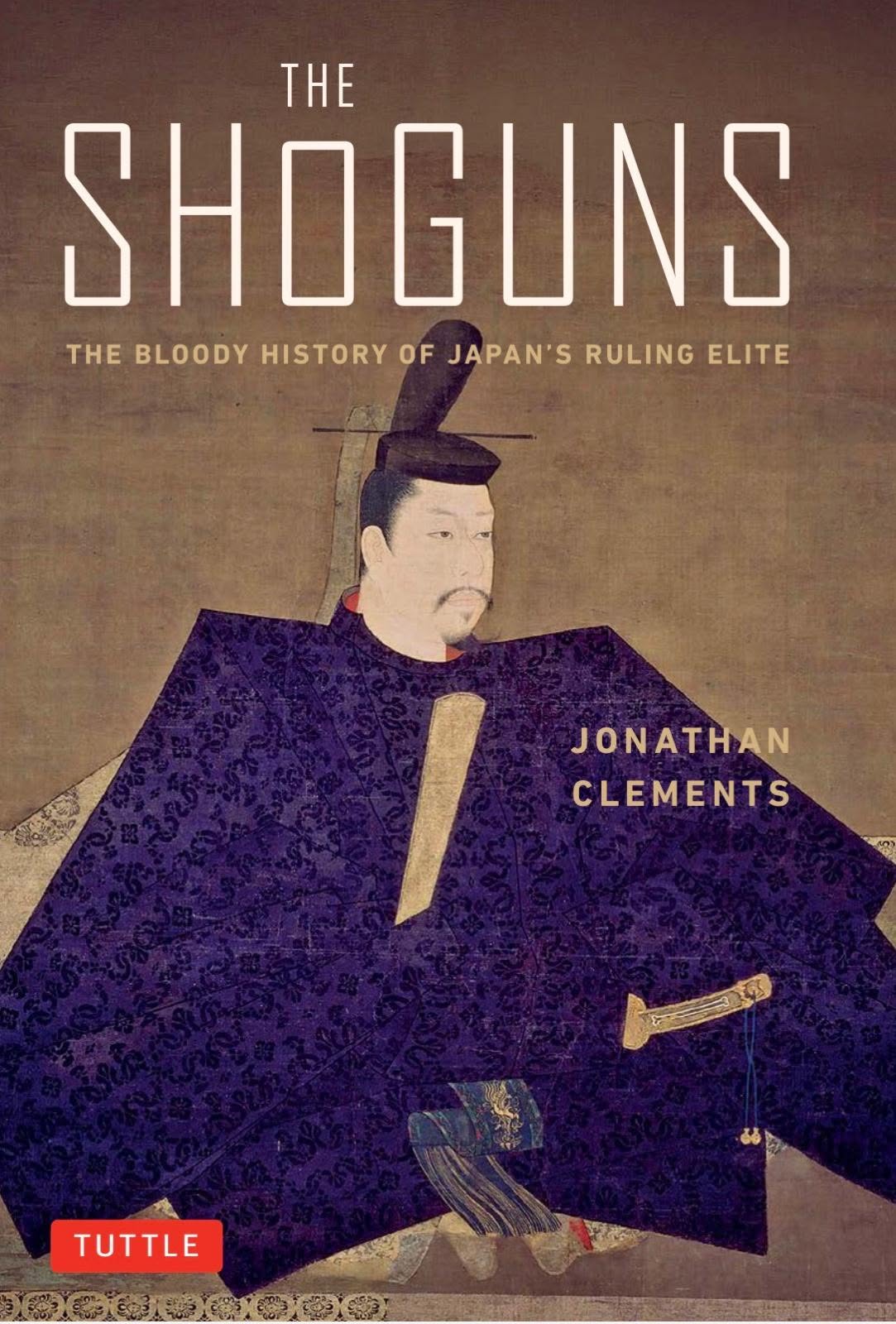
For decades, the samurai carved out new lands and fortunes for themselves on Japan’s northern frontier, fighting under a “commander in chief to suppress the barbarians” (Sei-i Tai Shōgun). Ultimately, these kings in the north became more powerful than the nobles that appointed them, and coveted a return to the peaceful capital, Kyoto.
In 1192, Minamoto no Yoritomo revived the title as a means of holding power in the Emperor’s name. In doing so, he initiated seven centuries of military government, relegating the Emperors to the sidelines. The height of Shōgunal power was the rule of the Tokugawa clan, which held an iron grip on Japan for two centuries, until it was brought crashing down by the Black Ships of the United States.
The Shōguns examines the rise and fall of Japan’s samurai warlords, and the many oddities among them. One was defeated by a mosquito bite; another valued dogs more than humans; still another kept busy with 900 concubines thanks to a cocktail of bizarre aphrodisiacs. All these, and more, appear in this illuminating chronicle of Japan’s true rulers.
1 Raising Tigers: The Wars with the Emishi
2 Anointed Through Victory: The Japanese Turn on Each Other
3 The Latter Days of the Law: The Rise of the Kamakura Bakufu (to 1199)
4 The Brood of the Nun Shogun: The Early Hojo Regency (to 1244)
5 A World Full of Rats: The Decline of the Kamakura Bakufu (to 1333)
6 Martial Establishment: The Kenmu Restoration (1333–1336)
7 Like Fire and Water: The Rise of the Ashikaga Shogunate (to 1449)
8 Warring States: The Decline of the Ashikaga Shogunate (to 1597)
9 Peace Prevails: The Early Tokugawa Shogunate (to 1651)
10 The Locked Country: Life in a Time Warp (to 1716)
11 Tidings from the West: Ships on the Horizon (to 1853)
12 The Meiji Restoration: The Last of the Shoguns (to 1868)
To my great surprise, the manga creator Junji Ito has shown up on YouTube shilling for the book I wrote about his anime series, The Art of Junji Ito Collection, which is coming out this week.
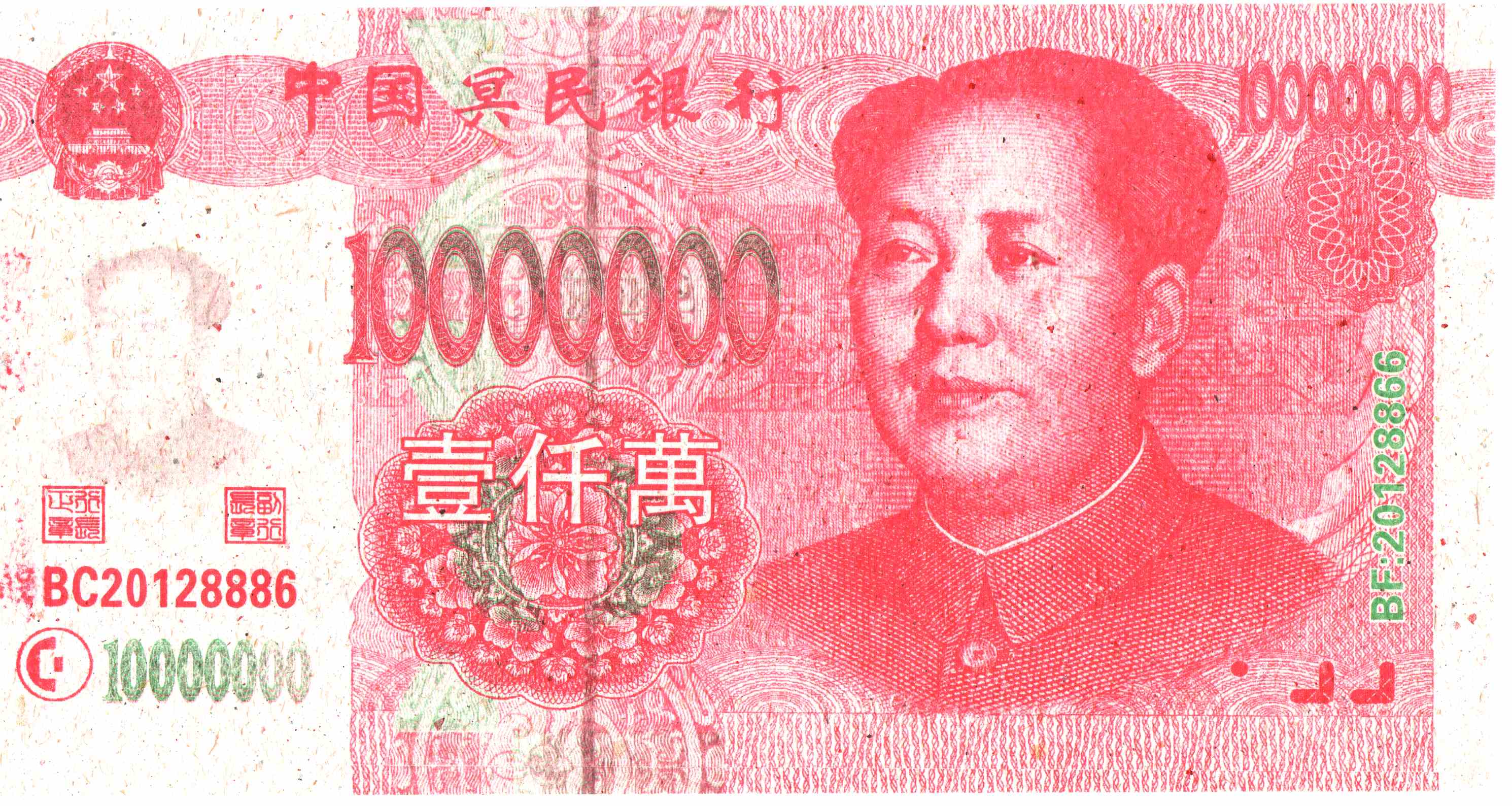
In the twenty years since I wrote the first edition, the imagery of Chairman Mao has gained new currency in modern China, sometimes literally. In 2012, I found two ladies selling trinkets on a street corner in Xi’an. Their baskets included stacks of ‘ghost money’ – counterfeit cash for filial Chinese to burn on pyres in order to send gifts to their ancestors in the afterlife. It was designed in a reasonable facsimile of real-life 100-yuan notes, printed in red ink and bearing the image of Chairman Mao. Each promised to pay the bearer on demand the sum of ten million yuan, redeemable at the ‘Bank of Hell’. I found it ironic that the man who had once tried to ban both money and superstition should endure as the figurehead on cash for use in the spirit world.
I bought a supposed fortune in ghost money for a knockdown price, since the women were trying to offload their Mao notes as fast as possible. Such realistic ghost money had recently been declared illegal, in a re-establishment of respect for Mao that would see a new edition of his SelectedQuotations (the famous Little Red Book) republished a few months later. The following October, when I went looking for ghost money again, I could only buy notes bearing the face of the King of Hell. I would keep my Mao money for a decade, until I was persuaded to burn it on camera for William Shatner’s The UnXplained to demonstrate how to turn my ancestors into millionaires.
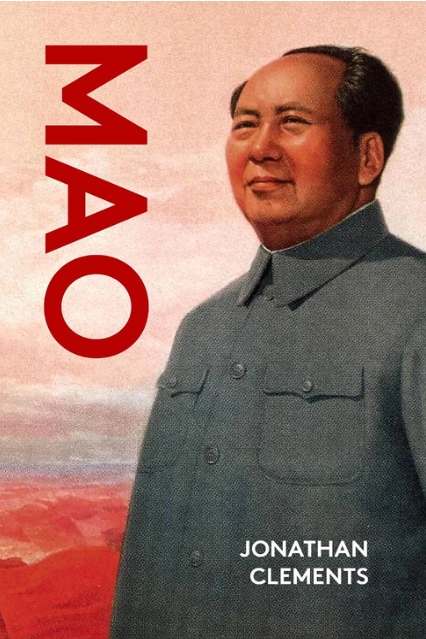
Only two months after I bought the last of the Mao ghost money on the street, China’s new president Xi Jinping delivered a stirring speech about his plans for the nation during what would turn out to be his lifelong term in office. He was determined, he said, for the Chinese Communist Party to celebrate its centenary in 2021 without any slanders or smears committed against it by hostile forces peddling an incorrect version of history. In doing so, he used the phrase ‘historical nihilism’ (lishi xuwuzhuyi), a term that has come to colour huge areas in subsequent discourse.
Thereafter, if I described myself as a historian, people became noticeably jumpy. There was, after all, now a hotline for concerned citizens to call if they encountered anyone suspected of harming the reputation of the Communist Party and its role in creating the new China. History was now whatever the Party said it was, which has effectively criminalised anyone who dares to question it.
From the introduction to the new edition of Mao by Jonathan Clements.
The journalist Sarah Harris asked Dame Barbara Cartland if relations between the classes had changed during her lifetime.
“Of course they have,” replied Cartland, “or I wouldn’t be talking to someone like you.”
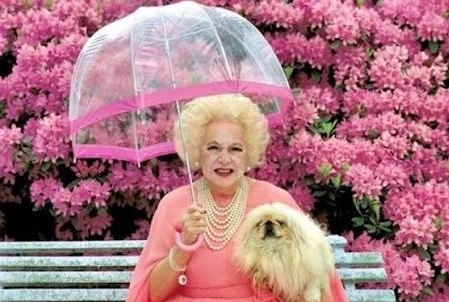
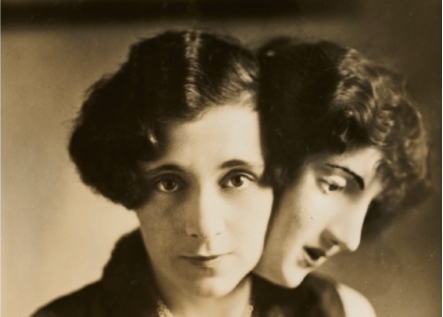
Dame Barbara Cartland was, quite deliberately, an enigma and a performance – I remember her as a woman in her eighties, dressed like a pink parade float, grotesquely clinging to the stylings of the 1920s, as if fighting the ravages of time and reason, still pretending to be a teenage dilettante from one of her early novels. In my own youth, she became a pink ghost haunting the nuptials of then-Prince Charles to her step-granddaughter, Lady Diana Spencer. Cartland seemed to be regarded by the Establishment as an arriviste and an embarrassment, disinvited from a fairytale wedding that, as the media constantly pointed out, seemed inspired by one of her novels.
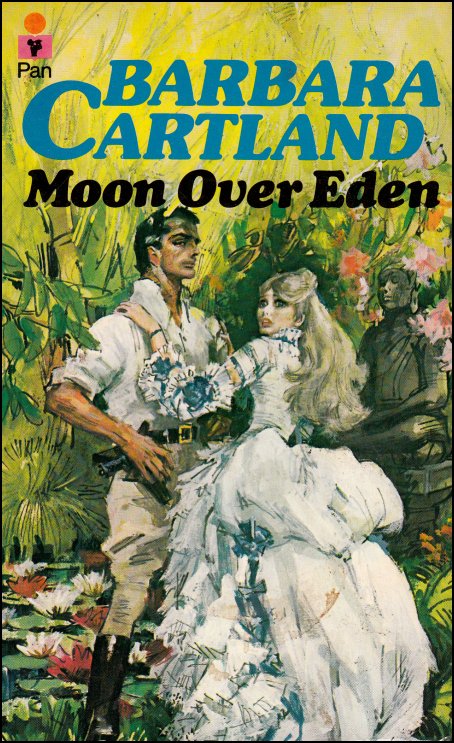
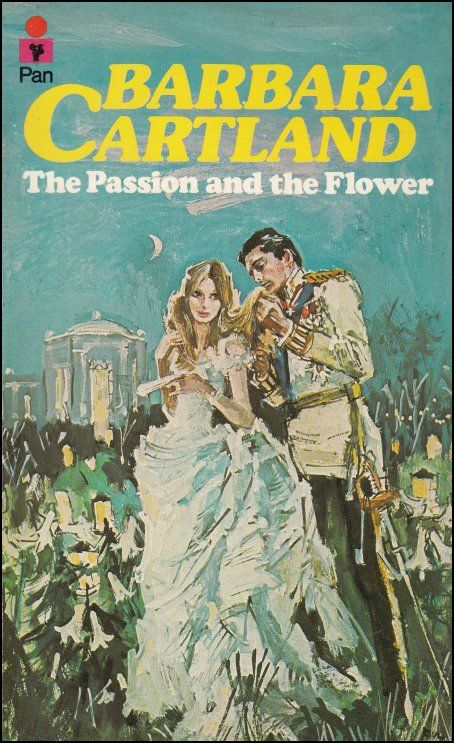
Matthew Sweet’s new biography of Cartland, chips its way through the wall of “pink granite” that Cartland used to shield herself from media enquiry. He points to her parallel careers in non-fiction and history, her time as an agony aunt, and a long and largely pseudonymous stint as the queen of gossip columnists. He also homes in on a critical rupture in her work, when in 1945 she turned aside from true-life accounts of what she knew into more fanciful tales of what she wished for. Until the end of the Second World War, her novels were crammed with flappers and airmen, motor-cars and Charlestons – the stuff of her lived experience. Thereafter, they segued more often into pirates and cannoneers, stage coaches and bodices, as she sought refuge from the modern world in olde-worlde fantasies.
“You can’t dress your heroine up, because clothes are rationed,” she complained. “You can’t give her a glamorous occupation because labour is directed. You can’t describe a dinner party because food is rationed. You can’t even send her for a ride in a car, because there is no petrol. I’m writing a Regency novel.”
In these days of AI slop, when “writers” can produce books at the touch of a button, wordcounts have become something of a theoretical metric. For the record, I consider a day well-spent if I walk away from my keyboard with 1,000 new, publishable words on the hard drive – which is, I vaguely remember, a yardstick I copied from Isaac Asimov. Dan Abnett, the most prolific of potboilerists, manages 3,000 a day. Joe Haldeman, 500. Graham Greene, a couple of sentences, but good ones. Barbara Cartland would recline on her ottoman, stare at the ceiling, and regularly dictate 7,000 words a day to her stenographer. It is this, writes Sweet, that propelled her to the record-breaking output that defined her literary life: 723 books published during her lifetime, with another 150 punted out post-mortem.
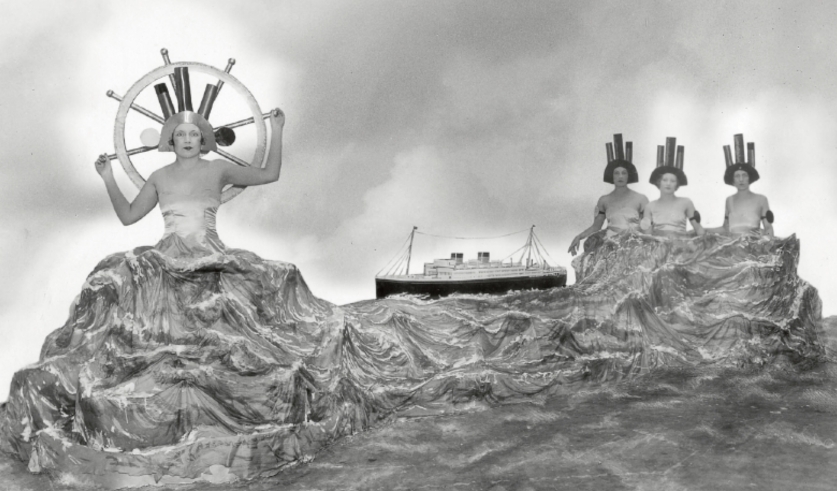
For the last few months, I have been working on a book of my own about another forgotten bestseller. Mrs Alec-Tweedie (1862-1940) was old enough to be Cartland’s mother, and indeed, when Cartland was hailed in the 1920s as the bright young voice in syndicated gossip columns, it may have been Mrs Tweedie whom she elbowed aside. Both women had a huge output derived from dictation; both skirted the fringes of bounderism, both were left behind by their eras; both ended their days fretting about the onset of blindness. They also competed to fling together a British Empire pageant in 1930 – reading between the lines, Mrs Tweedie’s failure was Cartland’s success, appearing literally dressed as a ship for the pageant of British industries, and quashing her rival’s attempt to come up with something similar. But whereas Mrs Tweedie’s papers were destroyed in a fit of depression and grief in 1926, Cartland’s were retained in meticulous order, ready for her great grand-daughter to grant access to Sweet.
Mrs Tweedie was pole-axed by the Great War, which claimed the life of her youngest son. But that same war had an arguably greater effect on the young Cartland, killing her father, and dooming her to come of age “in a world depleted of men. This,” writes Sweet, “is one of the most important facts of her biography, and one she shared, like a hidden wound, with her contemporaries and legions of her readers.” Cartland was one of an estimated surplus of two million women, left to pick and fuss among the traumatised and the walking wounded who made it to the 1920s, if not unscathed, then at least alive. Her life, and that of her readers, was dominated by World Wars 1 and 2, and the grim austerity that lagged behind them. In one of the most evocative moments in Sweet’s book, he recounts the sudden boils and eruptions of bone fragments through the skin of Cartland’s second husband, still manifesting the effects of a wound suffered decades earlier.
Sweet is given unfettered access to Cartland’s archives, including her unpublished manuscripts and her lifelong correspondence with her mother – the racier letters being discreetly filed in their own special brown envelope. He takes light-hearted relish in the bad reviews, of Germaine Greer declaring her fair game because she is an agent of the Patriarchy, or Peter Ackroyd calling her “the literary muzak of the hypermarkets.” But he also notes that Umberto Eco cited her as the very cornerstone of post-modernism – that it was impossible for a husband to tell his wife he “loved her madly”, since by the late twentieth century, both of them would know he was quoting one of Cartland’s novels, rather than saying it from the heart.
Sweet also pokes gently at the traumas behind her media profile, particularly her grandfather’s suicide in 1903, which had “a long trajectory… a long cold line through a century of mother-daughter relationships.” When asked in 1981 why she used boot polish to do her eyelashes, she revealed that, unlike mascara, she had discovered it would not run. “I cried,” she confessed, “all through my first honeymoon.”
In all this, Sweet offers an impassioned defence of the middlebrow, pointing out that while Cartland and her ilk became jokes among media pundits, they were far wider read and remembered than the people who were trashing them. He cautions the reader and the historian against assuming that everything was the way that the media choose to remember it today: “…the fabled sixties, the sixties of stock footage – screaming Beatles fans, Roundhouse happenings, Carnaby Street boys dressed as Edwardian hussars – obscure a counternarrative that tells us The Sound of Music was the decade’s biggest film at the UK box office; that polls conducted in 1963 and 1964 showed that two-thirds of people disapproved of sex before marriage.”
Sweet recounts angry screeds from Georgette Heyer, who accused Cartland (rightly, it seems) of plagiarism. The Cartland Reality Distortion Field was operating throughout her life, transforming the seediest and most sordid couplings into romantic fictions, but also dodging many a libel suit and plausible deniability. In her archives, Sweet digs up several affronted correspondents, including the royal muck-raker Kitty Kelley, who warns her to stop claiming they had never met, because she has her on tape.
Sweet admits that covering such overwhelming literary output in detail would risk turning “biography into bibliography.” But he offers up a single calendar year, 1975, in order to demonstrate Cartland’s word factory in action. In that twelve months alone, Cartland’s various publishers released twenty-five books, including several reprints of works from up to thirty years previously, given new titles and more modern covers – I have observed similar sleight of hand in the world of women’s romance manga, where nobody expects the same readers to be around a generation later. But someone was reading them – housewives and schoolgirls, and, bizarrely, Libya’s Colonel Gaddafi, who left a £50,000 deposit at Foyle’s to have her books forwarded to him in Tripoli.
The Great Dictator by Matthew Sweet is available in bookshops now. Ethel Brilliana: The Well-Travelled Mrs Alec-Tweedie by Jonathan Clements is forthcoming from the History Press.
“The set outside looks unfamiliar. By which I mean that we are used to seeing the same buildings dressed, and redressed and reused in multiple movies shot on the Shaw Brothers backlot, but this is not a film by Shaw Brothers. Where are they getting that village from? If it’s not somewhere in Hong Kong, where is it?
“Well, the answer is supplied as we ride off, because right there you can see a very distinctive gorge with a road that’s been cut into the side of it. And that is not in Hong Kong at all. That is Taroko Gorge in eastern Taiwan, now known as Taroko National Park, one of a few river valleys to be cut through marble, and the sacred territory of the Truku people.
“So really it should be called Truku Gorge, but we use the pronunciation first established internationally when the place was a Japanese colony in the early 20th century. The thing about Taroko Gorge, is it, like everywhere else in Taiwan, has been subjected to a feverish renovation and rebuilding project since 1949, as the Kuomintang, the ruling Nationalist party, try to establish that Taiwan has always been part of China.
“So if anywhere is going to get little lion statues, and intricately carved fairy tale bridges, and little pagodas, shoved up in the 20 years before the film crew showed up, it’s Taroko Gorge, which is great. Because Lo Wei wants to make a film in a place that looks like China, and here we have the KMT shovelling as much cement as they can to oblige.”
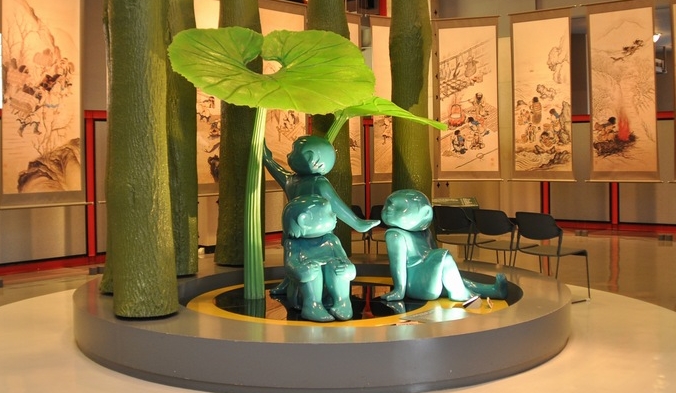
For a long time, it was believed that a folk tradition among Hokkaido’s indigenous Ainu people was some race-memory of a forgotten genocide. The belief that there were korpokkur “little people” whose unseen activities rustled the broad-leafed fuki plants (Japanese butterbur, a.k.a. sweet coltsfoot) were a kind of faery folk, hiding in the undergrowth from invaders who had displaced them.
Their effigies sit at the heart of Hakodate’s Museum of the Northern Peoples, seemingly grown to human size, but really shrinking the human visitor to their level, to consider just for a moment how the world might look to the very small, like The Borrowers.
But modern scholars have repeatedly changed their mind about the korpokkur. These days, it is widely believed that the korpokkur of Ainu mythology are an odd suppressed memories of the Ainu’s own past – a fairy tale told among modern Hokkaido city-dwellers about the people they used to be. Korpokkur legends thin out, the further north you go; they appear to have arisen as the Japanese infiltrated Hokkaido, and the Ainu began to associate themselves not with their old selves, the “people of the land” (yaunkur), but with the new arrivals, the “people of the sea” (repunkur).
Like all hauntings, they occasionally manifest in popular culture. Hokkaido gift shops are dripping with gnomish representations as dolls, fridge magnets and lucky gonks. In 1973, Sumitomo Life Insurance sponsored a 23-part anime series, Adventures of Korobokkle – when I put it on the slate for the Anime Encylopedia twenty years ago, I was not familiar with Ainu orthography, hence the misspelling, although the book does note that it seemed to prefigure a much more famous moment in Japanese animation.
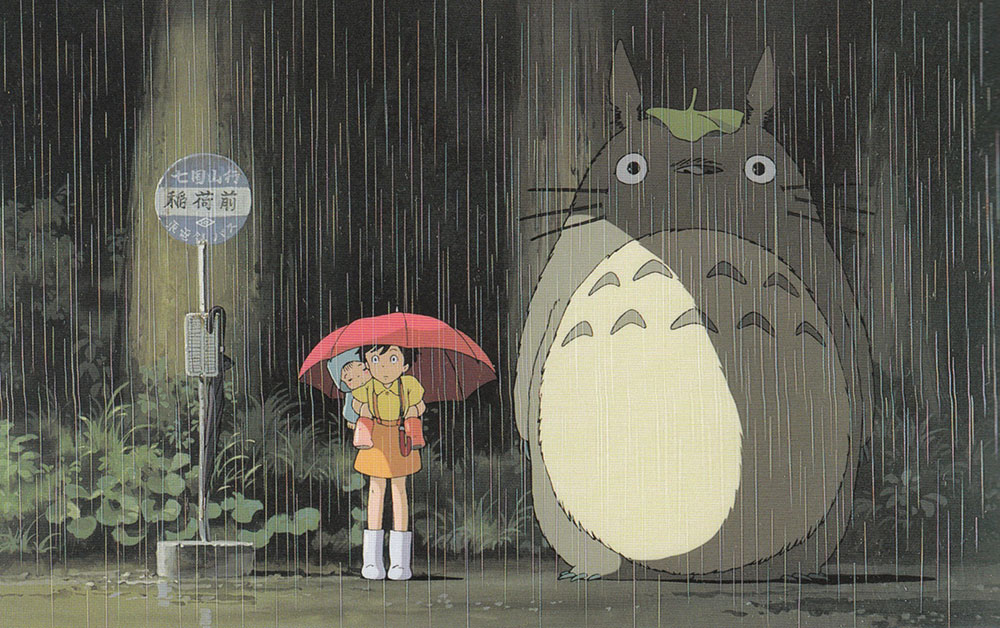
Hayao Miyazaki’s My Neighbour Totoro is riddled with references to the forgotten beliefs of marginalised peoples. Like his later Princess Mononoke, it is seeped in alternate pathways in Japanese history. We see Jomon pottery scattered at the entrance to Totoro’s sacred tree, itself a relic of long-gone camphor forests. Jizo statues lurk discreetly in the background as Mei wanders the countryside, hinting that there is no danger, because this child is under divine protection. And when Totoro himself shows up at the iconic bus stop, he, too, carries the marks of ancient traditions, wearing a fuki leaf on his head.
It is a wonderful moment of artistic playfulness – the least convincing of all “little people”, like an elephant wearing a man-sized baseball cap. But that is Totoro all over: a symbol of ancient, numinous power, manifesting to the children as a fat, cuddly teddy bear, his ominous, fixed Cheshire Cat grin and his obvious claws only unsettling to adults.
“Only when you are a child,” says the theme song, “will he appear to you.”
Ever since I first visited Hakodate, gathering materials on its ill-fated Republic of Ezo, I have loved the city. It has a certain resemblance to my native Southend on Sea, but also a bunch of craziness. There’s the locals’ odd obsession with pretty-boy vigilante Toshizo Hijikata, shown on contemporary T-shirts fighting a giant squid for some reason, and celebrated in a blue-and-white slushy that imitates the colours of his lynch mob, the Shinsengumi.
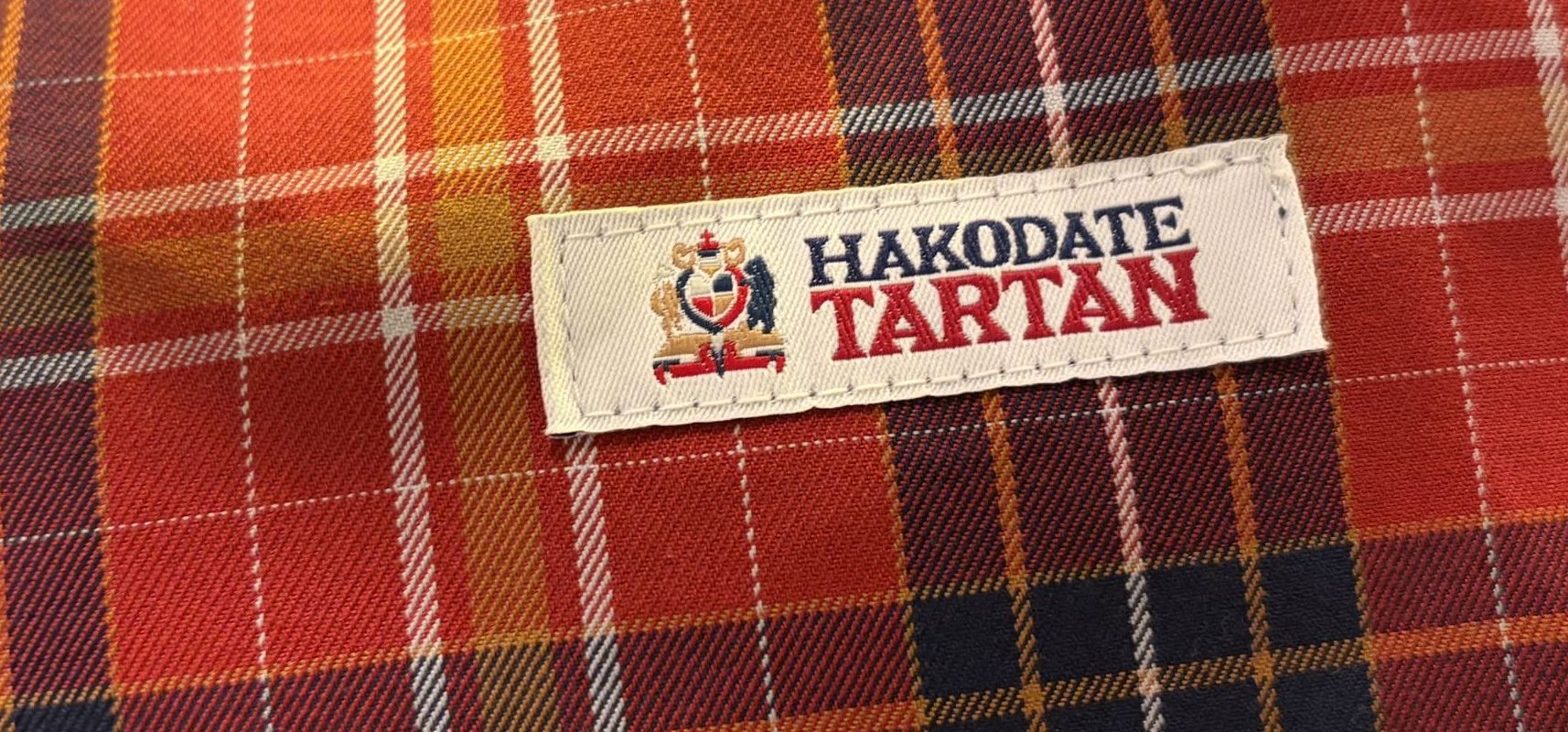
There’s the town’s weird Foreigners’ Cemetery, with all the stories implicit in the headstones of sailors and entrepreneurs far from home at one of the first Treaty Ports, just up the hill from a Monument to Local Prostitutes. There’s the Old Town Hall, which inevitably comes scattered with Japanese women of a certain age, cosplaying as Victorian aristocrats. And as I discovered to my cost (about ten thousand yen), it now has a town tartan, registered with the Scottish Register of Tartans in 2024.
“This design is intended to reflect the city and its location including the ridgeline of Mt. Hakodate and the curves of the Port. Colours: red is intended to symbolise the red brick warehouses and the tram trains; dark blue for the Tsugaru Strait; light grey for the winter snow in the city and sepia for squid ink.”