“There is an outside world, but they don’t get to see it. In fact, as one of their minders reveals, the outside world is awful. The outside world is hell. And if the kids know what’s good for them, they should stop wondering about what’s outside… even if some of them seem haunted by apparitions that seem to come from there.”
Over at All the Anime, I review Masakazu Ishiguro’s manga Heavenly Delusion.
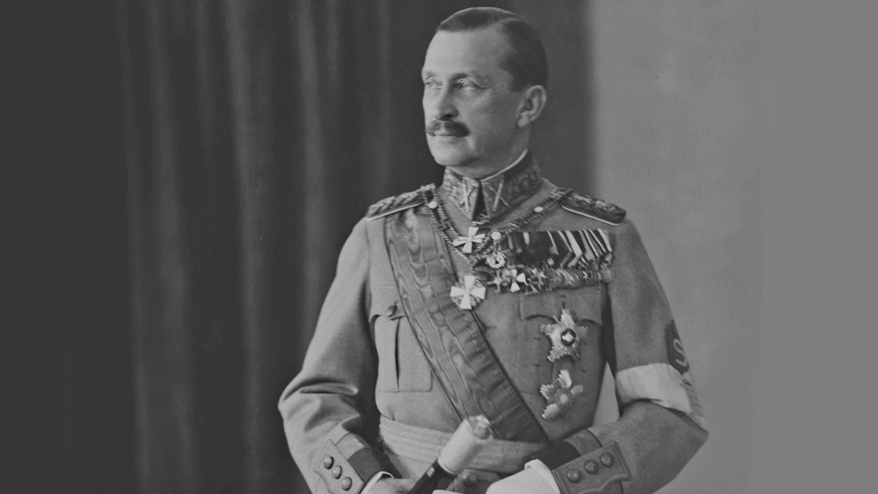
Over at Mike Book’s NY Culture Caffe podcast, I discuss my book on Carl Gustaf Mannerheim, with special reference to his relationship with the Russians, during his thirty years of service as an equestrian specialist and Asian intelligence officer. Lots of fun and larfs….. Spotify link here.
“…this is a book that not only gives the reader a fair impression of the world of voice acting, but also serves of something of a crash-course in being an actor-memorialist. Hayashibara excels at giving back, and her 258-page memoir is unexpectedly suffused with life advice, meditations on her career, and you-had-to-be-there anecdotes about the life of a recording artist.”
Over at All the Anime, I review the memoirs of voice actress Megumi Hayashibara.
The old Sui-Tang Canal stretched from a patch of river near Luoyang, the old Tang dynasty capital, all the way to the lakes that dot the hinterland north of Nanjing. Effectively, it linked the Yellow River with the Yangtze, consolidating that massive inland trade network that allowed for water transport.
I have heard of the Grand Canal, but the one I associate with China goes from north to south, linking Beijing to the Yangtze. But this one was just as huge an enterprise, heading from west to east in a south-easterly direction. It is also almost entirely forgotten. The Chinese can only guess at the route of the Sui-Tang canal. Occasionally, they luck into a section of it, and can extrapolate its rough bearings. But after being built in the 600s, and flourishing for several hundred years, it fell into disrepair after the Song dynasty, when the capital of China shifted north to Beijing.
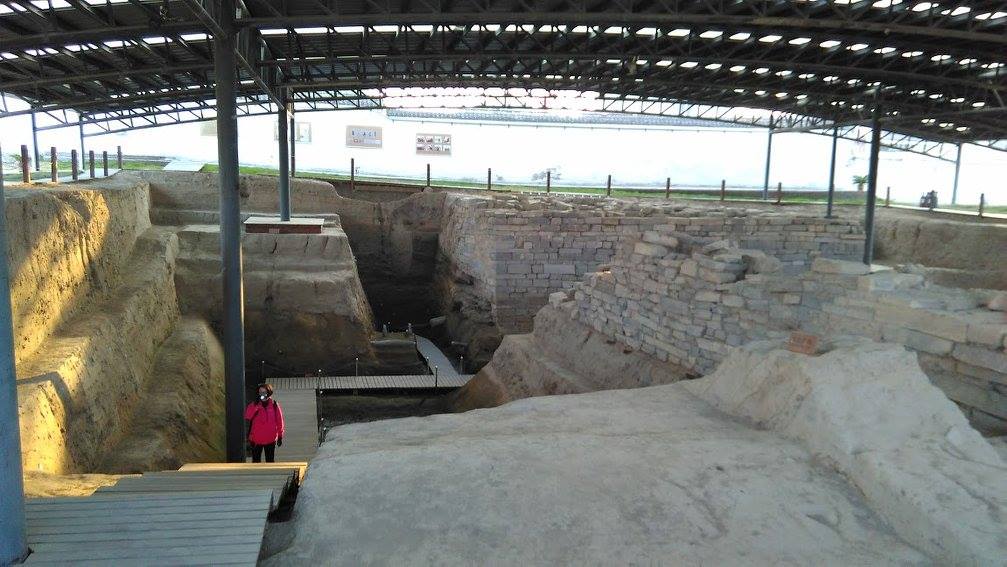
One of its docksides has been uncoverd in the small village of Liuzi, host to archaeologists since 1999. A Dutch-barn roof sits over the pit, where two metres below centuries of accumulated grime and soil, they found the large flagstones of a canal docks. During the middle ages, this was a site of frenzied bargaining, busy unloading, possibly even a bridging point. There are forgotten longboats, scuttled in the mud, and an entire sedimentary layer of Tang-dynasty porcelain. The site leader shows me a ceramic Tang lion in sancai tricolour ware, and a Jin-period statuette of a child in the lesser known red-and-blue ware. It’s the first time I can remember even seeing something that could be described as properly “Jin” – the name is used for the nomads who conquered north China and pushed the Song to the south, but the piece points to an era where north China blundered on its own path, applying its skills to new markets and new customers.
It is a difficult take. We are losing the light and there are only mere minutes before the sun will go behind the nearby houses. The director wants me walking and talking, and we have to go to and fro about the usual points of data – how to describe the Sui-Tang era in two seconds for an audience that doesn’t know its dynasties? Repeatedly, I refer to “the sleepy town of Liuzi,” only to be interrupted by a blast of truck horns as big-rigs turn off the highway. I resort to referring to “the sleepy town of Liuzi, CLOSE TO THE HIGHWAY” just in case we lack any clean takes at all. It makes me angry, because this is a rare occasion where I get to stand in an actual archaeological site, talking about actual archaeology.
Back to the hotel to film me turning on a television set. It will be the opening shot of the Theatre episode, for which all the footage is now banked. We are only four days away from wrapping, but the other five episodes all have pick-ups that will need to be crammed in.
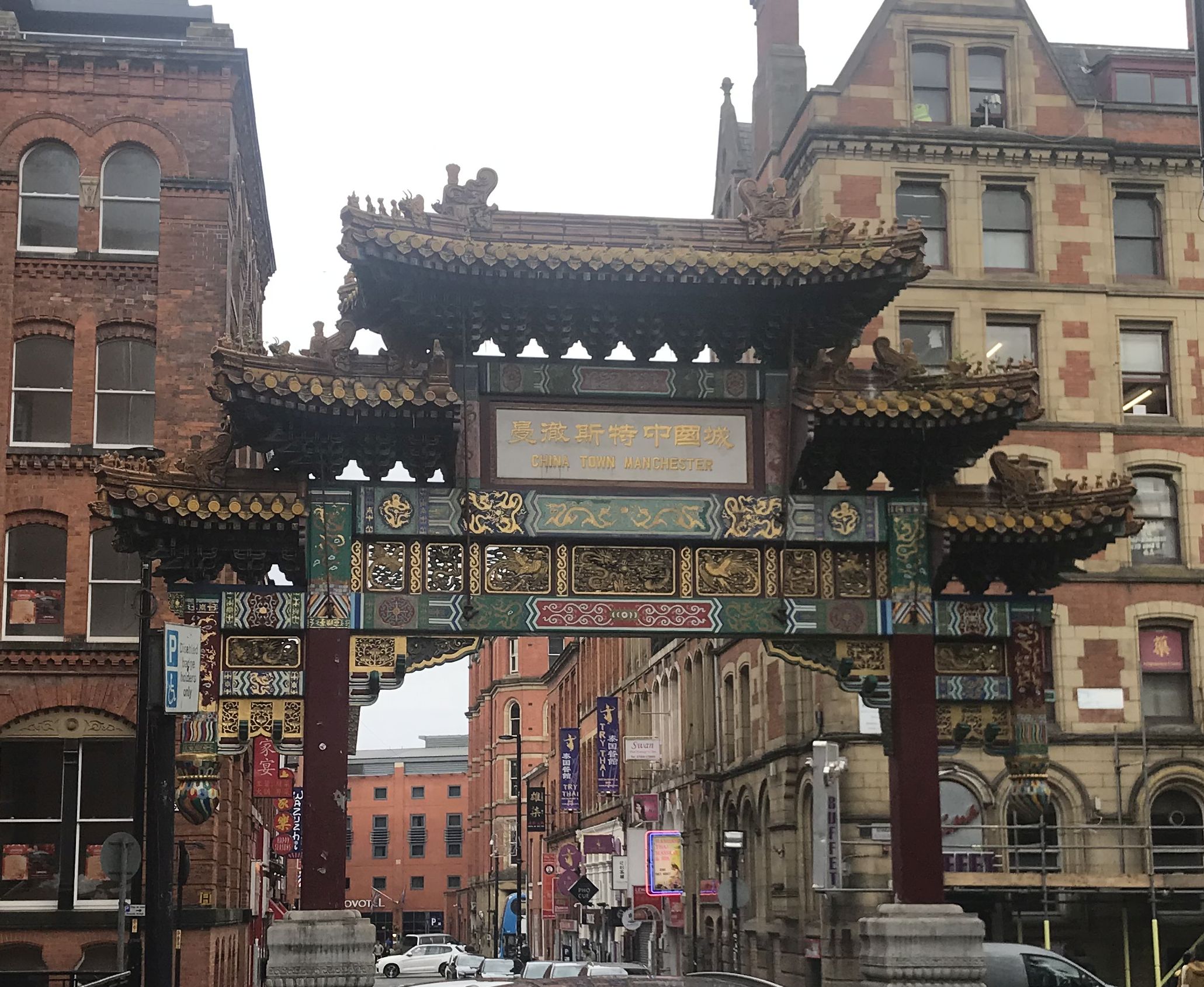
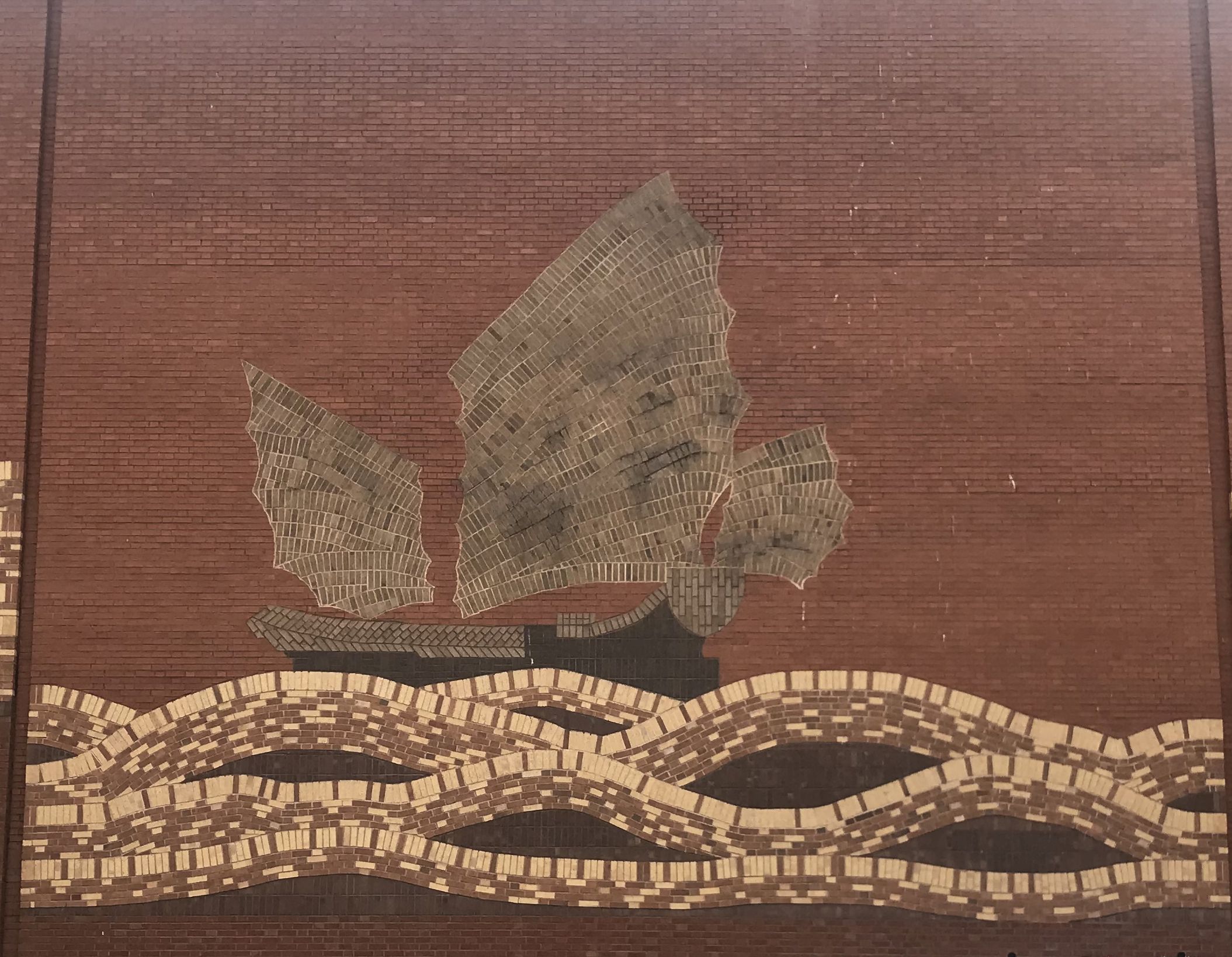
Dropped in yesterday on Manchester’s Chinatown, graced by an authentic Chinese gateway erected in 1987, shortly after the city was twinned with Wuhan. There’s an immense sampan picked out in bricks on the side of the car park and few of the tat shops that are slowly taking over London’s equivalent. Lunch was heavenly vegetarian mock duck at the Little Yang Sing.
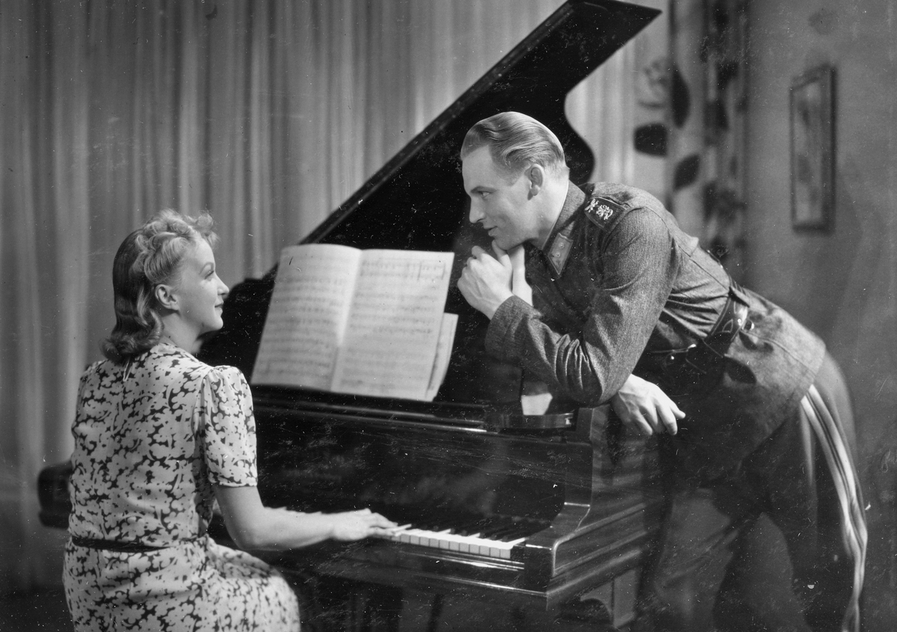
In this pointlessly convoluted farce, company director Tobias (Uuno Laakso) tries in vain to persuade tailor and officer reservist Hesekiel (Reino Valkama) to sell him his property so that he can expand his factory. Meanwhile, at the garrison, the impossibly handsome Lieutenant Raimo (played by the impossibly handsome Kullervo Kalske) wants to marry the colonel’s daughter Helvi (Lea Joutseno), but her mother will have none of it, because she wants Emma to marry a poet, not a military man. In a vain attempt to win over the impossible lady, Raimo commissions his adjutant Asko (Oiva Sala) to knock up some terrible poetry, and to keep bombarding her with it until she admits Raimo is a better bet.
Meanwhile… look, everything’s “meanwhile” in this film, everything happens at once and while it is all sort of tied up with a bow like a well-greased episode of Seinfeld, there are an incredible number of moving parts and childhood associations, and somehow Tobias’s medical records are mixed up with someone else, and he ends up conscripted into the military, where the only person who can save his bacon is the very same tailor he has been harassing, who happens to be an old friend of Raimo. Amidst all this, the colonel’s maid Emma (Irja Rannikko) apparently laughs at something, which seems an odd thing to hang the whole film on.
Based on a 1939 novel of the same name by “A.V. Multia” (in fact, serving military officer Akseli Viljasalo), this baffling film is a return to the barracks larks of Cavalryman Kalle Kollola (1938) and The Red Trousers (1939). Critics were unimpressed, shrugging off something that they regarded as old hat, and not much in a mood to laugh at a soldier’s life so soon after a war. It was, however, lapped up by Finnish audiences, presumably now almost universally close to matters military, and happy to see it all treated so lightly.
In the closing scene, in a parody of military protocol, the colonel orders Raimo to stand to attention, face left and then kiss his daughter, which is all very well, but surely audiences of the time will remember seeing the same joke in The Regiment’s Tribulation (1938)?
“The question of why Osmond needs to bother goes to the larger issue of why a book like this exists in the first place. It is not quite the populist clickbait of “A Hundred Cartoons You Need to See Before You Die”, but rather a carefully curated collection that imparts a sense of what animation is and where it can go.”
Over at All the Anime, I review the new edition of Andrew Osmond’s 100 Animated Feature Films.
“Russell T. Davies, in fact, introduced me to a useful term in modern criticism – the ‘heterosexuality’ of mainstream drama, in which is it assumed that if a woman and a man are onscreen together, there needs to be some acknowledgement of chemistry (or lack of it) between them. In other words, it’s Chekhov’s Gonads, and if people have got them, popular tradition demands that they must be used.”
Over at All the Anime, I write up Erica Friedman’s landmark history of lesbian anime and manga.
Our hotel in Huaibei is a carnival of lies. The crew veritably fought each other to get into the elevator for breakfast, eagerly awaiting the bagels, coffee and toast promised in the lobby posters. They arrived to find nothing but the usual dumplings, stodgy bread sticks and warm orange juice.
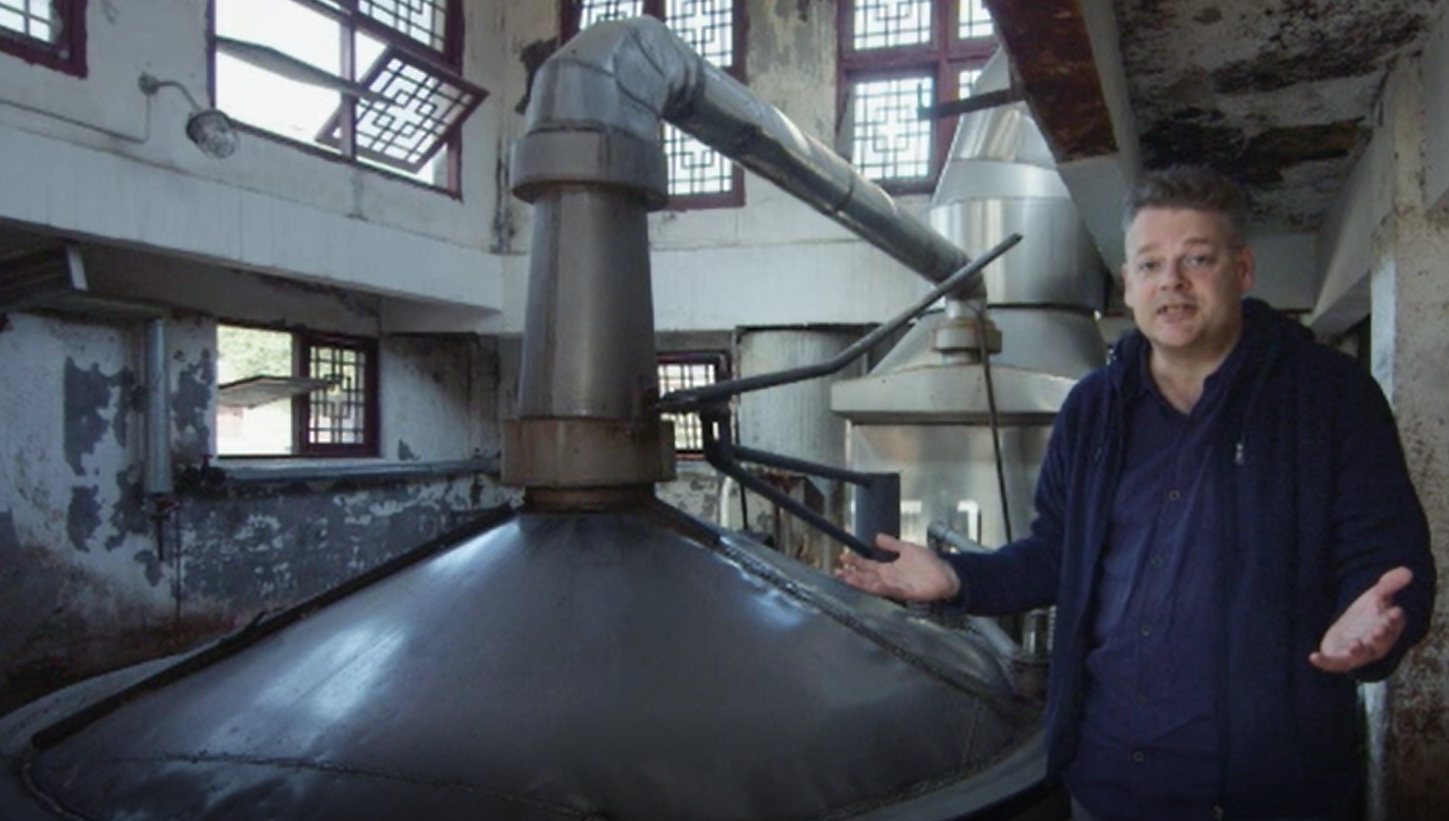
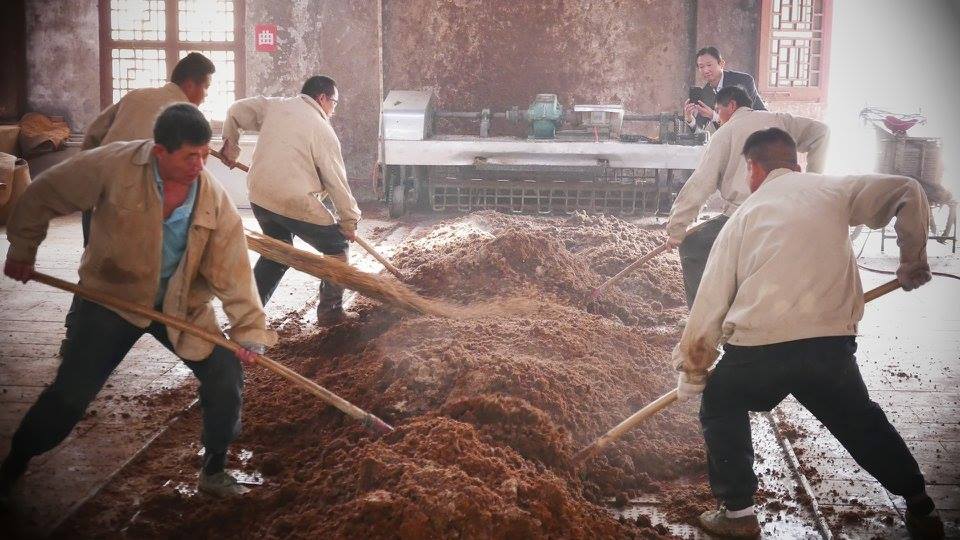
Huaibei is famous for one thing, and that is Kouzijiu, a popular form of alcoholic spirit. The process for making it is not dissimilar to the process for making soy sauce. Men with shovels mix a mushroom yeast into piles of sorghum grains, before leaving them to set for two months. Then, they are steamed in a giant vat, and the water that condenses at the other end is not water at all, but 60% alcohol.
Usually, the grains and yeast are spread and mixed by a machine on rails, but the shovels are out because a widget has broken on it. The shovellers walk back and forth over the warm grains, treading them into the floor with impunity. The air is rich with an earthy tang, like a sugar-coated fart.
A man called Bu brings a tray of fresh baijiu straight from the condenser, but he is obliged to wait for a whole hour while we faff with our shots. There needs to be one of me walking in, me describing the fermentation process, and me explaining that although it is only drunk in China, baijiu is still the world’s biggest selling spirit category, with annual turnover in excess of $23 billion.
Eventually, after Bu has been lurking for an hour in the shadows, the director decrees that we are done with documenting the making, and now we must move on to the sampling.
“Great,” she says at last. “Bu’s up.”
Mr Bu is to proffer a tray of the little thimble-glasses of baijiu, and I am to take one, and explain to camera how the Chinese show sincerity by draining their glass. Then I am to drain another one to show I am really sincere… then another.
I am, consequently, somewhat the worse for wear when I the local propaganda office insists on taking us for dinner. Three of their minions have been kicking their heels for an hour in the lobby, while our fixer shows them everything she can think of on her laptop. I am getting flashbacks to Bossy Lady in Yunnan, who was simply incapable of understanding that the last thing anybody wants to do after a 12-hour working day is sit across from her all evening chewing inedible local delicacies. Mr Fan from the propaganda office, however, is very keen to display the charms of Anhui, and drags us to a restaurant VIP room big enough for all nine of the crew, him, and the usual Chinese bunch of interlopers – a handful of people who may or may not also be propaganda office employees, but who sit at the table staring at their phones all evening.
Mr Fan opens up the first of many bottles of Kouzijiu, each one in a green ceramic bottle shaped vaguely like a fish, and decorated with a pattern of millet seeds. Everybody has a little thimble-glass by their plate, along with a small glass jug for booze. The toasting starts.
I am used to all this, so I know what to do. I know that I must drain my glass to show sincerity. I know that I must hold my glass slightly below my toaster’s, in order to show humility. I am not aware, until tonight, that when the Chinese go for a full-on blowout, they stop bothering with the thimble-glasses and start draining the jugs. Before long, they are all red-faced and giggly, trilling the joys of booze, and debating which country drank the most.
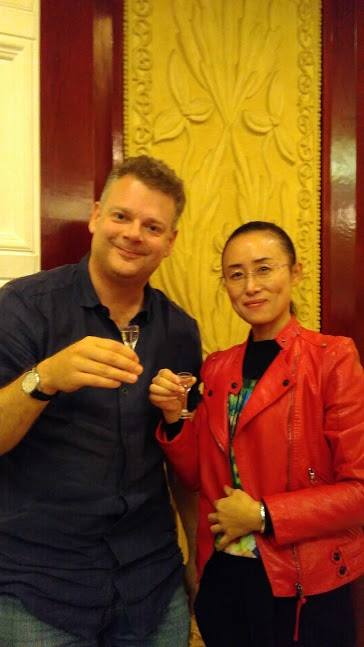
“We had a bunch of people a few years ago from Finland,” says a lady who is wearing a red leather jacket like a refugee from a 1980s Michael Jackson video. “They drank an awful lot.” Her name, it turns out, is Xi Feng, literally Western Phoenix – what are the odds that a woman from Anhui’s primary distillery town would be named after the competition in Shaanxi? It’s like meeting a man whose name is Jack Daniels.
Finally we are permitted to go back to our hotel, where we must pack for tomorrow’s journey to Shanghai – another ten hours on the road.
“Matsuda’s rags-to-riches tale is a quiet protest about, well, the whole idol singer industry. Everywhere in the modern world, but particularly in Japan, the politics of mass media entertainment favours the sort of algorithm-based dole that works enough to make money for corporations. Matsuda uses manga and talento, two of the most commodified and over-saturated media ever, to mount an argument for better things.”