Something for the Weekend…?
Reply

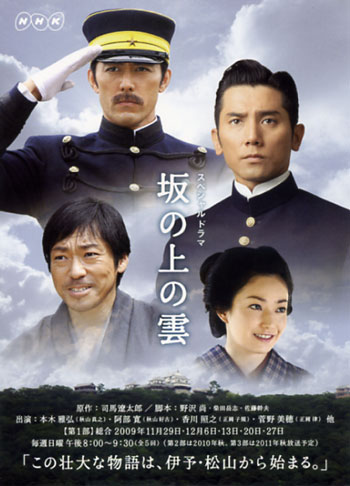
Ryotaro Shiba, a prominent writer of historical fiction, serialised the novel Clouds on the Hill (Saka no Ue no Kumo) from 1968 to 1972. He was a master at hunting down those people in Japanese history whose lives spanned crucial events and critical issues. In the case of Clouds on the Hill, he focussed on the Akiyama brothers, two boys from Matsuyama (see last blog entry) who witnessed the rapid modernisation of Japan, joined the new-look military, attained high military rank, one in the army and the other in the navy.
Continue reading
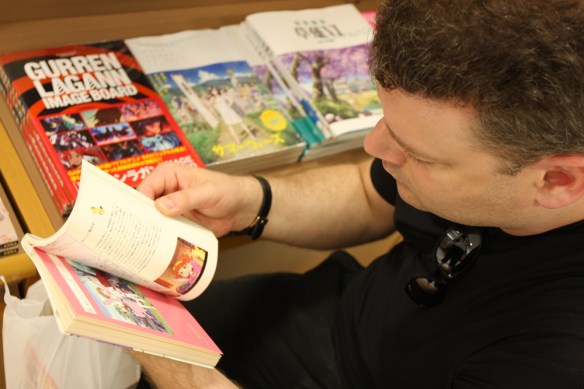
For several years, I have been writing a column in Neo magazine called Manga Snapshot. Every month I take a different Japanese comics anthology magazine and literally take it apart, examining everything from the paper quality to the adverts. There are so many comics magazines in Japan that despite running now for four years, Manga Snapshot has yet to repeat a title. I’ve covered all the usual magazines for boys and girls and housewives, and the usual niches like romance and war comics, but also weirder areas. Detective stories for lonely Goths, educational golfing magazine containing nothing but manga about golf, a magazine entirely devoted to mahjong… several of these were reprinted in the Schoolgirl Milky Crisis book, and in the event that there is a Schoolgirl Milky Crisis 2, there will be many more of them.
Continue reading
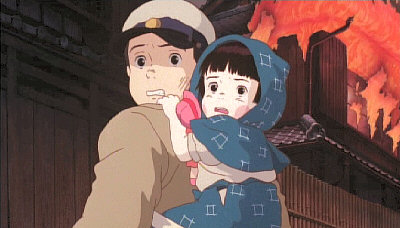
WW2 has become a stripped-down fable of Star Wars proportions – a few brave heroes, taking on a force of terrifying evil against impossible odds. On the Good Side, the rag-tag hard-pressed Alliance. On the Bad Side, the dark empire, with its storm troopers and its nice uniforms. The good guys win, and the good guys are us.
This doesn’t work in Japan.
Continue reading
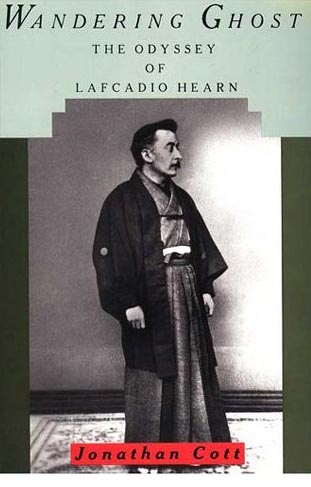
Wandering Ghost: The Odyssey of Lafcadio Hearn is a biography of the journalist and writer who eventually became a Japanese citizen, and who wrote so many books about the country before his death in 1904. For someone who witnessed Japan’s passage into the modern age, and did so much to inform the West about it, Hearn is strangely absent from college reading lists. His name only cropped up once in my entire university career, and that was in a folktale that would have raised a chuckle from Hearn himself. The ghost of Lafcadio Hearn is used to scare young undergraduates in Japanese, to warn them of the dangers of benevolent racism, and to prevent them from dying, as he is alleged to have done, from a broken heart when Japan failed to live up to expectations.
Continue reading
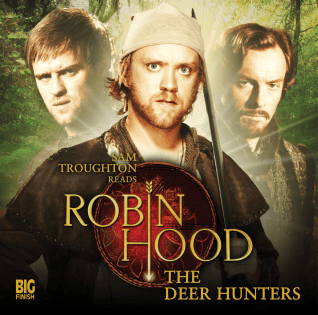
Hitting the doormat today, a trifle late thanks to Britain’s third-world postal system, is my latest “Talking Book”, Robin Hood: The Deer Hunters, featuring Sam Troughton who manages not only to play his character, Much the Miller’s Son, but pretty much everybody else, including a remarkable impersonation of Jonas Armstrong.
Continue reading
Oh, you’ll miss him when he’s gone! It was the beleaguered Taro Aso, back when he was Foreign Minister, who stood up to the French presidential candidate Segolene Royal when she suggested that manga was responsible for Japan’s social ills. During the same period, it was Aso who pushed for “contents” (films, games, anime, manga) to be acknowledged as one of Japan’s most virulent exports. When he became Prime Minister, he wooed the otaku vote by proclaiming his love for manga. It was Aso who supported the controversial National Media Arts Center, lauded by some industry figures as a saviour of anime, although many others (myself included) regard it as a likely disaster: a “national manga café.” And, behind the scenes, I am sure that his influence must be at least partly responsible for the new animated political adverts on Japanese telly ahead of the national election.
Continue reading
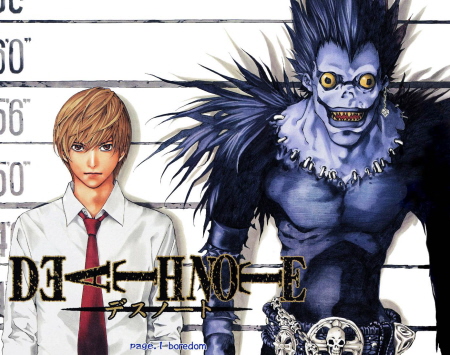
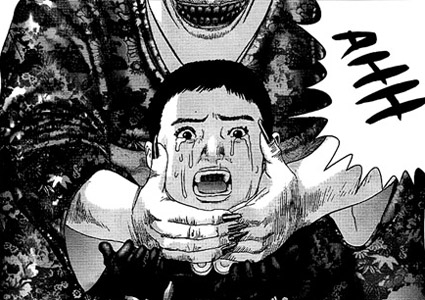
To Belgium, where one of the most chilling stories in the manga world continues to bubble beneath the surface. In late September 2007, two walkers in the Brussels Forest district’s Dudenpark investigated a strange smell. They stumbled across the mutilated remains of a human body and called the police.
Continue reading
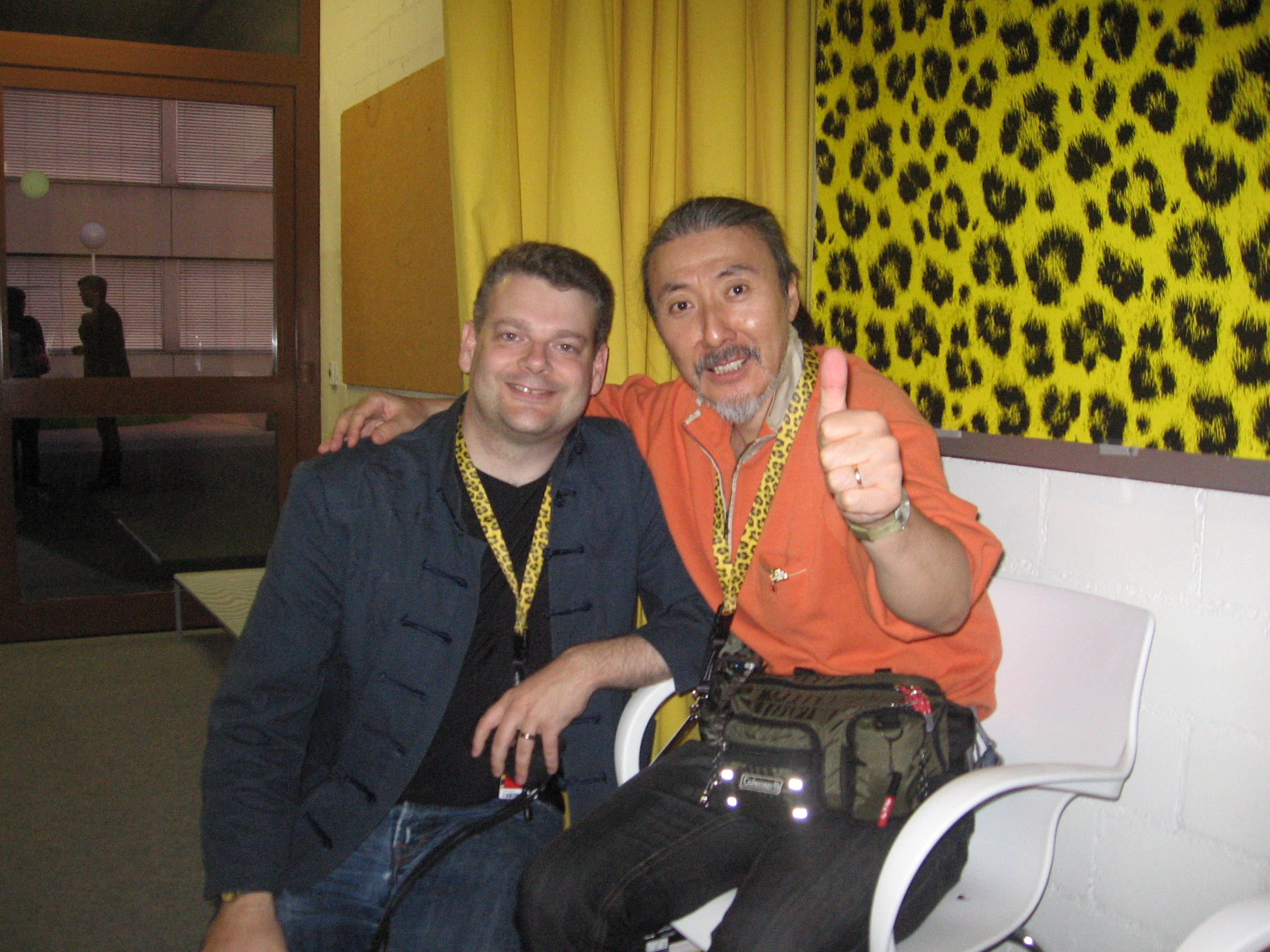
At last, I’m back from the Locarno Film Festival. Even though anime was only one of several strands, it still saw more incident than several conventions combined across ten-days of multiple screenings and events. There were hundreds of anime on show, including screenings of Summer Wars, Musashi: Dream of the Last Samurai and an open-air screening of Ponyo.
Continue reading
There’s a new way of watching television. It’s the one that doesn’t involve television at all. TiVos and smart boxes have changed some viewing habits, while online downloading has completely turned them on their head. People have stopped trusting broadcasters and started making their own choices about what’s going to be on the box on a weekday.
Continue reading

