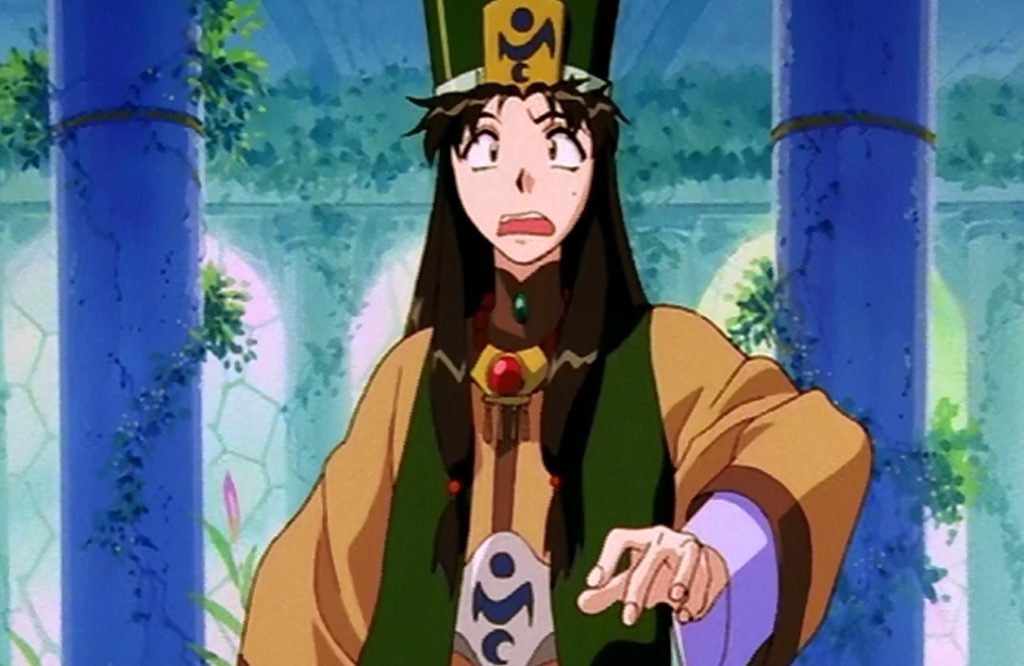
Chinese Animation and Socialism

“Kosei Ono writes a chapter specifically about the impact of Chinese cartoons in Japan, beginning with the watershed success of Princess Iron Fan, conceived in China as an anti-Japanese parable, but screened in wartime Japan as an innocent children’s cartoon retelling an episode from Journey to the West. Of course, it also spooked the hell out of the Japanese Navy, which threw money into making a rival feature so that Japan could regain the cultural high ground – the result was Momotaro: Sacred Sailors.”

Over at All the Anime, I review Daisy Yan Du’s new collection Chinese Animation and Socialism, which manages to link wartime propaganda, Chairman Mao and contraband dubs of Jenny Agutter in The Railway Children.

Tearmoon Empire

“In other words, just as Ascendance of a Bookworm shows a character changing the world through the pursuit of a certain invention, and How a Realist Hero Rebuilt the Kingdom saves a nation through accountancy (no, really), Tearmoon Empire’s protagonist sets out to change her world by not being such a terrible bitch.”

Over at All the Anime, I review Nozomu Mochitsuki’s Tearmoon Empire.
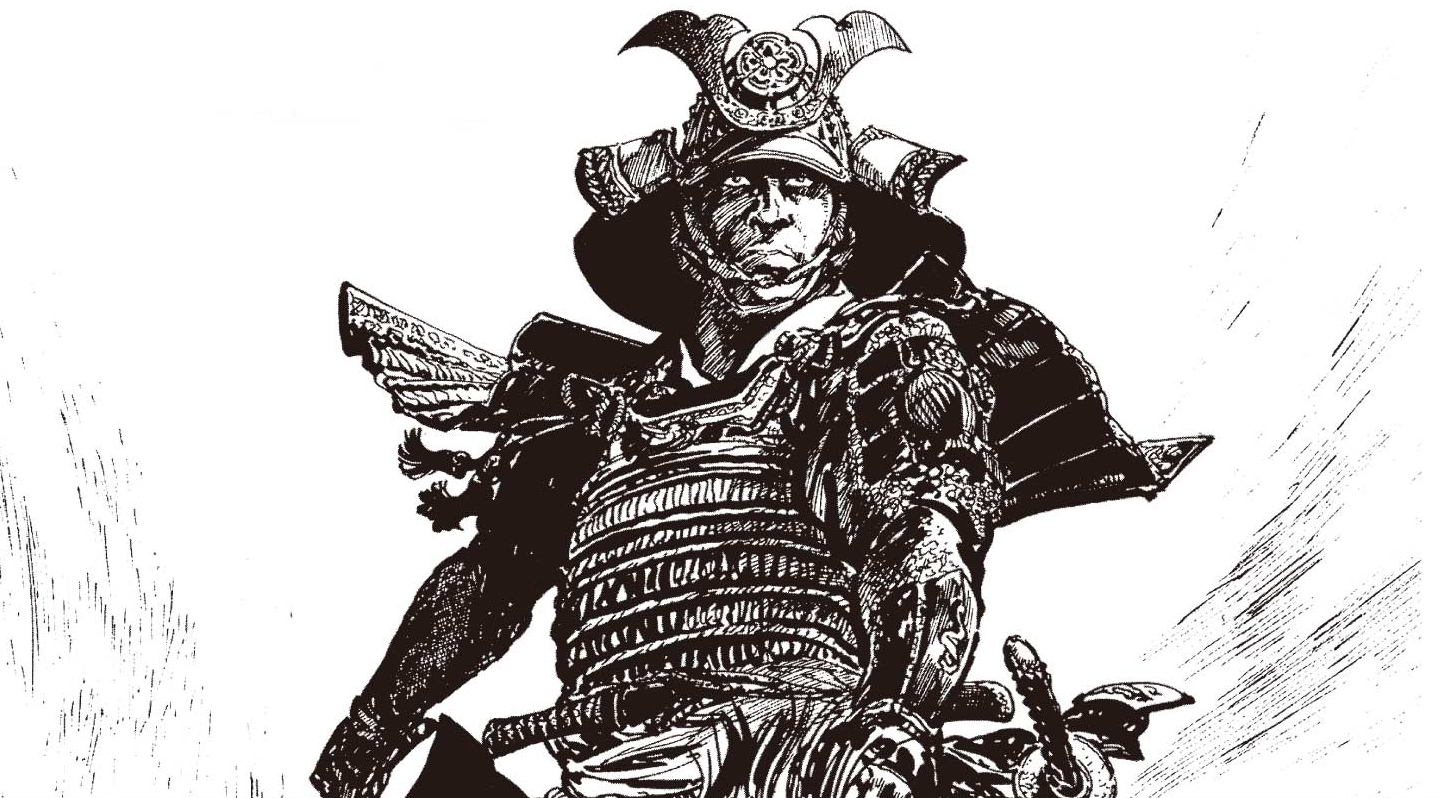
Hiroshi Hirata (1937-2021)

‘He found an unlikely celebrity supporter in the form of the author Yukio Mishima. “The pay-library comics that once could only be purchased in the flea markets of Ueno had ten times more vulgarity, cruelty, wild abandon and vitality than today,” Mishima wrote. “But in Hiroshi Hirata’s samurai comics, with their direct, serious art style, I find a nostalgia for kamishibai of old, and a sensibility in the manner of the violent warrior prints of the late Edo period.”‘

Over at All the Anime I write the obituary for the manga creator Hiroshi Hirata.

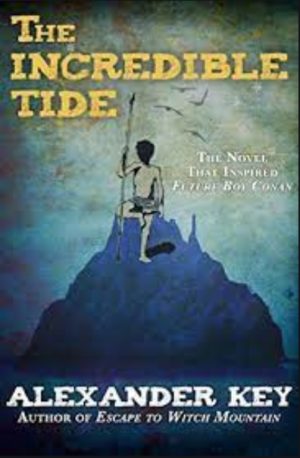
The Incredible Tide

“Man-made ecological disaster is not a single event, but an ongoing cycle of ever-greater deprivation and compromise, Conan’s generation simply have to live with it, prefiguring the controversial storyline of a much later anime, Makoto Shinkai’s Weathering with You.”

Over at All the Anime, I review Alexander Key’s The Incredible Tide.

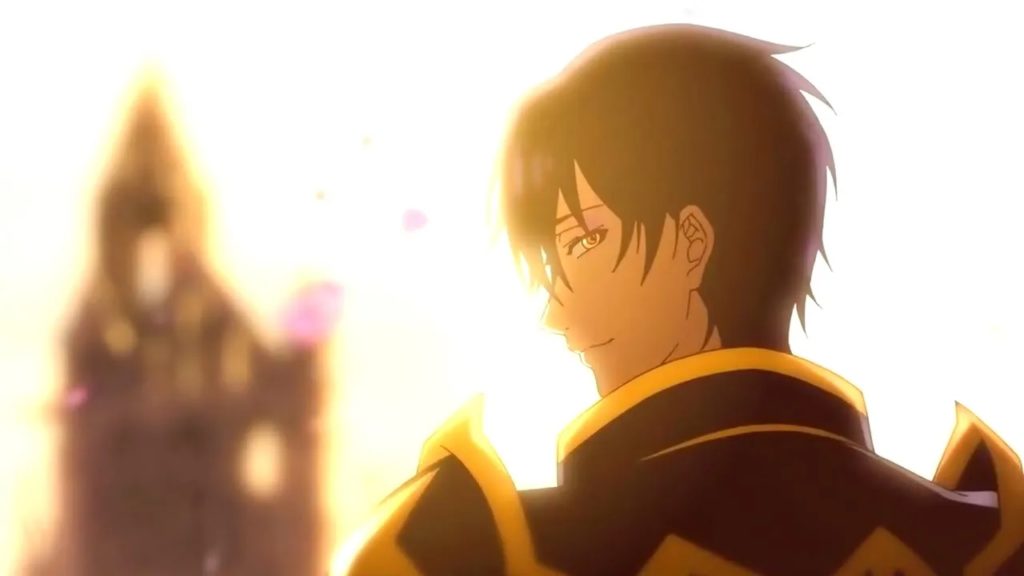
Anime’s Identity

“Stevie Suan’s new book, Anime’s Identity, cannot resist telling a story from the production of King’s Avatar (above), a 2019 Chinese animated series that subcontracted some of its animation work to a studio in Japan, only to send back the materials on the grounds that the Japanese work was not of high enough quality. That was definitely a bad day at the office for someone, but was it trolling for the hell of it, or a sign of a true sea-change in quality control and expectations?”

Over at All the Anime, I review a great book about Japanese animation and its place in the world.

Sayaka Kanda (1986-2021)

‘Taking the pen-name Alice from one of her mother’s songs, she wrote the lyrics to Matsuda’s “Love is Always 95 Points,” a fact not revealed until sometime later. Her lyrics deftly capture the doubts of a girl for whom romance is itself a performance – a tense preparation before the mirror, an agonising choice on costume, and an entrance into public space, ever fretful that her date is going to laugh at her.’

Over at All the Anime, I write an obituary for Sayaka Kanda, the actress, singer and lyricist who fell to her death at a Hokkaido hotel yesterday.

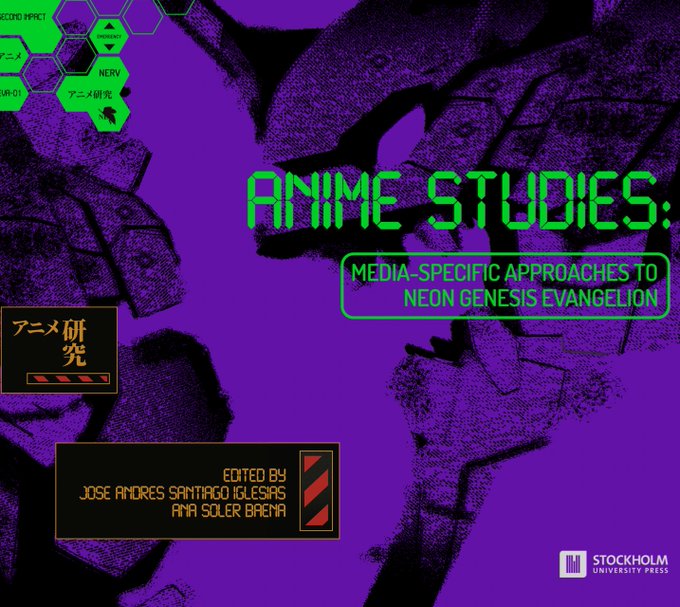
Approaches to Evangelion

“Anime Studies: Media-Specific Approaches to Neon Genesis Evangelion is a delightful collection of fresh scholarship on all sorts of intriguing aspects of anime, as revealed through various angles to a famous and much-loved series, itself given a new lease of life and a new legion of fans thanks to Netflix. Published by Stockholm University Press, but organised out of the University of Vigo in Spain, it is a well-curated volume that will provide much food for thought for anime scholars and the more chin-strokey of fans.”

Over at All the Anime I review the second open-access anime publication from Stockholm University Press.